Is Fort Sumter and Fort Moultrie National Historical Park worth your trip?
Fort Sumter and Fort Moultrie is one of the most historically loaded sites in the American national park system, anchoring two forts that bookend nearly two centuries of coastal military history.
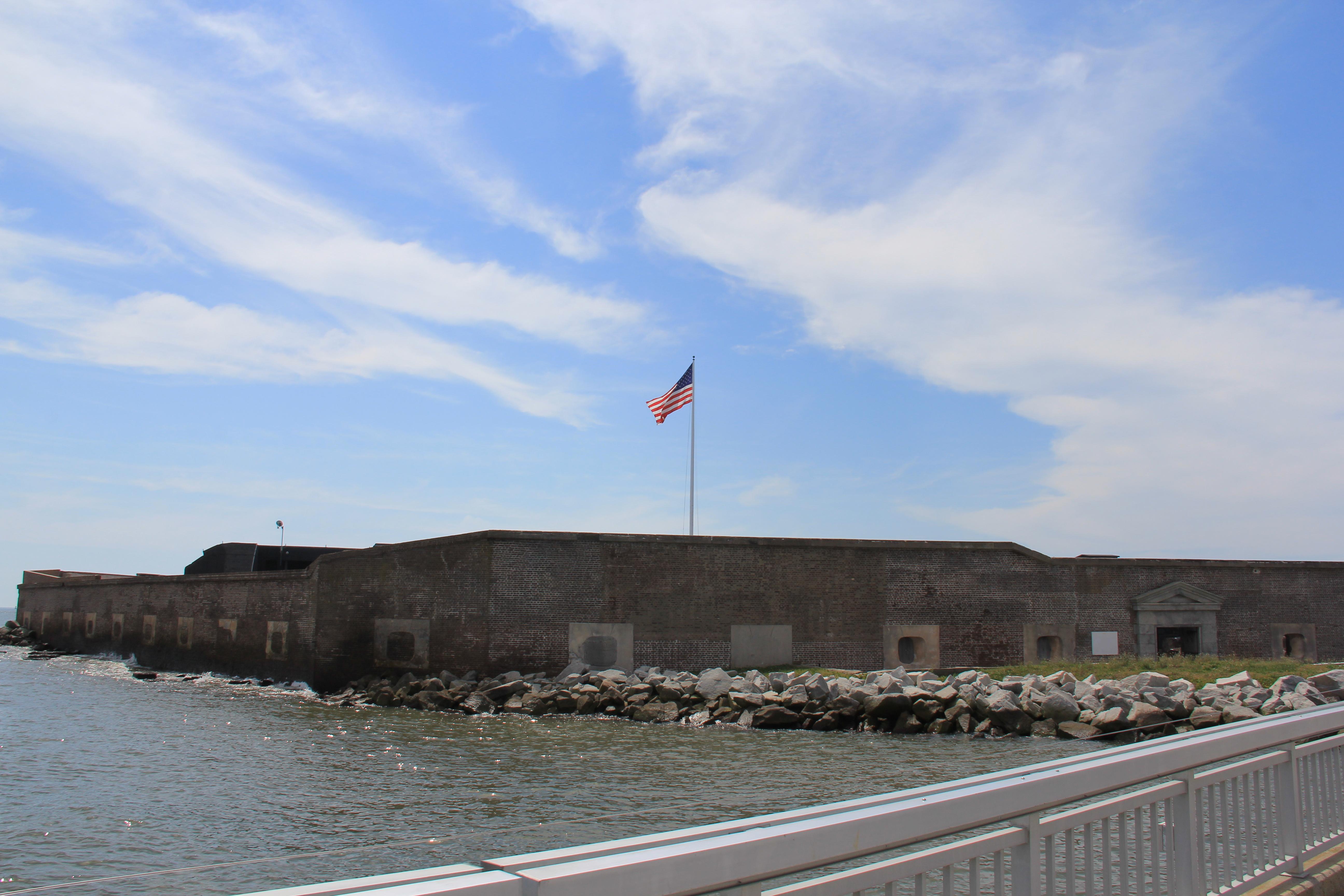
Fort Sumter sits in Charleston Harbor and is only reachable by boat tour, making the journey itself part of the experience. Fort Moultrie on Sullivan's Island is drive-up accessible and covers American seacoast defense from the Revolution through World War II. Together they tell a story that runs from the first successful American resistance to the British Navy in 1776 straight through to the artillery exchange that opened the Civil War in 1861. At a score of 78, this is a genuinely well-rounded site with real programming depth including living history, weapons demonstrations, and guided tours. History-focused visitors will find this rewarding. Those expecting trails, scenery, or outdoor recreation will find the offering thin.
Why go
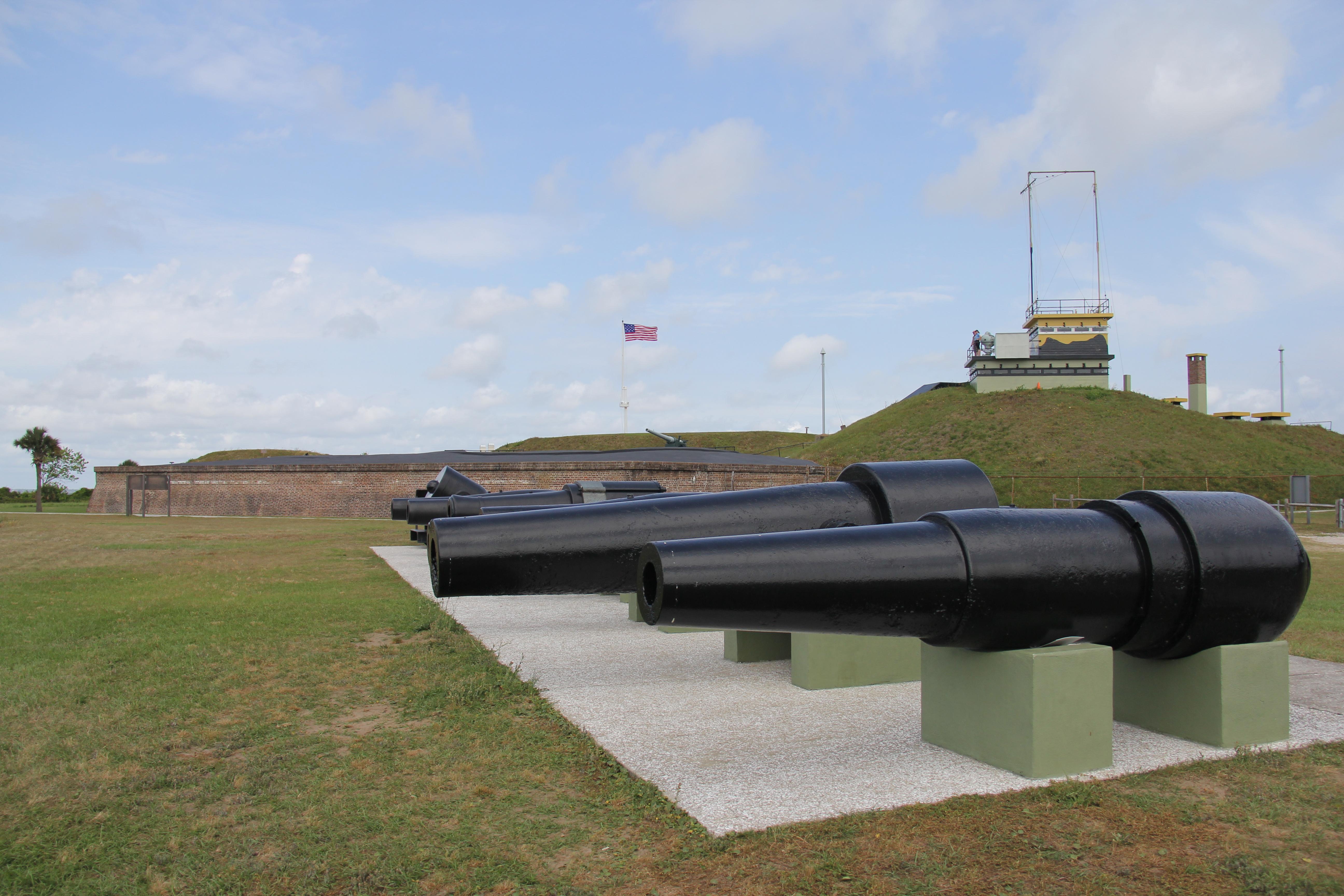
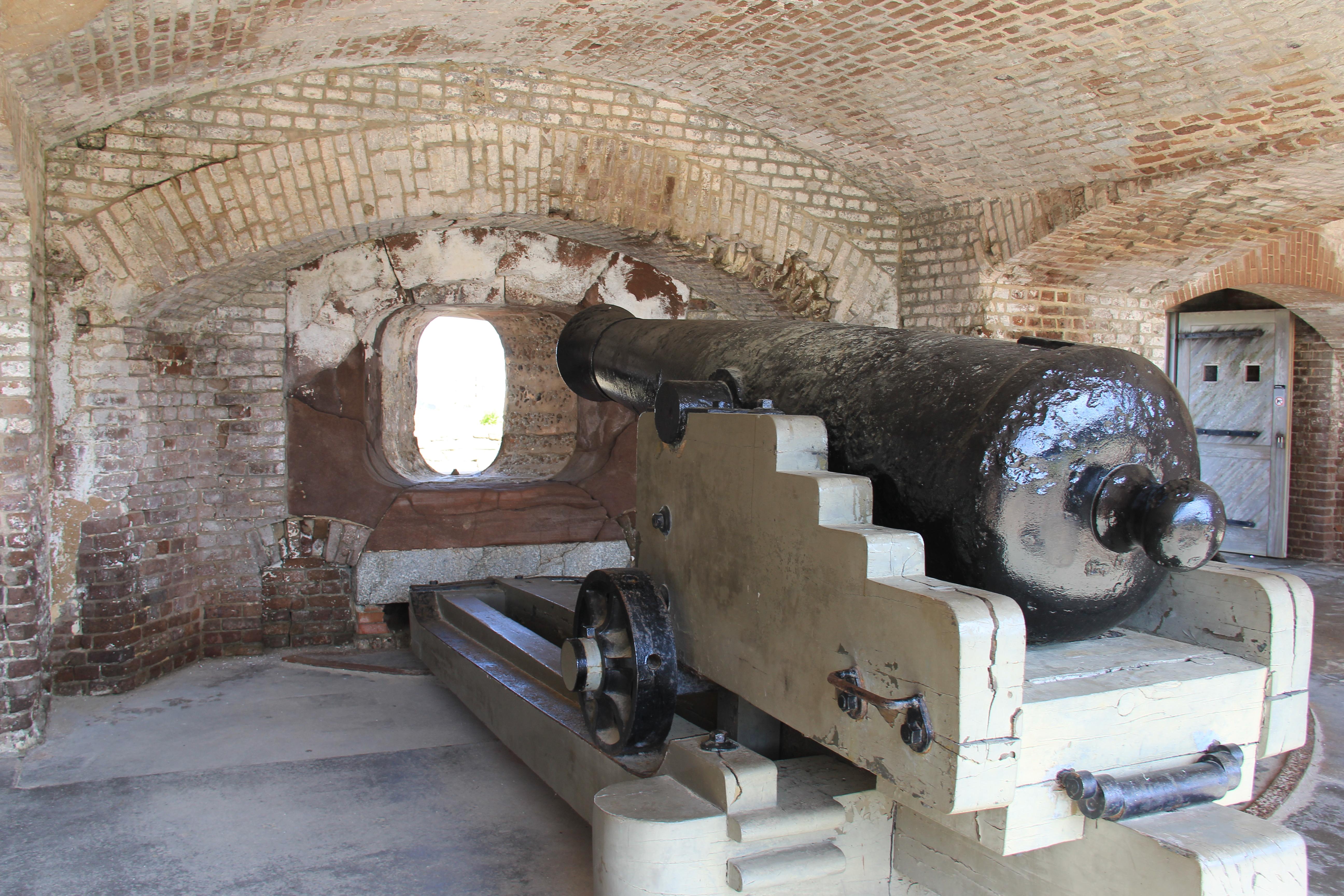
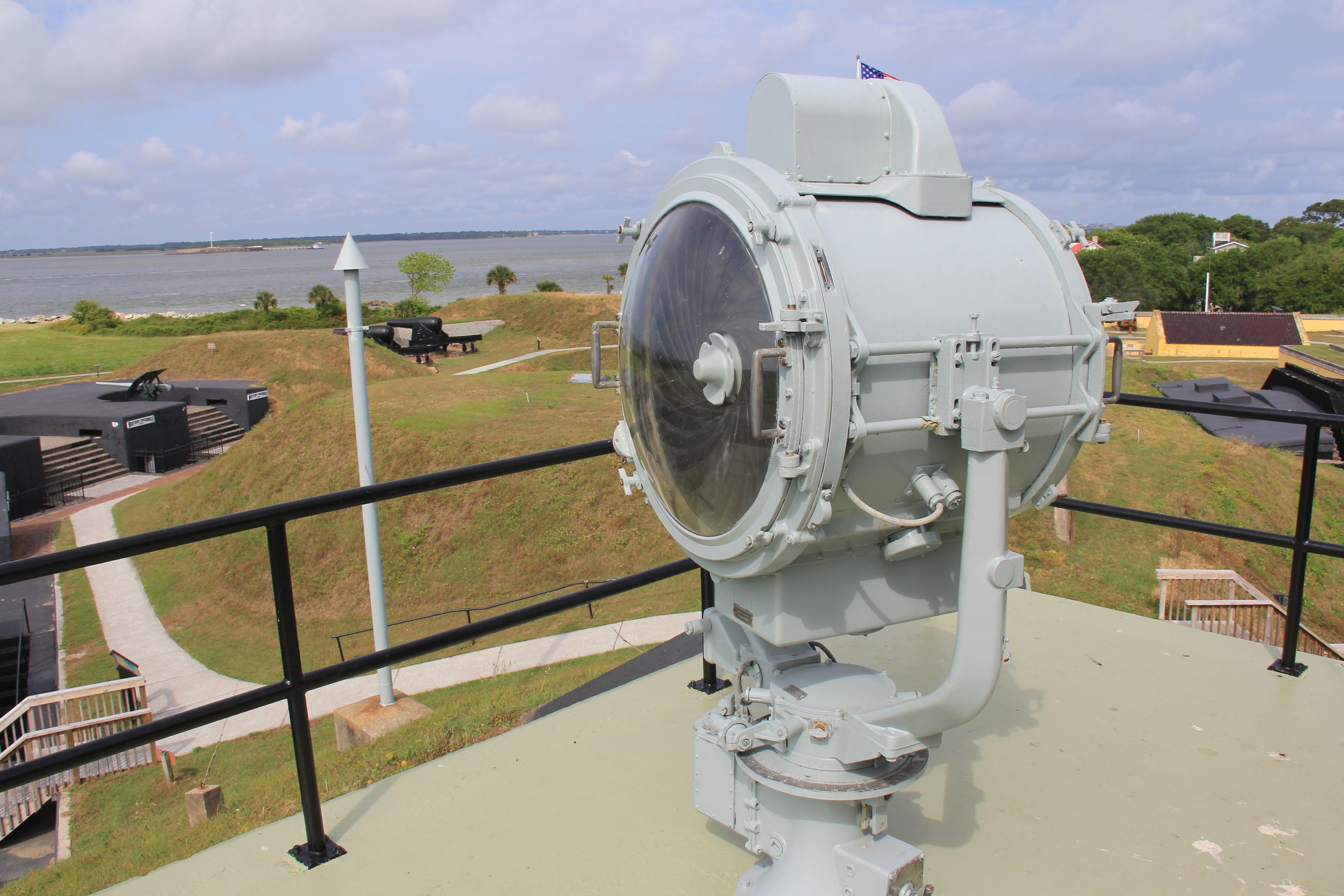
This unit offers a split experience across two historic forts. Begin at the Fort Moultrie Visitor Center on Sullivan's Island. Its museum exhibits detail the history of American coastal defense. The fort itself represents multiple eras, from 1776 palmetto log walls to World War II gun batteries. Then, take a boat tour across Charleston Harbor to Fort Sumter. This is where the Civil War began on April 12, 1861. Rangers provide guided tours on the island. The harbor crossing offers unique perspectives of Charleston. Living history programs and historic weapons demonstrations enhance specific visits. A Junior Ranger program spans both sites. This destination will appeal to history enthusiasts and those seeking a distinct harbor view.
Best for
This park primarily serves enthusiasts of American Revolution and Civil War history. Its value extends to families with curious children, harbor birdwatchers, and those who appreciate ranger-led programs. However, visitors seeking extensive hiking, wilderness experiences, or landscape photography opportunities should look elsewhere. This is a fort and museum, not an outdoor recreation park.
Best season
Spring and fall offer ideal conditions. Winters provide a mild, uncrowded experience, perfect for historical exploration. Summer brings significant heat, humidity, and peak visitation. During these months, ferry tickets for boat tours require advance booking. Cooler months present prime opportunities for birdwatching along the harbor.
The high points
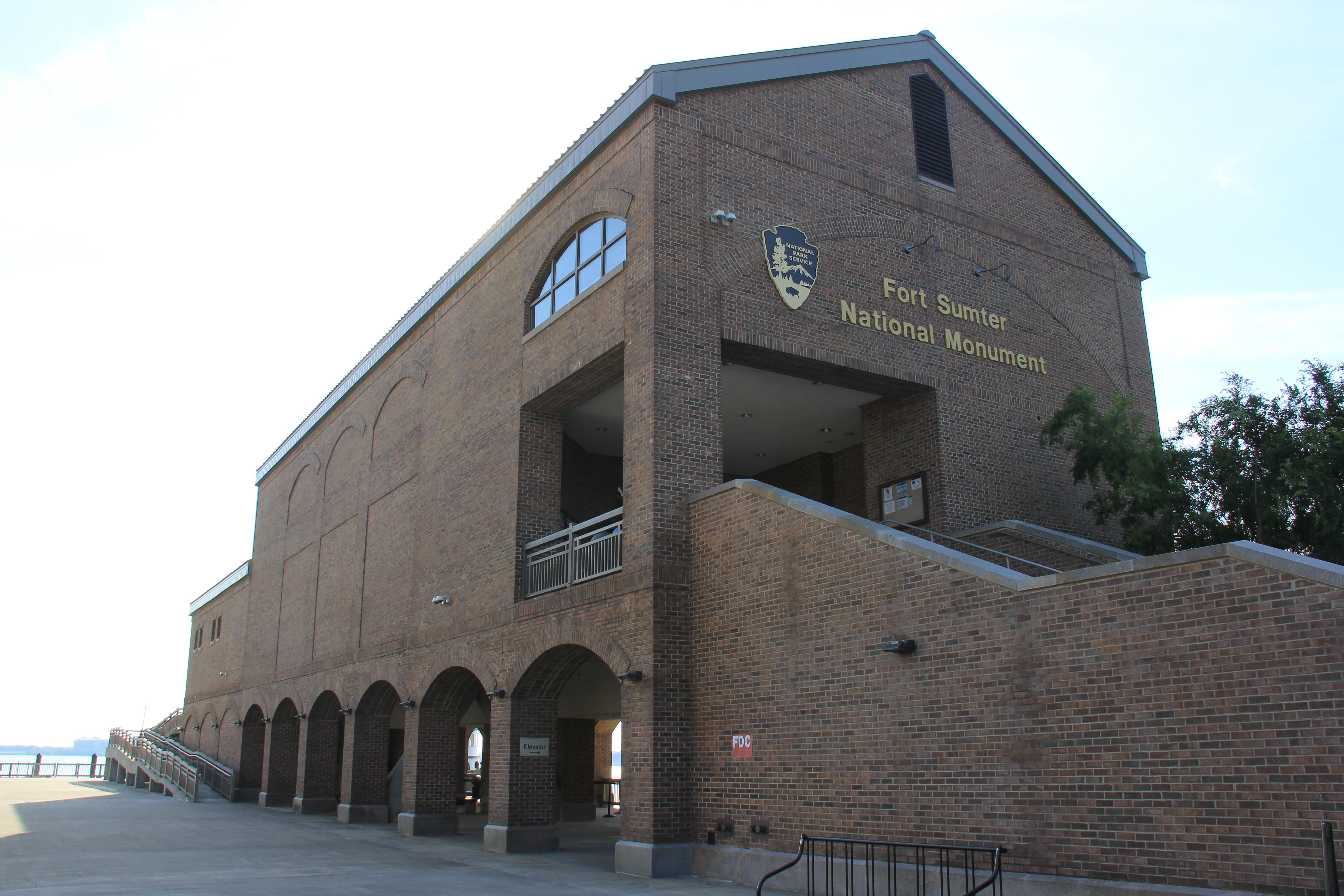
- Boat tour to Fort Sumter across Charleston Harbor, the only way to reach the site where the Civil War opened
- Fort Moultrie's layered fortifications spanning from the American Revolution through World War II
- Ranger-led guided tours and living history programs at both forts
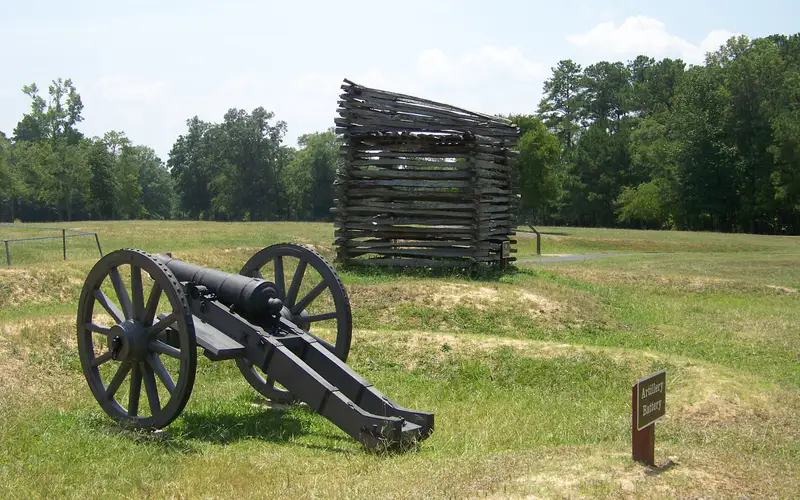
- Historic weapons demonstrations that bring the artillery story to life
- Museum exhibits at the Fort Moultrie Visitor Center covering the full history of American seacoast defense
- Birdwatching and wildlife watching along the Charleston Harbor waterfront
Know before you go
The $10 entrance fee provides access to both forts. Fort Sumter, however, requires a separate boat tour ticket from a concessioner, adding both cost and a reservation step. Fort Moultrie offers direct vehicular access on Sullivan's Island. Ferry schedules for Fort Sumter are limited; consult the NPS site for current departure times. This split access model means two distinct experiences and two separate logistical considerations for visitors.
One more thingAccess to Fort Sumter is exclusively by authorized ferry. Online ticket purchase is highly recommended, particularly for spring and summer weekend visits, as tours frequently sell out. For optimal harbor views and photographic conditions, consider an afternoon ferry crossing to Fort Sumter after an early visit to Fort Moultrie.