parkverdict
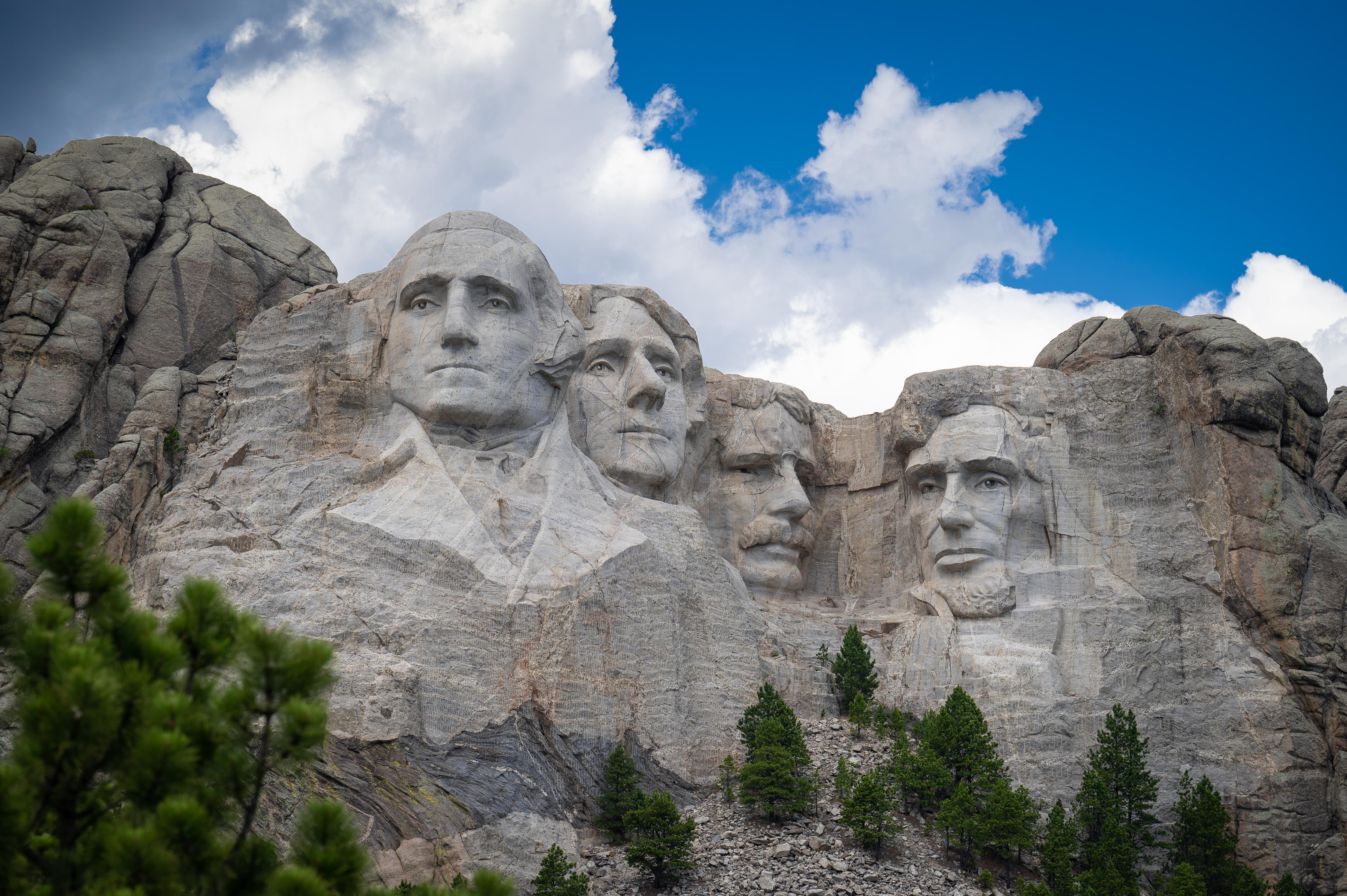
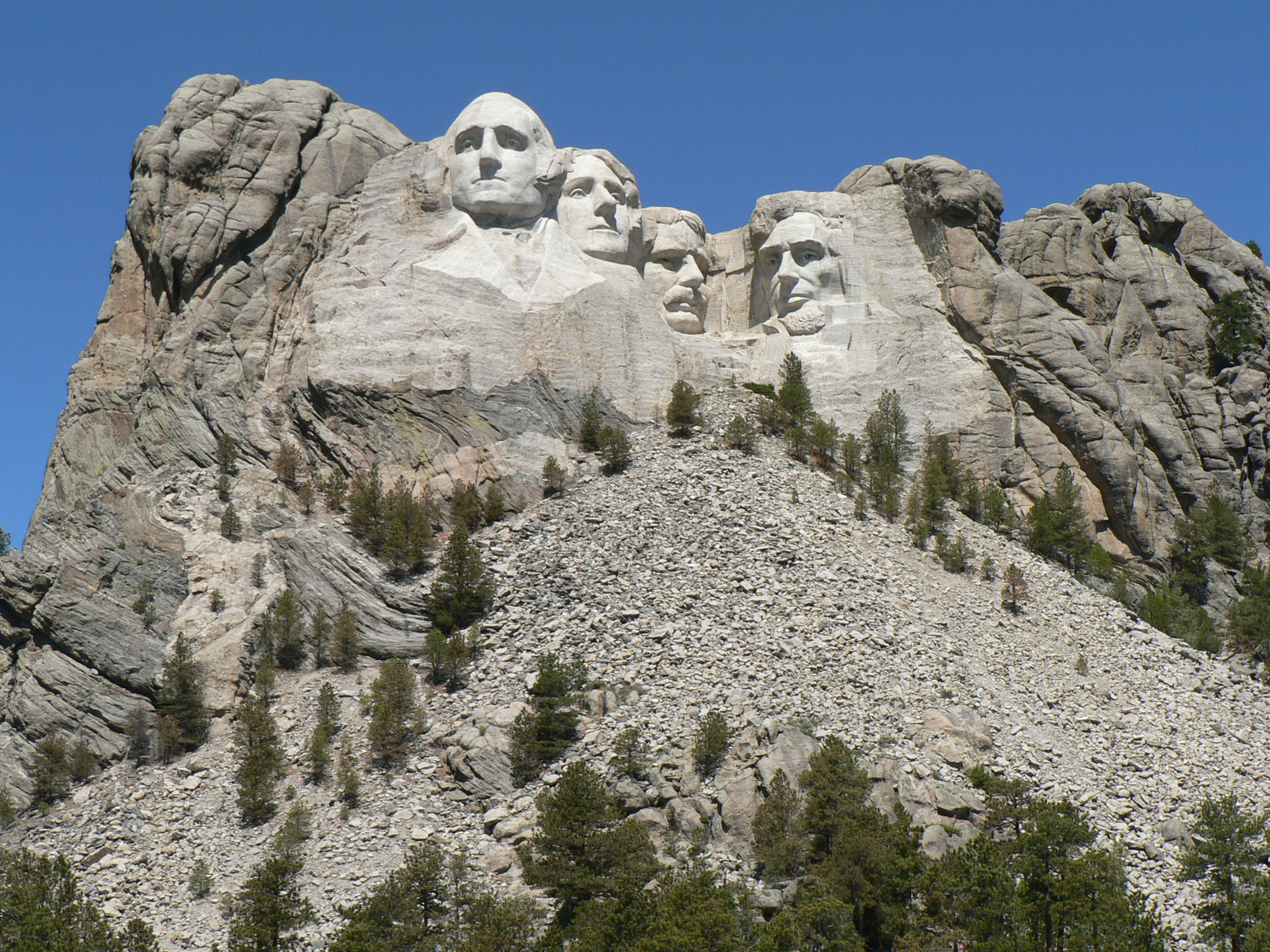
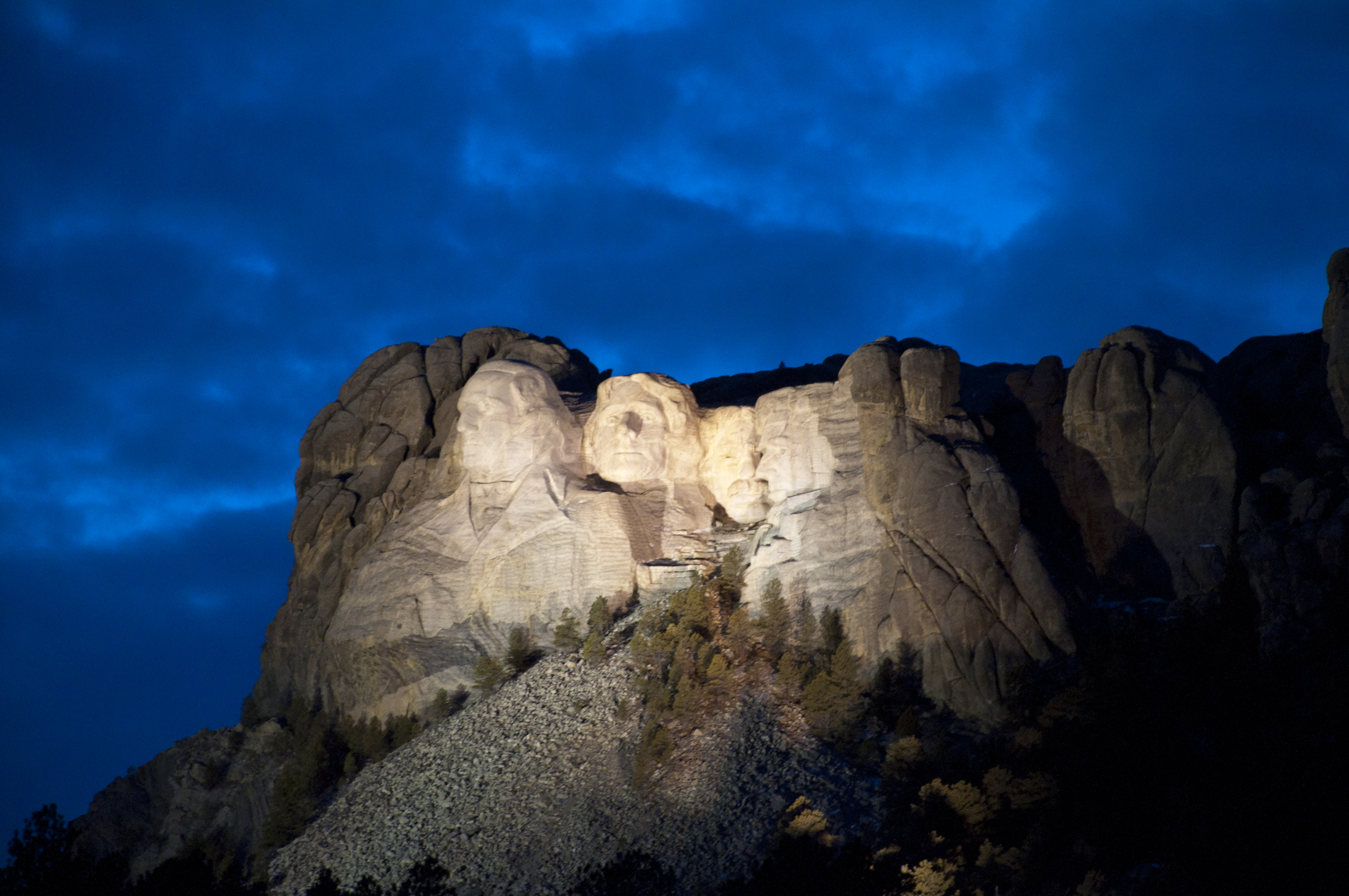
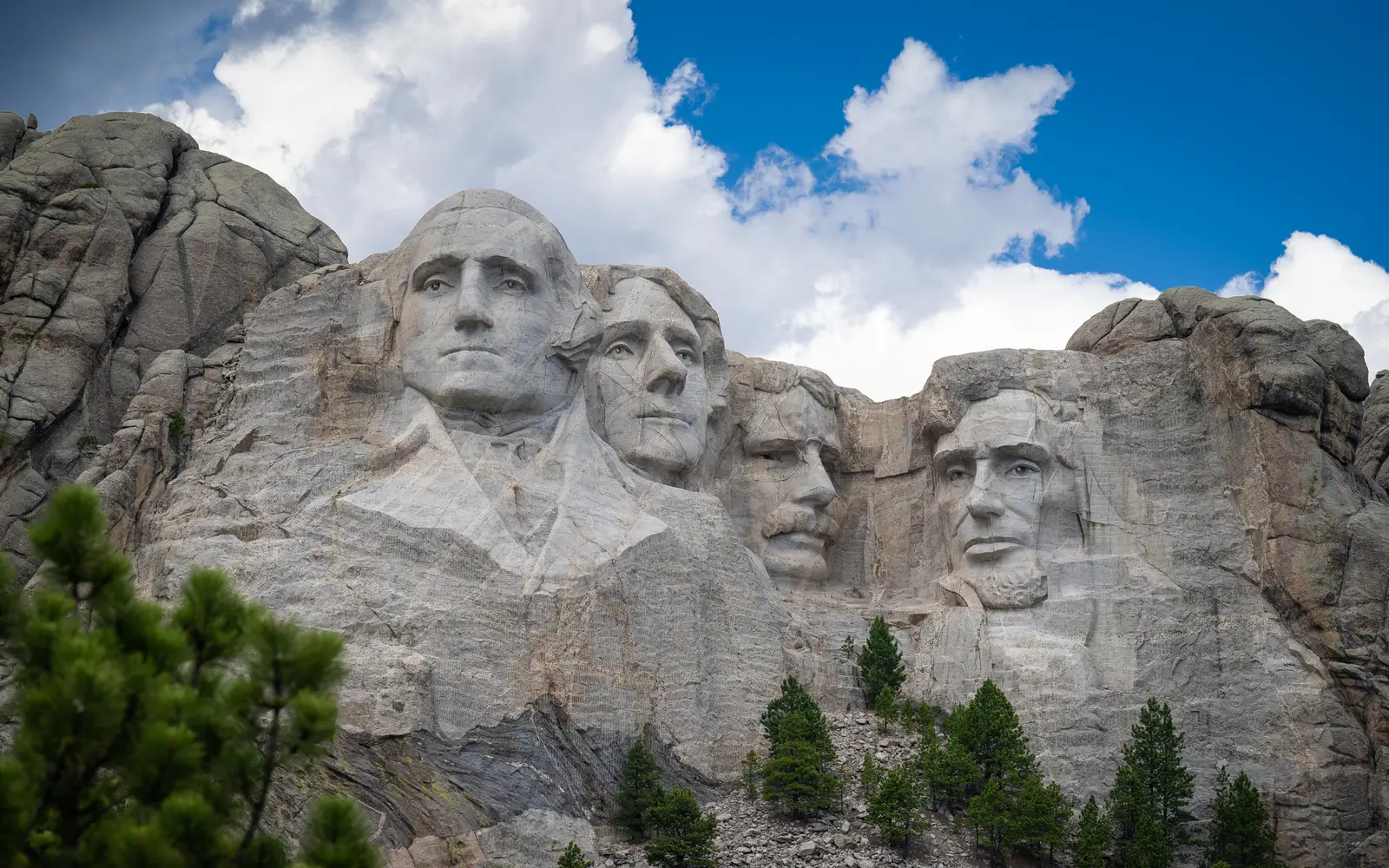
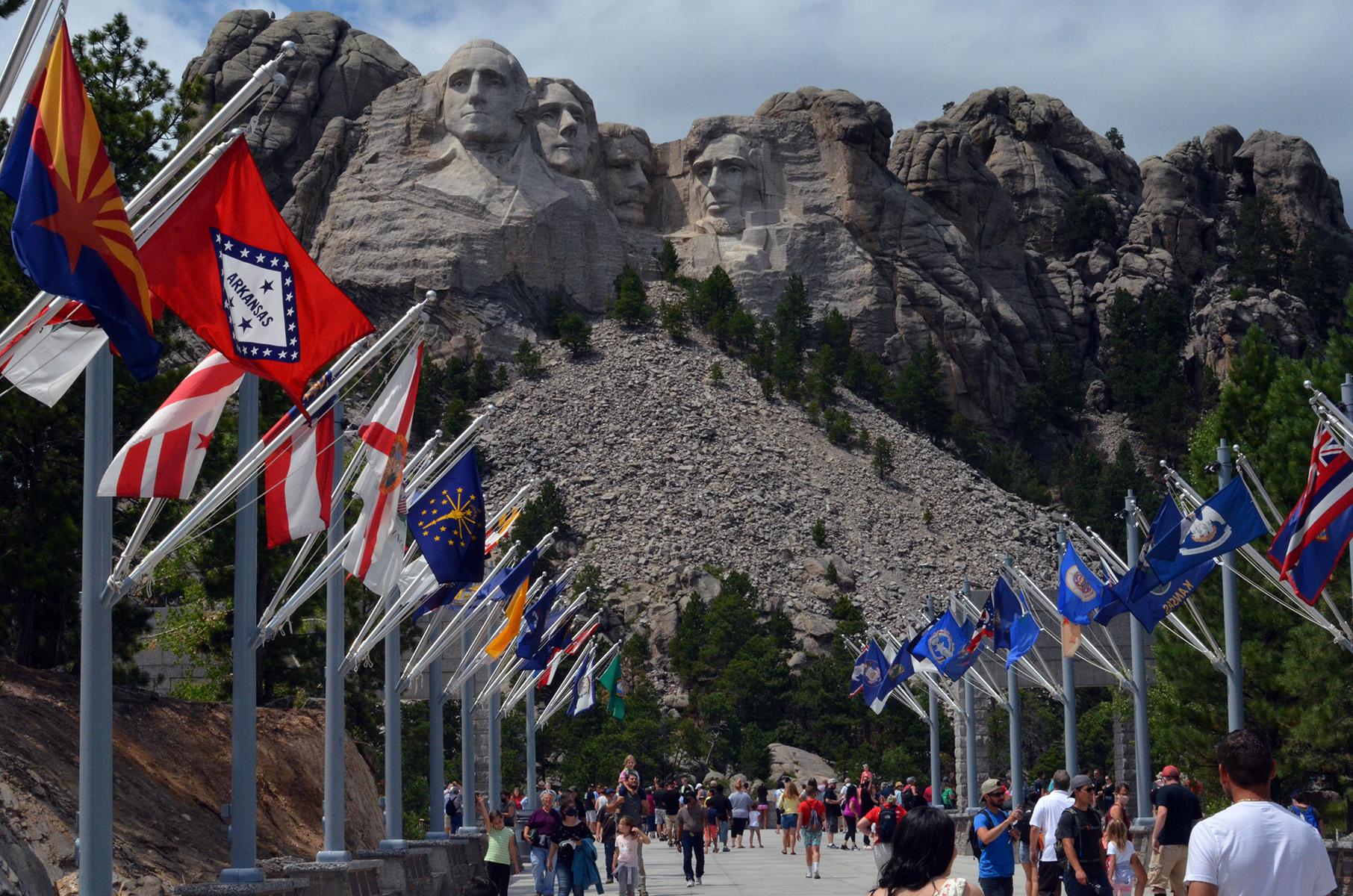
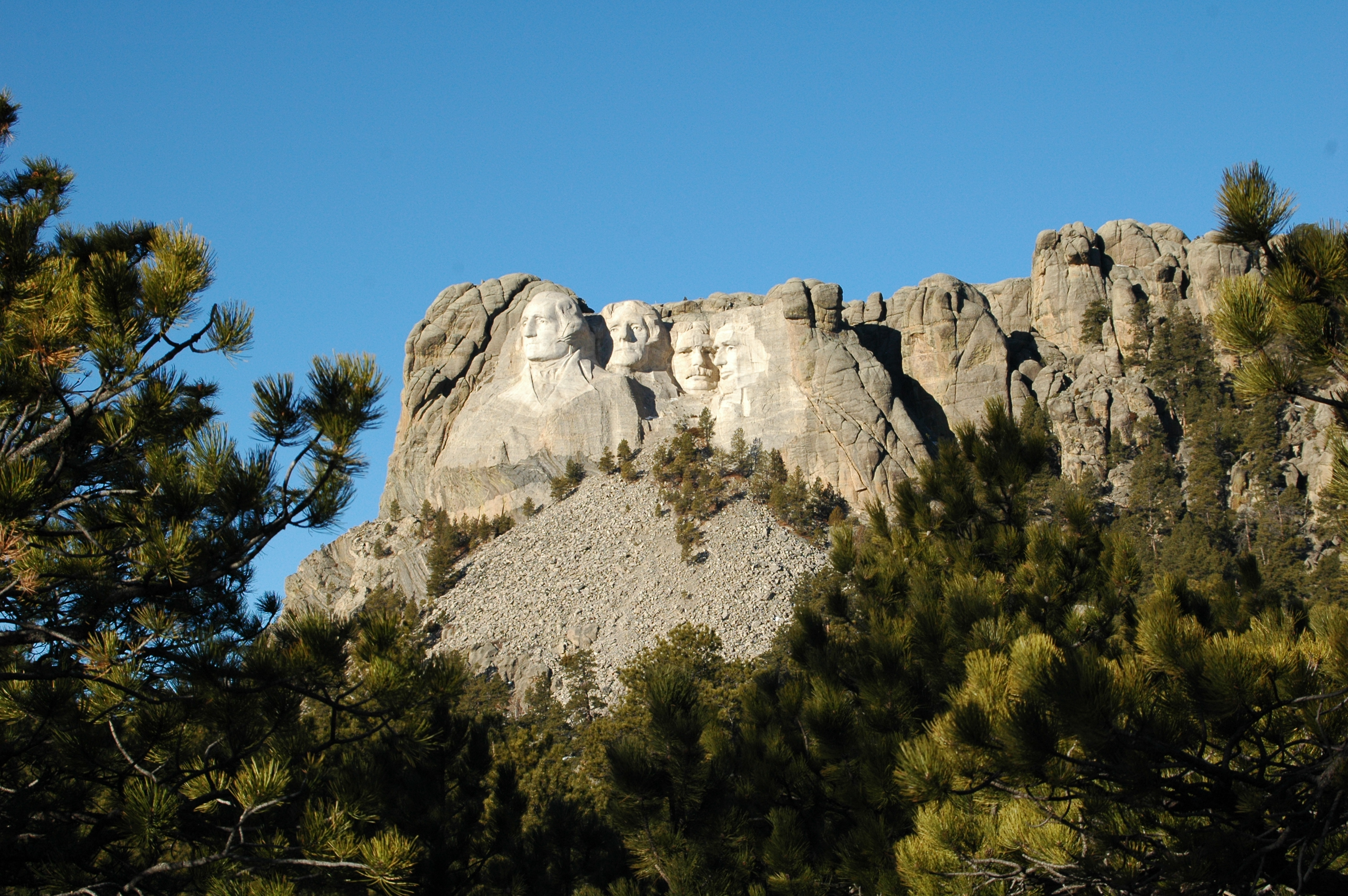
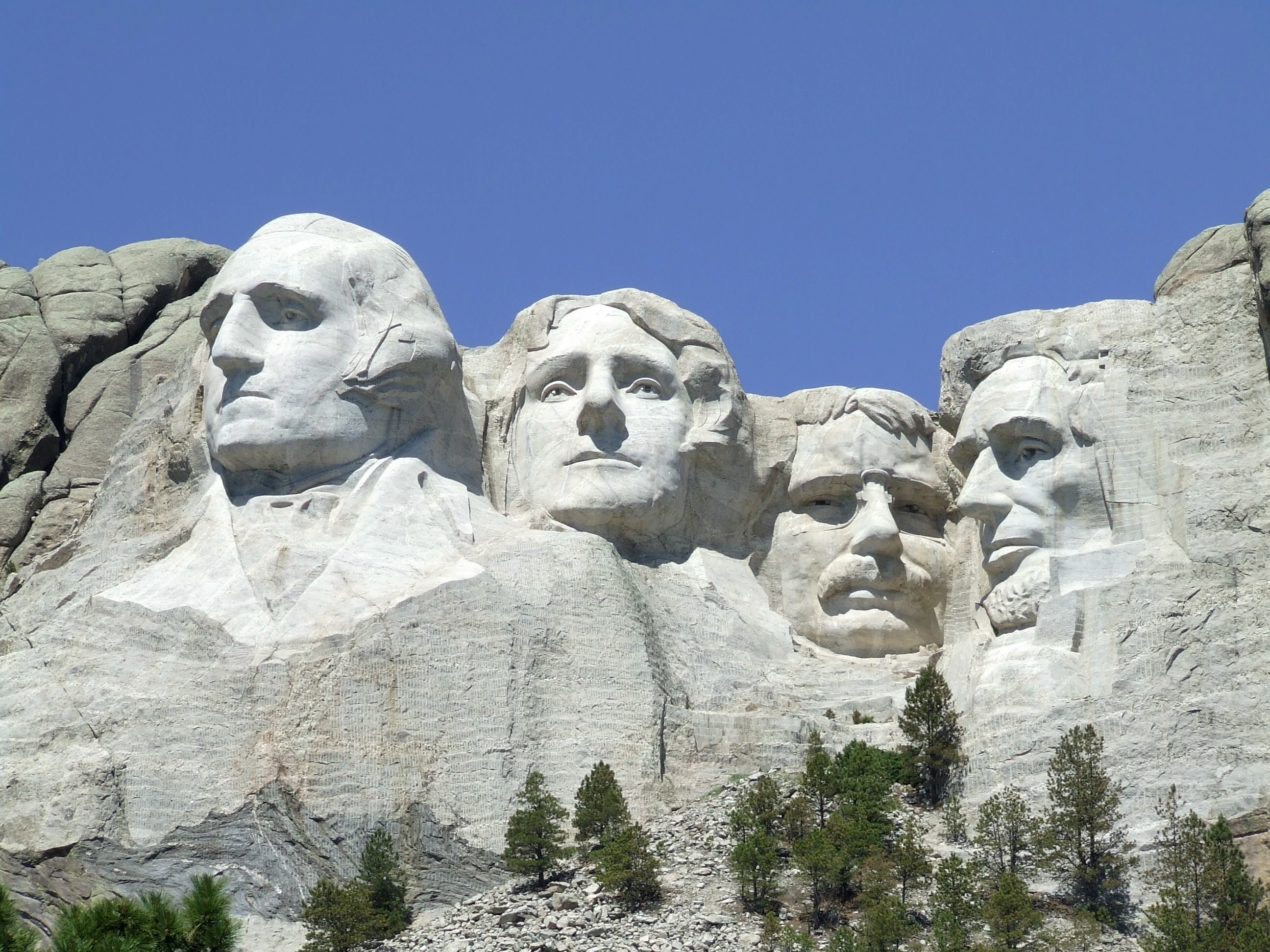
Photo of Mount Rushmore under a bright blue sky with puffy clouds floating over.Visitors walking along the Avenue of Flags with Mount Rushmore in the background.Mount Rushmore viewed from a distance through ponderosa pine trees.Closeup photo of Mount Rushmore under a bright blue sky.
National MemorialSD

Mount Rushmore National Memorial

NPS / NPS Photo
60/ 100GOOD RANGE
parkverdict Experience ScoreIndependent, not sponsored

60 of 100. Our independent breadth-and-access index. How we score

Our verdict

Should you visit Mount Rushmore National Memorial?

Mount Rushmore is one of the most recognized landmarks in the United States, and standing in front of those 60-foot granite faces, Washington, Jefferson, Roosevelt, Lincoln, carries a weight that photographs just cannot convey.

Even so, go in knowing what it is: a memorial, not a wilderness destination. Everything here centers on viewing, learning, and dining, not hiking or adventure, and the experience score of 60 reflects exactly that. Plan on two to four hours, not two days. Families, history enthusiasts, and anyone passing through the Black Hills will find it earns its spot on the itinerary. Travelers who came for outdoor recreation or solitude will get far more from the surrounding Black Hills National Forest. Admission is free, which takes most of the pressure off the decision entirely.

What makes it worth it

Skipping straight to the main viewpoint and leaving misses most of what the park offers. The film alone is worth the stop, because understanding how the sculpture was actually built changes the way you look at the faces. The museum goes further, covering both the carving process and the history of the region's first inhabitants, and that context turns four faces on a mountain into something more like a memorial. Guided tours catch details that most people wandering on their own simply walk past. Kids have the Junior Ranger Program to work through, which gives them a real reason to pay attention rather than just trail behind the adults. The sculpture itself rewards arriving at different times, since the light does something noticeable to the stone as the day moves along. And none of this costs anything, because entry is free, so the only thing you're spending is a little extra time.

Who should go

Families, history enthusiasts, and anyone driving through the Black Hills will find this stop worth their time. The Junior Ranger Program and museum exhibits give kids plenty to explore. If backcountry hiking, wildlife watching, or a few days of real outdoor time is what you are after, plan a half-day here and build the rest of your trip around the surrounding Black Hills.

When to go

Summer draws the biggest crowds, and heat can push close to 100 degrees Fahrenheit, so getting there early in the morning makes a real difference. Fall is the sweet spot: temperatures settle into comfortable territory and the crowds thin out noticeably. Winter keeps the grounds open, though you can see anything from the 20s to the 40s and some facilities cut their hours. Spring is the hardest season to plan around because the weather swings so widely.

Highlights

  • Viewing the four sculpted presidential faces from the main terrace, where scale becomes genuinely impressive
  • The park film providing behind-the-scenes context on how the sculpture was carved
  • Museum exhibits covering both the construction history and the region's Indigenous heritage
  • Guided tours that go deeper into the memorial's political and artistic significance
  • Junior Ranger Program structured for children to engage actively with the site
  • Free admission, making it a low-risk addition to any Black Hills itinerary

Plan ahead

Getting in is free, but you will pay to park in the lot. The grounds themselves are open all year, with only December 25th shutting down the main facilities. Plan on spending two to four hours there. Summer gets crowded, so go early or pick a weekday if you want a more relaxed visit.

Editor's tipThe light shifts across the sculpture as the day moves on, and the faces come through clearest in the morning when direct sun hits them straight on. If your schedule has any give, getting there early beats midday for both the view and the parking.

How we scored it

Behind the 60

The number is not a mood. It is a few things we can actually check in public records, added up and capped so no single one runs away with the total. It tracks how much a place has going on and how easy it is to reach, and nothing about scenery or crowds. Here is what added up to 60:

  • Activity breadth10 documented activities
  • Topic breadth9 topics
  • Official imagery6 public-domain images
  • Camping on sitenone recorded
  • Entry costfree

No number is hand-adjusted and no unit pays for placement. The full weights, the floor at 18 and a worked example are on how we score.

The honest limits

What the number leaves out

Worth saying plainly: this number only knows what the data shows, which is breadth and access. It has no idea whether the scenery is jaw-dropping, whether the lot is a zoo in July, what shape the trails are in, or how good the guided walks are. So do not read a lower score as a worse day out. A focused little site can beat a big all-rounder for the right person. Compare the numbers for what is on offer, then read the verdict for who each place actually suits.

Overview

About Mount Rushmore National Memorial

The Black Hills of South Dakota hold something genuinely hard to prepare for. Four faces carved into granite, Washington, Jefferson, Roosevelt, and Lincoln, each representing a distinct chapter: the founding, the expansion, and the preservation of the United States. Mount Rushmore pulls you from the story of the land's first inhabitants all the way through to where the country stands today.

On documented breadth and access, Mount Rushmore National Memorial ranks 6th of 7 park and public-land units we score in South Dakota.

Climate note

Summer at Mount Rushmore can push anywhere from 70 to 100 degrees Fahrenheit, so bring layers regardless, because mornings stay cool even then. Fall pulls things back down into the 45 to 80 degree range. Winter is the hardest stretch, with highs sitting between 20 and 40 degrees. Spring lands somewhere in the middle at 30 to 70. For warm weather, July or August are your best bets. If bitter cold is a dealbreaker, stay away in January and February.

Things to do

What it offers

FoodDiningGuided ToursSelf-Guided Tours - WalkingJunior Ranger ProgramPark FilmMuseum ExhibitsShoppingBookstore and Park StoreGift Shop and Souvenirs
Common questions

Mount Rushmore National Memorial: quick answers

Is Mount Rushmore National Memorial worth visiting?

Mount Rushmore is one of the most recognized landmarks in the United States, and standing in front of those 60-foot granite faces, Washington, Jefferson, Roosevelt, Lincoln, carries a weight that photographs just cannot convey.

Is Mount Rushmore National Memorial free to visit?

No charge at the gate.

What is Mount Rushmore National Memorial best for?

It leans hardest toward good with kids, guided tours, history & culture, going by the 10 activities it actually documents.

When is the best time to visit Mount Rushmore National Memorial?

Summer draws the biggest crowds, and heat can push close to 100 degrees Fahrenheit, so getting there early in the morning makes a real difference.

How is the Experience Score for Mount Rushmore National Memorial calculated?

The 60 comes straight from public data on how much the place documents and how easy it is to reach, things like activities, topics, photos, camping and whether entry is free. It says nothing about scenery or how busy it gets.