parkverdict
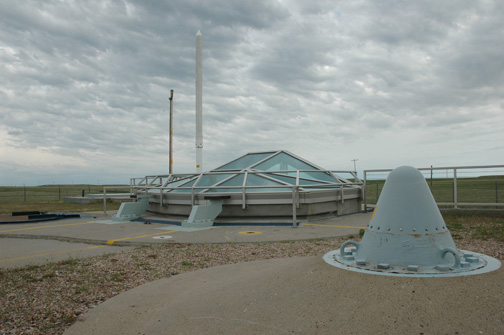
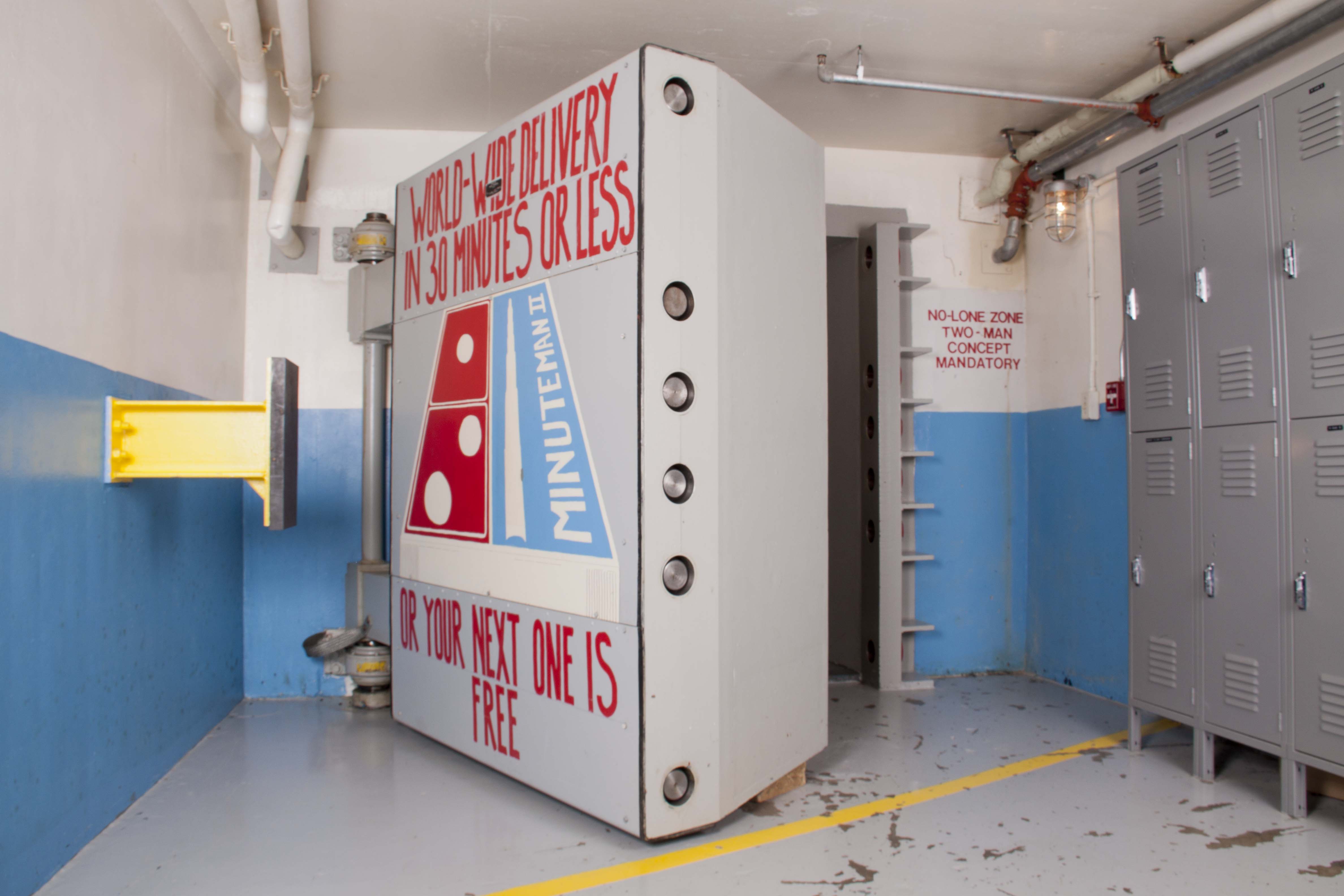
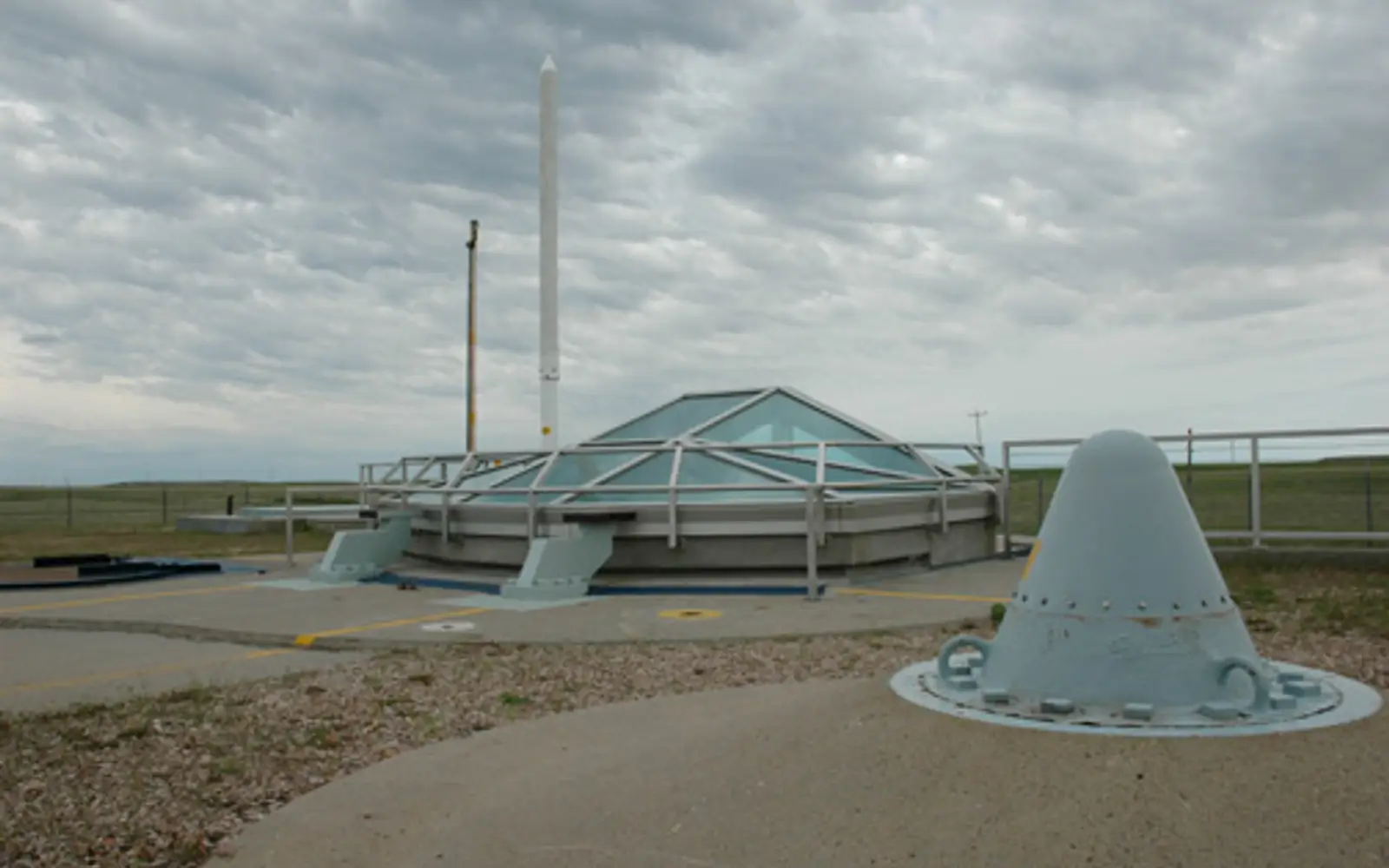
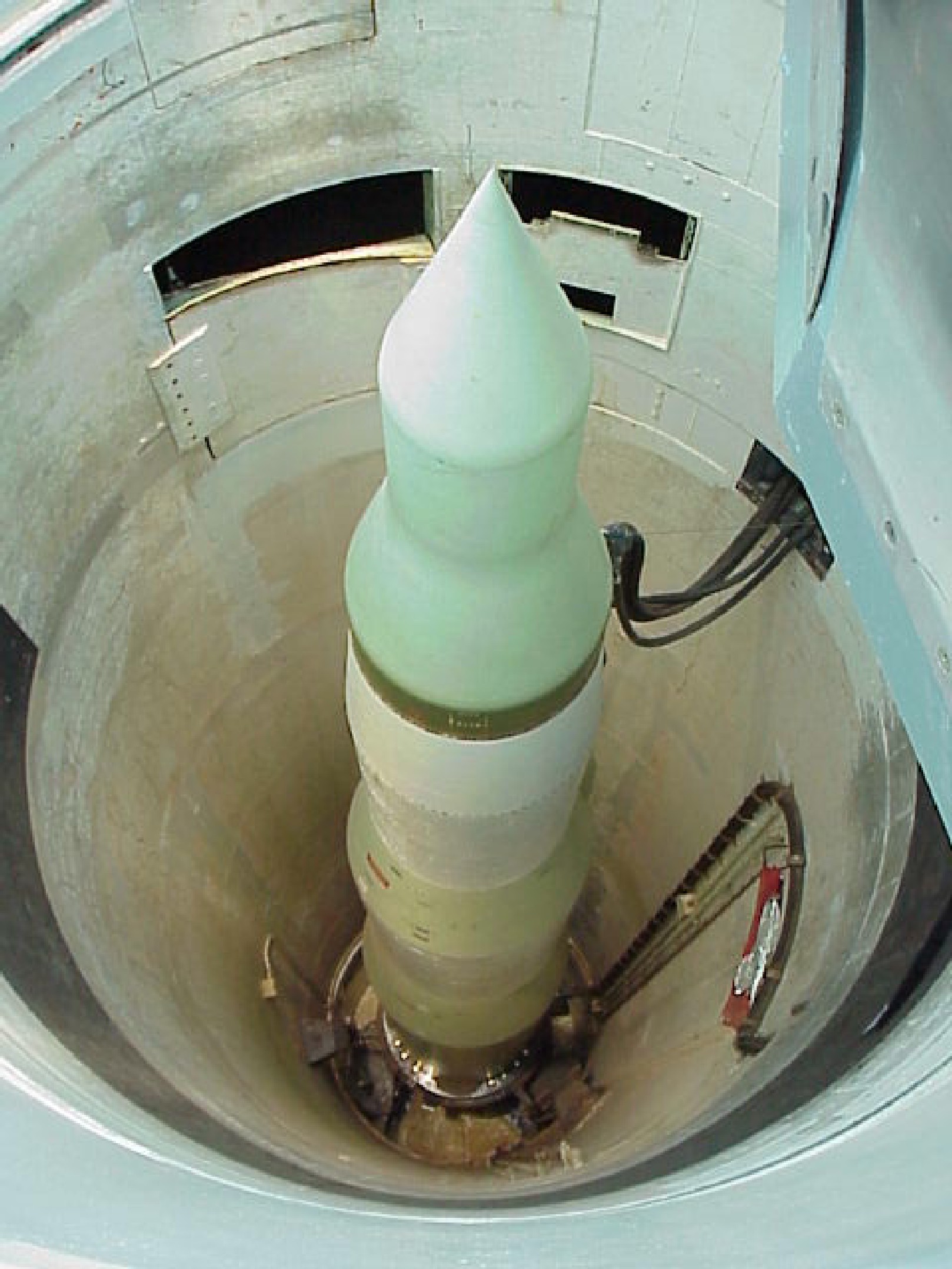
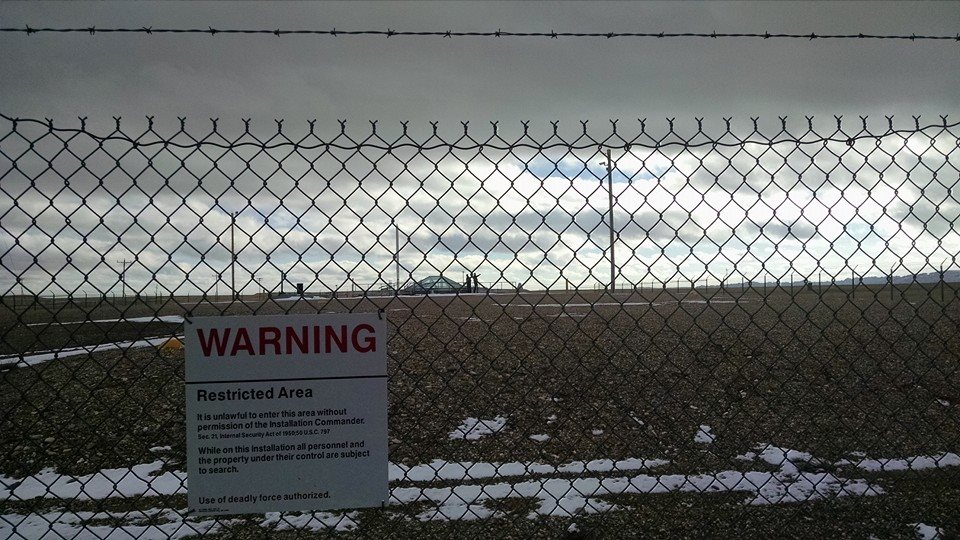
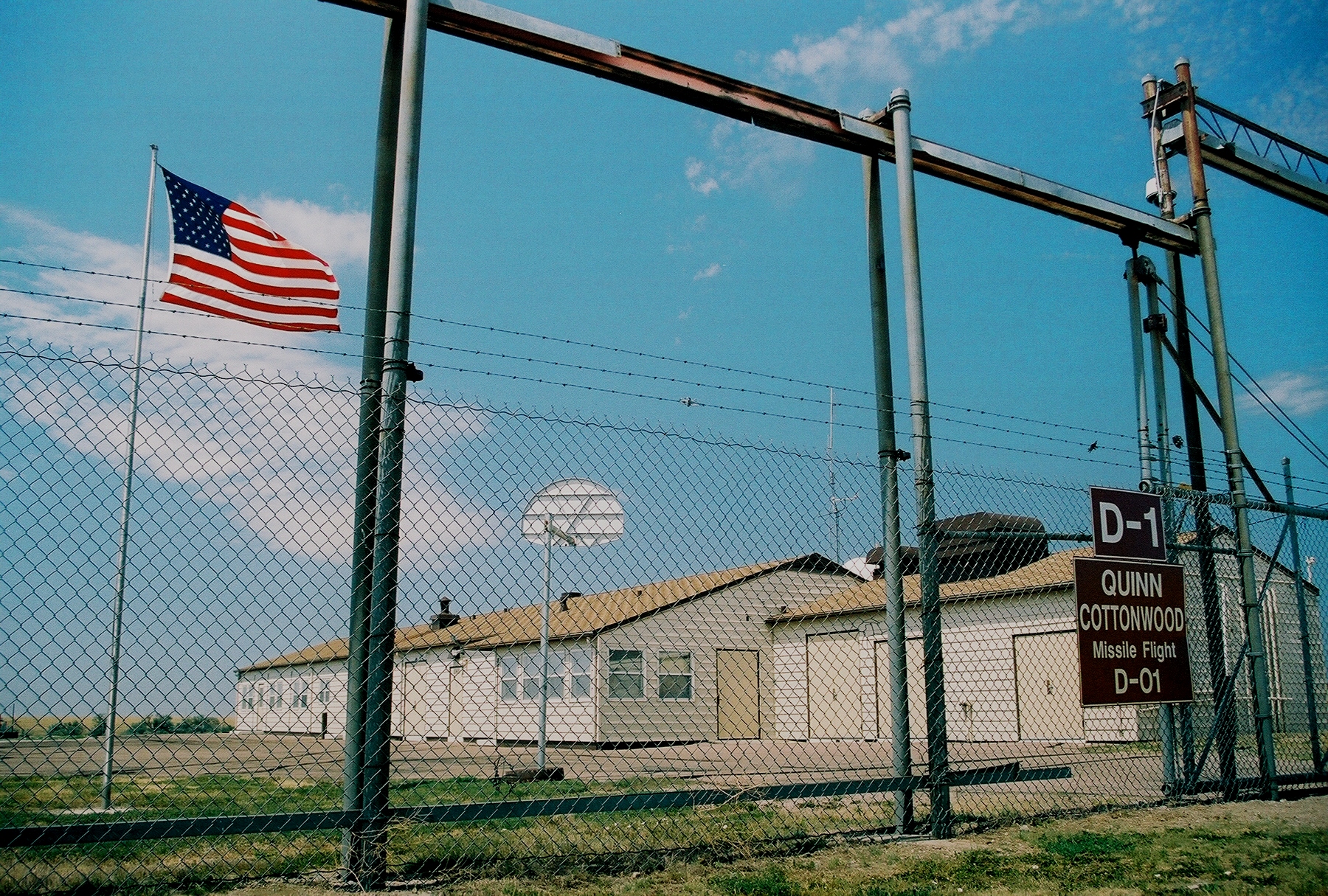
Glass structure over the silo allows visitors to look down at the missileA cylindrical missile inside an underground silo.Two people are visible at the missile silo through a chain link fenceA brown building behind a tall fence with warning signs
National Historic SiteSD

Minuteman Missile National Historic Site

NPS / NPS Photo
49/ 100FOCUSED
parkverdict Experience ScoreIndependent, not sponsored

49 of 100. Our independent breadth-and-access index. How we score

The bottom line

Minuteman Missile National Historic Site: our verdict

Minuteman Missile National Historic Site takes up a small stretch of South Dakota plains, and most visitors leave genuinely unsettled.

The centerpiece is Delta-09, a real Minuteman II missile still sitting in its silo under a glass enclosure, where a ranger walks you through what it actually meant to keep a weapon of mass destruction on hair-trigger alert for three decades. This is not a sprawling outdoor park. You come here to sit with a specific, strange chapter of American history, when a thousand nuclear warheads lay buried beneath ordinary farmland and ordinary people showed up for work every day to maintain them. The experience score of 49 reflects how narrow the offerings are, though also how focused they are. Hikers and wildlife watchers will find little to do. But visitors with a real interest in Cold War history will find that the hour or two spent here hits harder than time spent at many much larger parks.

Why visit

Begin with the ranger-guided tour of Delta-09. You stand directly over an actual missile silo while someone who genuinely knows this material walks you through what it took to keep a Minuteman on alert around the clock. The museum exhibits and the park film handle the wider story, tracing Minuteman deployment across the Great Plains and giving the individual silo real context. Families with kids will appreciate the Junior Ranger program, which gives everyone a concrete way to work through the history rather than just drift past the displays. Admission is free, the site is right off Interstate 90, and between the short film, the exhibits, and the silo tour you are looking at two to three hours without feeling like you are being rushed through anything. Very few places let you stand directly above a piece of the nuclear deterrent that shaped the second half of the twentieth century. This is one of them.

Who it suits

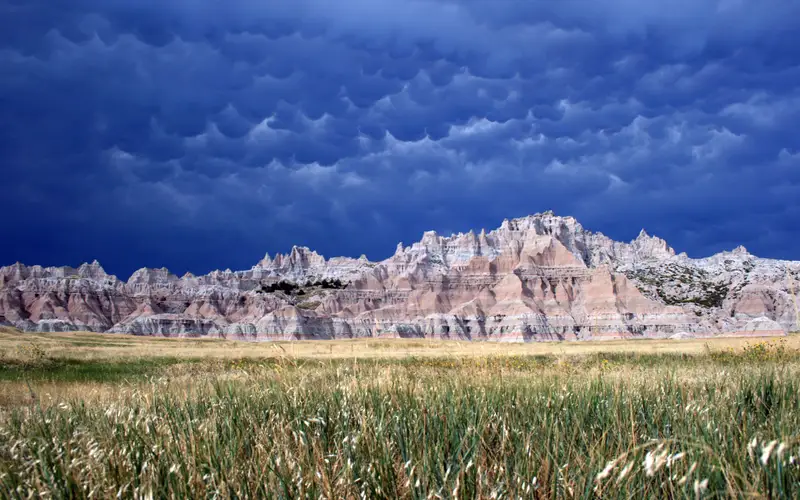
History buffs, Cold War enthusiasts, and families with curious older kids will find the most to enjoy here. It fits naturally into a South Dakota road trip that already includes the nearby Badlands National Park. If you are coming for hiking, wildlife, or scenery, keep your expectations in check: this is a history site, nothing more.

Timing your visit

Late spring through early fall offers the most comfortable conditions on the open plains. Summer is hot and dry but manageable for a mostly indoor and short-outdoor visit. Winter brings bitter cold and wind that can make the outdoor silo viewing genuinely harsh. Spring and fall strike the best balance, with mild temperatures and fewer crowds than peak summer.

What stands out

  • Ranger-guided tour of Delta-09 with direct views down into the actual Minuteman missile silo
  • Museum exhibits documenting the full arc of Minuteman deployment and Cold War nuclear strategy
  • Park film providing essential context before or after the silo visit
  • Junior Ranger program offering structured engagement for younger visitors
  • Free admission with no barrier to entry for a family road trip stop
  • Bookstore and park store stocked with Cold War history titles and interpretive materials

Good to know

Admission is free, and the site sits right off Interstate 90 in western South Dakota, so it pairs naturally with a Badlands visit. Rangers lead tours of the silo year-round, but spots go fast, so either show up early or check with the visitor center before you commit to a schedule. The outdoor areas get cold and windy in winter, so bring layers.

Insider tipThe ranger tour of Delta-09 is the one part of this visit you simply cannot skip. If you show up and all the tours are full, ask a staff member when the next opening is, then use the wait to go through the museum and watch the film rather than walking away from the silo entirely.

How we scored it

How Minuteman Missile National Historic Site earned its 49

Where does a 49 come from? One formula, run the same on every place we cover, built only from public data on what a unit offers and how reachable it is. It says nothing about how pretty a spot is or how busy it gets. This is what fed it:

  • Activity breadth6 documented activities
  • Topic breadth8 topics
  • Official imagery6 public-domain images
  • Camping on sitenone recorded
  • Entry costfree

No number is hand-adjusted and no unit pays for placement. The full weights, the floor at 18 and a worked example are on how we score.

The honest limits

Where the score goes quiet

One limit to keep in mind. Everything here comes from public records on what a unit documents and how reachable it is, so the score cannot judge beauty, crowds, trail conditions, weather, or how good any single program is. That is exactly why a small, specific place can score below a sprawling park and still be your better trip. Take the number as a like-for-like look at what is on paper, and lean on the verdict for the human read.

On offer

Documented activities

Guided ToursJunior Ranger ProgramPark FilmMuseum ExhibitsShoppingBookstore and Park Store
The basics

Minuteman Missile National Historic Site at a glance

During the Cold War, the federal government buried a vast arsenal of nuclear missiles across the Great Plains. For thirty years, 1,000 of them sat on constant alert, scattered across open prairie that hid almost nothing. Hundreds are still there today. The Minuteman Missile became one of the most recognized weapons in the American nuclear arsenal, carrying enough destructive power to end civilization while serving, in theory, as a deterrent against the very wars it could start.

On documented breadth and access, Minuteman Missile National Historic Site ranks 7th of 7 park and public-land units we score in South Dakota.

Weather and seasons

Weather in western South Dakota shifts fast and without much warning, which is something anyone visiting Minuteman Missile National Historic Site learns quickly. The climate swings hard between seasons, with hot, dry summers on one end and bitterly cold winters on the other. Wind is simply part of life on the Great Plains, and gusts topping 50 mph are nothing out of the ordinary.

Common questions

Minuteman Missile National Historic Site: quick answers

Is Minuteman Missile National Historic Site worth visiting?

Minuteman Missile National Historic Site takes up a small stretch of South Dakota plains, and most visitors leave genuinely unsettled.

Is Minuteman Missile National Historic Site free to visit?

Yes, there is no entrance fee.

What is Minuteman Missile National Historic Site best for?

It leans hardest toward good with kids, guided tours, history & culture, going by the 6 activities it actually documents.

When is the best time to visit Minuteman Missile National Historic Site?

Late spring through early fall offers the most comfortable conditions on the open plains.

How is the Experience Score for Minuteman Missile National Historic Site calculated?

The 49 comes straight from public data on how much the place documents and how easy it is to reach, things like activities, topics, photos, camping and whether entry is free. It says nothing about scenery or how busy it gets.