Is Lyndon B Johnson National Historical Park worth it?
LBJ National Historical Park is a serious presidential biography told in landscape and architecture across two distinct sites in the Texas Hill Country.
This is not a monument or a single building - it is a genuine immersive portrait of Lyndon Johnson's entire life, from his birthplace and boyhood home in Johnson City to the working ranch near Stonewall where he governed, entertained foreign leaders, and is buried. The experience rewards curiosity about mid-20th century American politics and the complicated man behind the Great Society and Vietnam. It is free to enter, well-staffed with knowledgeable rangers, and the auto tour of the Ranch adds a dimension most presidential sites cannot match. At a 57 experience score, the activity menu is focused rather than sprawling, but what is here is done with real depth. History enthusiasts and families with older, civically curious kids will find genuine substance.
The case for it
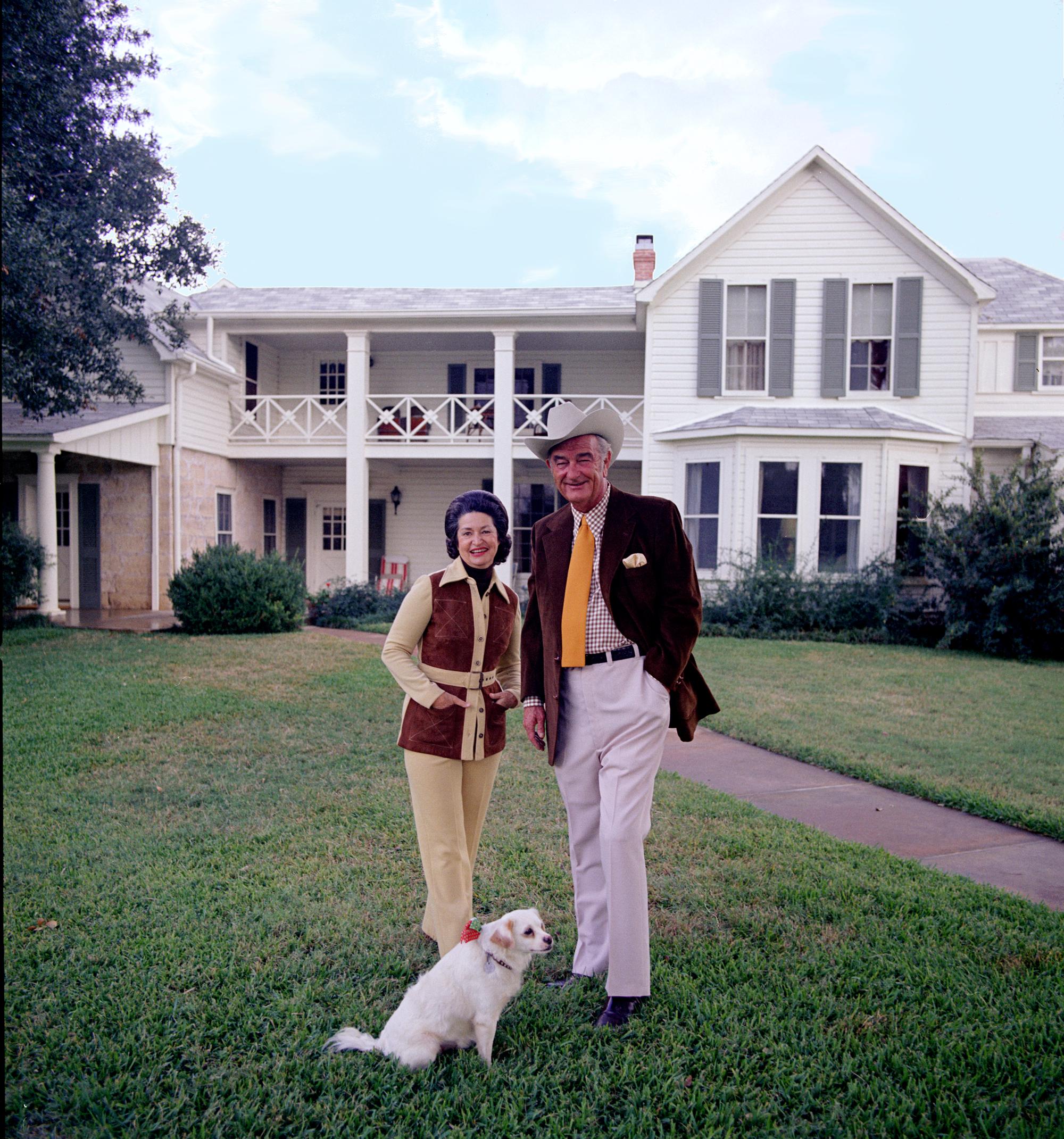
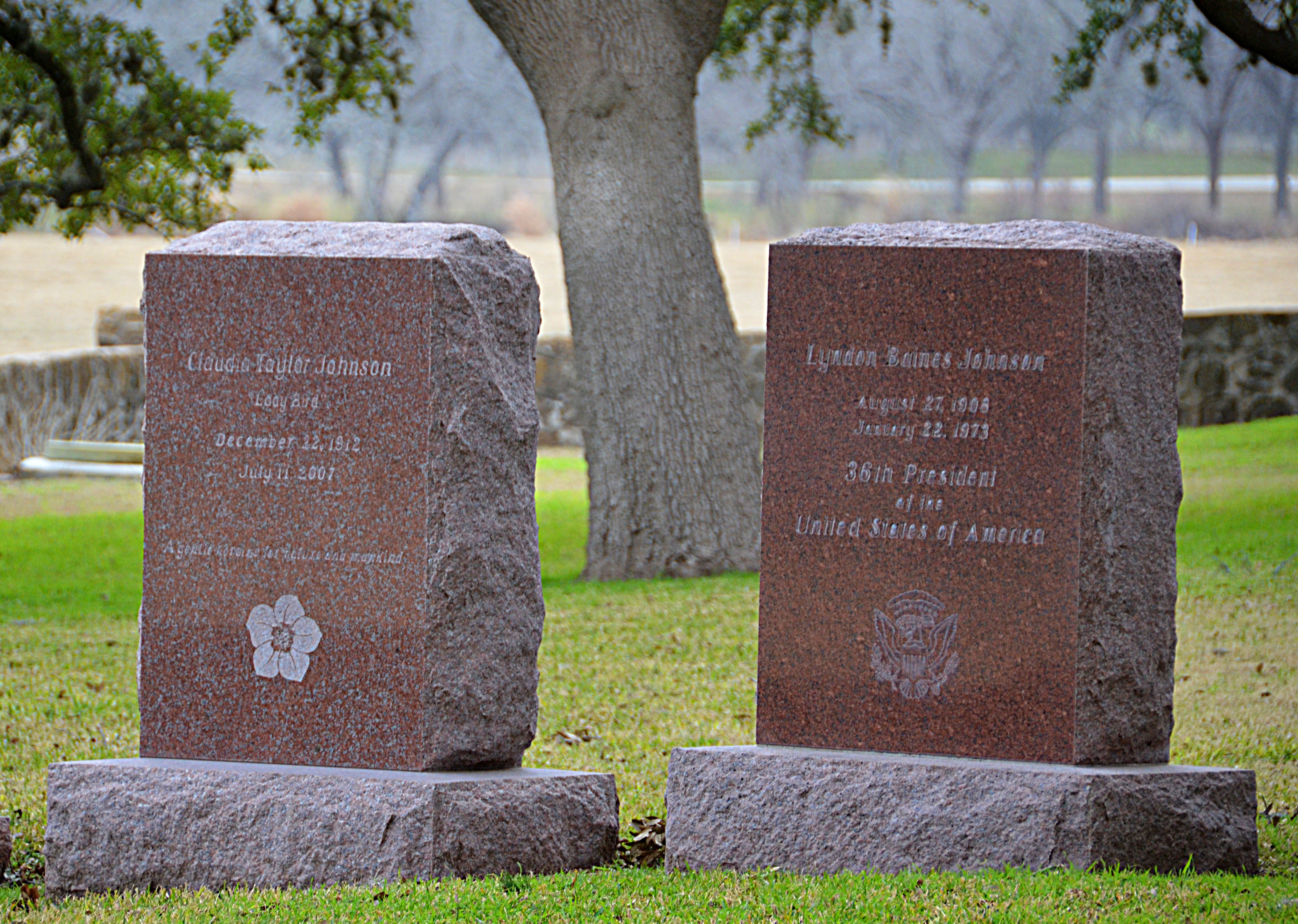
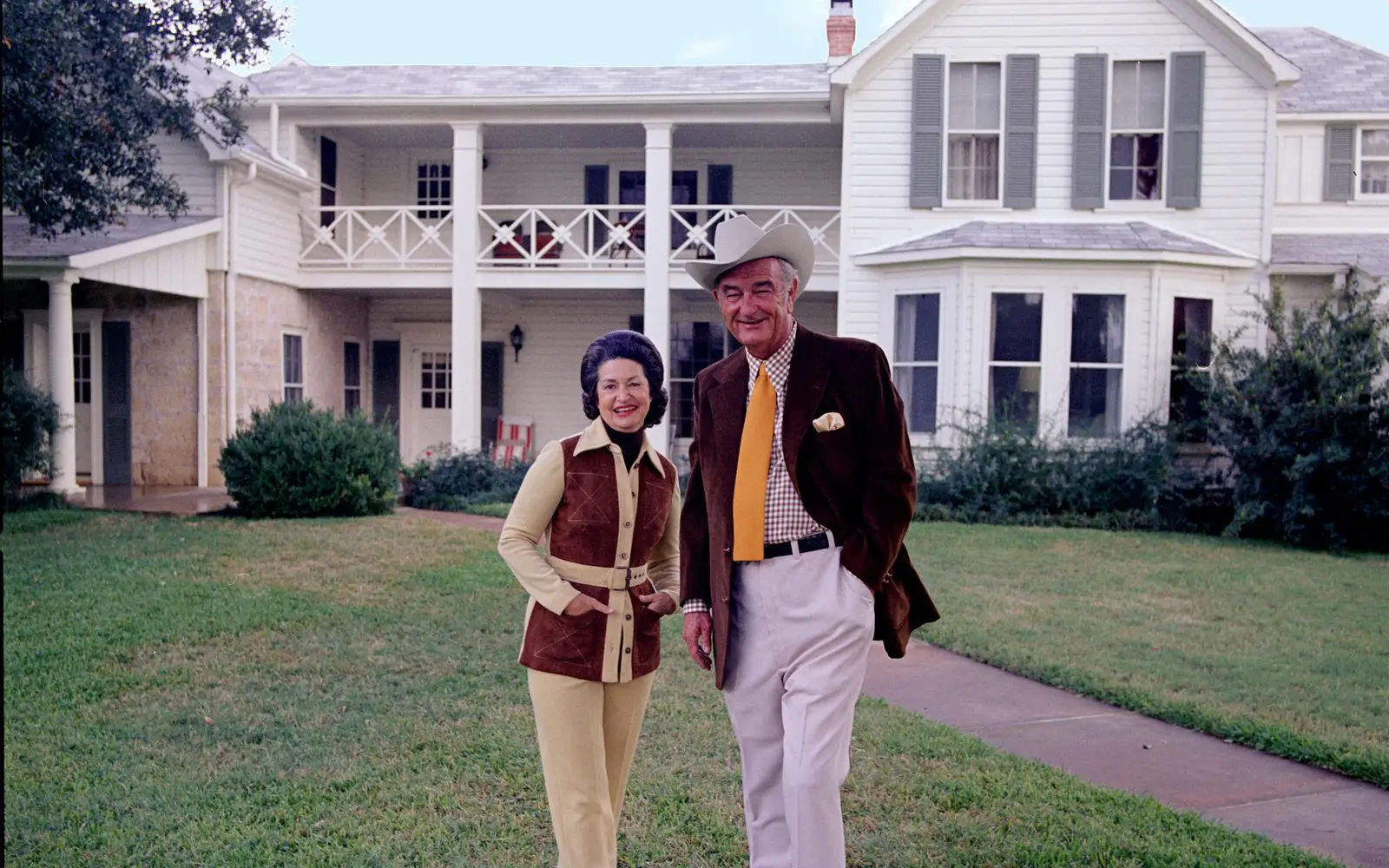
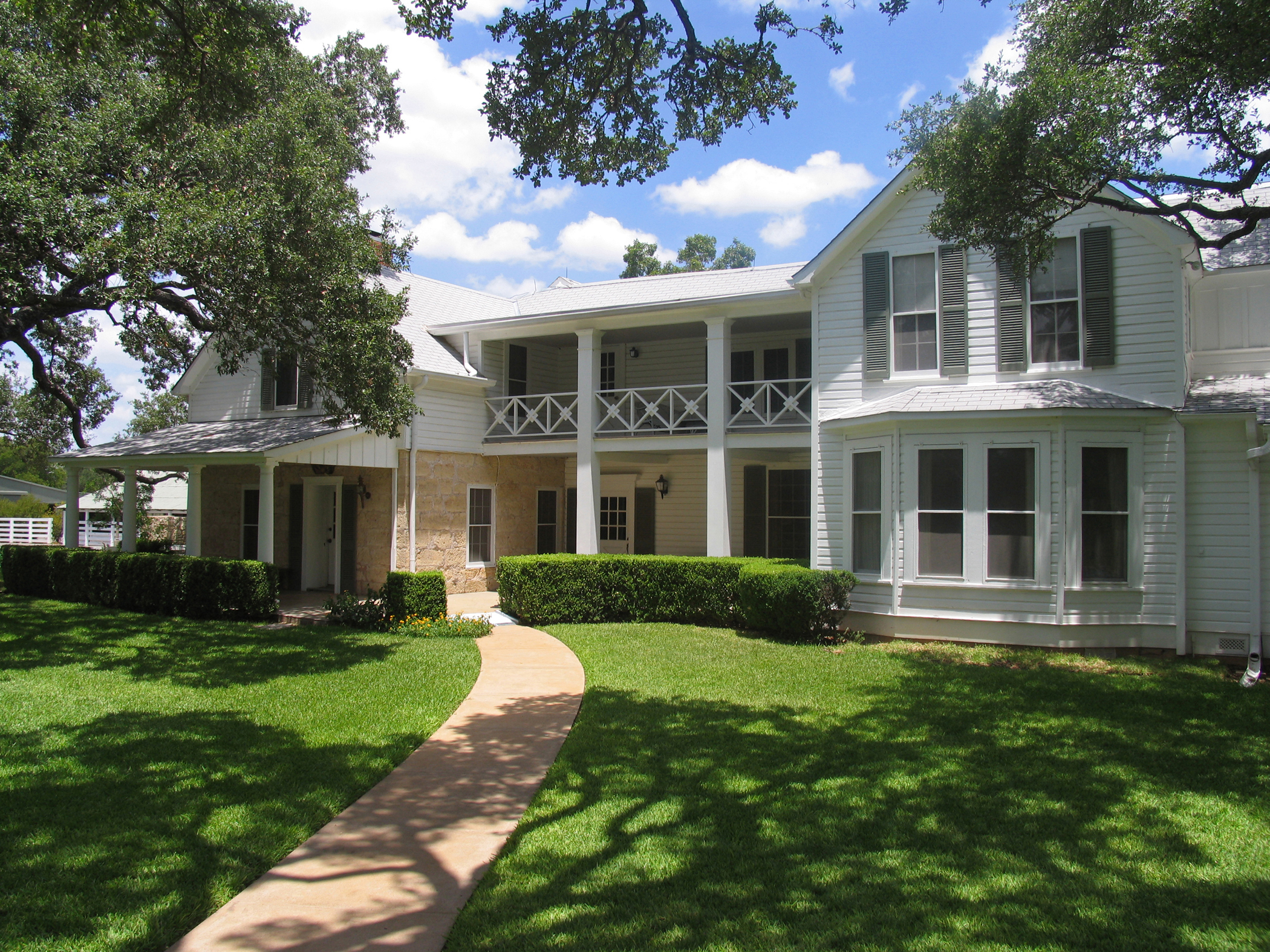
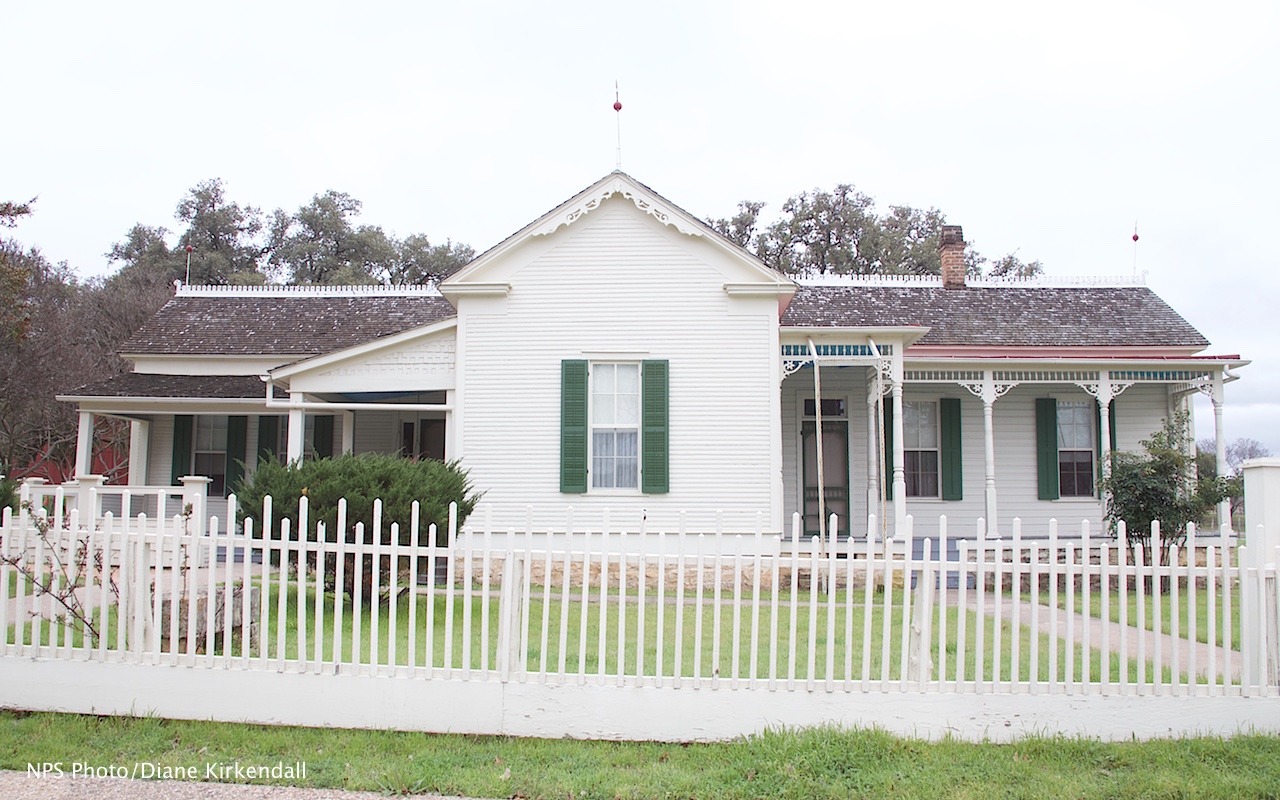
This park delivers a deep immersion into a significant political career. Begin at the Johnson City visitor center. The park film and museum exhibits detail Johnson's unlikely ascent, preparing for a walk through his reconstructed boyhood home. A drive west to the LBJ Ranch near Stonewall offers a self-guided auto tour. This route passes Johnson's one-room schoolhouse, his birthplace, working ranch buildings, and his gravesite under ancient live oaks. For true insight into the man's working life, a guided tour of the ranch house itself is essential. You can access the very rooms where Johnson, clad in blue jeans, conducted press conferences and managed national crises by phone. The combination of narrative film, ranger insights, and the palpable history of the landscape offers more than a museum experience; it provides a genuine sense of understanding a pivotal American presidency.
Who it is for
This park caters specifically to history enthusiasts, political scholars, and educators. Its Junior Ranger program offers particular value for families with older children who possess some understanding of the 1960s. Those seeking outdoor recreation or scenic hiking will likely be disappointed. While the surrounding Hill Country offers pleasant views, the park is unequivocally a historical destination, not a nature preserve.
Best time to visit
Visit in spring for mild temperatures, 60s to 70s, and blooming Hill Country wildflowers. Crowds are manageable before summer. Fall offers a reliable second choice, with cooler temperatures and clear skies. Avoid July and August; temperatures regularly exceed 100 F, making the auto tour uncomfortable.
Worth seeing
- Ranger-guided tours of the LBJ Ranch house, where Johnson effectively ran a second White House
- Self-guided auto tour connecting the birthplace, one-room schoolhouse, and grave site in a single loop
- Park film providing essential context on Johnson's political career before you explore the sites
- Boyhood home neighborhood in Johnson City, restored to its early 20th century appearance
- Museum exhibits grounding visitors in the legislative achievements and controversies of the Johnson presidency
- Junior Ranger program offering a structured, activity-based way for kids to engage with the history
Before you visit
Entry to both the Johnson City and Stonewall units is free. The 16 miles separating the two sites necessitate driving, and visitors should allocate three to four hours to fully experience both. Guided tours of the ranch house are capacity-limited. During peak spring weekends, these tours often fill quickly. Early arrival or direct inquiry with rangers at the visitor center regarding tour availability is advisable.
Our tipThe auto tour map, available at the Stonewall visitor contact station, is essential. Cell coverage along the ranch road proves unreliable. This printed guide offers specific stop details that GPS alone cannot provide.