Is Lewis and Clark National Historical Park worth your trip?
Lewis and Clark National Historical Park offers a multi-layered experience.
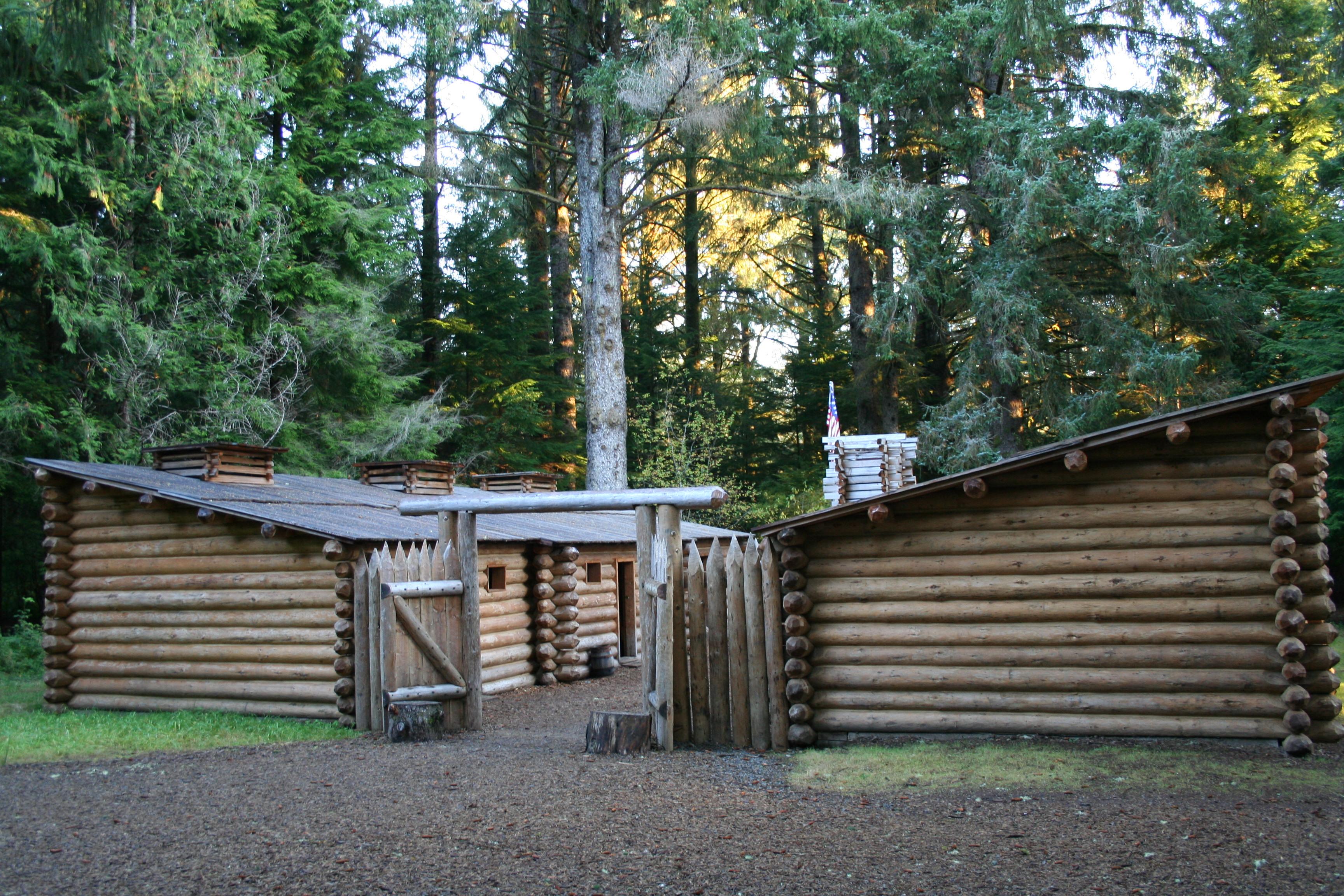
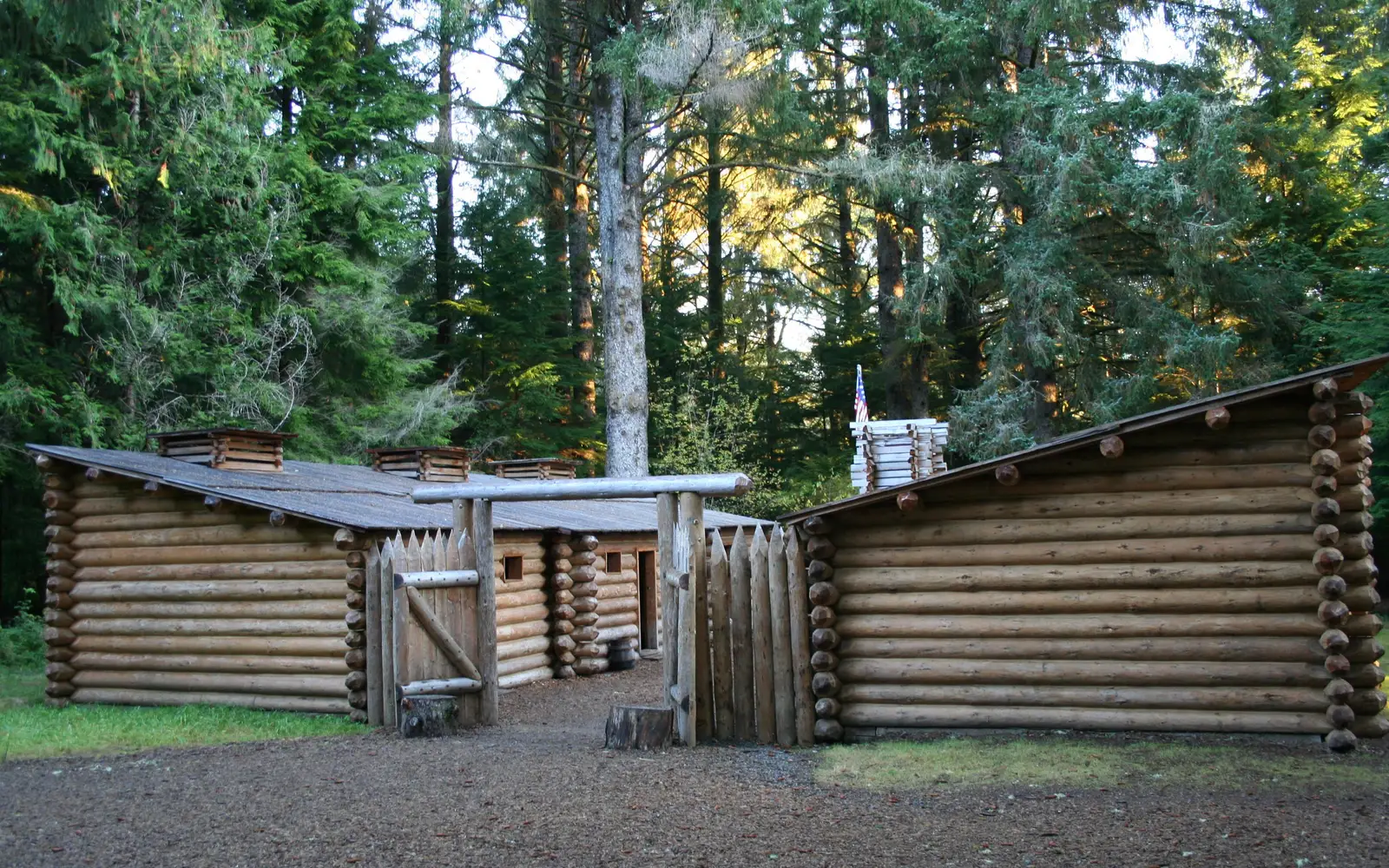
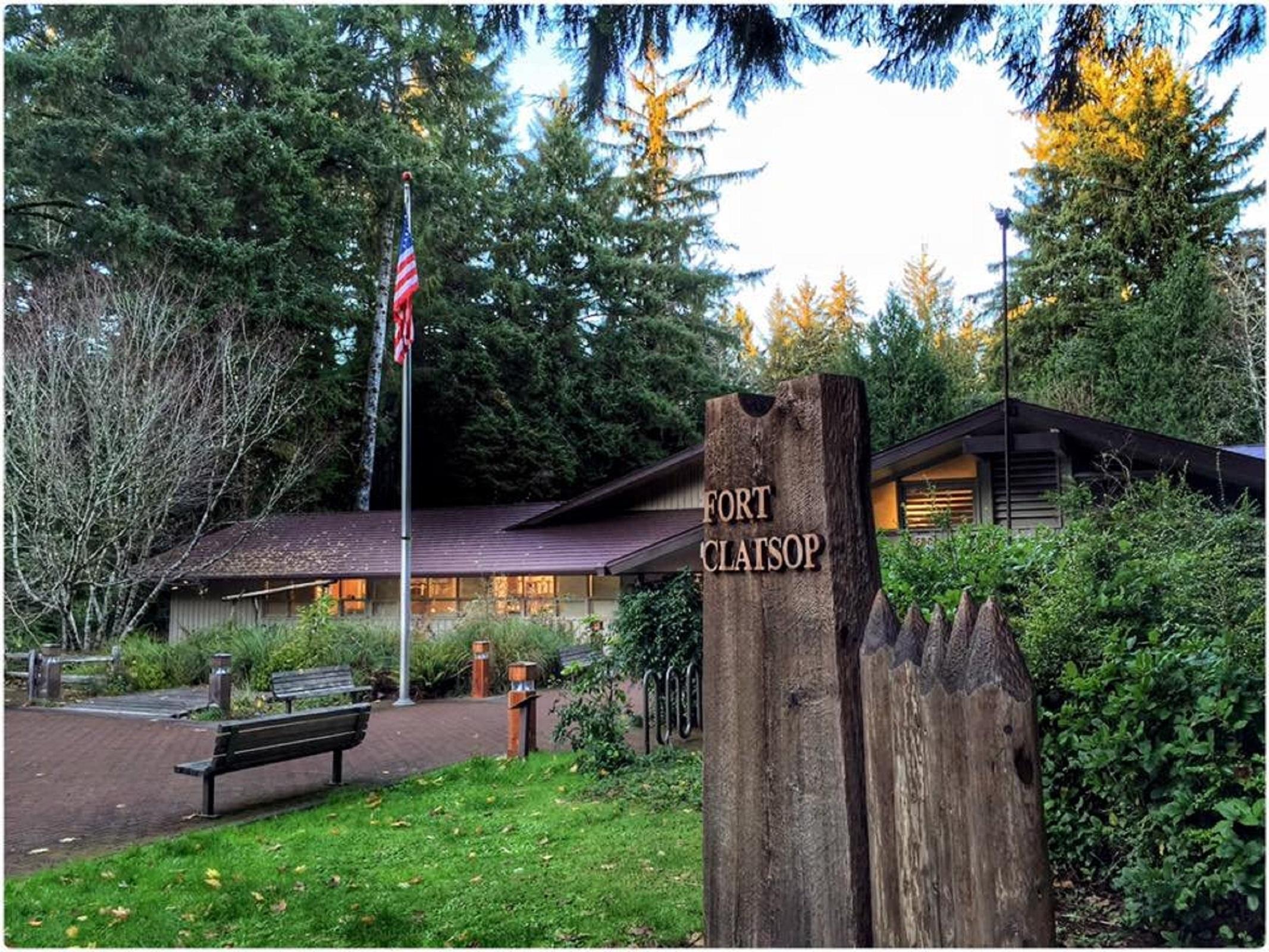
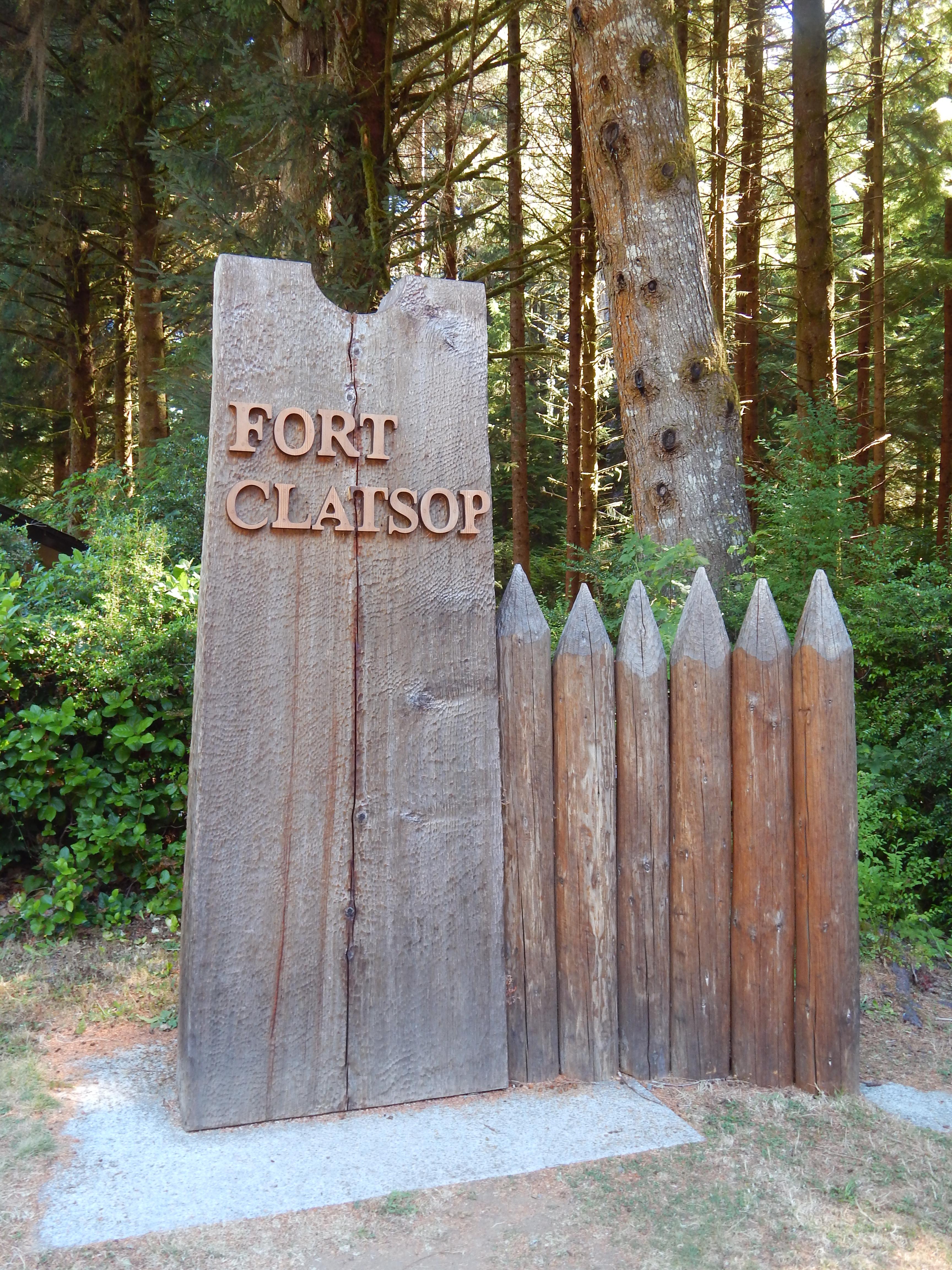
Its anchor, Fort Clatsop, reconstructs the 1805-1806 winter encampment where the Corps of Discovery spent 106 days. The park spans sites across the Oregon and Washington sides of the Columbia River mouth and Pacific Coast. This range provides a clear sense of the expedition's geographic scope. The park integrates living history demonstrations, forest hiking, and paddling access with substantial museum content. This makes it more than a single-monument stop. For a $10 entry fee, its Experience Score of 78 indicates strong value. The climate is a significant consideration: fog and rain are common for much of the year on this Pacific Northwest coast. Visitors seeking consistent sunshine and broad vistas may be disappointed. However, those prioritizing history, a wet-forest atmosphere, and wildlife will find the park rewarding.
Why go
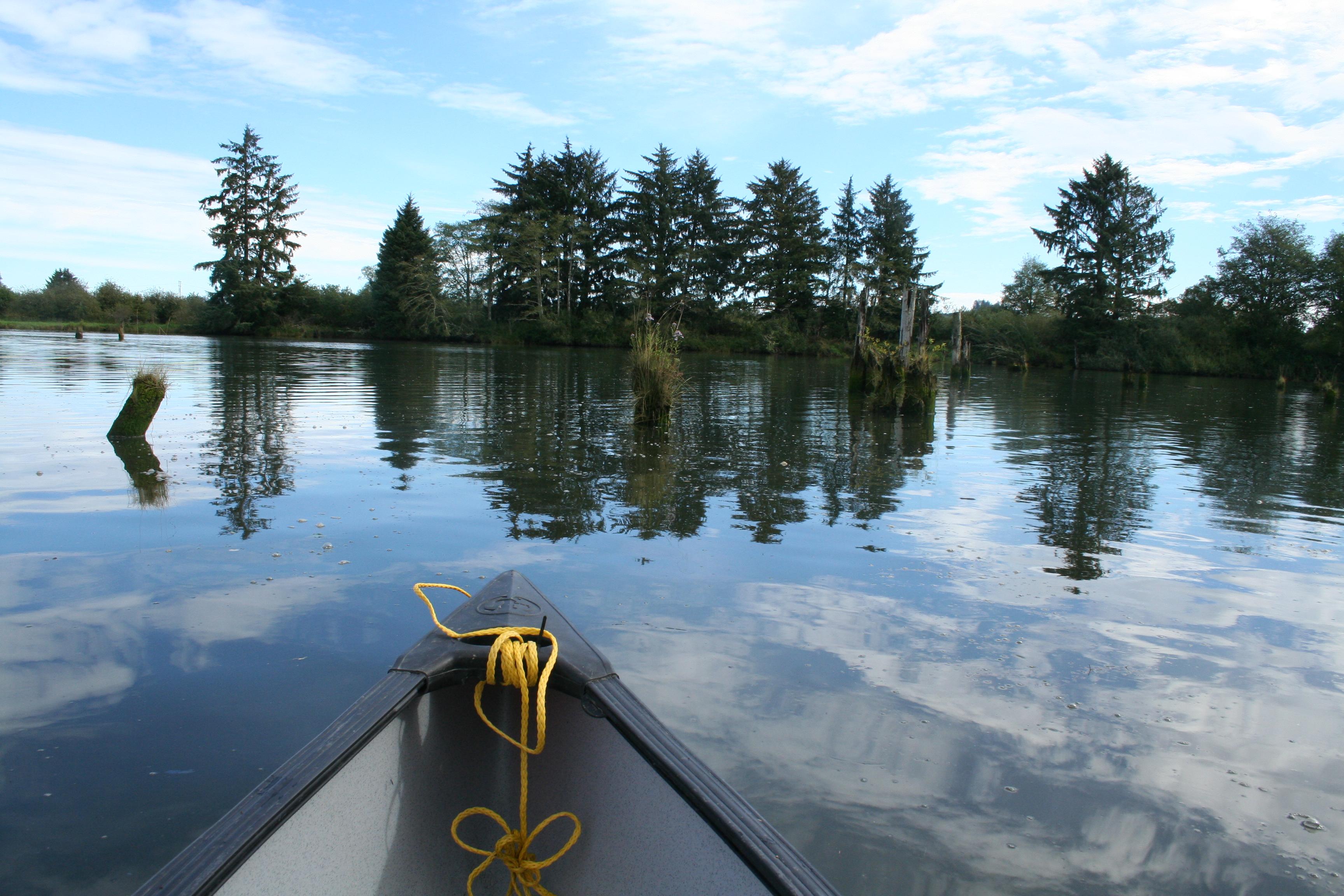
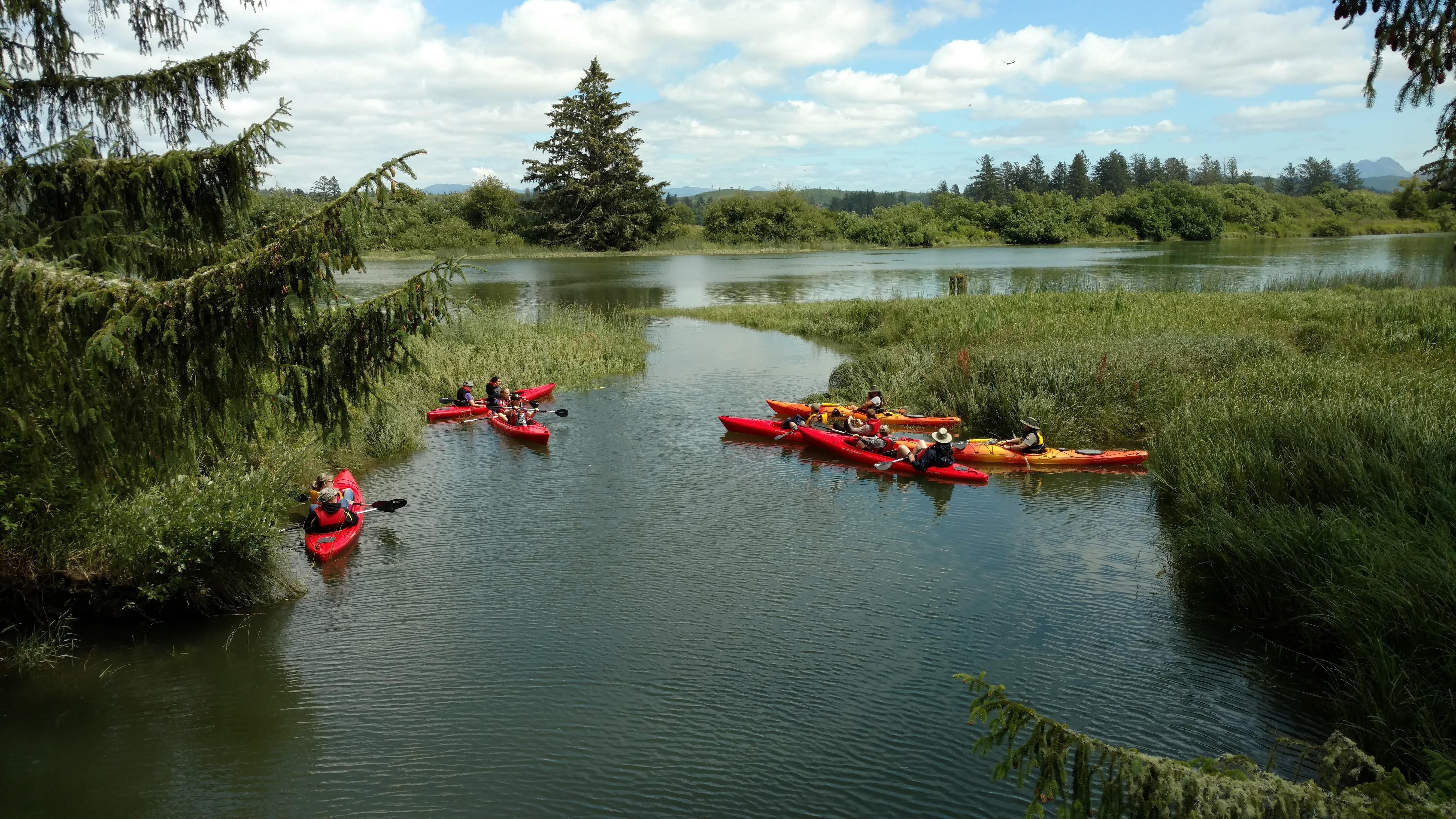
Fort Clatsop offers a compelling dive into the Corps of Discovery's winter encampment. Living history interpreters and historic weapons demonstrations provide a visceral sense of the past. The park film and museum exhibits establish critical context. Numerous trails wind through the temperate rainforest. Paddlers can explore the estuary, retracing expedition routes. Birdwatching along the Columbia River mouth proves highly productive due to its coastal flyway location. The Junior Ranger program engages families throughout the day. This blend of hands-on history, accessible hiking, and wildlife viewing ensures a full itinerary. The $10 entrance fee presents significant value for a historical park. This destination suits those seeking both education and outdoor activity.
Best for
This park offers a unique blend of historical immersion and natural pursuits. Its appeal is strongest for history enthusiasts and families, particularly those interested in the Lewis and Clark expedition. Paddlers and birders will find specific draws here, supported by the documented breadth of aquatic habitats and avian populations. Casual sightseers should calibrate expectations; the park's characteristic fog and rain, conditions central to the expedition's winter narrative, are a significant factor for much of the year. Those seeking dramatic coastal scenery or demanding backcountry hiking will find their preferences unmet. The park prioritizes historical context and specific ecological observations over broad, sunny vistas or arduous trails.
Best season
Summer provides the most reliable conditions, with temperatures between 55 and 70 degrees and moderate rainfall. It also features the fullest living history programming. Spring and fall are viable but wetter. Winter visits, while historically authentic to the expedition's experience, bring near-constant rain and reduced operating hours after Labor Day.
The high points
- Fort Clatsop reconstruction with living history interpreters and historic weapons demonstrations
- Museum exhibits and park film covering the Corps of Discovery and regional Native heritage
- Paddling and kayaking access in the Columbia River estuary corridor
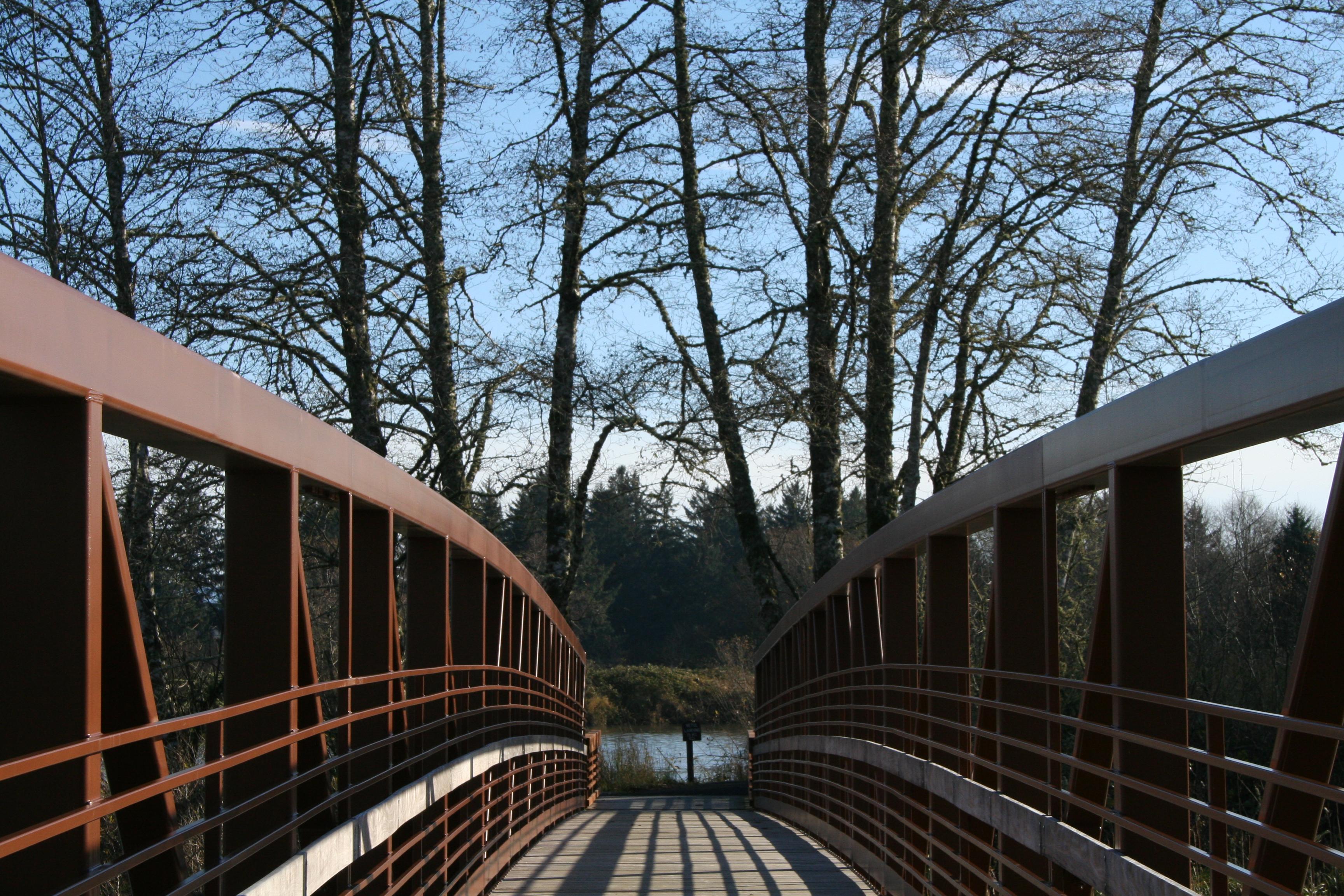
- Front-country rainforest hiking through one of the foggiest landscapes in the continental US
- Birdwatching along a major Pacific Coast flyway
- Junior Ranger program that tracks well with the fort and exhibit content for families
Know before you go
A $10 per-person entry fee is assessed. Winter hours of 9 a.m. to 5 p.m. commence the day after Labor Day. This unit spans multiple sites across two states, Oregon and Washington. Driving between them requires significant time. Consult the NPS site to plan your itinerary. Rain gear is mandatory for most of the year.
One more thingRain fell on 94 of 106 days at Fort Clatsop. This fact, drawn from expedition journals, grounds the visitor experience. Arriving in a drizzle, walking the forest trails in fog, and reading those entries on-site creates a genuinely immersive historical experience. It transcends mere information. This unit leans into its documented misery.