Ebey's Landing National Historical Reserve: our verdict
Ebey's Landing offers a distinct national park experience.
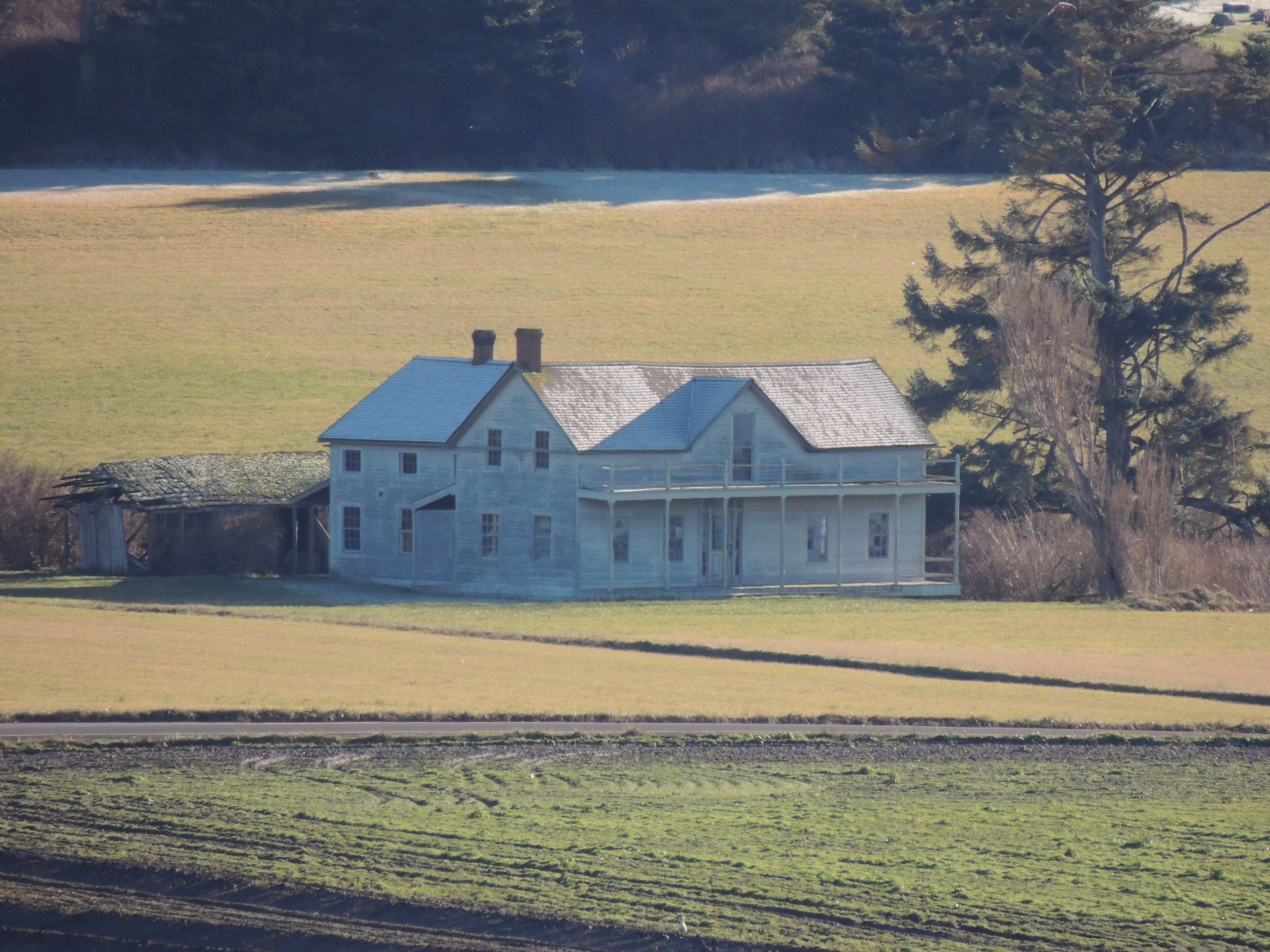
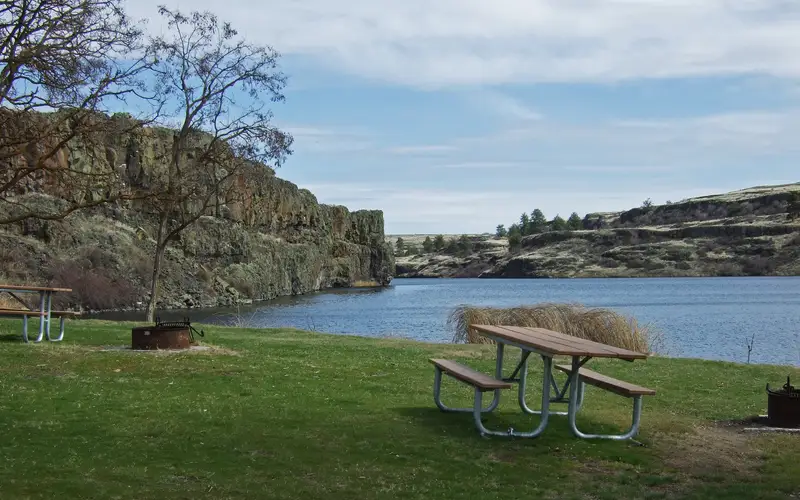
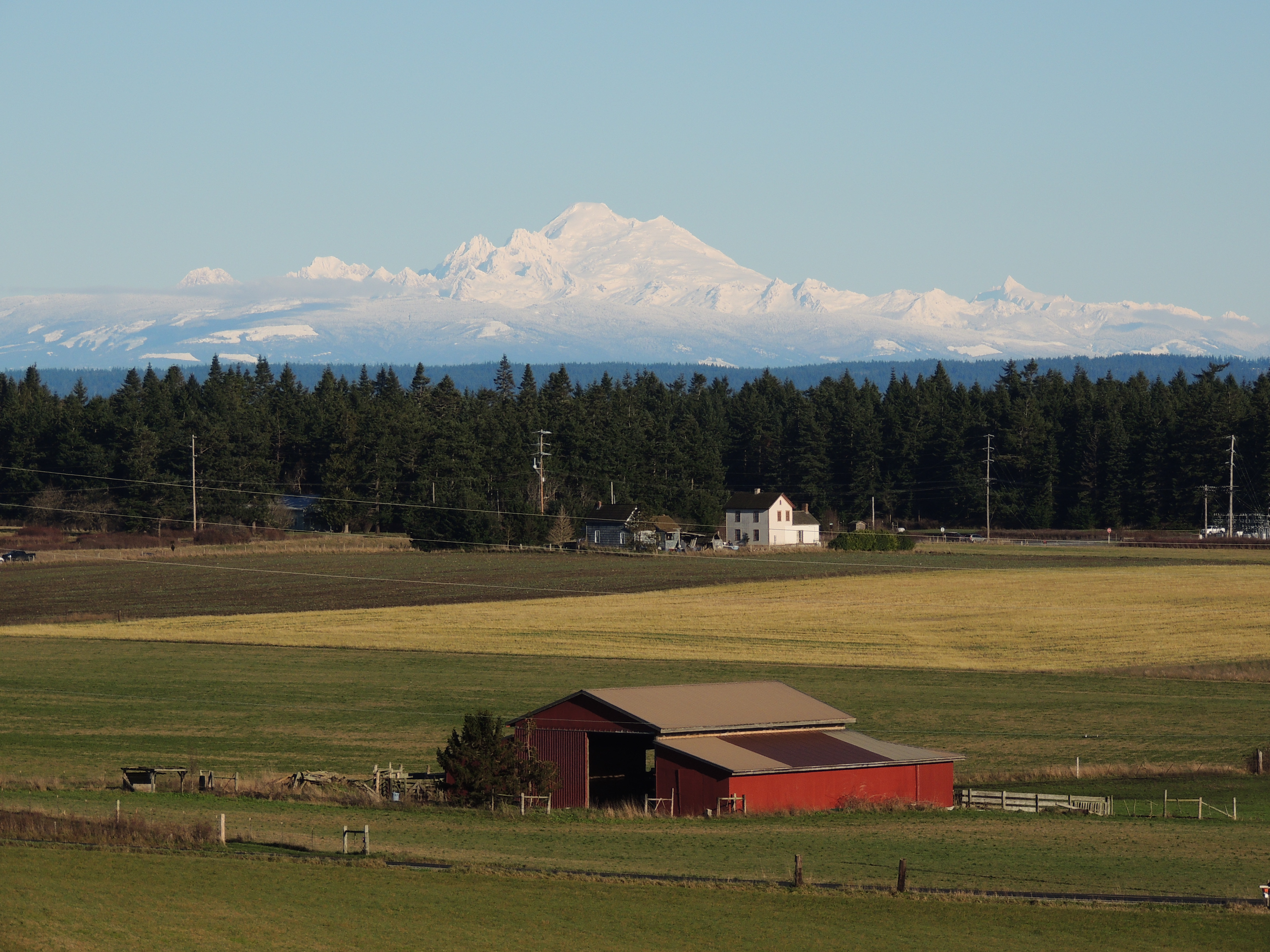
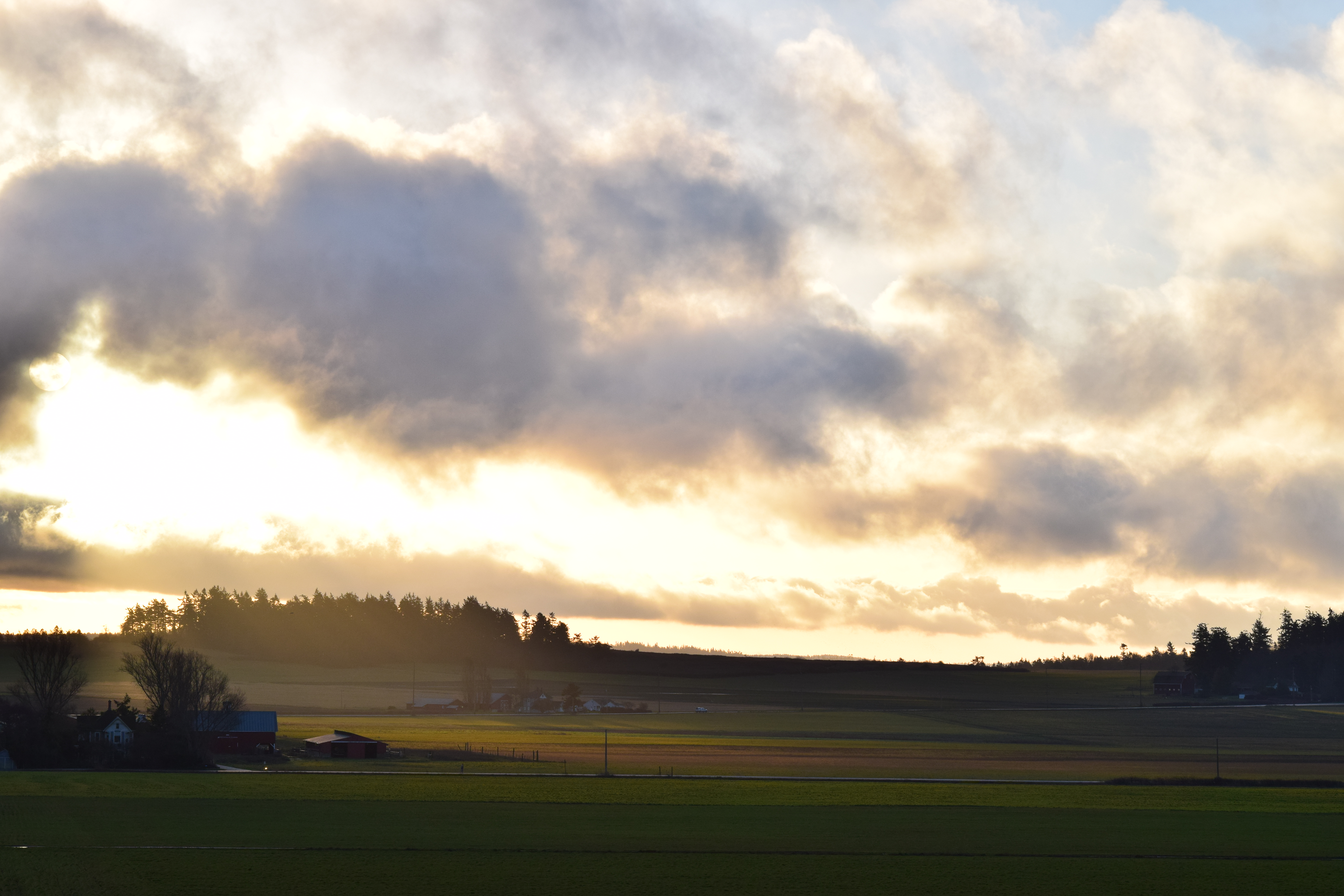
This is not a conventional park with a singular entrance or visitor center. It functions as a living landscape on Whidbey Island, integrating historic farmland, town streets, state park beaches, and private property. Over 80% of the land is privately owned. This structure means the visitor experience is integrated within an active community, not a managed wilderness. Coupeville, with its 19th-century architecture, dining, and shops, serves as the anchor. Recreation is broad. Opportunities include hiking bluff trails above the Salish Sea, kayaking, birdwatching, stargazing, cycling farm roads, and camping. This unit suits curious, self-directed travelers. History enthusiasts, outdoor generalists, and families will find value here.
Why visit
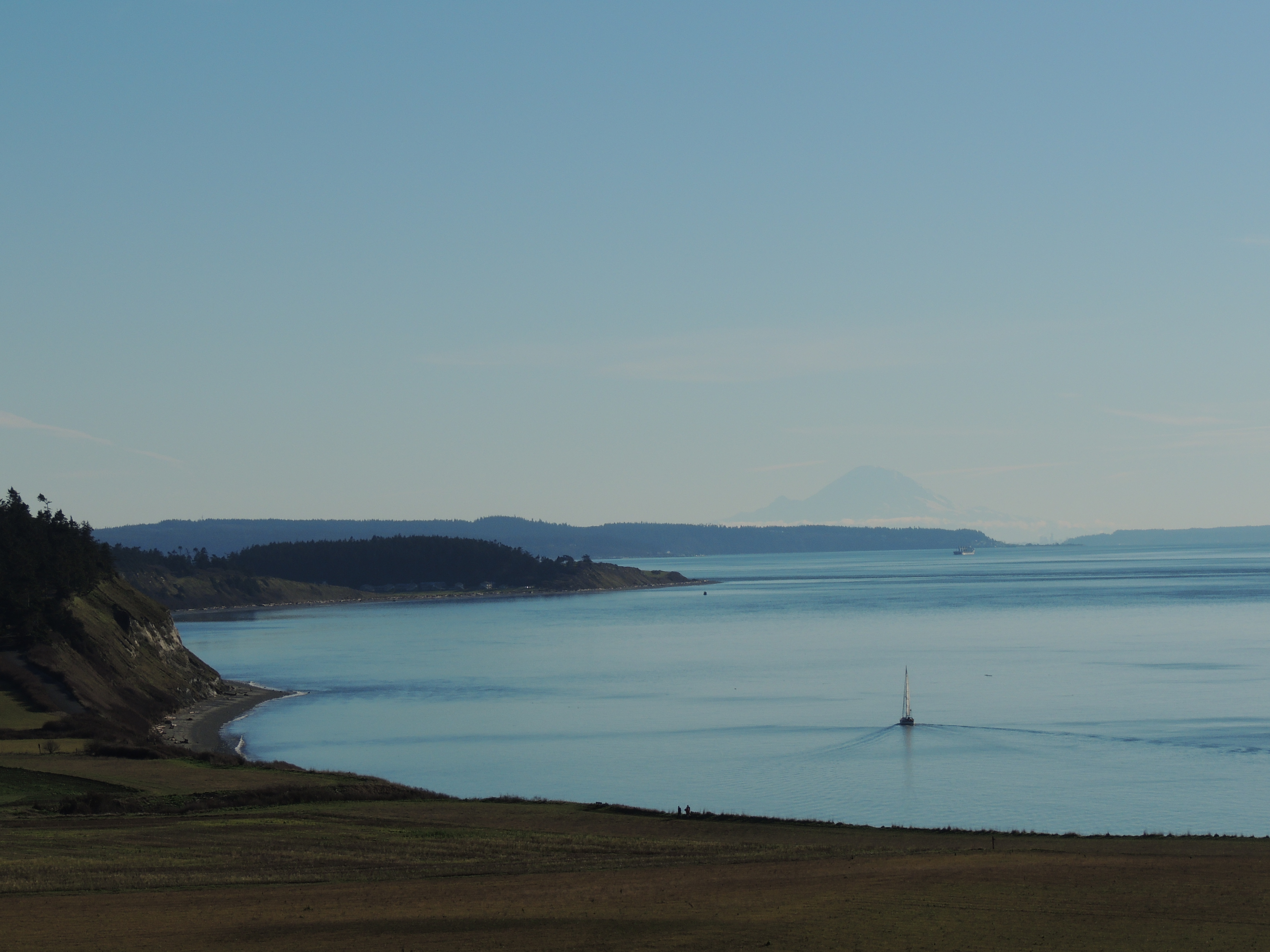
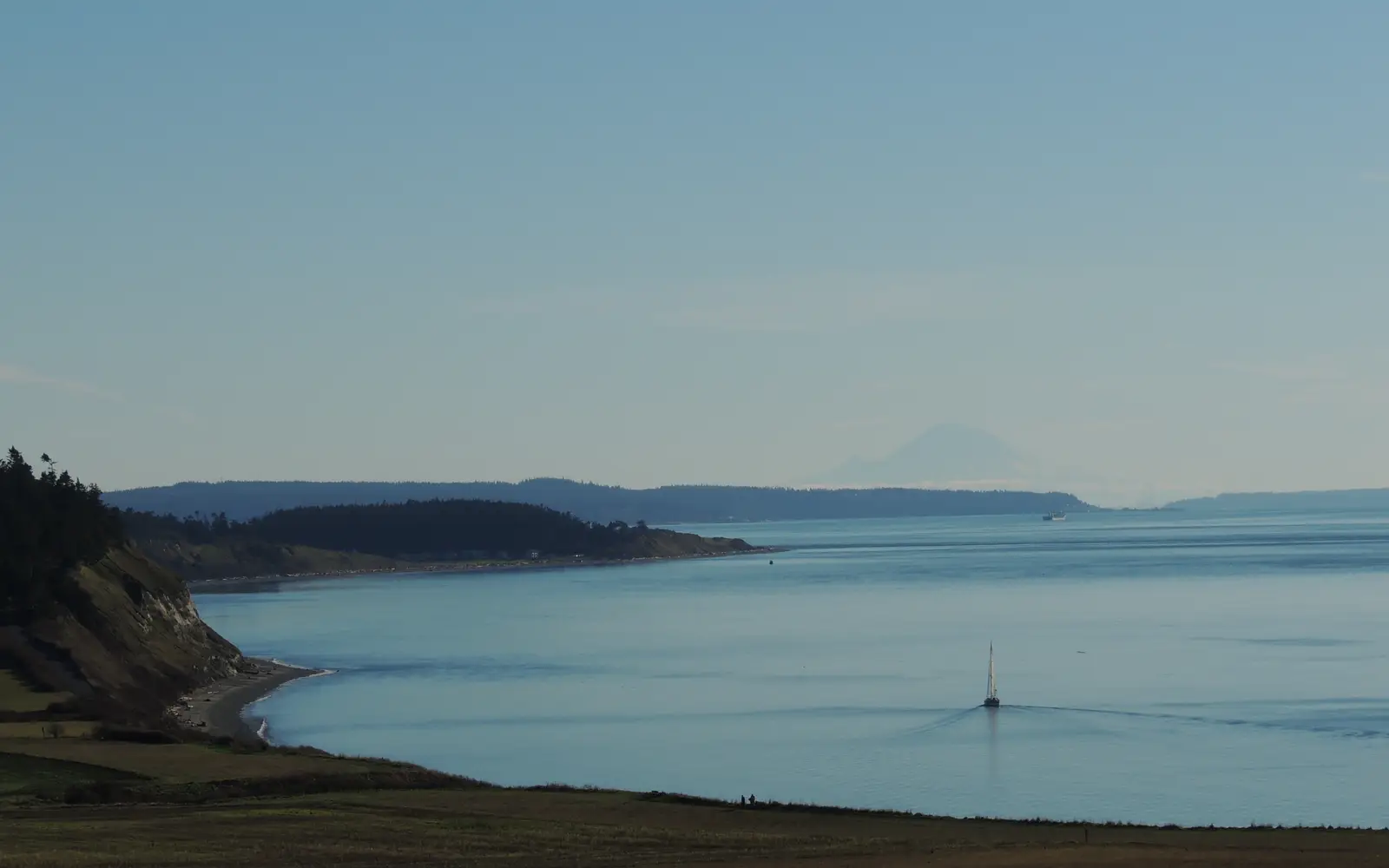
Ebey's Landing offers a layered experience, blending historical depth with diverse outdoor pursuits. Begin with Coupeville's self-guided walking tour, exploring one of Washington's oldest towns. Then, drive or bike the prairie roads, continuously farmed since the 1850s. Bluff trails above Ebey's Landing provide expansive views of the Salish Sea and Olympic Mountains. Water activities abound: kayakers and paddleboarders can launch into protected waters. Anglers will find saltwater fishing productive from shore or boat. Birdwatching thrives year-round across the varied habitats of farmland, shoreline, and forest. Low light pollution over the water and prairie allows for legitimate stargazing. Camping is available within the Reserve's state parks. Ebey's Landing delivers an organic blend of history and recreation, suiting those who appreciate both.
Who it suits
This destination caters to history enthusiasts, outdoor generalists, cyclists, paddlers, birdwatchers, and families seeking unstructured exploration. It delivers recreation and cultural depth without the typical crowds or fees. Those expecting a traditional national park experience, with extensive marked trails and a central visitor hub, should adjust their expectations. This is a reserve. It is not a wilderness park.
Timing your visit
Optimal visitation spans late spring through early fall, providing reliable conditions for outdoor activities and extended daylight for stargazing. Summer weekends see increased visitor numbers in Coupeville and on beaches. Fall and winter present dramatic storm weather, which can be alluring for beach walks, but high waves and floating logs present considerable hazards. Whidbey Island weather is notably variable. Layered clothing is essential year-round.
What stands out
- Bluff trail hiking with panoramic views over the Salish Sea and Olympic Mountains
- Self-guided exploration of Coupeville, one of Washington's oldest historic towns
- Kayaking, canoeing, and stand-up paddleboarding on protected Puget Sound waters
- Saltwater fishing and SCUBA diving access along the reserve's shoreline
- Birdwatching across a rare mix of active farmland, beach, and forest habitats
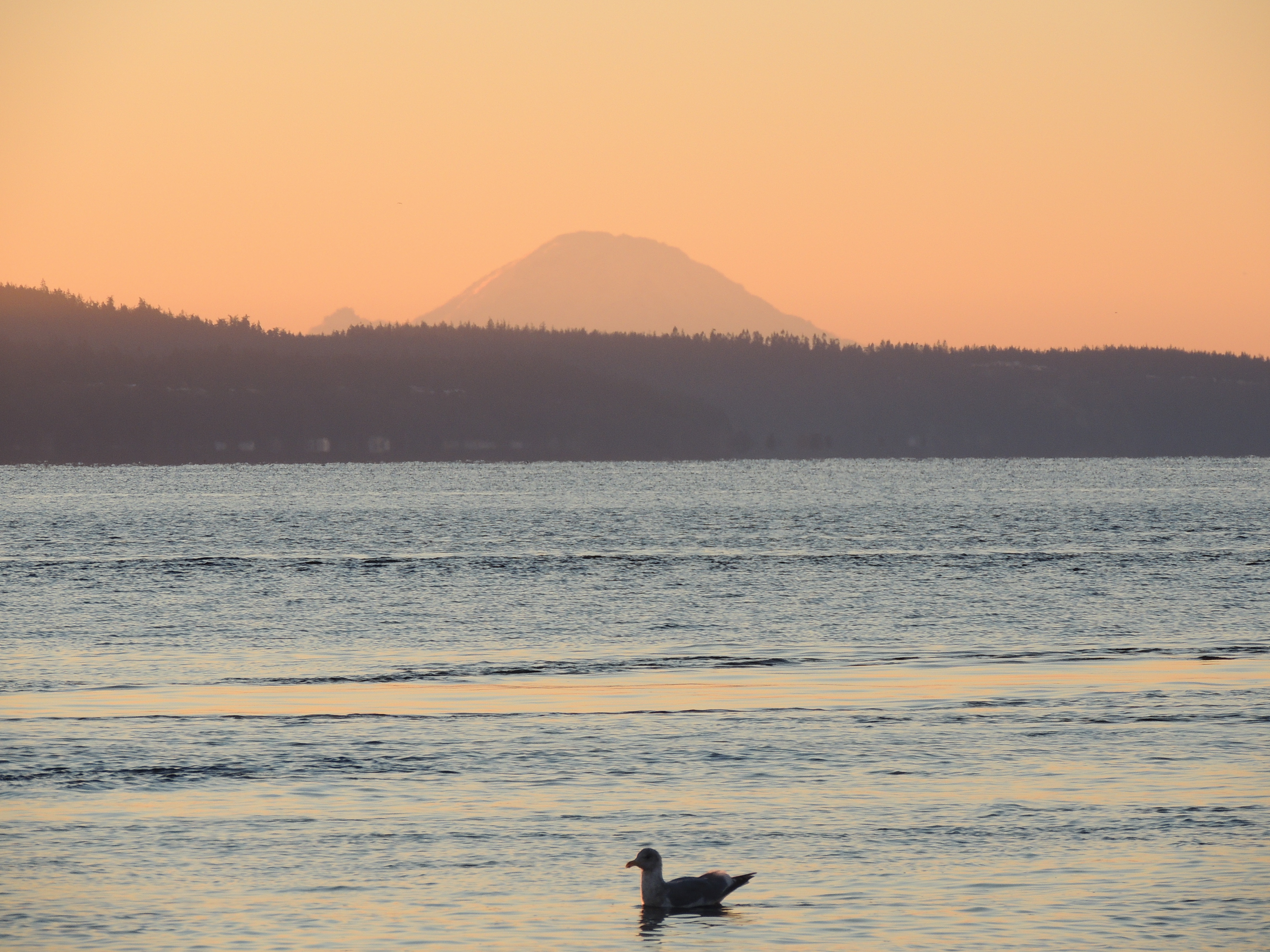
- Stargazing from open prairie and beachfront with minimal urban light interference
Good to know
Admission to the Reserve is free, but its three Washington State Parks charge separate day-use and camping fees. Travelers must respect private property; much of the land within the Reserve is privately owned, so stay on marked public routes. Accessing Whidbey Island requires planning. Expect potential ferry delays in summer, as the island is reached either by Washington State Ferry or a lengthy drive through Deception Pass.
Insider tipThe Reserve's agricultural prairie loop roads offer cyclists a ground-level immersion in the historic farming landscape, a perspective unavailable by car. These routes are lightly trafficked. Combine a morning ride with an afternoon paddle to fully engage with the Reserve's geography.