parkverdict
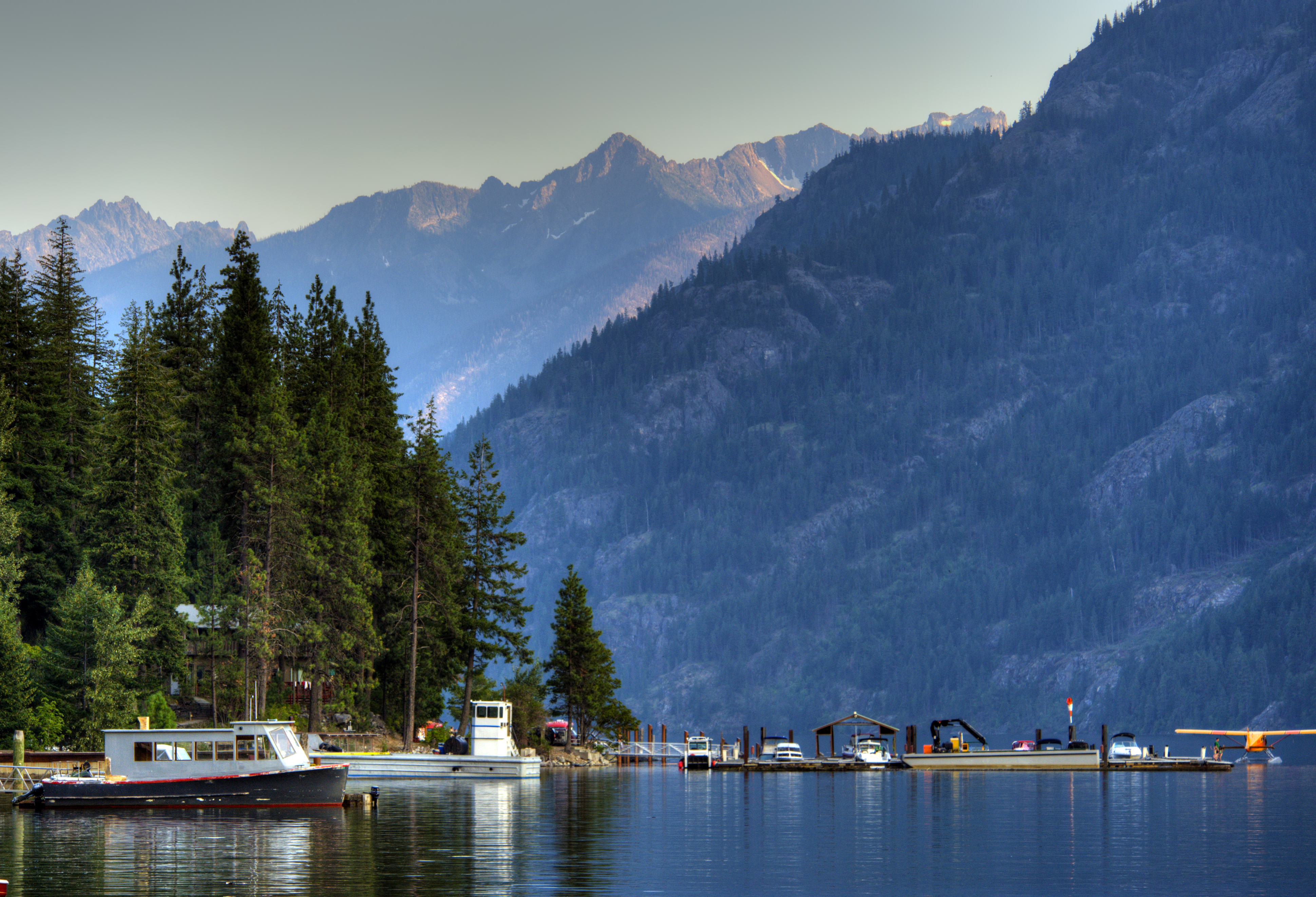
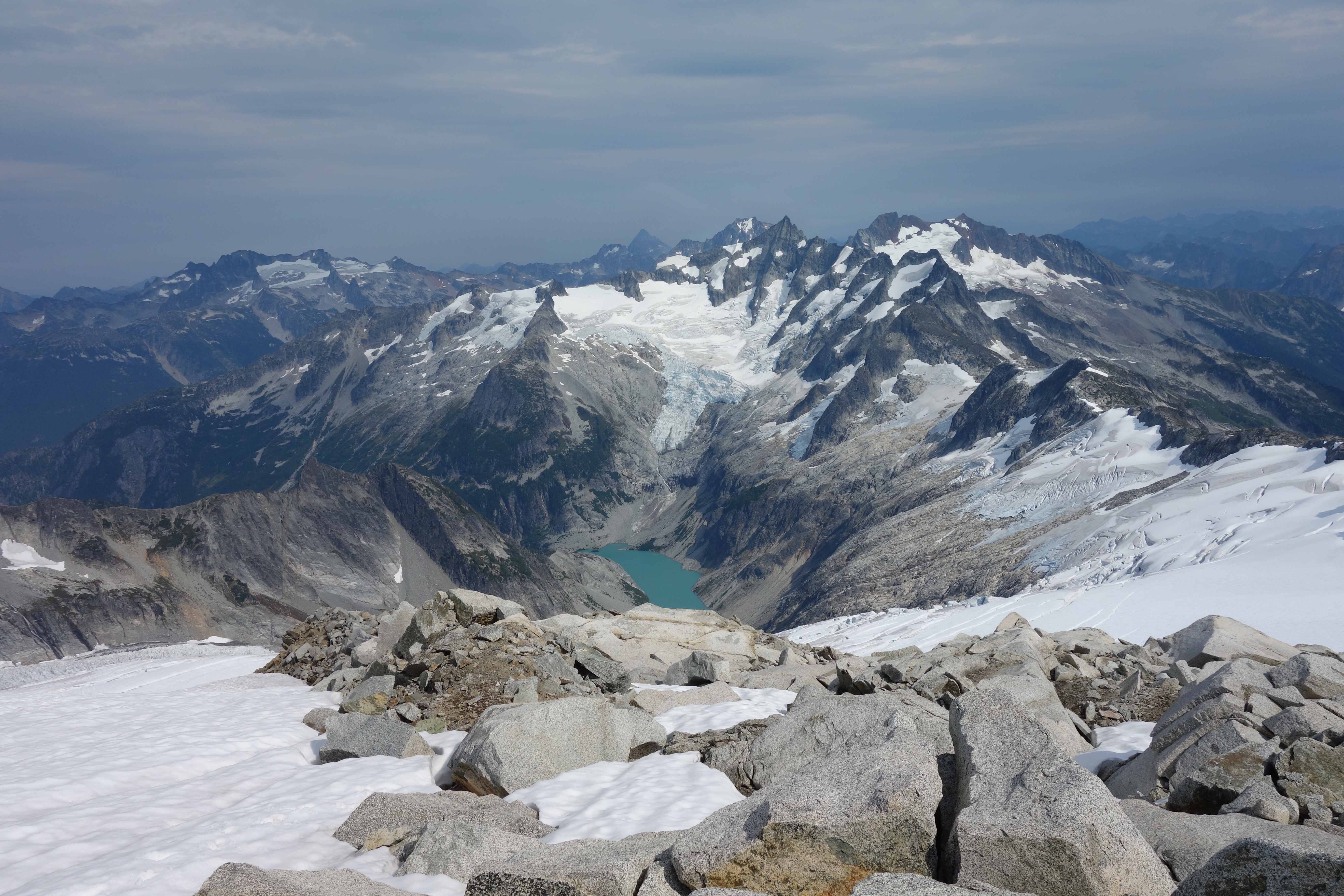
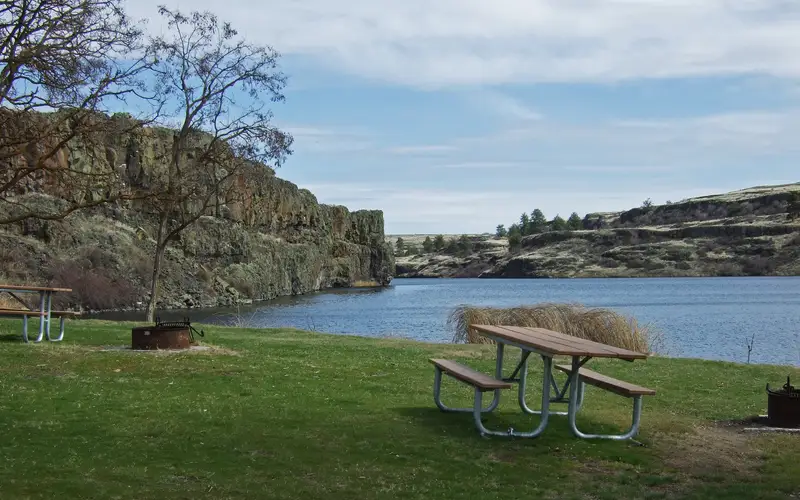
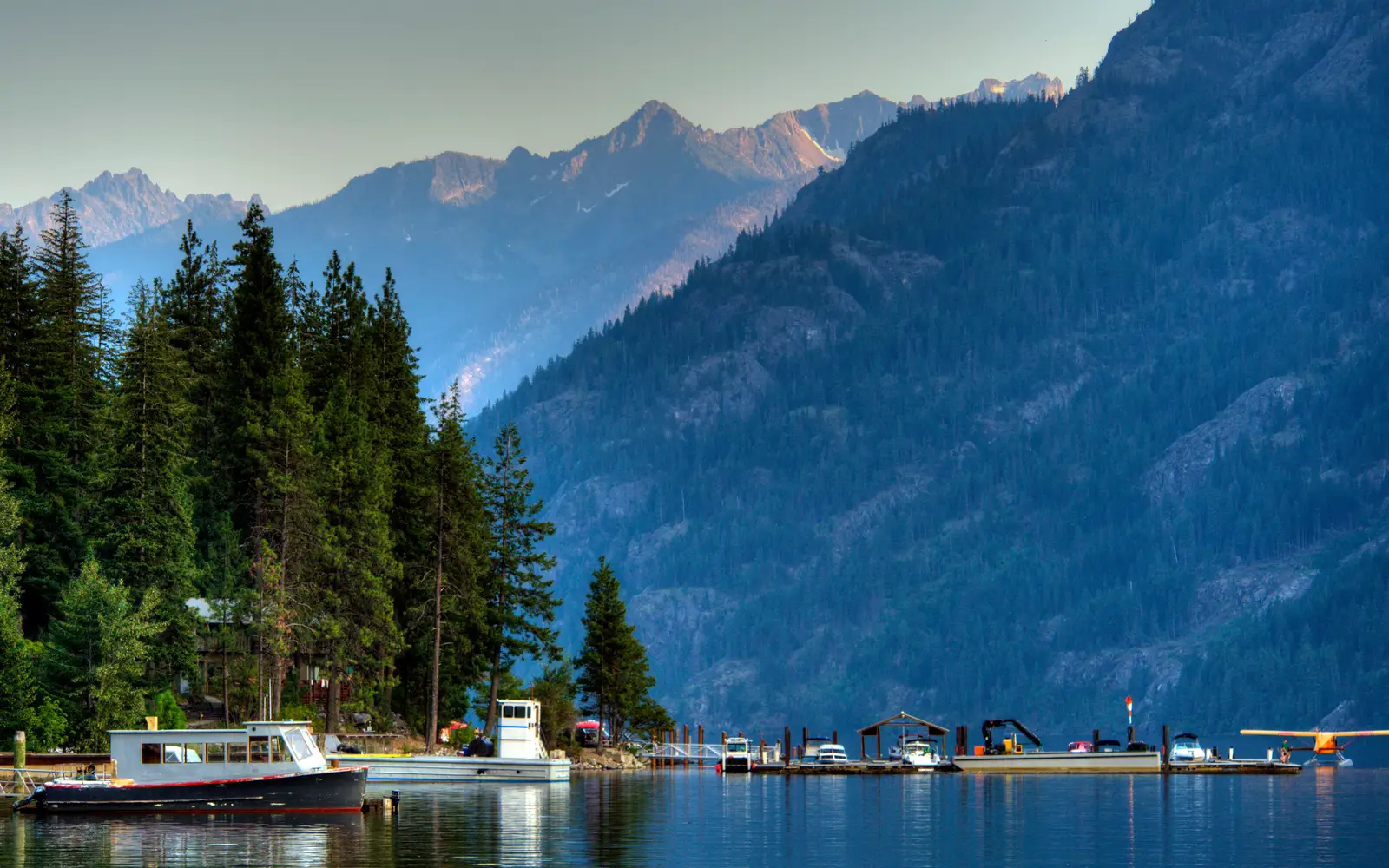
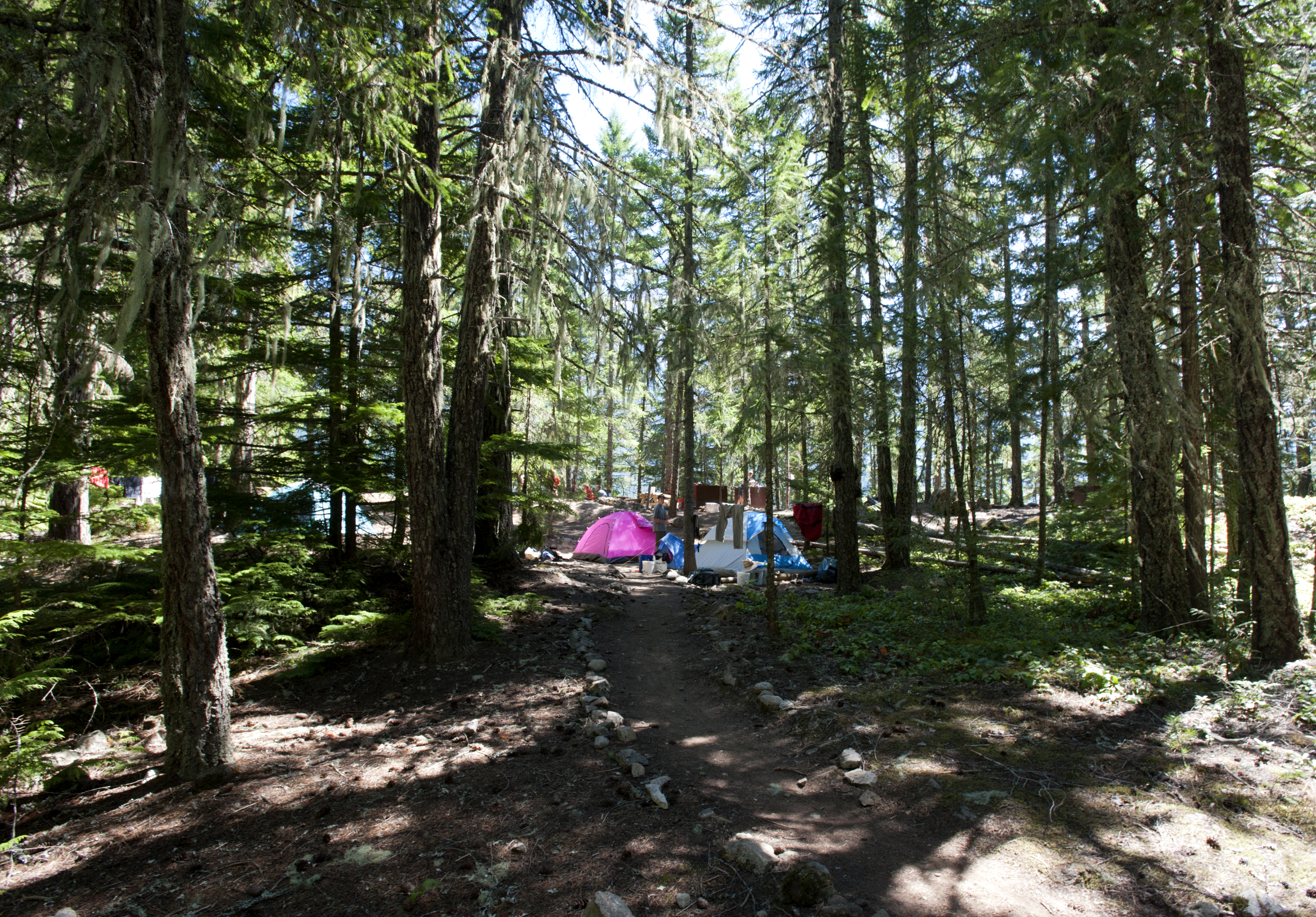
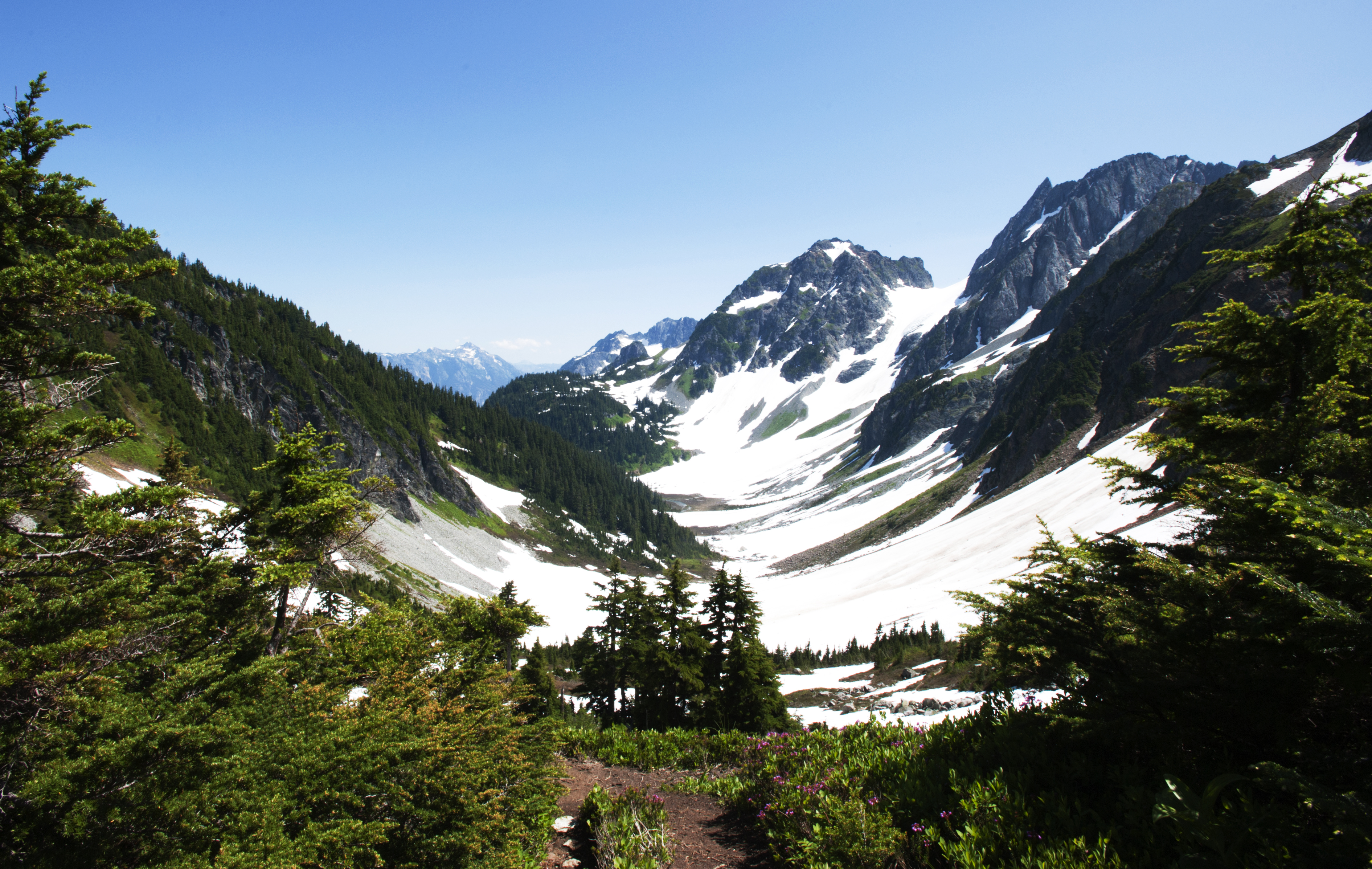
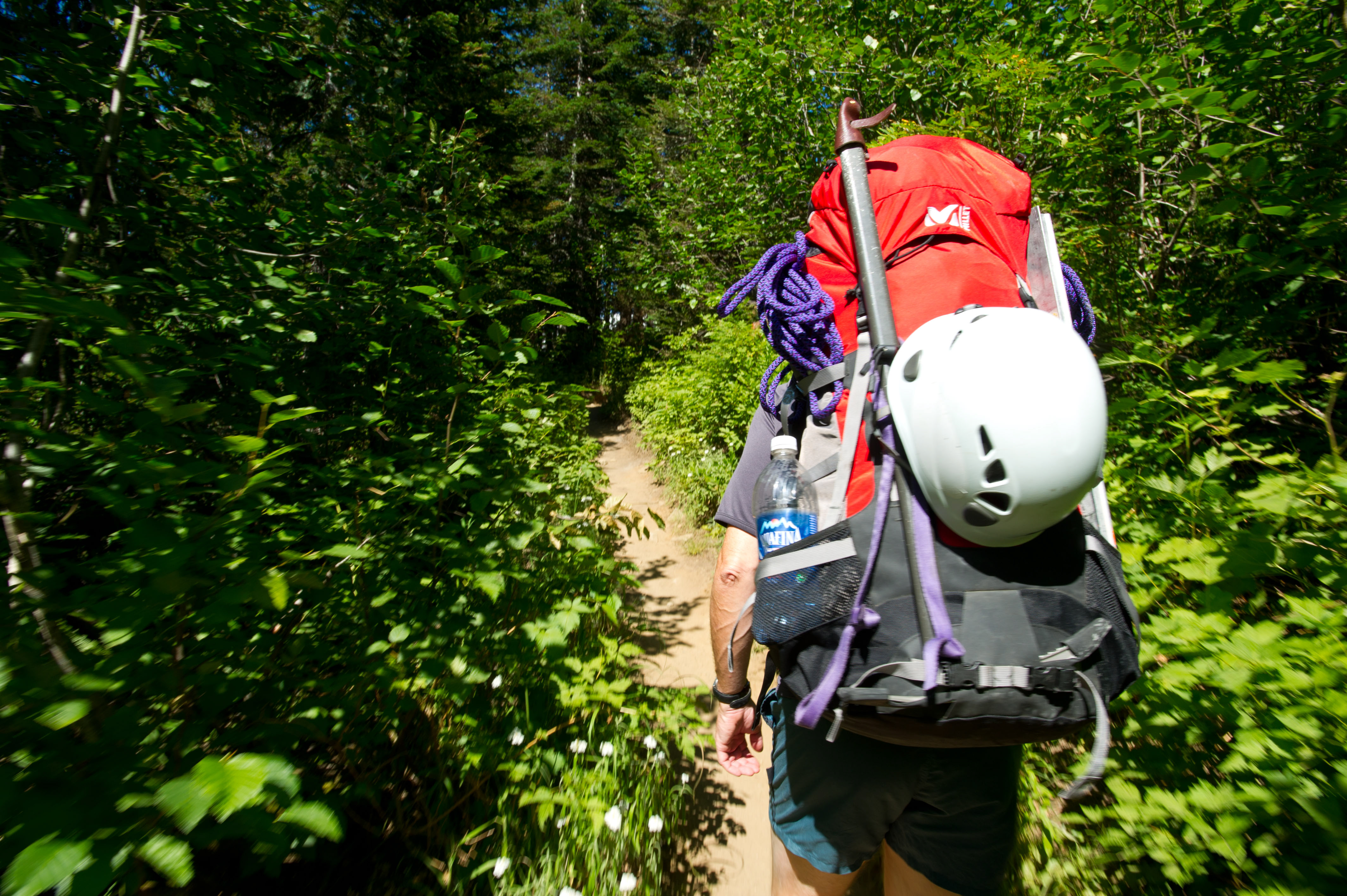
boats on the water with mountains and trees surroundingTents set up in a wooded area.Trees surround the frame with glacier and mountains in the backgroundPerson with backpacking and climbing gear hikes on a trail.
National ParkWA

North Cascades National Park

NPS / NPS Photo/D.Dixon
100/ 100DOES IT ALL
parkverdict Experience ScoreIndependent, not sponsored

100 of 100. Our independent breadth-and-access index. How we score

Our take

Is North Cascades National Park worth your trip?

North Cascades is the real thing: a genuinely wild, glacier-covered alpine park less than three hours from Seattle, yet nothing like the Pacific Northwest's more crowded destinations.

More than 300 glaciers, jagged peaks, deep river valleys, and terrain that shifts from wet western slopes to drier, fire-shaped eastern hillsides make this one of the most ecologically varied parks in the lower 48. That experience score of 100 reflects an extraordinary, well-documented range of what's actually here. You can paddle remote lakes, climb technical routes, drive scenic highways, or hike into old-growth forest. Access is the catch. The operational season runs late May through late September, and serious backcountry travel demands real preparation. Come with a plan, not just a windshield. The more willing you are to leave the car behind, the better the park gets.

Why go

Highway 20 through the North Cascades is one of the more dramatic mountain drives you can do without leaving the continental United States. The road cuts through river valleys and climbs toward high passes, and what you actually get out of a day here depends a lot on what you showed up wanting to do. Hikers can reach subalpine meadows and glacier viewpoints from trailheads scattered along the corridor without a ton of effort. The Ross Lake and Lake Chelan areas add something most mountain parks simply do not have, a genuine water dimension, with motorized boating, kayak camping, and boat tours getting you into terrain the roads never touch. Climbers will find real technical objectives here, not just scenery. Families can set up at front-country campgrounds near Newhalem and lean on the Junior Ranger program to give a first visit some shape. There is no entry fee, which is honestly difficult to beat.

Best for

This park ranks among the best in the country for hikers, backcountry campers, paddlers, and technical climbers. Families after simple car-camping can have a solid trip if they stick to the highway corridor. Casual visitors expecting paved walkways and easy wildlife sightings will probably leave frustrated, and would likely get more out of Olympic or Rainier.

Best season

Mid-July through mid-September is the sweet spot. By mid-July, snow has cleared most trails, the days are long, and nearly everything is open. Late September is worth a look too, with reliable fall color and noticeably thinner crowds. Spring is fine for lower-elevation hiking and wildlife watching, but higher routes often stay closed well into the season. Whenever you go, bring rain gear. Multi-day storms can roll in fast, regardless of what the forecast says.

The high points

  • Driving North Cascades Highway 20 through one of the most scenic mountain corridors in the American West
  • Backcountry camping among more than 300 active glaciers in a genuinely remote alpine setting
  • Kayak or canoe camping on Ross Lake, accessible only by trail or boat
  • Technical rock and alpine climbing on serious Cascade objectives
  • Guided boat tours that reach areas of the complex unreachable by road
  • Horseback and horse camping routes through a landscape too big to cover on foot alone

Know before you go

Getting in costs nothing, but visiting still takes planning. Backcountry overnight trips require permits, so secure them well ahead of your trip. Stop at the visitor center in Newhalem first for current conditions. Highway 20 closes each winter, typically from November through April, shutting off the main corridor completely. Cell service is sparse throughout the park.

One more thingGetting out on the water into the Ross Lake area puts you in terrain most visitors never see, and you do it without committing to multiple days. No highway drive really prepares you for how big the park is the way that boat tour does.

How we scored it

Why North Cascades National Park scores 100

We keep the math boring on purpose. The same handful of public-data inputs, capped so none of them dominates, decide every score. What they measure is breadth and access, not beauty and not crowd levels. For North Cascades National Park, they shook out like this:

  • Activity breadth30 documented activities
  • Topic breadth12 topics
  • Official imagery5 public-domain images
  • Camping on sitedocumented
  • Entry costfree

No number is hand-adjusted and no unit pays for placement. The full weights, the floor at 18 and a worked example are on how we score.

The honest limits

The honest blind spots

Read the score for what it is. It counts what a place documents and how reachable it is, and stops there. It will not tell you if a sunset floors you, if the crowds thin out by dusk, whether a washout closed your trail, or how a ranger tells the story. Plenty of quiet, focused spots score modestly and still win the weekend. Let the number rank what is on offer; let the verdict speak to the feel.

What you can do

Activities

Auto and ATVScenic DrivingBikingRoad BikingBoatingMotorized BoatingBoat TourCampingBackcountry CampingCanoe or Kayak CampingCar or Front Country CampingHorse Camping (see also Horse/Stock Use)Group CampingRV CampingClimbingRock ClimbingFishingGuided Tours
Background

The short version

Three hours from Seattle, the North Cascades open into genuine alpine country, where the terrain shifts sharply from the wet, moss-heavy west side to the drier, fire-shaped east. More than 300 glaciers sit atop the jagged peaks, and forested valleys carry the constant sound of moving water. Few landscapes in the region show the effects of climate change as clearly as this one. Come ready to take care of it.

On documented breadth and access, North Cascades National Park ranks 2nd of 23 park and public-land units we score in Washington.

What the seasons are like

Mid-June through late September is the best window for visiting the North Cascades. Summer days average in the 70s F, and most trails are clear of snow by mid-July. Fall draws people in for the foliage, spring for the wildlife. That said, storms can blow through any time of year, so bring rain gear and layers no matter when you visit.

Common questions

North Cascades National Park: quick answers

Is North Cascades National Park worth visiting?

North Cascades is the real thing: a genuinely wild, glacier-covered alpine park less than three hours from Seattle, yet nothing like the Pacific Northwest's more crowded destinations.

Is North Cascades National Park free to visit?

It is free to get in.

What is North Cascades National Park best for?

It leans hardest toward hiking, camping, good with kids, water activities, going by the 30 activities it actually documents.

When is the best time to visit North Cascades National Park?

Mid-July through mid-September is the sweet spot.

How is the Experience Score for North Cascades National Park calculated?

The 100 comes straight from public data on how much the place documents and how easy it is to reach, things like activities, topics, photos, camping and whether entry is free. It says nothing about scenery or how busy it gets.