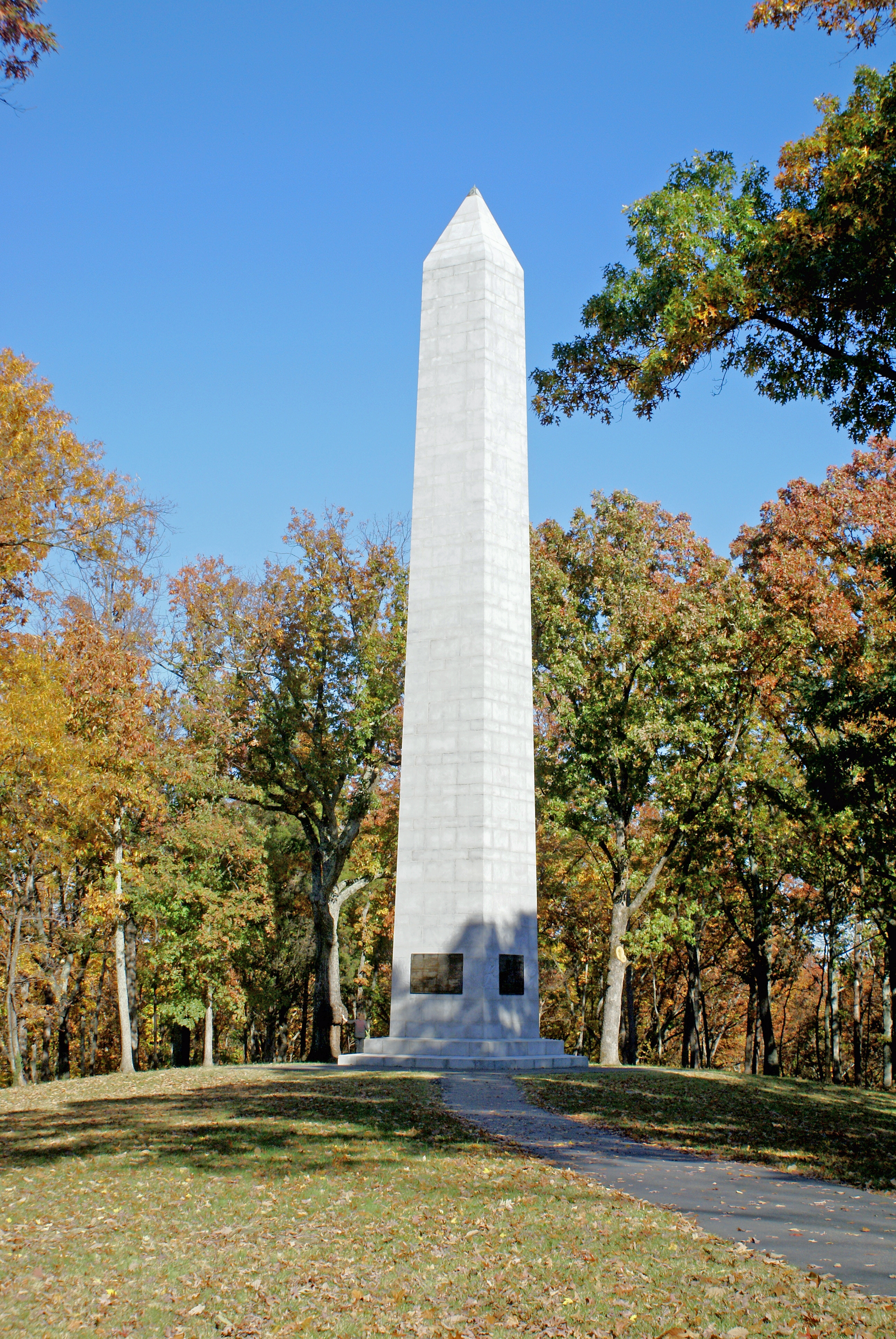
Kings Mountain National Military Park: our verdict
Kings Mountain National Military Park commemorates a singular, pivotal Revolutionary War engagement.
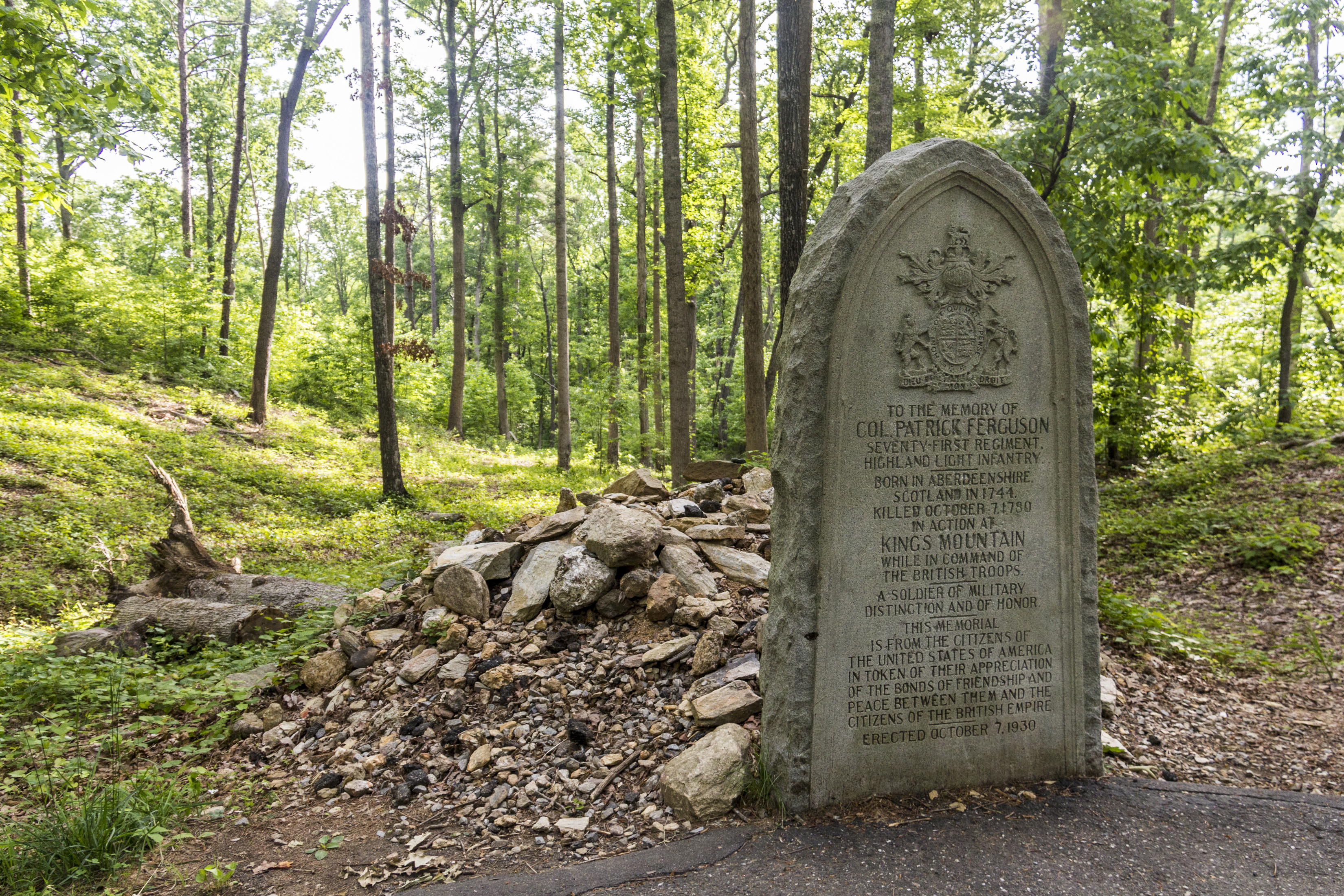
On October 7, 1780, Patriot militia decisively defeated a Loyalist force in just over an hour. Thomas Jefferson recognized this as the war's turning point in the South; its historical significance remains profound. The park offers a compact experience. A battlefield loop trail, a visitor center with an interpretive film, and occasional living history programs comprise the core activities. This is not a destination for wilderness exploration or extended stays. It serves as a half-day historical immersion, best appreciated by those with existing knowledge of the Southern Campaign. The Experience Score of 44 accurately reflects its focused scope. The park excels in its dedicated purpose. However, its breadth of activities is intentionally narrow. Visit for the history. Do not expect extensive recreational opportunities.
Why visit
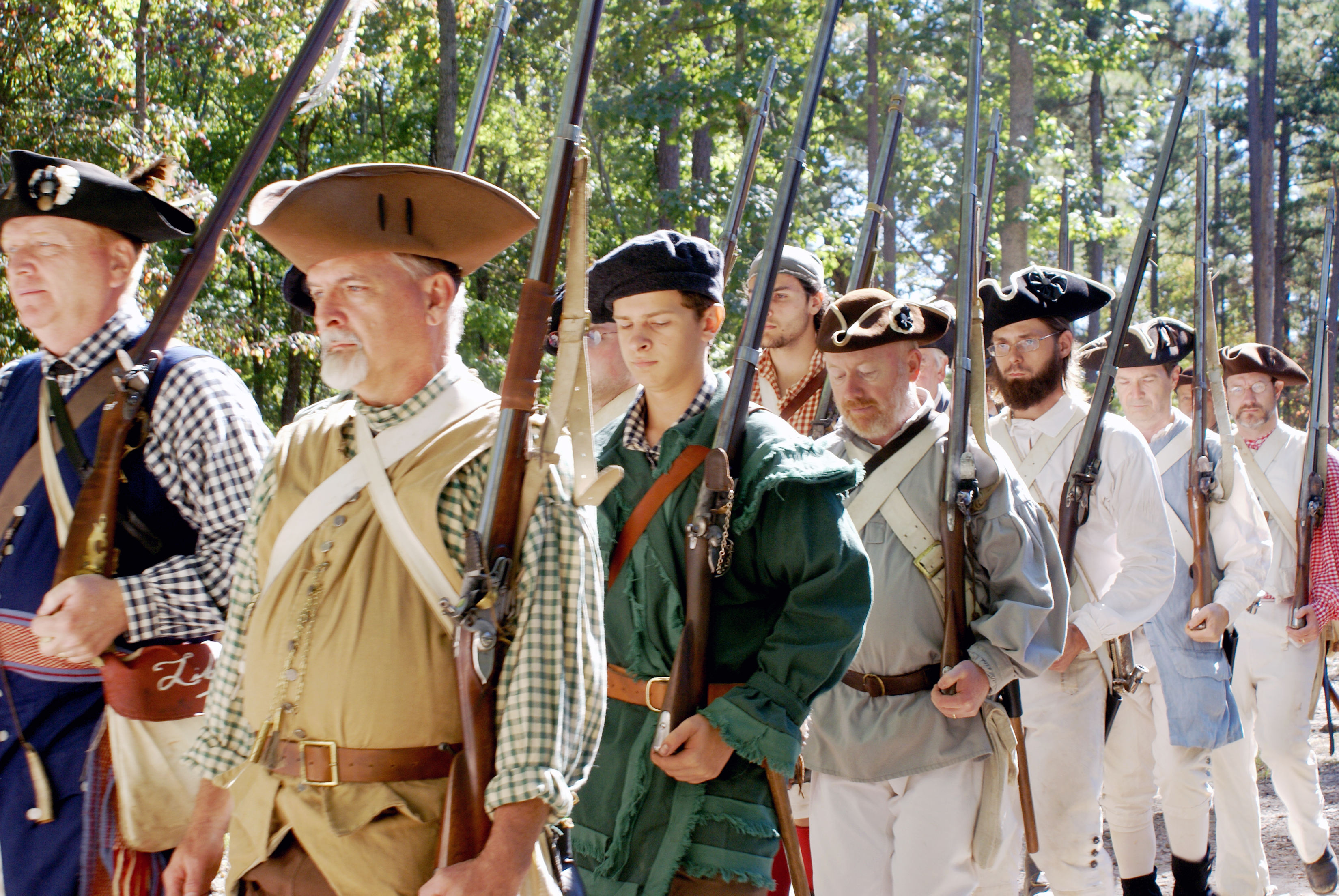
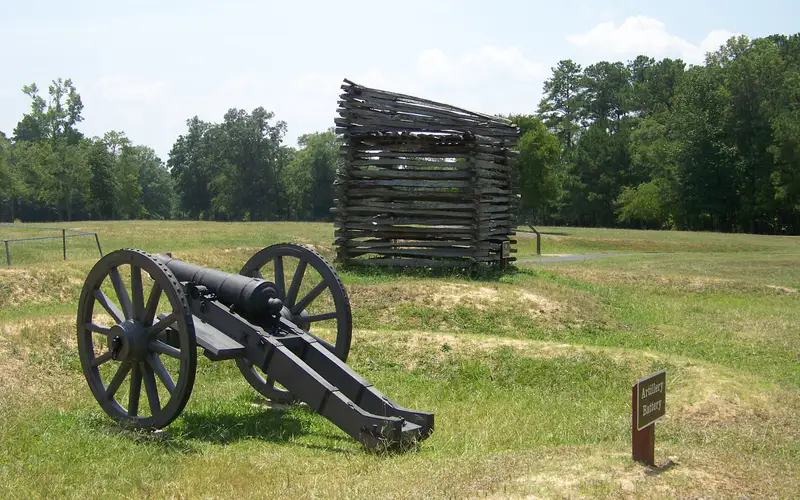
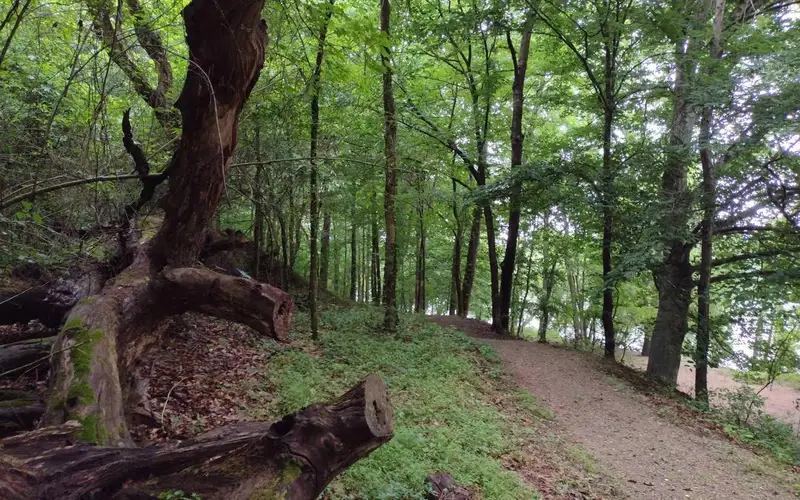
This park unit offers a well-defined experience. Begin at the visitor center with the park film, which contextualizes the Southern Campaign and the strategic importance of this militia victory. The battlefield trail provides a self-guided loop through the terrain where Patriot sharpshooters advanced against Loyalist positions. Interpretive signs mark key moments of the engagement. Scheduled living history programming, with period weapons demonstrations and first-person interpretation, enhances the visit. The Junior Ranger program effectively engages children. Admission is free. For those in Upstate South Carolina or the Charlotte area, this makes a convenient, educational addition to a travel itinerary.
Who it suits
This unit offers deep satisfaction for history enthusiasts, particularly those interested in the American Revolution or the Southern Campaign. Its focused commemorative nature provides ample opportunity for immersion. Families with school-age children can engage with the Junior Ranger program and living history events. However, casual visitors seeking extensive hiking, diverse wildlife, or scenic vistas will find limited offerings. This is a historical site, not a recreational park.
Timing your visit
For comfortable walking on the battlefield trail, spring and fall offer mild temperatures and lower humidity. Summer visits are possible, but the heat and humidity of Upstate South Carolina prove oppressive on the exposed outdoor loop. The October 7th anniversary of the battle periodically features special programming, a detail worth noting on the park calendar.
What stands out
- Self-guided battlefield loop trail through the actual terrain of the 1780 fight
- Park film at the visitor center providing essential context on the Southern Campaign
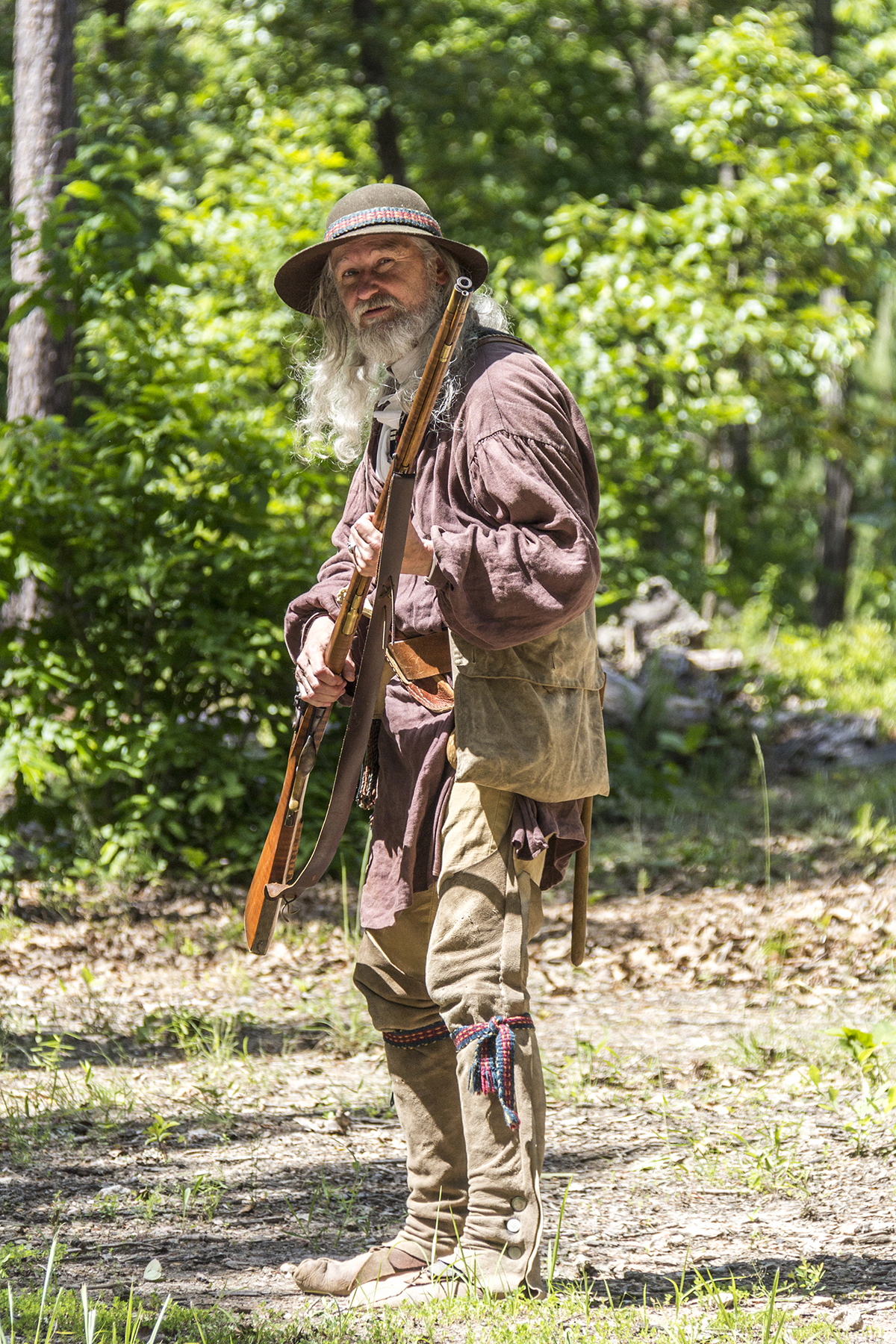
- Living history demonstrations with period weapons and first-person interpretation
- Junior Ranger program structured to keep kids actively engaged on site
- Free admission with no reservation required for general access
- Guided tours available for visitors who want deeper interpretive detail
Good to know
Admission is free. The visitor center limits its hours, opening only Wednesday through Sunday. A visit on Monday or Tuesday offers no film, no ranger interaction, and no interior exhibits. Only the outdoor trail and grounds remain accessible. Plan accordingly; aim for a Wednesday through Sunday arrival. On-site parking is available. The loop trail is walkable in under two hours.
Insider tipConsult the park calendar for living history event dates. While the static trail experience offers historical context, days featuring rangers or volunteers demonstrating 18th-century militia tactics on the battlefield provide a significantly enriched visit.