parkverdict
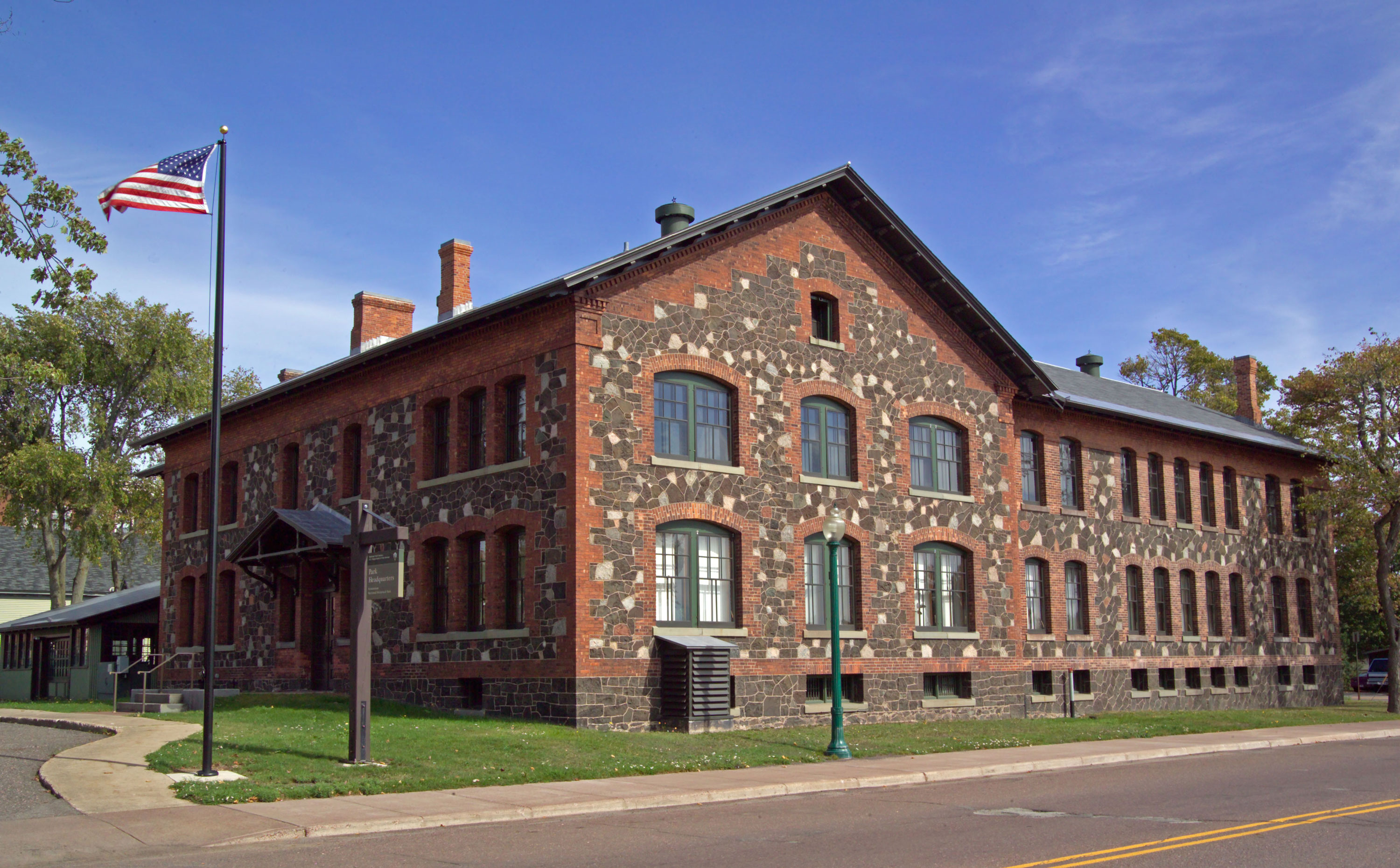
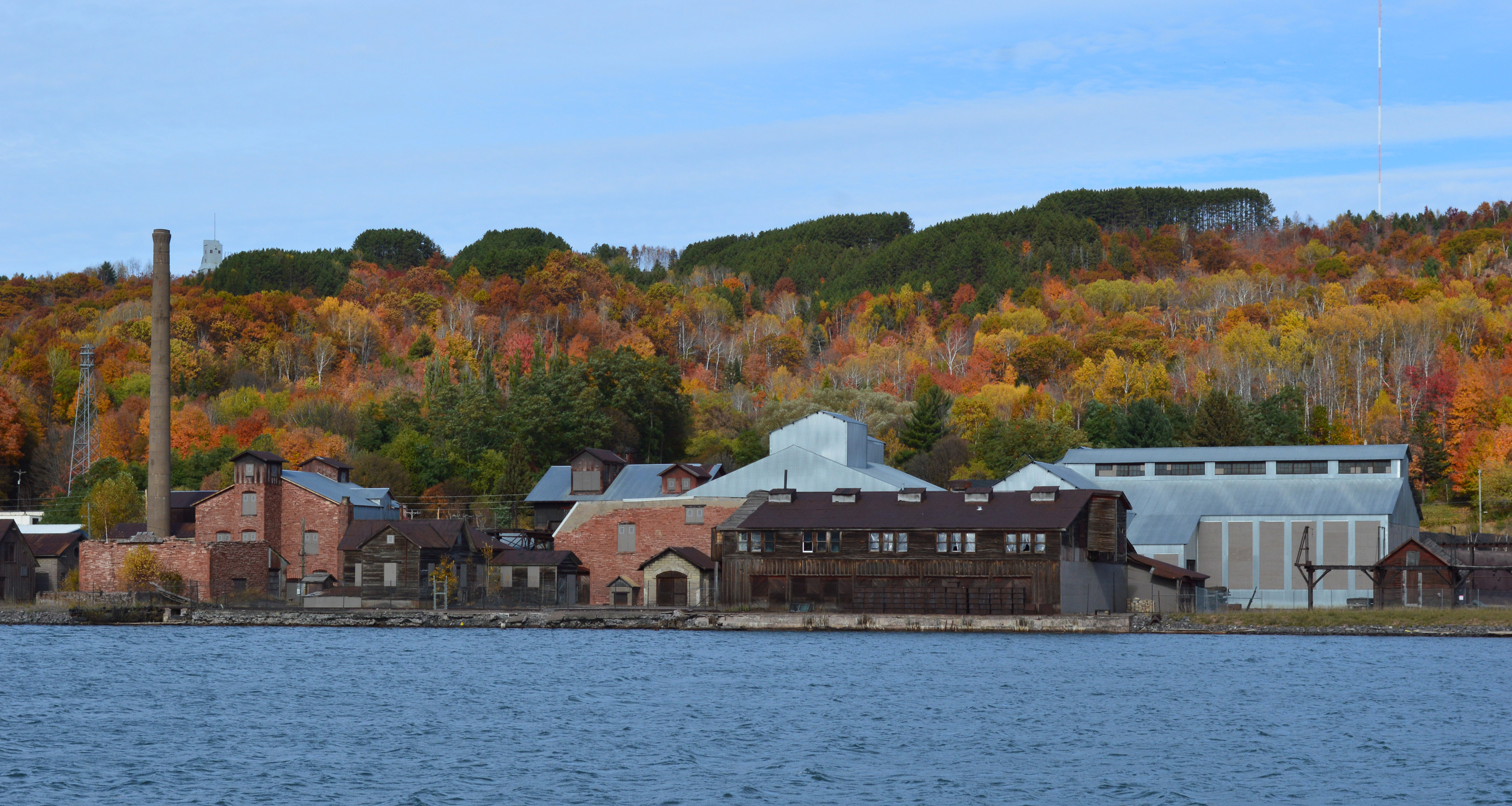
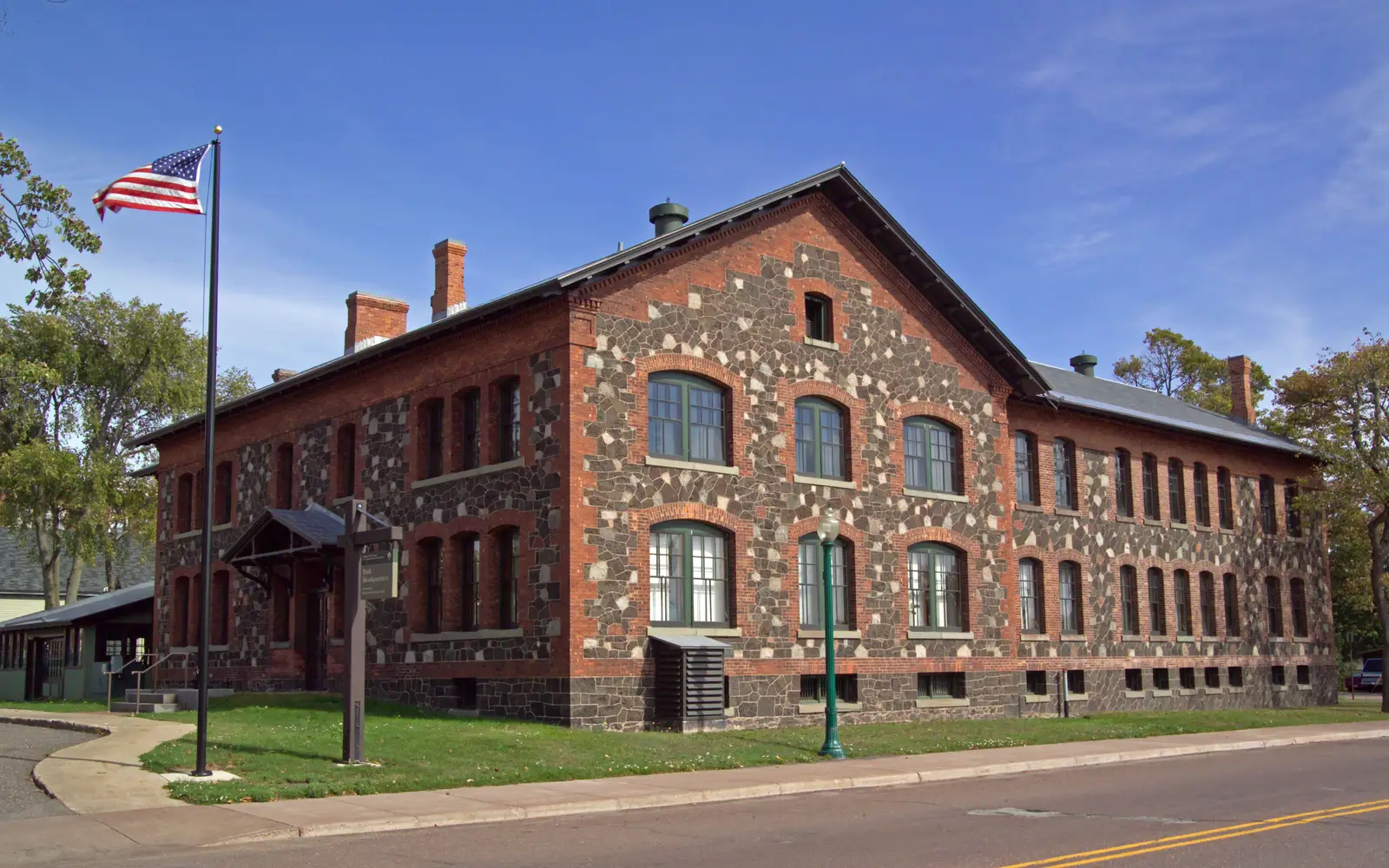
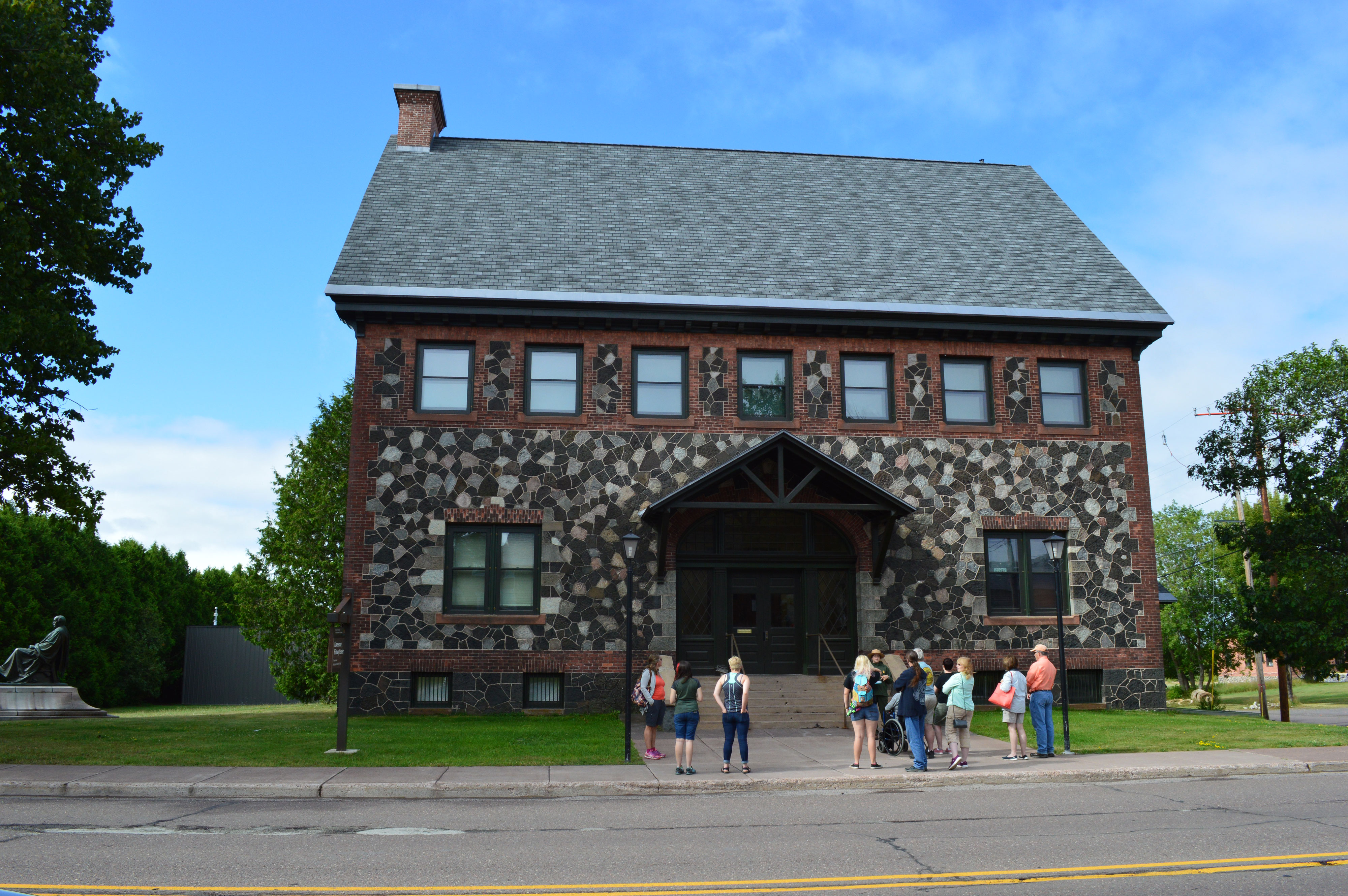
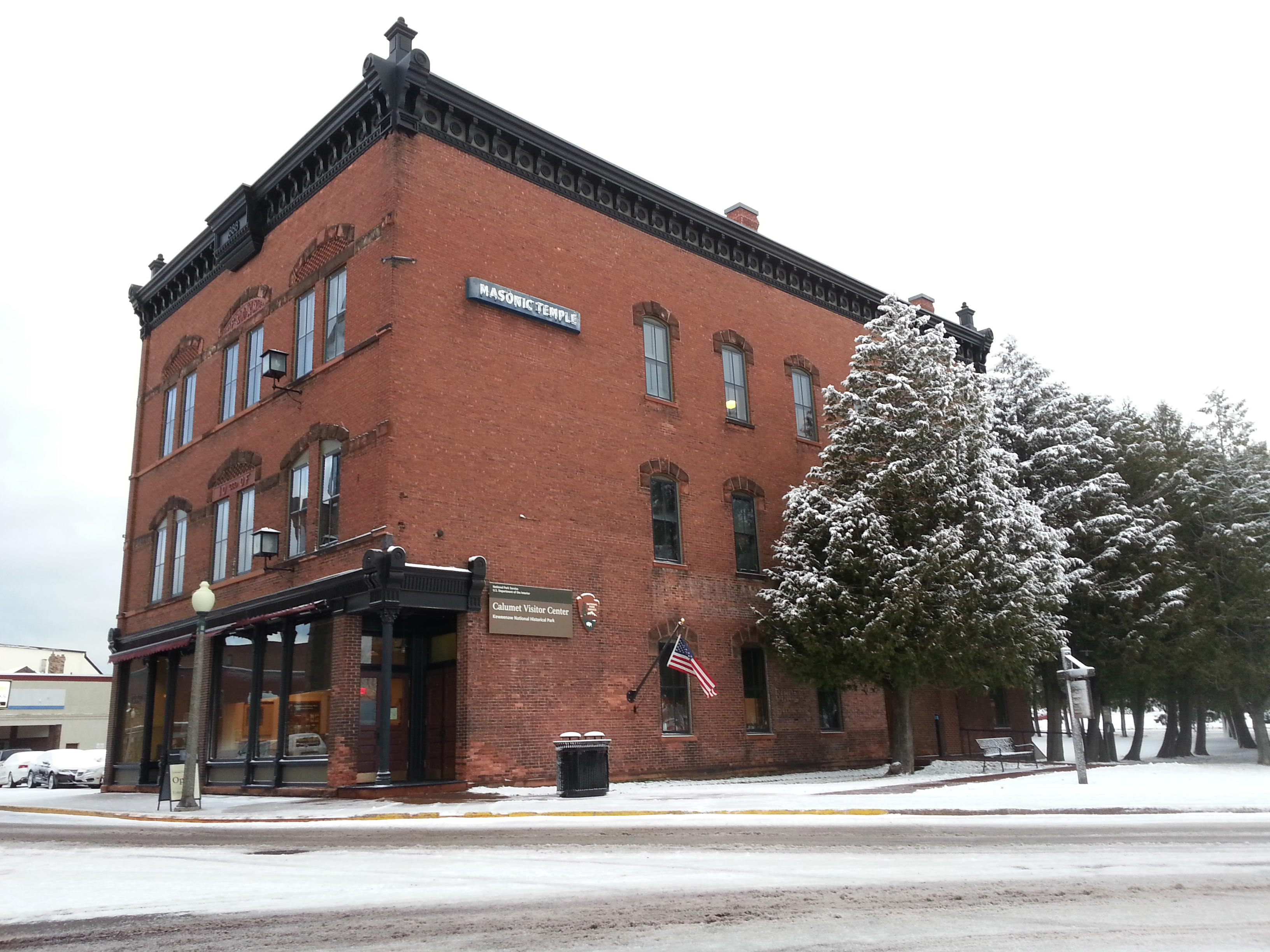
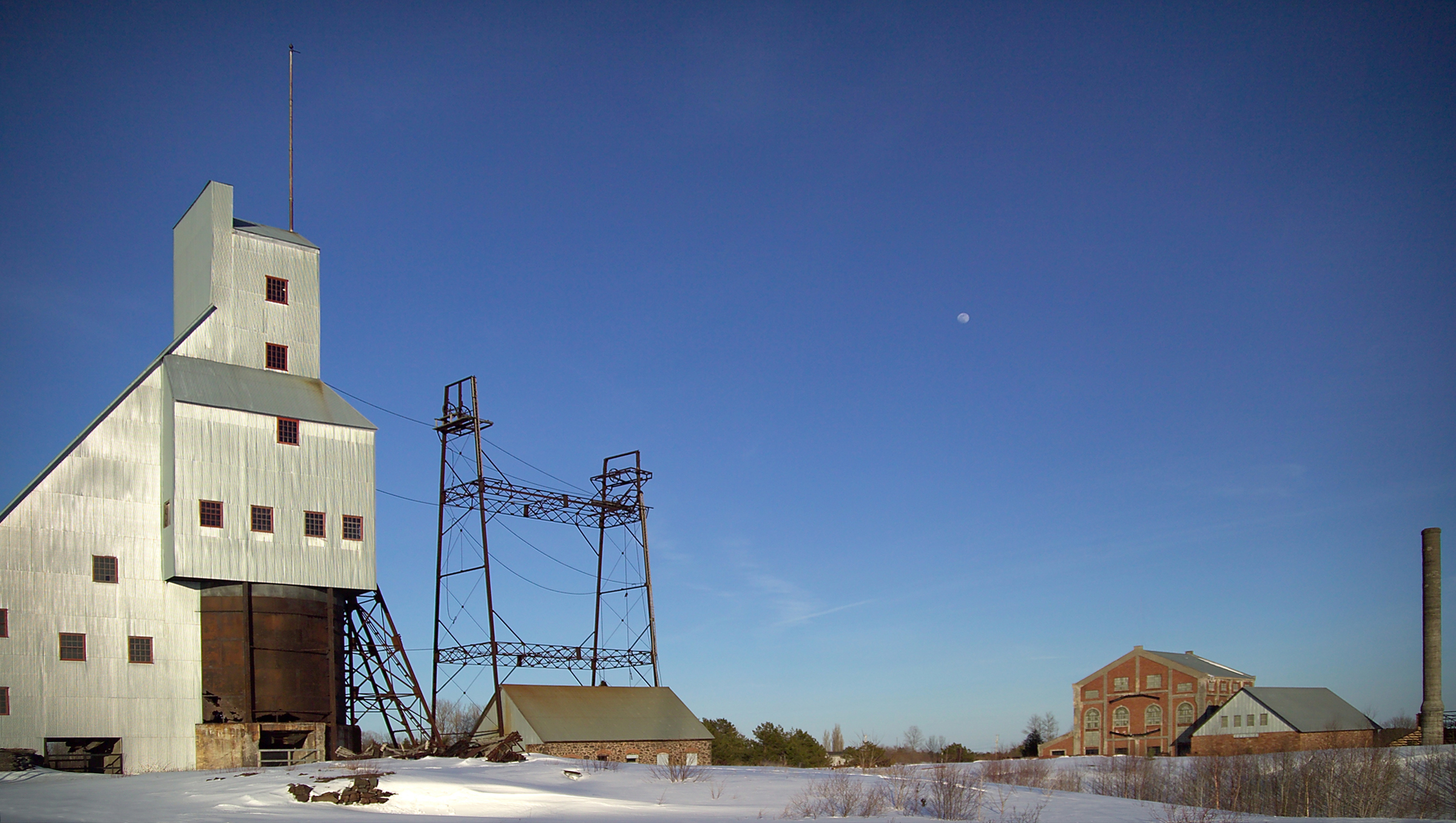
Two story stone and brick building. The American flag flies in front of a blue sky backgroundTwo story stone and brick building. a ranger leads a group of visitors in front or the stepsThree story brick building, with snow covered trees along the right side140 foot tall industrial building with a steeply pitched roofline under blue skies and snowy ground
National Historical ParkMI

Keweenaw National Historical Park

NPS / NPS Photo
68/ 100GOOD RANGE
parkverdict Experience ScoreIndependent, not sponsored

68 of 100. Our independent breadth-and-access index. How we score

The bottom line

Keweenaw National Historical Park: our verdict

Keweenaw National Historical Park is not a single bounded park but a dispersed historical landscape scattered across Michigan's remote Upper Peninsula copper country.

The experience has little to do with trails and viewpoints. It is about reading a layered industrial and cultural story written into the land itself: crumbling engine houses, immigrant-era townscapes, and mine ruins that stretch the length of the Keweenaw Peninsula. The park is free and genuinely interesting, but it rewards curiosity and self-direction. You will do real legwork piecing the story together across multiple sites. Visitors expecting a conventional national park with a central visitor area and obvious loops will find it scattered and underwhelming. Anyone drawn to industrial history, copper-era architecture, or a region that boomed and then quietly emptied will find it one of the most atmospheric and underappreciated NPS units in the Great Lakes.

Why visit

Start at the visitor center, where the park film and museum exhibits walk you through 7,000 years of copper history before you ever set foot on a trail. From there, Calumet's historic streets are worth exploring on foot or by bike. Paved routes run close to rougher backcountry paths that cut through old mine landscapes, so the area holds up for road biking and mountain biking alike. At sites that might otherwise look like little more than rubble, a guided tour really does change what you see. Families who want something more active can try geocaching or compass navigation, and the Junior Ranger program gives kids a concrete way into history that might otherwise feel a bit too distant to grab their interest. If the stops feel too scattered for walking, the auto tour connects them without the legwork. Hiking options run from easy front-country paths to longer backcountry routes, so you can go as far into copper country as your legs and your schedule allow.

Who it suits

History buffs and architecture fans with a soft spot for late 19th-century immigrant-era buildings will find a lot to work with here, and cyclists who want scenic routes through historically layered terrain will too. Families with curious kids tend to have a good time. That said, if dramatic scenery, wildlife, or a tight trail network is what you are after, the Upper Peninsula has better options.

Timing your visit

June through August is the most practical window to visit. Temperatures in the 70s make biking and hiking comfortable, and guided tours run reliably during those months. Nights turn cold even in July, so pack a layer. The park's dispersed outdoor sites stay open sunrise to sunset year-round, but Lake Superior dumps heavy snow in winter and many routes become impractical without serious preparation.

What stands out

  • Museum exhibits tracing 7,000 years of copper use from Indigenous peoples through the industrial mining era
  • Guided tours of Calumet-area sites that put ruins and architecture into human context
  • Road and mountain biking routes through a historically layered landscape
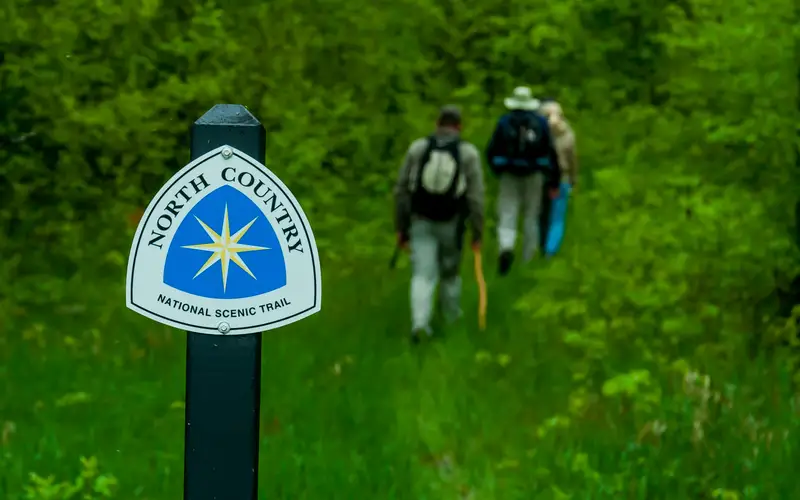
  • Backcountry hiking into mine-era terrain beyond the main townscape
  • Self-guided auto touring to connect dispersed park units efficiently
  • Junior Ranger program that makes the copper history accessible and engaging for children

Good to know

Admission is free, which makes a real difference when you're planning several days. The park stretches across the Keweenaw Peninsula, so you'll need a car to get between units. At the Calumet unit, the grounds are open from sunrise to sunset, though the visitor center and interior exhibits run on their own separate schedules. Check the current NPS hours before driving out to any specific building.

Insider tipTwo days is the right call if Keweenaw is part of a longer Upper Peninsula trip. Don't try to squeeze it into an afternoon. The sites are spread out enough that the first day mostly just gets you oriented, and it's really the second day when the landscape clicks into place.

How we scored it

How Keweenaw National Historical Park earned its 68

Where does a 68 come from? One formula, run the same on every place we cover, built only from public data on what a unit offers and how reachable it is. It says nothing about how pretty a spot is or how busy it gets. This is what fed it:

  • Activity breadth15 documented activities
  • Topic breadth6 topics
  • Official imagery5 public-domain images
  • Camping on sitenone recorded
  • Entry costfree

No number is hand-adjusted and no unit pays for placement. The full weights, the floor at 18 and a worked example are on how we score.

The honest limits

Where the score goes quiet

One limit to keep in mind. Everything here comes from public records on what a unit documents and how reachable it is, so the score cannot judge beauty, crowds, trail conditions, weather, or how good any single program is. That is exactly why a small, specific place can score below a sprawling park and still be your better trip. Take the number as a like-for-like look at what is on paper, and lean on the verdict for the human read.

On offer

Documented activities

BikingMountain BikingRoad BikingCompass and GPSGeocachingFoodGuided ToursSelf-Guided Tours - WalkingSelf-Guided Tours - AutoHikingBackcountry HikingFront-Country HikingJunior Ranger ProgramPark FilmMuseum Exhibits
The basics

Keweenaw National Historical Park at a glance

People and copper have been linked on the Keweenaw Peninsula for more than 7,000 years. Indigenous peoples shaped the metal into tools and trade goods. In the 1800s, investors and immigrants arrived in waves during a mineral rush, building thriving industries and surprisingly cosmopolitan communities. The mines closed long ago, but their mark stays with the land and the people who live there.

On documented breadth and access, Keweenaw National Historical Park ranks 8th of 8 park and public-land units we score in Michigan.

Weather and seasons

Keweenaw summers stay mild, with average highs in the 70s, though heat does push into the 80s and 90s on occasion. Nights cool off sharply but unpredictably, anywhere from the 40s to the 70s depending on the week. Rain shows up now and then, with the odd severe thunderstorm breaking up otherwise dry stretches. Lake Superior keeps winters from going fully brutal, holding typical highs in the 20s. Cold spells still muscle through, though, and subzero readings are not unusual.

Common questions

Keweenaw National Historical Park: quick answers

Is Keweenaw National Historical Park worth visiting?

Keweenaw National Historical Park is not a single bounded park but a dispersed historical landscape scattered across Michigan's remote Upper Peninsula copper country.

Is Keweenaw National Historical Park free to visit?

Yes, there is no entrance fee.

What is Keweenaw National Historical Park best for?

It leans hardest toward hiking, good with kids, biking, guided tours, going by the 15 activities it actually documents.

When is the best time to visit Keweenaw National Historical Park?

June through August is the most practical window to visit.

How is the Experience Score for Keweenaw National Historical Park calculated?

The 68 comes straight from public data on how much the place documents and how easy it is to reach, things like activities, topics, photos, camping and whether entry is free. It says nothing about scenery or how busy it gets.