Is John Day Fossil Beds National Monument worth it?
John Day Fossil Beds National Monument offers one of the world's richest paleontological records.
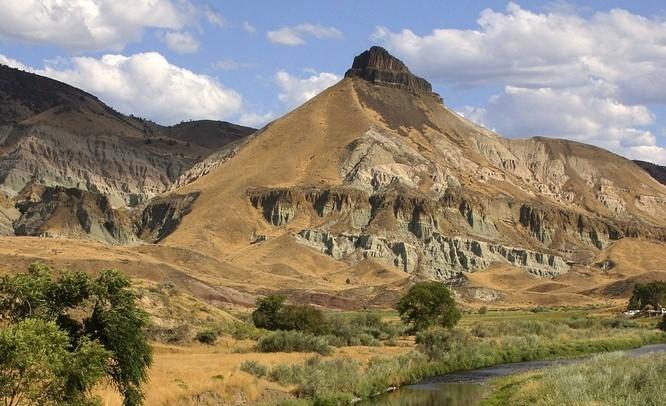
This Oregon high desert site spans three distinct units: Sheep Rock, Painted Hills, and Clarno. The monument preserves roughly 40 million years of prehistoric life, from rhino-like brontotheres to early three-toed horses. The geology is the primary draw. This is not a wilderness adventure park. Hiking is light. Trails are short and interpretive. The real payoff comes inside the Thomas Condon Paleontology and Visitor Center and across the colorful badlands terrain. Free admission makes it an easy add-on to an eastern Oregon road trip, though the location is genuinely remote. For those interested in deep time, ancient ecosystems, or dramatic painted-clay landscapes, this monument delivers unique experiences.
The case for it
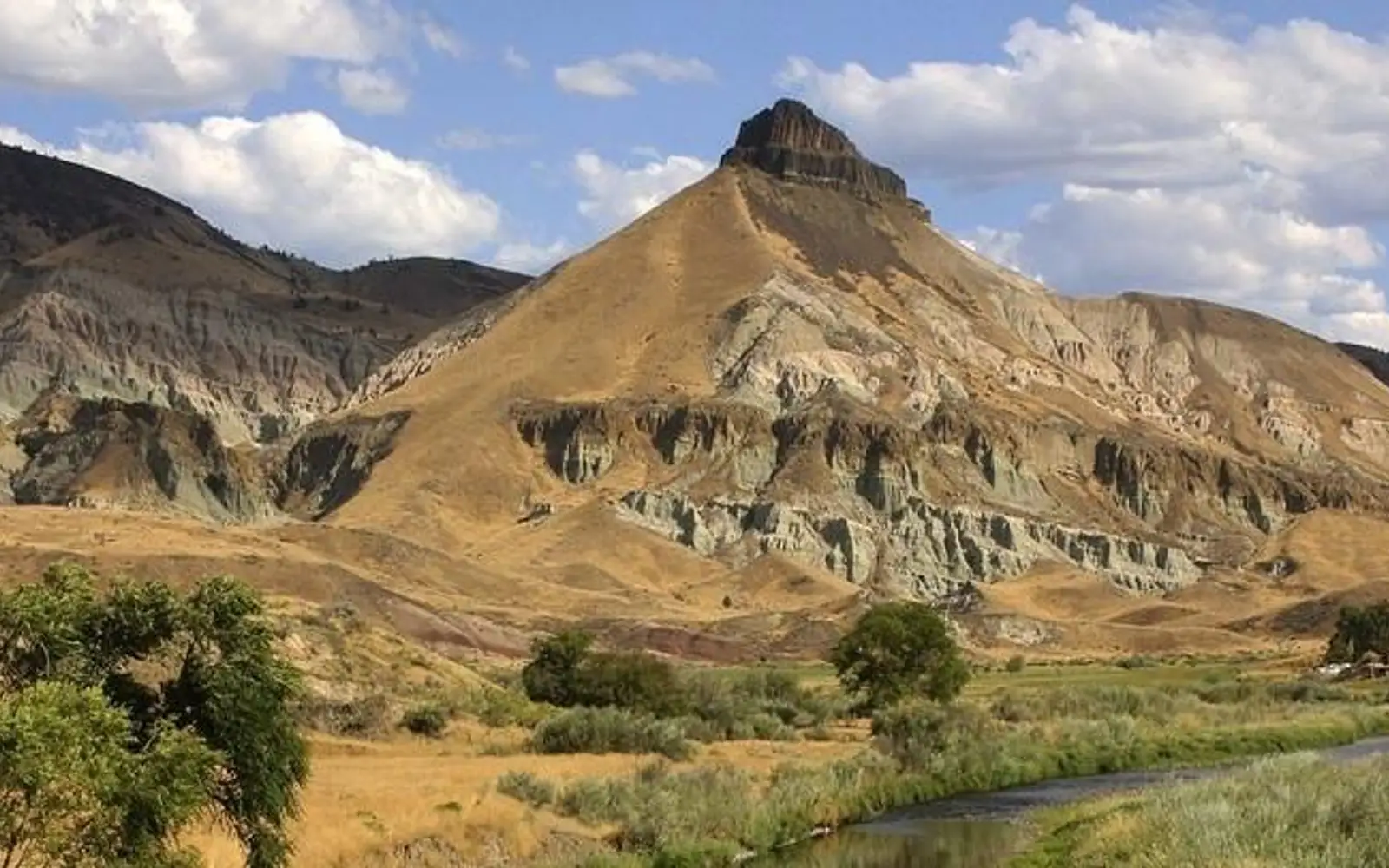
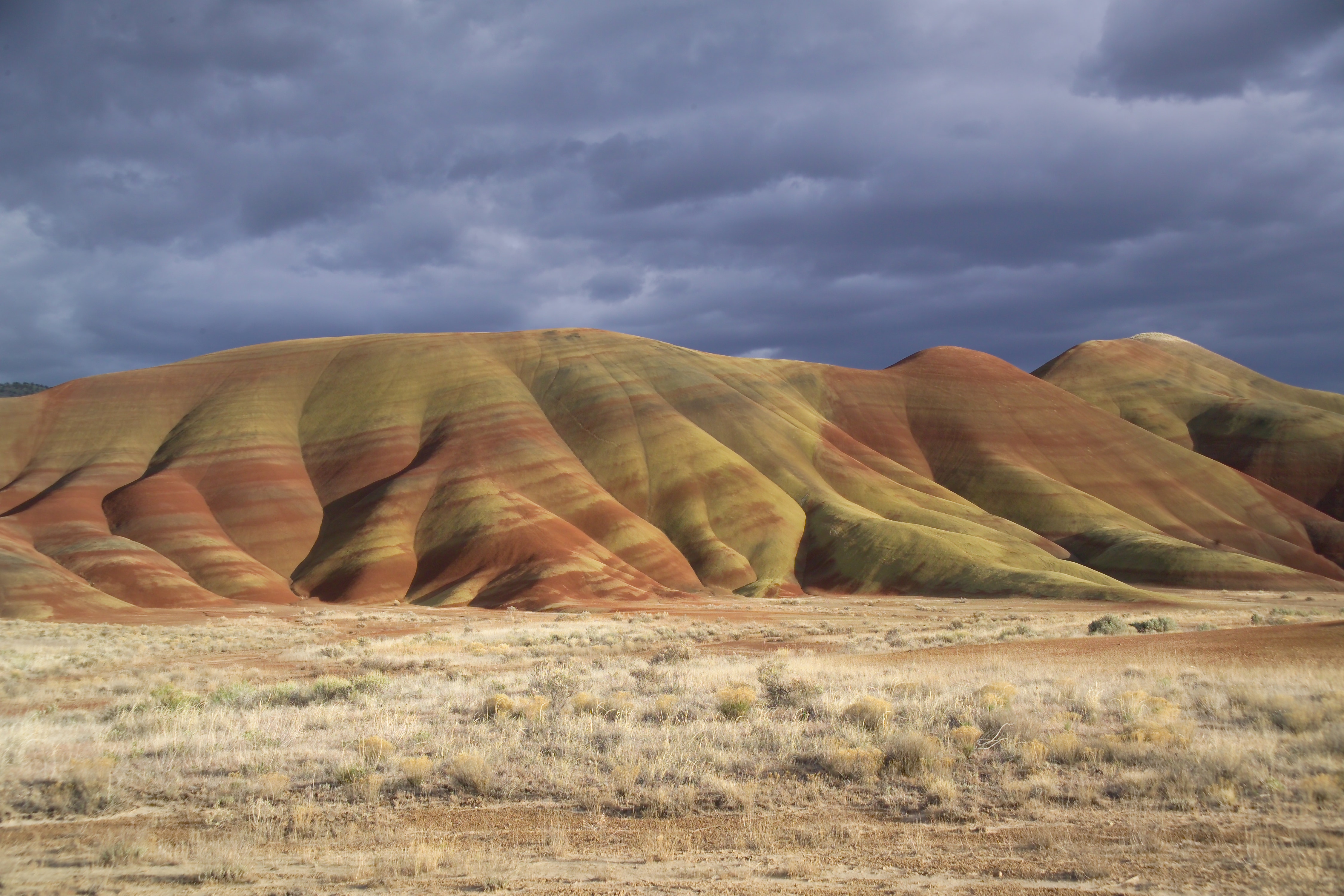
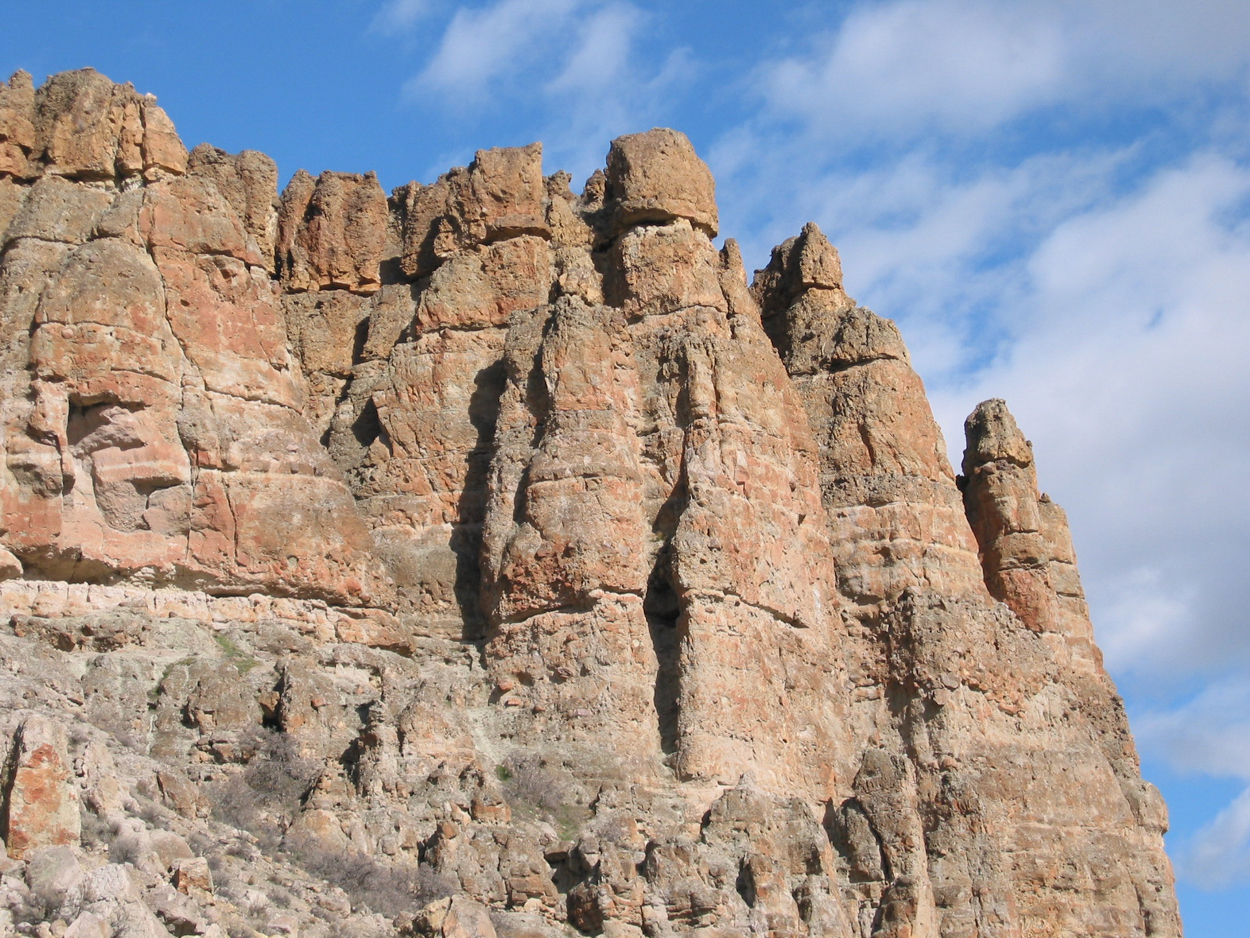
This Oregon unit demands a driving plan. Its three distinct sections are widely dispersed. Painted Hills offers a highly photogenic landscape, with banded red, gold, and black clay formations that visibly react to changes in light and moisture. At Sheep Rock, a visitor center museum provides direct context for the geology underfoot with actual excavated fossils. The Clarno unit reveals eroded palisades embedded with fossilized plant material. Hiking provides direct engagement with these geological features. The Junior Ranger program effectively connects children with the fossil themes through structured activities across all units. This park rewards active exploration and a willingness to cover ground.
Who it is for
This unit excels as a destination for geology and paleontology enthusiasts, particularly those traversing eastern Oregon by car. Families with children will find substantial engagement through its hands-on learning programs. However, visitors prioritizing strenuous backcountry hiking, wildlife observation, or water activities will find limited offerings. Those seeking classic Pacific Northwest vistas should direct their attention to the Cascades instead.
Best time to visit
Optimal visitation to the Painted Hills falls between late April and early June. During this period, post-rain conditions enhance the clay's vivid coloration, temperatures remain moderate, and wildflowers emerge in the surrounding hills. Fall presents a strong alternative. Summer, with its frequent temperatures exceeding 100 degrees Fahrenheit and minimal shade, should be avoided by heat-sensitive visitors. Winter access can be complicated by occasional ice.
Worth seeing
- Painted Hills unit: banded clay formations that shift color dramatically with light and moisture
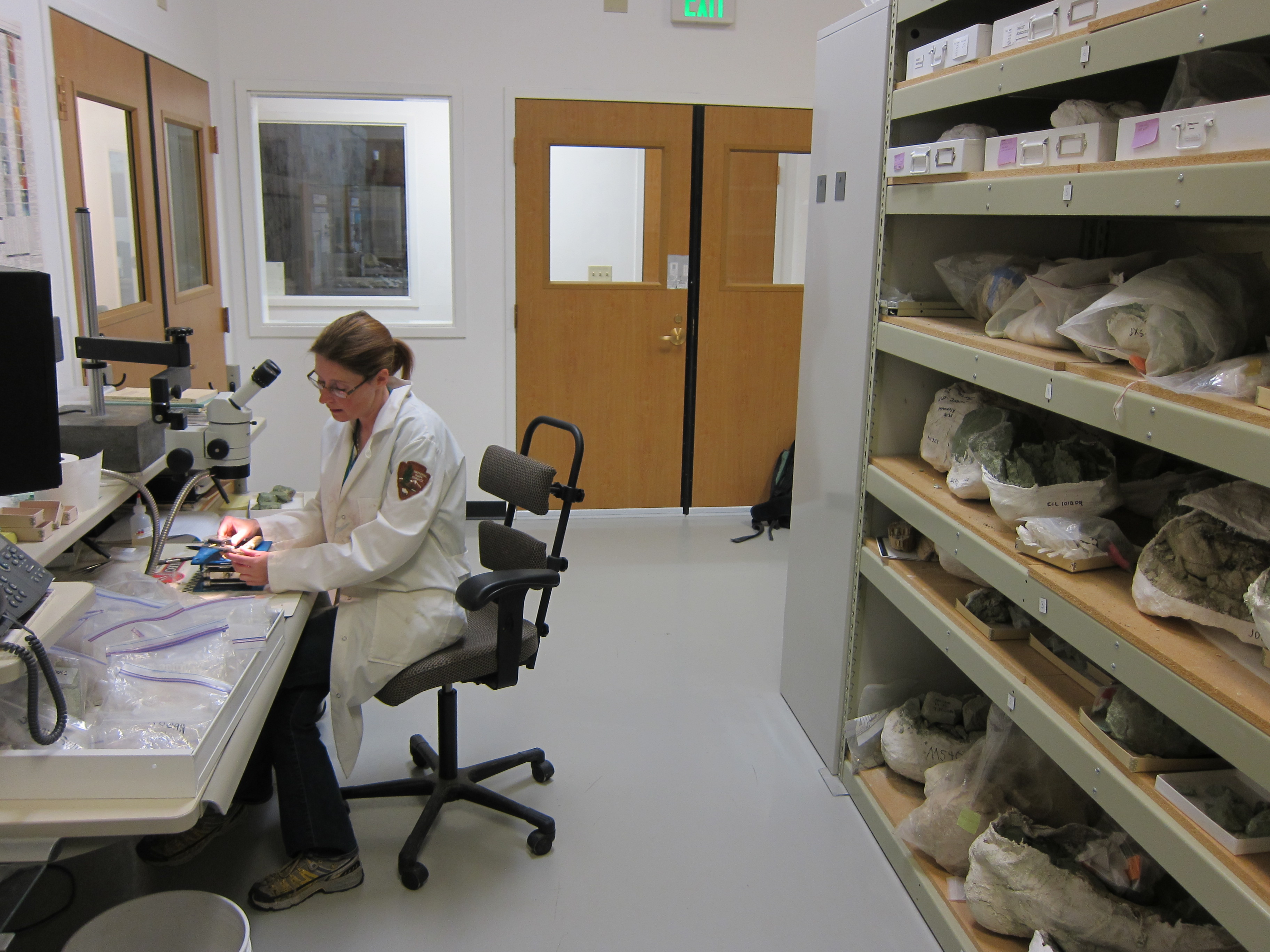
- Thomas Condon Paleontology and Visitor Center at Sheep Rock with actual fossil displays and park film
- Clarno Palisades with visible fossil plant material embedded in volcanic mudflow rock faces
- Interpretive front-country hiking trails that connect directly to the fossil and geological themes
- Junior Ranger Program spanning all three units, well-suited to school-age kids
- Free admission across all three units, making it one of Oregon's most accessible monument experiences
Before you visit
Access to all three units is free. The units are widely dispersed: Clarno is 65 miles from Sheep Rock, while Painted Hills and Sheep Rock are separated by approximately 10 miles. Visiting all three units requires a full day, or preferably two nights in the area. Local services are limited. Carry water, snacks, and ensure a full tank of gas before traveling.
Our tipTimed correctly, the Painted Hills unit offers a remarkable visual experience. Its iron-rich clay strata, muted under midday sun, achieve a striking luminosity in the low-angle light of morning or after rainfall. This transforms the landscape, intensifying its famed color bands. The visual payoff is significant.