Is Jocelyn Nungaray National Wildlife Refuge worth your trip?
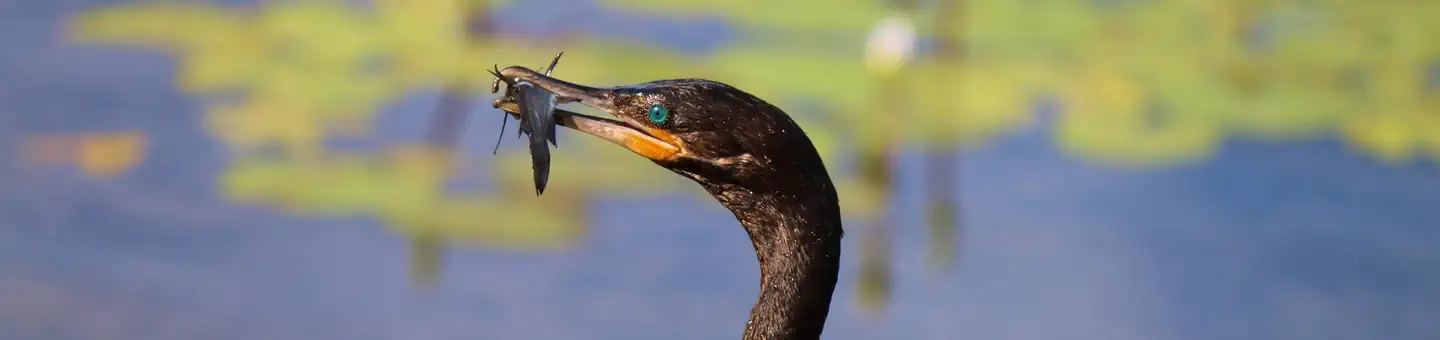
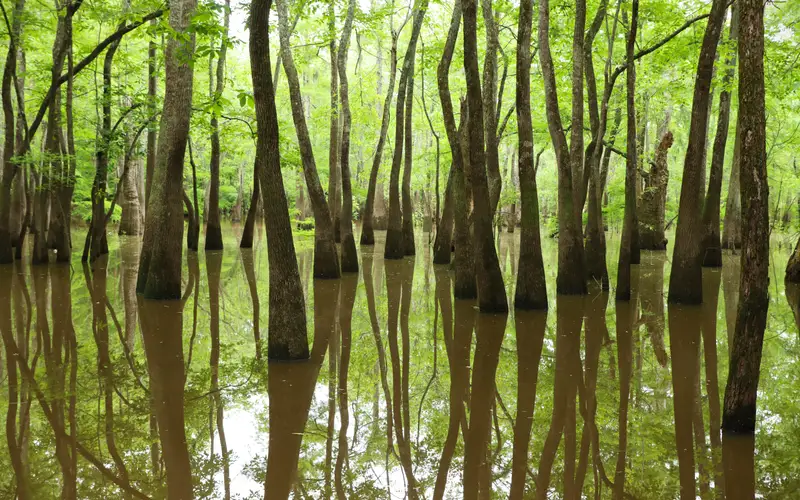
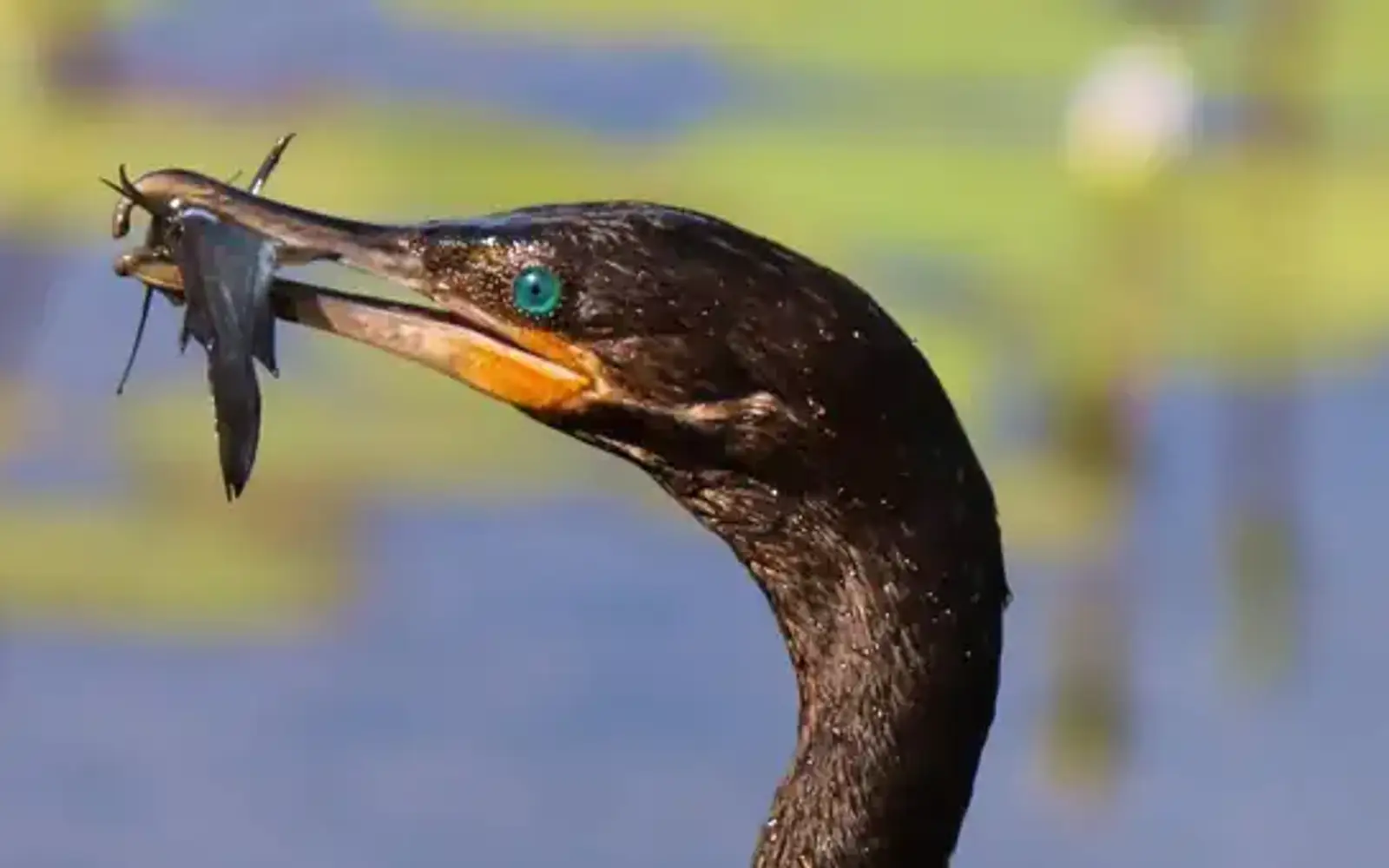
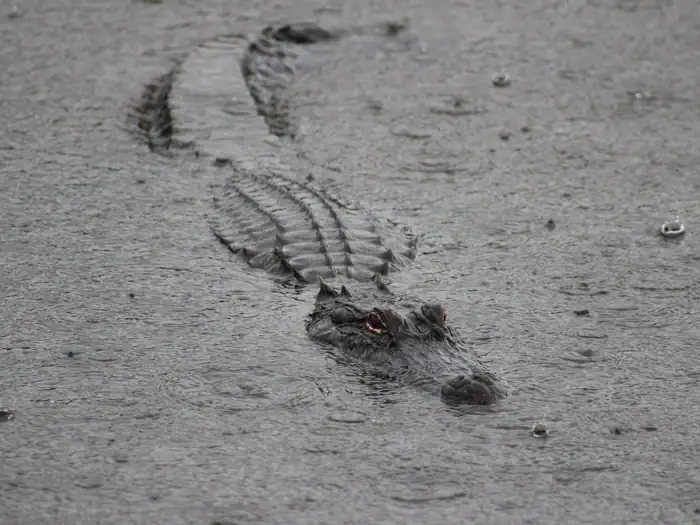
Jocelyn Nungaray National Wildlife Refuge, a 39,000-acre coastal marsh refuge on the Texas Gulf Coast, prioritizes avian life.
Located just outside Houston, it holds designations as a Globally Important Bird Area, a Monarch Waystation, and a Western Hemisphere Shorebird Reserve Network Site of International Importance. This is not a generalized recreation area. It is a specialized birding and wildlife refuge, equipped with auto tour routes, water access, and interpretive programming. The experience score of 74 confirms its breadth, allowing for hiking, biking, fishing, boating, and photography alongside birdwatching. The essence of this refuge remains the coastal marsh, vital for its staggering volume and variety of migratory and resident waterbirds. For dedicated birders, this destination offers a world-class experience. Casual sightseers or those seeking varied hiking will need to adjust expectations.
Why go
This refuge excels as a critical migratory bird waystation on the Gulf Coast. The auto tour route offers prime viewing of wintering ducks, geese, shorebirds, and wading birds in shallow impoundments. Spring and fall migrations deliver spectacular avian concentrations. Monarch butterflies also utilize the refuge during their fall migration. Anglers and boaters have direct water access. Non-motorized boating provides quiet entry to marsh edges, minimizing wildlife disturbance. Interpretive and educational programs enhance understanding of the landscape. Photographers will appreciate the flat, open marsh lighting and abundant wildlife. Entry is free. Its proximity to Houston makes it an accessible day trip without compromising the visitor experience.
Best for
This refuge offers genuine world-class opportunities for birders, wildlife photographers, and those with a serious interest in coastal marsh ecosystems. Anglers and paddlers will find legitimate secondary value. Families with an educational curiosity can benefit from the interpretive programming. Hikers seeking trail variety or elevation, and visitors looking for dramatic scenery, will find this unit unsuitable.
Best season
The seasonal wildlife viewing opportunities here are pronounced. Fall, spanning roughly September through November, features Monarch butterfly migrations alongside significant shorebird and songbird movements. Winter months provide peak waterfowl numbers, aligning with the refuge's foundational purpose. Spring ushers in another substantial wave of northbound avian migrants. Summer on the Texas Gulf Coast is characterized by high heat and humidity; wildlife activity consequently diminishes. While resident marsh species remain active, general wildlife viewing is significantly reduced. Summer visits are best reserved for those with a specific interest in these resident marsh populations.
The high points
- Auto touring through managed marsh impoundments with dense concentrations of waterfowl and shorebirds
- Globally Important Bird Area status, reflecting genuinely exceptional migratory bird diversity
- Monarch butterfly waystation during fall migration adds a spectacular second layer to the wildlife calendar
- Non-motorized boating and kayaking for quiet access to marsh edges and waterbirds
- Fishing and motor boating opportunities alongside the wildlife refuge experience
- Free admission with interpretive and educational programs available for deeper context
Know before you go
This refuge offers compelling natural access. Entrance is free, located on the upper Texas Gulf Coast, approximately an hour east of Houston. This positions it well for day-trip visits. Be advised that cell service and facilities become limited in the marsh interior; downloading maps beforehand is a necessity. During warmer months, insect repellent is not optional; coastal marsh mosquitoes are a serious concern.
One more thingThe auto tour route demands an early start. Arrive at or just after sunrise. This strategy avoids the heat and captures birds on open water. During fall and winter migration peaks, competition for prime viewing spots along the impoundments intensifies.