Should you visit Jewel Cave National Monument?
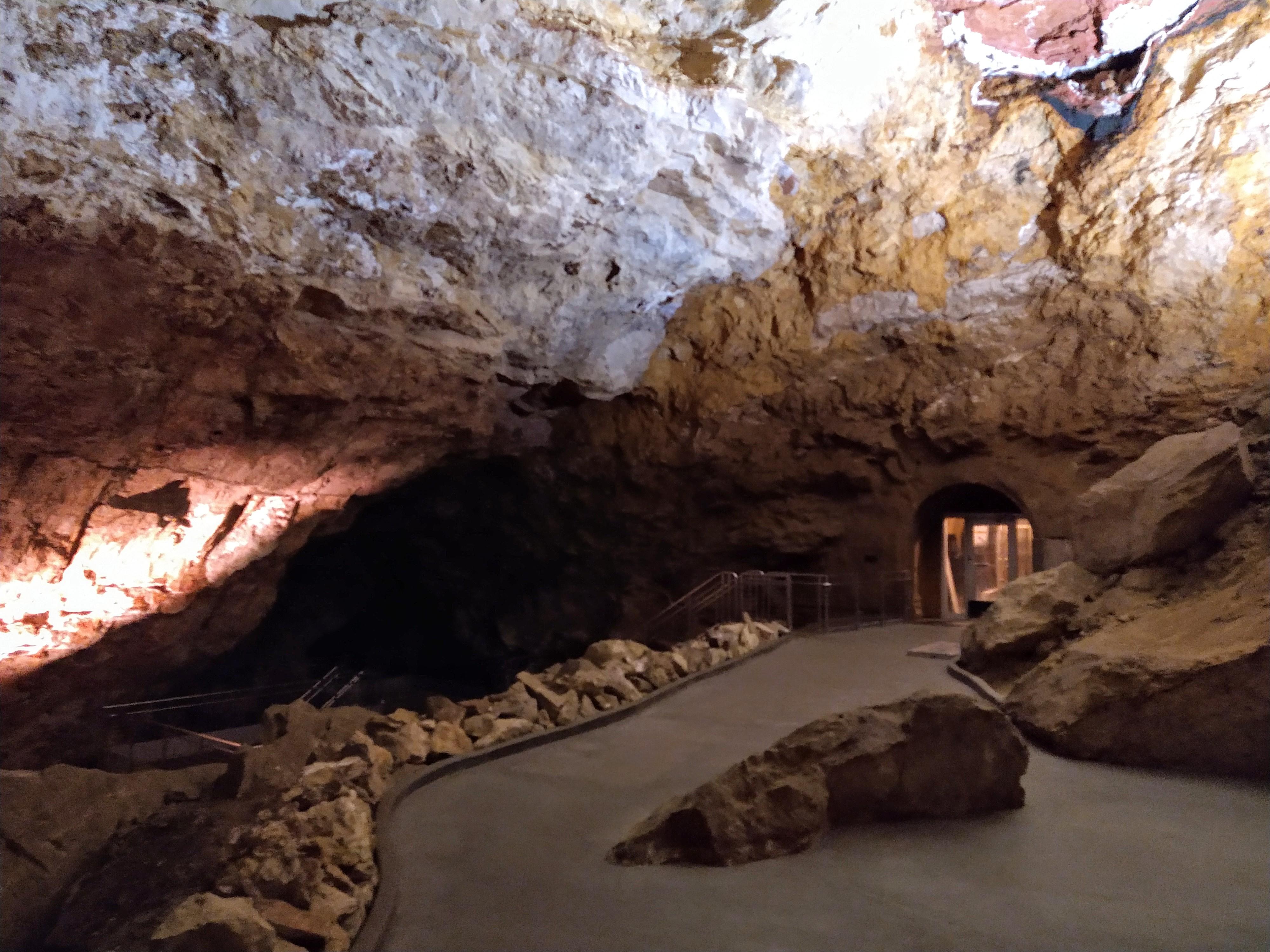
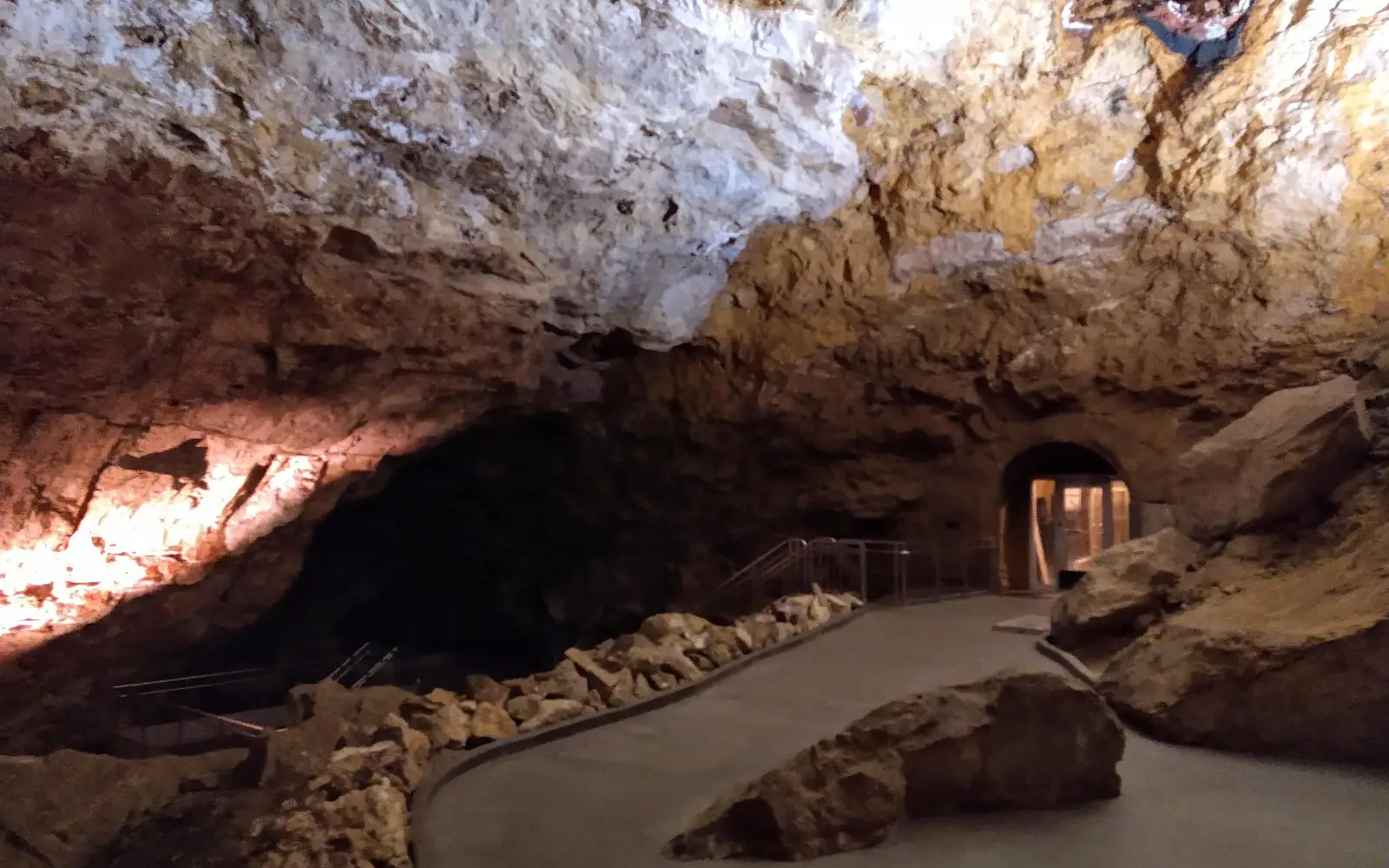
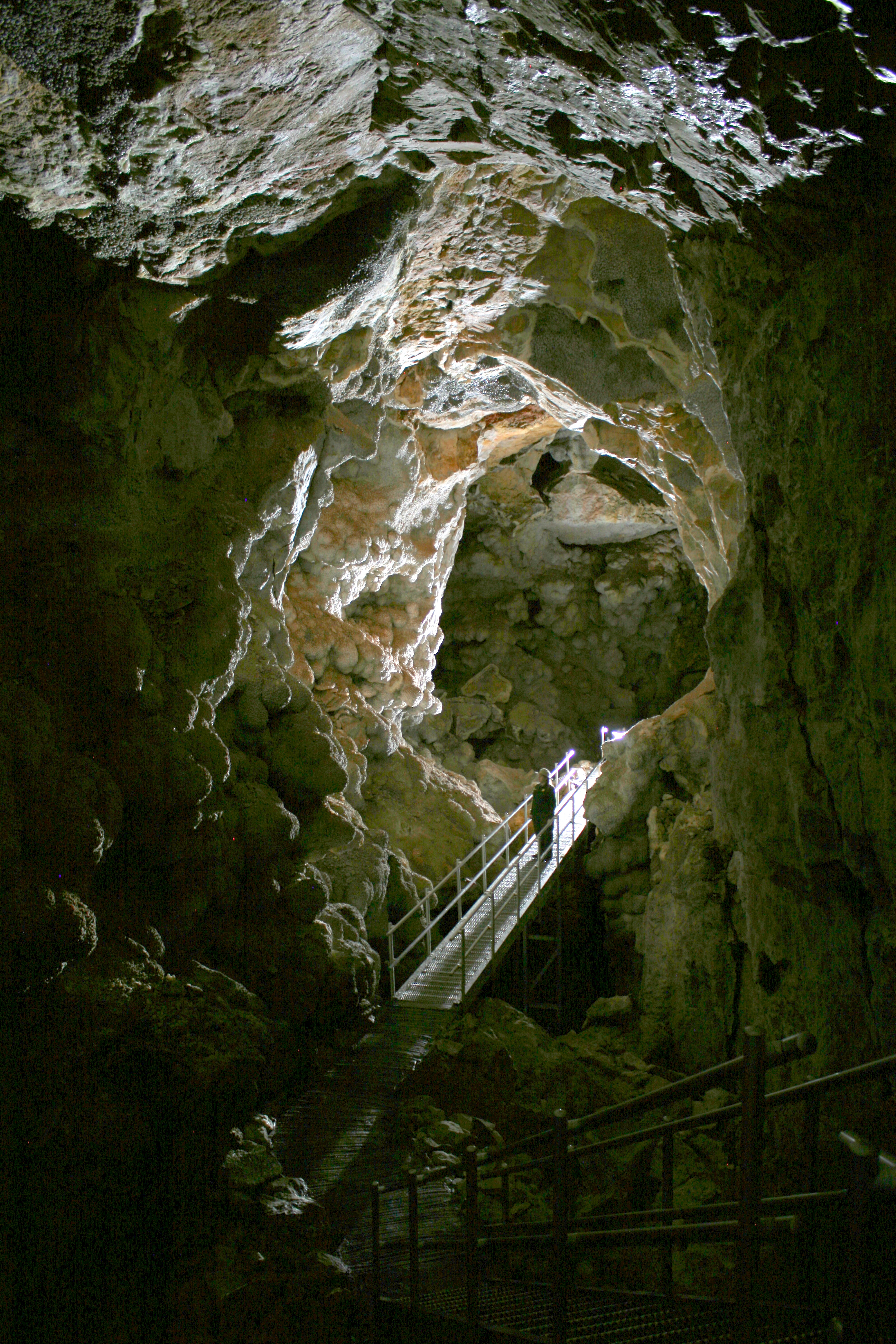
Jewel Cave National Monument protects over 220 mapped miles of subterranean passages, making it one of the world's longest caves.
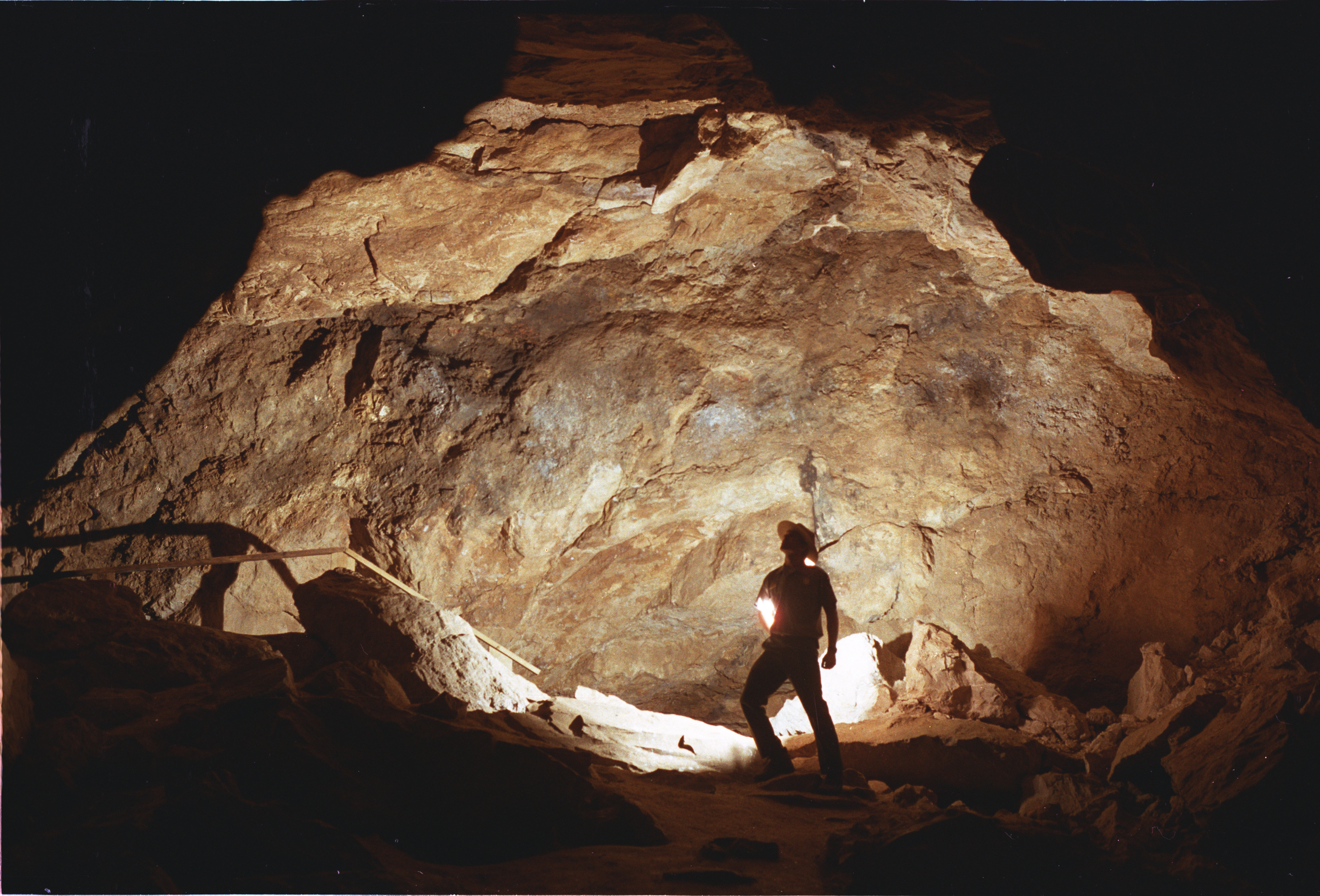
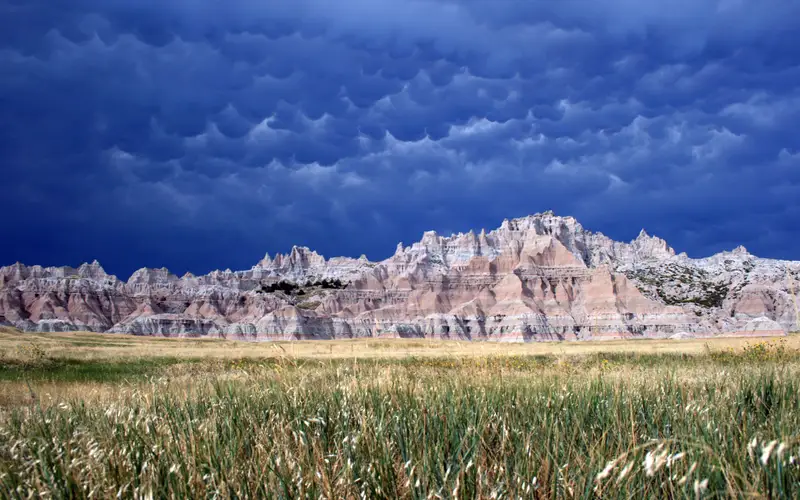
This immense underground network in South Dakota's Black Hills is the monument's definitive feature. Above ground, the monument presents a modest footprint, with hiking trails and wildlife viewing largely supplementary to the primary cave experience. The core activities are the cave tours; without them, the site offers little beyond a visitor center and trailheads. While monument grounds are free to enter, cave tours are ticketed and demand is high, especially during summer. This is a structured, ranger-led exploration of a globally significant geological system, not a casual underground ramble. For geology enthusiasts, families, and those new to wild cave environments, Jewel Cave offers an experience that significantly exceeds its unassuming surface presentation.
What makes it worth it
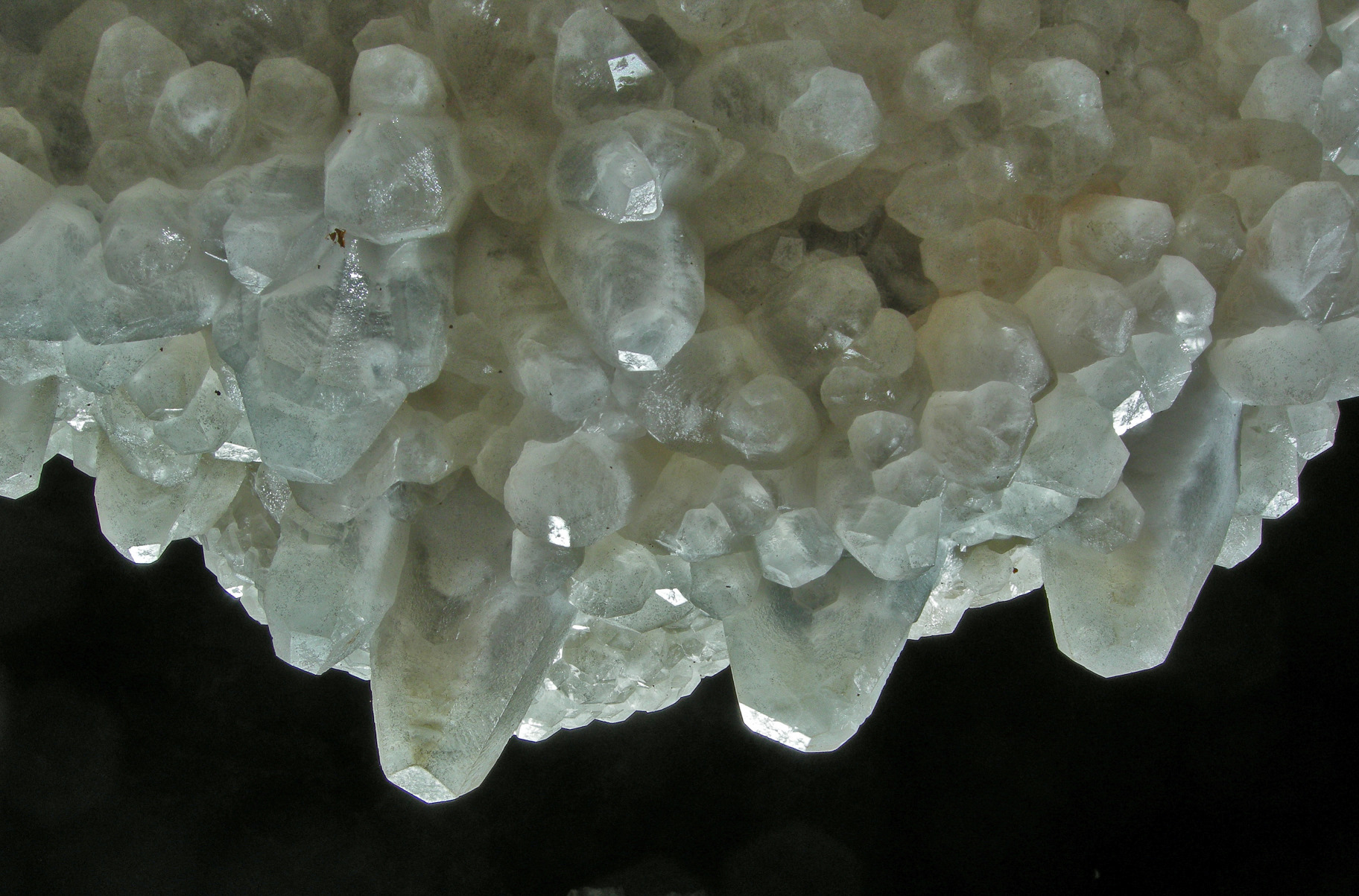
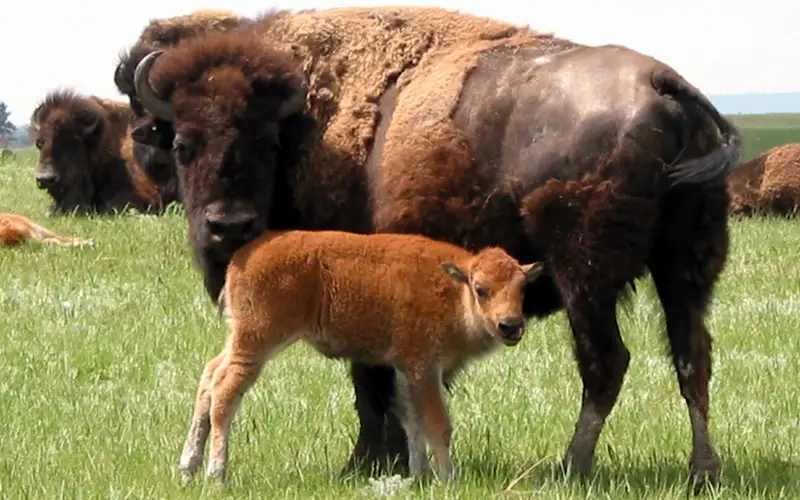
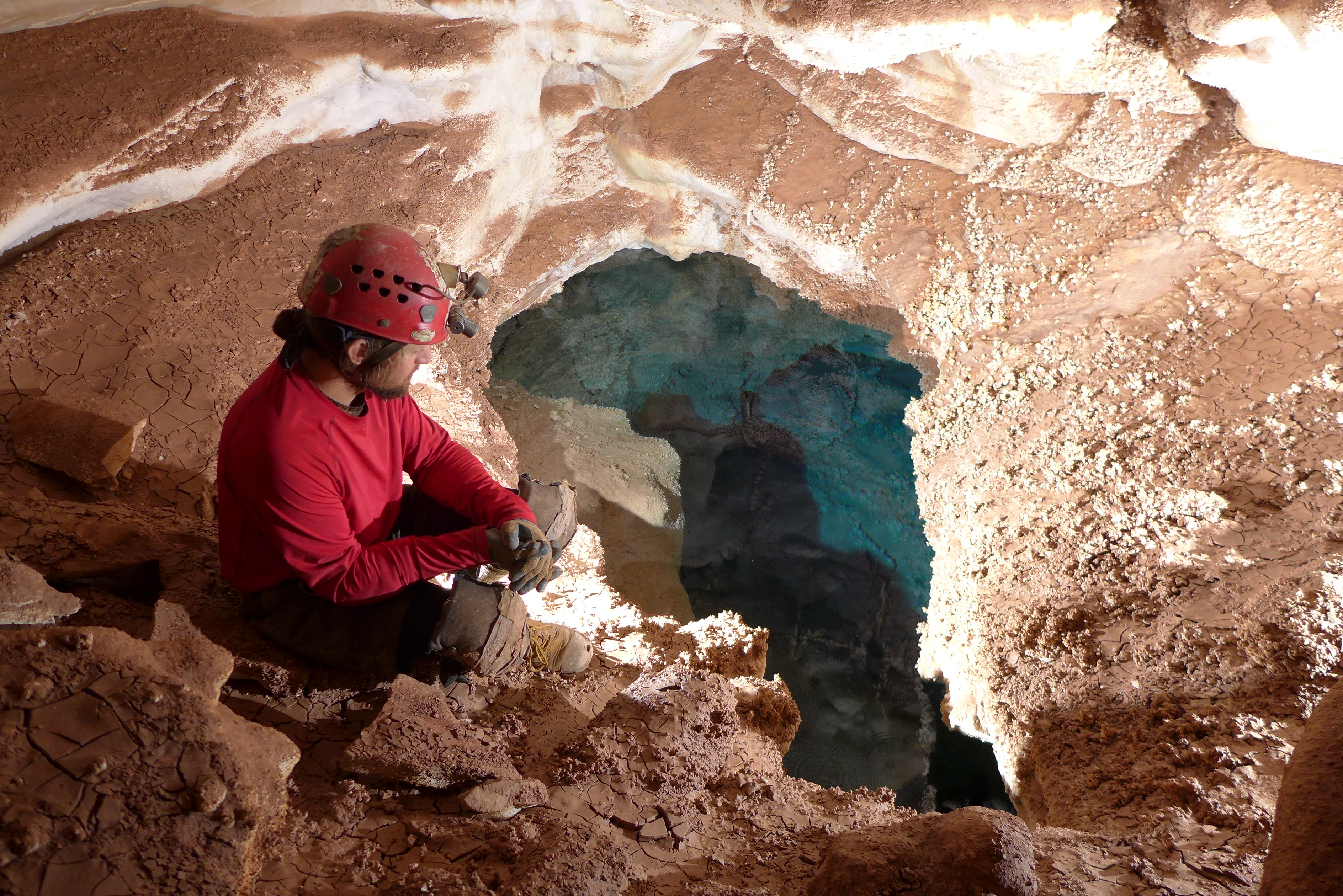
Jewel Cave is defined by its namesake. The park protects rare calcite formations and boxwork, considered among the world's finest examples. Most visitors should plan for a guided cave tour, which provides context from a ranger. Book these in advance. Above ground, hiking trails explore ponderosa pine forests. Wildlife watching is a credible, quiet option. Winter offers snowshoeing on surface trails, providing a distinct experience when crowds are minimal. The Junior Ranger program offers families a structured way to engage with the park's unique features, both above and below ground.
Who should go
This park is ideal for geology enthusiasts, cave-curious families, and visitors completing a Black Hills itinerary that includes Wind Cave or Mount Rushmore. Those averse to enclosed spaces, requiring full accessibility, or seeking expansive above-ground wilderness should adjust their expectations.
When to go
The summer months provide optimal surface temperatures, routinely reaching the mid-70s to low 80s Fahrenheit near Custer, yet cave tour access becomes a significant challenge, with tickets often selling out weeks in advance. For those prioritizing a quieter experience with moderate weather, spring and fall present a clear advantage. Winter offers opportunities for snowshoeing, and the cave maintains a consistent cool temperature regardless of the season. However, reduced visitor center hours and tour options during these colder months can limit the full experience. Careful planning is essential for any visit here.
Highlights
- Ranger-guided tours through one of the world's longest cave systems, over 220 mapped miles
- Rare calcite boxwork and crystite formations visible on tours
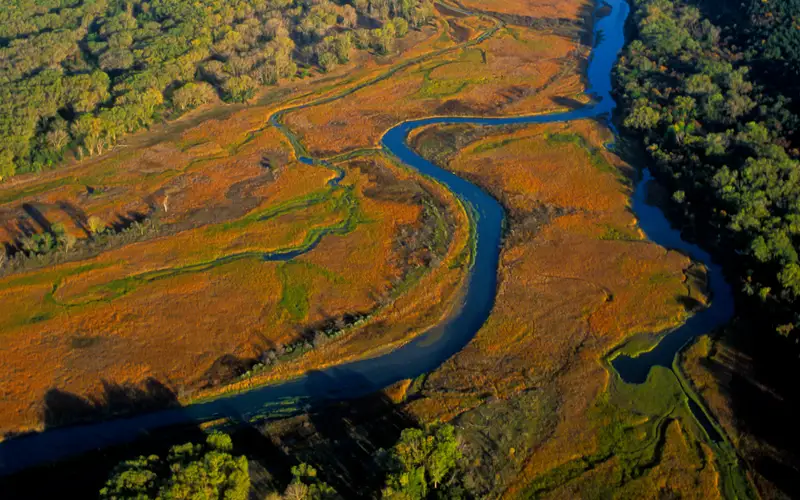
- Above-ground hiking trails through Black Hills ponderosa pine terrain
- Wildlife and birdwatching on surface trails
- Snowshoeing the monument in winter when crowds disappear
- Junior Ranger Program with activities spanning both surface and cave environments
Plan ahead
Entry to the monument grounds and surface trails is free all year. Cave tours require advance booking and separate tickets; summer tours often sell out. The visitor center and park store operate seasonally, with winter closures possible. Inside, the cave maintains a constant cool temperature; a light layer is advisable even in summer.
Editor's tipPrepare for a consistent 49 degrees Fahrenheit within the cave, regardless of external temperatures. A jacket is essential. Underprepared visitors frequently shorten their tours.