Is Big Bend National Park worth it?
Big Bend National Park, situated in Far West Texas, presents a compelling if demanding proposition.
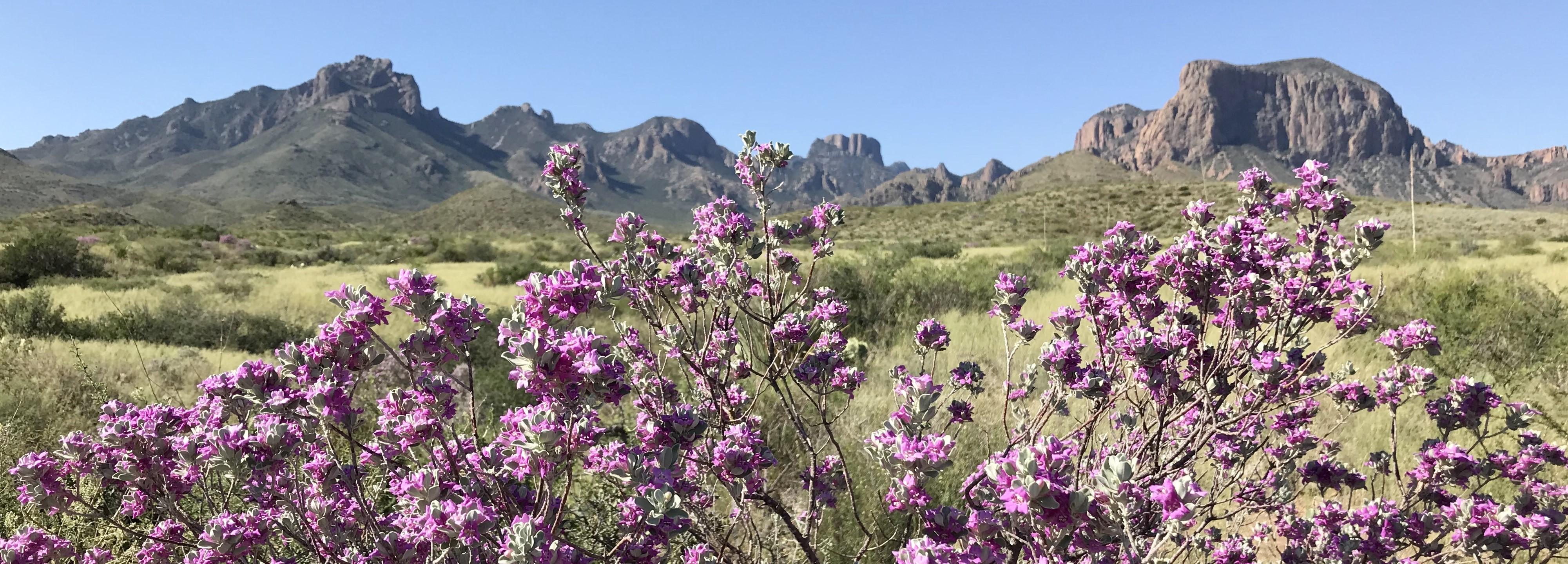
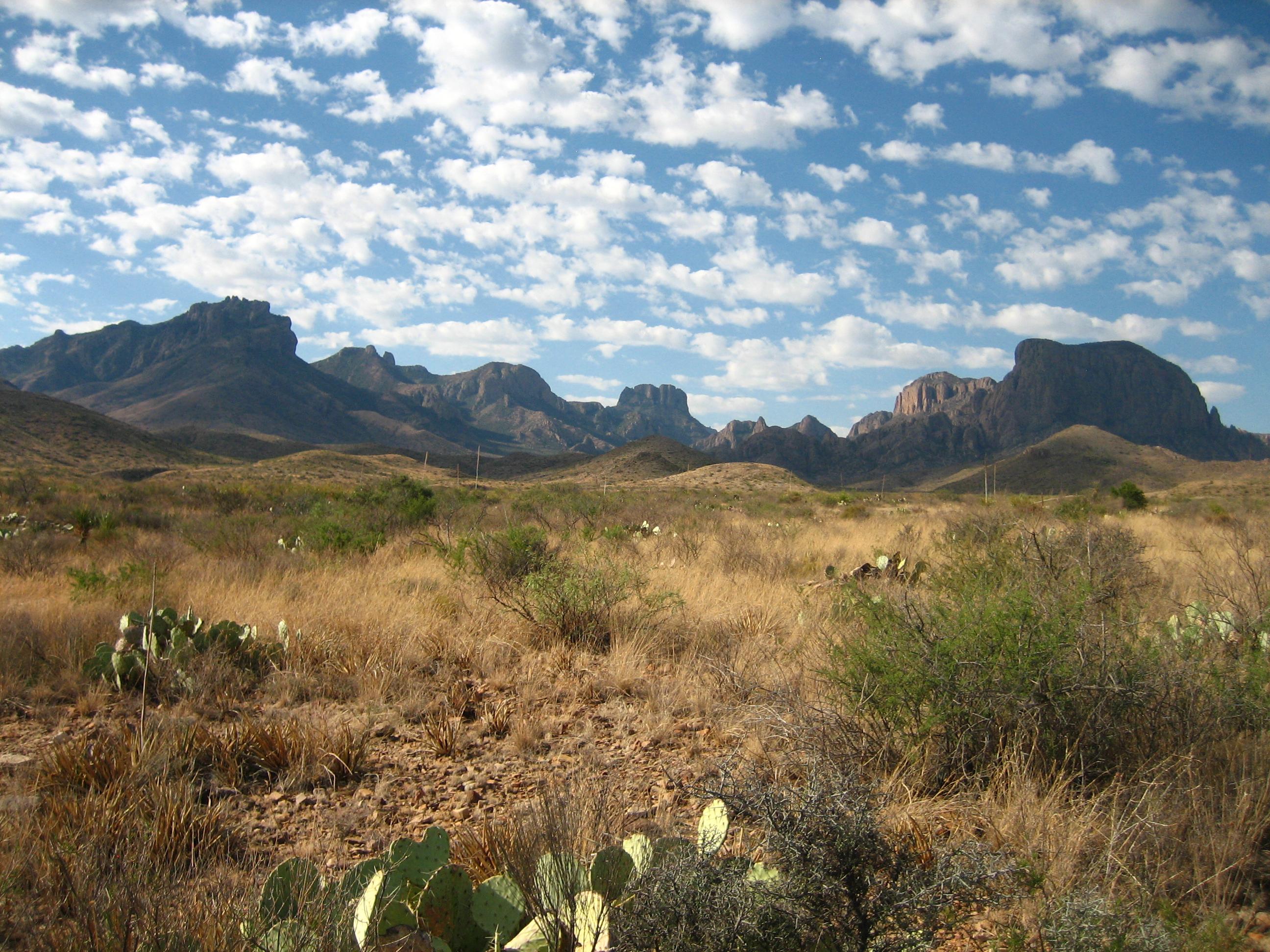
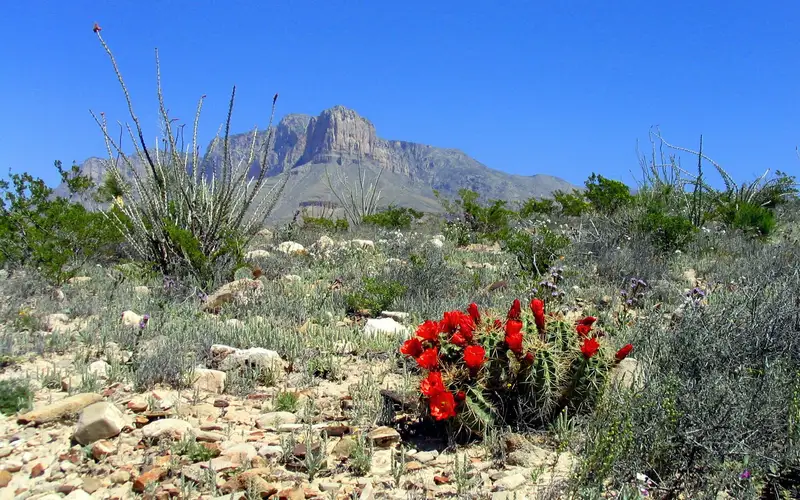
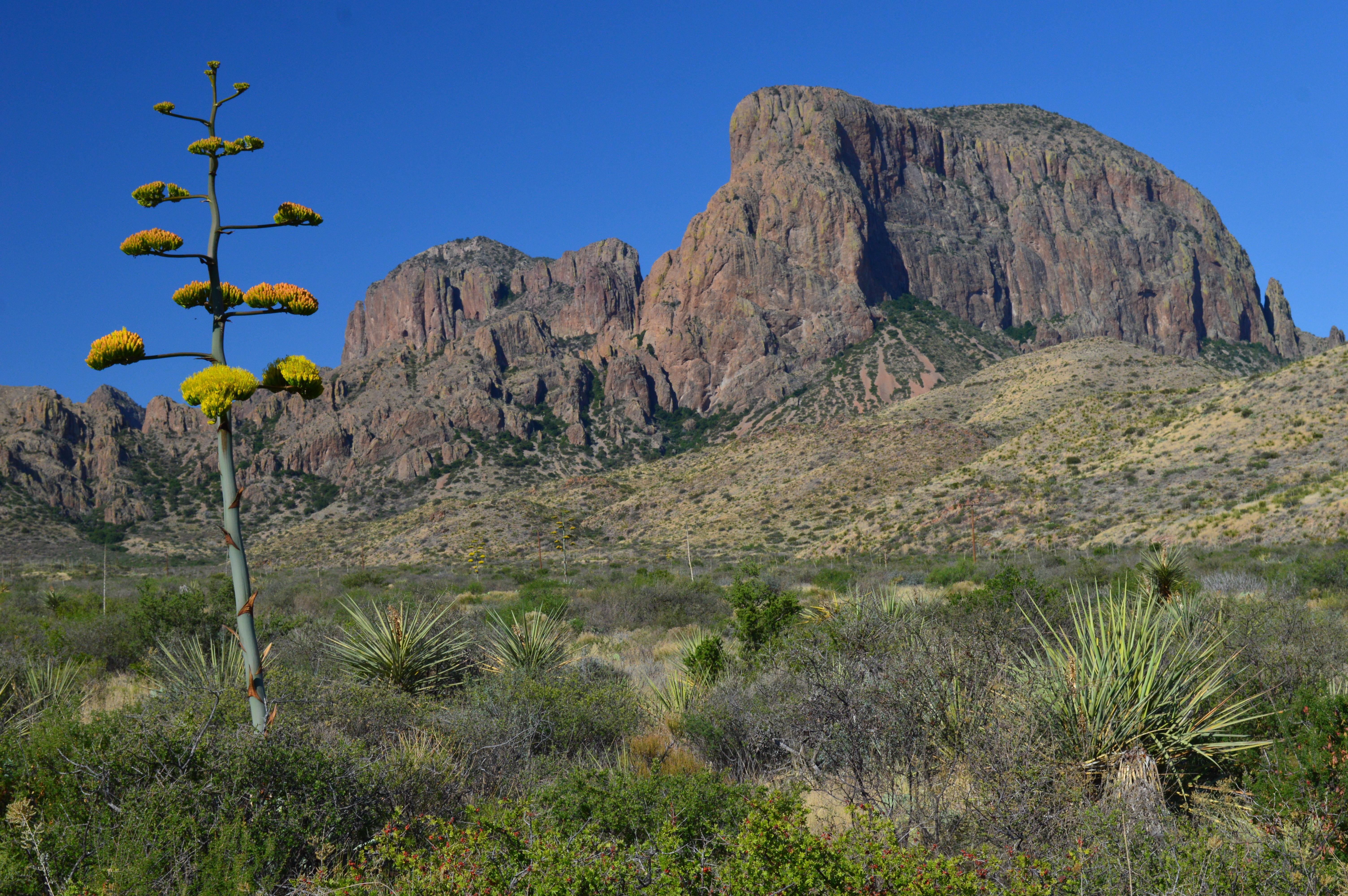
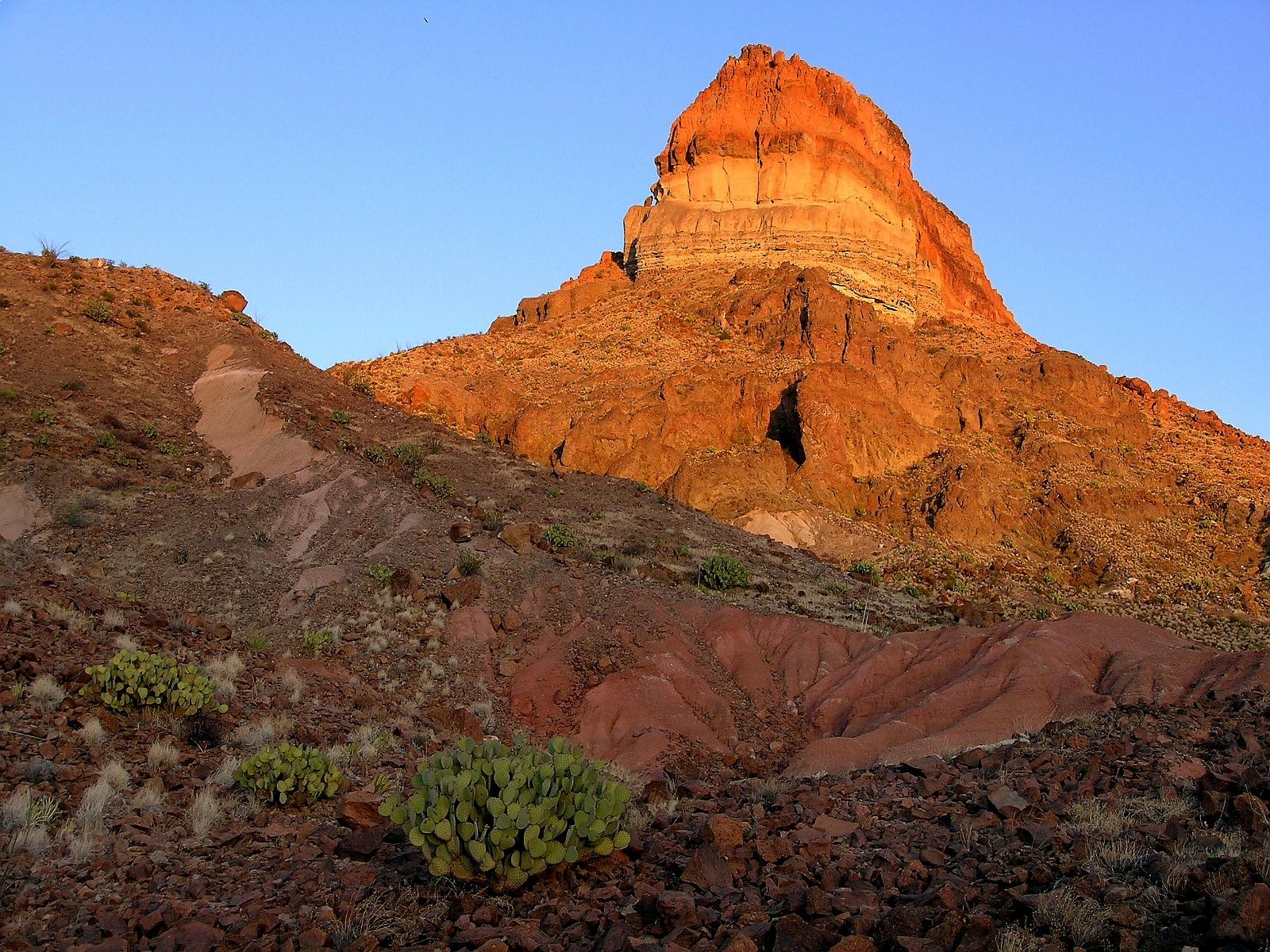
Its documented experience score of 90 indicates genuine breadth for visitors. The Chihuahuan Desert landscape dominates, sharply contrasted by the Chisos Mountains' surprising verdancy. This diverse topography caters to hikers, paddlers, stargazers, and birders. Road-trippers also find ample opportunity for exploration. Remoteness is a primary characteristic; the park lies far from major population centers. Summer heat in the desert basin poses significant danger, not mere discomfort. Travelers must acknowledge these challenges. For those able to commit to the drive and time their visit appropriately, Big Bend delivers an unmatched sense of scale and solitude. Preparation is paramount here. The park rewards deliberate planning and punishes spontaneity.
The case for it
This park rewards multi-day engagement. A morning scenic drive through the desert basin offers expansive views before peak heat. Cooler temperatures in the Chisos Mountains make for excellent hiking. Evenings belong to the Rio Grande; float a canyon or simply relax at the riverbank. Nights are exceptional here, with some of the darkest skies in the continental United States for stargazing. Birders will note more documented species than at nearly any other park. Backcountry camping, guided tours, and the Junior Ranger Program ensure broad appeal. This is a park that genuinely works for multiple types of travelers.
Who it is for
This destination caters to self-sufficient road trippers, serious hikers, paddlers, and birders. Those seeking truly dark skies will find them. Families prepared to navigate heat can still have a complete experience. Accessibility is not a strong suit here. Travelers expecting quick access or paved trail convenience will be disappointed. Summer visits demand careful preparation; the remoteness and extreme heat pose significant challenges.
Best time to visit
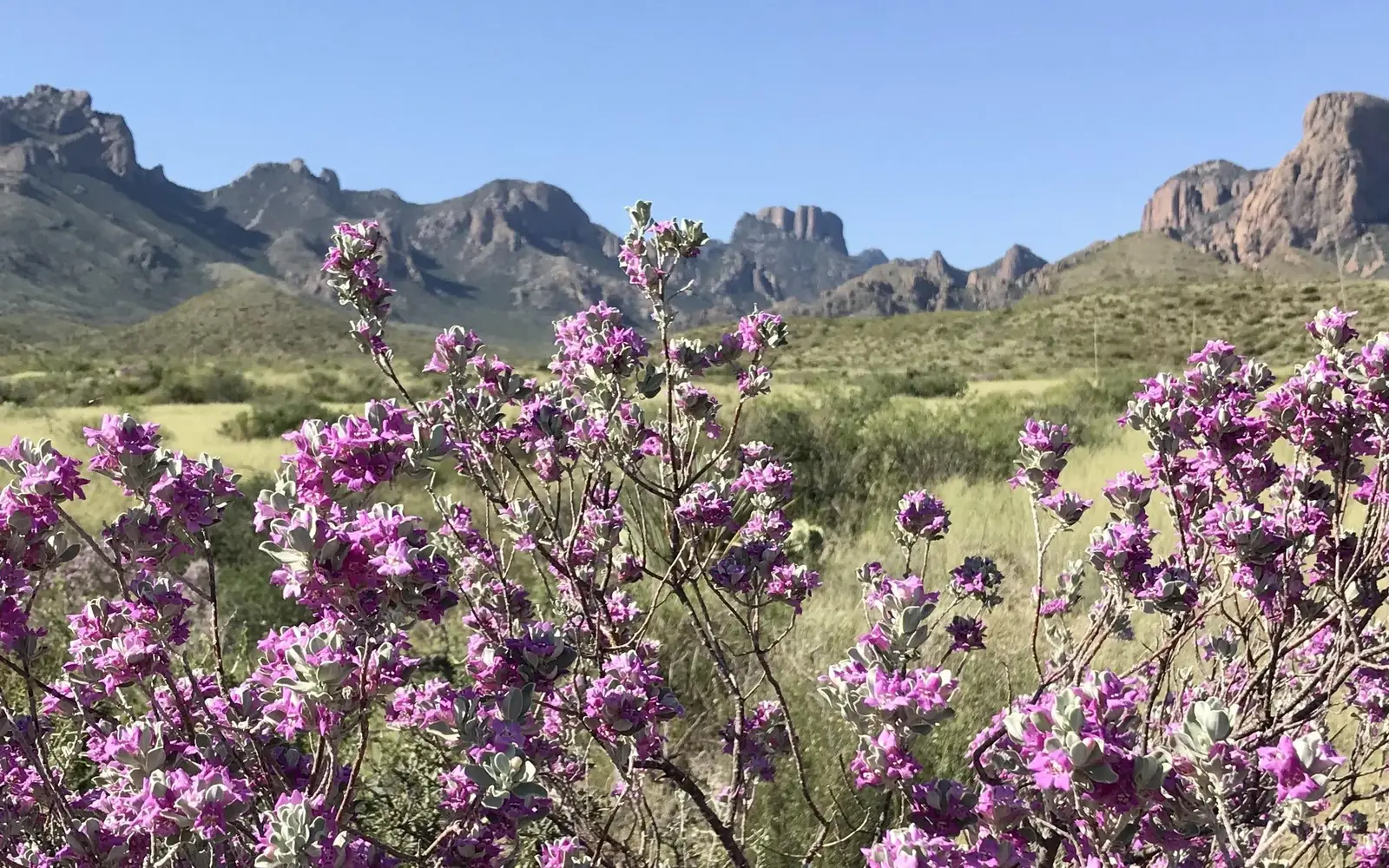
Optimal visitation falls between March and early April, presenting warm days, cool nights, and abundant wildflowers. This period also peaks for birdwatching. Fall offers a secondary, comfortable option. Summer heat is extreme; desert temperatures regularly surpass 100 degrees before noon, making low-elevation hiking hazardous. Winter provides a mild, uncrowded experience. Chisos Mountain elevations are subject to cold nights.
Worth seeing
- Some of the darkest certified night skies in the continental United States, with stargazing possible any clear night year-round
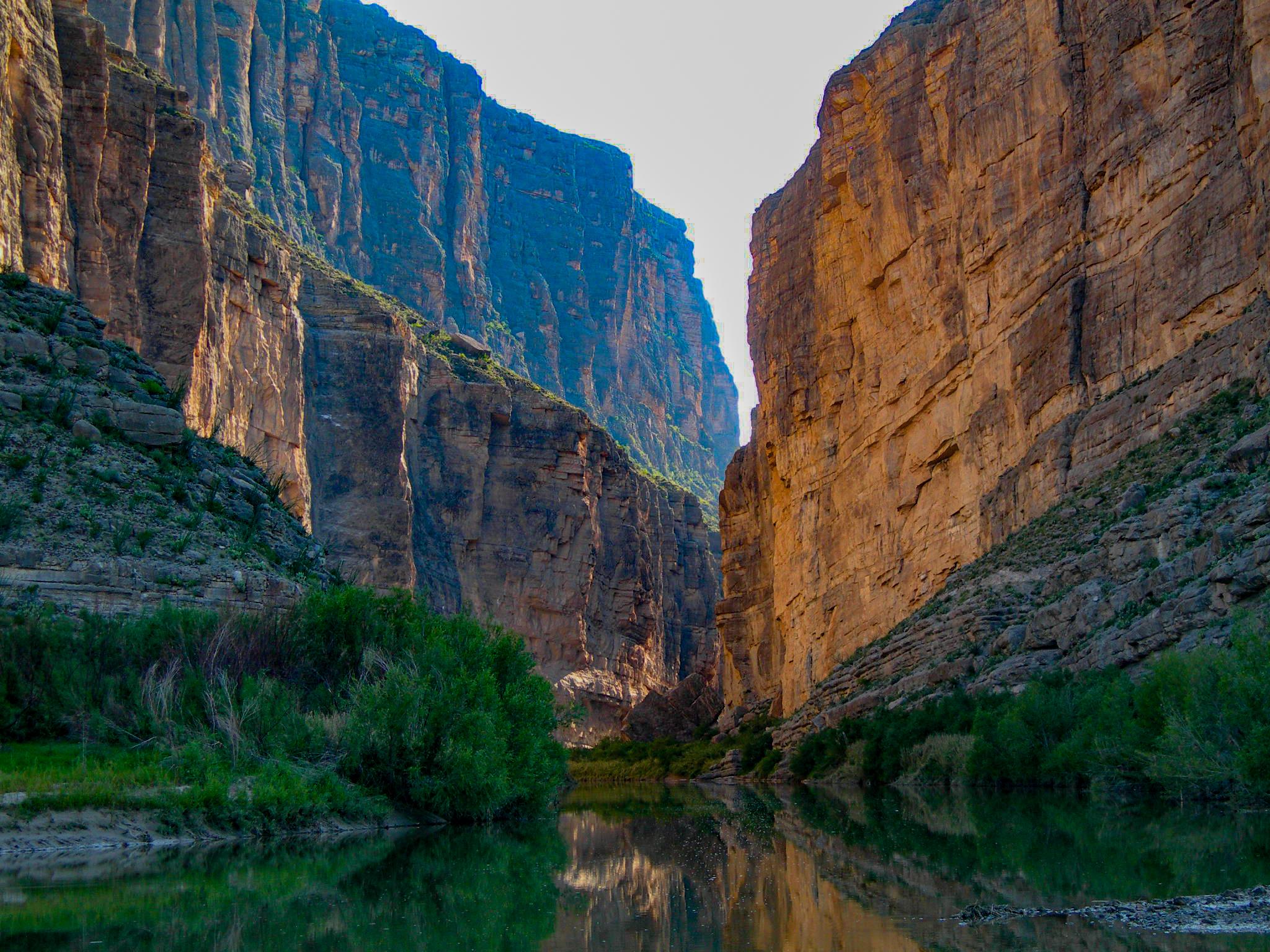
- Paddling the Rio Grande through sheer limestone canyon walls by canoe or kayak
- Hiking from desert floor into the Chisos Mountains, crossing dramatically different ecosystems in a single day
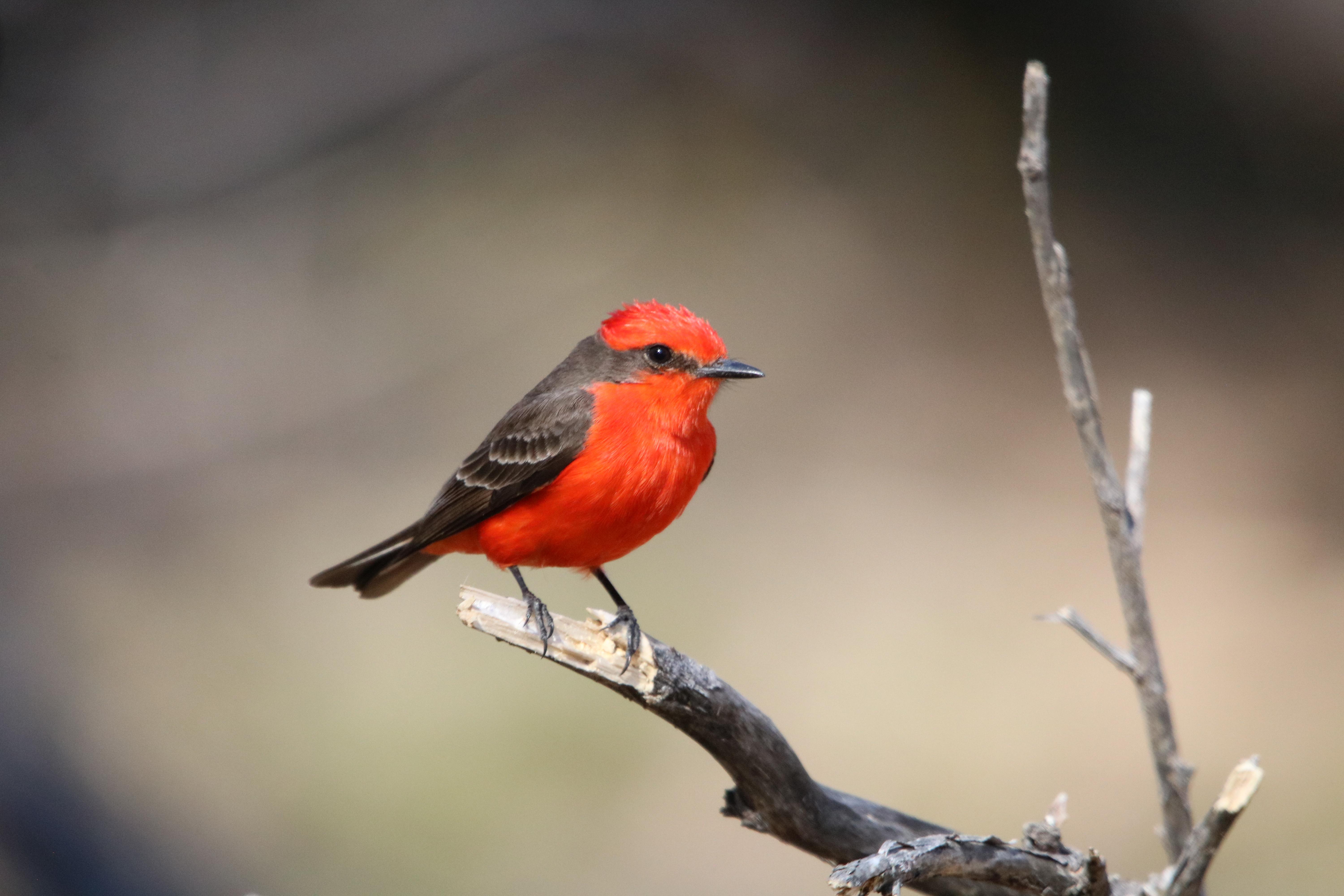
- Among the highest bird species diversity of any national park in the country
- Backcountry camping with genuine solitude in a vast, lightly trafficked landscape
- Scenic auto routes that make the desert accessible even without strenuous hiking
Before you visit
This unit offers an accessible, year-round experience for the well-prepared visitor. The $15 vehicle entrance fee provides seven days of access, a reasonable rate for extended exploration. With the nearest city hours away, visitors must arrive self-sufficient, carrying ample food and water, and a full fuel tank. Cell service is unreliable throughout the park. Those planning overnight backcountry trips must secure the required permits.
Our tipFor serious stargazing, the Chisos Basin campsites present a clear advantage over lower Rio Grande Village options. Higher elevations here reduce horizon interference. This also offers more manageable temperatures for overnight campers.