Great Basin National Park: our verdict
Great Basin remains among the least-visited national parks, its obscurity a core part of its appeal.
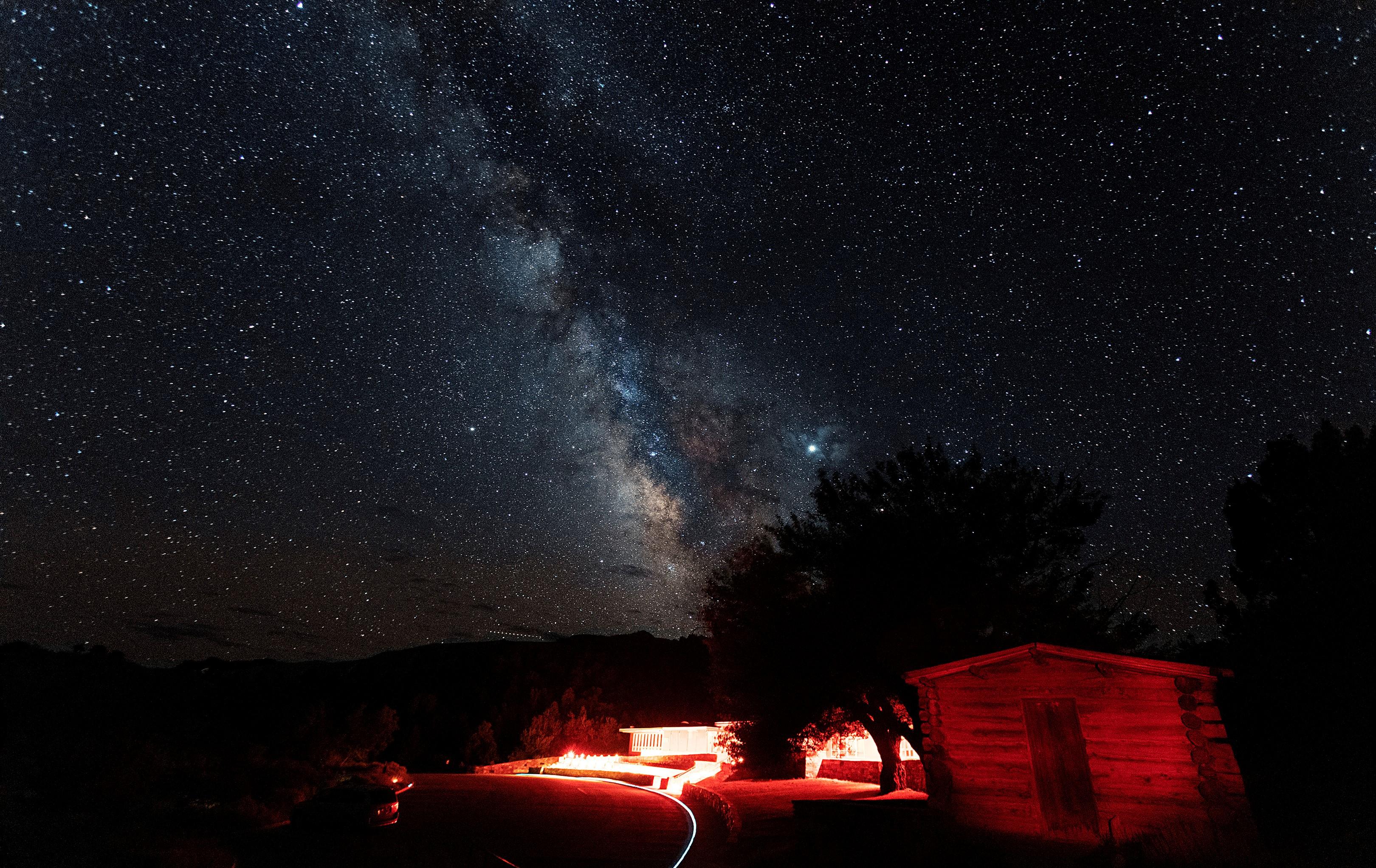
Located in eastern Nevada, near the Utah border, the park encompasses a significant vertical gradient. This ranges from a sagebrush desert floor to a 13,063-foot alpine summit. The park's draw rests on three significant features: exceptional dark skies for stargazing, a certified show cave offering guided tours, and a high-elevation wilderness defined by ancient bristlecone pines. Entry to the park is free. Campgrounds see notably less traffic than those in more prominent national parks. On clear nights, the Milky Way overhead offers a profound display. This is not a park for casual observation from a vehicle. Visitors will gain the most by staying overnight, ascending to higher elevations, exploring underground, and observing the night sky. It rewards travelers prepared to commit to the journey.
Why visit
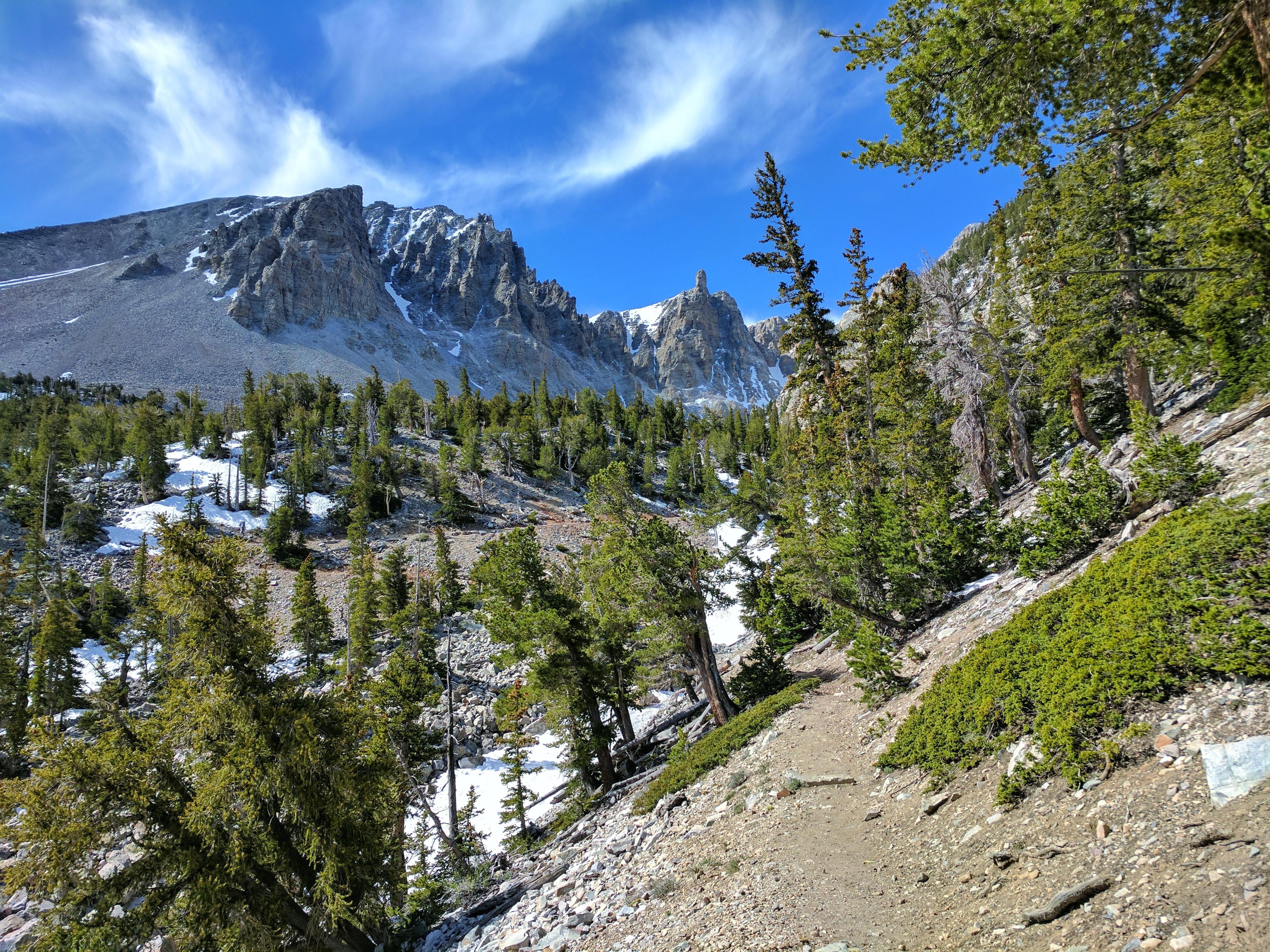
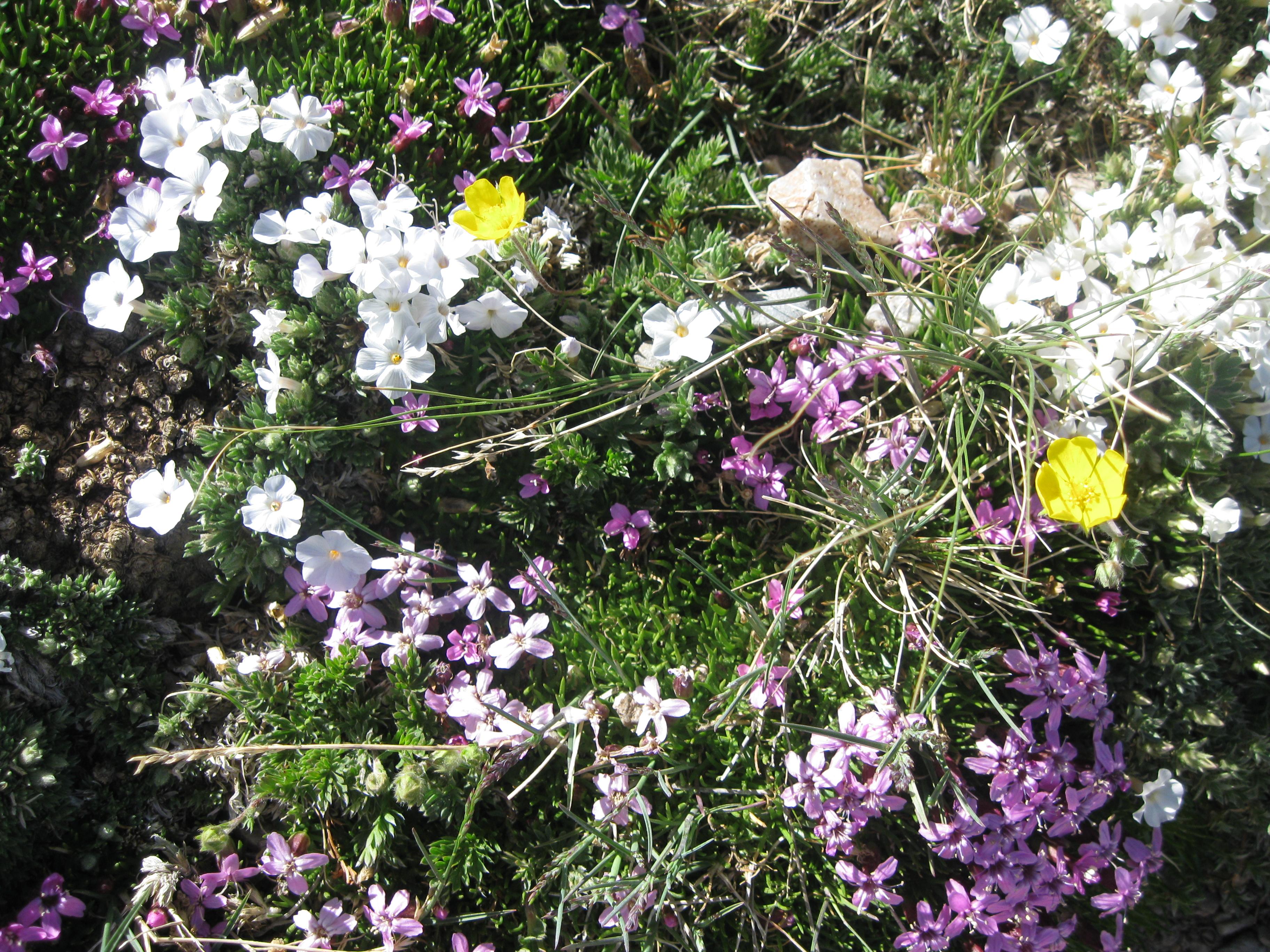
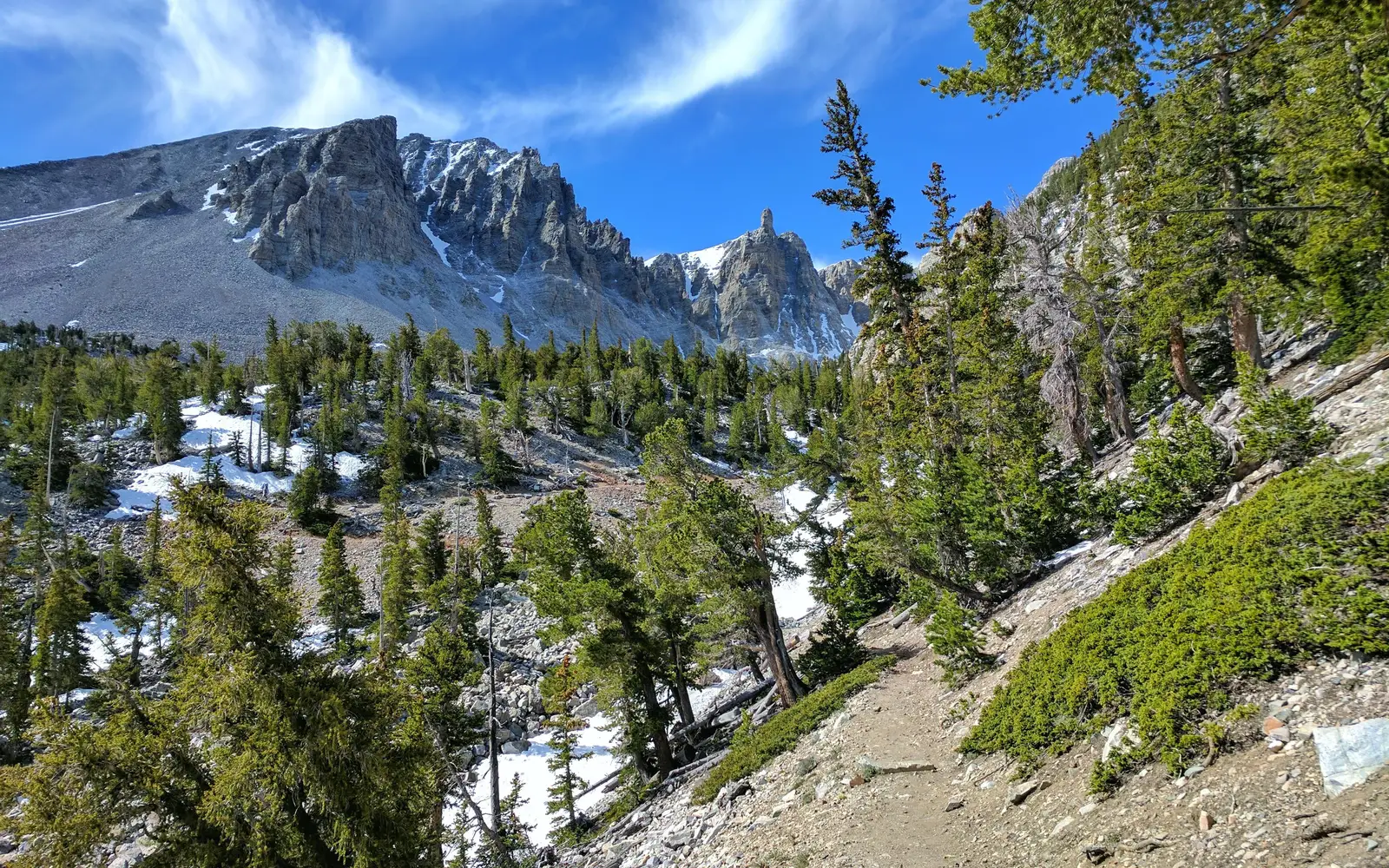
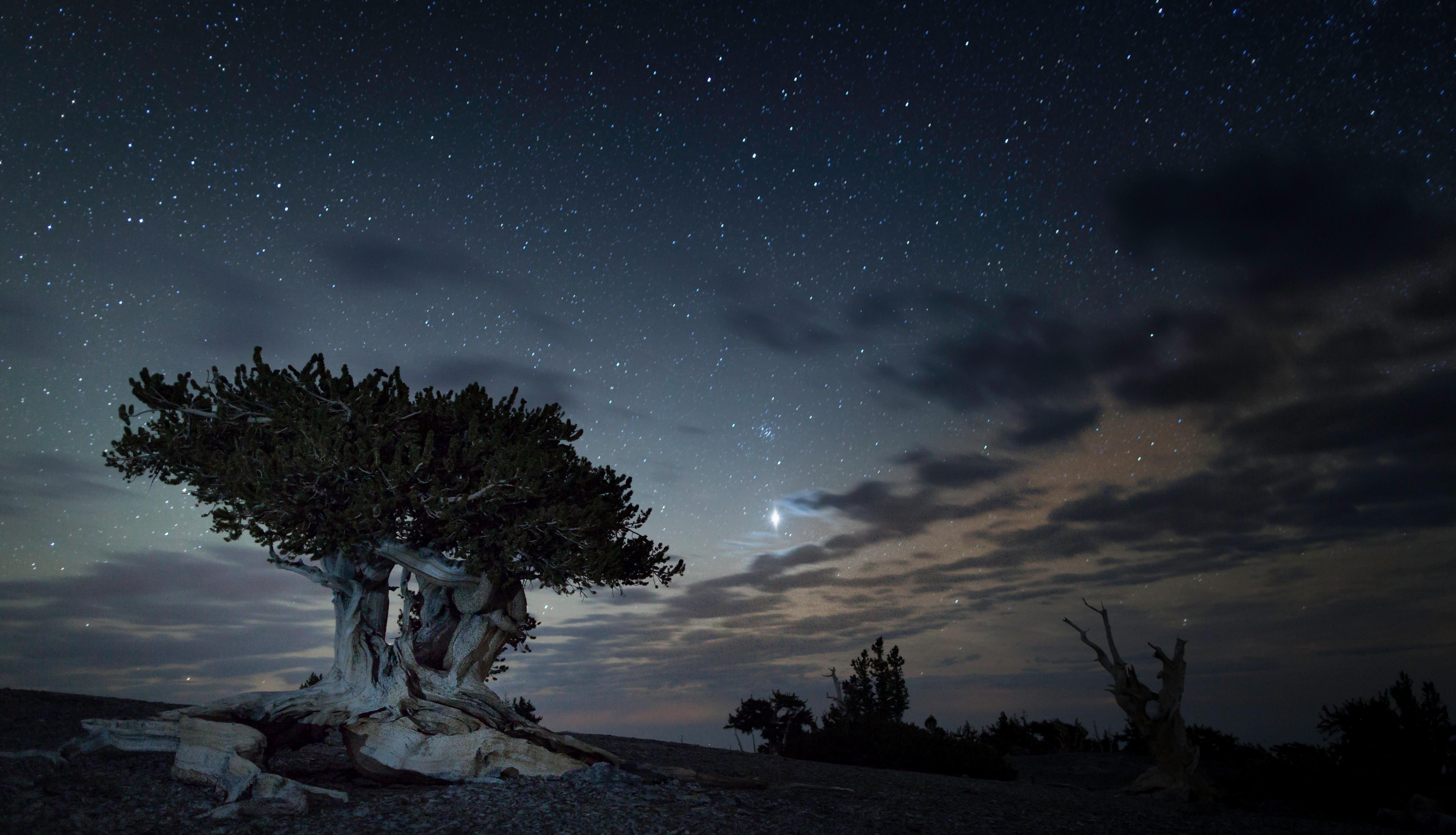
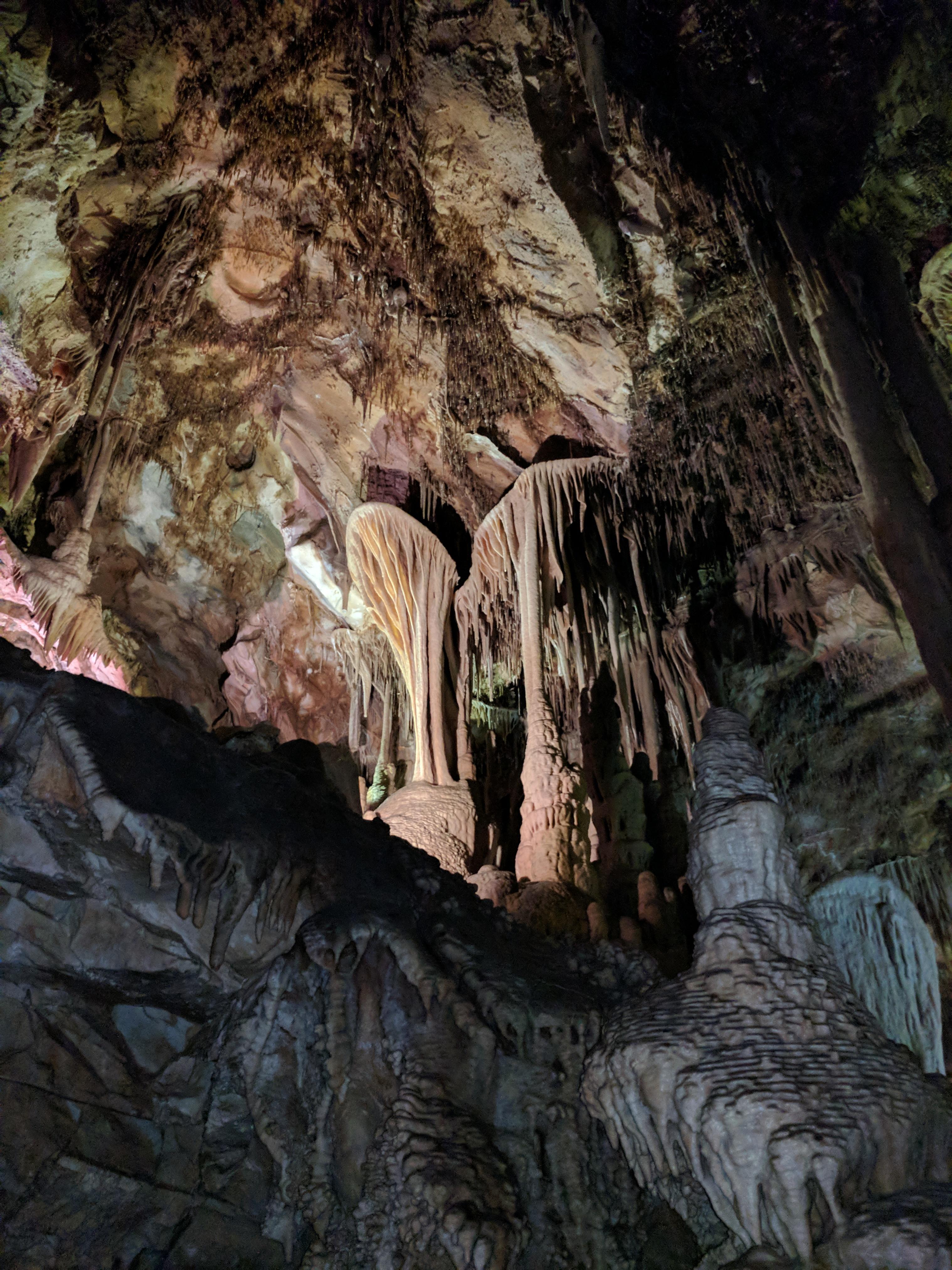
This park offers genuinely distinct experiences across its diverse landscape. A scenic drive toward Wheeler Peak reveals a rapid elevation change, from desert scrub to subalpine forest. Underground, ranger-led cave tours explore marble formations. Book these tours in advance. Backcountry hiking on day two leads to ancient bristlecone pine groves, home to some of the planet's oldest living organisms. The park's International Dark Sky designation provides disorienting star density on moonless nights. Winter brings fewer crowds and opportunities for snowshoeing. Free entrance simplifies access. This destination suits visitors seeking varied activities and dramatic natural features, both above and below ground.
Who it suits
This park caters to specific interests. Stargazers and cave enthusiasts will find ample reward here. Hikers prioritizing altitude and solitude will consider it ideal. It suits families prepared for an extended drive to an uncrowded destination. Equestrians and winter recreationists are also well-served. Those seeking extensive visitor services, short easy trails, or convenient lodging should adjust expectations. The park's isolation defines its experience; this is either its greatest asset or a significant deterrent.
Timing your visit
Access to high-elevation trails and the Wheeler Peak area is optimal from late June through September, contingent on snowpack. Summer brings a risk of afternoon thunderstorms. Spring and fall offer mild valley temperatures, but snow persists at higher elevations. Winter caters to snowshoeing. While stargazing is excellent on moonless nights year-round, the combination of summer or fall offers the best conditions for both hiking and clear night skies.
What stands out
- Guided cave tours offering a rare underground experience in a marble show cave
- Stargazing under some of the darkest certified skies in the continental United States
- Backcountry hiking and access to high-elevation bristlecone pine groves
- Scenic driving with a dramatic 8,000-plus foot elevation range from valley to summit
- Free park entrance removing a common planning barrier
- Winter snowshoeing and skiing in a park that stays genuinely uncrowded year-round
Good to know
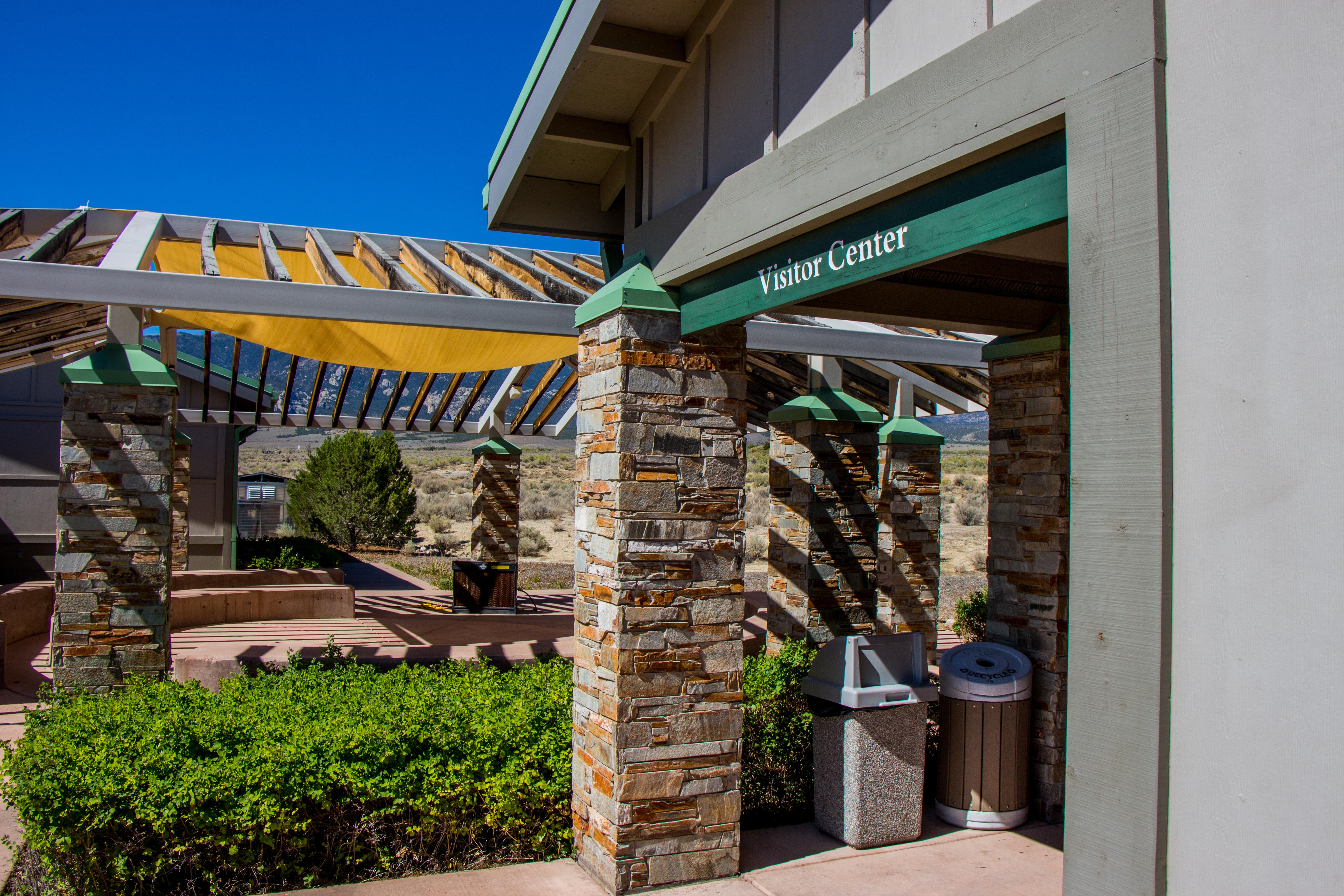
Entry carries no fee. Cave tours, however, require reserved tickets, particularly in summer months. Proximity to towns is limited; arrive with ample fuel and provisions. Cell service within the park is unreliable. Campgrounds support RVs, horses, and groups, though most sites lack hookups.
Insider tipFor cave access, reserve tours promptly when booking windows open, not on-site. Peak season weekends see guided tours fully booked days ahead; the cave system offers an irreplaceable park experience. Combine this with an evening stay at higher campgrounds to best experience the dark sky viewing opportunities after sunset.