Death Valley National Park: our verdict
Death Valley demands respect.
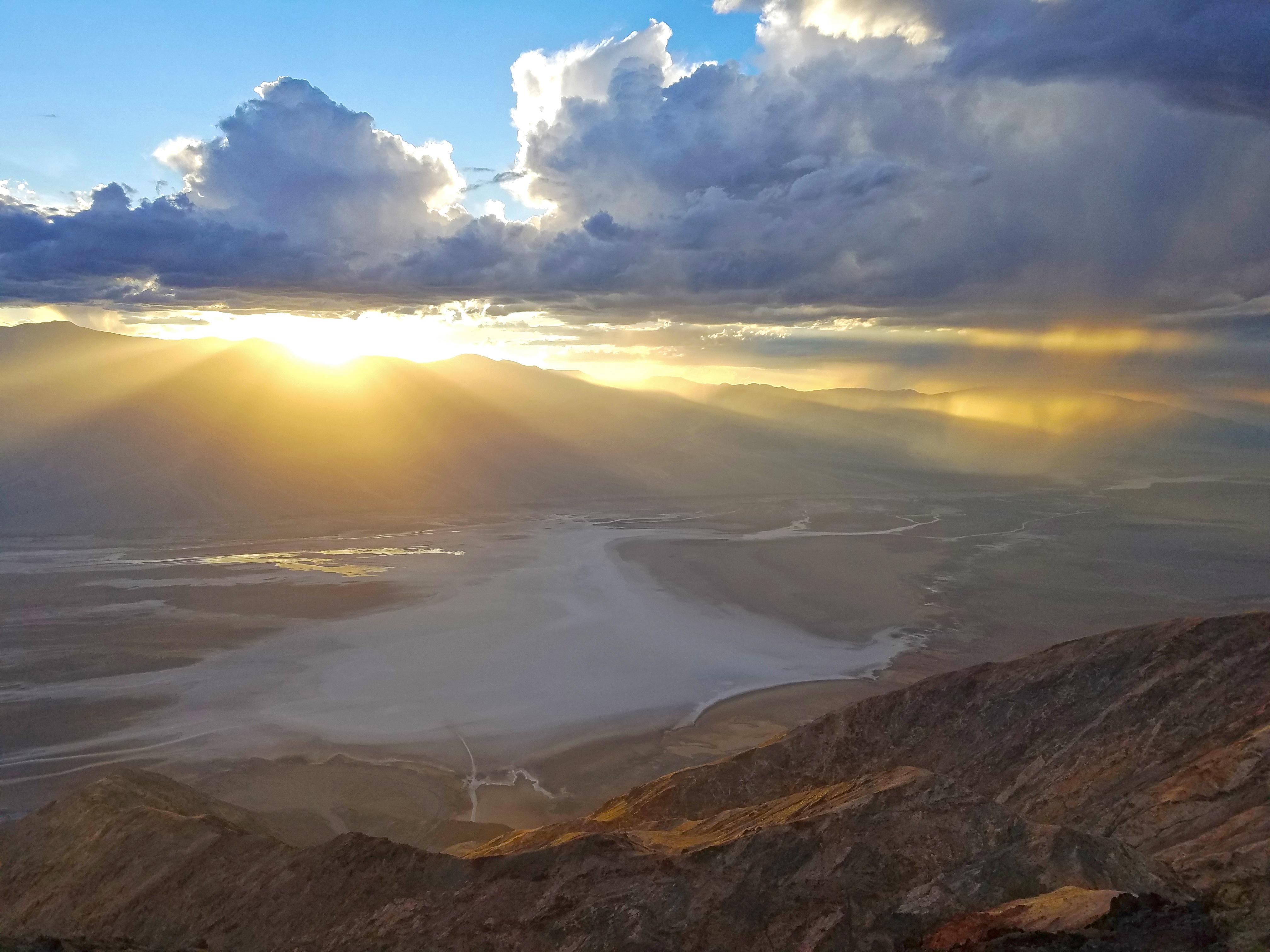
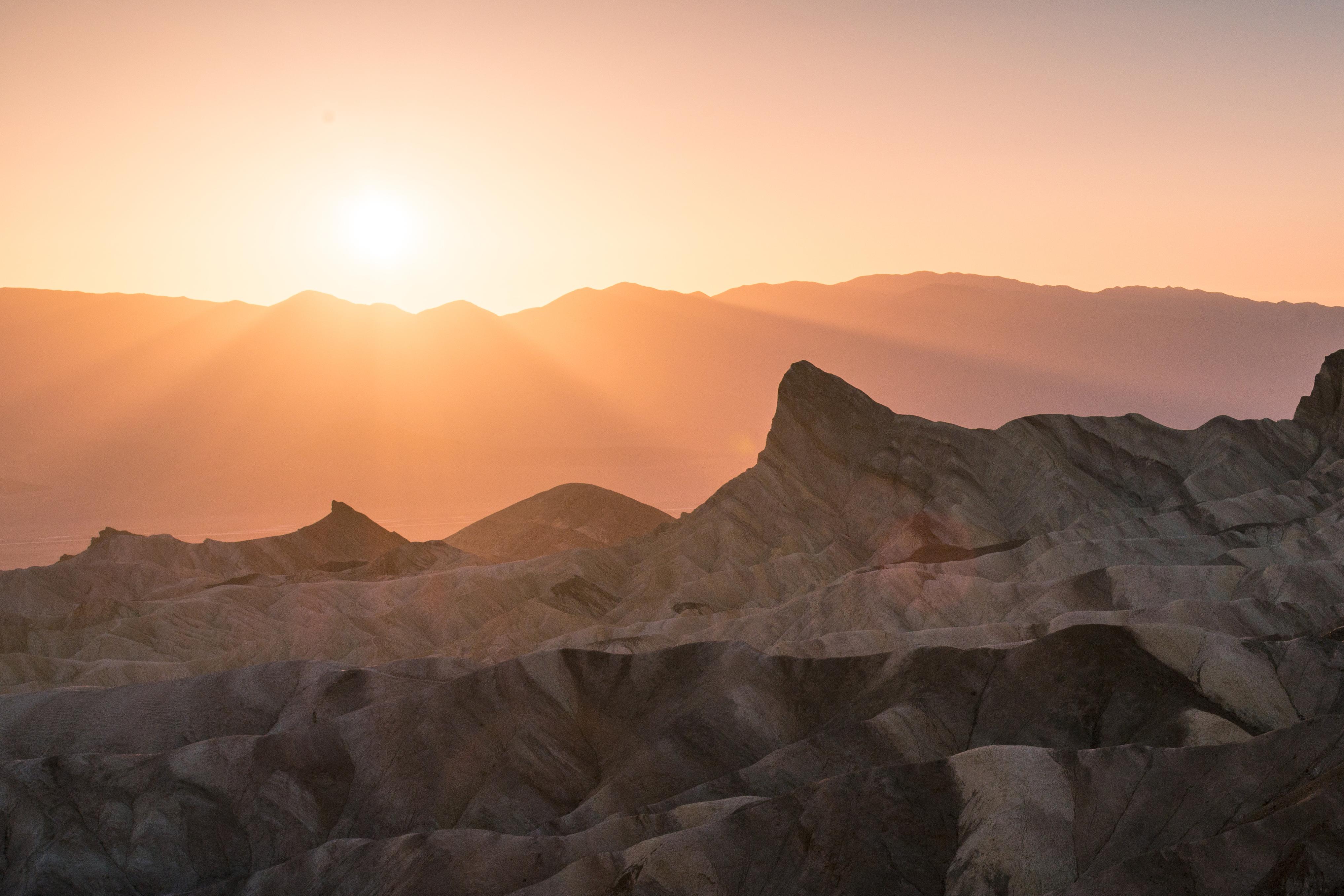
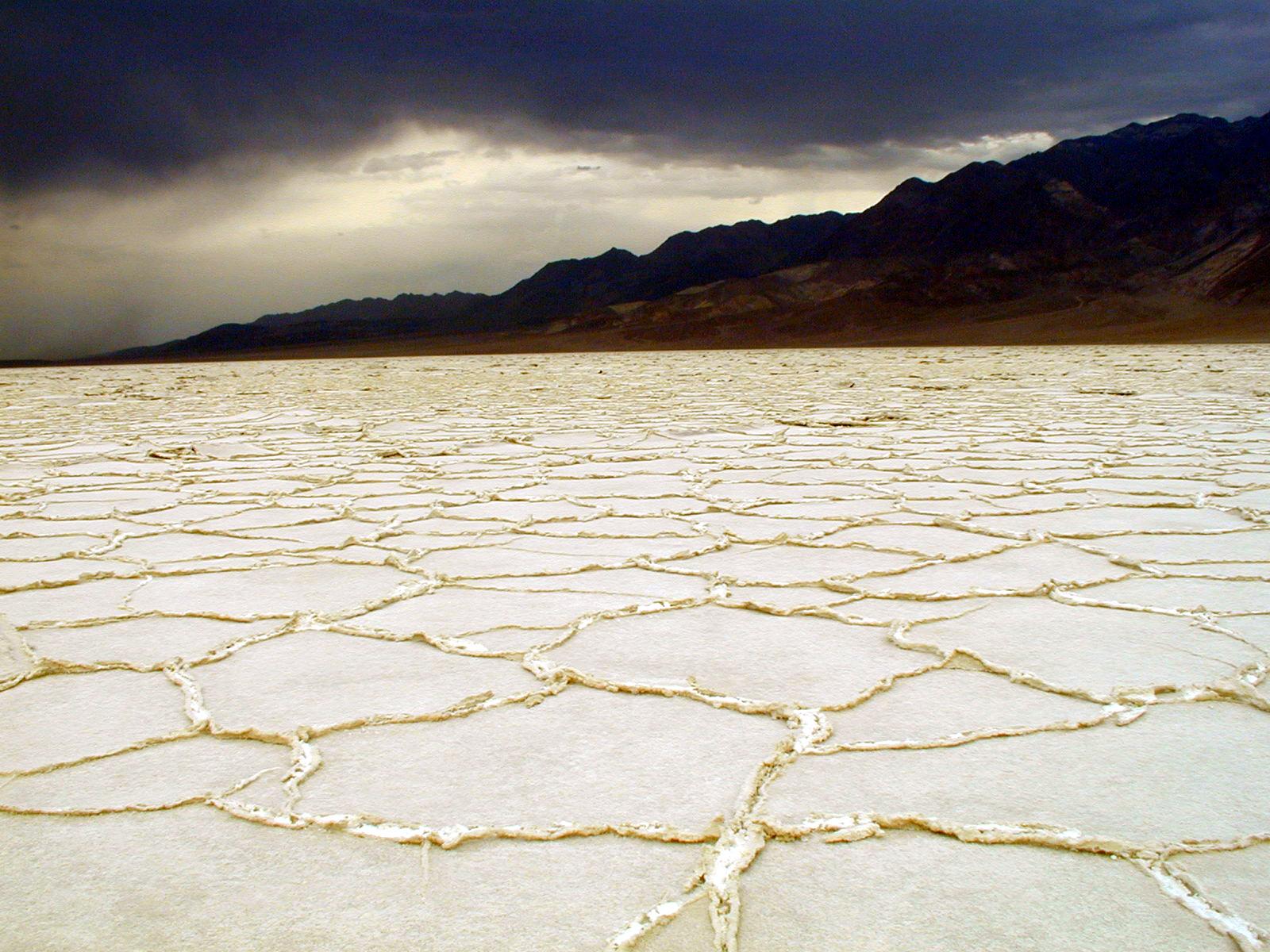
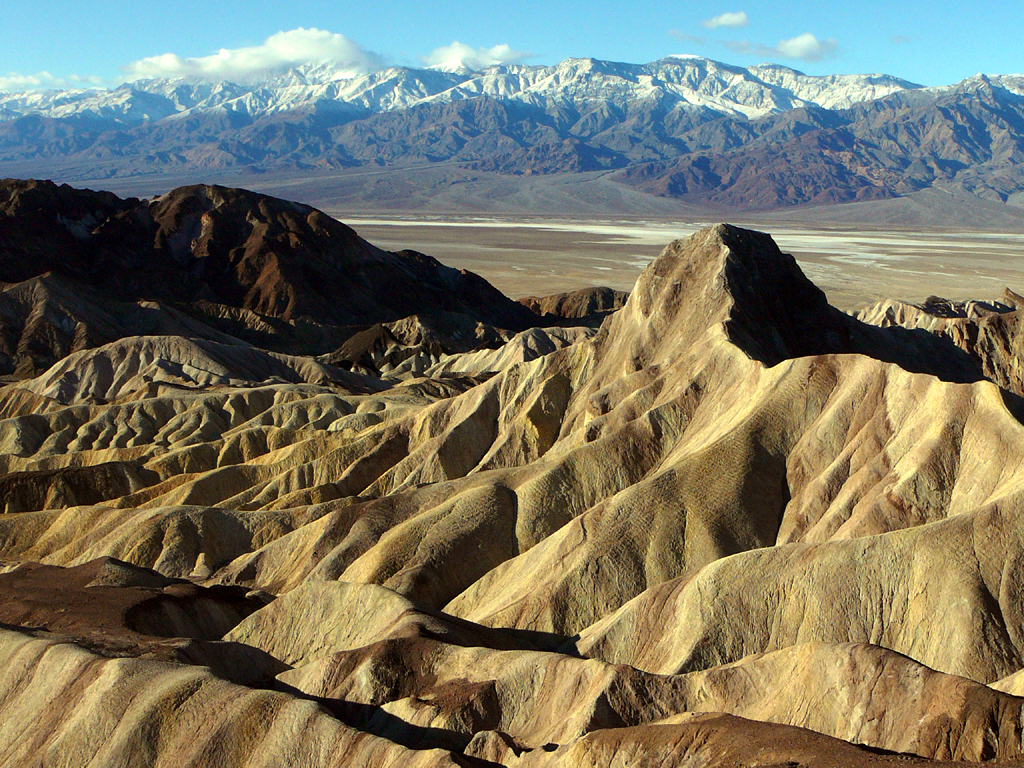
The lowest point in North America, this basin records the hottest air temperatures on Earth; its physical extremity defines the experience. Visitors encounter cinematic vistas: salt flats to the horizon, dunes against jagged mountains, canyon walls striped ochre and violet. Summer presents genuine danger, with pavement temperatures exceeding 200 degrees Fahrenheit. Visit in the right season. The park earns a perfect Experience Score for its extraordinary range of activities. These include dark-sky stargazing, backcountry canyoneering, front-country car camping, and guided tours. Serious desert travelers will find a lifetime of terrain.
Why visit
Death Valley rewards the prepared visitor. Its vastness offers unparalleled front-country geological viewing and backcountry challenges for experienced navigators. The park excels as a premier stargazing destination due to its remote location and minimal light pollution; astronomy programming enhances this experience. Wildflower superblooms are possible in ideal wet conditions. Further activities include birdwatching at desert oases and mountain biking on unpaved roads. A visitor center film and museum exhibits provide essential context. This is a destination demanding more than a cursory visit.
Who it suits
This park rewards specific visitors. Desert enthusiasts, dark-sky photographers, and backcountry hikers will find deep satisfaction. Families with curious, capable children will also be rewarded. However, those seeking shade, humidity, green landscapes, or convenient services should look elsewhere. Especially between May and September, heat presents a life-threatening risk.
Timing your visit
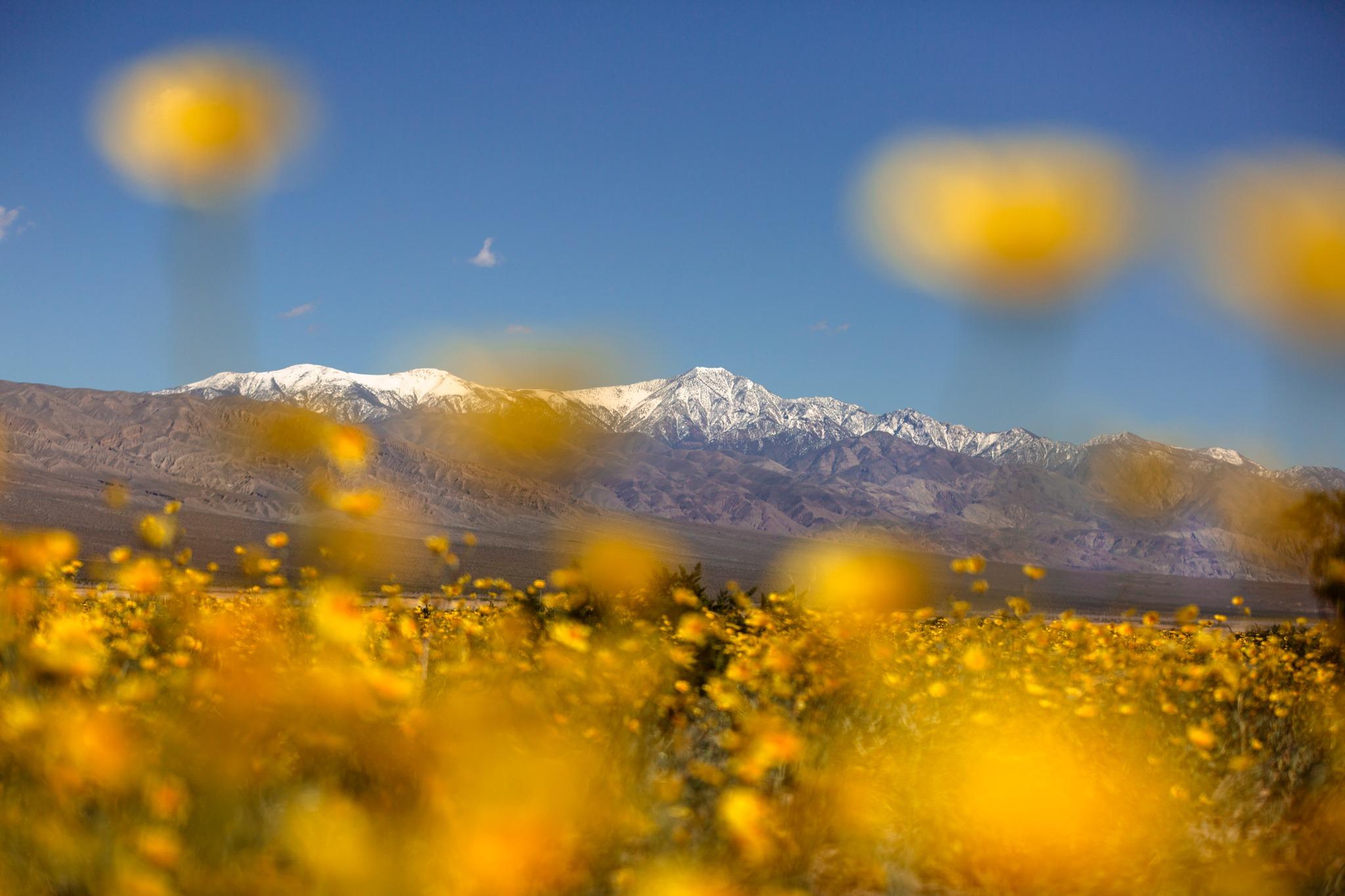
The park's annual rhythm dictates terms of access and enjoyment. Spring, from mid-February through April, stands out as the optimal period, offering comfortable daytime temperatures, potential wildflower displays following sufficient winter precipitation, and peak wildlife activity. Autumn, specifically late October through November, provides warm but generally tolerable conditions and reliably clear skies. Winter presents cold nights but manageable daytime temperatures, with high peaks occasionally seeing snow. Summer visitation is advisable only for experienced desert travelers prepared to limit activities to dawn and dusk.
What stands out
- Dark-sky stargazing aided by the park's extreme remoteness and formal astronomy programming
- Backcountry canyoneering through slot canyons and geological formations unique to the Mojave desert region
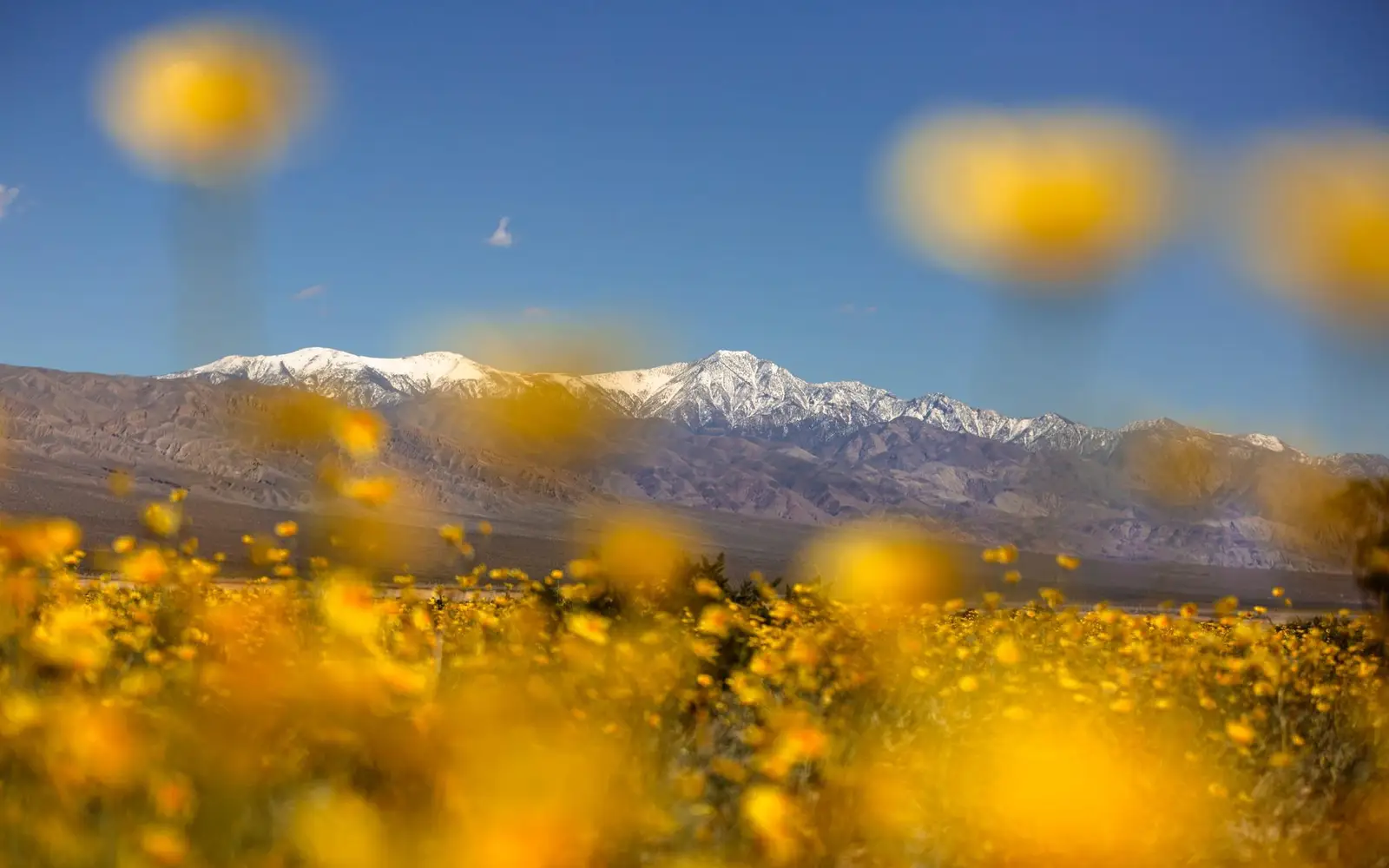
- Spring wildflower blooms on the valley floor following sufficient winter rainfall
- Birdwatching at desert oases, which function as critical wildlife refuges in an otherwise arid landscape
- Mountain biking and road biking on a network of paved and unpaved routes with dramatic elevation changes
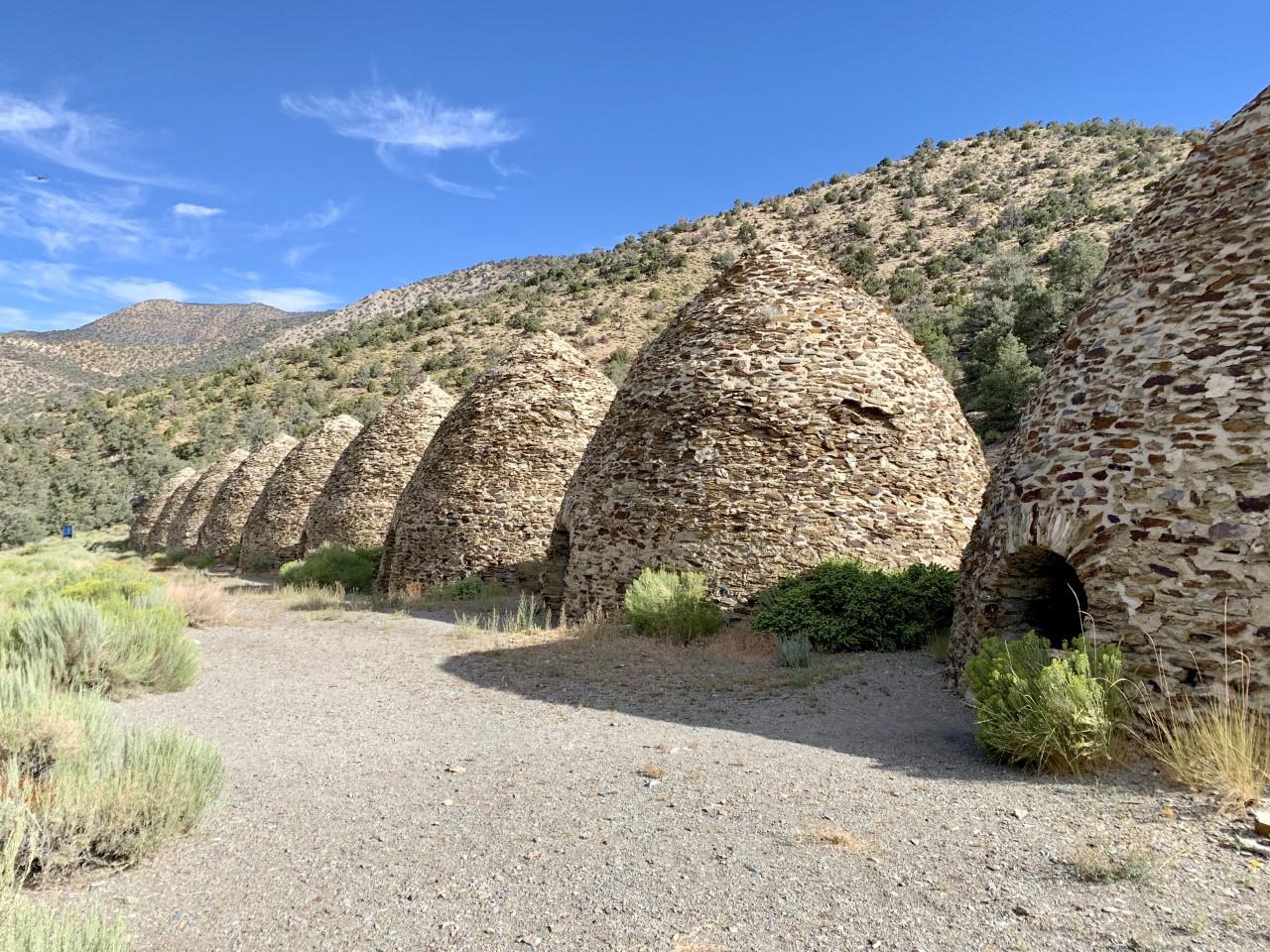
- Museum exhibits and a park film that put the geology, history, and ecology of the valley in genuine context
Good to know
Free admission sets this park apart. Limited cell service means visitors should plan accordingly; this is not a unit for casual, on-the-fly navigation. The park is rugged. Always carry a minimum of one gallon of water per person per day. Check vehicle coolant levels before summer entry. While fuel is available within the park, it comes at a significant premium.
Insider tipSpring wildflower viewing demands advance diligence. Conditions are highly variable. Blooms emerge and peak rapidly after rain, with timing that shifts significantly year to year. Consult the Death Valley National Park website or social media in the week prior to any visit to ascertain current bloom status.