Is Lake Mead National Recreation Area worth your trip?
Lake Mead National Recreation Area earns a rare perfect experience score without apology.
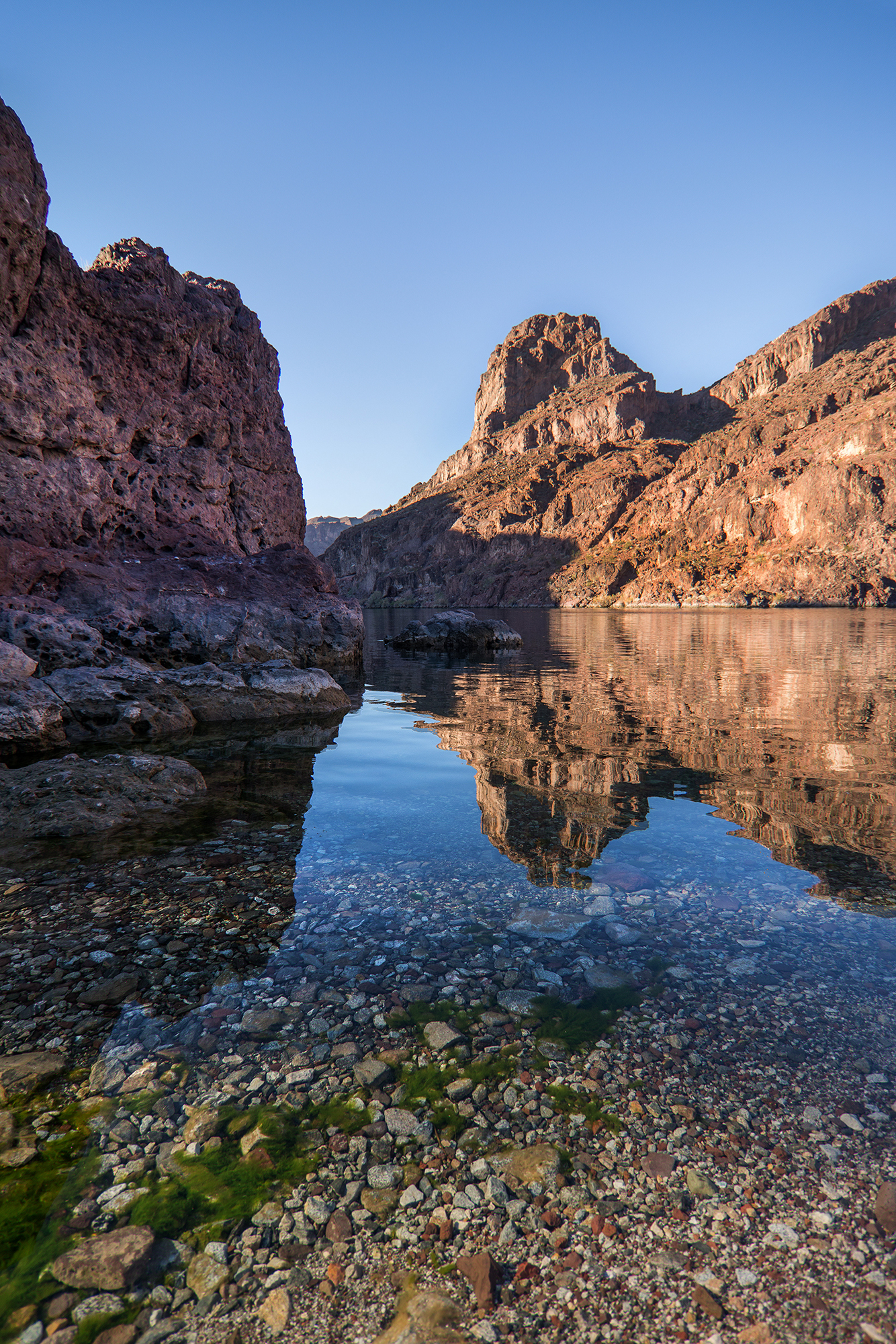
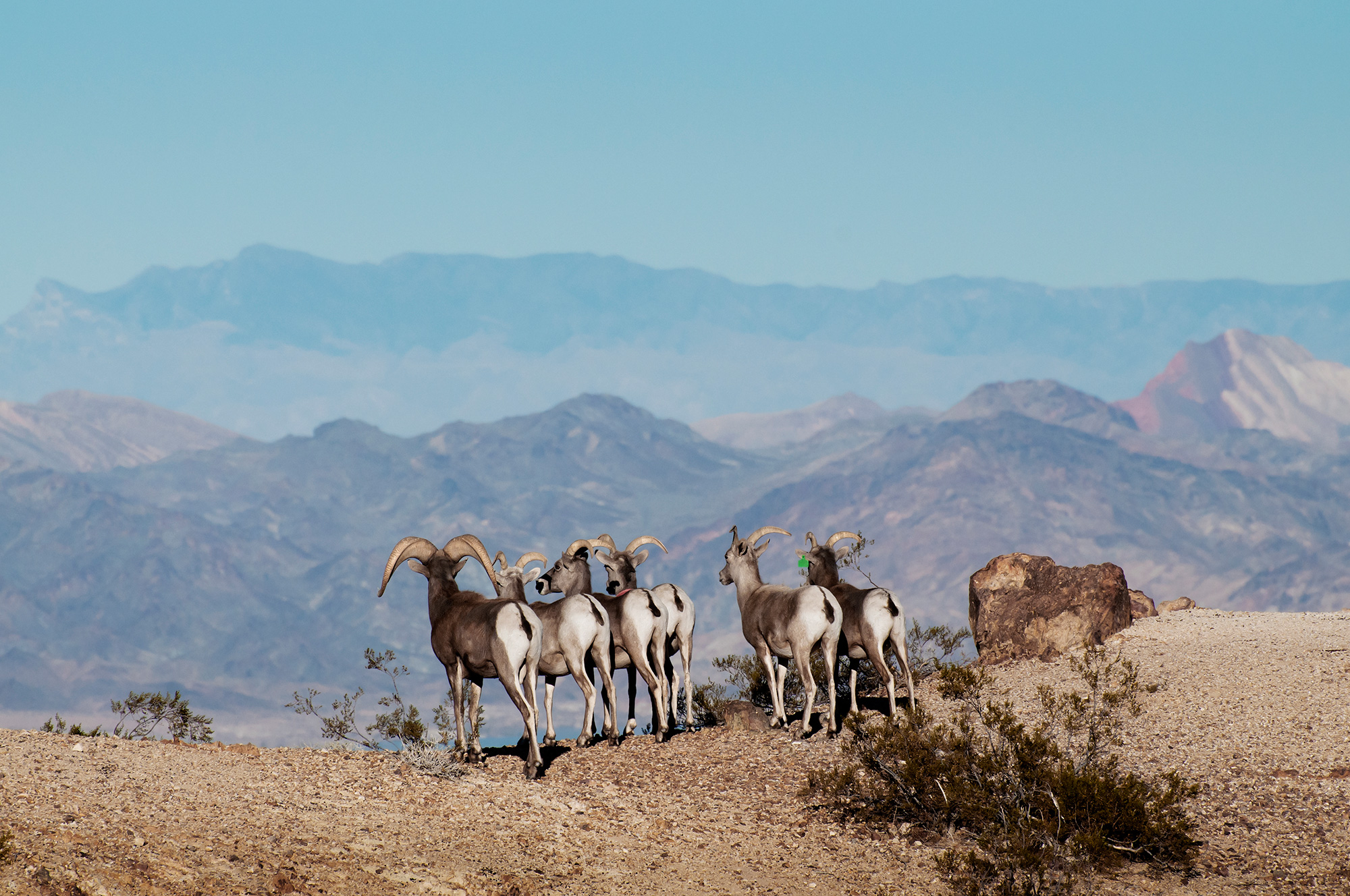
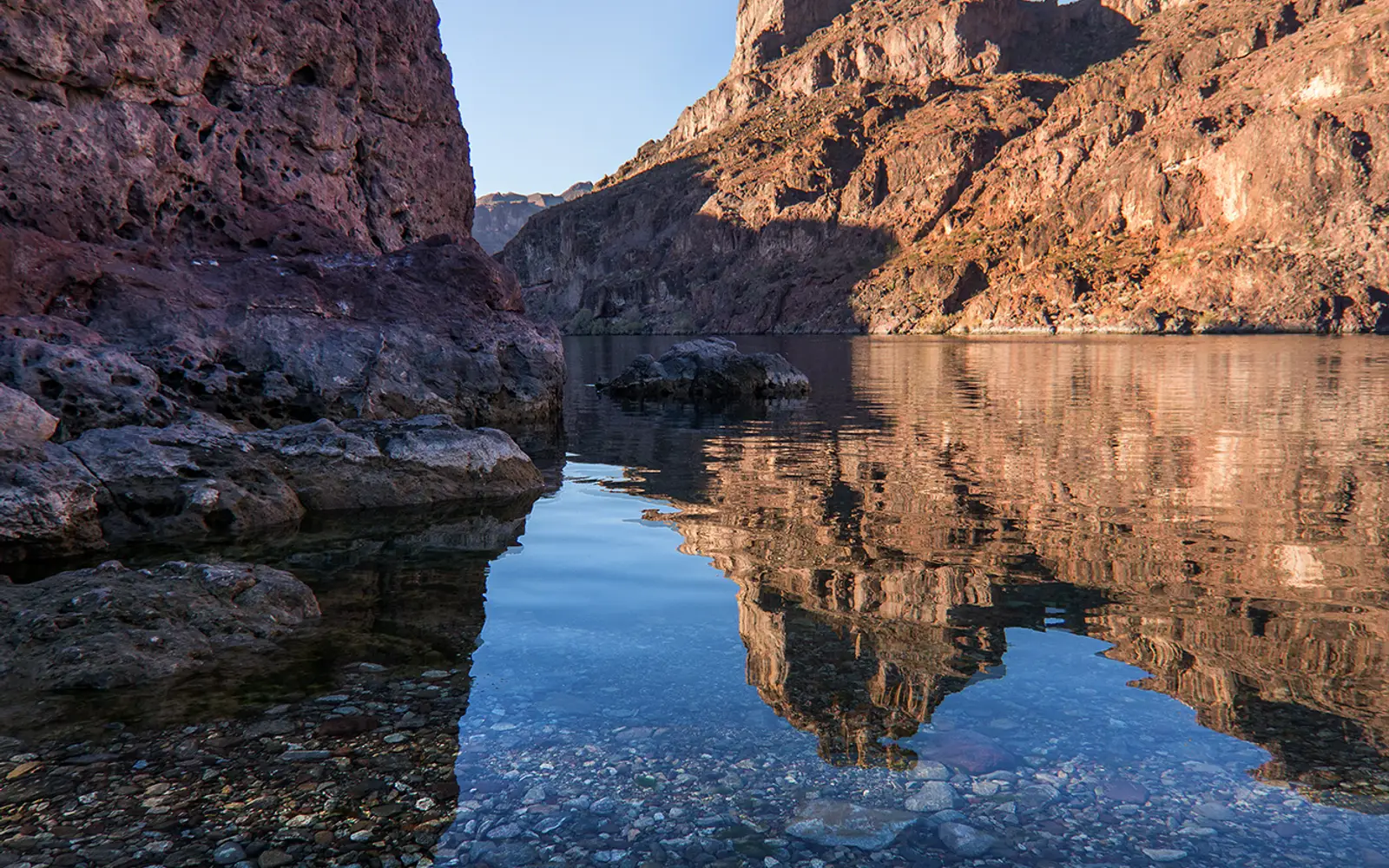
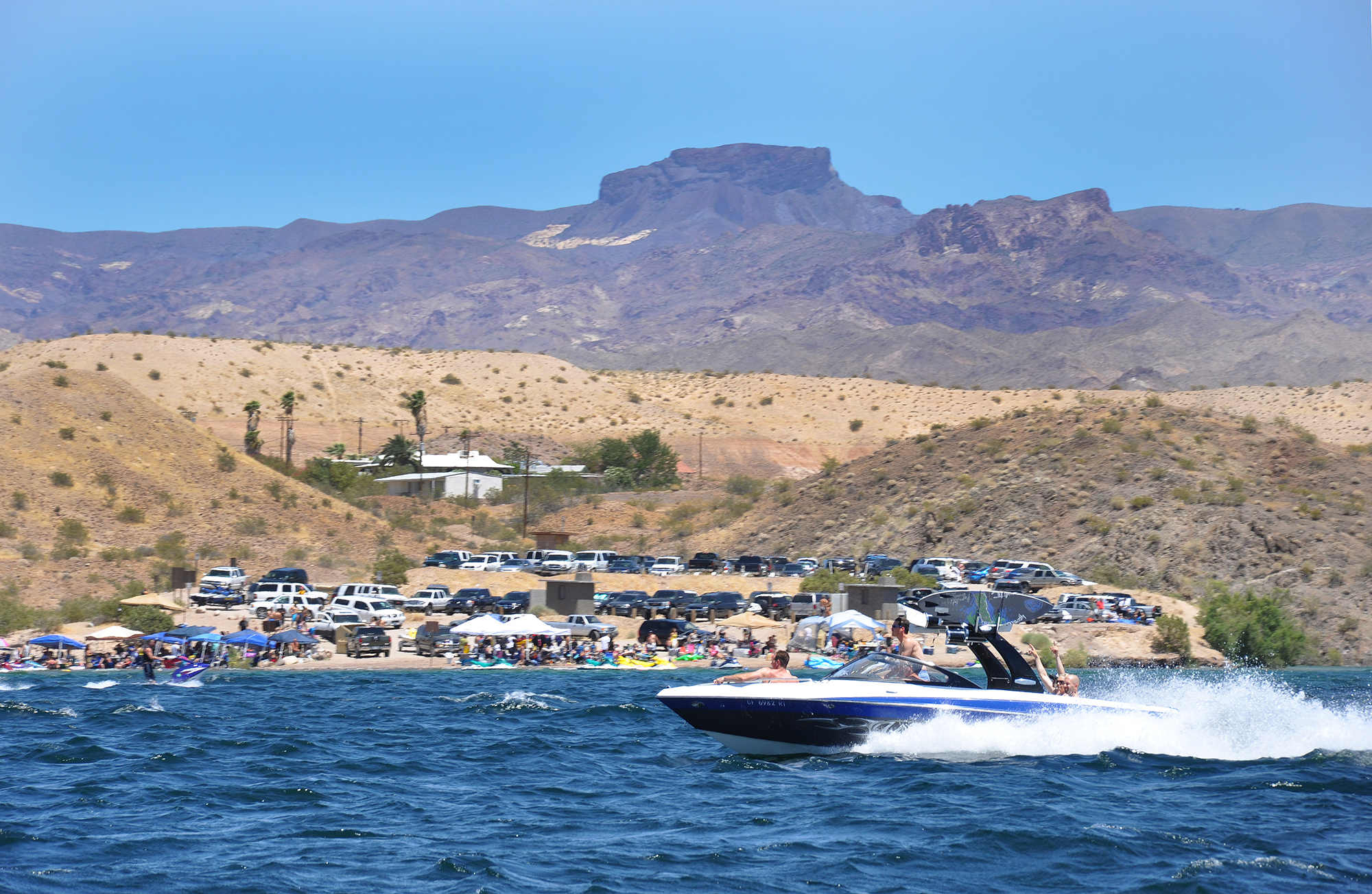
Spanning 1.5 million acres across Nevada and Arizona, it encompasses two massive reservoirs within Mojave Desert canyon country. This unit functions as the outdoor recreation capital for the Las Vegas region. The experience here depends entirely on personal equipment: a motorboat, kayak, fishing rod, mountain bike, or hiking boots. All are well utilized. While the water is a primary draw, the surrounding desert terrain provides significant scenic and hiking value. This is not a contemplative wilderness escape. It is a high-activity, high-volume recreation area that rewards those who arrive prepared with a plan and gear. Entry is free, and the park operates 24 hours. The sheer variety of documented activities makes this one of the most versatile NPS units available.
Why go
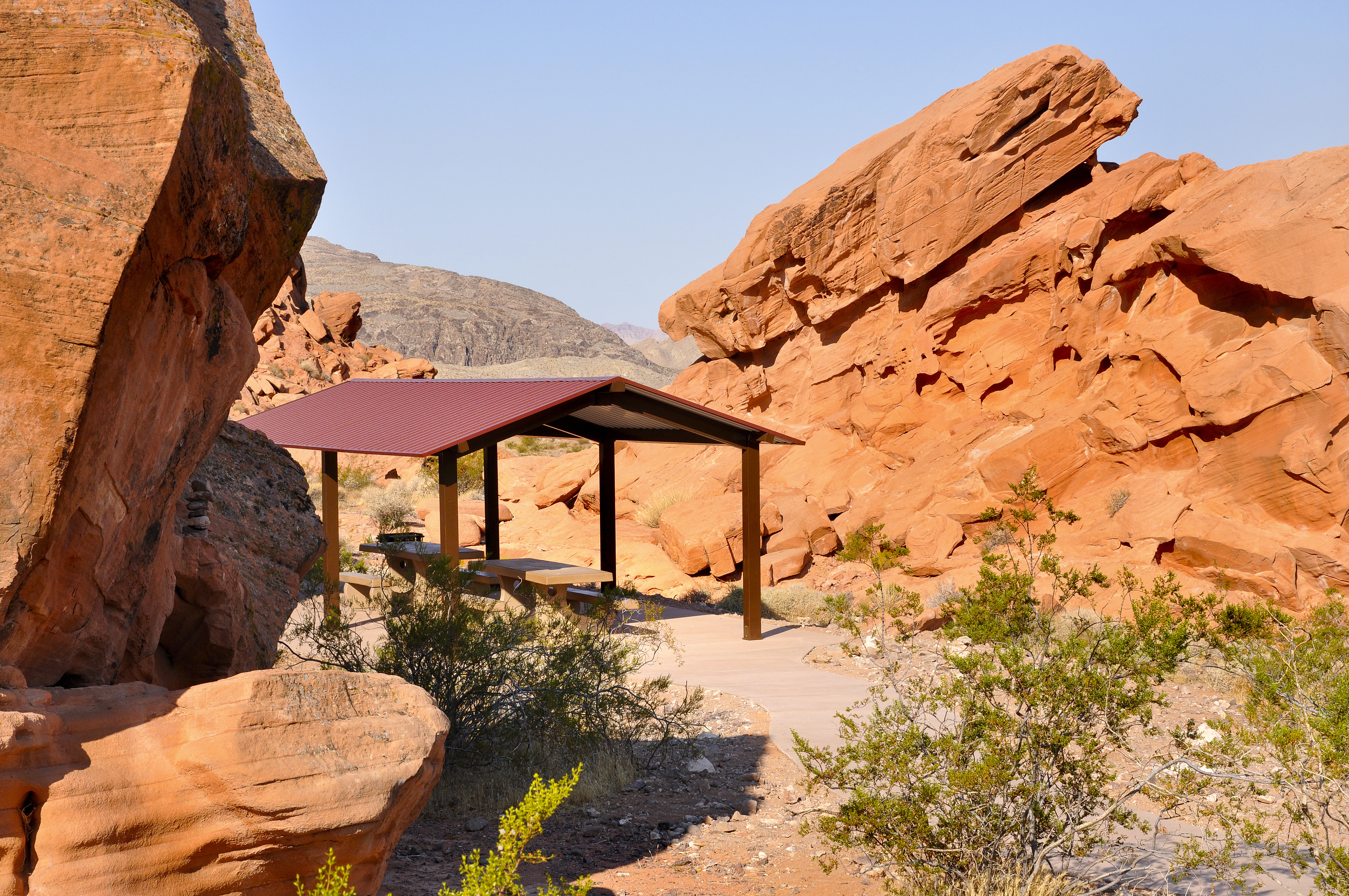
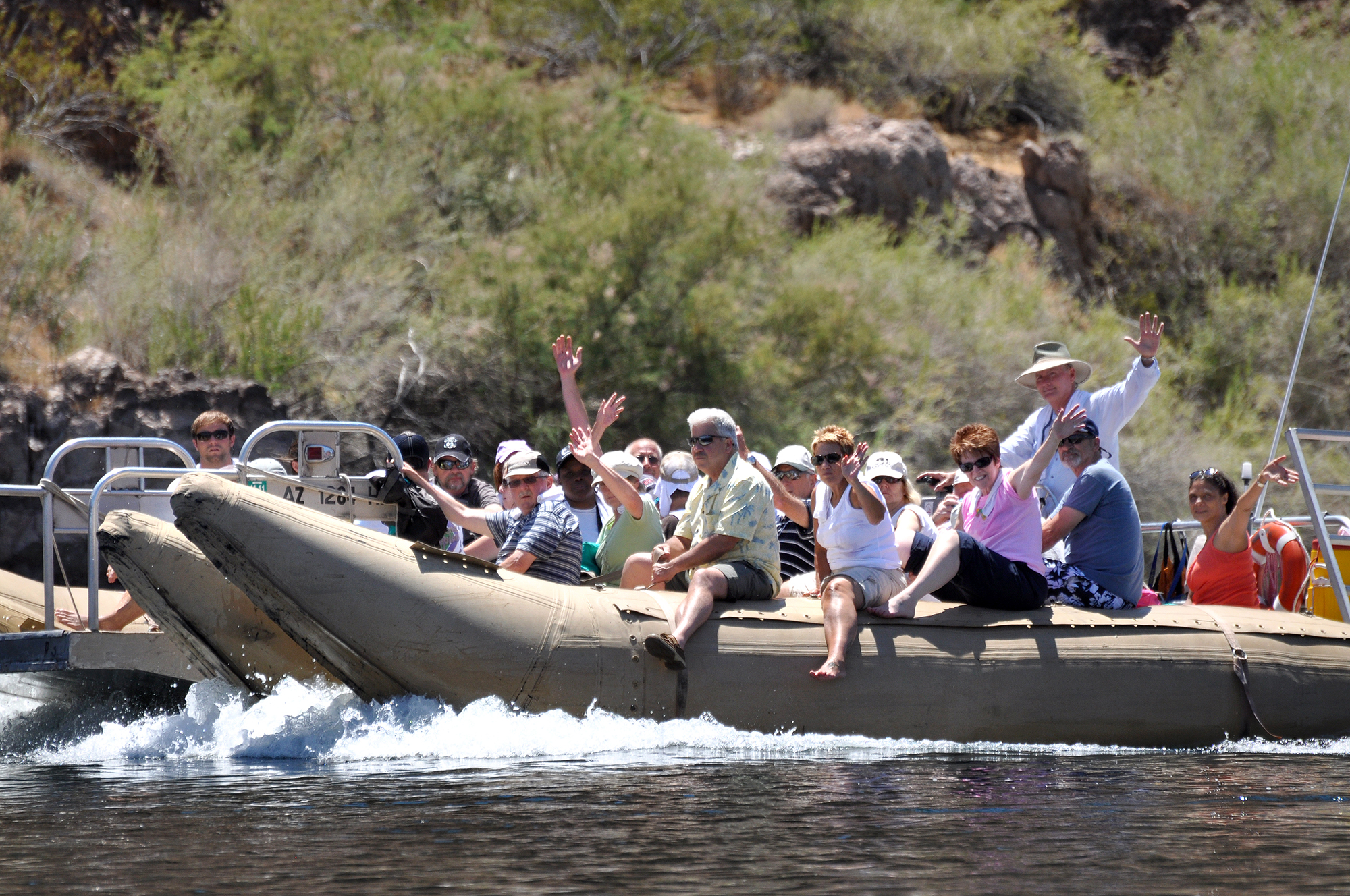
This park excels as a destination for active visitors. Its strength lies in combining extensive water recreation with substantial land-based exploration, all within a free-entry area. A full day is best spent on the water, launching a kayak or motorboat from one of the marinas in the morning calm. Midday offers fishing, swimming, or stand-up paddleboarding. Late afternoon is ideal for a scenic drive through the canyon terrain. Camping options range from front-country sites with RV hookups to remote backcountry spots for a quieter desert experience. Hikers will find both accessible front-country trails and challenging backcountry routes through mountains and canyons. Guided boat tours are available for those without their own watercraft, and the Junior Ranger program provides a structured way for families to engage younger visitors. This unit rewards self-sufficient explorers most. Casual sightseers may find its diverse offerings less compelling than its active enthusiasts will.
Best for
This destination caters to water sports enthusiasts, boating families, and anglers. Desert hikers and campers will also find ample opportunities. Its strength lies in accommodating groups with varied interests, offering both land and water activities from a single base. However, those seeking solitude, old-growth forests, or a quiet backcountry wilderness should look elsewhere. Expect crowds and powerboats.
Best season
Optimal visitation falls between April and early June, where daytime temperatures in the 80s and low 90s permit comfortable hiking and paddling. Fall, from October to November, presents similar agreeable conditions. Summer brings extreme heat, with highs ranging from 103 to 117 degrees Fahrenheit, rendering midday land activity hazardous. Early morning water recreation remains an option during summer months. Winter provides a mild, crowd-free experience, though overnight temperatures can reach freezing.
The high points
- Two large reservoirs supporting motorized boating, sailing, jet skiing, water skiing, and paddling all in one area
- Freshwater fishing across a massive reservoir system
- Backcountry camping in desert canyon terrain well away from the marina crowds
- Scenic driving routes through Mojave Desert mountains and canyons
- SCUBA diving and snorkeling in a freshwater desert reservoir, an unusual combination
- Horseback riding and horse camping options that extend the backcountry experience beyond foot travel
Know before you go
Entry to this unit is free. The visitor center operates on limited hours; consult these for orientation needs. Boaters must research marina access and launch fees independently. These are not part of park entry. Summer temperatures frequently exceed 100 degrees. For all land activities, carry substantially more water than anticipated.
One more thingFor summer visitors, hiking demands an early start. Begin any trail before 7 a.m. and conclude well before noon. The desert, while scenic from the water, presents significant hazards under direct sun. The lake then becomes the safest and most appealing option for the remainder of the day.