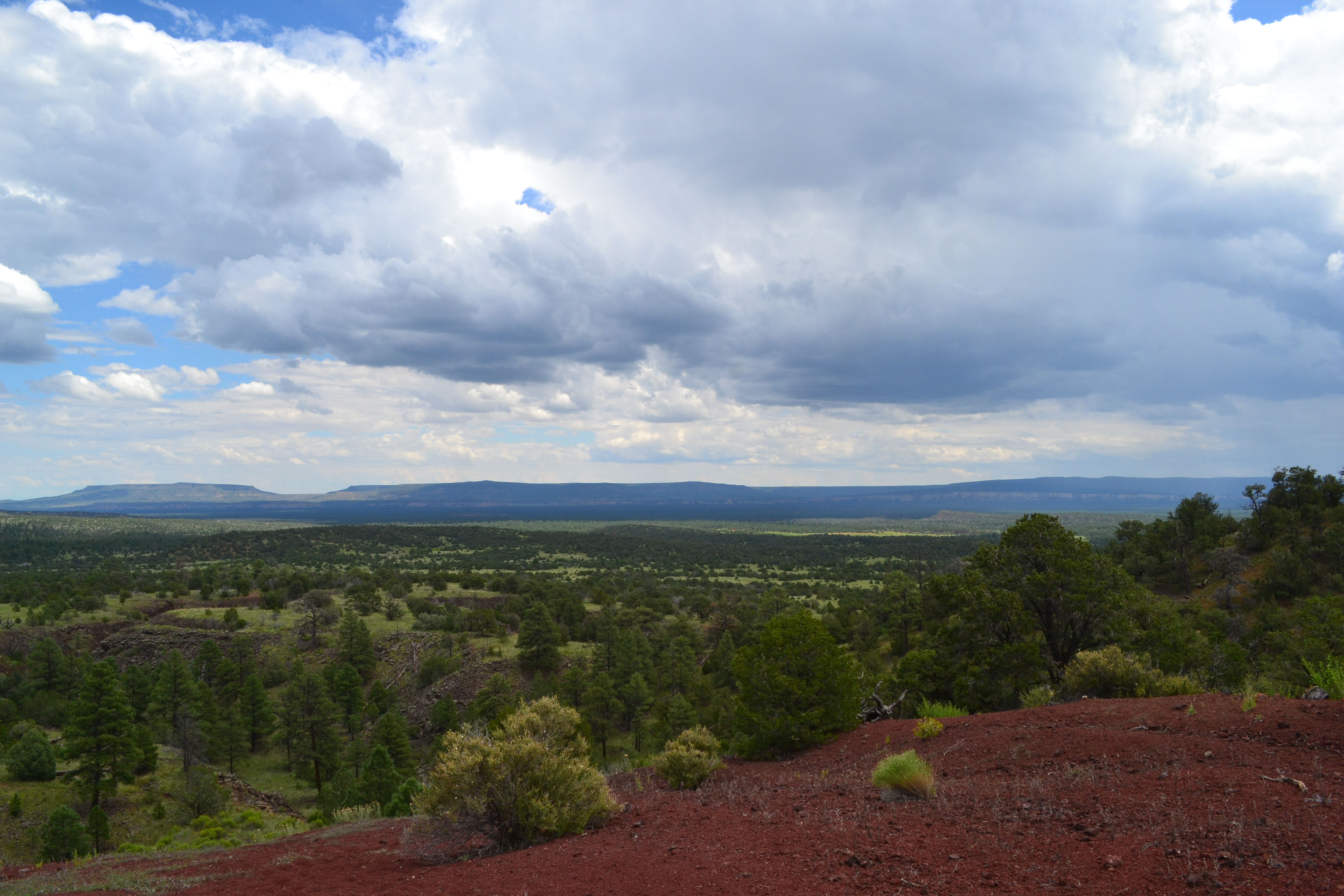
Should you visit El Malpais National Monument?
El Malpais National Monument, a free, 24/7 volcanic landscape in western New Mexico, earns an Experience Score of 85.
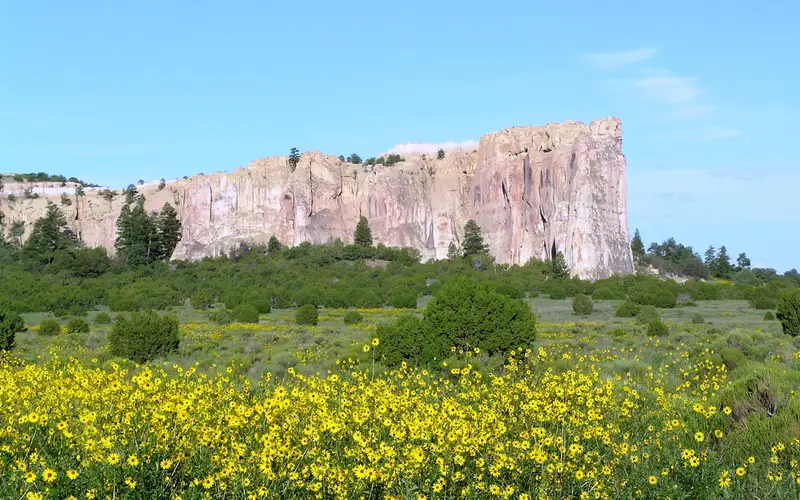
This monument preserves a dramatic sweep of hardened lava flows, cinder cones, lava tubes, and sandstone bluffs. Its terrain, shaped by both geology and human history, offers a diverse menu of activities. Caving and backcountry camping are available. Scenic driving and exceptional dark-sky stargazing are also major draws. The landscape is raw and can be demanding, especially on lava rock. But this ruggedness is central to its appeal. Families, geology enthusiasts, and night-sky chasers will find rewarding experiences here. Hikers willing to leave paved areas will also be well-served. El Malpais is not a manicured park. For travelers passing through New Mexico, this monument merits a stop.
What makes it worth it
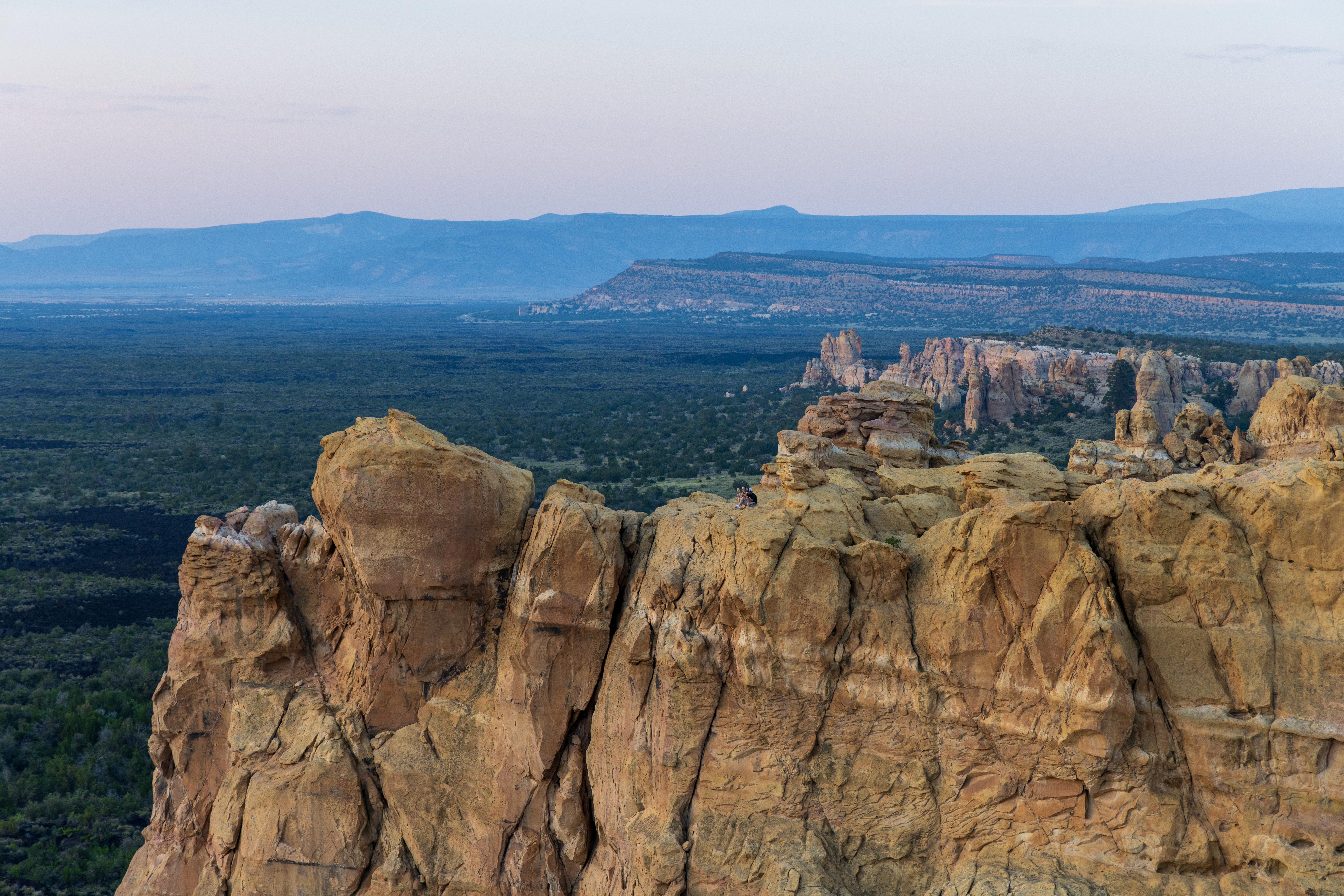
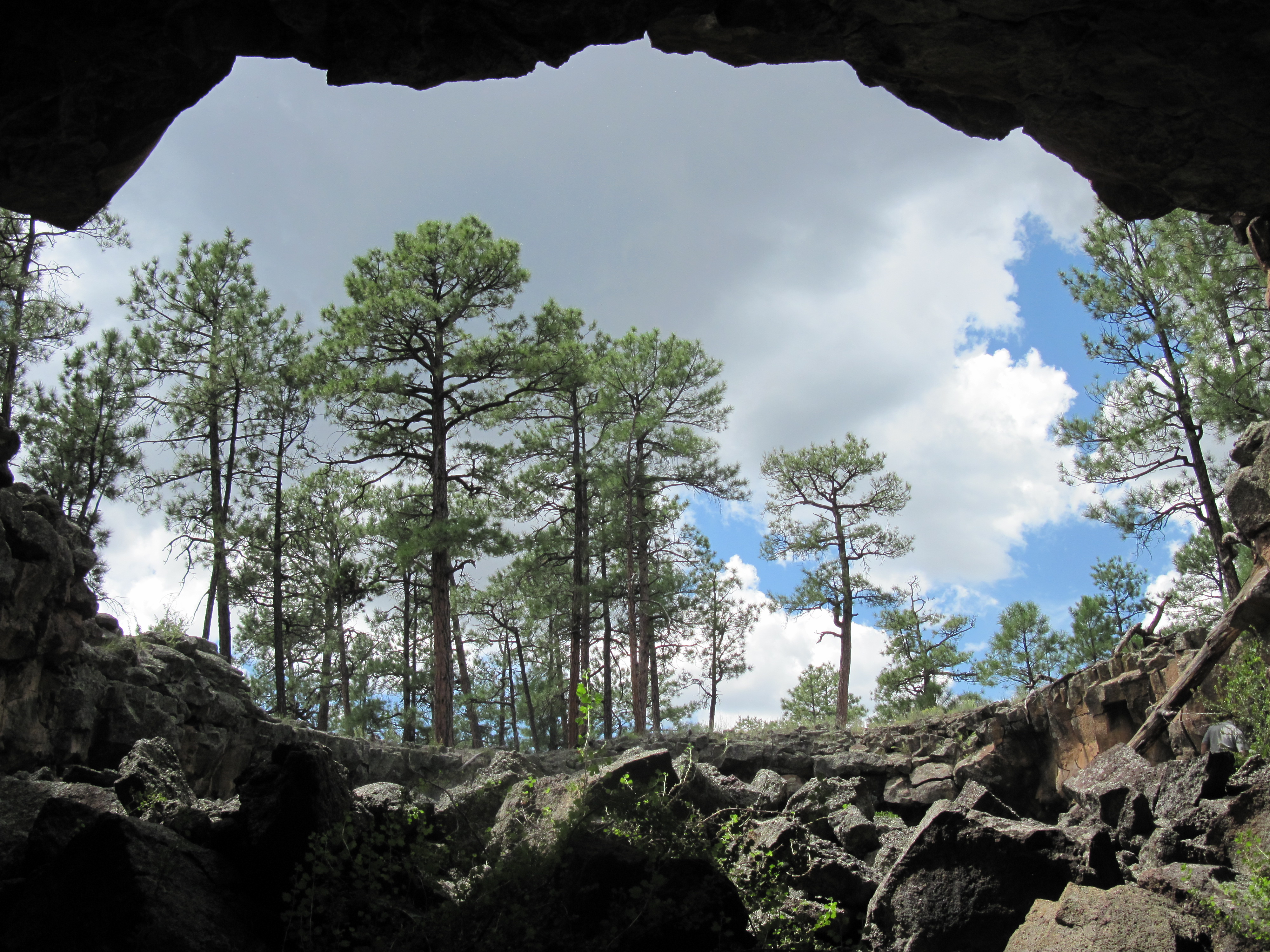
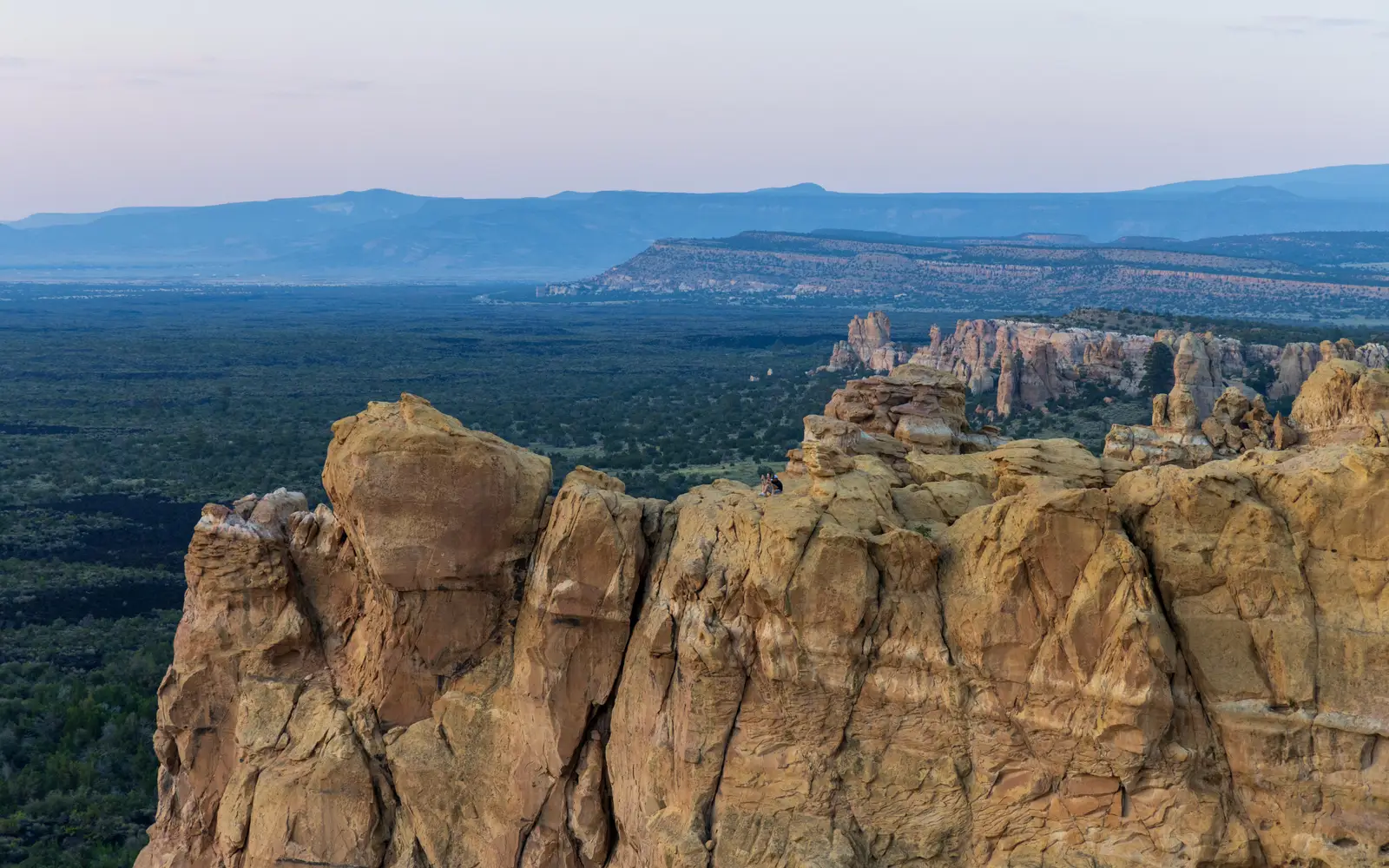
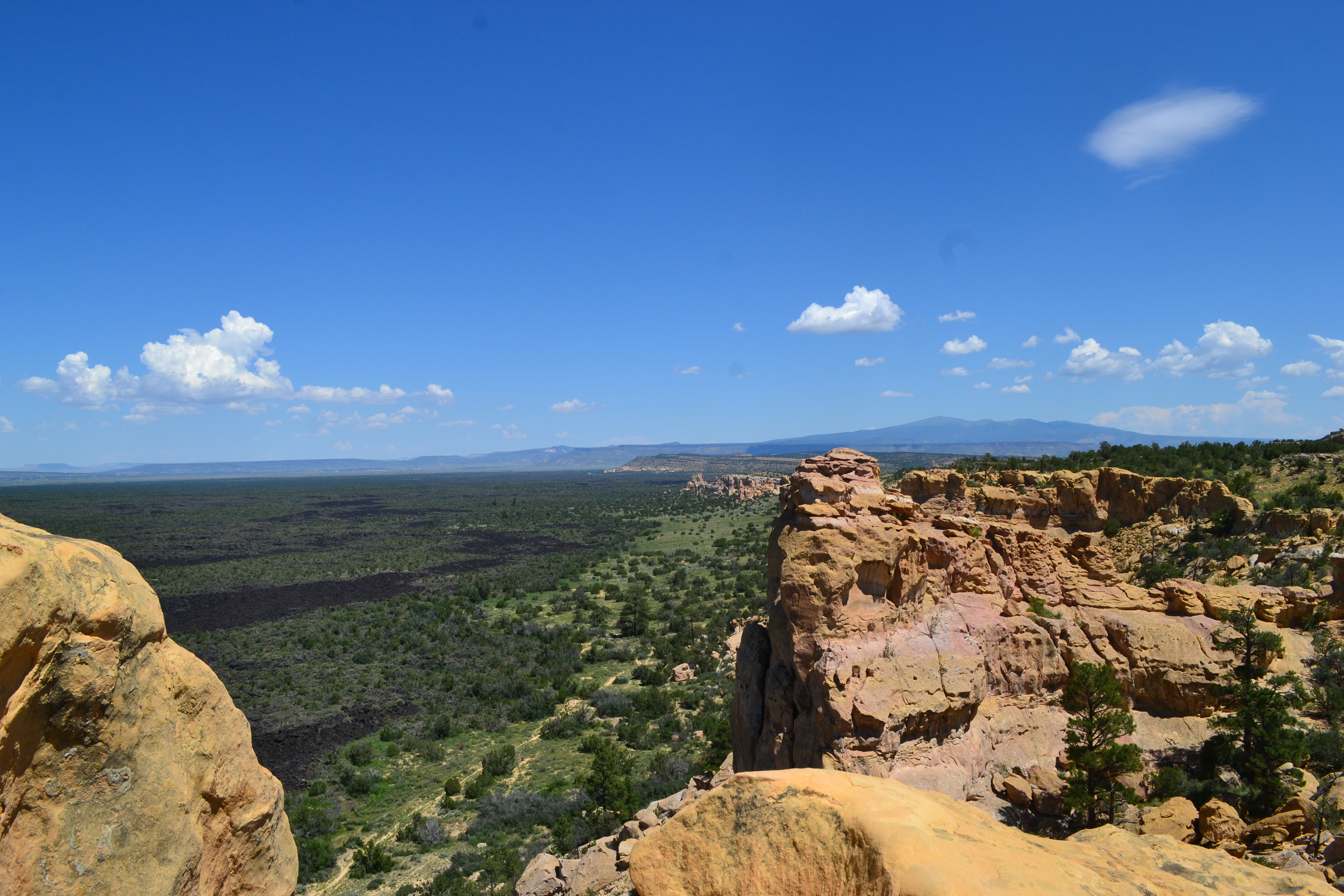
El Malpais offers more varied experiences than its stark volcanic landscape might suggest. A scenic drive provides immediate immersion in the lava fields. The Sandstone Bluffs Overlook delivers a panoramic view, contrasting red rock against black lava. Caving in the lava tubes is a highlight; it demands preparation but rewards the effort. Self-guided trails traverse actual lava flows, offering a distinctive hiking experience. The park's remote location and high desert elevation create excellent stargazing opportunities. Backcountry camping allows for an extended visit. A visitor center film and park store aid orientation. Guided tours enhance understanding of both the geology and culture of the area. For visitors seeking unique geological immersion and quiet, dark skies, El Malpais delivers. Casual sightseers may find its offerings too specialized.
Who should go
This unit caters to specific interests. Geology enthusiasts, dark-sky devotees, and cavers will find ample reward. Hikers seeking solitude will appreciate the uncrowded trails. Families with active, inquisitive children can benefit from the Junior Ranger Program and the lava tube explorations. This monument demands engagement. Those prioritizing paved paths, extensive visitor amenities, or traditional scenic overlooks should adjust expectations. The experience here favors participation over passive observation.
When to go
Optimum hiking conditions prevail in spring and autumn, characterized by dry, stable weather. Summer afternoons bring sudden monsoon storms; early starts are advisable for hikers. Winter offers scenic drives and solitude. However, snow may impede access to overlooks and backcountry. Night temperatures consistently drop sharply. Layered clothing is essential throughout the year.
Highlights
- Exploring lava tubes - a rare, hands-on caving experience within a national monument
- Sandstone Bluffs Overlook at sunset, where red sandstone and black lava create a striking visual contrast
- Backcountry camping on a volcanic landscape far from crowds
- Some of the best accessible dark-sky stargazing in the Southwest thanks to the remote, high-desert location
- Scenic driving that reveals the full scale of the lava flows without requiring strenuous hiking
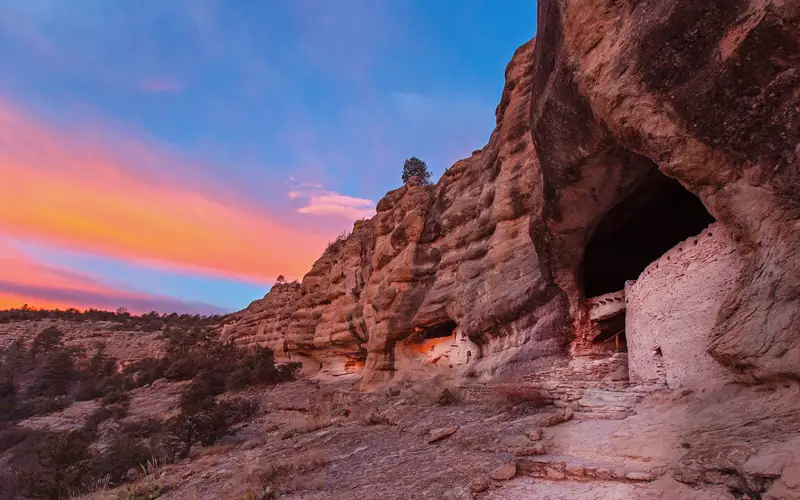
- Cultural and historical depth through guided tours covering generations of human adaptation to this volcanic terrain
Plan ahead
This monument offers 24-hour access, free of charge. However, visitors should note the sunset closures for Sandstone Bluffs Overlook and at least one trailhead parking area. The visitor center maintains standard hours; plan an early arrival for maps or caving details. Expect limited cell service across the monument. Sturdy boots are essential: lava rock presents a serious hazard to footwear and ankles.
Editor's tipThe visitor center should be the first stop. Staff advise on current access conditions, required gear, and white-nose syndrome protocols. This will save a wasted drive, as some caves may be closed.