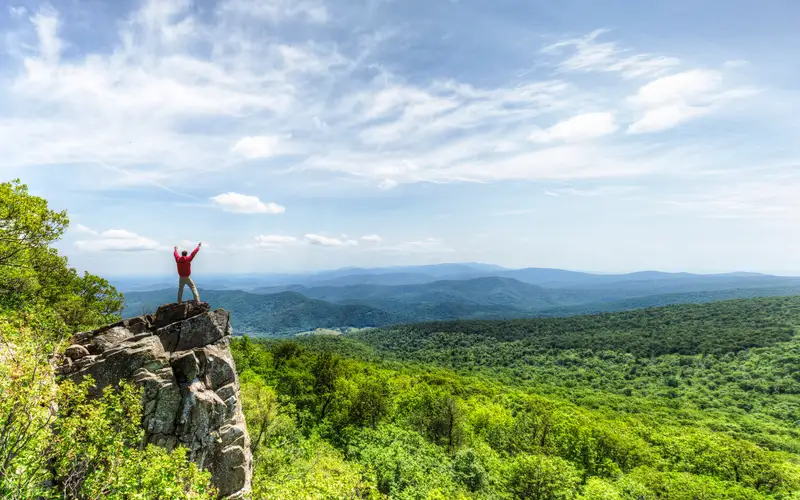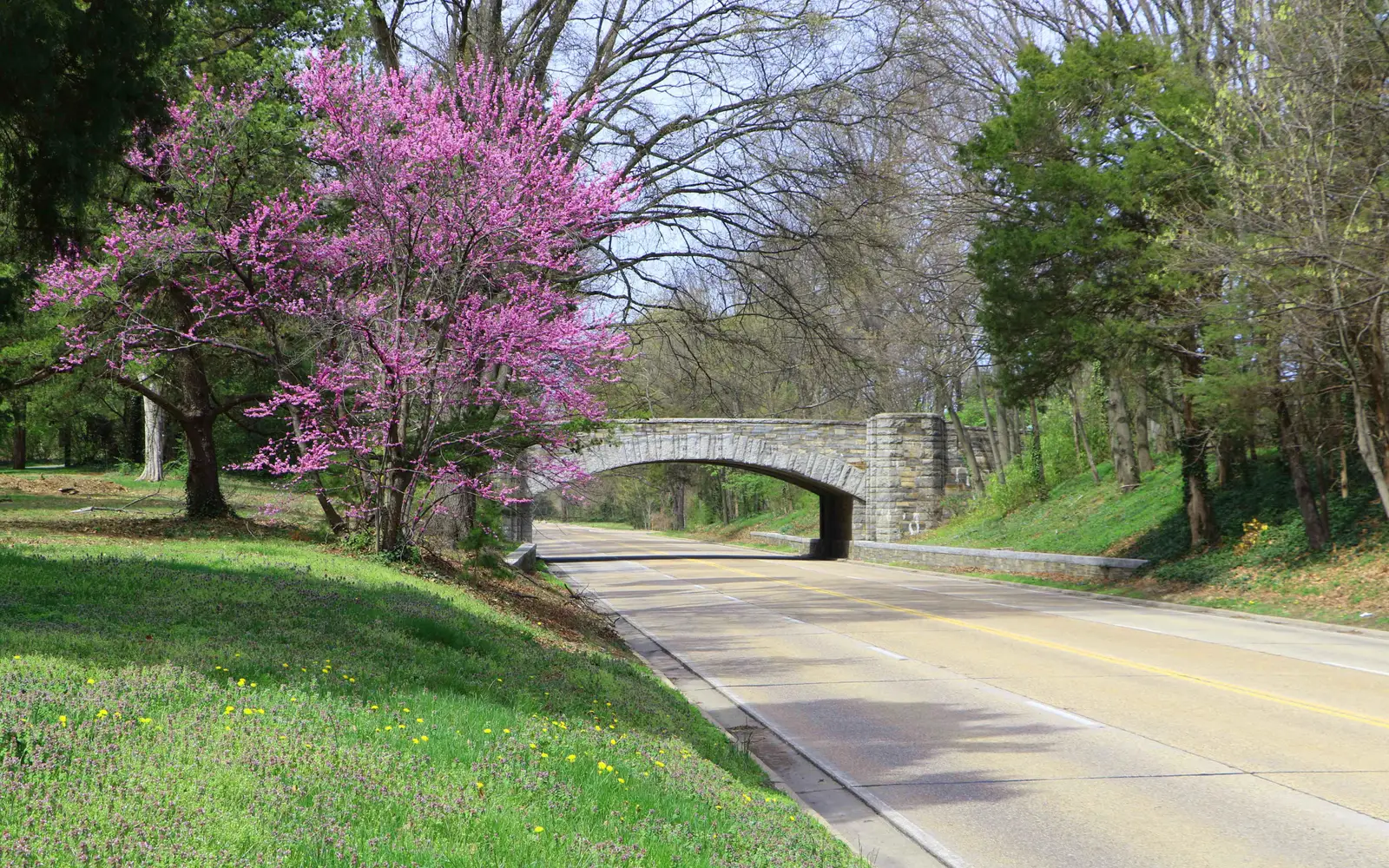

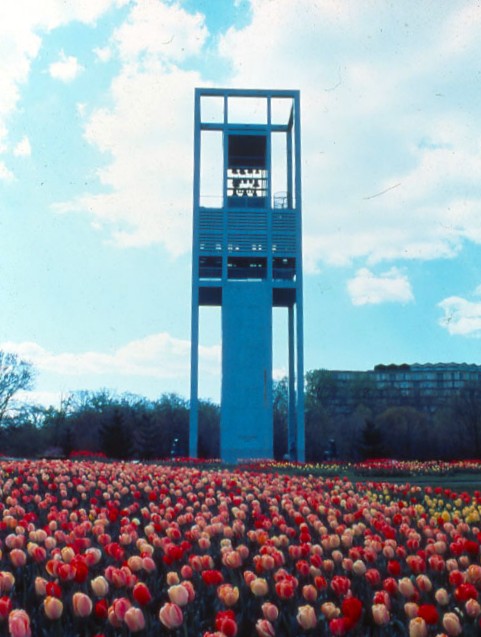
Should you visit George Washington Memorial Parkway?
The George Washington Memorial Parkway functions as a linear recreational and scenic corridor, connecting the Virginia and Maryland suburbs to Washington D.C.
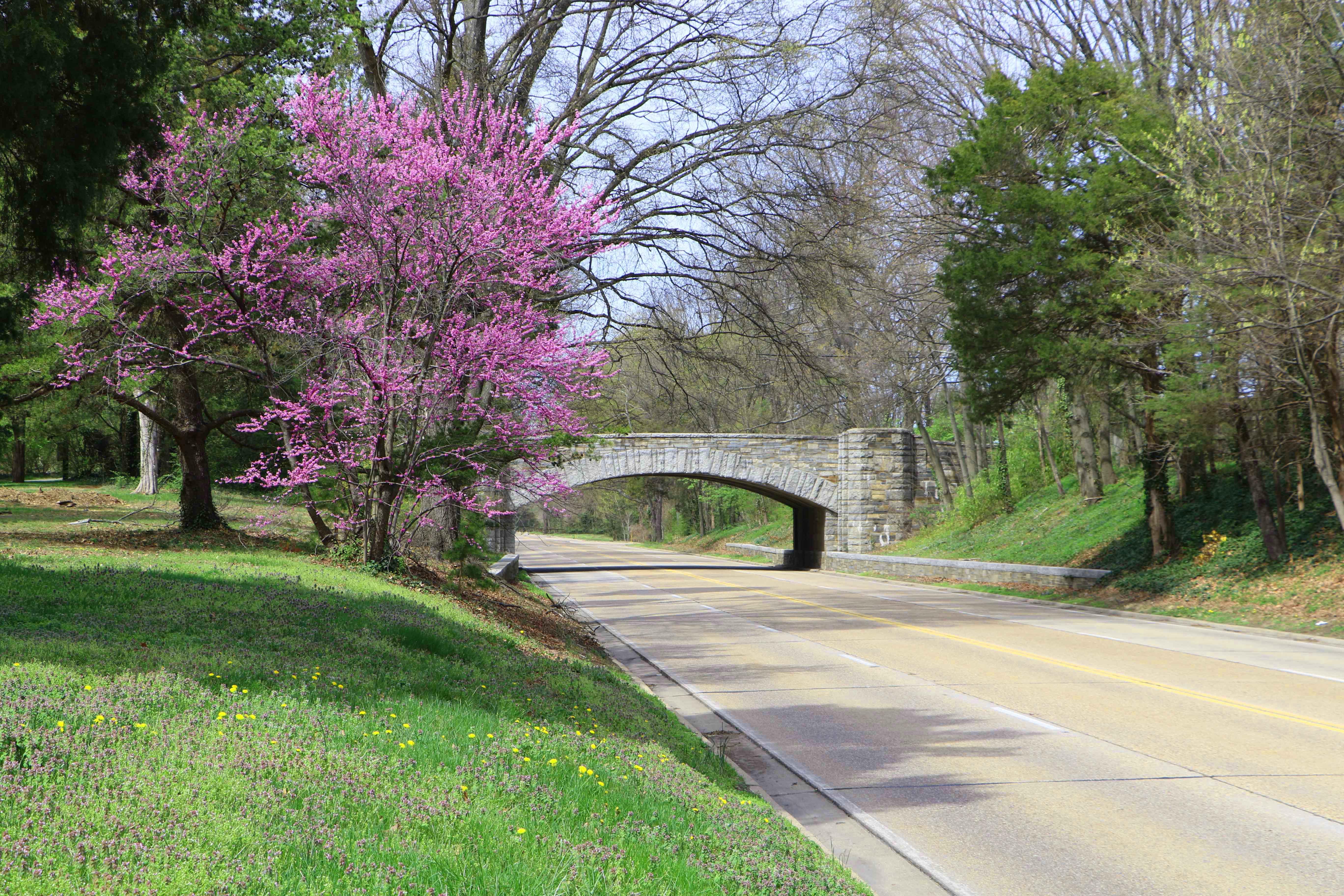
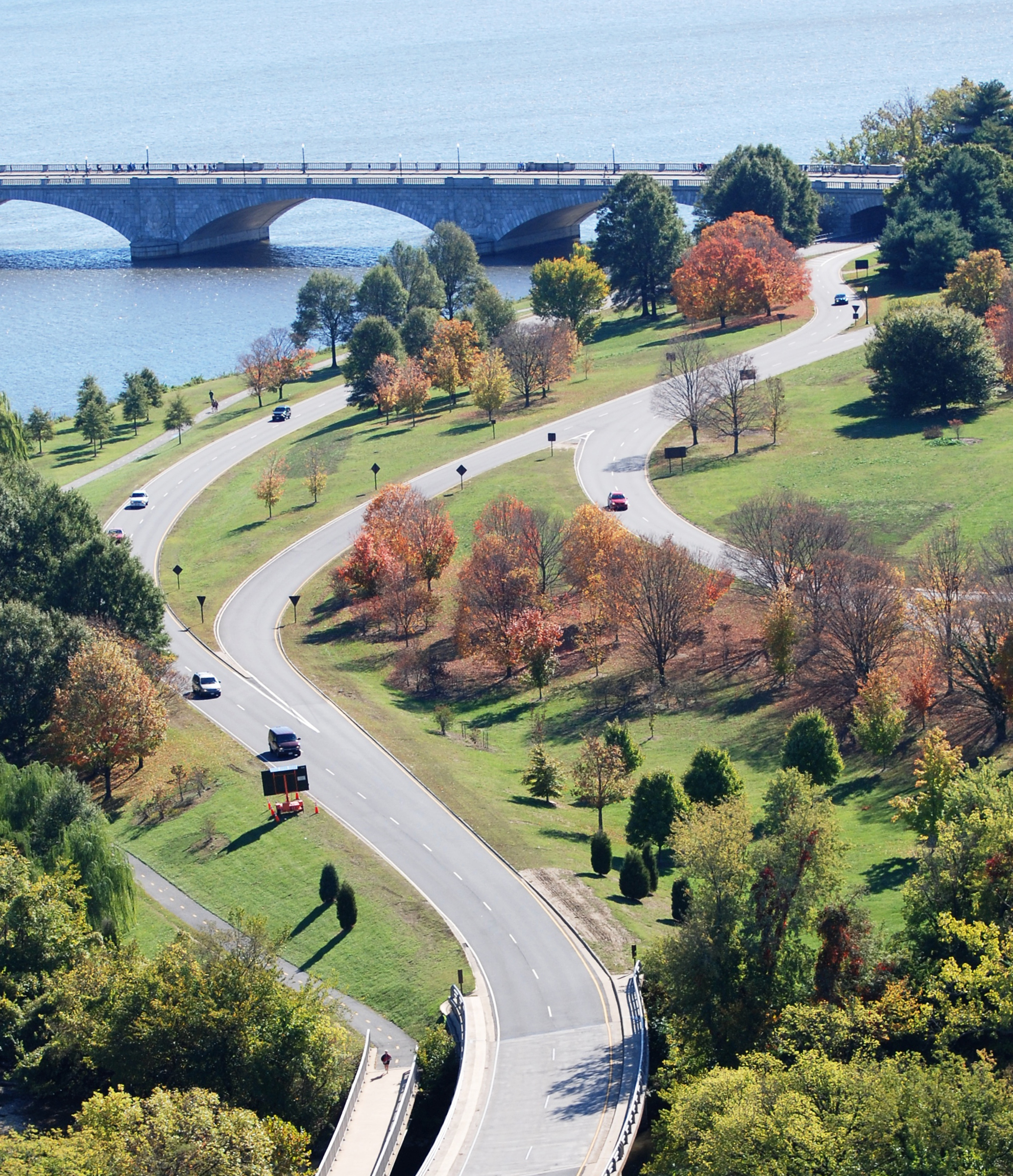
along the Potomac River. Its original purpose as a scenic drive remains its primary appeal, offering a picturesque route through wooded riverfront landscapes and historical sites. Beyond the road, the parkway supports extensive biking and trail networks, wildlife observation points along the river, and designated picnic areas. Its free and accessible nature is a significant asset within a high-cost metropolitan region. However, this is not a wilderness escape; it shares space with substantial commuter traffic. The parkway's score of 59 reflects a candid breadth: commendable for an urban corridor unit, yet inherently limited when compared to large destination parks. This is a well-curated green ribbon, not a standalone park experience.
What makes it worth it
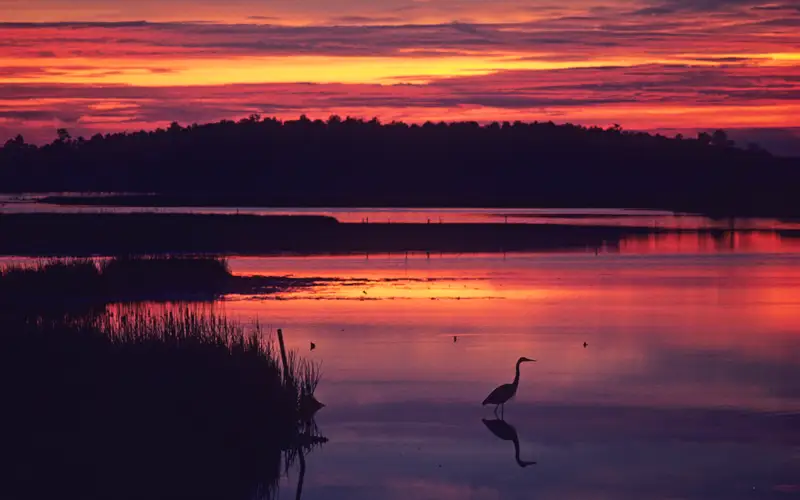
This park unit caters to specific interests. Its multi-use trails represent a significant draw for cyclists, with connections recognized as among the best in the DC metropolitan area. Road biking, particularly on segments offering river views, forms a core activity. Birdwatching along the Potomac offers rewards for those seeking riparian habitat within an urban setting. The designated picnic areas provide genuine green spaces, a notable feature in proximity to the National Mall. For those interested in scheduled activities, the arts, culture, and live music designations suggest a need to consult the NPS calendar pre-arrival. The park also presents substantial historical layering, with sites commemorating George Washington and early American history, elevating the experience beyond simple recreation.
Who should go
This unit offers genuine value for cyclists and local residents seeking riverside green space. History enthusiasts connecting DC-area sites will also find it rewarding. Birdwatchers exploring the Potomac corridor should make note of it. However, visitors traveling specifically for this unit, or those anticipating wilderness solitude, will be disappointed.
When to go
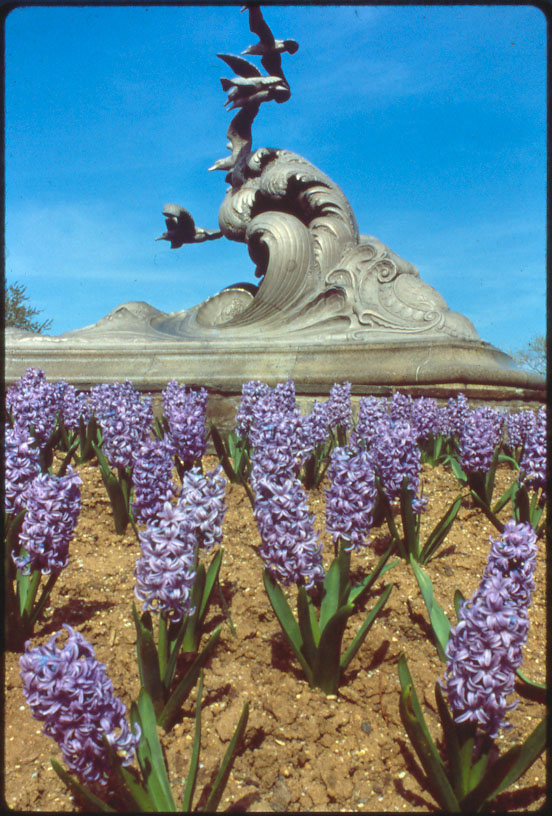
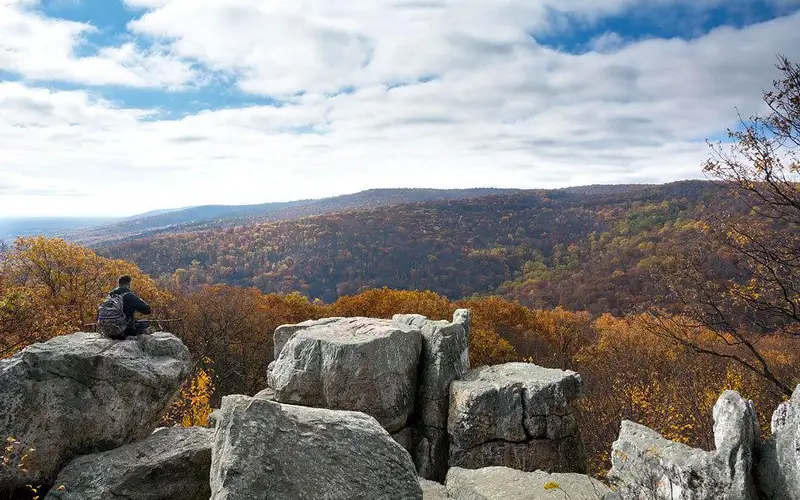
Spring offers the best conditions, with mild temperatures, lower humidity, and migratory bird activity through the Potomac corridor. Midday summer visits are inadvisable for active pursuits; temperatures regularly exceed 90 degrees and afternoon thunderstorms are common. Fall foliage along the parkway provides visual interest. Winter, while cold and less crowded, affords expanded river views through bare trees.
Highlights
- Scenic road biking and cycling along a dedicated multi-use trail corridor with Potomac River access
- Birdwatching in riparian habitat unusually close to a major metropolitan area
- Free access to picnic areas providing genuine green space within the DC metro
- A curated scenic drive linking historically significant sites tied to early American history
- Periodic arts, culture, and live music programming worth checking the NPS events calendar for
- Wildlife watching opportunities along the wooded Potomac riverbank
Plan ahead
Entrance is free. The parkway headquarters maintains weekday hours; weekend walk-in information is unavailable. Parking at popular sites becomes competitive, especially on spring and fall weekends. Cyclists should plan routes meticulously. The trail system connects regionally, but gaps and road crossings demand careful attention.
Editor's tipThe parkway functions as a commuter route. Weekend mornings before 9am offer ideal conditions, with lighter traffic, cooler temperatures, and active wildlife along the river. For cyclists, this early window is genuinely worth prioritizing.