parkverdict
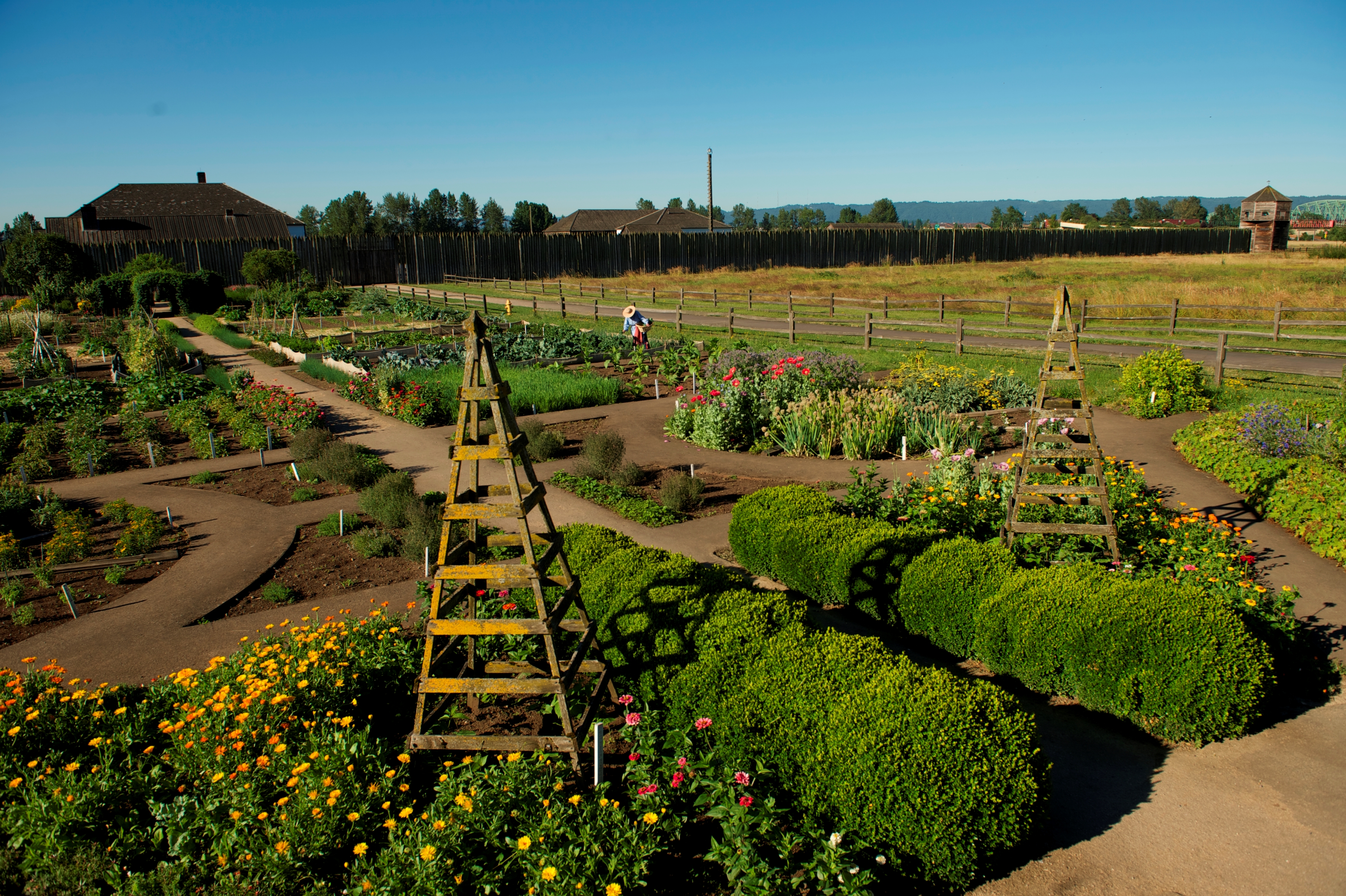
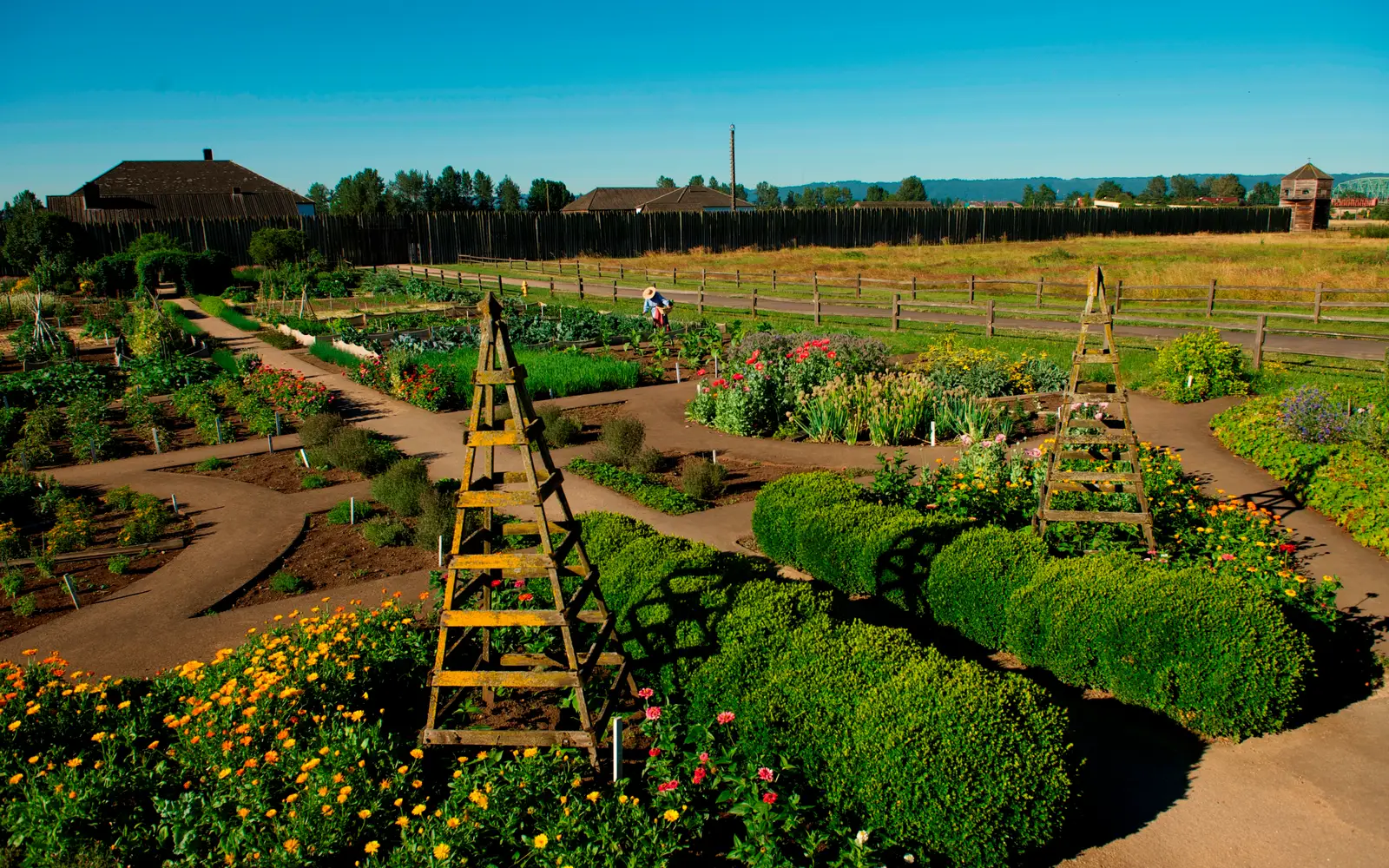
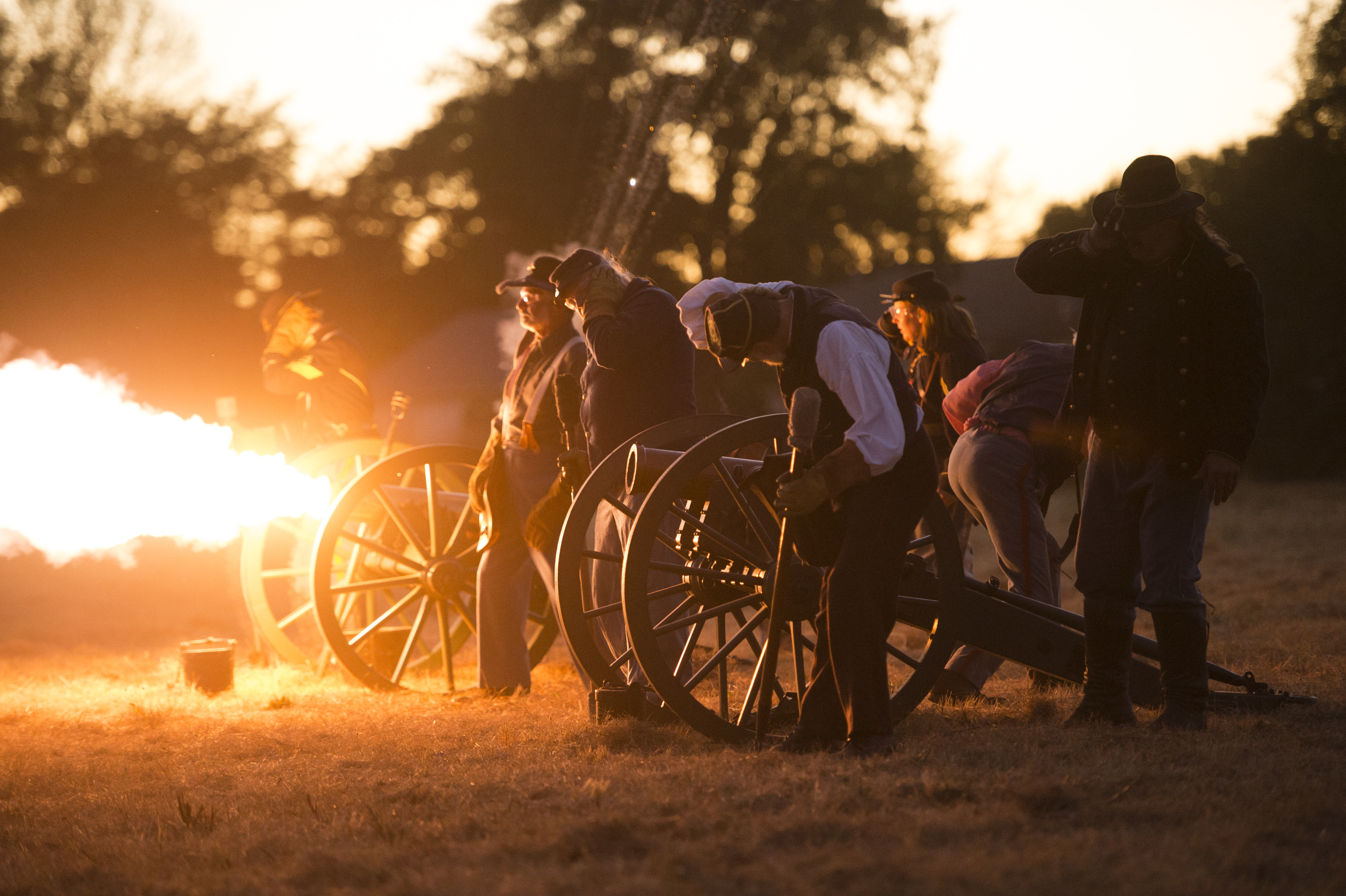
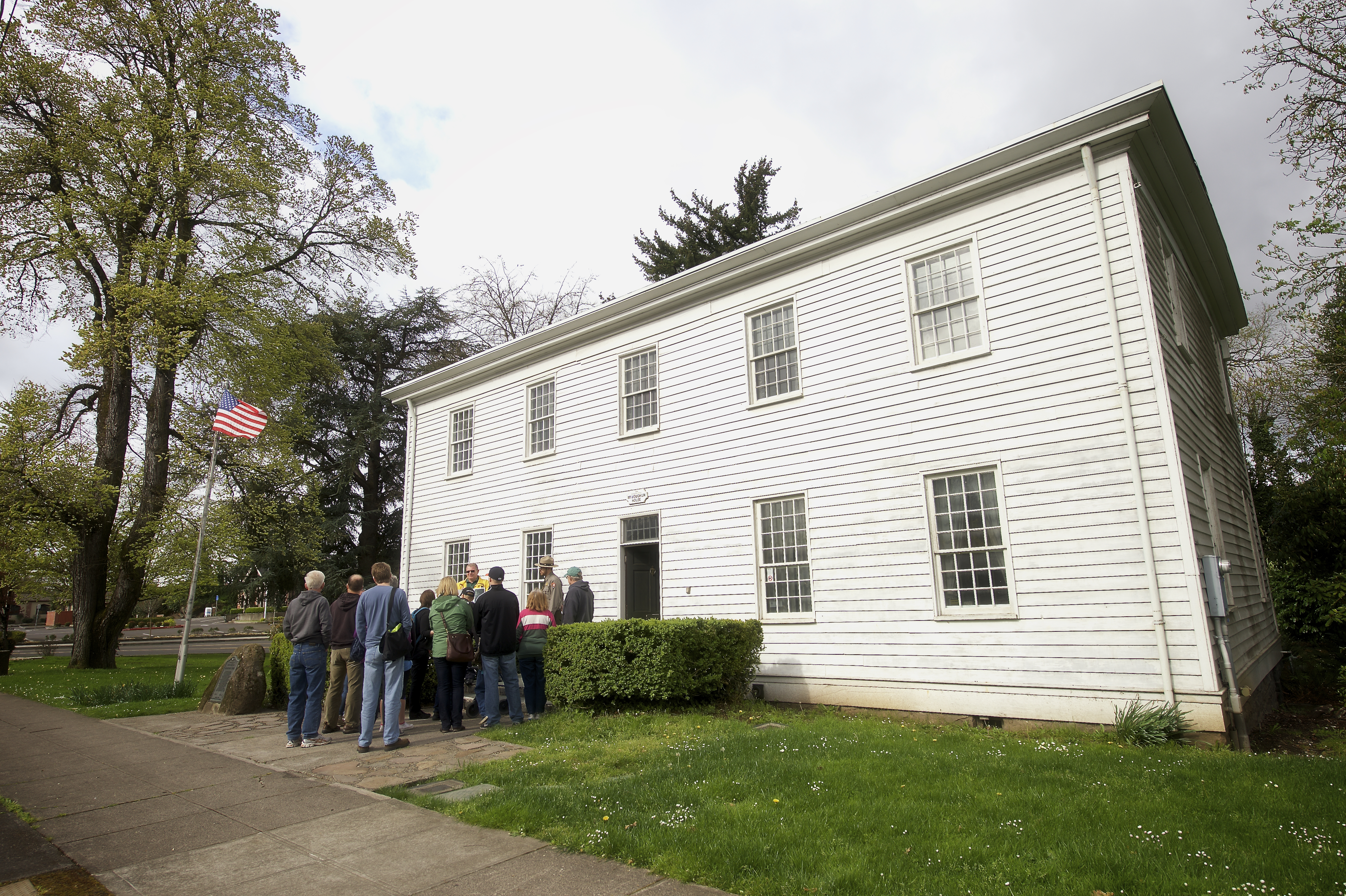
Fort Vancouver GardenBlack Powder Demonstrations at Fort Vancouver NHSFort VancouverMcLoughlin House
National Historic SiteOR / WA

Fort Vancouver National Historic Site

NPS / NPS Photo / Troy Wayrynen
66/ 100GOOD RANGE
parkverdict Experience ScoreIndependent, not sponsored

66 of 100. Our independent breadth-and-access index. How we score

The bottom line

Fort Vancouver National Historic Site: our verdict

Fort Vancouver National Historic Site is spread across four separate locations in and around Vancouver, Washington, all connected to the fur trade era and the early American settlement of the Pacific Northwest.

The reconstructed Hudson's Bay Company fort anchors the whole thing, and on days when the living history programming, craft demonstrations, and historic weapons demonstrations are actually running, the place has a texture you don't often get from a standard museum visit. Don't come here looking for a nature fix. The setting is urban and the history carries the full weight of the experience. Families with kids who respond well to hands-on programming will get the most out of a visit, and the $10 entrance fee is reasonable for what you walk away with. The Tuesday through Saturday hours are a real drawback, though. Weekend-only travelers get caught off guard by that more often than they should. The site scores a 66 on the Experience Score, which feels about right. It covers real ground without sprawling into something hard to take in.

Why visit

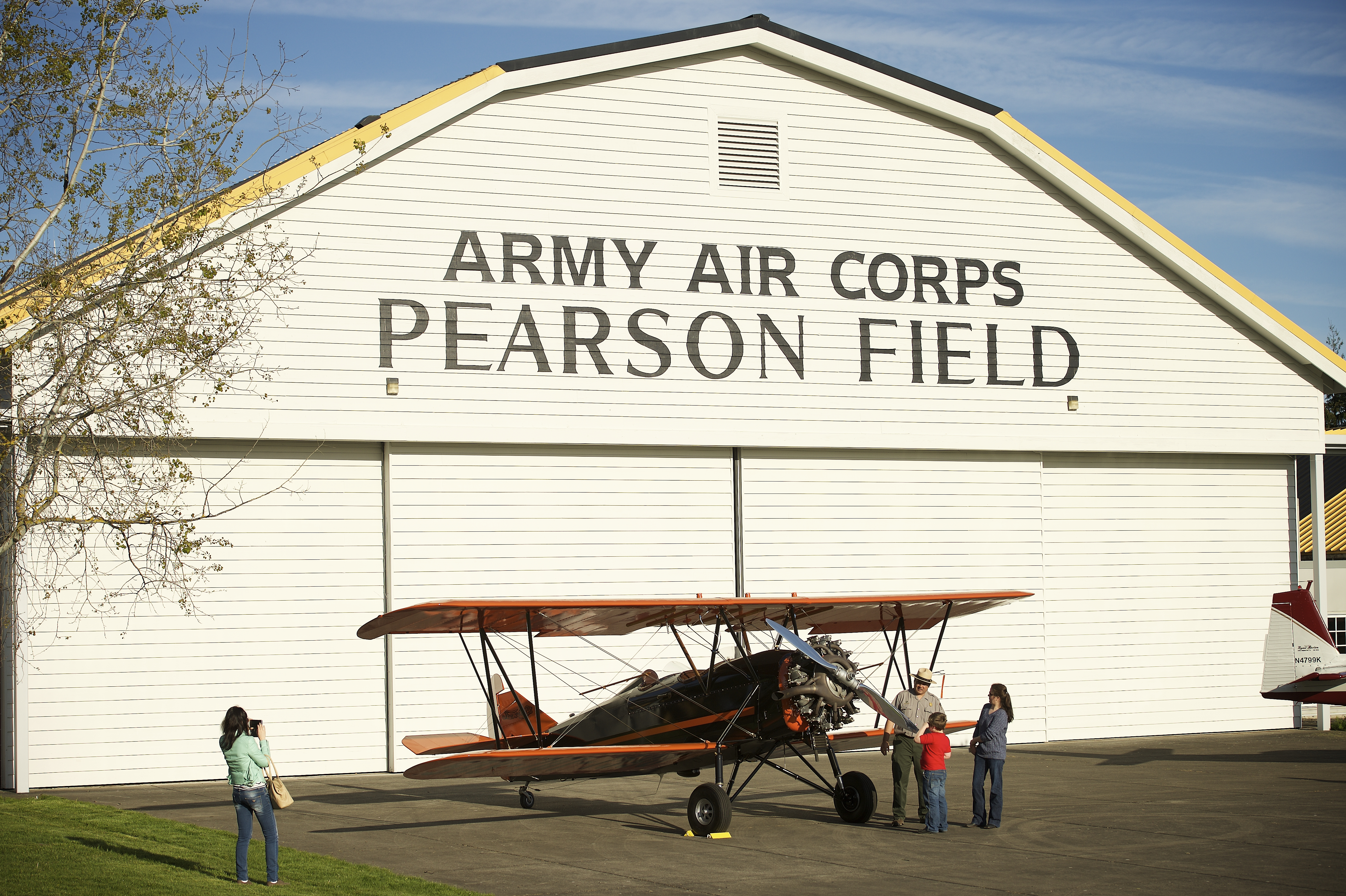
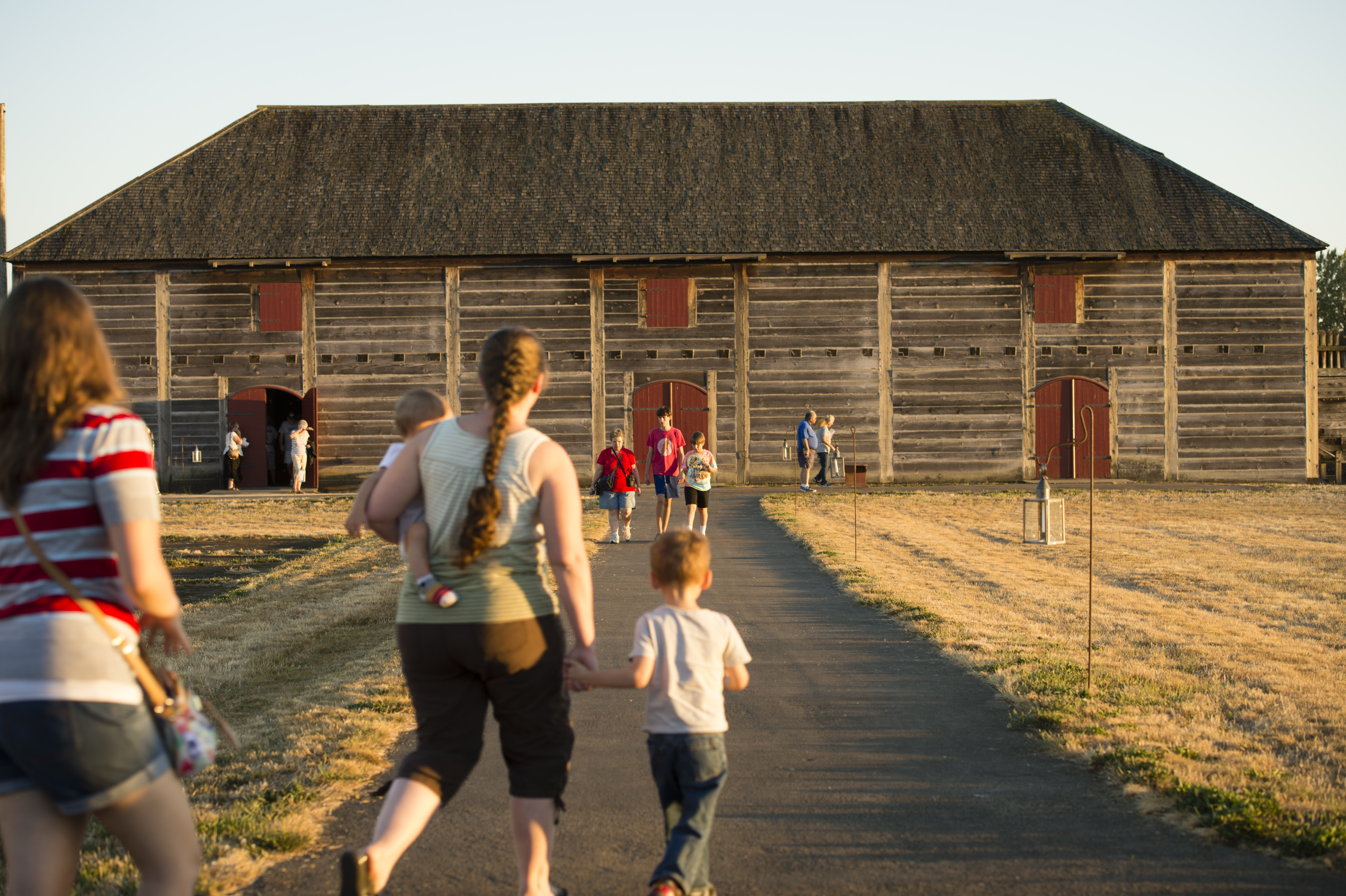
A good day here centers on the reconstructed fur trading post, where living history interpreters and craft demonstrations bring the 1840s Hudson's Bay Company operation to life in a way that static exhibits simply cannot. Historic weapons demonstrations add a theatrical but educational punch that kids and adults alike remember. The site also connects to a broader military legacy and aviation history across its four locations, giving history-minded visitors genuine variety within a single visit. Biking is documented as an activity, suggesting accessible paths around the grounds. The park film and museum exhibits provide useful context before you walk the fort itself, and the Junior Ranger program keeps younger visitors actively engaged throughout rather than just tagging along.

Who it suits

History buffs with an interest in the fur trade, Pacific Northwest settlement, or early American military history will find plenty to dig into here. Families with school-age kids are also a good fit, thanks to the living history demonstrations, Junior Ranger program, and playground. That said, if you're after trails, backcountry solitude, or natural scenery, keep driving. This is an urban heritage site, plain and simple.

Timing your visit

Vancouver, Washington has a mild, temperate climate, so spring and fall are comfortable and rarely bring extreme weather. Summer is the best time to catch the full living history and demonstration programming. Winter visits are possible, but the Tuesday through Saturday, 9 a.m. to 4 p.m. schedule requires some planning no matter when you go. Check the park website for weather-related closures before heading out.

What stands out

  • Reconstructed Hudson's Bay Company fur trading post with period-accurate details
  • Living history and craft demonstrations that animate daily 1840s life
  • Historic weapons demonstrations - a standout for families and history buffs
  • Museum exhibits covering fur trade, military, and early Pacific Northwest themes
  • Junior Ranger program keeping kids actively engaged across the visit
  • Biking access on and around the historic grounds

Good to know

Admission is $10 per person. The park is open Tuesday through Saturday, 9 a.m. to 4 p.m., and closed Sunday and Monday, which catches plenty of visitors off guard. Keep in mind the park covers four separate sites around Vancouver, so check the NPS website before you go to figure out which locations fit your schedule.

Insider tipLiving history and demonstration schedules change with the season and depend on staff availability, so check the park calendar before you go. A day with active programming feels completely different from a quiet one, and it pays to confirm that the specific demonstrations you want to see are actually running.

How we scored it

How Fort Vancouver National Historic Site earned its 66

Where does a 66 come from? One formula, run the same on every place we cover, built only from public data on what a unit offers and how reachable it is. It says nothing about how pretty a spot is or how busy it gets. This is what fed it:

  • Activity breadth15 documented activities
  • Topic breadth16 topics
  • Official imagery5 public-domain images
  • Camping on sitenone recorded
  • Entry cost$10

No number is hand-adjusted and no unit pays for placement. The full weights, the floor at 18 and a worked example are on how we score.

The honest limits

Where the score goes quiet

One limit to keep in mind. Everything here comes from public records on what a unit documents and how reachable it is, so the score cannot judge beauty, crowds, trail conditions, weather, or how good any single program is. That is exactly why a small, specific place can score below a sprawling park and still be your better trip. Take the number as a like-for-like look at what is on paper, and lean on the verdict for the human read.

On offer

Documented activities

Arts and CultureCraft DemonstrationsCultural DemonstrationsBikingGuided ToursLiving HistoryReenactmentsHistoric Weapons DemonstrationJunior Ranger ProgramPlaygroundWildlife WatchingPark FilmMuseum ExhibitsShoppingBookstore and Park Store
The basics

Fort Vancouver National Historic Site at a glance

Sitting on the north bank of the Columbia River, with mountain peaks in the distance, this park brings together four separate sites under one umbrella: a frontier fur trading post, a military history site, an early aviation site, and a look at the origins of the American Pacific Northwest. Each one tells its own story, and taken together they map out how settlement, conflict, and community shaped the region across the years.

On documented breadth and access, Fort Vancouver National Historic Site ranks 19th of 42 park and public-land units we score in Oregon.

Weather and seasons

Fort Vancouver National Historic Site has a mild, temperate climate. When severe weather strikes, the park posts alerts on its website about emergency closures.

Common questions

Fort Vancouver National Historic Site: quick answers

Is Fort Vancouver National Historic Site worth visiting?

Fort Vancouver National Historic Site is spread across four separate locations in and around Vancouver, Washington, all connected to the fur trade era and the early American settlement of the Pacific Northwest.

Is Fort Vancouver National Historic Site free to visit?

Not free. Getting in runs about $10.

What is Fort Vancouver National Historic Site best for?

It leans hardest toward good with kids, wildlife watching, biking, guided tours, going by the 15 activities it actually documents.

When is the best time to visit Fort Vancouver National Historic Site?

Vancouver, Washington has a mild, temperate climate, so spring and fall are comfortable and rarely bring extreme weather.

How is the Experience Score for Fort Vancouver National Historic Site calculated?

The 66 comes straight from public data on how much the place documents and how easy it is to reach, things like activities, topics, photos, camping and whether entry is free. It says nothing about scenery or how busy it gets.