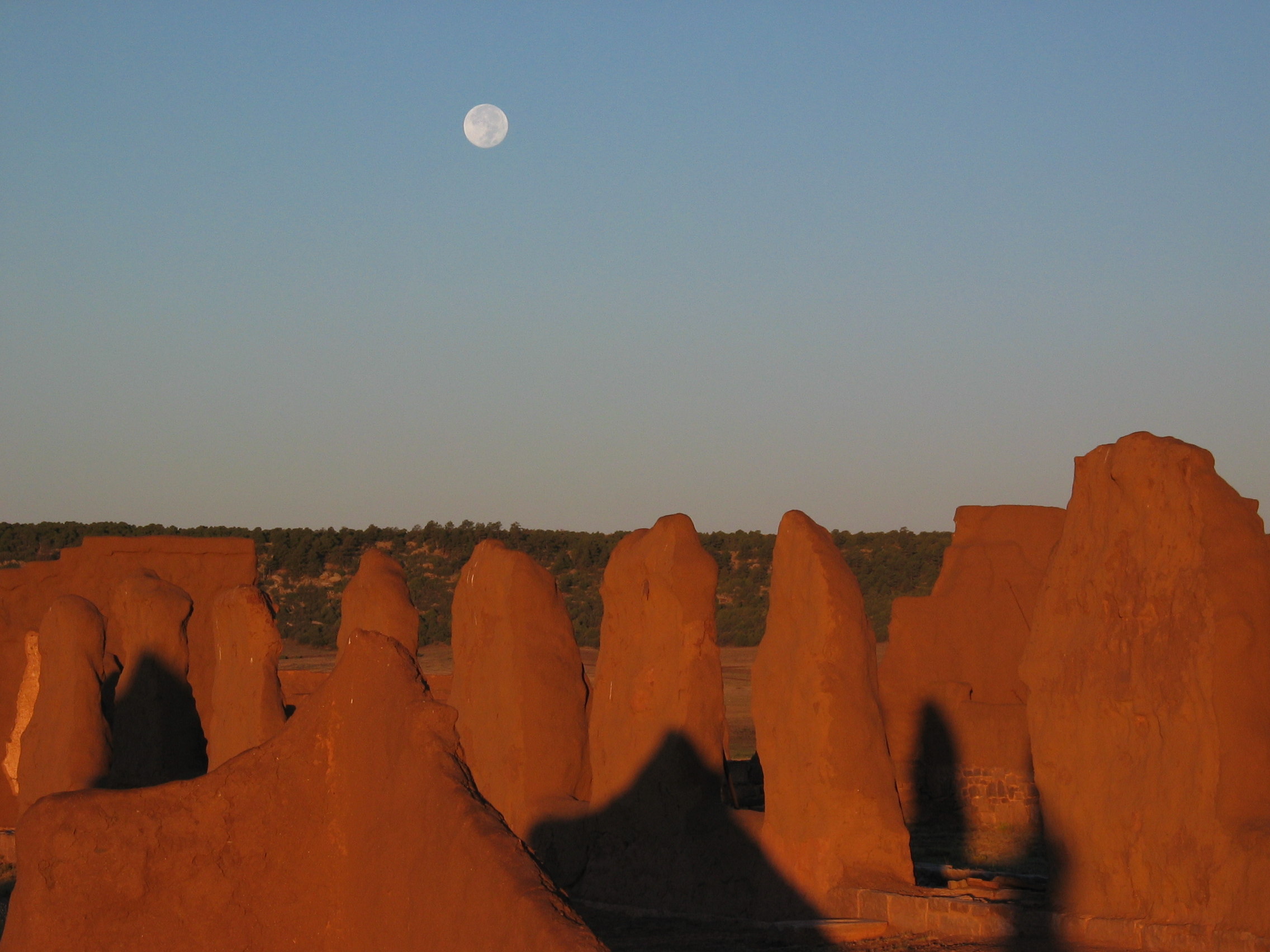
Fort Union National Monument: our verdict
Fort Union National Monument offers a substantial historical experience on New Mexico's shortgrass prairie.
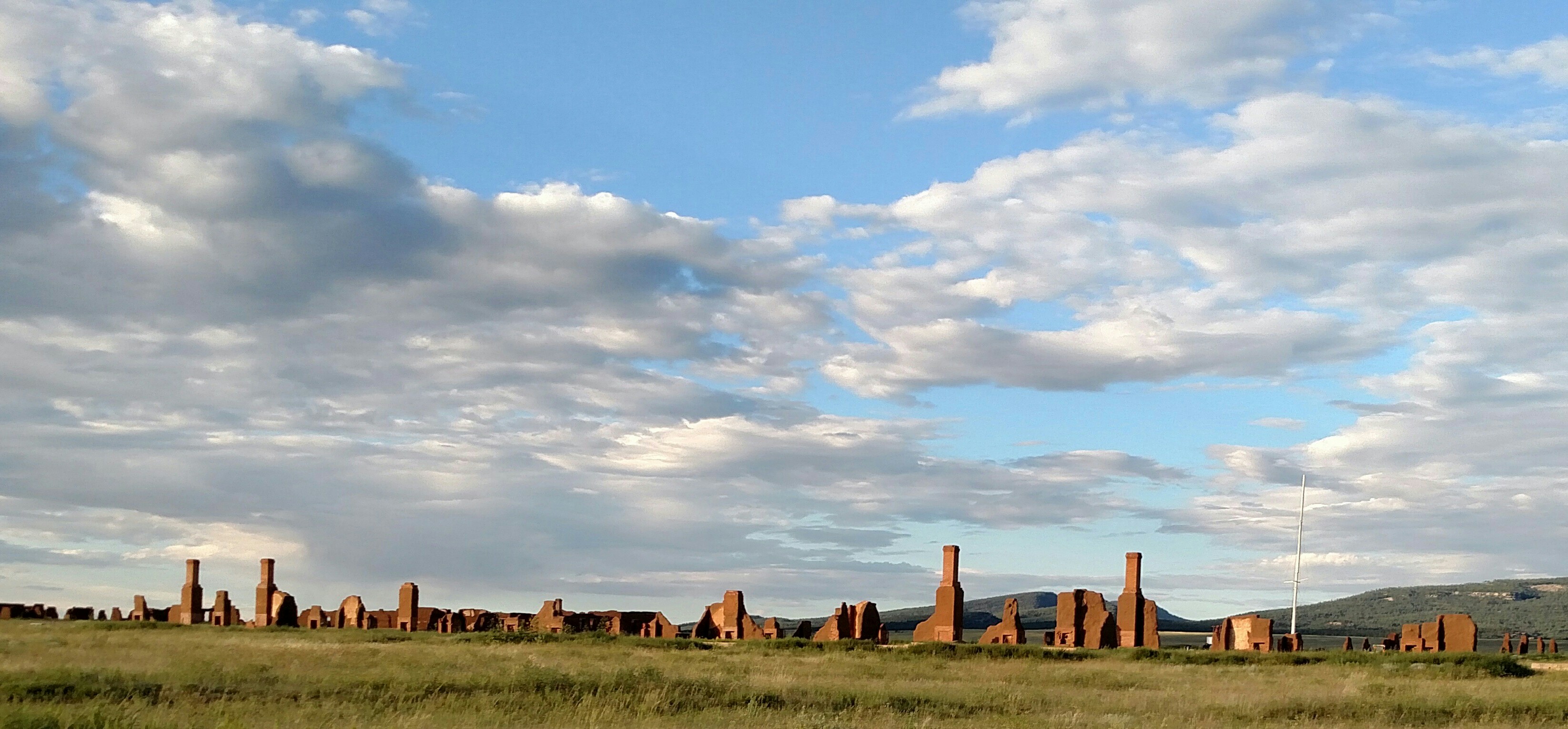
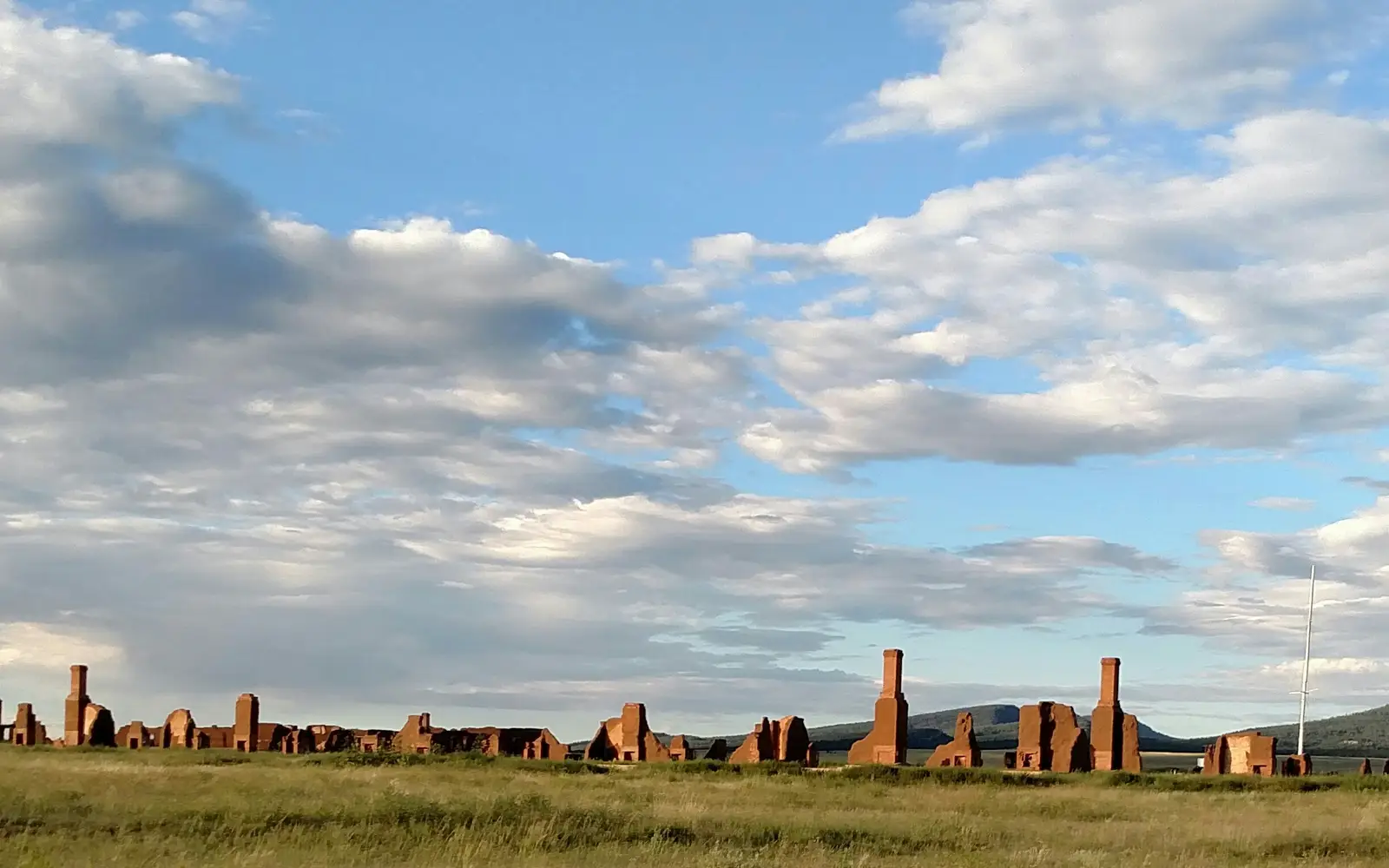
At nearly 6,800 feet elevation, it preserves the largest 19th-century military fort ruins in the American Southwest. The self-guided walk through extensive adobe walls and earthworks demonstrates the scale of this 1851-1891 military, supply, and cultural crossroads. The ruins are genuinely impressive. This is not a manicured or heavily interpreted park; the operating hours are limited. The site rewards visitors with an existing interest in the Santa Fe Trail, frontier military life, or New Mexico territorial history. Casual sightseers may find its austere nature challenging. Admission is free, making it an accessible historical stop for those traveling through the region.
Why visit
A visit to Fort Union appropriately begins at the visitor center for orientation before proceeding to the walking tour of the ruins. The adobe walls, though crumbling, retain a substantial presence, effectively conveying the fort's original scale. When scheduled, living history programs and historic weapons demonstrations animate the site, linking the physical structures to the historical garrison. The Junior Ranger program provides a structured activity for families. The surrounding shortgrass prairie and the distinct Santa Fe Trail ruts visible in the landscape contribute a rare layer of authenticity. The park store and bookstore offer commendable resources for further regional study.
Who it suits
Fort Union delivers a rewarding experience for those keen on the Santa Fe Trail, frontier military history, or the territorial Southwest. Its focused historical offerings suit a specific visitor. Families with children can engage with the Junior Ranger program and living history events. However, individuals prioritizing scenic recreation or diverse hiking opportunities will find limited appeal. This site functions as a distinct historical monument, not an expansive outdoor park.
Timing your visit
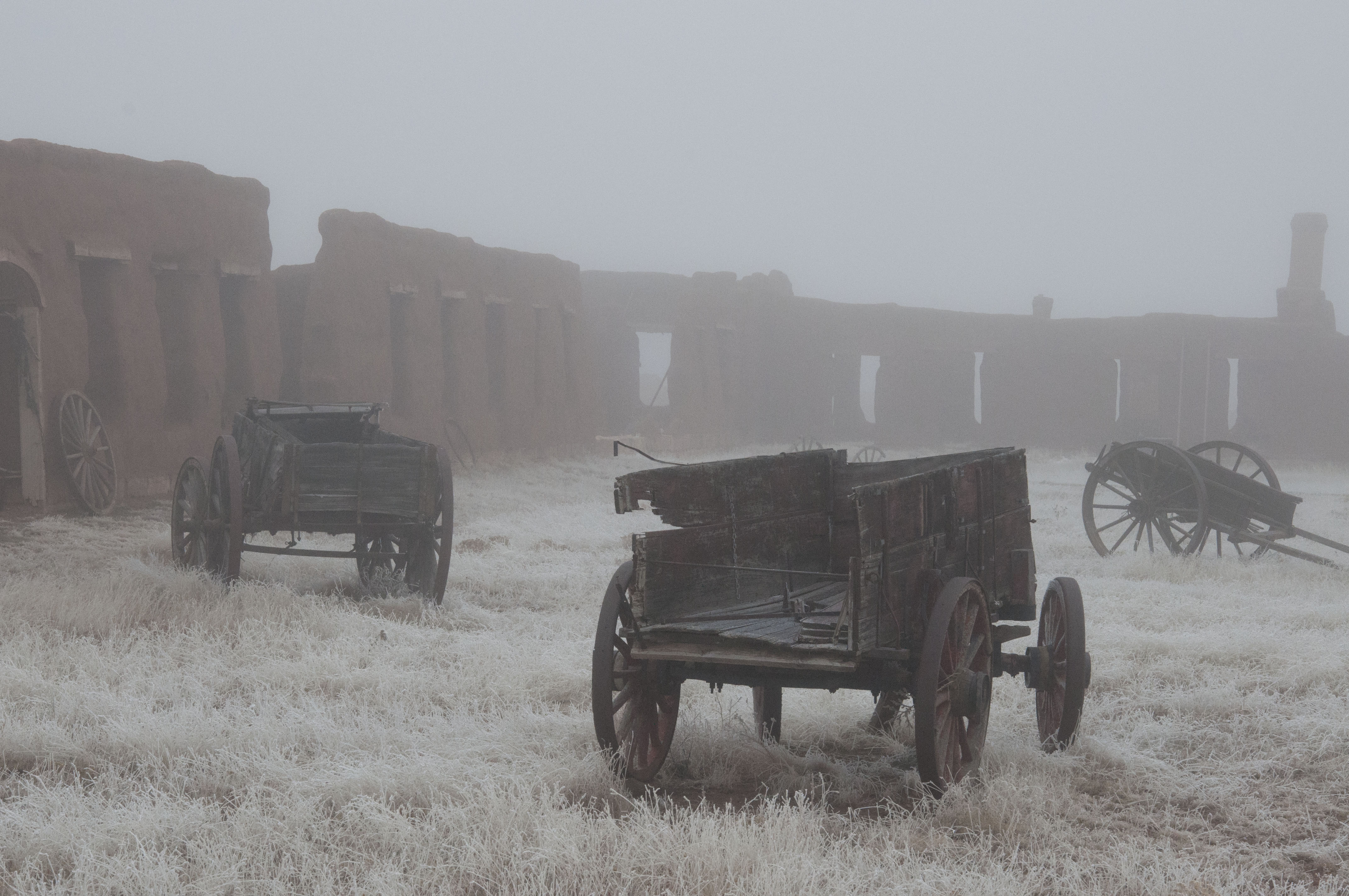
Late spring, particularly May and early June, presents the optimal balance of mild temperatures and sparse visitation. Summer travel is feasible, though daily temperatures routinely surpass 90 degrees Fahrenheit across the open prairie. An arrival time of 8 AM is therefore strongly recommended. Winter brings sub-freezing conditions and the possibility of snow. However, for photographers equipped for cold weather, the ruins under a light snow cover offer striking visual opportunities.
What stands out
- Walking among the largest surviving 19th-century adobe fort ruins in the Southwest
- Visible Santa Fe Trail wagon ruts preserved in the surrounding prairie landscape
- Scheduled living history programs and historic weapons demonstrations
- Free admission with no reservation required
- Junior Ranger program providing structured engagement for younger visitors
- A well-stocked bookstore for deeper context on the trail and territorial New Mexico
Good to know
Admission is free, with daily hours from 8 AM to 4 PM. This earlier closing time necessitates careful planning. The monument is closed on Thanksgiving, Christmas, and New Year's Day. Visitors engaging with the walking tour should prepare for open, largely unshaded terrain at nearly 6,800 feet. Ample water and sun protection are essential, regardless of season.
Insider tipTo make a visit genuinely memorable, particularly for families, confirm scheduled living history or weapons demonstrations. These events are not daily occurrences. Timing a trip around one transforms the experience from a quiet ruin walk into something far more engaging.