
Is Fort Davis National Historic Site worth it?
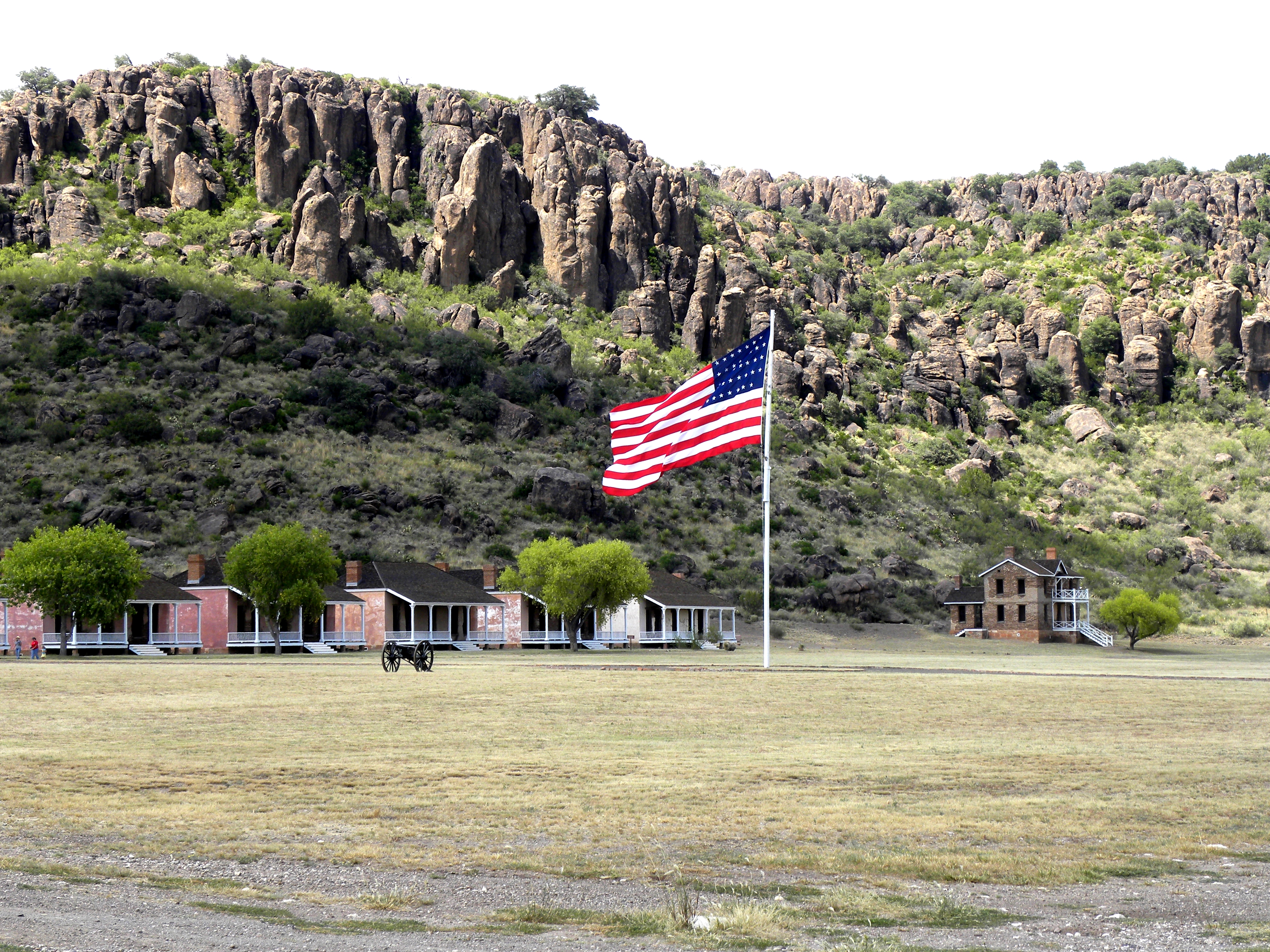
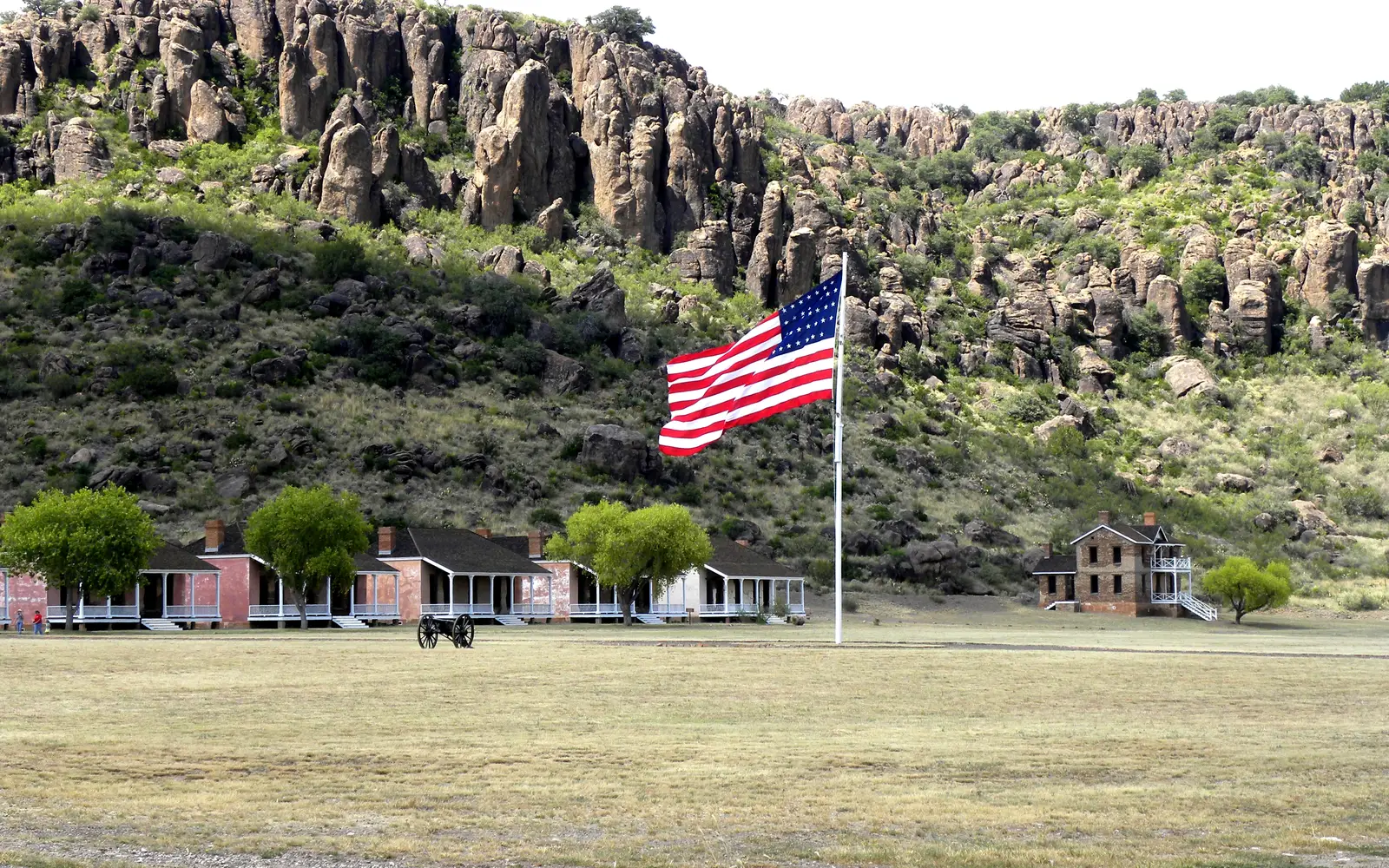
Fort Davis National Historic Site is one of the most intact frontier military posts remaining in the American Southwest, and that authenticity is its core appeal.
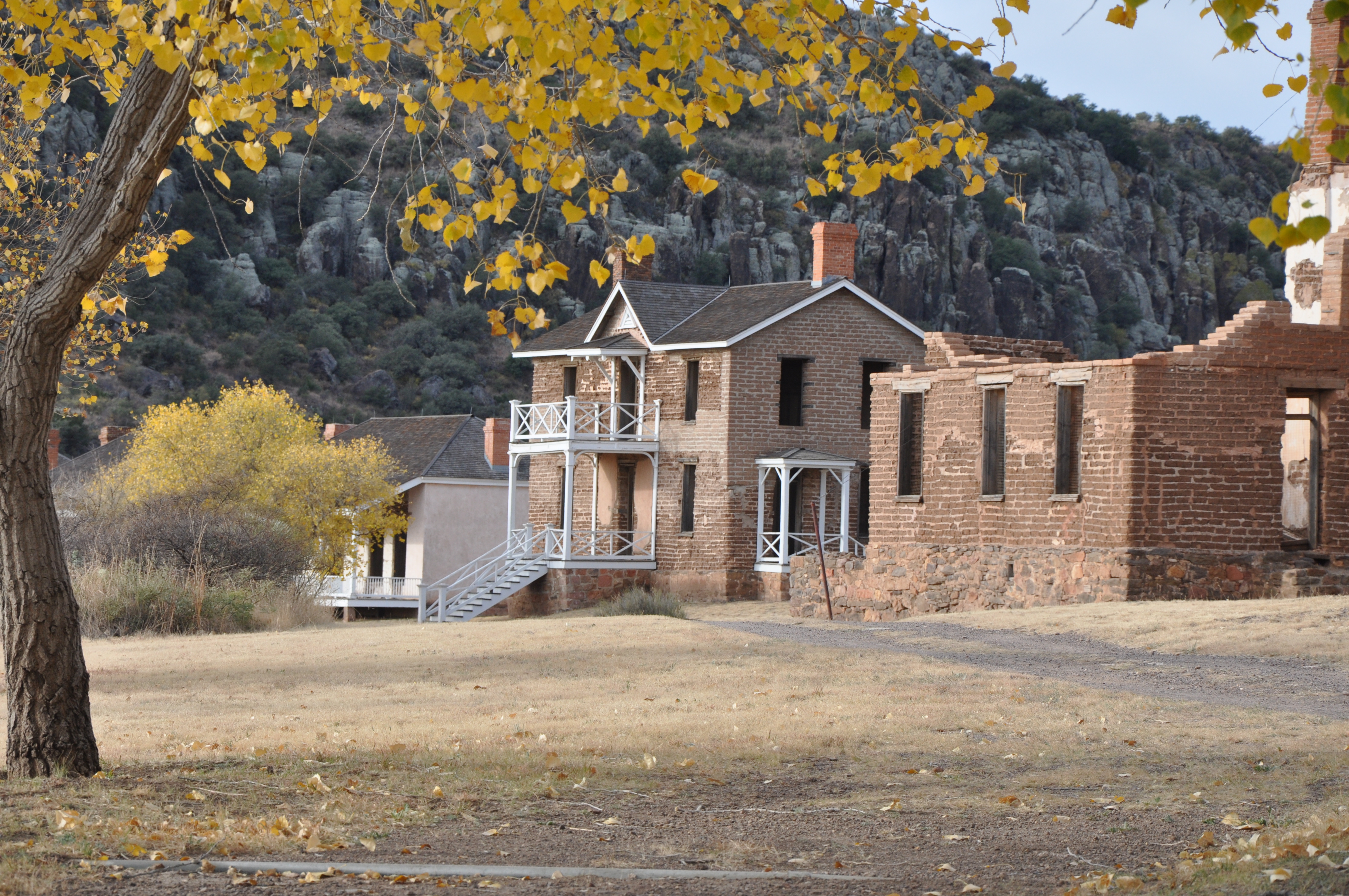
This was a working Army installation from 1854 to 1891, positioned to protect wagon and mail routes through the harsh Trans-Pecos region of West Texas, and the physical remains make that history feel genuinely tangible. A visit here is not a passive museum trip - you can walk through restored and stabilized stone buildings, catch living history demonstrations including historic weapons, and hike into the surrounding landscape. At $10 entry and a solid mix of guided and self-guided options, it punches above its weight for a half-day or full-day stop. It is a niche destination by definition, but for history-minded travelers, families willing to engage with the Junior Ranger program, and birders passing through West Texas, it delivers real substance.
The case for it
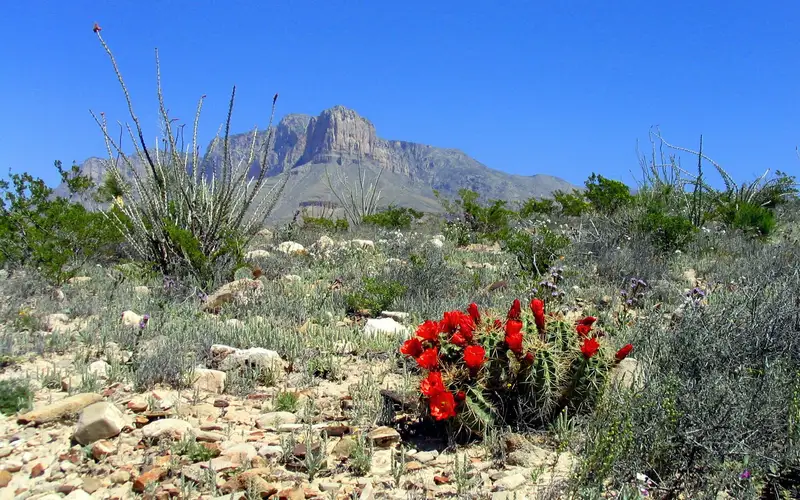
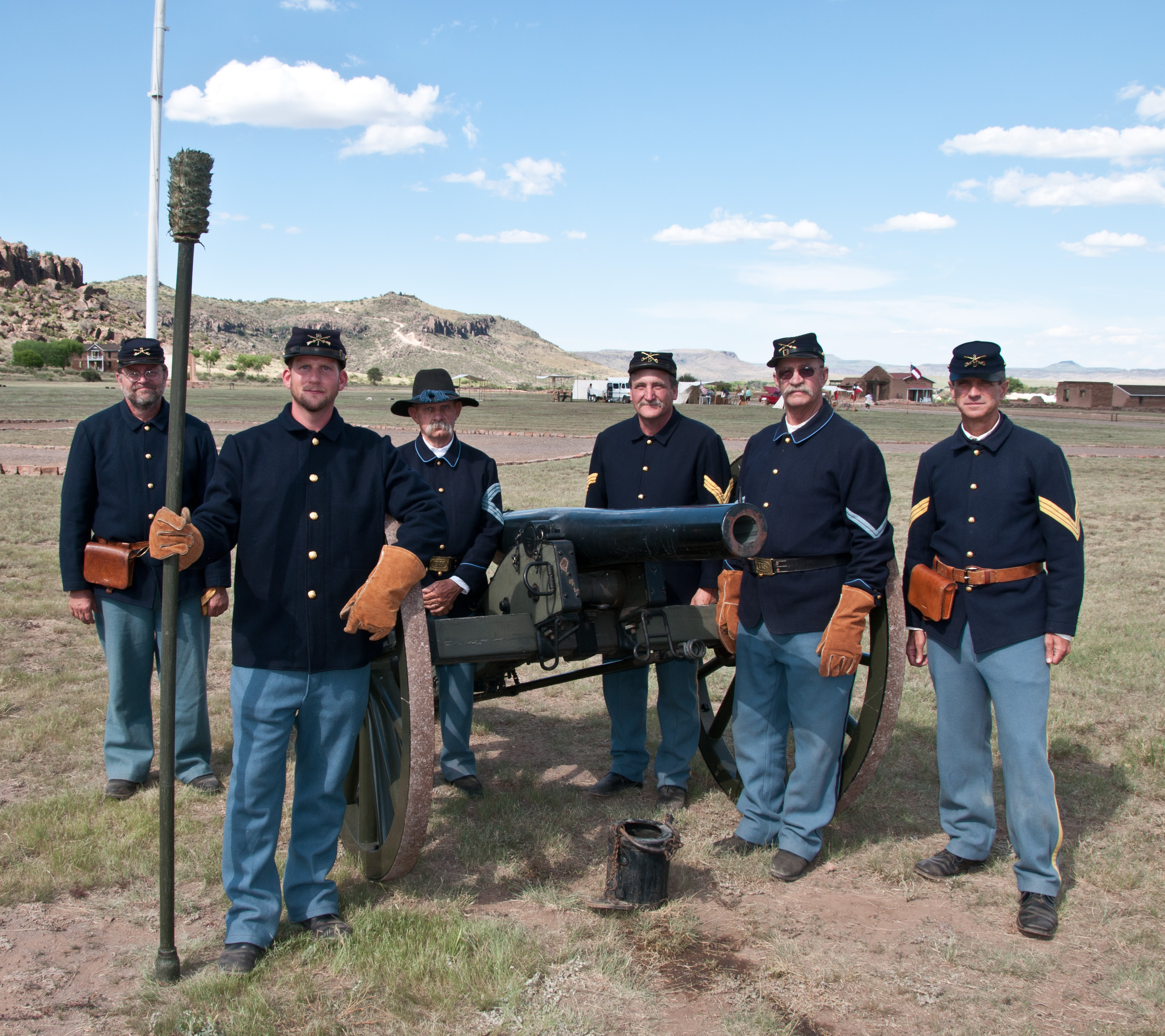
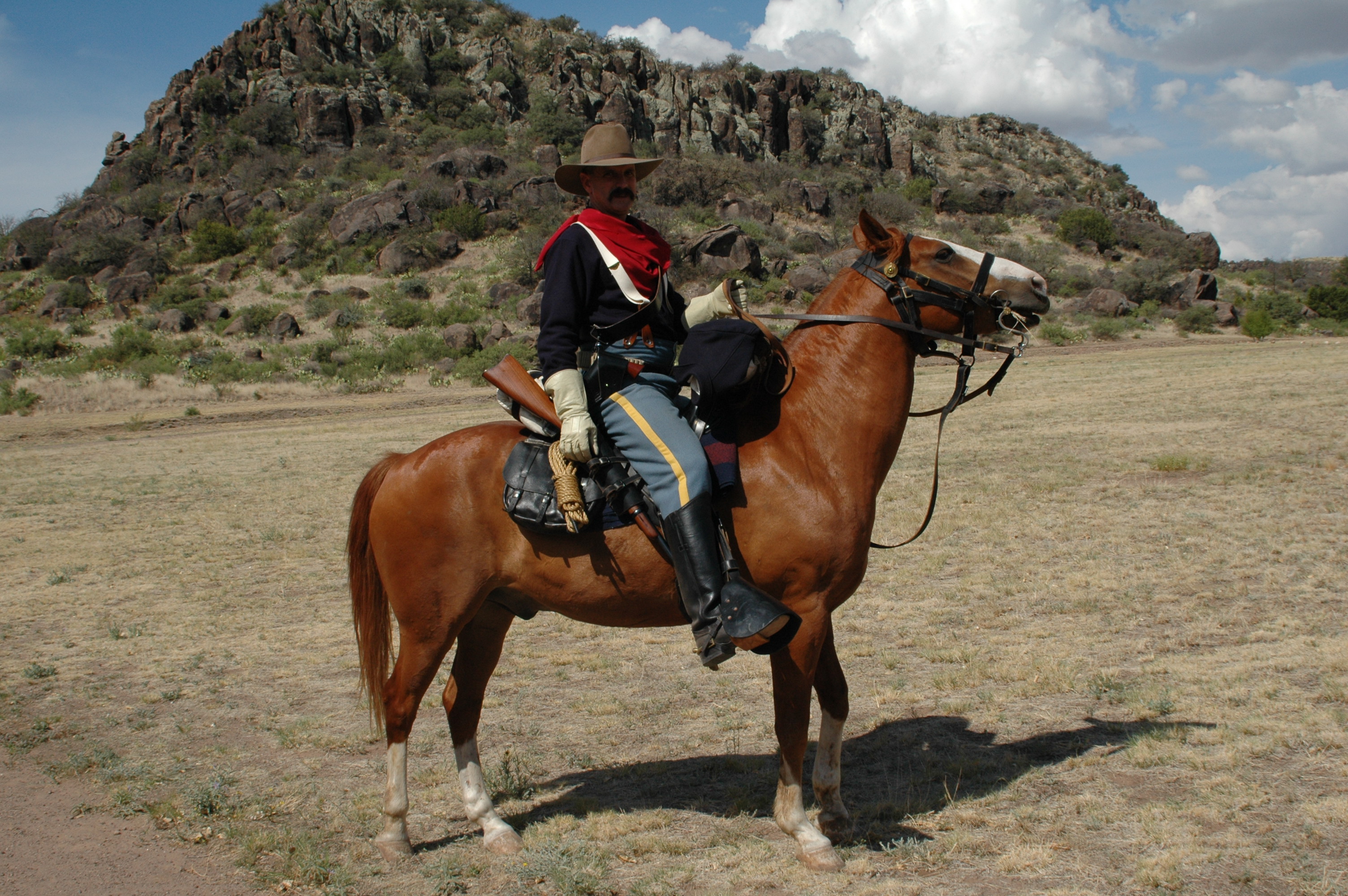
A good day at Fort Davis starts with the park film to orient yourself, then moves into the museum exhibits before stepping out to walk the grounds at your own pace. The combination of self-guided and ranger-guided tours means you can go deep or keep it light depending on your group. Living history programming and historic weapons demonstrations bring the Buffalo Soldiers and frontier Army era to life in ways that static exhibits cannot. The surrounding terrain also rewards birdwatchers and hikers, with both front-country and backcountry hiking available. Pack a lunch and use the picnic area - the high-desert setting in the Davis Mountains is genuinely scenic, and the elevation keeps summer temperatures more manageable than the surrounding lowlands. The bookstore and gift shop round out the visit without feeling like a cash grab.
Who it is for
This unit offers genuine rewards for history enthusiasts interested in the American West, the Indian Wars era, or Buffalo Soldier history. Families with curious children will appreciate the Junior Ranger program and hands-on demonstrations. Birders and hikers traversing the Davis Mountains should consider a stop. However, travelers prioritizing dramatic scenery or seeking primarily outdoor adventure will find less here. For those visitors, nearby Big Bend provides a more suitable destination.
Best time to visit
Optimal visitation periods are spring and fall, offering mild temperatures, moderate wind, and active wildlife viewing. Summer highs approach 95 degrees; however, Fort Davis's elevation tempers the West Texas heat, making mornings viable. Winter overnight lows can reach 20 degrees. The site observes closures on federal holidays. Consult the calendar for January or February travel.
Worth seeing
- Living history demonstrations and historic weapons programs that recreate frontier Army life
- One of the best-preserved Indian Wars-era military post complexes in the Southwest
- Guided and self-guided tour options across restored and stabilized historic structures
- Front-country and backcountry hiking in the Davis Mountains landscape
- Birdwatching and wildlife watching in a high-desert setting
- Junior Ranger program that gives kids a structured and engaging way through the site
Before you visit
The $10 per person entrance fee grants daily access from 8 AM to 5 PM. Closures are observed on Thanksgiving, Christmas, New Year's Day, and Martin Luther King Jr. Day. Located in a remote West Texas region, the park requires visitors to plan logistics carefully. Fort Davis, the nearest town, offers limited services. Fuel and provisions should be secured before arrival; distances between population centers are significant. This is a destination for the prepared traveler.
Our tipSeasonal programming varies. If specific demonstrations are your objective, confirm availability before travel. They are not guaranteed daily.