Is Fern Ridge Lake worth it?
Fern Ridge Lake is a working reservoir and a recreation hub outside Eugene, Oregon.
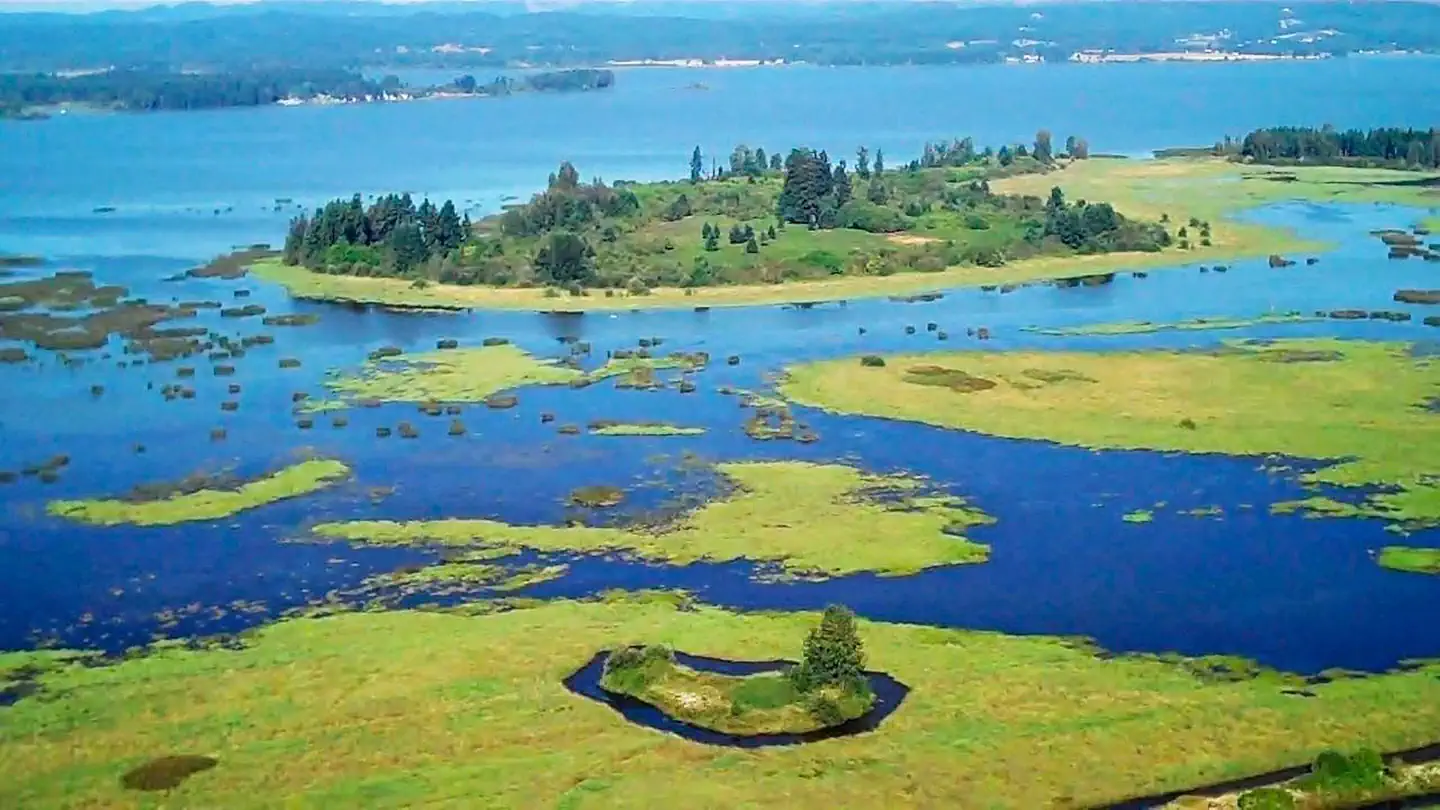
Managed by the Army Corps of Engineers, it holds status as a National Park Service affiliated unit. This is not a wilderness escape. It is also not a landscape destination in the classic national park sense. Instead, it offers a well-rounded outdoor playground centered on a large lake and its extensive wetlands. Free access, proximity to a major city, and a mix of boating, fishing, camping, hiking, and significant wildlife habitat establish it as a regional asset. For those traveling through the Willamette Valley or based in Eugene, seeking a full day or weekend on the water with genuine wildlife viewing opportunities in the wetland margins, this location delivers. Expect a busy, community-oriented atmosphere on summer weekends. Solitude is not the draw.
The case for it
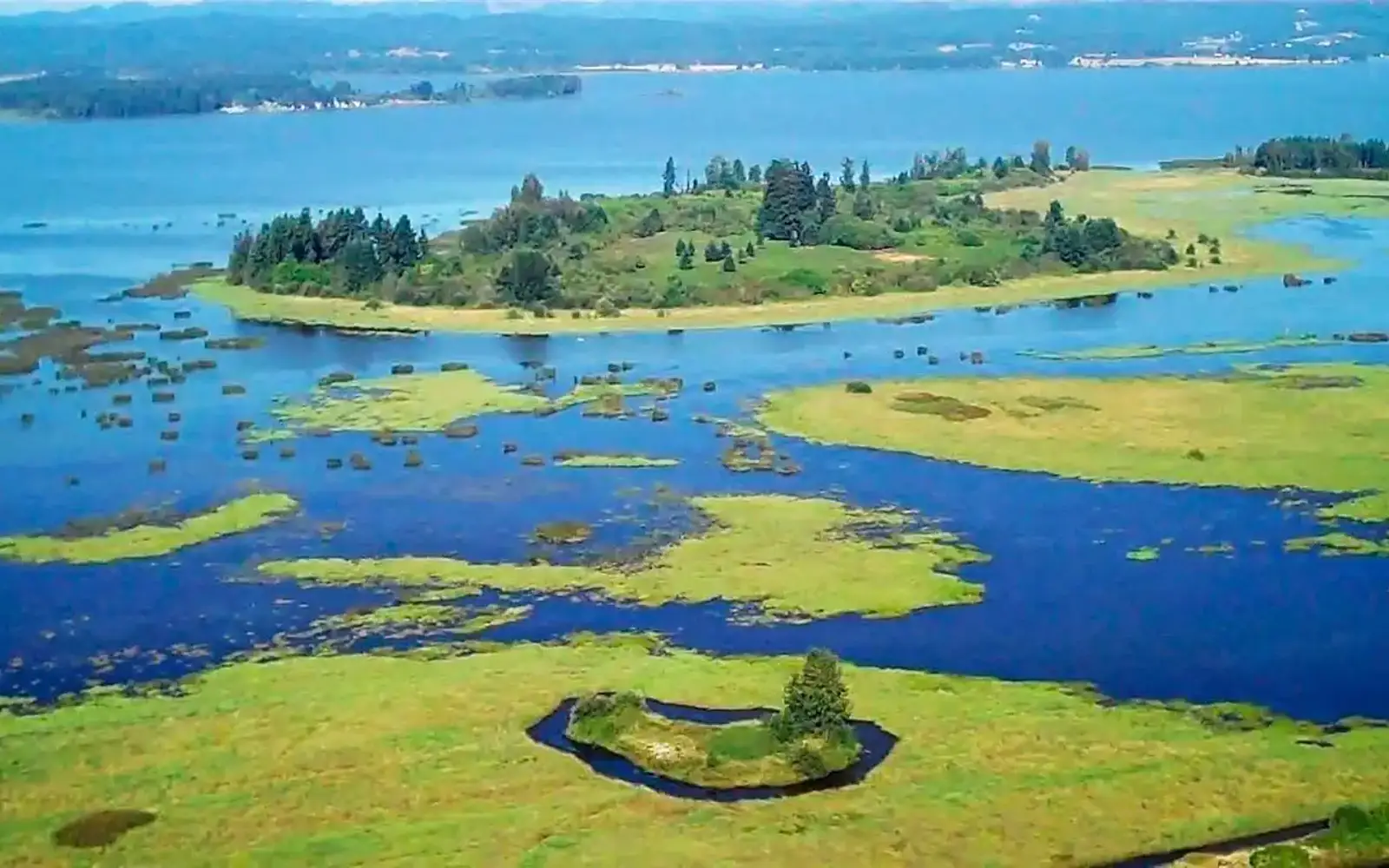
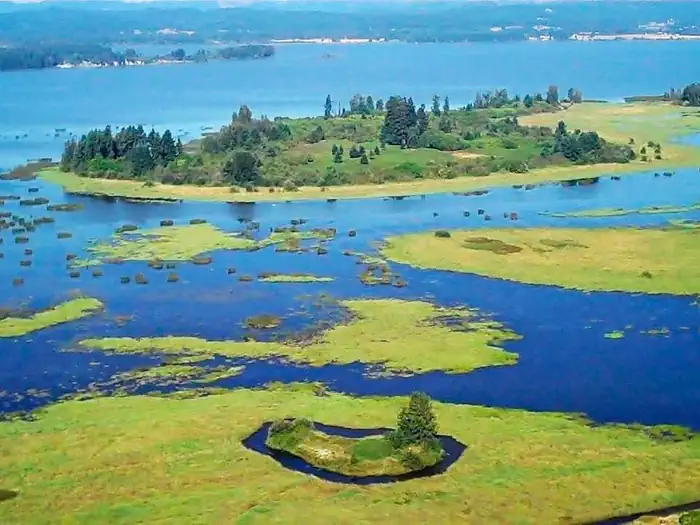
Fern Ridge Lake offers a compelling draw for water recreationists, with expansive surface area accommodating sailing, power boating, and waterskiing. Multiple access points prevent congestion for anglers and paddlers. The lake's extensive wetland fringes are a significant highlight, supporting wintering waterfowl and diverse wildlife. This makes the area particularly valuable for birders and wildlife photographers during peak seasons. Hikers can explore the shoreline and wetland perimeters. Overnight camping is available via a private concession on the south peninsula. A two-day itinerary, combining an afternoon on the water, an evening at camp, and an early morning wildlife walk, is a practical and rewarding option for those seeking a more immersive experience.
Who it is for
This unit caters directly to water sports enthusiasts, anglers, and birders focusing on waterfowl. Families seeking a free, activity-rich day near Eugene will find ample offerings. It serves well for car campers prioritizing easy lake access without a deep drive into the Cascades. Those pursuing backcountry solitude, dramatic scenery, or a traditional national park experience should look elsewhere. Hikers desiring extensive trail mileage will encounter limitations.
Best time to visit
This park is best experienced in the shoulder seasons. Optimal times are spring and early summer, when water temperatures rise but boat traffic remains low. Weekday visits offer a good balance of favorable conditions and fewer crowds. Fall and winter are prime for wildlife, especially wetland birds. Summer weekends draw heavy use from motorized water sports. Casual sightseers should look elsewhere.
Worth seeing
- Open-lake boating with room for sailing, water skiing, and power boating across a large reservoir surface
- Extensive wetland habitat supporting wintering waterfowl and diverse wildlife populations
- Multiple access points and six park sites allowing flexible entry for fishing, picnicking, and day use
- Overnight camping via a private concession on the south peninsula
- Free admission to all public use areas, with no entrance fee barrier
- Playground facilities and specialized sport sites rounding out the family recreation options
Before you visit
Entrance remains free across all public access points. Overnight camping, managed by a private concession on the south peninsula, requires separate booking; confirm availability well in advance for peak summer weekends. For boaters, the presence of a large, active motorized-use lake means personal watercraft and water skiers operate alongside anglers and paddlers. Plan activities and launch times accordingly.
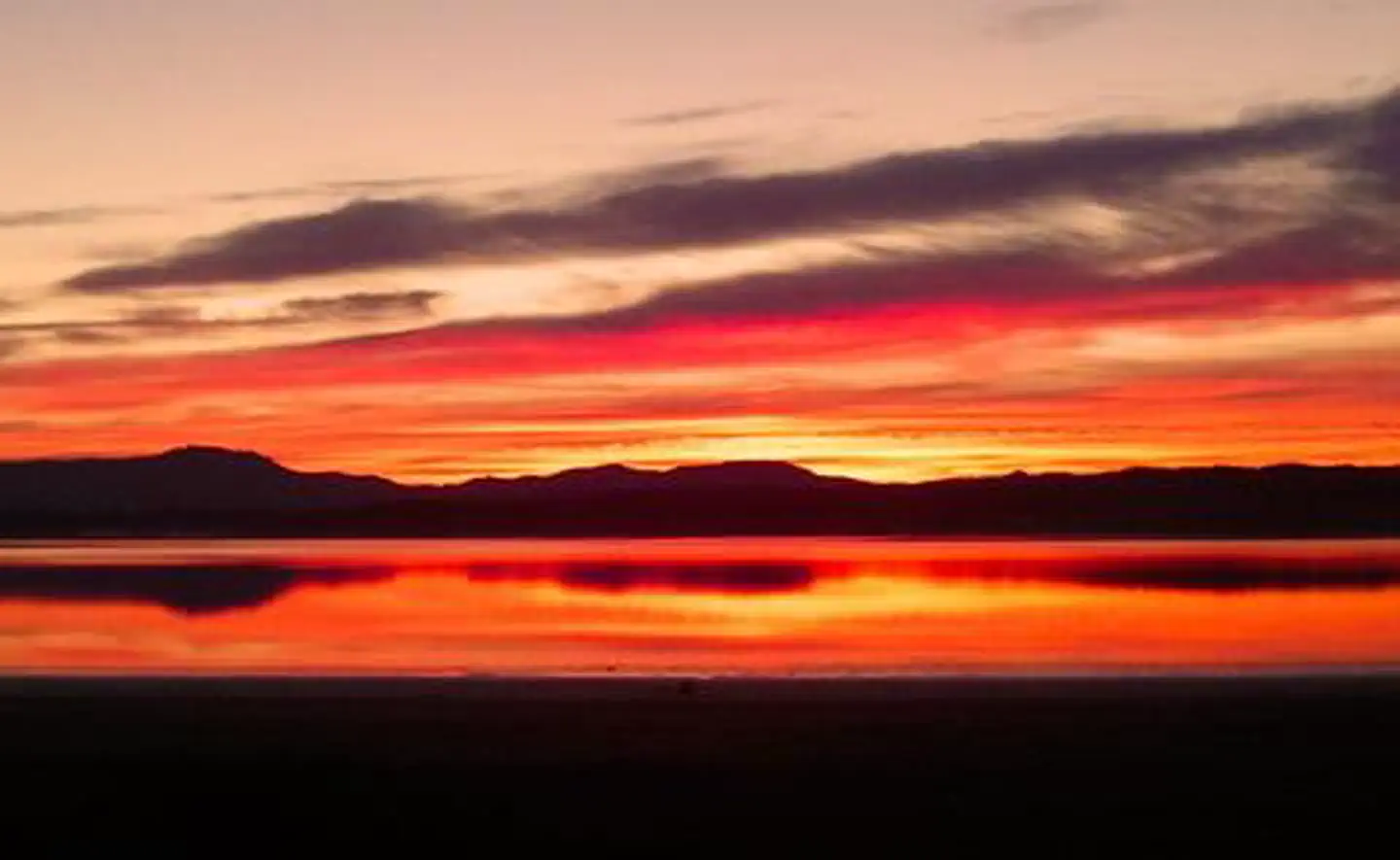
Our tipThis unit rewards those who plan. Wildlife viewing is best experienced at dawn, particularly from October through February when wintering waterfowl are most numerous in the wetlands. Early mornings offer a quiet, undisturbed experience. As the day progresses, motorized boat traffic increases on the open water. This shift means visitors can sequence their day: start with wildlife viewing, then transition to water-based recreation.