589 units scored Refreshed on a schedule Independent, no sponsored rankings
Recreation AreaOR
Diamond Craters Outstanding Natural Area
NPS / Greg Shine, BLM
58/ 100GOOD RANGE
parkverdict Experience ScoreIndependent, not sponsored
58 of 100. Our independent breadth-and-access index. How we score
Worth it?
Is Diamond Craters Outstanding Natural Area worth it?
Diamond Craters presents a striking concentration of basaltic features across 17,000 acres of high desert Oregon.
Its volcanic landscape encompasses craters, cinder cones, lava tubes, a water-filled maar, and driblet spires, all accessible via a compact, driveable loop. Free entry further enhances its appeal. The geological rarity here is significant. A modest experience score of 58 points to limited infrastructure, not a lack of intrinsic interest. For those drawn to raw volcanic terrain and self-guided exploration, Diamond Craters offers substantial rewards.
Who it is for
This unit caters to a specific, adventurous demographic. Geology enthusiasts and photographers will find compelling desert landscapes. Campers prioritizing solitude over amenities are well-suited here. Those seeking developed facilities, maintained trails, or visitor-center amenities will find this destination lacking.
Worth seeing
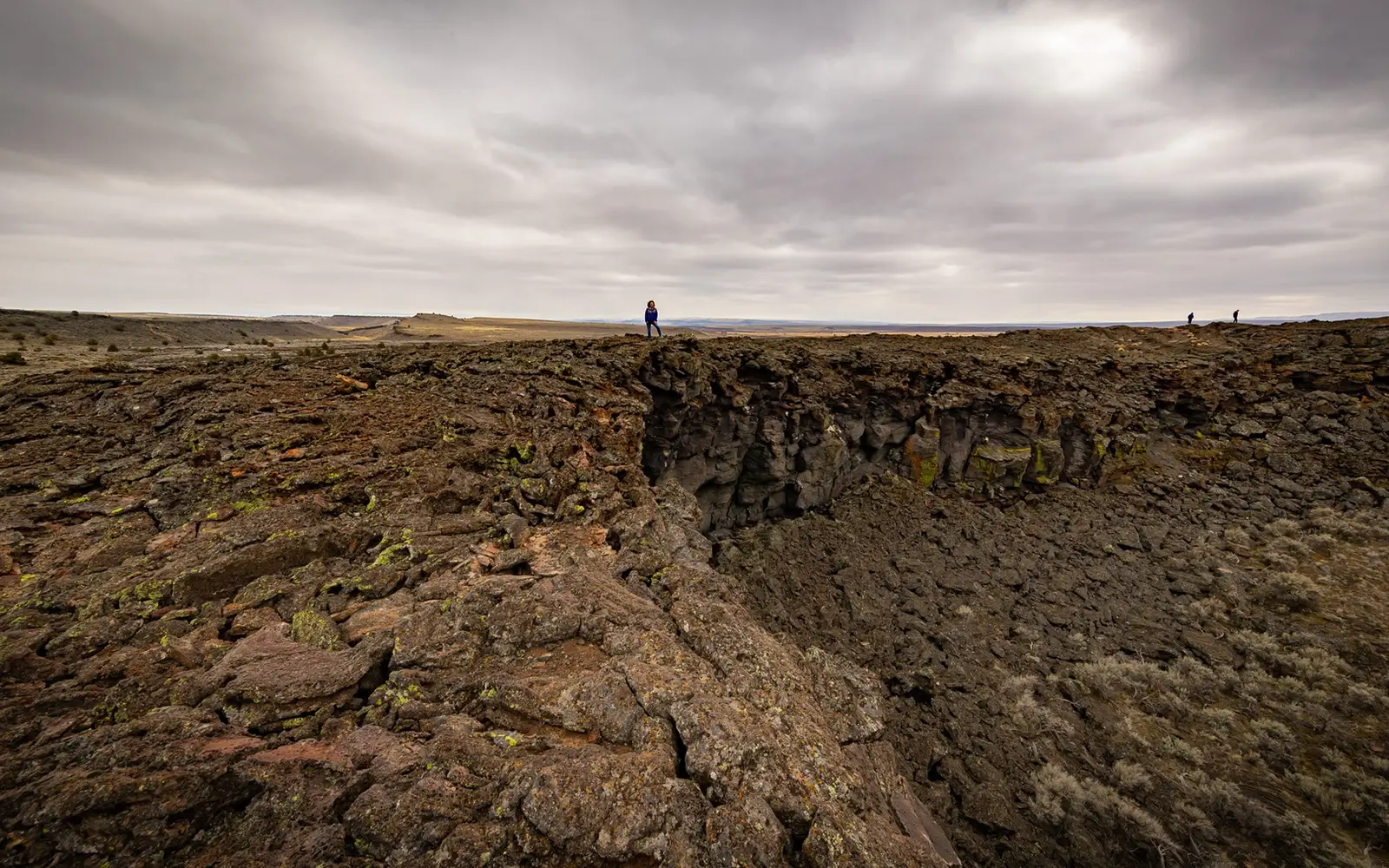
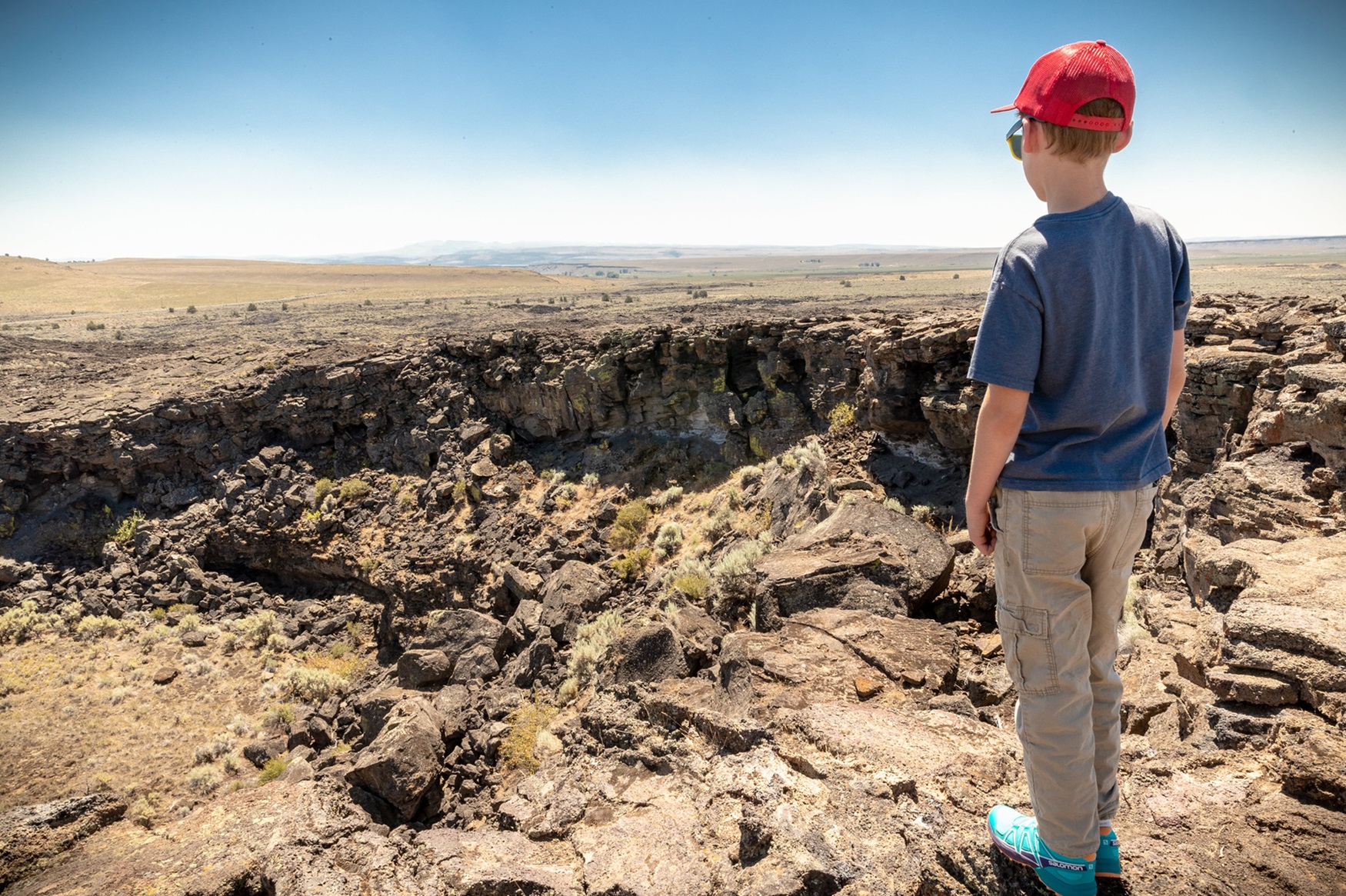
A single accessible area containing craters, cinder cones, lava tubes, spatter cones, and a water-filled maar, representing the full spectrum of basaltic volcanism
Free entry into a genuinely remote and uncrowded high desert landscape
Interpretive programs that give volcanic context most self-guided visitors would otherwise miss
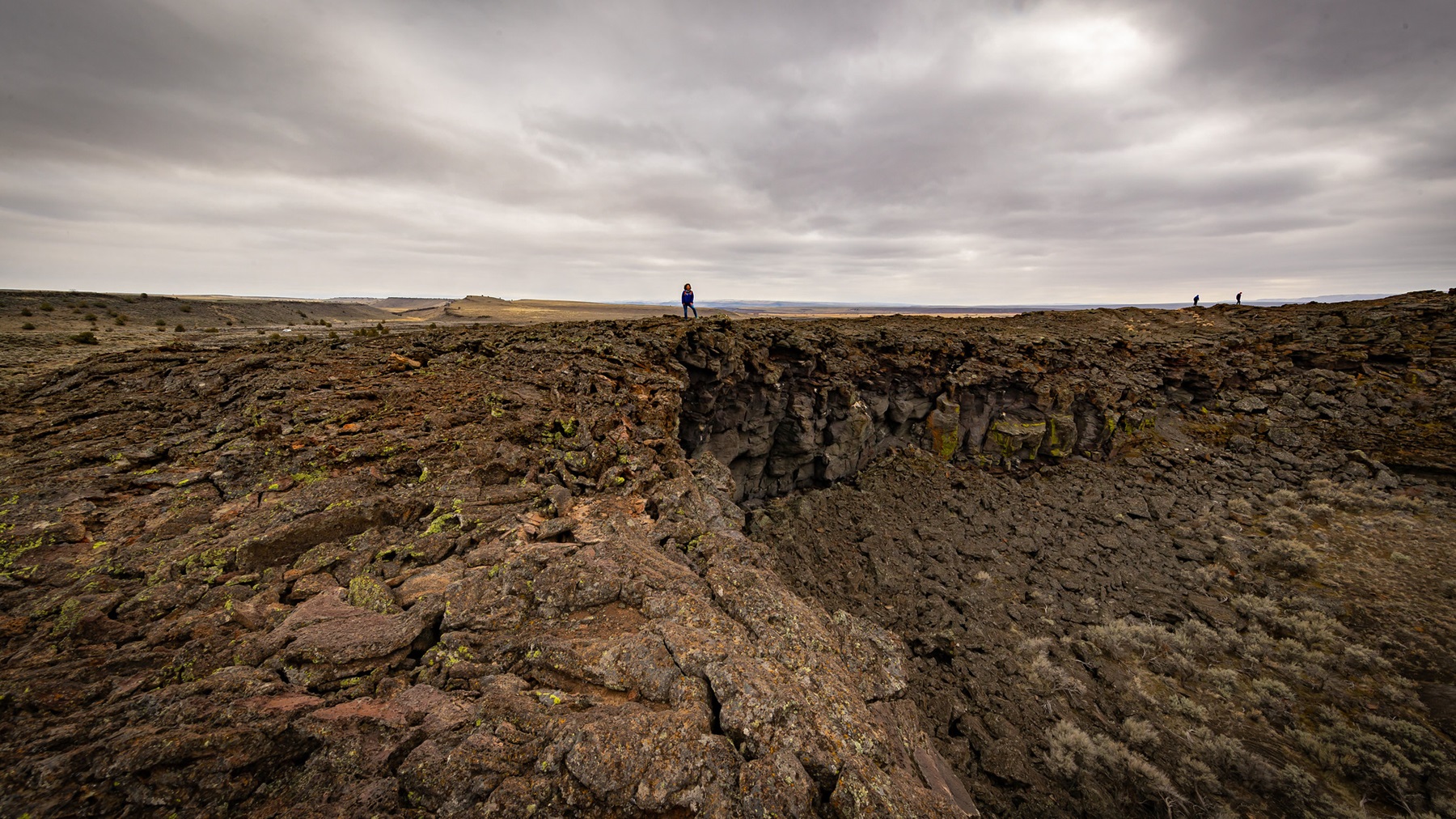
Photography opportunities across surreal, textured lava formations with minimal human infrastructure in frame
Our tipThe loop road offers the primary way to experience the craters. Check road conditions before visiting; high-clearance vehicles navigate rougher sections more comfortably. This geological variety rewards context more than almost any other site in Oregon. Pair your visit with an interpretive program if one is scheduled.
How we scored it
How Diamond Craters Outstanding Natural Area earned its 58
Where does a 58 come from? One formula, run the same on every place we cover, built only from public data on what a unit offers and how reachable it is. It says nothing about how pretty a spot is or how busy it gets. This is what fed it:
Activity breadth5 documented activities
Topic breadth0 topics
Official imagery3 public-domain images
Camping on sitedocumented
Entry costfree
No number is hand-adjusted and no unit pays for placement. The full weights, the floor at 18 and a worked example are on how we score.
The honest limits
What the score cannot tell you
A quick honest note. The score tracks how much a place has going on and how easy it is to reach, both pulled from public records. What it cannot see is the stuff that often makes or breaks a day: whether the views stop you cold, how packed it gets in season, what the trails are like after rain, or whether you catch a great ranger talk. A small, single-focus site can land below a sprawling park here and still be the better call for your trip. Use the number to compare what places offer on paper, and the verdict up top to tell if it is your kind of place.
The park in pictures
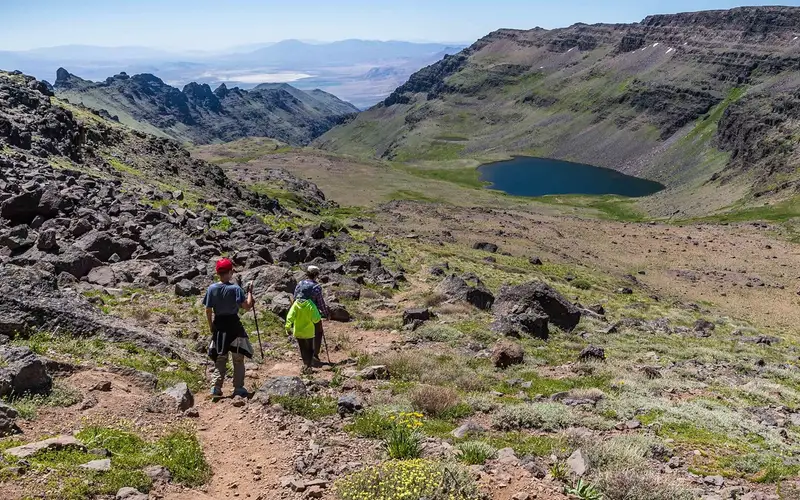
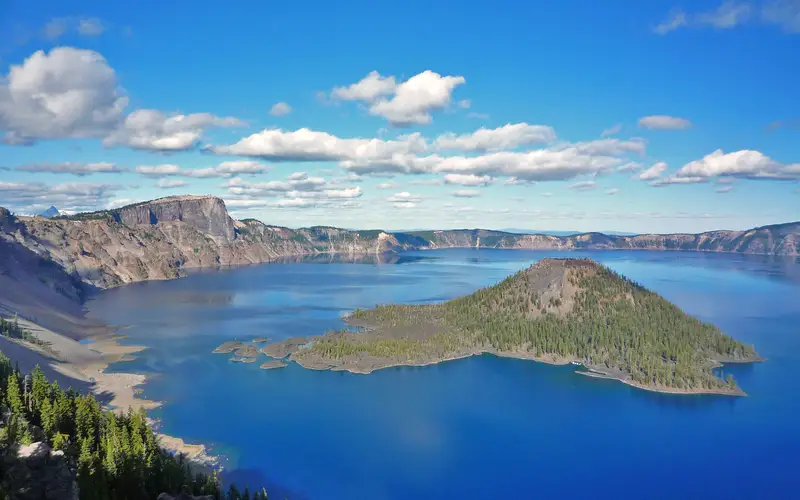
Scenes from Diamond Craters Outstanding Natural Area
Diamond Craters Outstanding Natural Area at a glance
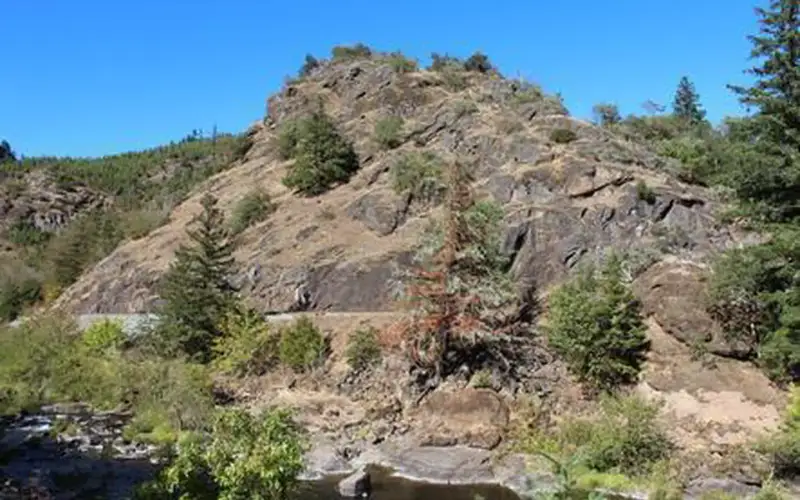
Diamond Craters is a 17,000-acre (23-square-mile) Outstanding Natural Area. It holds a variety of basaltic volcanic features in a small, accessible space. The area shows the full range of eruptions that can happen in basaltic volcanism.
Formed within the last 25,000 years, the landscape looks like a thin, rocky pancake with some bumps. You can find craters, vents, cinder cones, and spatter cones here. There are also lava tubes, driblet spires, a graben, and a water-filled maar.
Thousands of years of volcanic activity created Diamond Craters. It takes only moments to damage its features. The BLM asks for help in protecting this area. Do not destroy or collect plants, animals, or rocks.
There are no restrooms or other facilities. Bring your own water and shelter. Follow Leave No Trace principles: pack it in, pack it out. Keep your vehicle on hard-packed roads and marked parking areas.
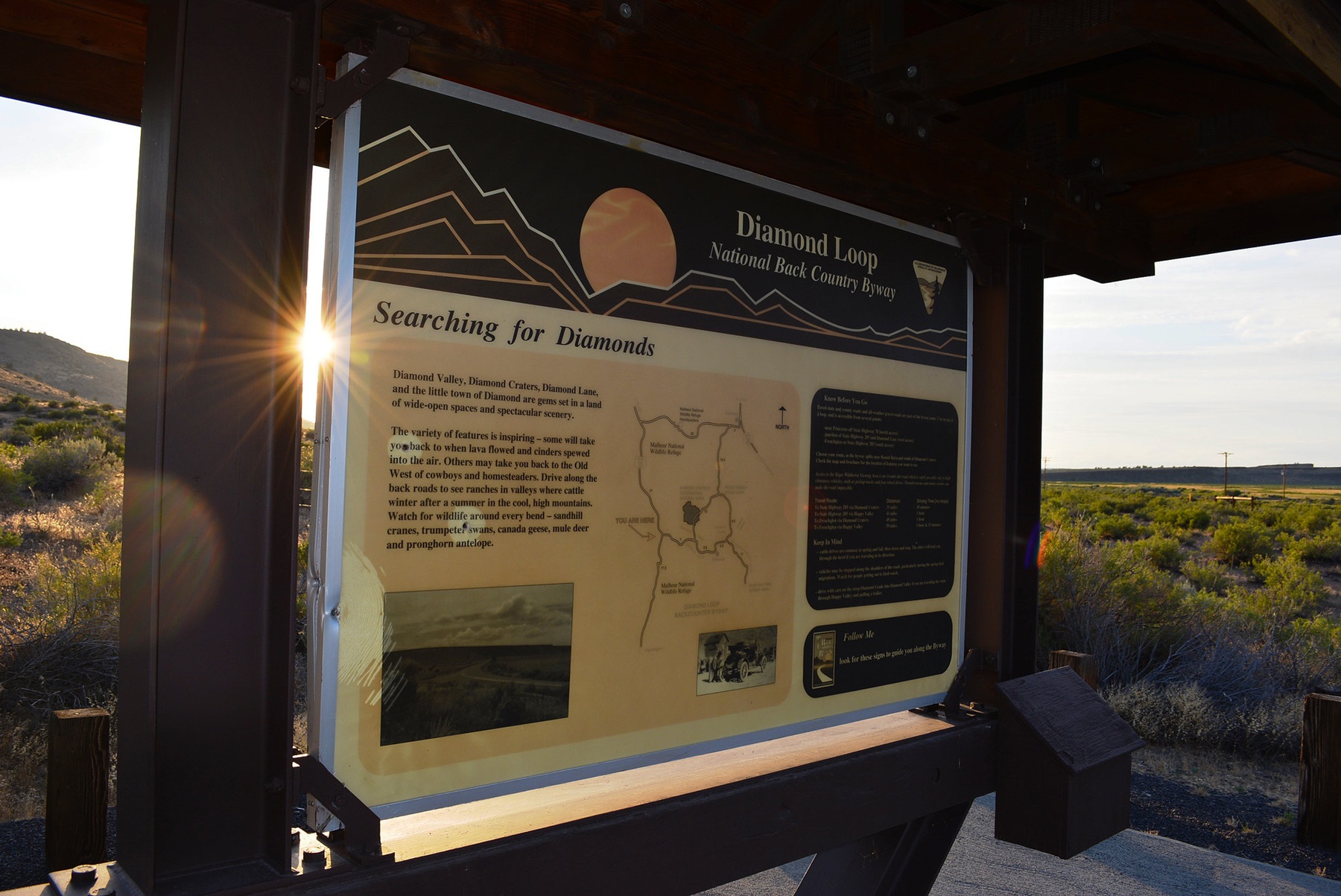
Located in southeast Oregon's high desert, Diamond Craters is distinct from other places in North America.
On documented breadth and access, Diamond Craters Outstanding Natural Area ranks 31st of 45 park and public-land units we score in Oregon.
On offer
Documented activities
CampingInterpretive ProgramsHikingDay Use AreaPhotography
Is Diamond Craters Outstanding Natural Area worth visiting?
Diamond Craters presents a striking concentration of basaltic features across 17,000 acres of high desert Oregon.
Is Diamond Craters Outstanding Natural Area free to visit?
Yes, there is no entrance fee.
What is Diamond Craters Outstanding Natural Area best for?
It leans hardest toward hiking, camping, guided tours, going by the 5 activities it actually documents.
How is the Experience Score for Diamond Craters Outstanding Natural Area calculated?
The 58 comes straight from public data on how much the place documents and how easy it is to reach, things like activities, topics, photos, camping and whether entry is free. It says nothing about scenery or how busy it gets.
Reviewed by Irene A. Taranina, founding editor/Checked against official public data/Published /Updated /Independent, no sponsored rankings
parkverdict is an independent digital publication. Not affiliated with the National Park Service.