Is Civil War Defenses of Washington worth your trip?
The Civil War Defenses of Washington offer a unique historical exploration, comprising 18 scattered fortification sites across D.C., Maryland, and Virginia.
These remnants derive from 68 forts and 93 batteries that, by 1865, made Washington the most heavily defended city globally. The experience varies significantly across these sites. Some feature forested earthworks, allowing visitors to walk original gun emplacements. Others exist as small urban green spaces. All sites offer free entry. This network suits dedicated history enthusiasts, urban hikers, and cyclists prepared to assemble their own itineraries. This is not a conventional park unit with a central visitor center or a singular marquee trail. Expect a city-wide Civil War scavenger hunt, with authentic earthworks as the primary reward. Casual sightseers should look elsewhere.
Why go
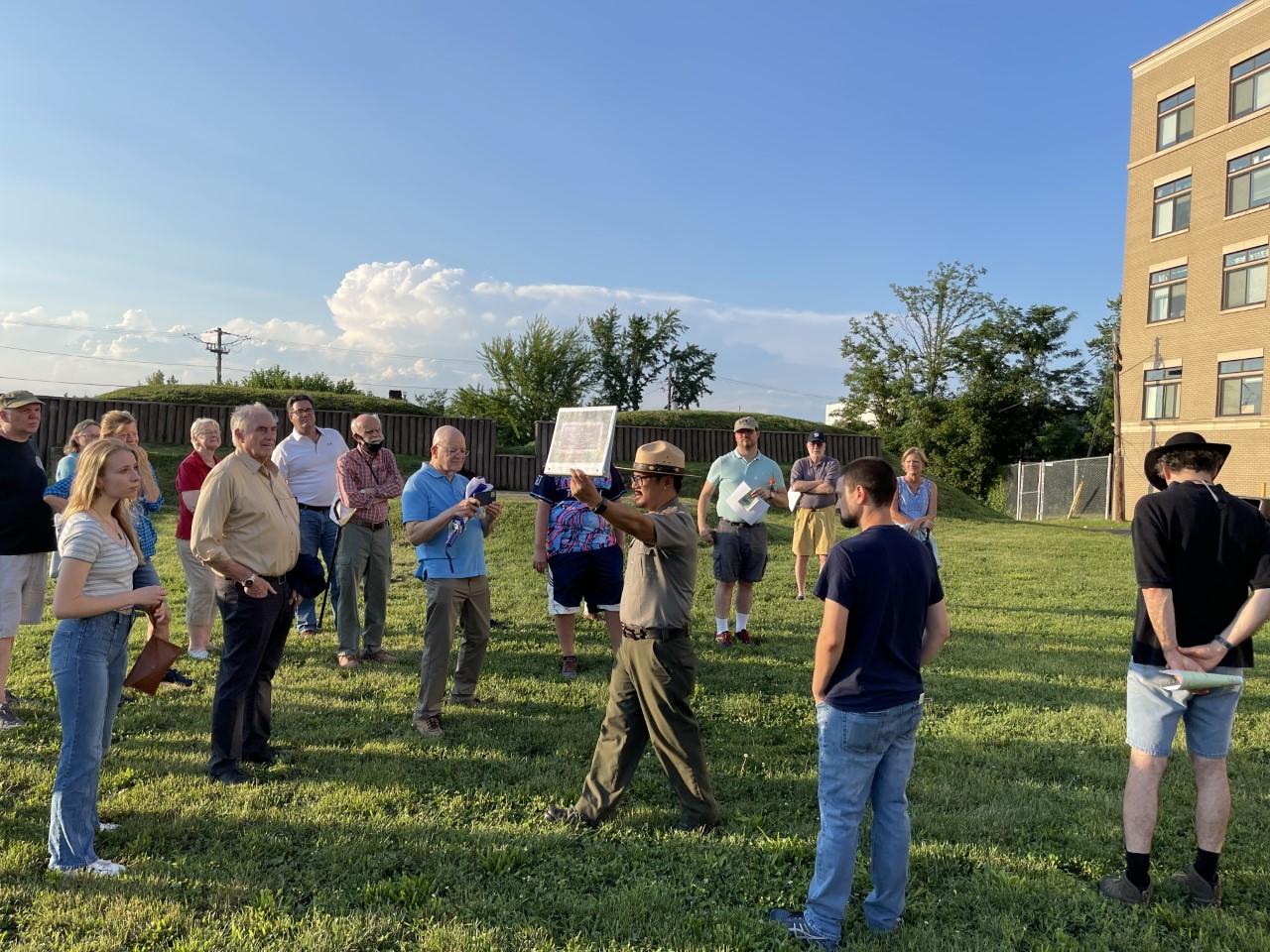
A visit here succeeds when focused on two or three proximate sites, traversed by car or bicycle. The network explicitly supports road biking, mountain biking, and self-guided auto tours, ensuring significant ground can be covered efficiently. Scheduled living history and first-person interpretation events animate the fortifications, offering depth beyond static markers. Wildlife viewing is genuinely possible at the more forested locations, particularly those near Rock Creek Park. Guided tours provide essential context. The Junior Ranger program effectively unifies multiple sites into a structured family adventure. Picnicking facilities allow for extended visits, making an afternoon at a single fort entirely feasible.
Best for
Civil War history buffs, urban cyclists looking for a themed route, and families using the Junior Ranger program will get the most out of this. It also works well for DC residents wanting recurring outdoor time with historical depth. Visitors expecting a single dramatic landscape or a traditional park experience should look elsewhere - this is fragmented by design.
Best season
Spring and fall offer the most comfortable conditions for exploring the park's earthworks by foot or bike. Moderate temperatures and clear sightlines, unimpeded by summer growth, enhance the experience. While summer brings living history events, the heat can be a factor. All sites open daily from dawn to dusk. Early morning visits in summer mitigate both heat and crowds, particularly at urban locations.
The high points
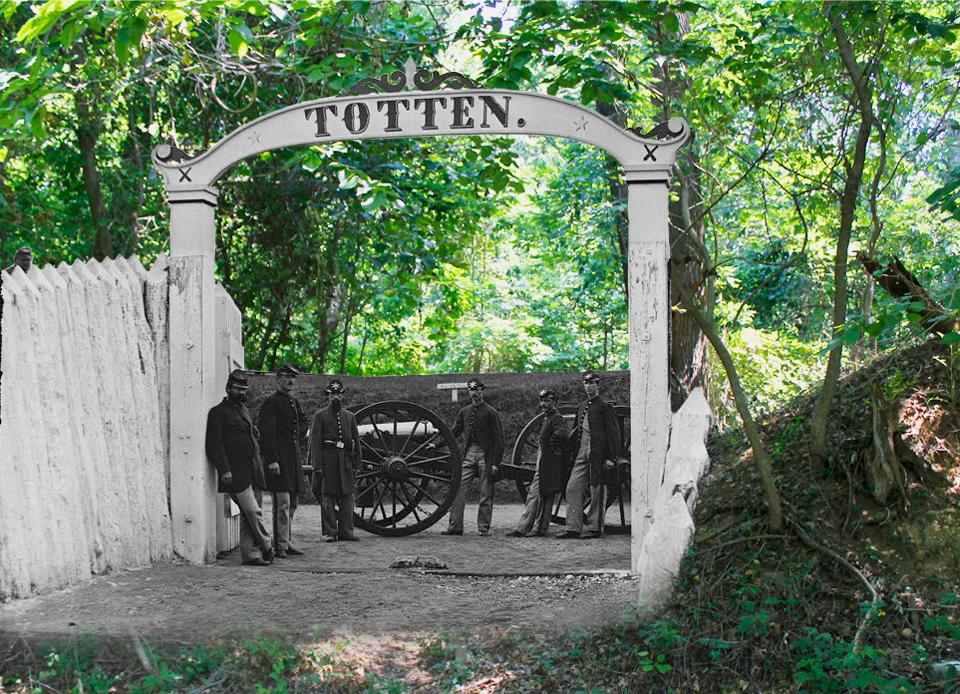
- Walking preserved earthwork gun emplacements at multiple fort sites, physical remnants of the 1860s defensive ring
- Fort Stevens, the only site where a sitting president came under enemy fire during the war
- Self-guided auto and walking tours that let you sequence your own multi-site Civil War itinerary
- Living history and first-person interpretation events that animate the fortifications beyond static ruins
- Biking routes connecting sites through DC, Maryland, and Virginia on road and trail
- Junior Ranger program that turns the scattered network into a structured, kid-friendly multi-stop mission
Know before you go
With 18 sites freely accessible across three jurisdictions, this unit presents a complex but rewarding visitation. Strategic planning is essential. Unstructured exploration will squander time. While sites under Rock Creek Park management operate from dawn to dusk daily, variability in weather and accessibility across the broader network necessitates individual site condition checks. This is not a casual, unresearched day trip.
One more thingPlanning is essential. The provided NPS auto tour map will prove invaluable for efficient navigation. Grouping sites like Fort Stevens, Fort Slocum, and Fort Totten, all located in the northeast D