Is Chamizal National Memorial worth your trip?
Chamizal National Memorial offers a concentrated experience in El Paso, Texas, marking a significant diplomatic resolution between the U.S.
and Mexico. This is not a wilderness park. The memorial’s strength lies in its cultural programming and historical exhibits, which truly define the visit. Its compact urban grounds support walking, biking, and picnicking. The museum exhibits and park film provide substantial historical context. An Experience Score of 76 indicates genuine breadth for a memorial unit. Visitors engaging with the border-culture programming, guided tours, and exhibits will find significant value. Those seeking dramatic landscapes or extensive trail systems should adjust their expectations accordingly.
Why go
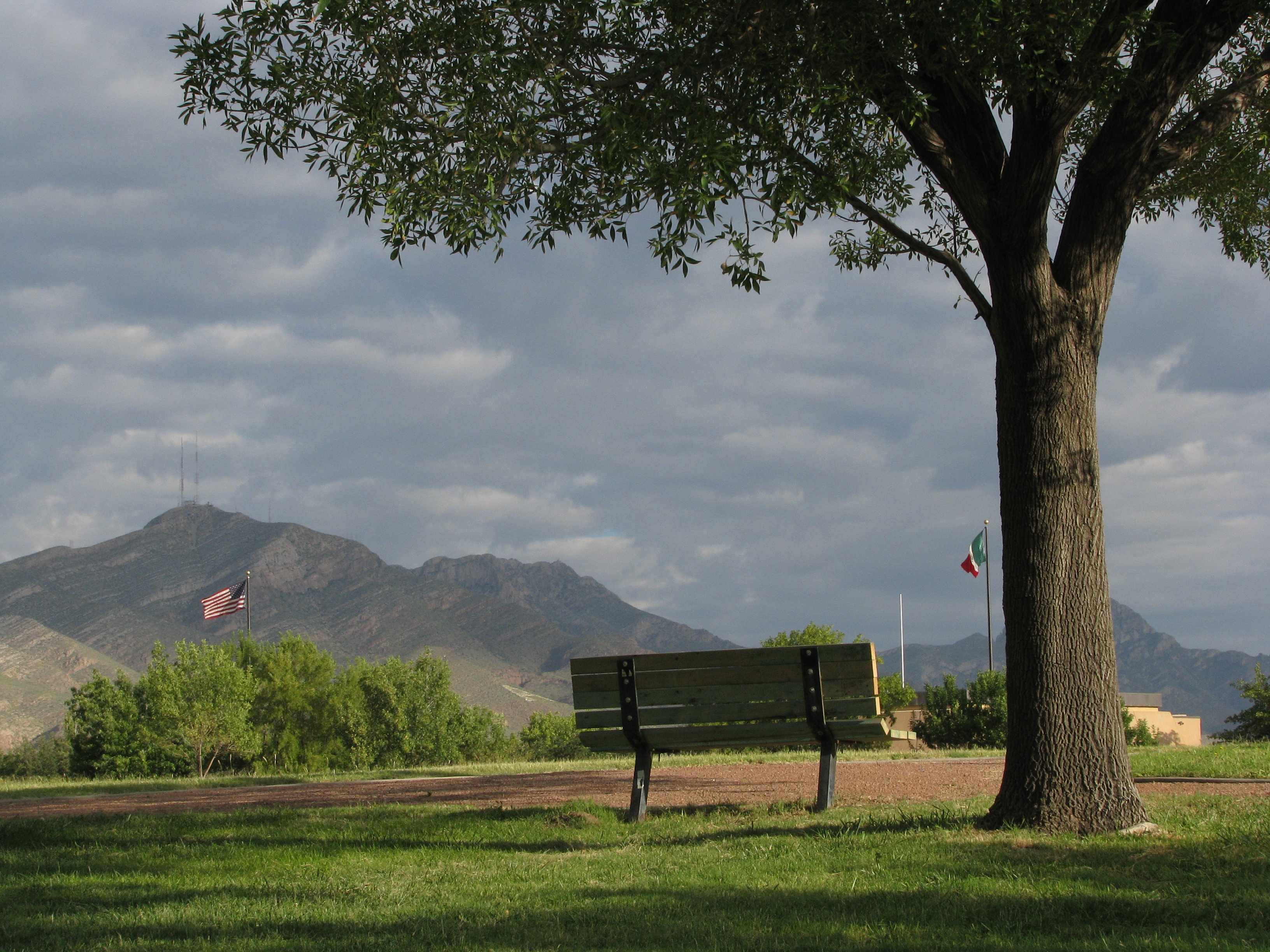
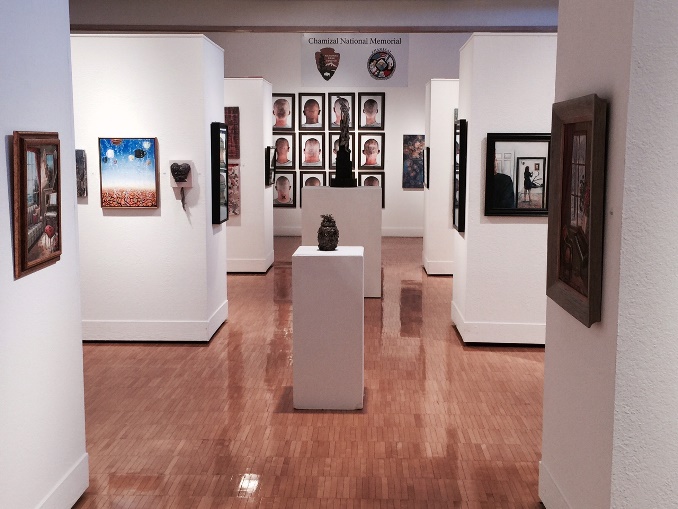
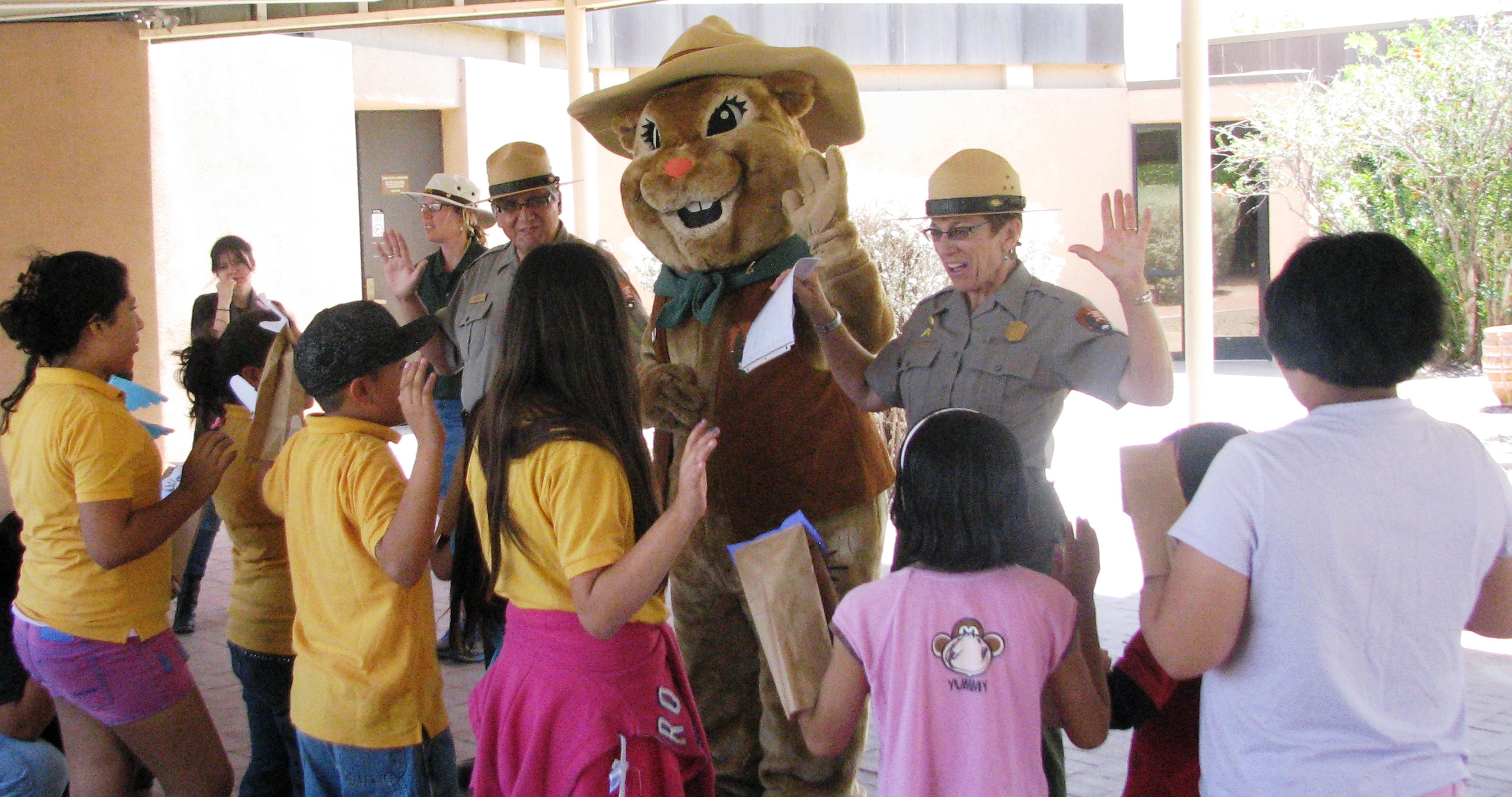
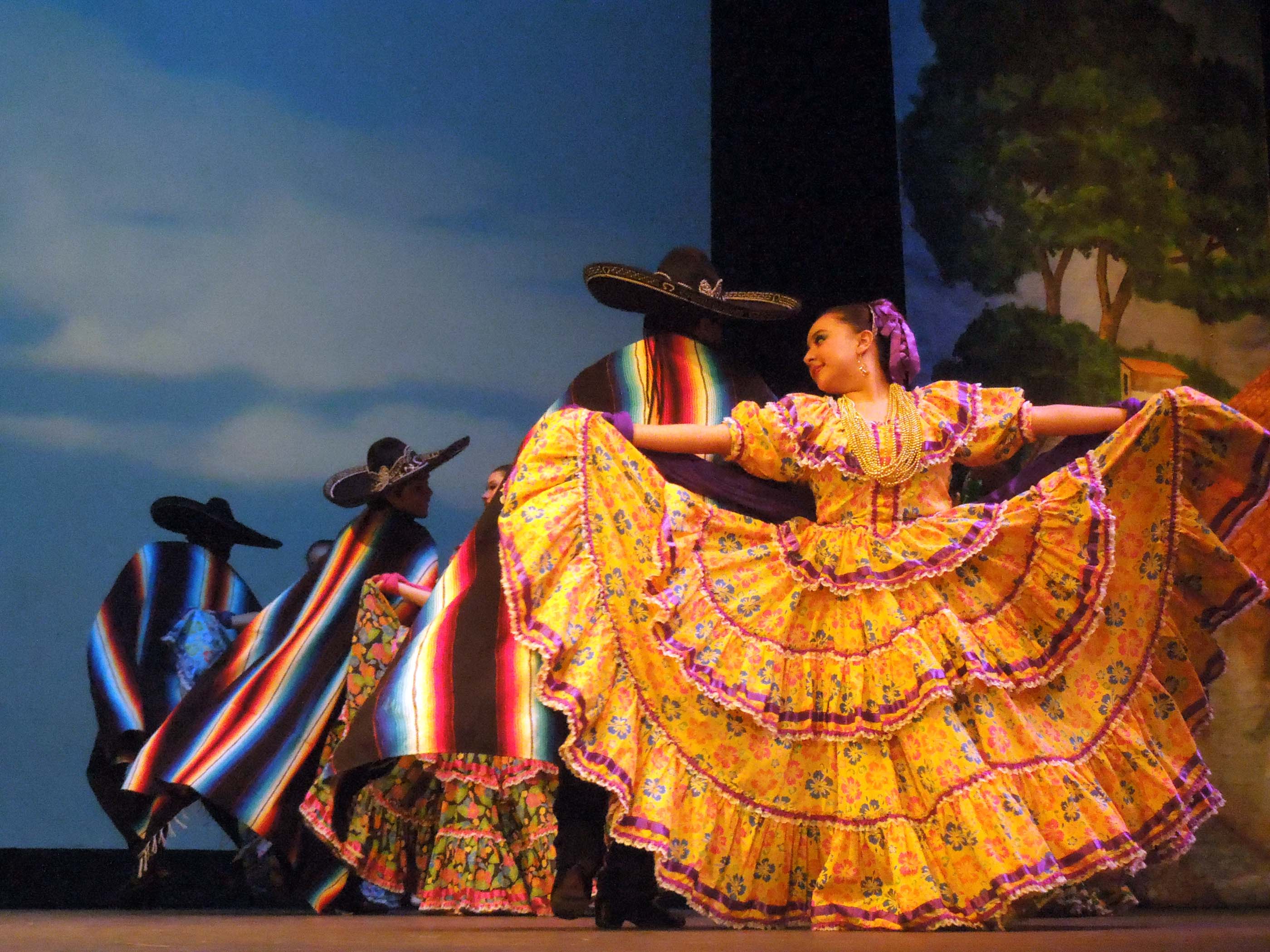
Chamizal National Memorial offers a compelling half-day visit, rooted in a unique historical narrative. The park film and museum exhibits detail the resolution of a century-long border dispute caused by the Rio Grande's changing course. This historical depth is the primary draw. The grounds facilitate self-guided walking or biking loops. Birdwatching opportunities exist within the Rio Grande corridor flyway. Picnic areas provide convenient resting points. Guided tours offer interpretive insight. The Junior Ranger program effectively engages children with borderlands history and culture. Scheduled arts and culture programming, including performances and activities, underscores the memorial's binational identity. Entry is free. This destination prioritizes historical understanding and cultural appreciation over extensive outdoor recreation.
Best for
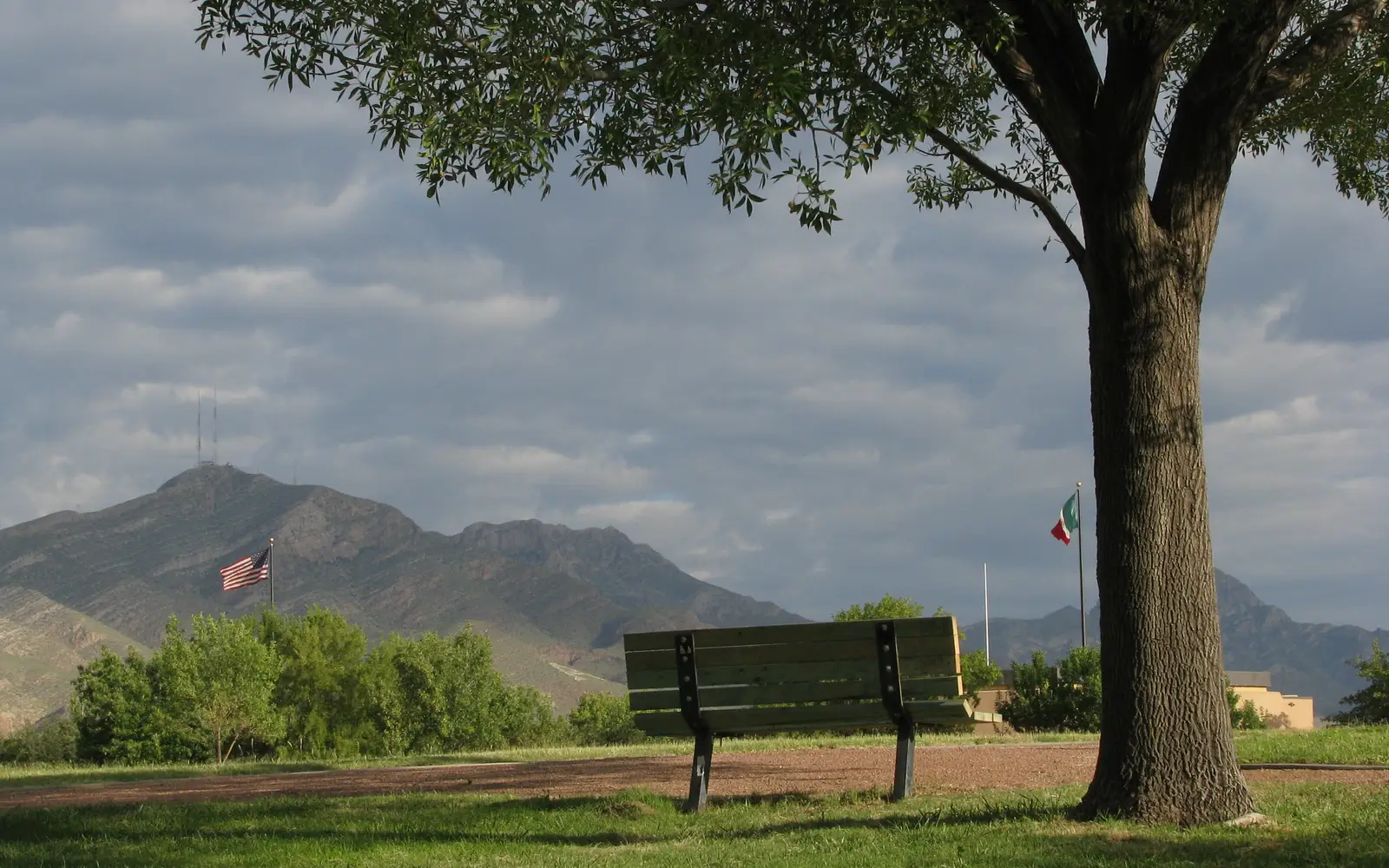
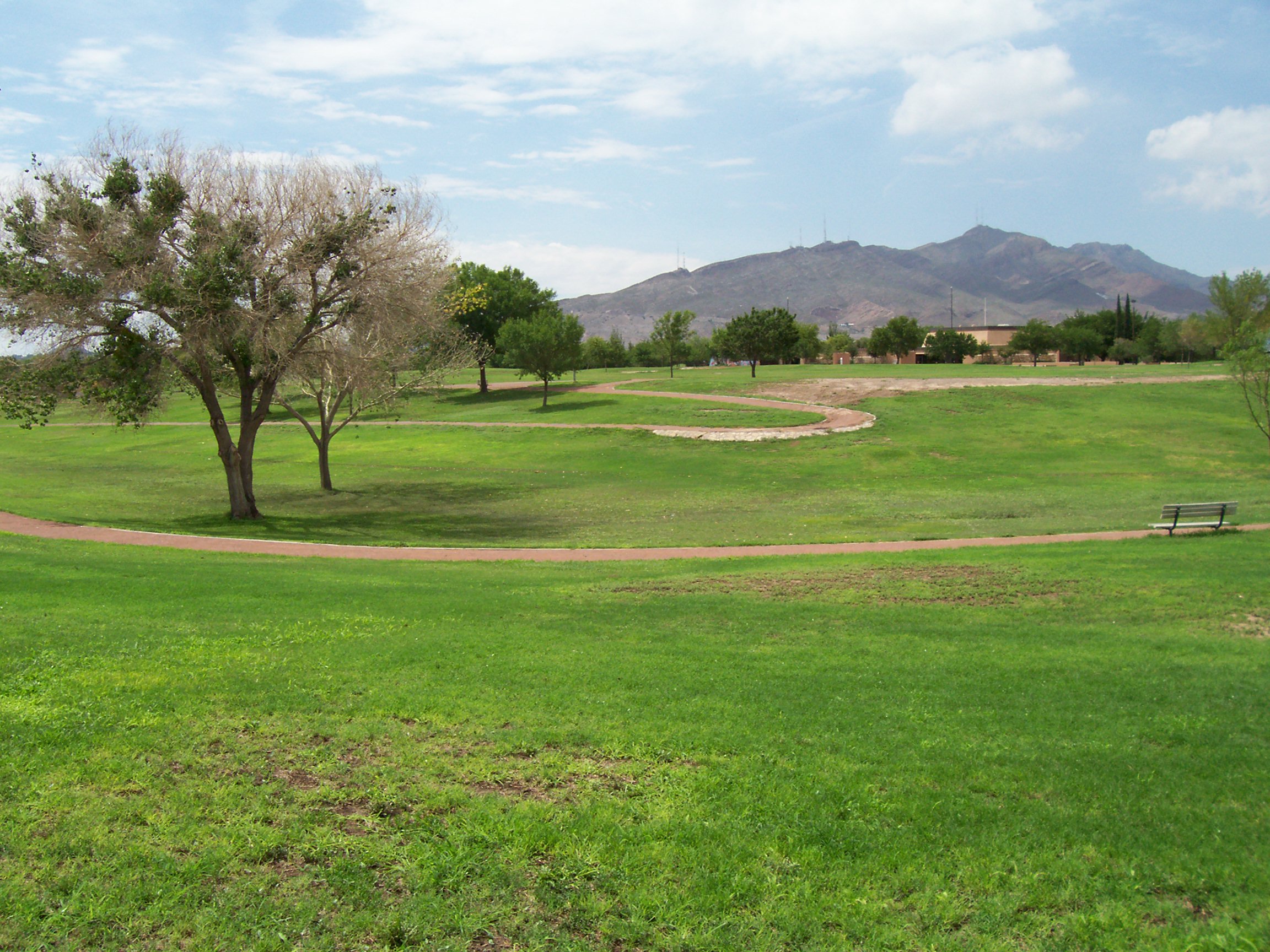
The park rewards those keen on U.S.-Mexico diplomacy, border culture, and international relations. Its open grounds and Junior Ranger program make it suitable for families. Casual cyclists and walkers will appreciate the accessible urban green space. However, visitors prioritizing backcountry hiking or dramatic natural scenery will find little here.
Best season
Chamizal is open year-round and the mild El Paso winters, generally dry and sunny, make October through March the most comfortable window for outdoor time on the grounds. Summer brings intense heat and afternoon thunderstorms from July through early fall, with limited shelter from lightning, so morning visits are strongly advisable in those months. Check the park website before visiting in winter, as cold snaps can trigger temporary closure.
The high points
- Museum exhibits documenting the 100-year U.S.-Mexico boundary dispute and its diplomatic resolution
- Park film providing essential historical context before exploring the grounds
- Birdwatching along the Rio Grande corridor, a productive flyway location
- Self-guided walking and biking on memorial grounds at no cost
- Guided tours that connect the site's history to broader borderlands culture
- Junior Ranger program giving families a structured, educational framework for the visit
Know before you go
This urban park in El Paso offers accessibility and requires no admission fee. Parking is on site. The critical variable for visitors will be current hours; check the NPS website. Summer afternoons, June through September, carry lightning risk from thunderstorms, and shelter is limited. Plan morning arrivals during these months.
One more thingChamizal National's calendar of events merits advance review. The park frequently hosts cultural performances, arts programming, and festivals. These events, focused on borderlands heritage, significantly enhance a visit. Aligning a trip with one of these offerings elevates a half-day stop into a memorable experience.