Should you visit Chaco Culture National Historical Park?
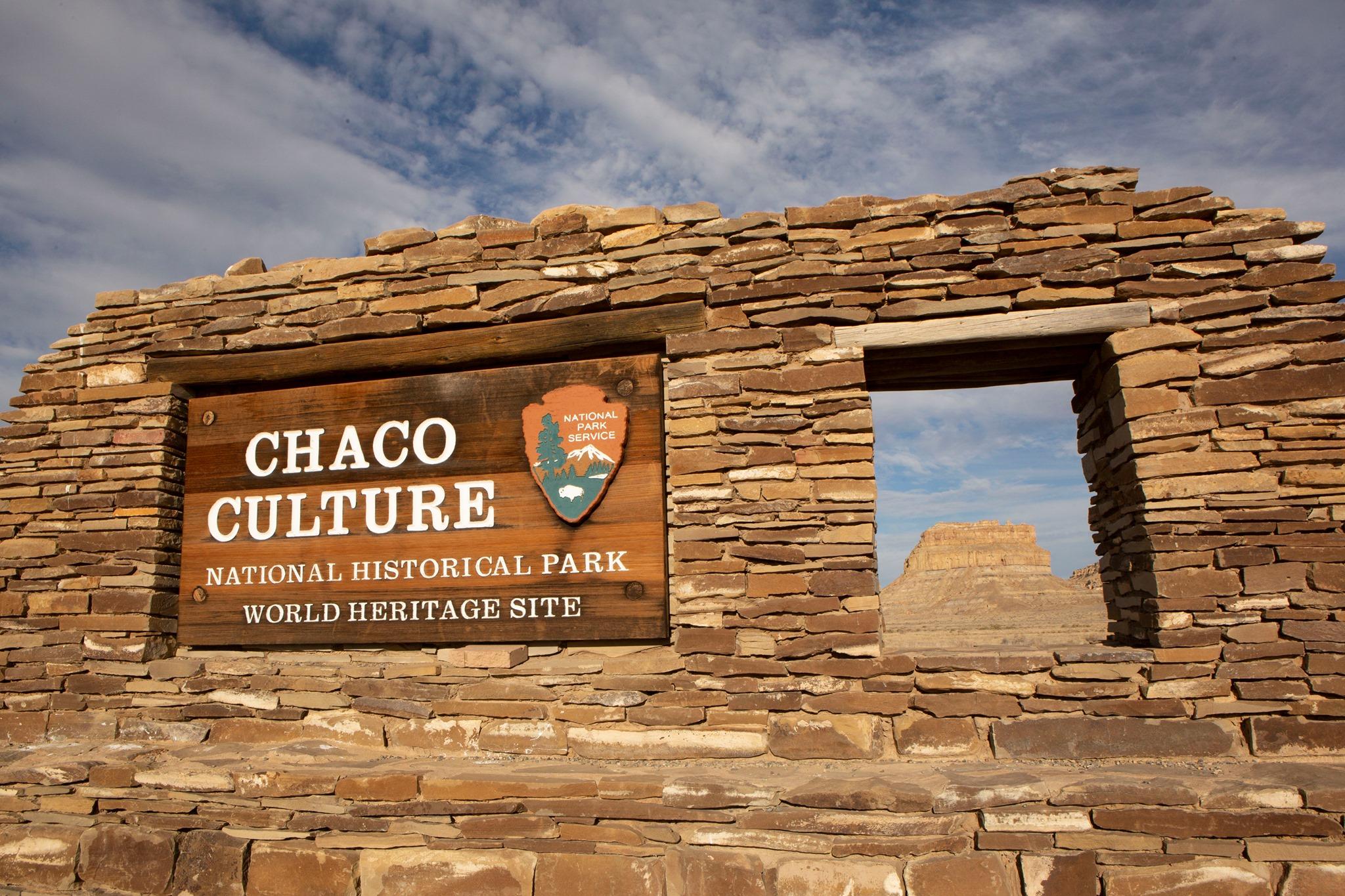
Chaco Culture National Historical Park presents a unique, potent offering.
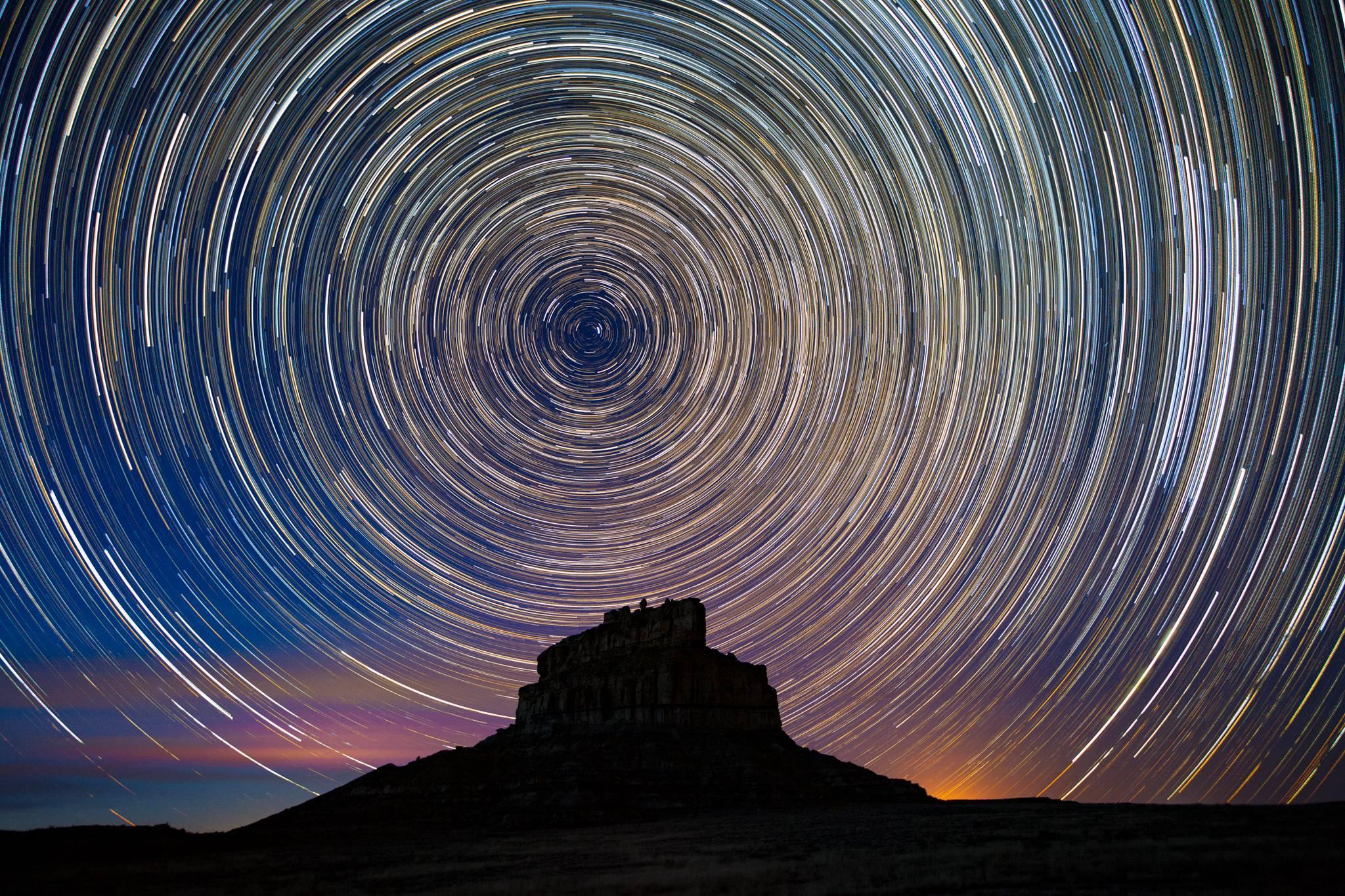
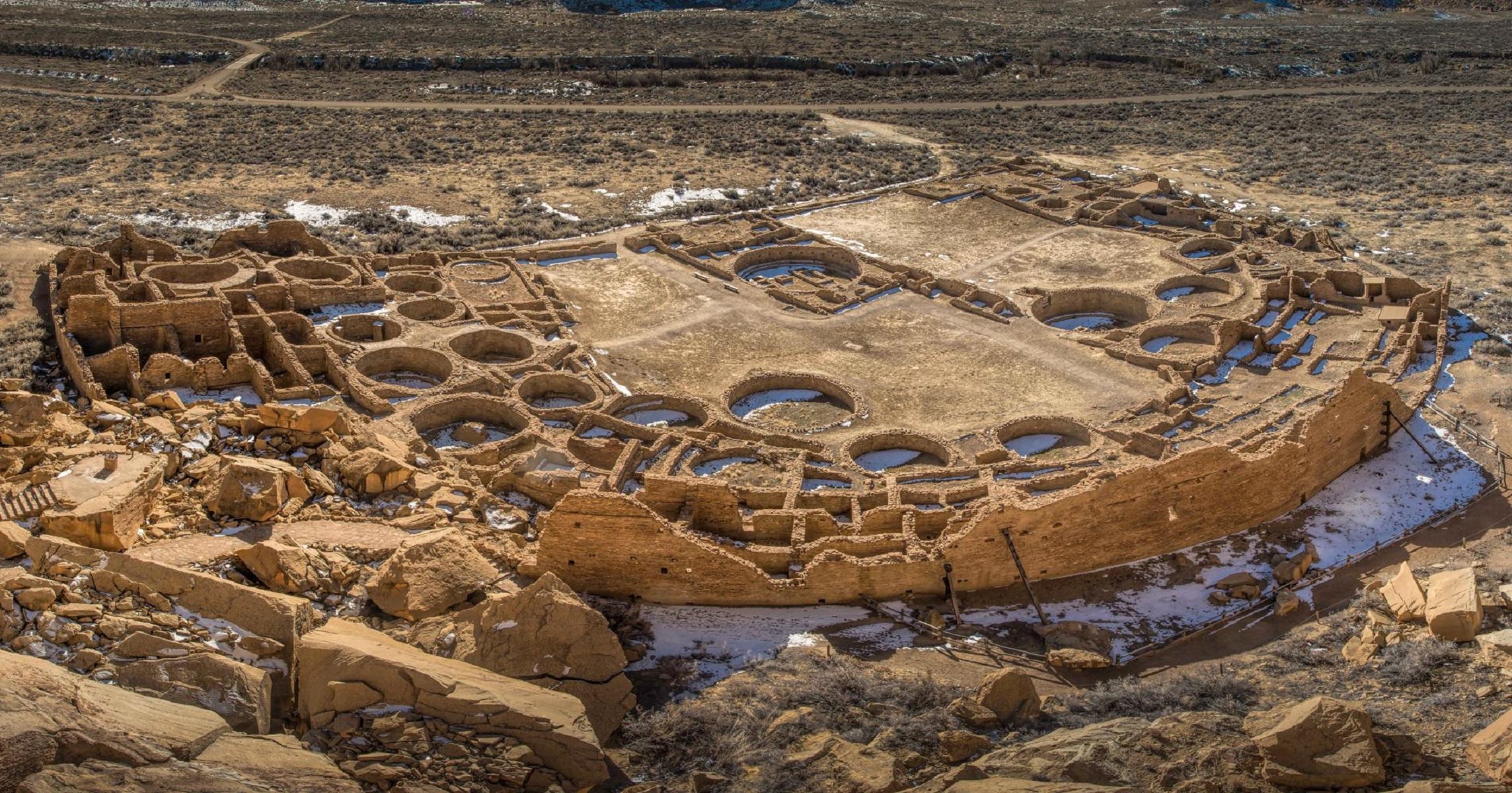
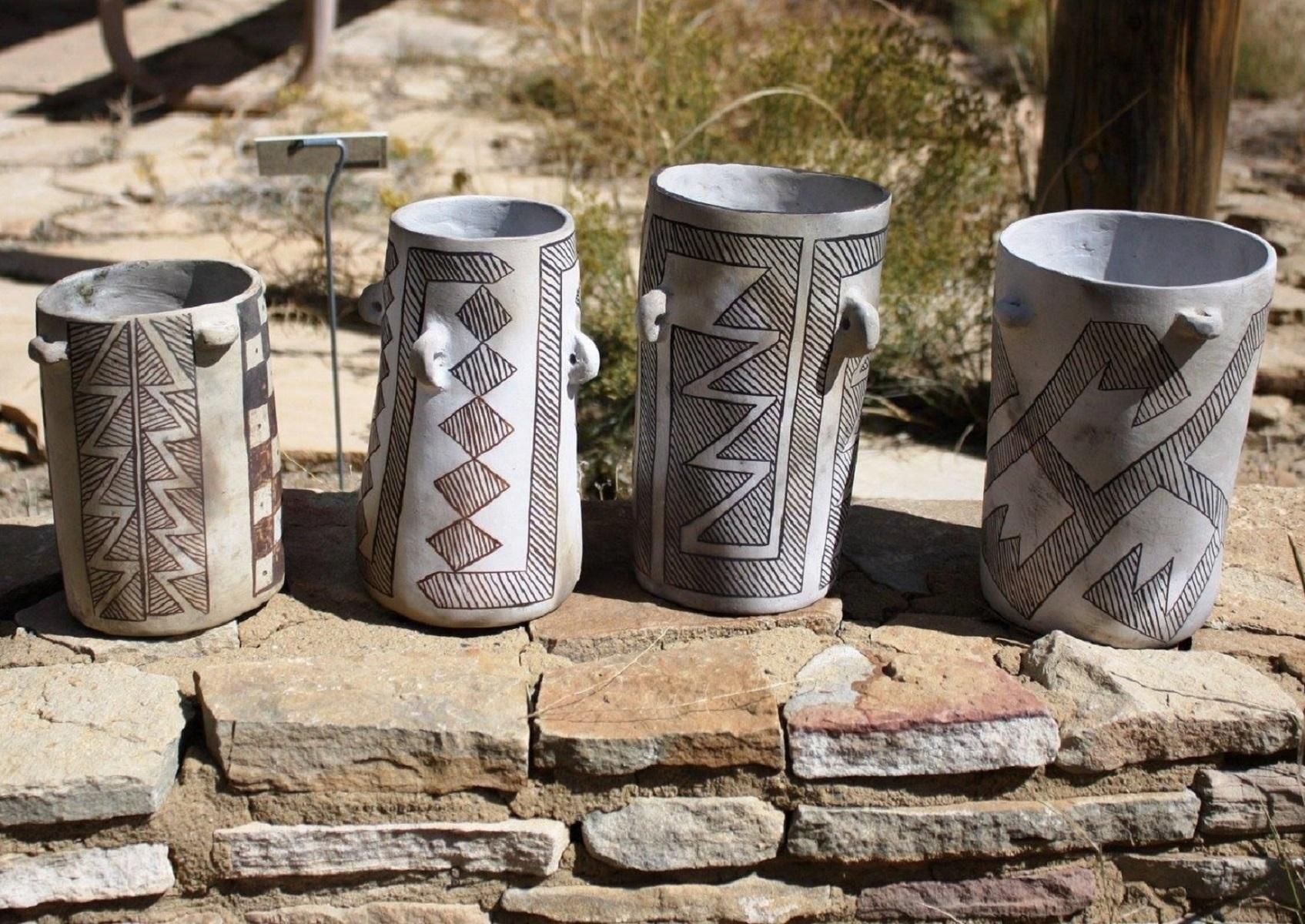
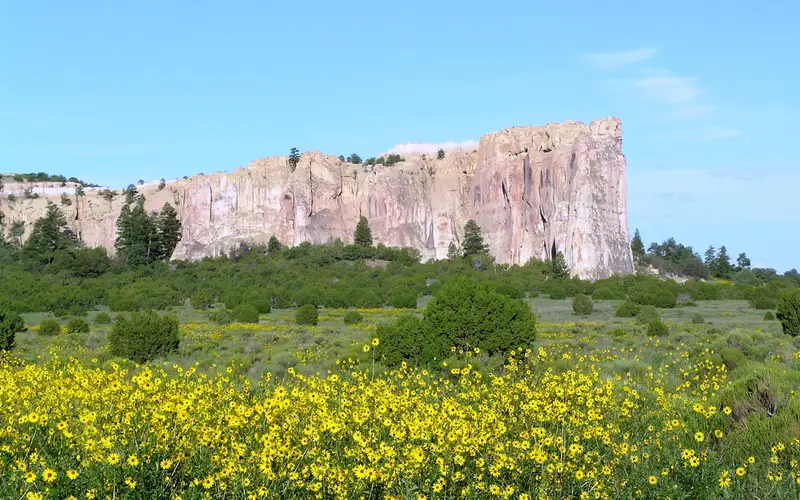
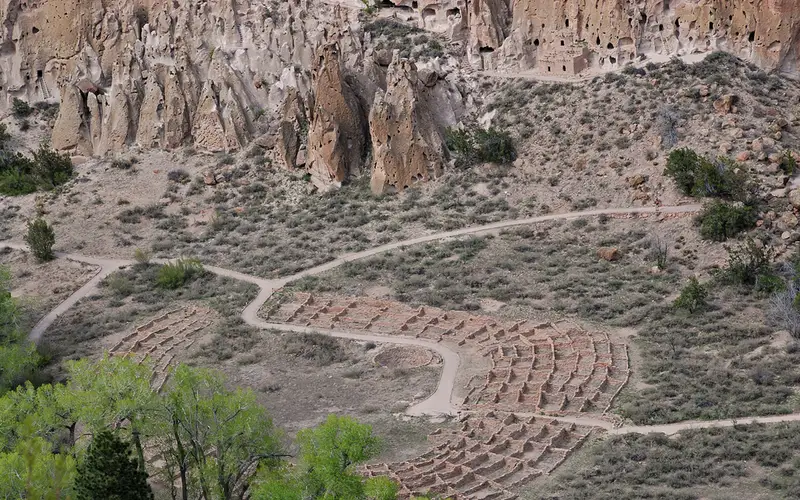
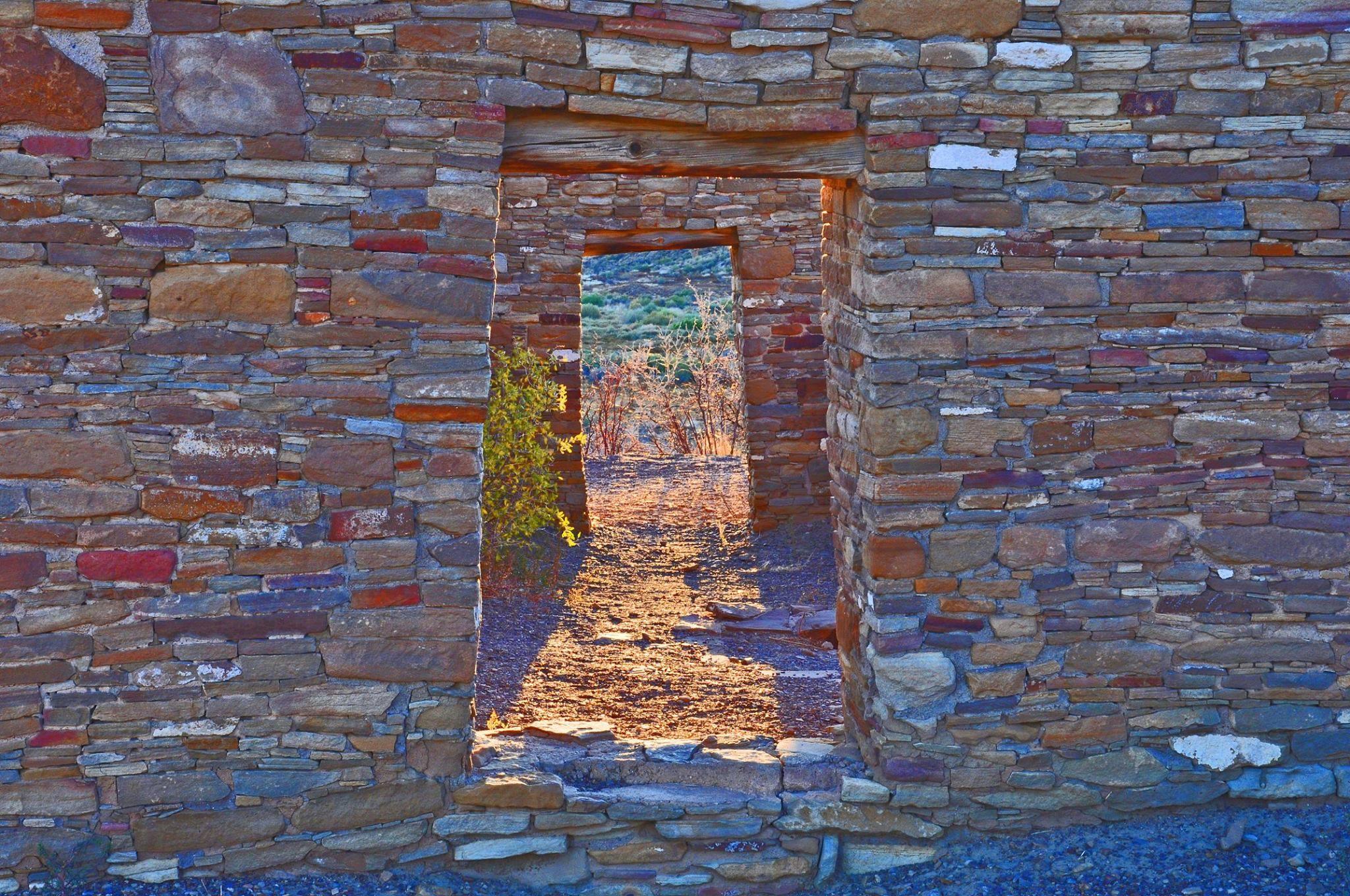
Located in a remote corner of northwestern New Mexico, its inaccessibility is integral to its allure. This is not a destination for a casual drive-through or a brief afternoon visit. The park preserves some of North America's most sophisticated pre-Columbian architecture, constructed by ancestral Pueblo people between approximately 850 and 1250 CE. The great houses are massive, precisely aligned structures. Their documented astronomical alignments are genuinely astonishing. With an experience score of 52, the park prioritizes a deep, singular focus. Expect no waterfalls, no wildlife spectacles, and no extensive trail networks. What visitors will find is an intellectually rich, spiritually significant cultural landscape. It rewards both curiosity and patience. For enthusiasts of archaeology and astronomy, this is a prime destination. Those seeking broad outdoor recreation may find its appeal more limited.
What makes it worth it
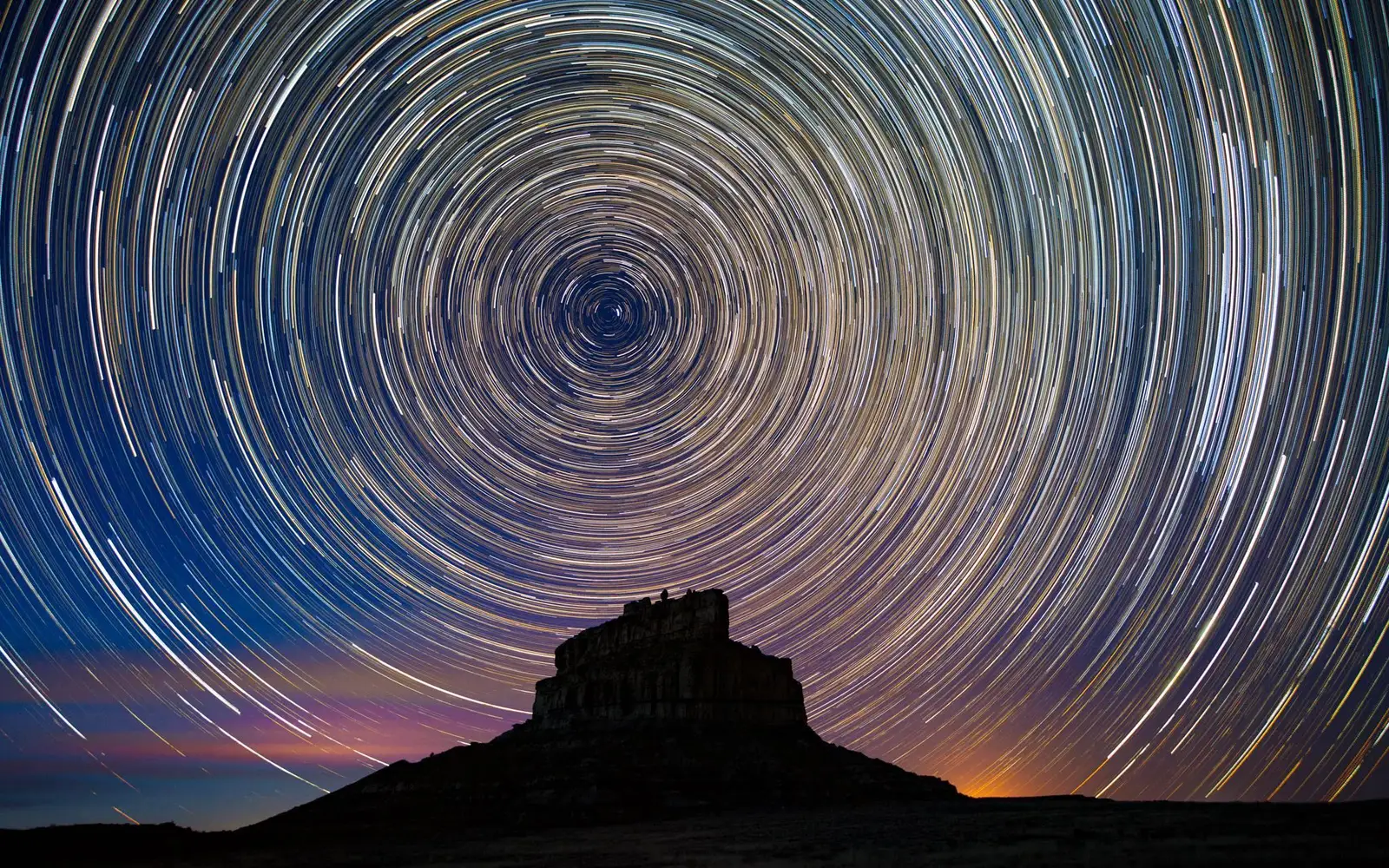
Chaco offers a deeply structured experience. A visit begins at the 9 AM visitor center opening, providing exhibits and ranger program schedules. The loop road grants vehicular access to major great house sites, each connected by hiking trails. Guided ranger tours are recommended for their interpretive depth, particularly regarding the astronomical alignments of the ancient structures. For those staying overnight, the park's exceptionally dark skies, among the best in the continental United States, facilitate formal astronomy programs. A weekend visit, combining daytime site exploration with a night sky program, delivers a cohesive and memorable experience. The Junior Ranger program effectively engages children with the archaeological aspects of the park.
Who should go
Chaco offers specific rewards for focused visitors. Archaeology enthusiasts, history buffs, and stargazers will find the area deeply satisfying. Families with older children may also benefit, particularly through the Junior Ranger program. However, those seeking dramatic landscapes, extensive hiking trails, or abundant wildlife should adjust their expectations. The scale is the draw here. This destination pairs well with other New Mexico sites for a more varied experience.
When to go
Optimal visitation periods are late spring and early fall. Summer, from June through August, brings high temperatures into the 90s and rapid afternoon thunderstorms; morning excursions are therefore critical. Winter access, while feasible, is rigorous, with overnight temperatures frequently in the teens or lower, suitable only for well-equipped campers. Fall provides stable, cooler days and superior conditions for stargazing.
Highlights
- Documented astronomical alignments built into the great house architecture
- Ranger-guided tours that provide interpretive context unavailable from self-guiding alone
- Among the darkest designated night skies in the continental US, with formal astronomy programs
- Hiking trails connecting multiple major ancestral Pueblo great house sites
- Junior Ranger program structured specifically around the archaeology and cultural history
- Free entrance to a UNESCO World Heritage Site with no crowds comparable to more accessible parks
Plan ahead
Free entry belies challenging access; an unpaved, rough road demands current condition checks, particularly after rain. All essential services, including fuel and provisions, are over an hour distant; visitors must arrive fully self-sufficient. Operational hours are strict: May through October, trails and sites close at 9 PM, with an 8:30 PM campground curfew for all campers. This is a destination for the prepared, not the casual or spontaneous.
Editor's tipChaco's astronomy programs are a critical component of its unique offerings. Secure reservations for an evening session in advance. The opportunity to pair a daytime site tour with a guided night sky program, within the same ancient astronomical observation grounds, defines Chaco's singular appeal.