Should you visit Carlsbad Caverns National Park?
Carlsbad Caverns offers a spectacular geological experience for a minimal $1 entrance fee.
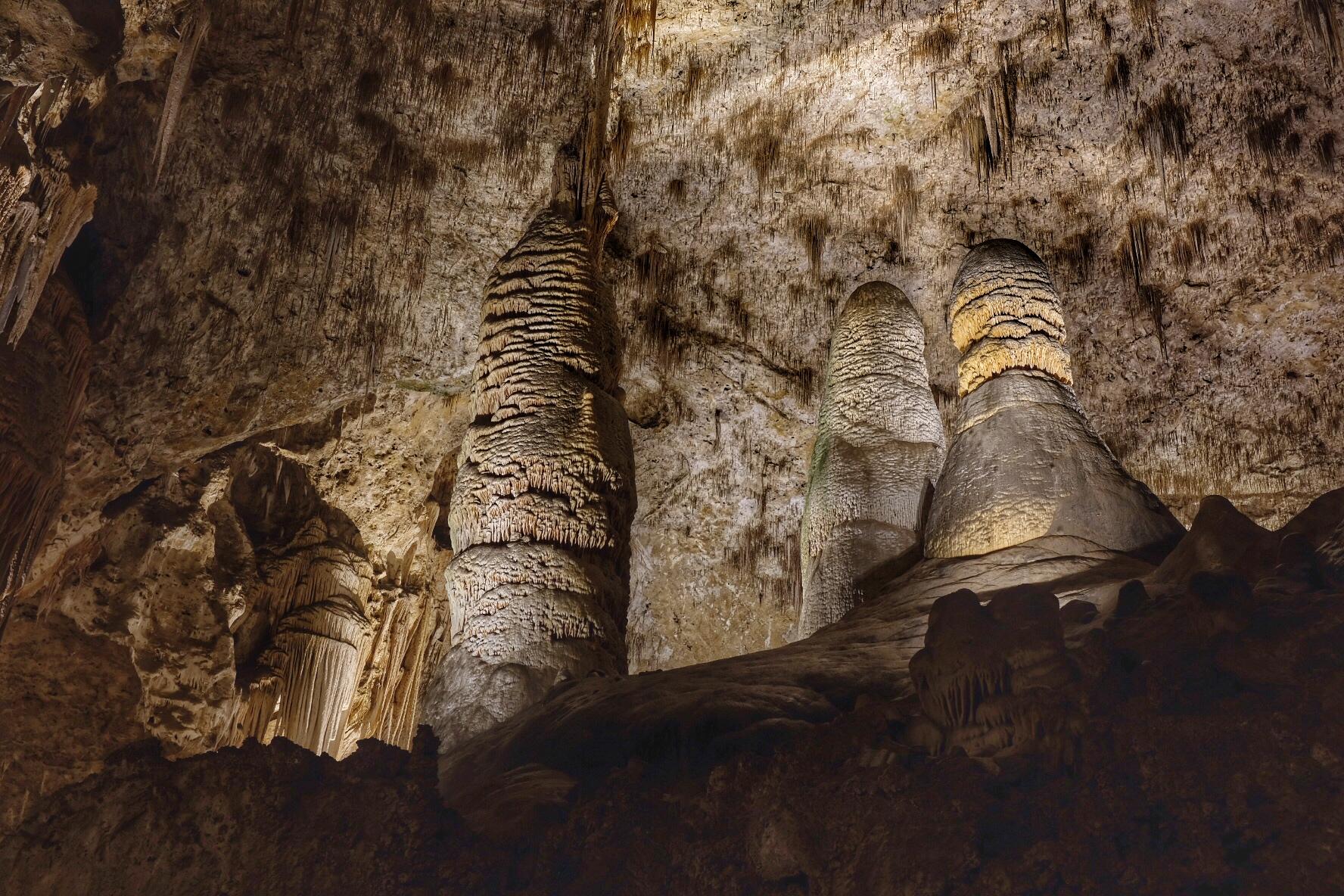
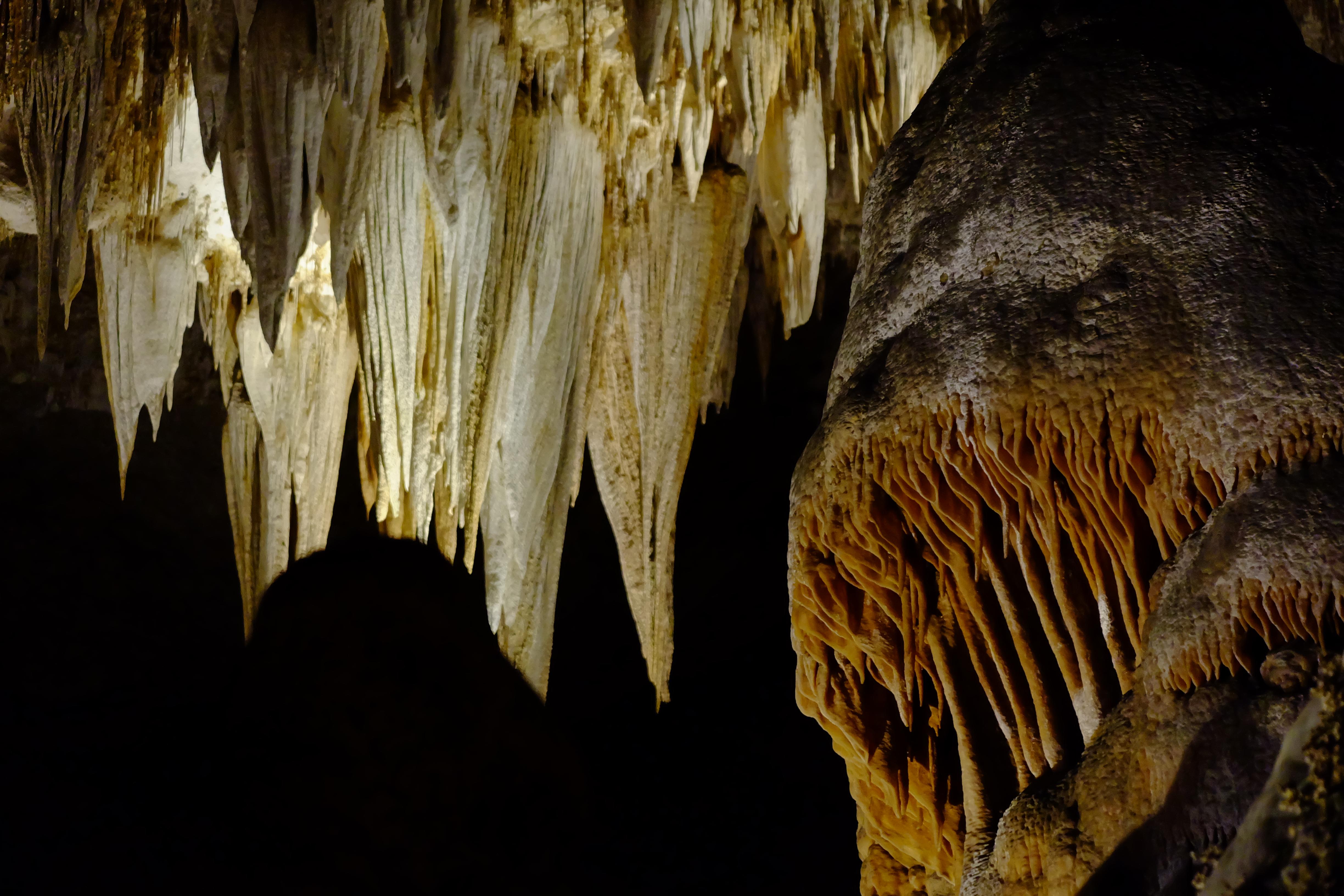
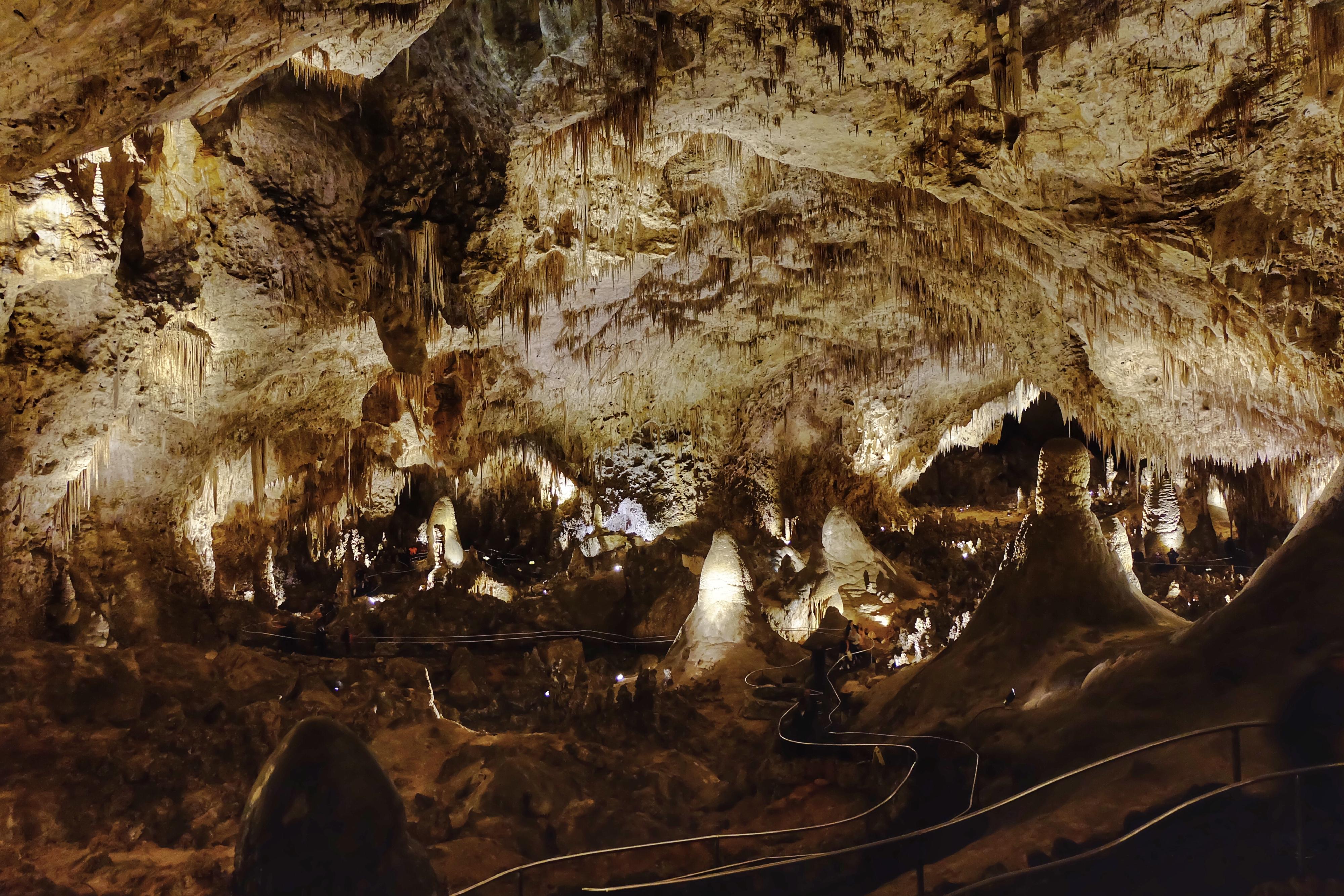
The vast limestone cave, formed by sulfuric acid dissolution, creates an otherworldly landscape. Visitors descend by elevator or on foot into a chamber of staggering scale. Above ground, the Chihuahuan Desert provides serious stargazing, desert wildlife, and hiking opportunities through canyons and cactus country. The park earns an 83 on our experience scale, appealing to a range of visitor types beyond geology enthusiasts. However, the cave is the primary draw. Those averse to confined underground spaces may find the above-ground offerings alone insufficient to warrant a long journey.
What makes it worth it
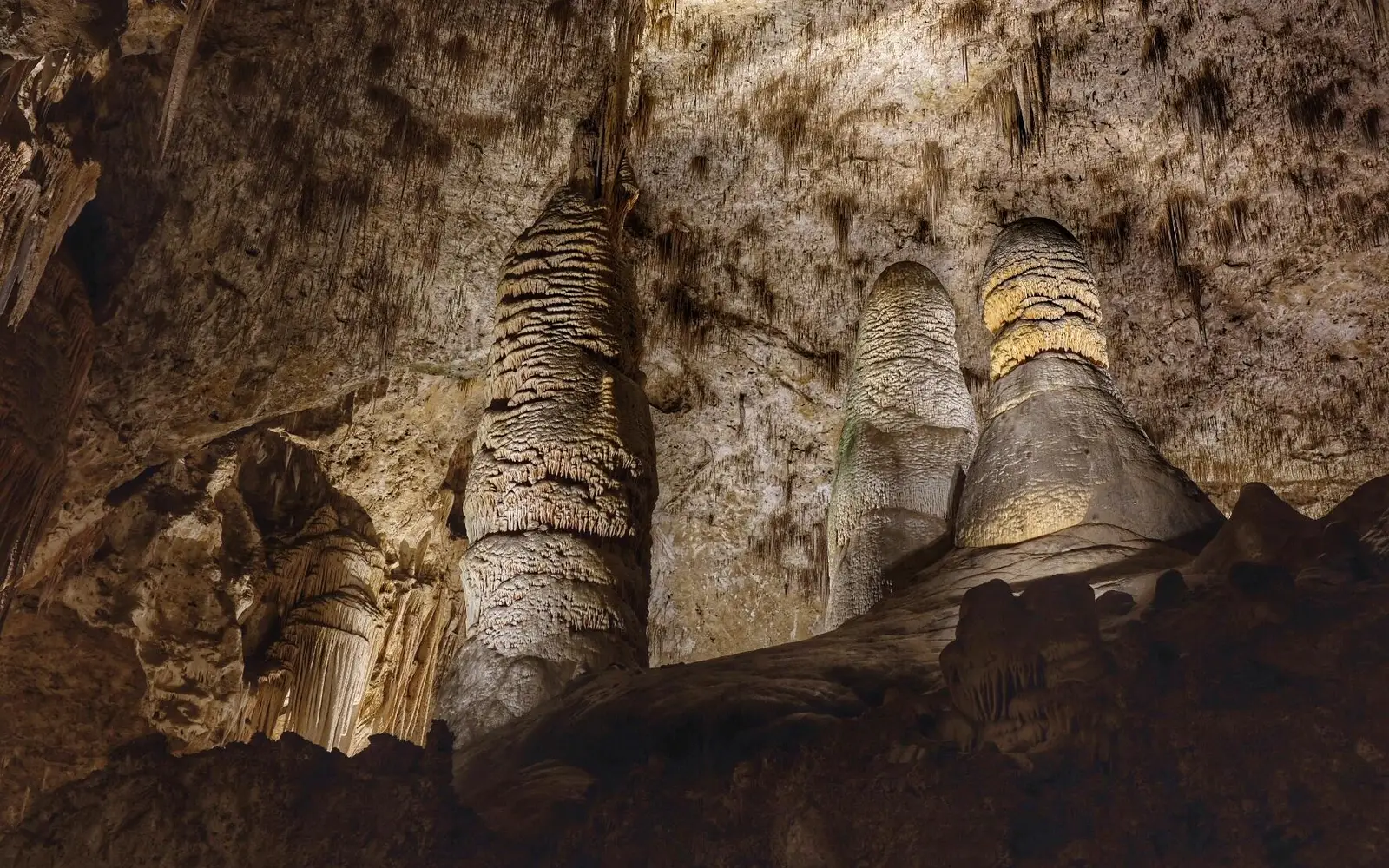
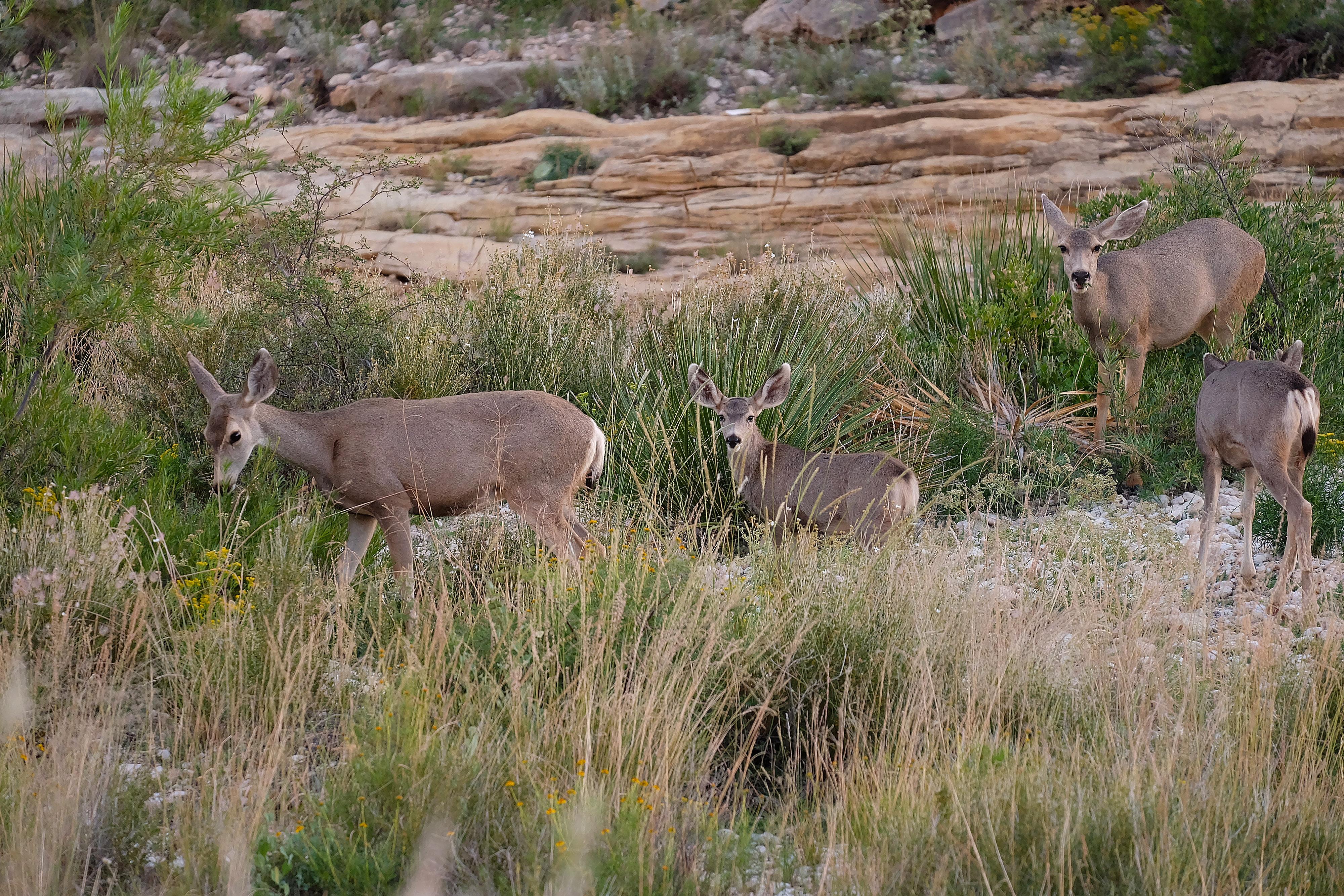
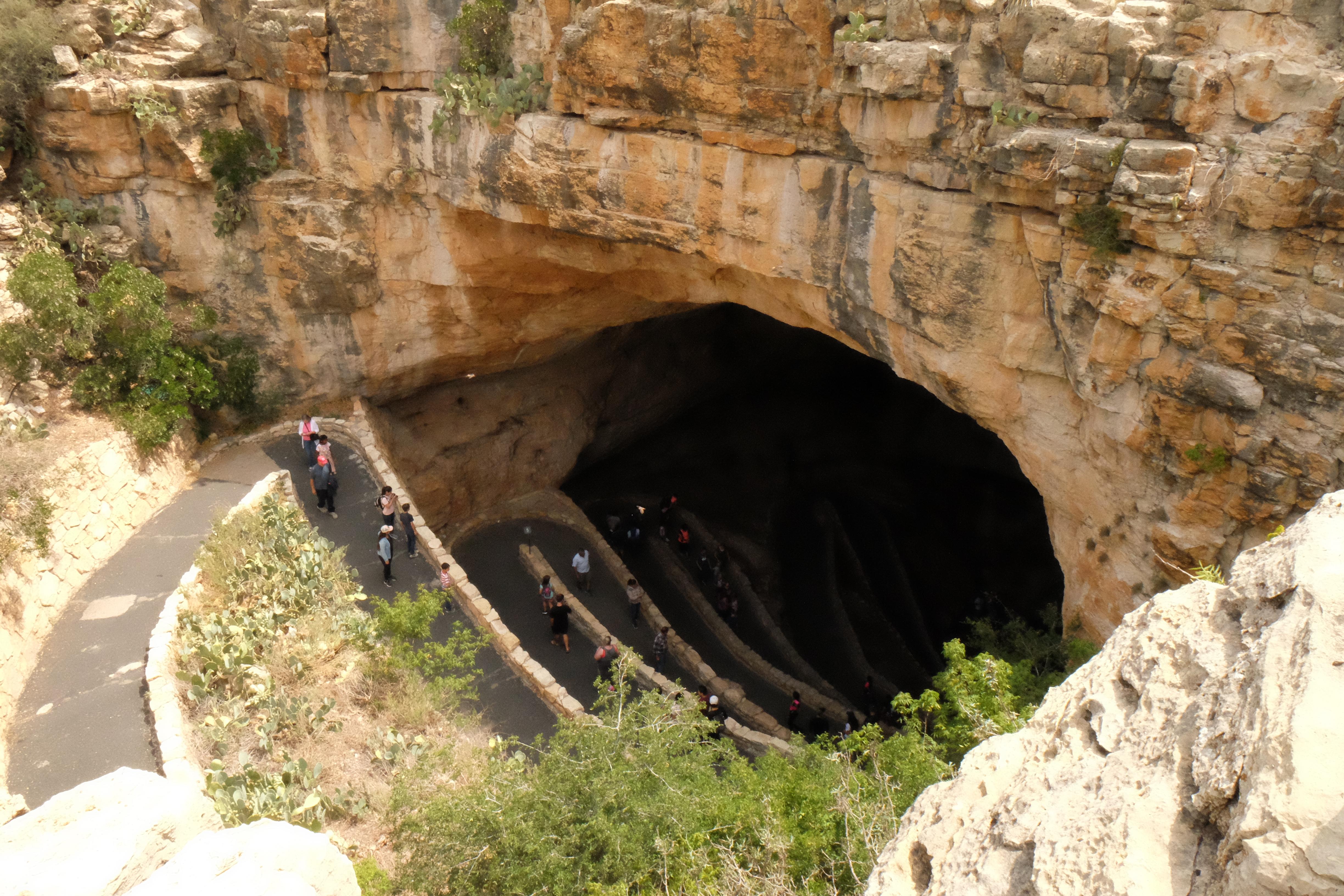
This park’s primary draw lies beneath the surface. Entry is via a natural cave mouth, a lengthy descending trail, or a direct elevator to the Big Room, the largest accessible chamber. Self-guided exploration allows visitors to experience formations crafted over millions of years at their own pace. Guided tours offer access to areas beyond independent reach, providing genuine discovery. Above ground, desert hiking and birdwatching opportunities exist. Evening hours bring exceptional stargazing, a benefit of the park's dark-sky designation and elevation. From late spring through fall, the exodus of hundreds of thousands of Brazilian free-tailed bats from the cave entrance at dusk presents a notable wildlife spectacle. This location offers a layered experience for those seeking subterranean marvels and desert nights.
Who should go
This park best serves geology enthusiasts, families, and stargazers. Its Junior Ranger program and guided tours confirm it as genuinely kid-friendly. The $1 entry fee is a significant draw for budget travelers. Serious backcountry hikers, however, will find the above-ground trail network limited and should consider other destinations.
When to go
Optimal visiting conditions occur in late spring and early fall, bypassing the Chihuahuan Desert's harsh 90 to 100-degree Fahrenheit summer heat. The cave maintains a consistent 56 degrees Fahrenheit, offering a reliable cool retreat. Timing a visit to coincide with bat flight season, from late spring through October, adds a significant dimension. Winter visits provide a quieter experience, with mild underground temperatures, though surface conditions can be cold.
Highlights
- Walking the natural entrance trail down into the cave, a genuinely dramatic descent
- The Big Room self-guided tour, one of the largest accessible cave chambers in North America
- Guided tours into restricted cave sections not open to general visitors
- Evening bat flight watch, hundreds of thousands of free-tailed bats exiting at dusk
- Dark-sky stargazing in the Chihuahuan Desert, among the best light pollution conditions in the Southwest
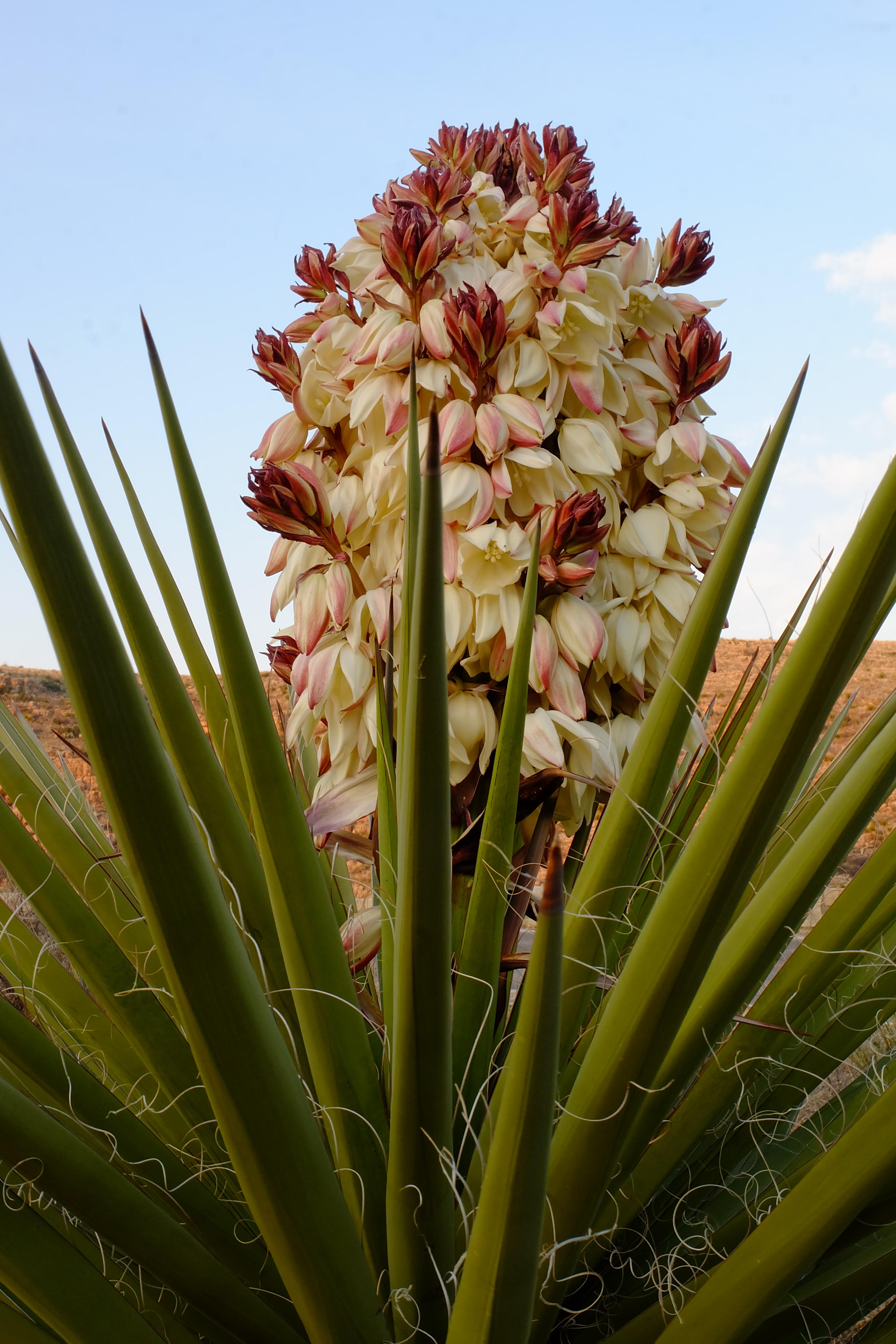
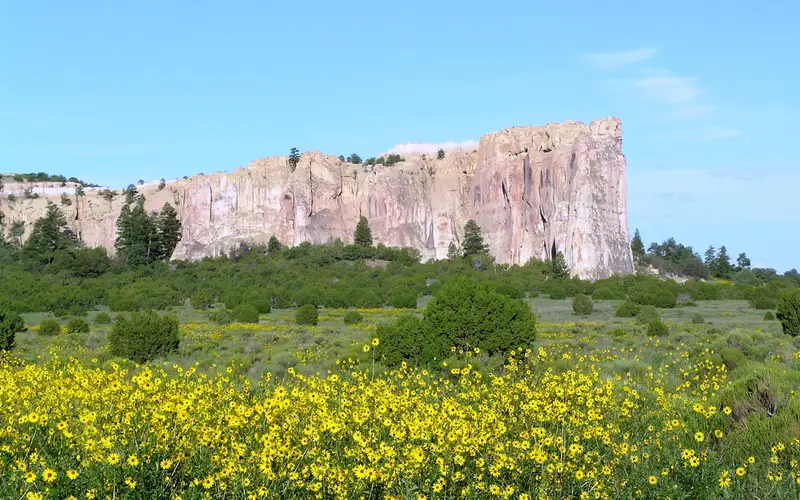
- Desert wildlife and birdwatching above ground in a landscape of canyons and flowering cactus
Plan ahead
This park's modest $1 entrance fee is notable. It grants access to a subterranean world that demands preparation: the cave maintains a constant 56 degrees Fahrenheit, necessitating a jacket year-round. While the park itself is open 24 hours for stargazing and observing bat flights, the operational hours for cave tours and the visitor center fluctuate seasonally. Consult the current schedule before any visit. This is not a spontaneous stop.
Editor's tipPlan to arrive at the cave amphitheater at least 30 minutes before sunset to witness the bat flight. Confirm the estimated flight time with rangers on the day of your visit, as this phenomenon varies seasonally.