Is Capulin Volcano National Monument worth your trip?
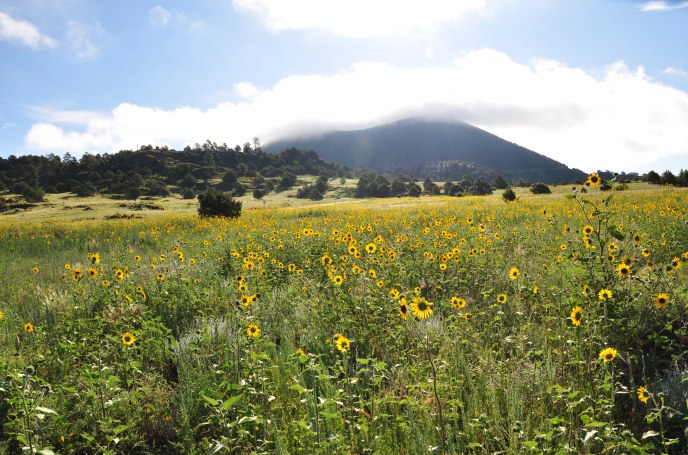
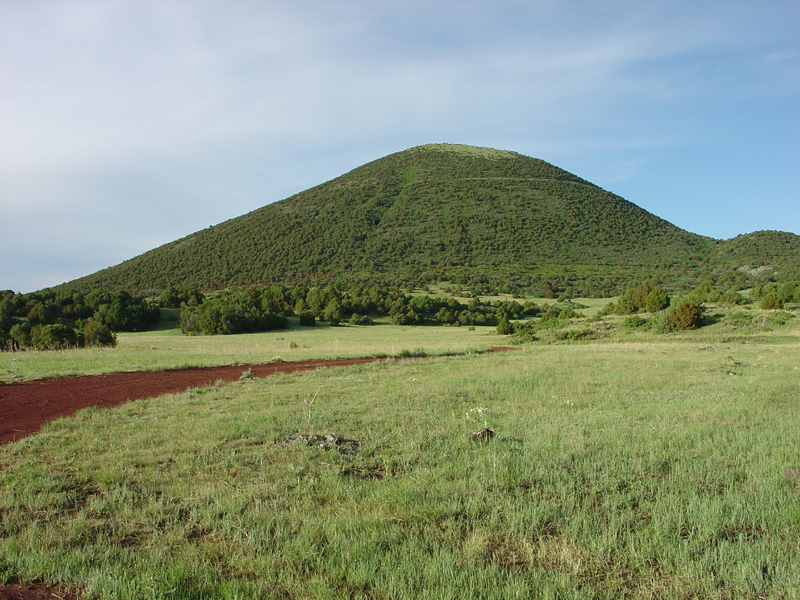
Capulin Volcano stands as a compact, striking geological landmark in the high plains of northeastern New Mexico.
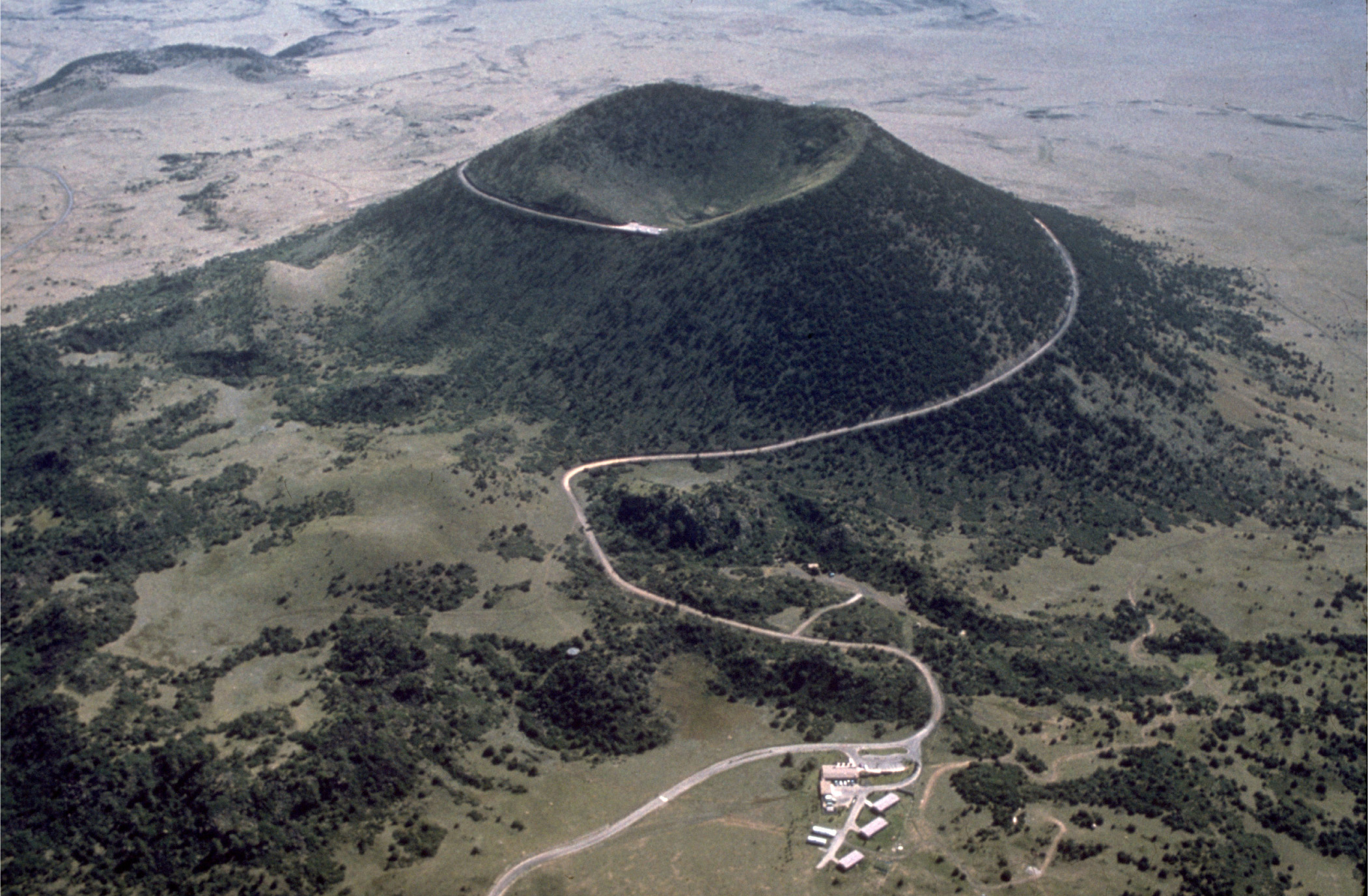
Its centerpiece is a remarkably well-preserved cinder cone volcano. A paved road spirals to the rim, providing panoramic views across four states to nearly all visitors. This is not a sprawling wilderness. A thorough visit requires two to four hours. Its distinction beyond a simple roadside stop comes
Why go
Capulin Volcano offers a focused, high-altitude experience. Its standout feature is the crater itself; the auto road provides easy access to rim trails and the rare opportunity to hike into a volcanic vent. A museum at the visitor center grounds the geological context. The park also supports wildlife viewing and birdwatching across its grasslands and volcanic slopes. For a unique draw, the 8,000-foot elevation and minimal light pollution make Capulin an exceptional stargazing destination, supported by NPS astronomy programs. Those seeking a memorable physical challenge can access the volcano road by foot or bicycle after 4:30 p.m., once vehicles are excluded. This unit suits visitors prioritizing geology, dark skies, or a strenuous late-day ascent.
Best for
Capulin is a strong candidate for geology enthusiasts, particularly those traversing the Southwest by car, and for families seeking a dramatic, accessible landscape. Stargazers will find it especially rewarding. Cyclists may access the volcano road for an unusual after-hours climb. However, visitors anticipating extensive backcountry hiking or a multi-day immersive stay will find the scope limited; such experiences necessitate combining Capulin with other regional attractions.
Best season
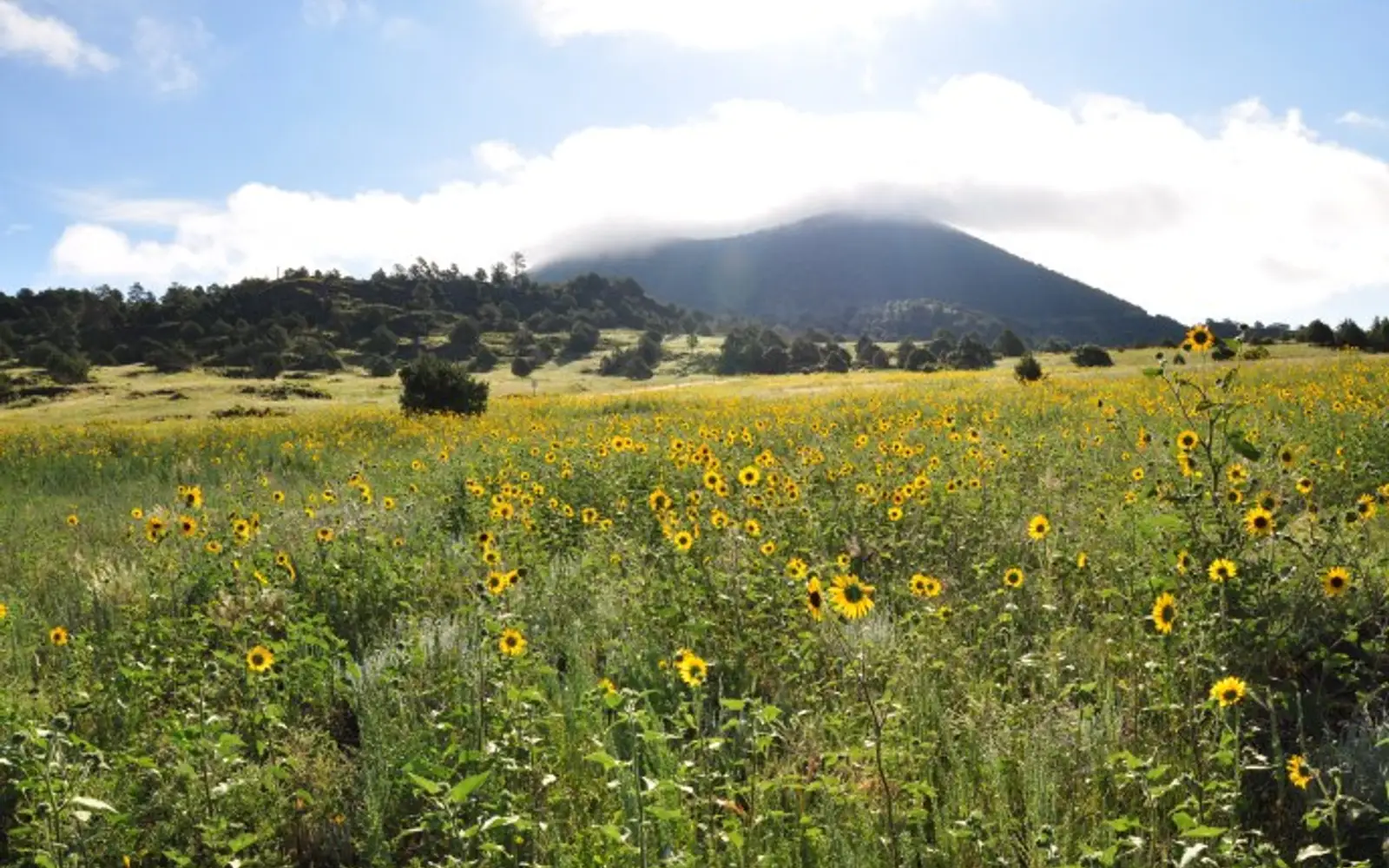
Late spring to early fall provides the most comfortable conditions at elevation. Summer highs remain in the low 80s, suitable for rim hiking. Afternoon thunderstorms are frequent from July, making morning ideal for crater activities. Winter snow can be picturesque but often restricts road access. Any clear, moonless night throughout the year is optimal for stargazing.
The high points
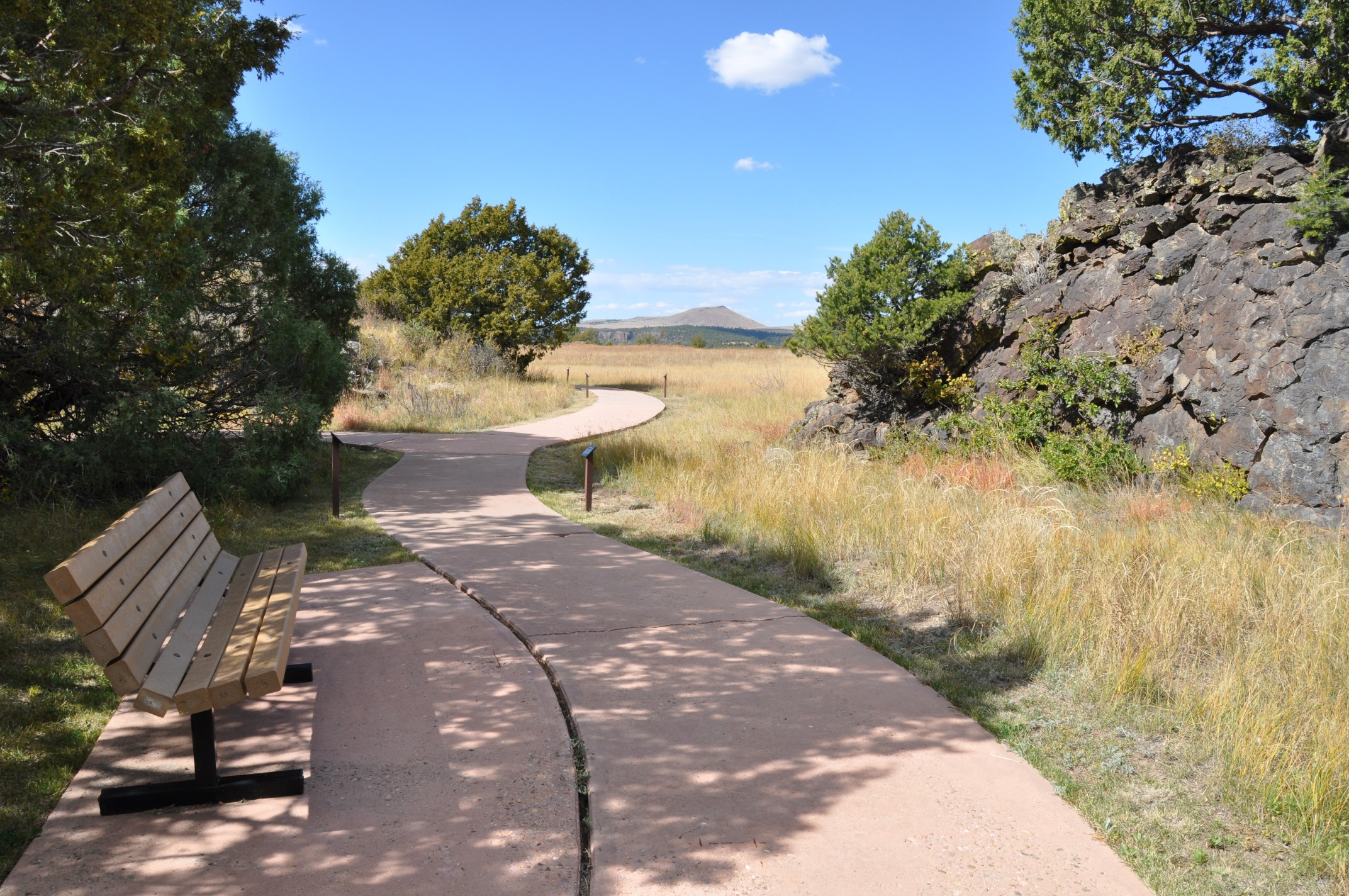
- Hiking the crater rim trail with four-state panoramic views
- Descending into the volcanic vent on the crater vent trail
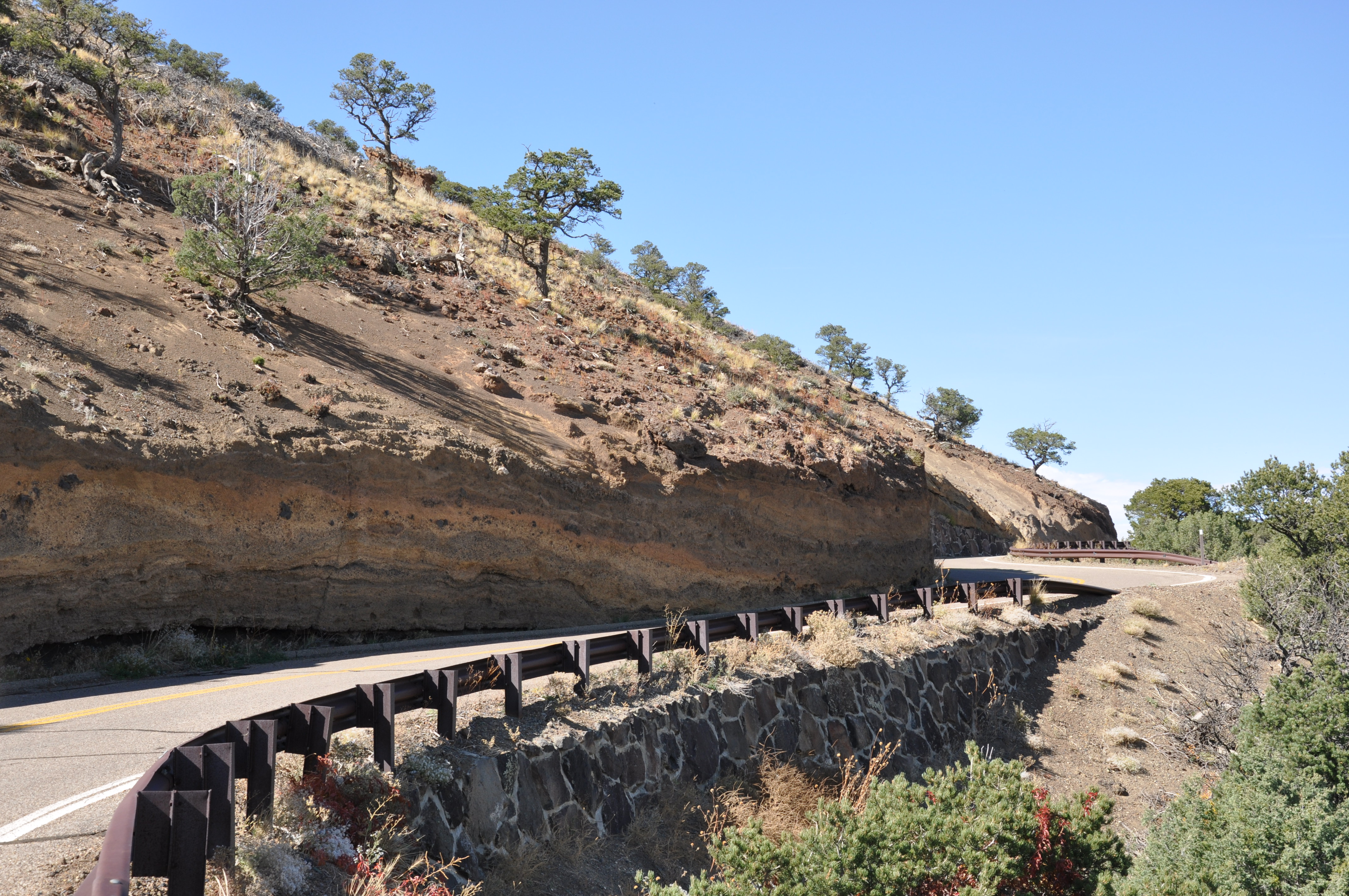
- Driving the spiral auto road up the cinder cone
- Stargazing under some of the darkest skies in the country
- Post-4:30 p.m. cycling on the volcano road when cars are restricted
- Museum exhibits on the Raton-Clayton Volcanic Field geology
Know before you go
Free admission makes a detour easily justifiable. The vehicle road to the crater closes daily at 4:00 p.m.; plan an ascent well in advance of this. Pedestrians and cyclists may access the road after 4:30 p.m. The elevation reaches 8,182 feet on the rim. Visitors unaccustomed to such altitude should pace themselves, particularly on crater trails.
One more thingFor those with flexibility, an afternoon arrival is optimal. Drive the crater road before 4:00 p.m., then experience sunset from the visitor center. Returning on foot or by bike after 4:30 p.m. provides a distinct, crowd-free perspective of the volcano road under darkening skies.