589 units scored Refreshed on a schedule Independent, no sponsored rankings
National Wildlife RefugeSC
Cape Romain National Wildlife Refuge
NPS / Jennifer Koches - USFWS
60/ 100GOOD RANGE
parkverdict Experience ScoreIndependent, not sponsored
60 of 100. Our independent breadth-and-access index. How we score
Our take
Is Cape Romain National Wildlife Refuge worth your trip?
Cape Romain is a coastal wilderness refuge.
This is not a groomed park experience. Spread across barrier islands and saltmarsh off the South Carolina coast, it rewards visitors who arrive by boat, specifically for birds, fishing, or wild beachcombing. Free entry is appealing. However, the water-access requirement filters out casual visitors quickly. For those who can access the water, the scale and wildness are legitimately impressive. There is little to see from the shore.
Best for
This refuge caters specifically to those adept at coastal navigation. Birders, kayakers, anglers, and photographers will find ample reward here. However, families anticipating conventional paved paths and easy access will likely be disappointed. The barrier island environment necessitates considerable logistical planning.
The high points
Exceptional shorebird and seabird watching across a 29,000-acre designated wilderness area
Beachcombing and photography on remote barrier island beaches reached by boat
Fishing and non-motorized boating through expansive saltmarsh channels
Interpretive programs through the visitor center that give real context to the refuge's migratory bird mission
One more thingThis refuge presents unique access challenges. There is no bridge access to its core islands; therefore, visitors must arrange ferry or boat launch options from the McClellanville area. The extra effort may be rewarded during spring or fall migration, when bird activity significantly increases. Serious birders will find the logistics worthwhile. Others may find the lack of direct access too limiting.
How we scored it
How Cape Romain National Wildlife Refuge earned its 60
Where does a 60 come from? One formula, run the same on every place we cover, built only from public data on what a unit offers and how reachable it is. It says nothing about how pretty a spot is or how busy it gets. This is what fed it:
Activity breadth10 documented activities
Topic breadth0 topics
Official imagery2 public-domain images
Camping on sitenone recorded
Entry costfree
No number is hand-adjusted and no unit pays for placement. The full weights, the floor at 18 and a worked example are on how we score.
The honest limits
The honest blind spots
Read the score for what it is. It counts what a place documents and how reachable it is, and stops there. It will not tell you if a sunset floors you, if the crowds thin out by dusk, whether a washout closed your trail, or how a ranger tells the story. Plenty of quiet, focused spots score modestly and still win the weekend. Let the number rank what is on offer; let the verdict speak to the feel.
The refuge started in 1932 as a migratory bird refuge. Its first goal was to keep habitat for waterfowl, shorebirds, seabirds, and resident species under public ownership. Later, its goals grew to include managing threatened and endangered species. It also protects the 29,000 acre Class 1 Wilderness Area. The refuge works to conserve maritime forests and their varied plant communities. It offers wildlife focused recreation if it fits with the refuge's main purposes.
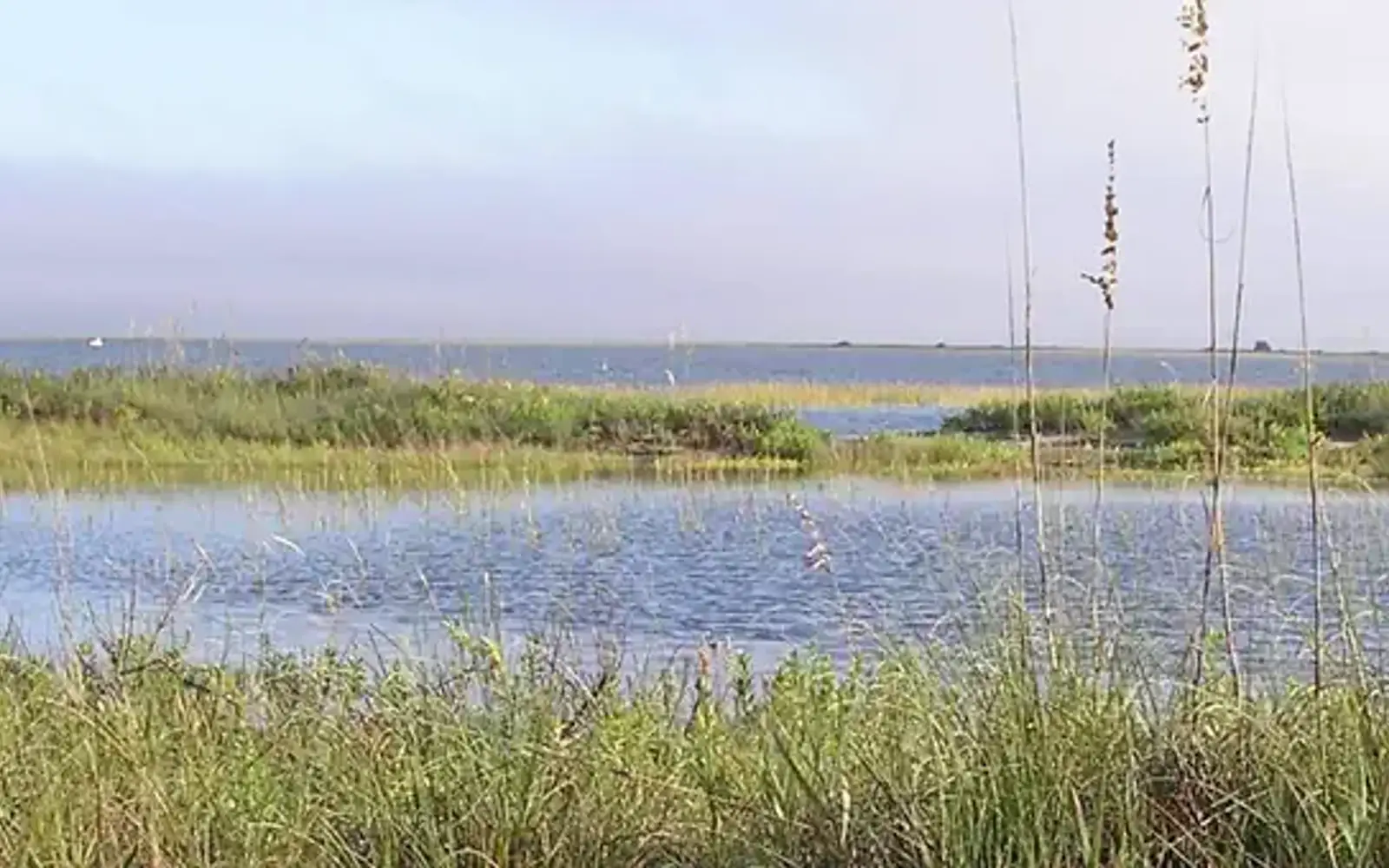
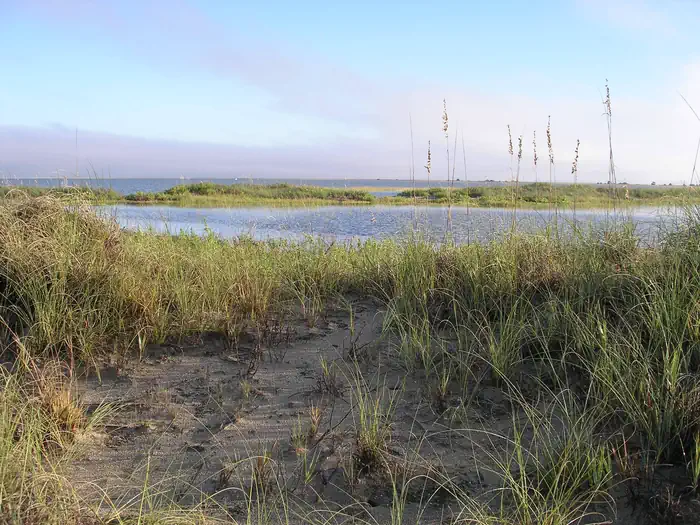
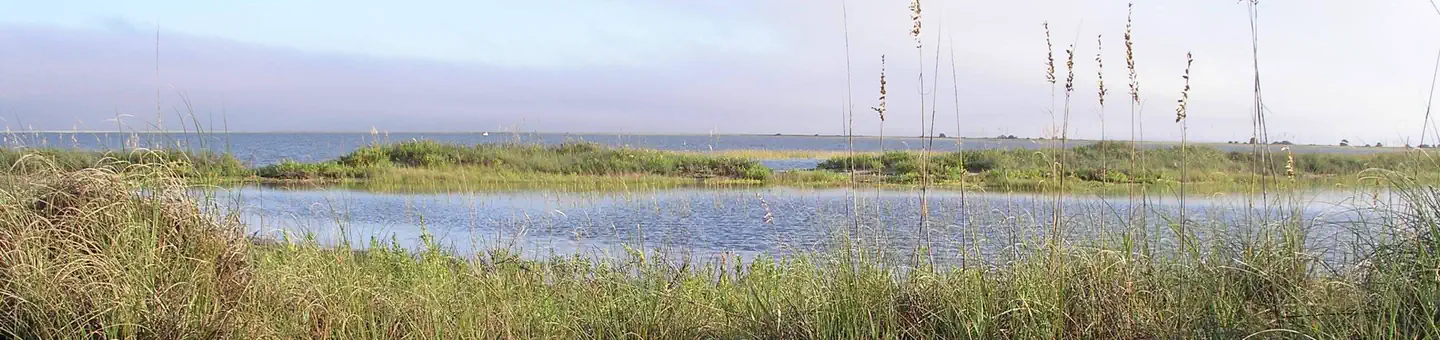
You can fish, hunt, take photos, watch wildlife, or learn about the environment here. The refuge covers 66,306 acres. This includes barrier islands and salt marsh. The barrier islands of Cape Romain are part of a changing coastal system. Erosion, sedimentation, storms, and rising sea levels constantly shape them. The islands have sub-tropical maritime forests, long sandy beaches, and fresh and brackish water impoundments.
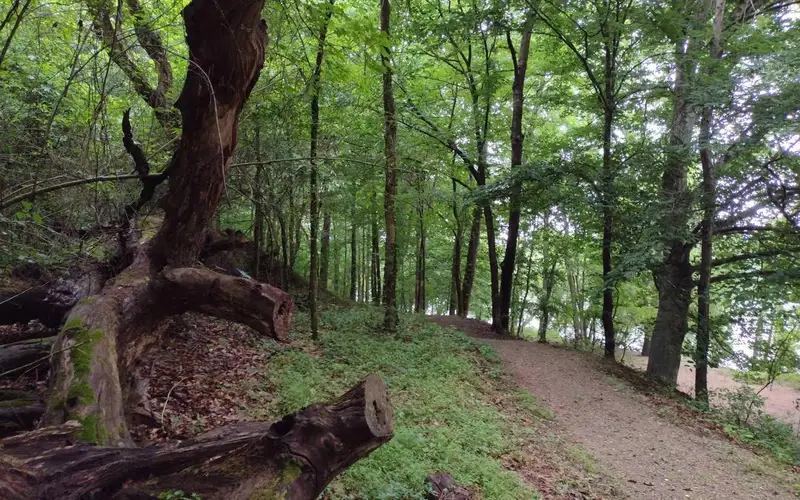
More than 2000 acres of maritime forest contain magnolia, cabbage palm, and loblolly pine. The understory has red bay, yaupon holly, wax myrtle, and saw palmetto. Shrub habitat on forest edges is used by neotropical migratory and resident songbirds. It also provides good nesting spots for Painted buntings. White tailed deer, bobcat, raccoon, and black fox squirrels live in the forest and shrubs.
On documented breadth and access, Cape Romain National Wildlife Refuge ranks 5th of 8 park and public-land units we score in South Carolina.
Cape Romain National Wildlife Refuge: quick answers
Is Cape Romain National Wildlife Refuge worth visiting?
Cape Romain is a coastal wilderness refuge.
Is Cape Romain National Wildlife Refuge free to visit?
Yes, there is no entrance fee.
What is Cape Romain National Wildlife Refuge best for?
It leans hardest toward hiking, water activities, wildlife watching, guided tours, going by the 10 activities it actually documents.
How is the Experience Score for Cape Romain National Wildlife Refuge calculated?
The 60 comes straight from public data on how much the place documents and how easy it is to reach, things like activities, topics, photos, camping and whether entry is free. It says nothing about scenery or how busy it gets.
Reviewed by Irene A. Taranina, founding editor/Checked against official public data/Published /Updated /Independent, no sponsored rankings
parkverdict is an independent digital publication. Not affiliated with the National Park Service.