Bosque del Apache National Wildlife Refuge: our verdict
Bosque del Apache National Wildlife Refuge offers a compelling, concentrated experience.
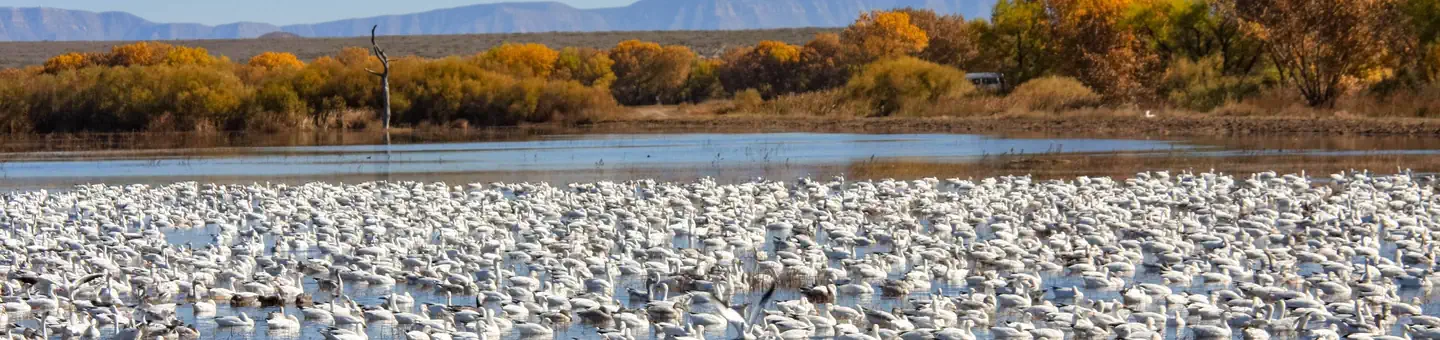
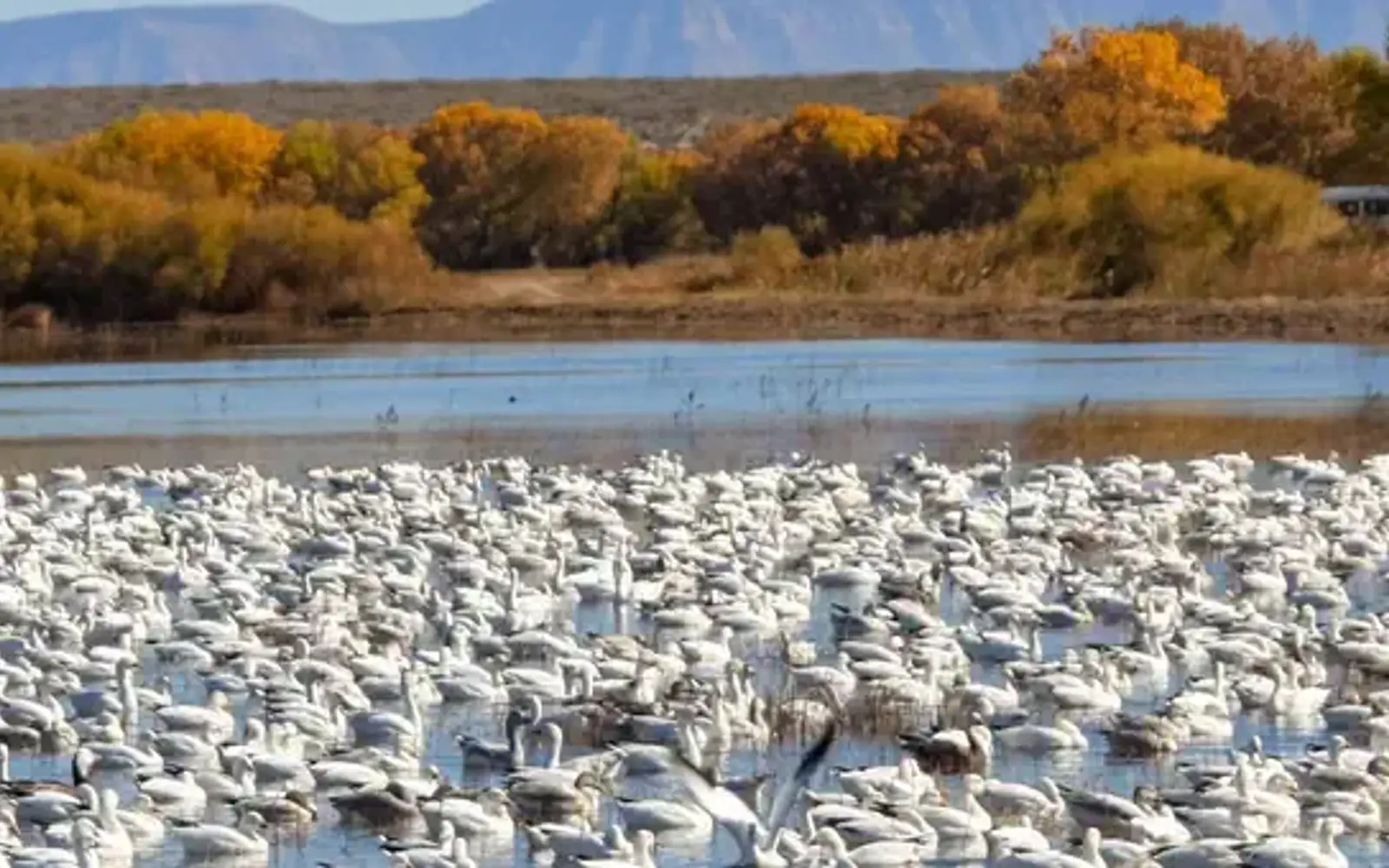
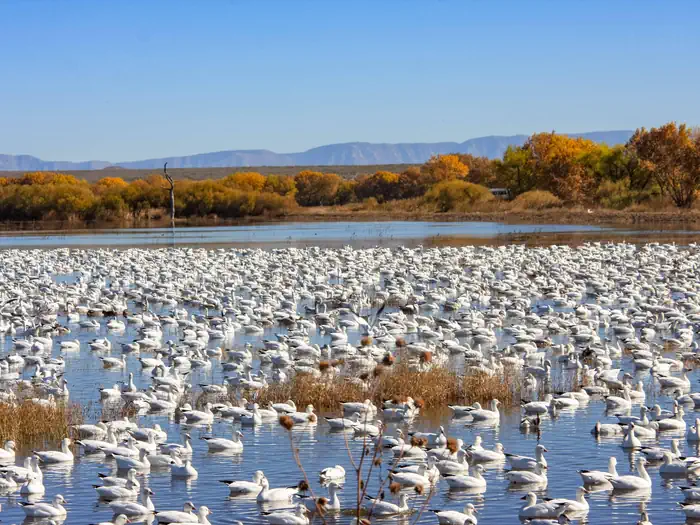
This 57,000-acre Rio Grande valley refuge is best known for its exceptional winter birding. Tens of thousands of sandhill cranes, snow geese, and ducks congregate here from November through February. This creates a wildlife spectacle rivaling any in the continental United States. The auto tour loop provides extensive access. No hiking is required to observe the main attractions. However, the refuge is a highly seasonal destination. Its peak draw is almost exclusively tied to the winter migration period. Outside of these months, the environment is considerably quieter, lacking the intense avian concentrations. Serious birders and wildlife photographers will find Bosque del Apache a premier location. Casual tourists seeking diverse outdoor activities may find its appeal more specialized.
Why visit
This park delivers a premier experience for the wildlife-focused visitor. Its documented winter dawn spectacle of sandhill cranes and snow geese offers a compelling draw. The auto tour loop provides extensive access to diverse habitats including wetland impoundments, agricultural fields, and riparian bosque. Hikers and cyclists will find additional refuge roads and trails. A staffed visitor center and interpretive programs enrich the visit. Fishing and hunting are allowed in designated areas with proper licensing. Photographers will find exceptional opportunities, particularly with the low light of morning and evening during peak migration. Casual sightseers should look elsewhere.
Who it suits
This refuge delivers on wildlife spectacle. The auto tour loop provides accessibility for visitors with limited mobility. Birders, wildlife photographers, and families aiming for dramatic, visible wildlife encounters will find this unit ideal. For technical hiking, high scenery, or multi-day backcountry adventures, however, the offerings are limited. Casual sightseers should look elsewhere.
Timing your visit
November through February offers the undisputed prime window for a visit. Migratory crane and goose populations peak in mid-winter. Dawn and dusk flights are the signature experience. Spring brings shorebirds and some waterfowl, lingering on their way north. Summer is hot, and the refuge is quieter; however, resident species remain. Fall migration begins building in October.
What stands out
- Mass dawn liftoff of sandhill cranes and snow geese during winter migration
- Auto tour loop offering close-up wetland and riparian wildlife viewing from your vehicle
- Exceptional wildlife photography conditions, especially at golden hour near the impoundments
- Hiking and biking opportunities through bosque and upland habitats beyond the auto route
- Interpretive programs and a staffed visitor center providing seasonal wildlife context
- Free admission to a nationally recognized refuge with over 30,000 acres of designated wilderness
Good to know
This refuge presents a compelling case for a dedicated visit, particularly for those with specific interests. Its complimentary entrance is a notable advantage, especially given the scale of its offerings. Located near San Antonio in Socorro County, approximately 90 minutes south of Albuquerque via I-25, accessibility is straightforward. Serious birdwatchers should plan to arrive well before sunrise during winter months to witness the crane liftoff, a documented spectacle. Binoculars are essential. A long lens is highly recommended. Always consult the refuge website for current auto tour road conditions; this is critical for planning. This is not a casual stop; it is a destination for focused wildlife observation.
Insider tipFor the dedicated observer, this park offers a singular, stark beauty. Its main draw is the spectacle of crane liftoff, a natural event dictated by light and temperature. Patience is not merely a virtue here; it is a prerequisite. Arrive at a flight pond a minimum of 30 minutes before sunrise, especially in winter. Remain quiet. This is the difference between witnessing a marvel and simply visiting a pond. The park rewards those who commit to its rhythms. Casual sightseers should look elsewhere.