parkverdict
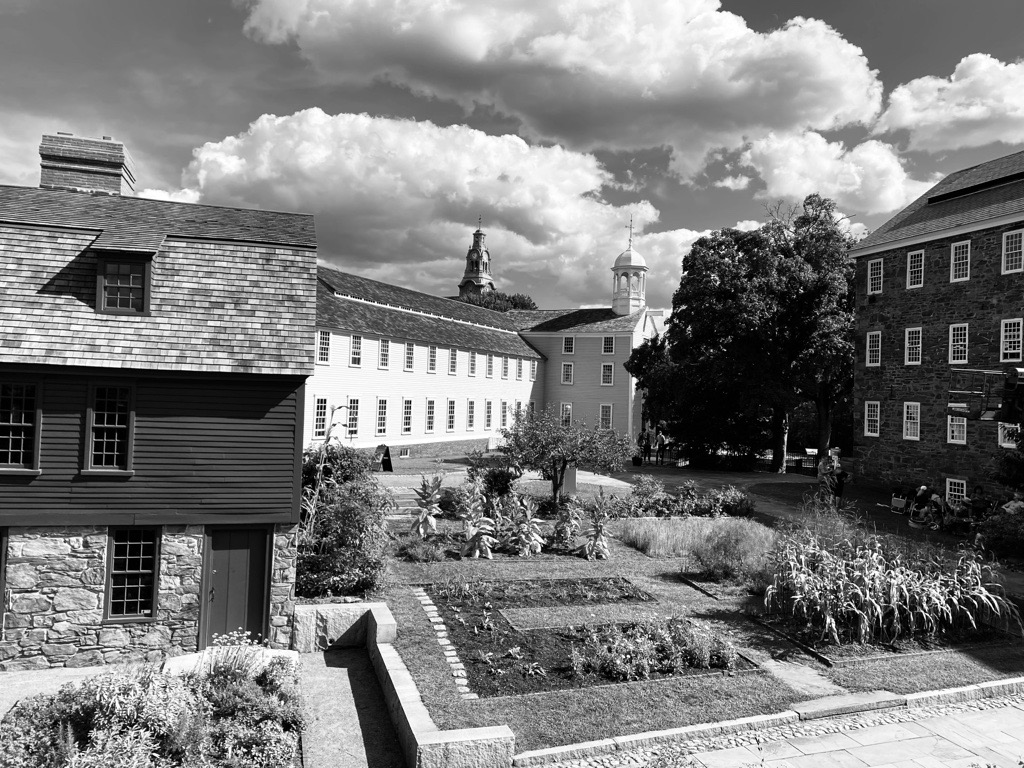
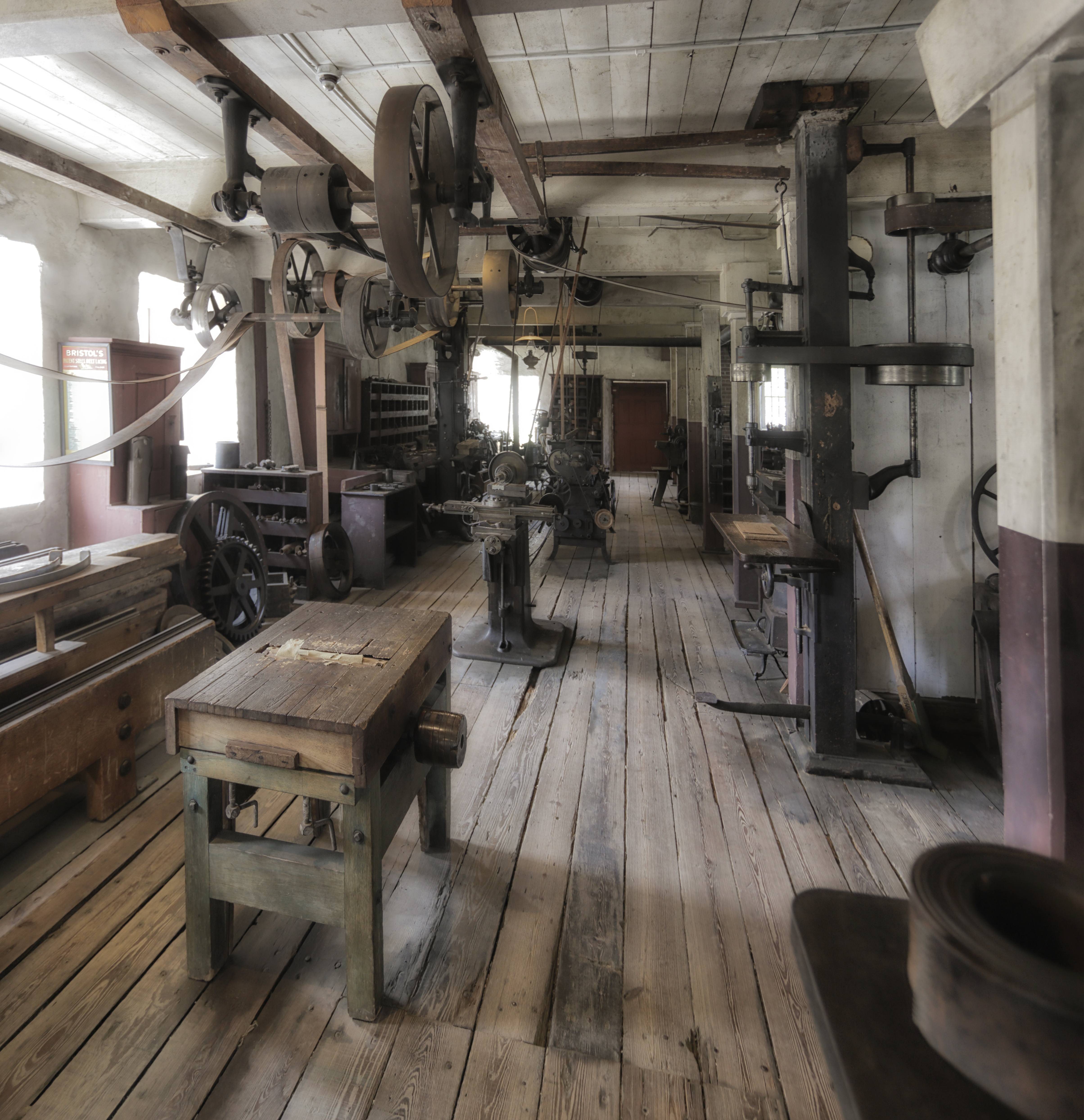
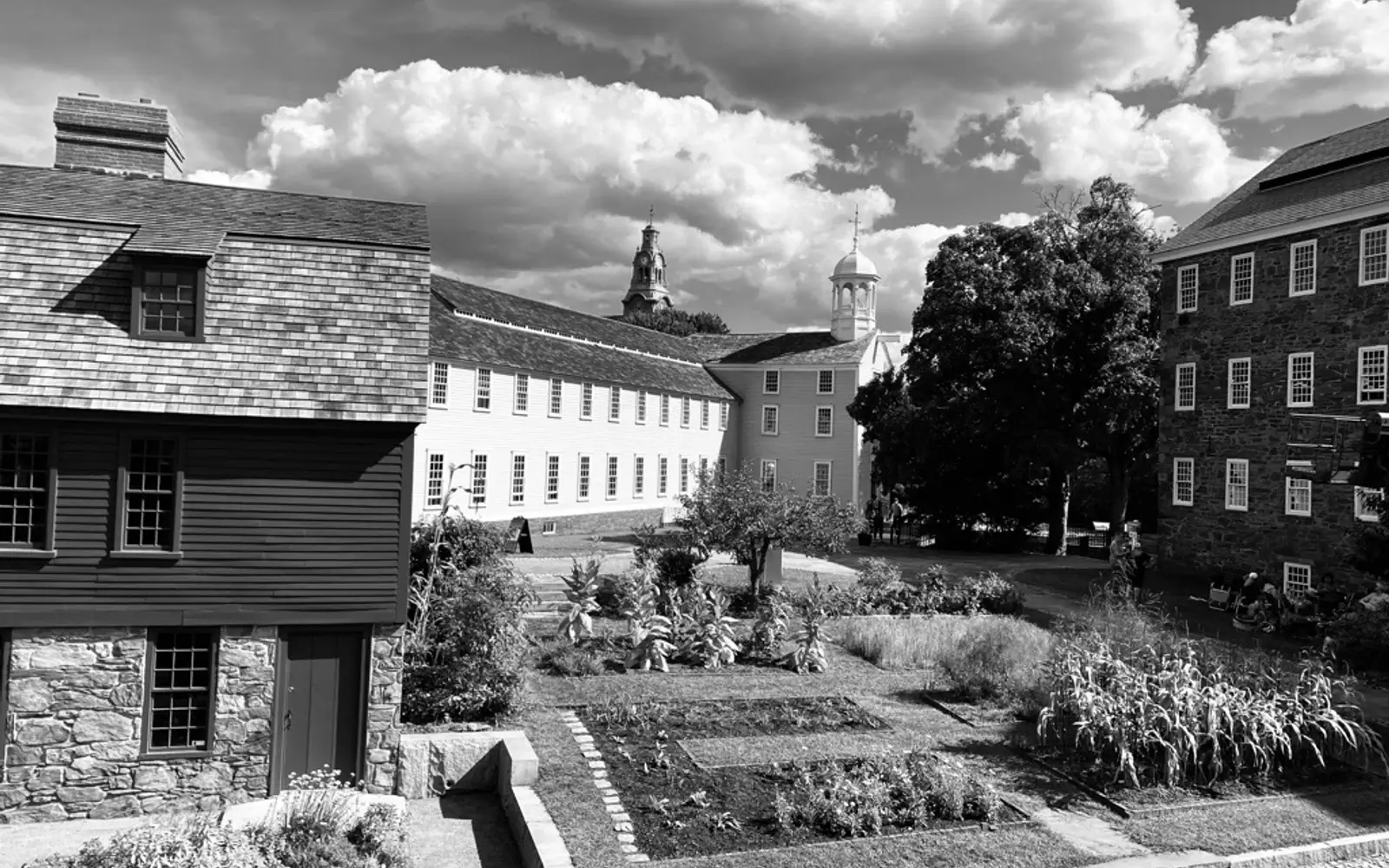
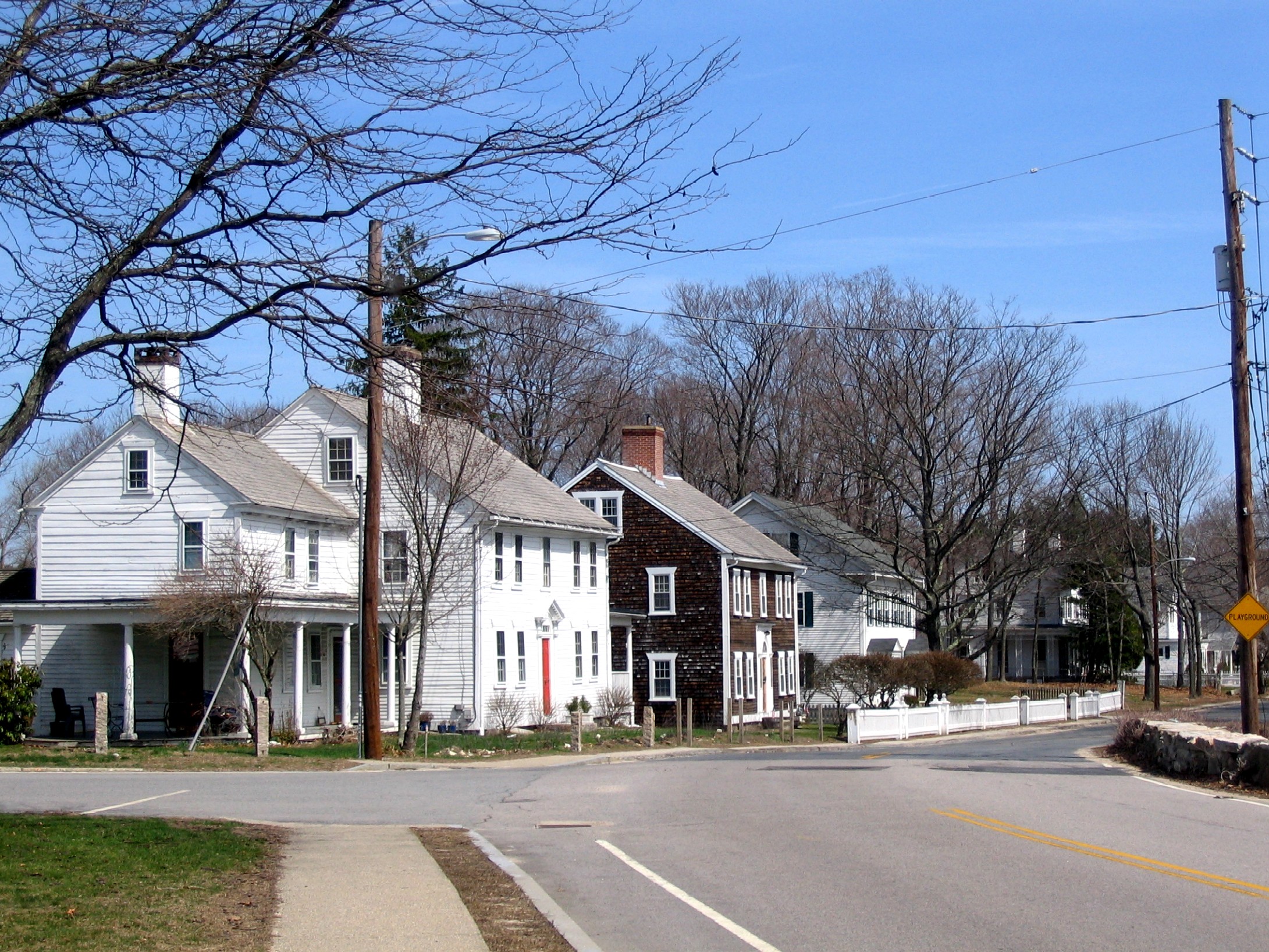
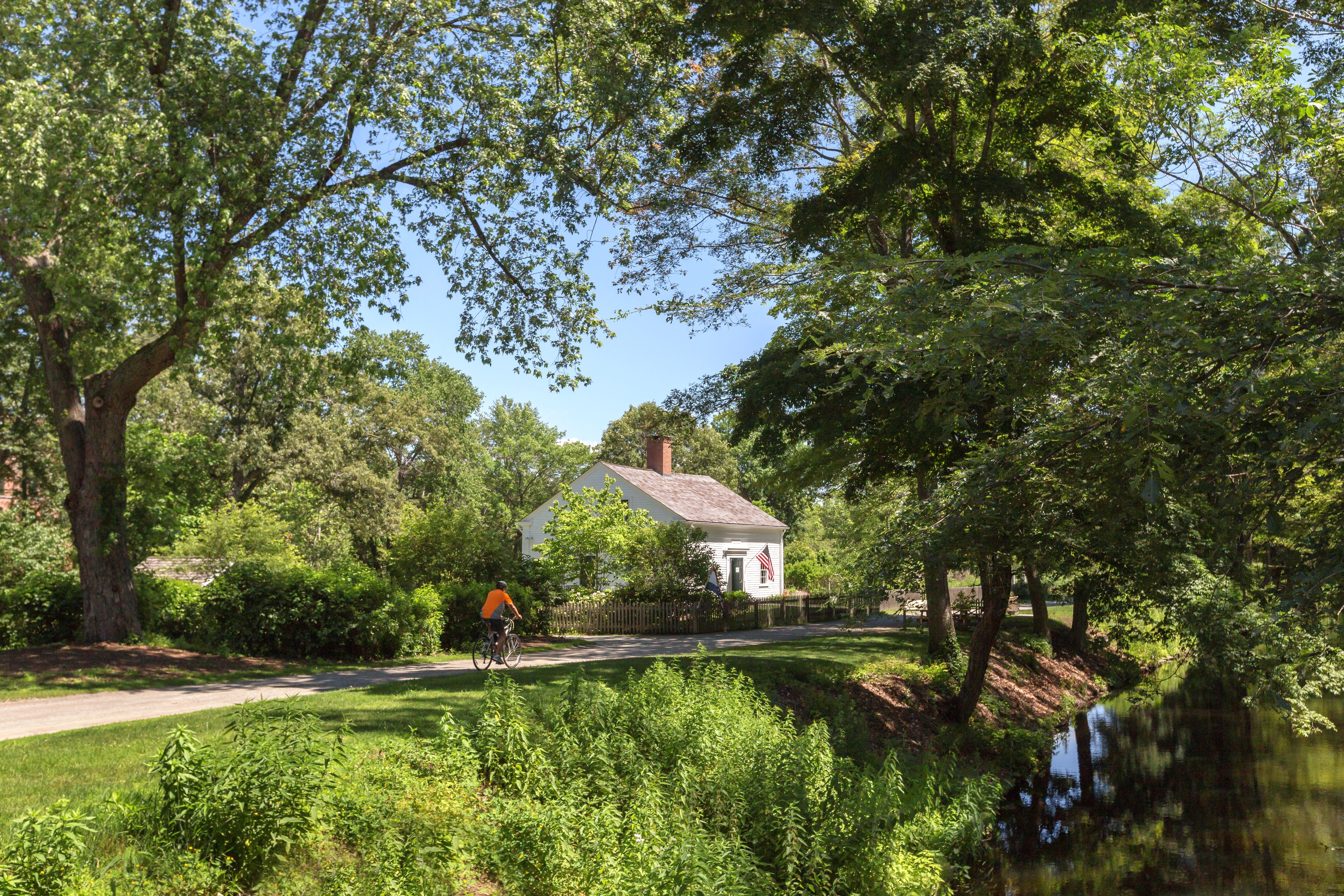
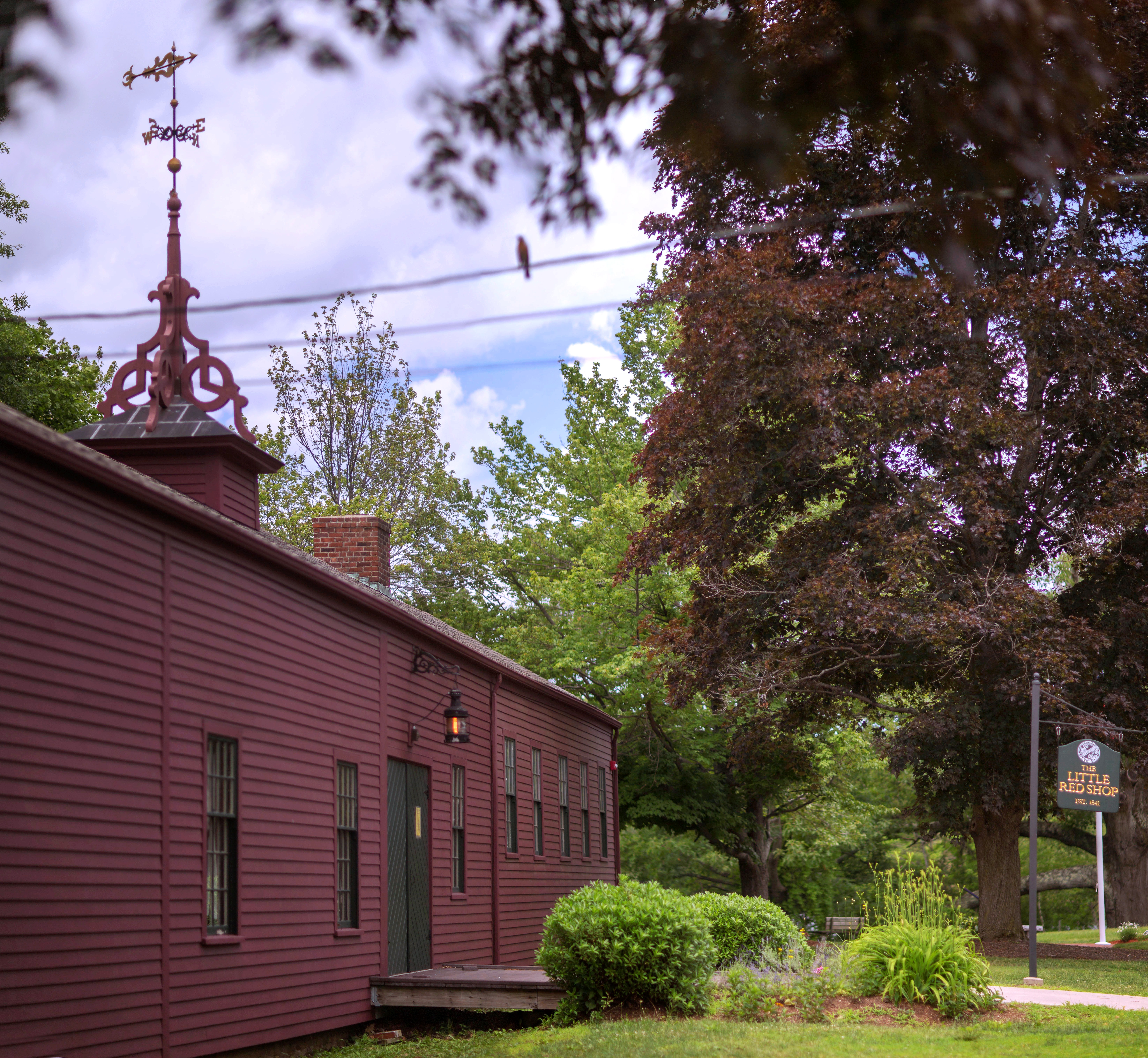
Slater Mill, Wilkinson Mill and Brown House at Blackstone River Valley NHPSlatersvilleBlackstone canal outside of the Wilbur Kelly HouseThe Little Red Shop in Hopedale, MA
National Historical ParkRI / MA

Blackstone River Valley National Historical Park

NPS / NPS Photo
71/ 100WIDE RANGE
parkverdict Experience ScoreIndependent, not sponsored

71 of 100. Our independent breadth-and-access index. How we score

Worth it?

Is Blackstone River Valley National Historical Park worth it?

The Blackstone River Valley National Historical Park runs as a linear working-landscape corridor through Rhode Island and Massachusetts, built around the river that touched off American industrialization in the late 18th century.

This is not a wilderness destination. The experience builds in layers: paddling the Blackstone River, cycling the adjacent trail network, tracing how Samuel Slater's Pawtucket cotton mill set off a national economic transformation. Slater Mill in Pawtucket anchors the whole thing, and the park spreads outward from there along the valley. For history-minded visitors, outdoor families comfortable with an urban-to-rural corridor, and anyone who finds human geography as interesting as scenery, the park delivers far more than its low profile suggests. It is free, genuinely multi-activity, and rewards curiosity. Come expecting a traditional park with a single dramatic centerpiece, though, and you may leave underwhelmed.

The case for it

A good day here blends real physical activity with genuine historical depth in a way few NPS units pull off. You can paddle or kayak a stretch of the Blackstone River, which still follows the same corridor that powered mills for generations, then lock up a bike and ride the Blackstone River Bikeway through the valley. Guided tours tie the industrial story to the landscape in concrete terms, explaining how the river's fall powered machinery that reshaped American labor. The riverbanks also offer solid birdwatching and wildlife watching, a natural counterpoint to all that industrial history. Picnic areas and nearby food options make it easy to stretch the visit into a full day. Families with younger kids can use the Junior Ranger program as a structured way to weave the history into something hands-on.

Who it is for

Best for history enthusiasts focused on American industrialization, cyclists wanting a scenic and storied route, and families who want outdoor activity paired with an educational hook. Paddlers get a genuinely interesting waterway. Skip it if you are primarily seeking wilderness, dramatic elevation, or iconic natural scenery. This is a cultural and river landscape park first.

Best time to visit

Late spring through early fall is the best window to plan a visit. Summer highs sit in the low 80s, and the Visitor Center at Slater Mill is open. Fall brings cooler weather that works well for cycling and paddling, though nights can dip to 30F. The Slater Mill Visitor Center shuts down for winter, so from roughly November through March the interpretive experience is pretty thin.

Worth seeing

  • Paddling or kayaking the Blackstone River through the historic industrial corridor
  • Cycling the Blackstone River Bikeway connecting Rhode Island and Massachusetts
  • Guided tours at Slater Mill in Pawtucket, the birthplace of American industry
  • Birdwatching and wildlife watching along the river's natural margins
  • Self-guided walking tours that tie the built landscape to the industrial story
  • Junior Ranger Program giving families a structured interpretive experience

Before you visit

Admission is free. The park headquarters and main Visitor Center sit at Slater Mill, 67 Roosevelt Ave, Pawtucket, RI. The Visitor Center shuts down for the winter, so if you want full programming, plan your trip for the warmer months. The park crosses two states, so it's worth mapping out a route before you leave, particularly if you're combining paddling and biking in the same day.

Our tipBefore you head out, check the river access points and water levels, since the Blackstone runs as a working river corridor and conditions change with the seasons. Combining a paddle with a stretch of the bikeway on the same day is easy enough to arrange, and it gives you a much better sense of how the valley actually fits together as a landscape.

How we scored it

Why Blackstone River Valley National Historical Park scores 71

We keep the math boring on purpose. The same handful of public-data inputs, capped so none of them dominates, decide every score. What they measure is breadth and access, not beauty and not crowd levels. For Blackstone River Valley National Historical Park, they shook out like this:

  • Activity breadth13 documented activities
  • Topic breadth26 topics
  • Official imagery6 public-domain images
  • Camping on sitenone recorded
  • Entry costfree

No number is hand-adjusted and no unit pays for placement. The full weights, the floor at 18 and a worked example are on how we score.

The honest limits

What the score cannot tell you

A quick honest note. The score tracks how much a place has going on and how easy it is to reach, both pulled from public records. What it cannot see is the stuff that often makes or breaks a day: whether the views stop you cold, how packed it gets in season, what the trails are like after rain, or whether you catch a great ranger talk. A small, single-focus site can land below a sprawling park here and still be the better call for your trip. Use the number to compare what places offer on paper, and the verdict up top to tell if it is your kind of place.

Background

The short version

Samuel Slater built his cotton spinning mill in Pawtucket along the Blackstone River, and that decision put the river at the heart of America's early industrial history. The mill changed where people settled and how they made a living, first across the Blackstone Valley and eventually well beyond it. One practical note: the Visitor Center at Old Slater Mill is closed for the winter season.

On documented breadth and access, Blackstone River Valley National Historical Park ranks 1st of 3 park and public-land units we score in Rhode Island.

What the seasons are like

Summer temperatures run between 56 and 83F. Fall and spring both sit in the 30 to 70F range. Winter drops to between 20 and 45F.

What you can do

Activities

BikingFishingFoodDiningPicnickingGuided ToursSelf-Guided Tours - WalkingPaddlingCanoeingKayakingJunior Ranger ProgramWildlife WatchingBirdwatching
Common questions

Blackstone River Valley National Historical Park: quick answers

Is Blackstone River Valley National Historical Park worth visiting?

The Blackstone River Valley National Historical Park runs as a linear working-landscape corridor through Rhode Island and Massachusetts, built around the river that touched off American industrialization in the late 18th century.

Is Blackstone River Valley National Historical Park free to visit?

It is free to get in.

What is Blackstone River Valley National Historical Park best for?

It leans hardest toward good with kids, water activities, wildlife watching, biking, going by the 13 activities it actually documents.

When is the best time to visit Blackstone River Valley National Historical Park?

Late spring through early fall is the best window to plan a visit.

How is the Experience Score for Blackstone River Valley National Historical Park calculated?

The 71 comes straight from public data on how much the place documents and how easy it is to reach, things like activities, topics, photos, camping and whether entry is free. It says nothing about scenery or how busy it gets.