Is Boston Harbor Islands National Recreation Area worth it?
Boston Harbor Islands is a compelling national park unit, mere minutes from the city center by ferry yet offering a distinct sense of escape.
Comprising 34 islands and peninsulas, its breadth of documented experiences is notable: fort exploration, lighthouse viewing, tide pool discovery, overnight camping, saltwater fishing, kayaking, and serious birdwatching. Zero-cost entry solidifies its position as a high-value NPS destination. Access, however, hinges entirely on ferry schedules and seasonal boat service, necessitating significant advance planning. This is not a drive-up destination. For those prepared to manage the logistics, the park delivers a rare fusion of urban proximity and authentic island wilderness. Families, history enthusiasts, paddlers, and campers will find substantial engagement here. The Experience Score of 100 accurately reflects this documented diversity.
The case for it
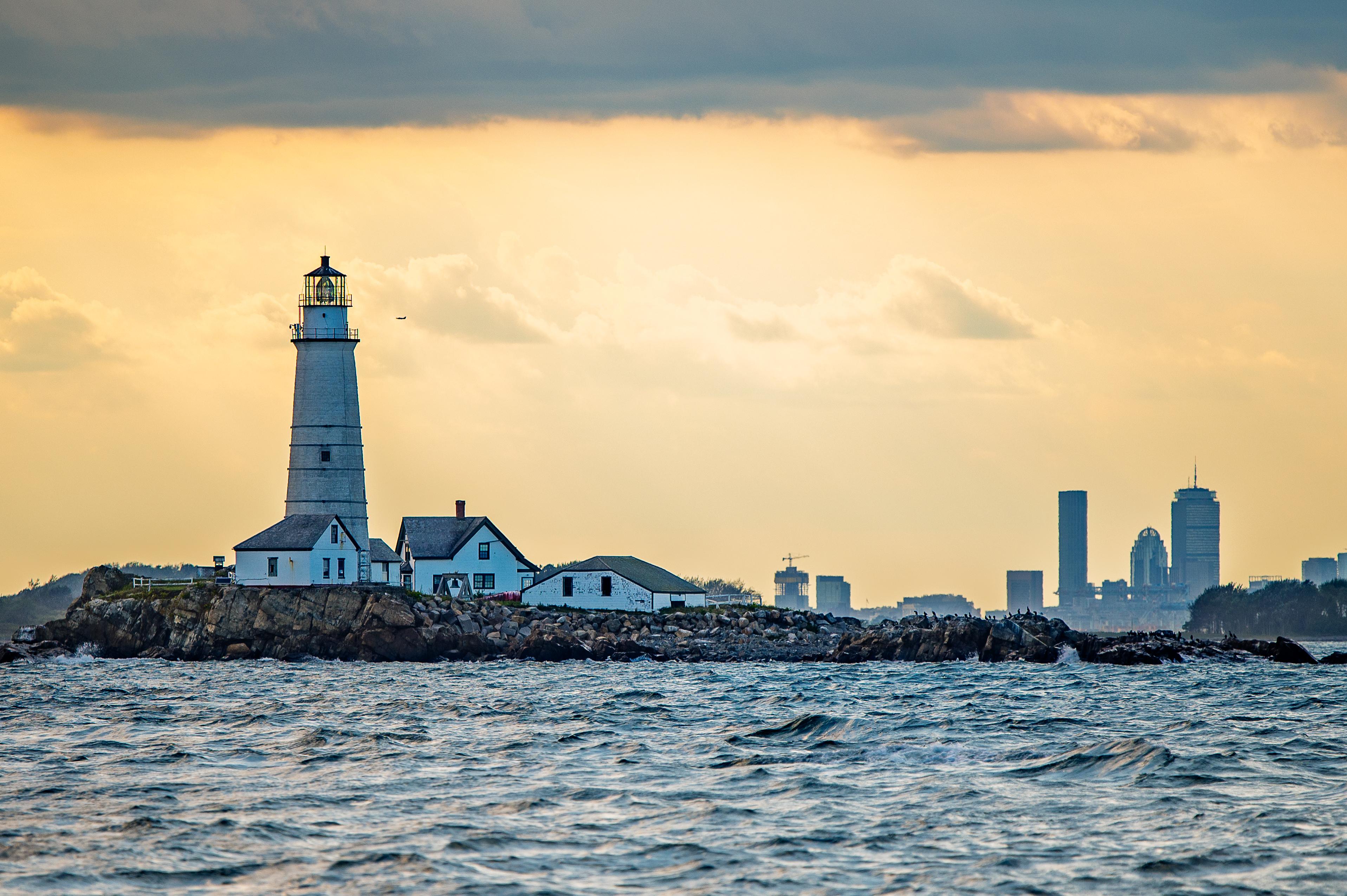
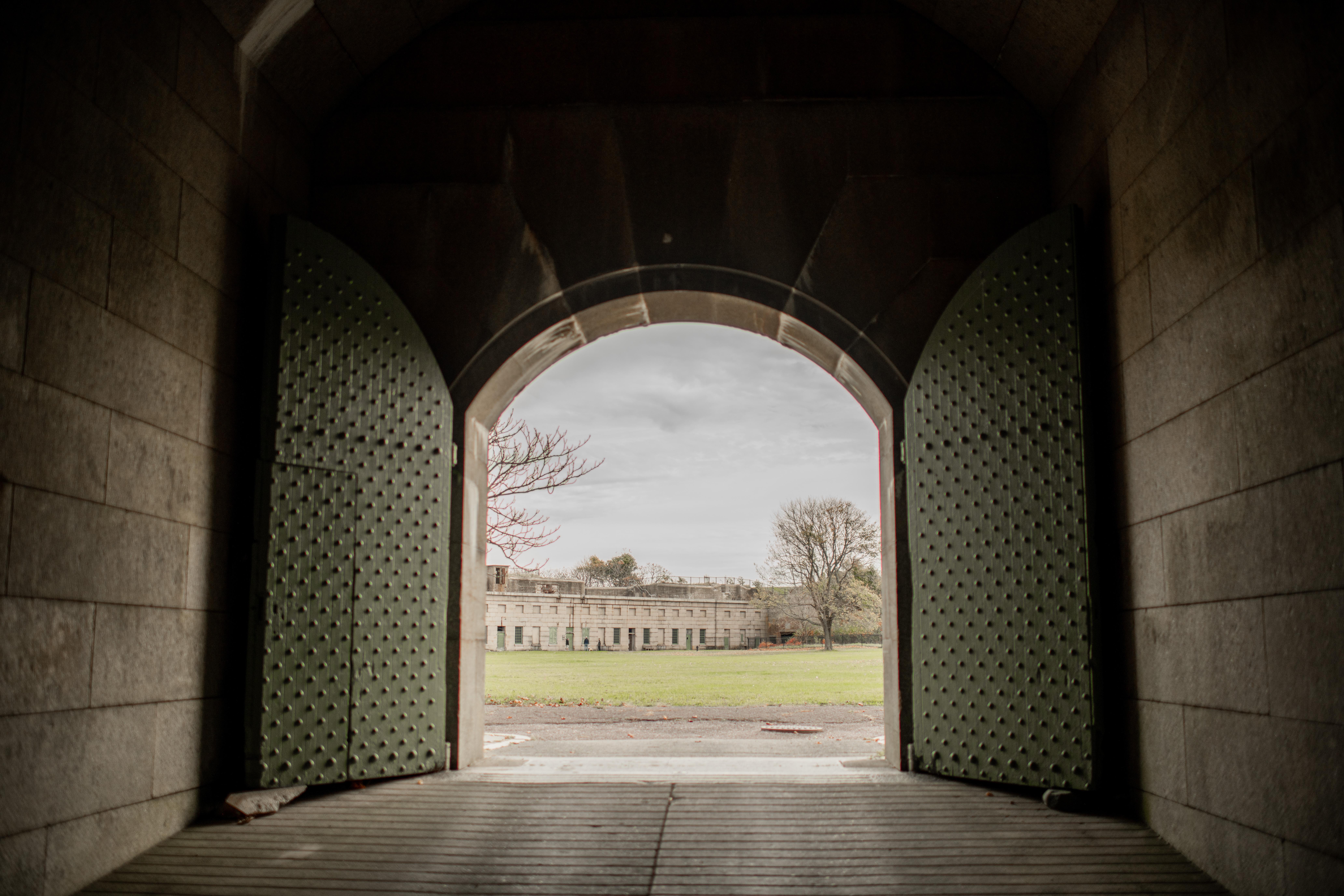
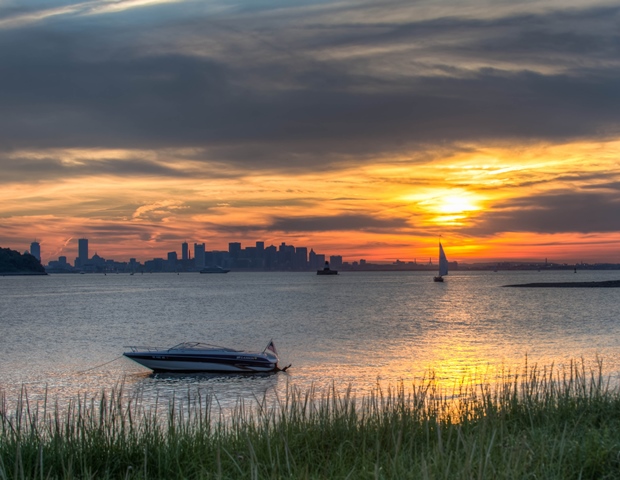
This park unit offers a blend of historical exploration and accessible outdoor activity. Its primary draw is the opportunity to traverse a preserved Civil War fortification and observe shorebirds, all with the Boston skyline as a backdrop. Guided living history tours are available, complementing self-guided walking loops across the islands. For water-based recreation, saltwater fishing from shore, inter-island kayaking, and tide pool exploration are documented activities. Overnight camping, including backcountry and canoe-kayak options on select islands, provides a rare urban-adjacent wilderness experience in New England. Junior Ranger programming ensures structured activities for younger visitors. This destination caters to those seeking a multi-faceted day trip or an unusual overnight stay.
Who it is for
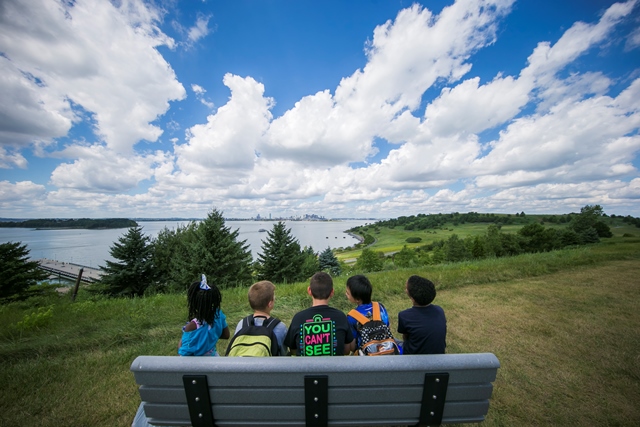
This destination offers true substance for several groups. Families seeking genuine outdoor adventure near Boston will find it, as will history enthusiasts drawn to fortifications and lighthouses. Kayakers, saltwater anglers, and birders have ample opportunities. However, visitors expecting a traditional drive-in park experience should look elsewhere. Those desiring guaranteed solitude may also be disappointed; popular islands experience high visitation on summer weekends.
Best time to visit
Peak season, from June to early September, offers the most frequent ferry service and fully operational island facilities. Summer temperatures will run 5 to 10 degrees cooler than downtown Boston due to harbor breezes; layers are essential even in July. Spring and fall provide a quieter experience, with excellent birdwatching during migratory periods. However, ferry schedules are notably reduced outside the summer window.
Worth seeing
- Exploring a preserved Civil War-era fort on the islands
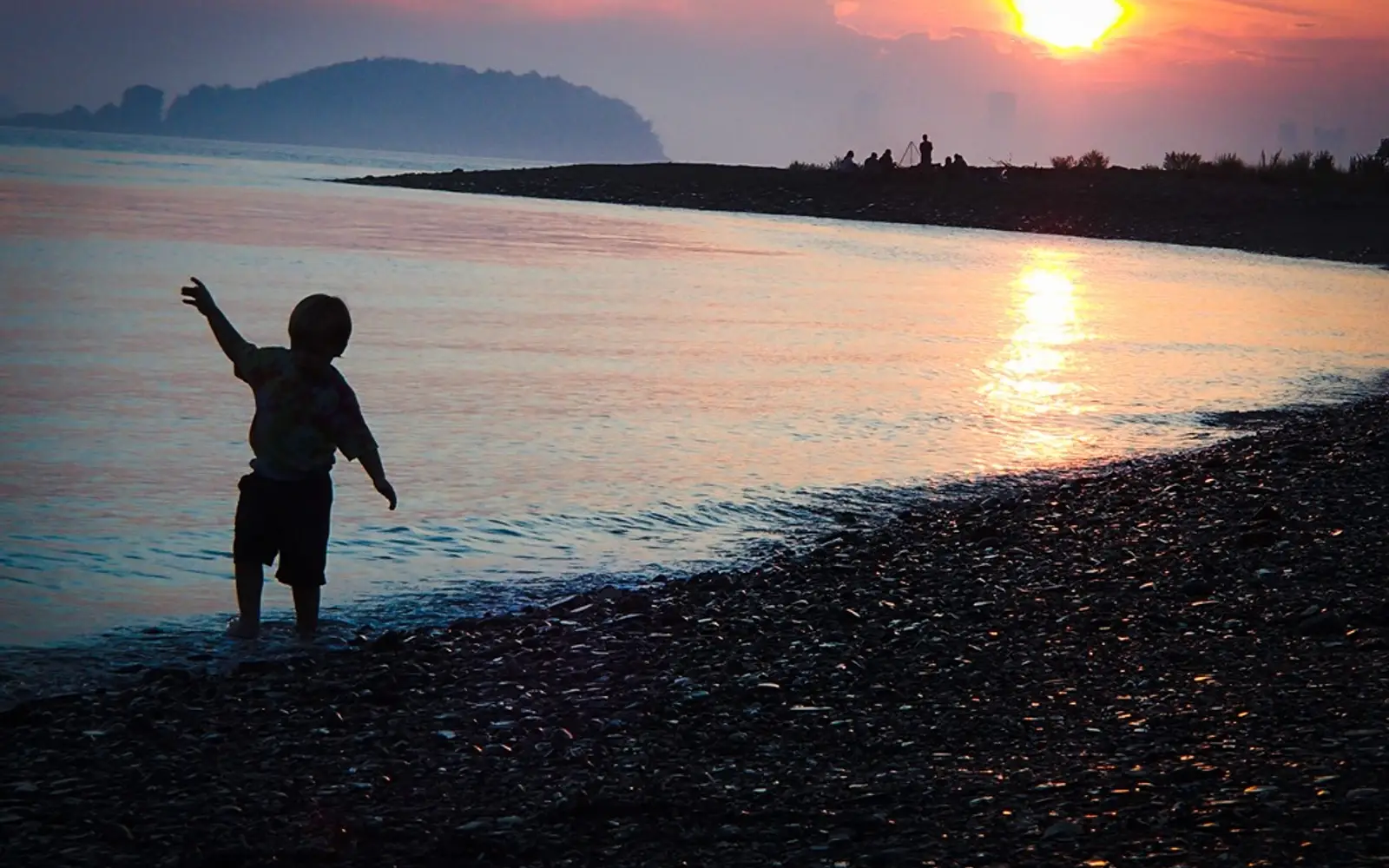
- Overnight camping on harbor islands with Boston skyline views
- Saltwater fishing and kayaking directly in Boston Harbor
- Guided living history tours connecting the military and maritime past
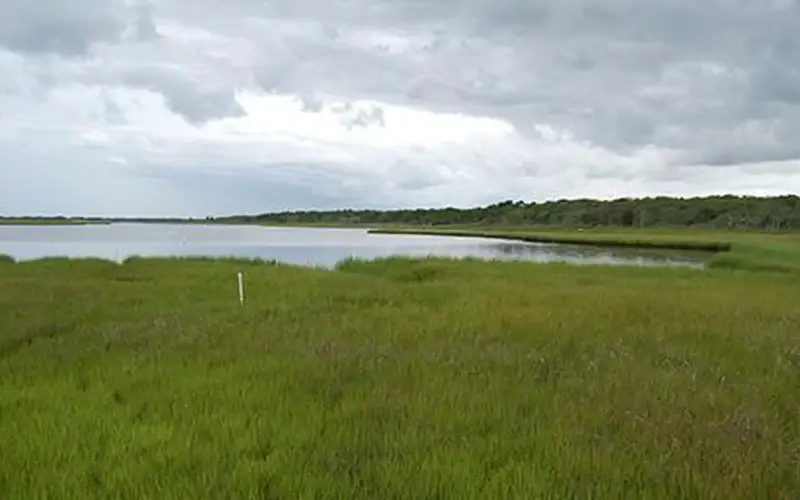
- Birdwatching and wildlife watching across 34 islands and peninsulas
- Free admission with ferry access from downtown Boston
Before you visit
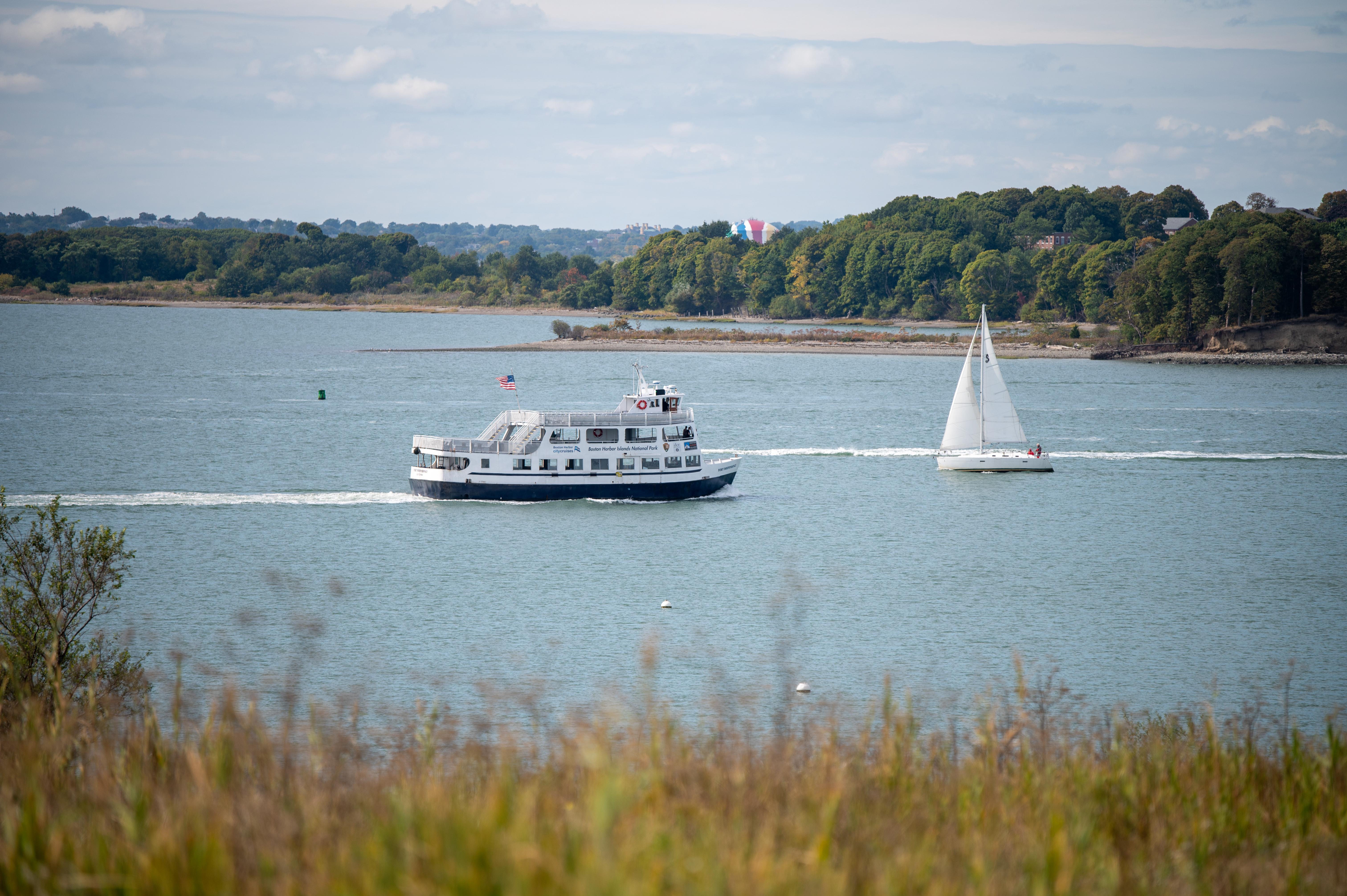
Accessing this unit requires careful planning. While entry to the park itself carries no fee, ferry passage is seasonal and ticketed. Note that the operating entity is bostonharborislands.org, not the National Park Service directly. Summer camping reservations on the islands are highly competitive, filling far in advance. Prospective visitors should consult the partnership website for current ferry schedules, island access, and any seasonal closures; nps.gov will not provide these operational details. This is not a destination for spontaneous visits.
Our tipThese islands remain several degrees cooler than the mainland. Visitors often find themselves cold by early afternoon as harbor winds rise, even on hot Boston days. A windproof layer is essential, regardless of forecast. This single item dramatically improves comfort on the water.