
Is Cape Cod National Seashore worth it?
Cape Cod National Seashore earns its 90 experience score through documented breadth and access.
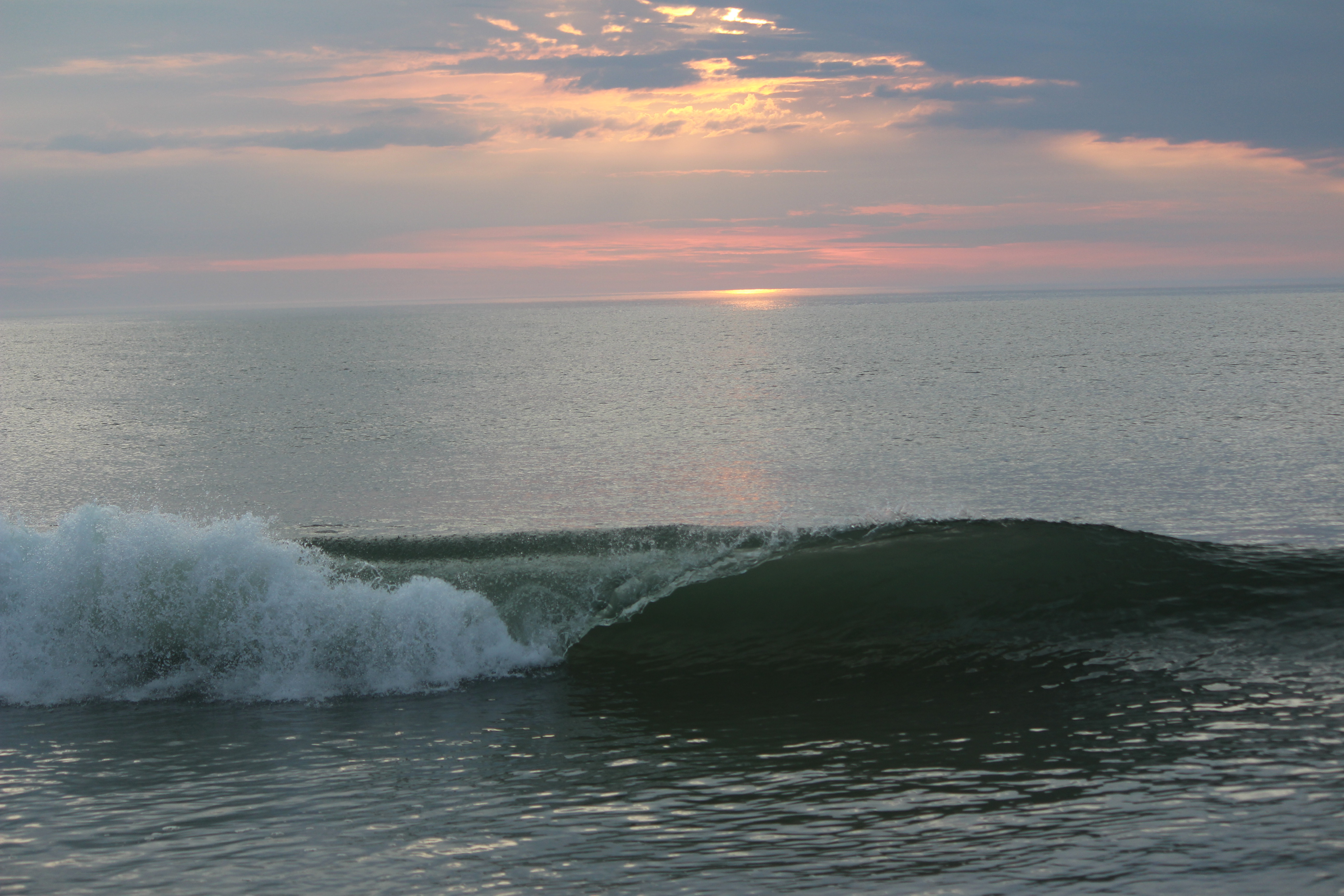
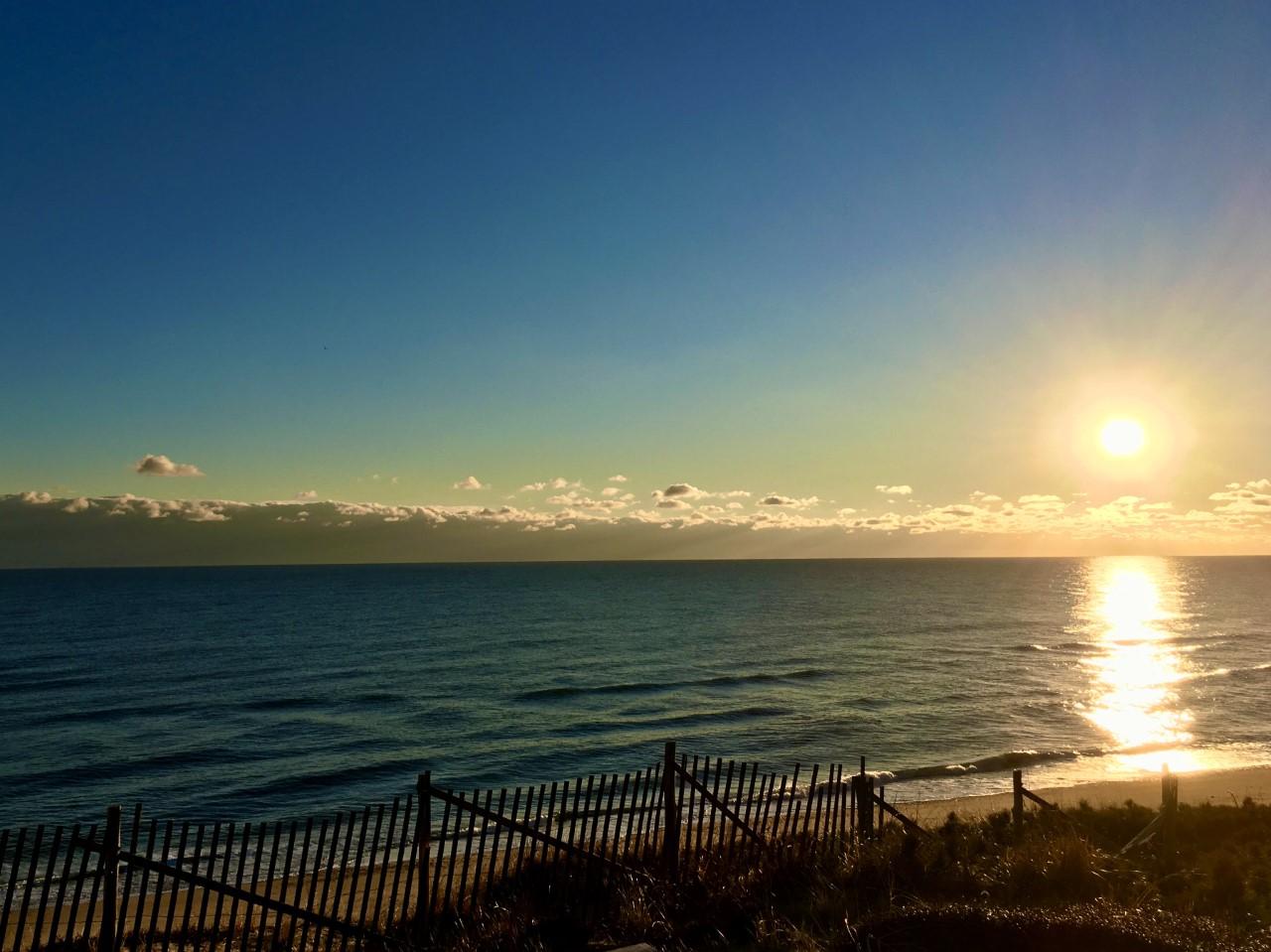
Forty miles of Atlantic beach offer far more than just swimming. Freshwater ponds, salt marshes, historic lighthouses, and cranberry bogs add remarkable depth. An extensive network of trails and bike paths offers activity across all seasons. Summer crowds are significant, and parking fills quickly. Shoulder seasons reveal a quieter, arguably superior landscape. Winter offers cross-country skiing, snowshoeing, and dramatic, empty coastlines. This unit serves diverse interests exceptionally well. A family with young kids, a solo kayaker, a birder, and a surfer can all find a genuinely excellent day here. The $15 entrance fee represents strong value.
The case for it
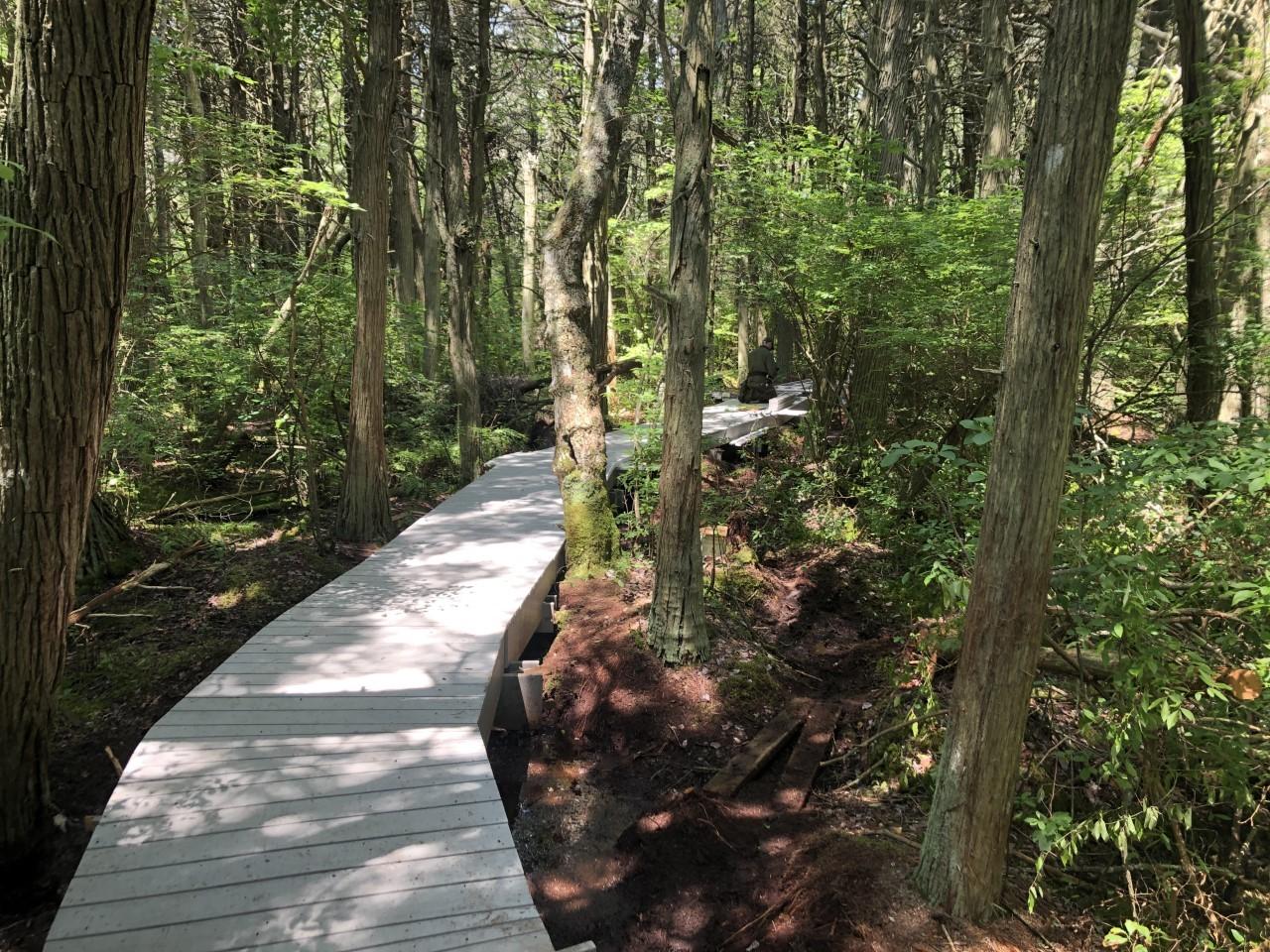
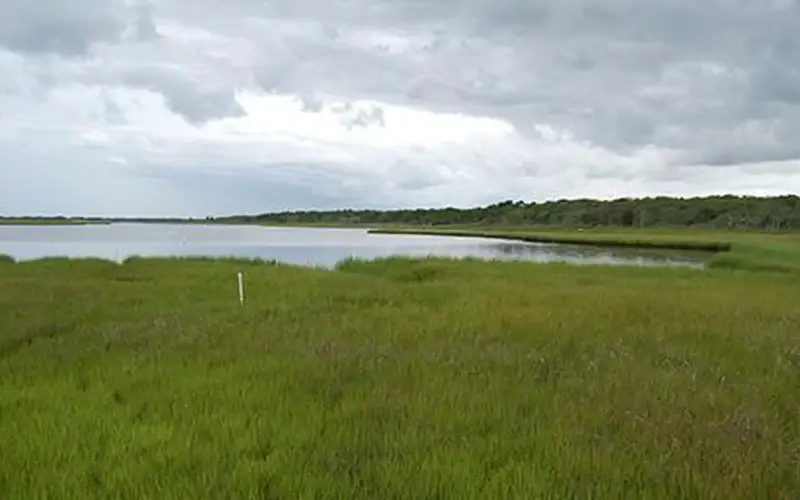
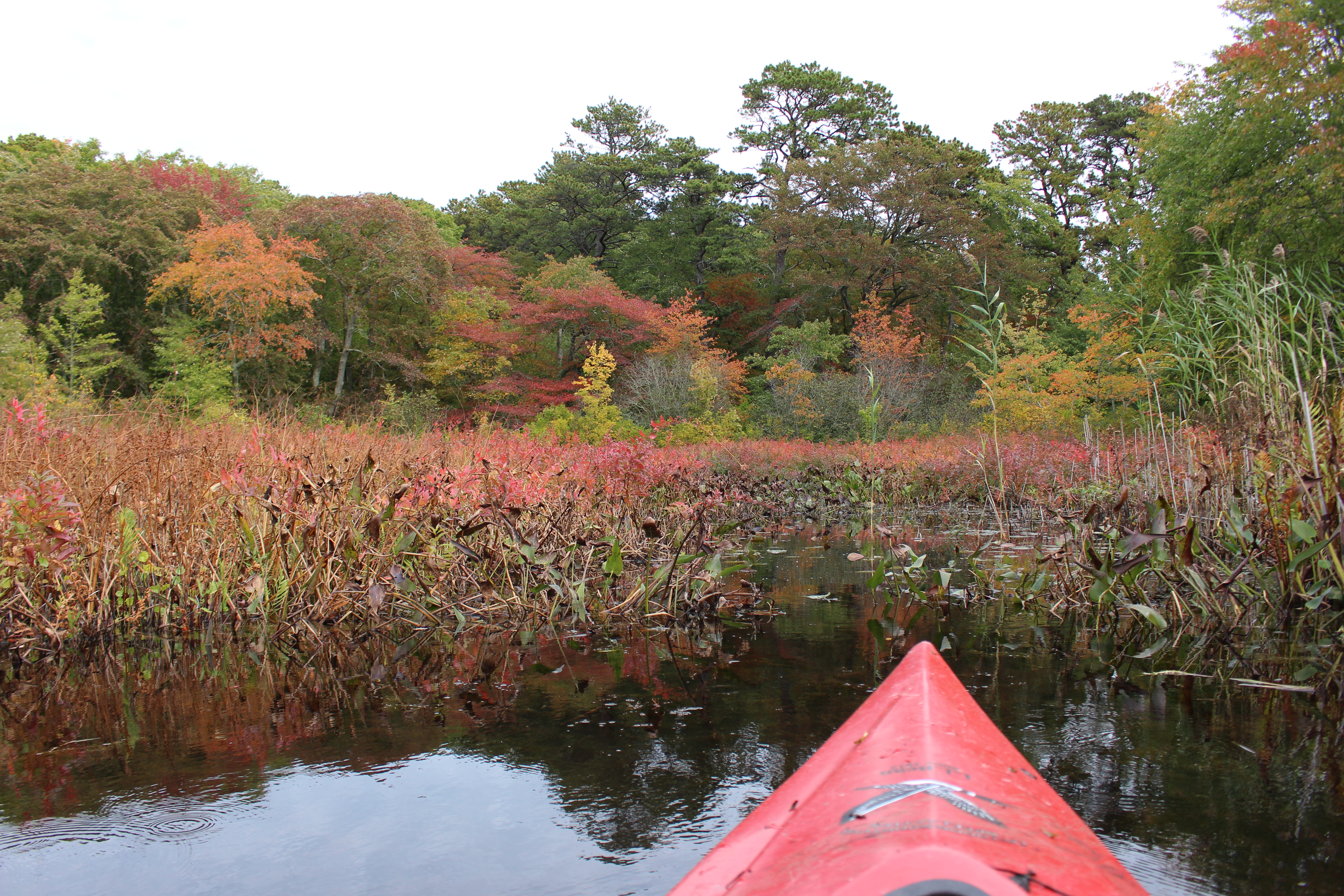
This seashore delivers a dynamic experience, allowing for varied activities within a single visit. A morning paddle through freshwater ponds or tidal creeks can transition to an afternoon cycling the designated bike trails winding through pitch pine and scrub oak forests. The outer beach provides opportunities for swimming or surfing. For birdwatchers, the diverse marshes and uplands are productive year-round. Guided bus tours and ranger programs offer historical depth, illuminating the lighthouses and cultural landscapes. Campers and RV travelers will find ample opportunity for extended stays without repetition. Winter transforms the trail network into a haven for cross-country skiing and snowshoeing, offering solitude on the beaches. This destination rewards active visitors seeking diverse outdoor pursuits across all seasons.
Who it is for
This location accommodates a wide range of visitors: families, paddlers, cyclists, surfers, birders, winter hikers, and those interested in history. It truly rewards extended visits over single stops. Only those seeking genuine backcountry solitude in peak summer, when main swimming beaches draw crowds and parking becomes competitive, should consider other options.
Best time to visit
Fall offers the strongest overall choice for a visit. The weather typically remains dry and clear, with crowds significantly reduced after Labor Day. The light on the outer beach during this season is exceptional. Summer provides peak conditions for swimming and surfing, but also brings the highest congestion levels. Spring is characterized by rain, though it offers a green landscape and quiet atmosphere. Winter brings cold temperatures and potential snow, transforming trails into opportunities for skiing and snowshoeing.
Worth seeing
- Forty miles of Atlantic outer beach for swimming, surfing, and walking
- Kayaking and canoeing on freshwater ponds and tidal marshes
- Dedicated biking trails through coastal pine and scrub landscape
- Historic lighthouses and wild cranberry bogs with cultural history
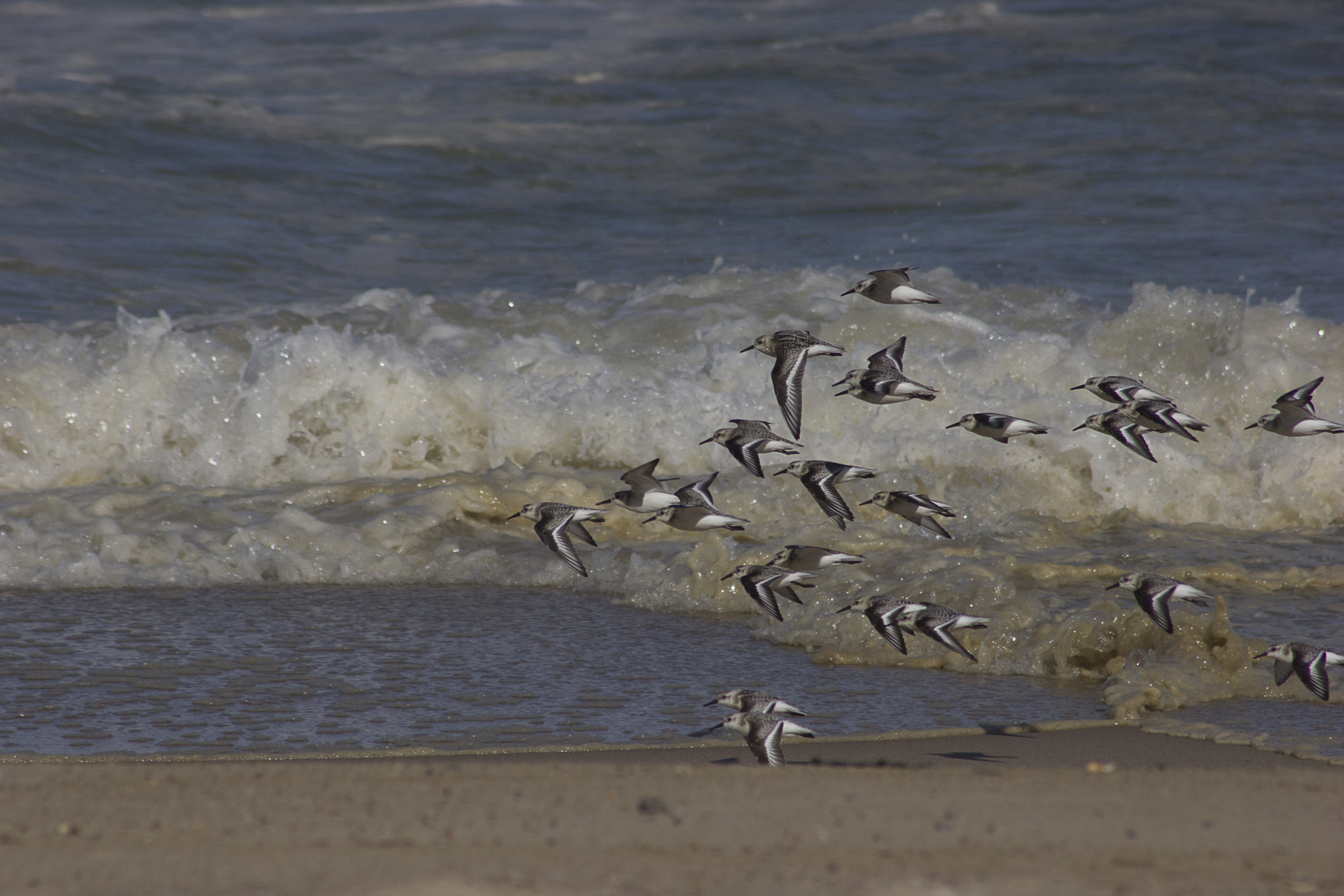
- Birdwatching across diverse habitats including marsh, upland, and shoreline
- Year-round access including cross-country skiing and snowshoeing in winter
Before you visit
Entry is $15 per vehicle, granting full seashore access. Parking at favored swimming beaches often fills by mid-morning on summer weekends; early arrival before 9 am or utilizing the bus and shuttle guided tour is advisable. Given the seashore's considerable span across the Outer Cape, visitors should verify the closest access point for their intended activity.
Our tipFor summer visits, when main beach parking lots frequently reach capacity, alternative access points at the freshwater ponds and trailheads offer a viable, often less congested option. These ponds provide excellent swimming opportunities.