By state
National parks in Rhode Island
Every national park and public-land unit in Rhode Island, scored and ranked by our Experience Score.
Rhode Island has two National Park Service units. Both are small, but they offer significant American origin stories. This makes the state a good destination for history travelers interested in depth rather than expansive views. Blackstone River Valley National Historical Park focuses on industrial heritage. This corridor, where water and wildlife are present, gives the story of early American manufacturing a pastoral feel. Families and history enthusiasts both find it a worthwhile stop. A short distance away, Roger Williams National Memorial explores the founding of religious tolerance and colonial Providence. It is a quiet urban site. Visitors benefit from a guide or by taking time to understand what this modest green space represents. Together, these parks suit curious visitors. They prioritize layered meaning over dramatic scenery. The parks offer a slow pace through a small state with substantial historical importance.
 71WIDE RANGE
NPS Photo
71WIDE RANGE
NPS Photo
National Historical Park · RI
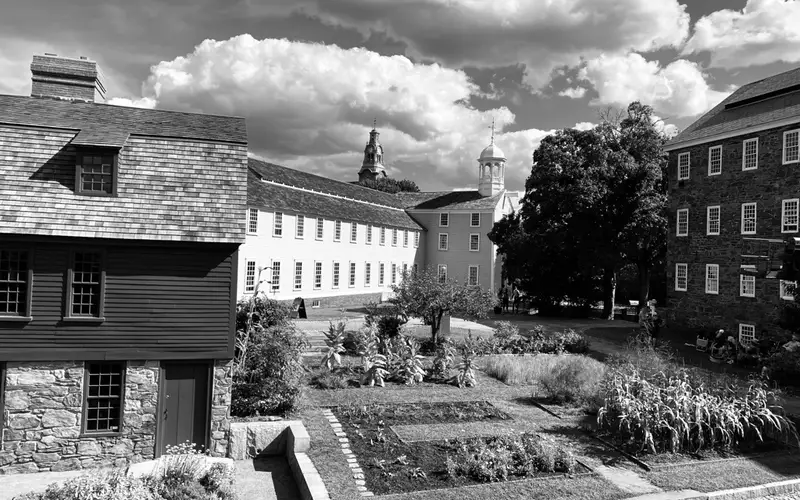
Blackstone River Valley National Historical Park
Blackstone River Valley National Historical Park offers a layered experience across Rhode Island and Massachusetts.
 66GOOD RANGE
NPS photo
66GOOD RANGE
NPS photo
National Memorial · RI
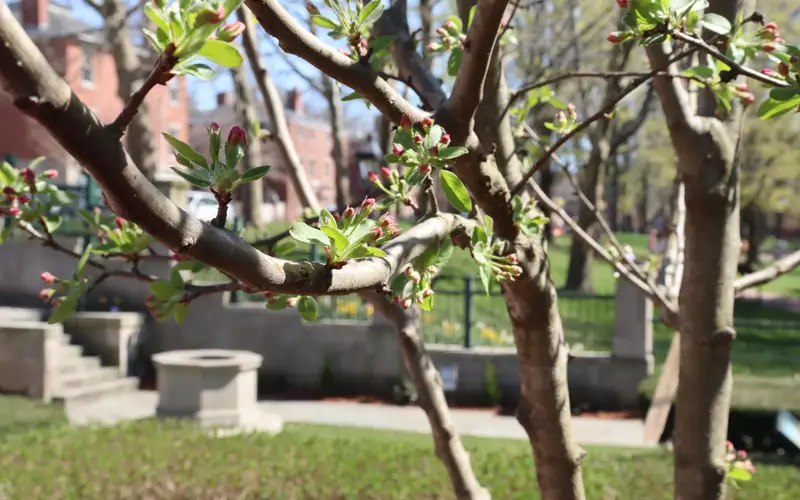
Roger Williams National Memorial
Roger Williams National Memorial, a compact urban park in downtown Providence, delivers a powerful historical experience.
 49FOCUSED
Narragansett Bay National Estuarine Research Reserve
49FOCUSED
Narragansett Bay National Estuarine Research Reserve
Recreation Area · RI
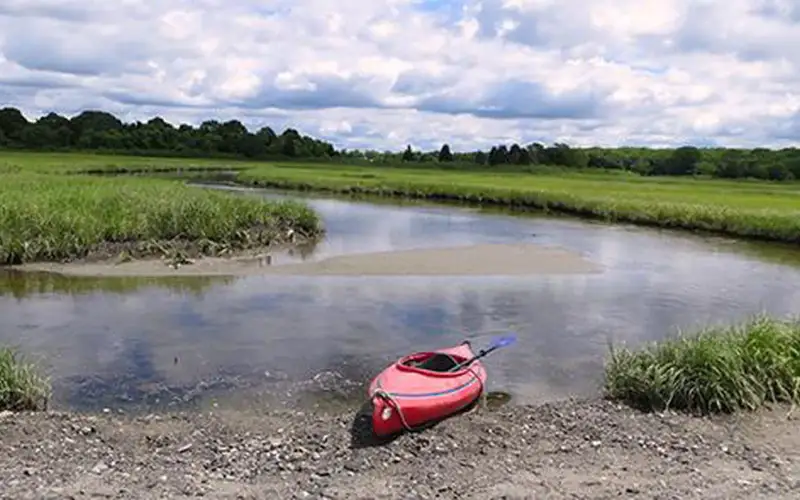
Narragansett Bay National Estuarine Research Reserve
The Narragansett Bay Reserve offers a quiet, ferry-dependent escape centered on Prudence Island.
 46FOCUSED
Tom Barnes/USFWS
46FOCUSED
Tom Barnes/USFWS
National Wildlife Refuge · RI
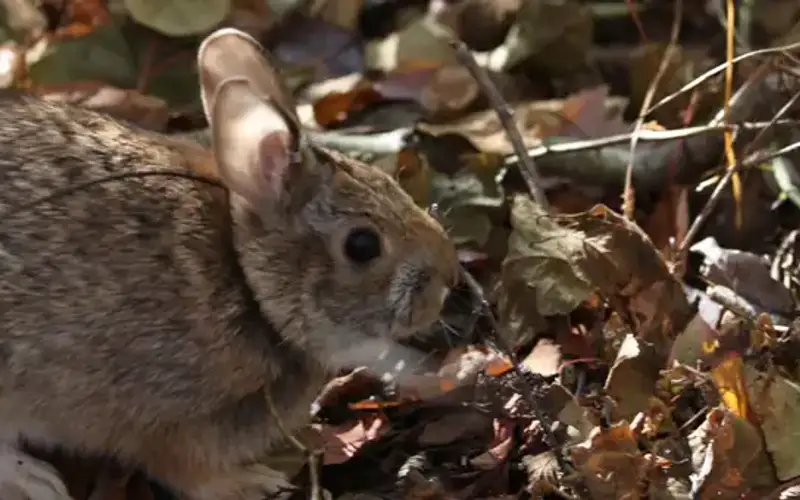
Ninigret National Wildlife Refuge
Ninigret, a coastal Rhode Island refuge, spans 858 acres, encompassing grassland, wooded swamp, and freshwater ponds around the state's largest coastal salt pond.
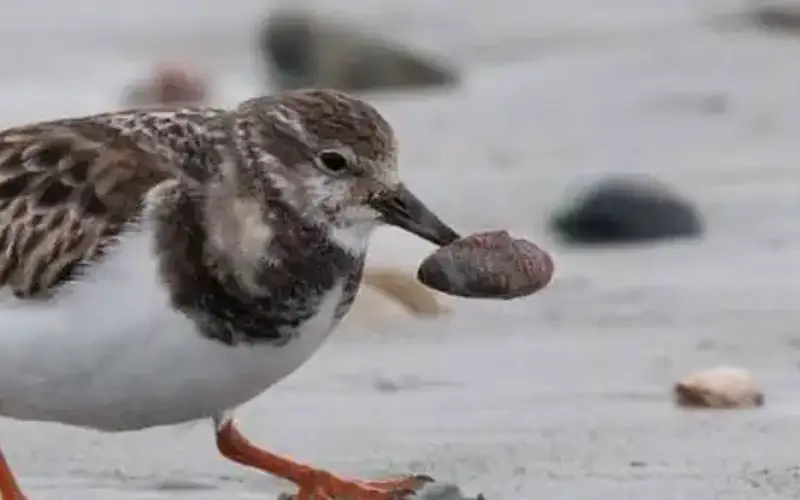 46FOCUSED
Bill Thompson
46FOCUSED
Bill Thompson
National Wildlife Refuge · RI
Sachuest Point National Wildlife Refuge
Sachuest Point is a small, free coastal refuge in Rhode Island that punches above its weight for serious birders and anglers.
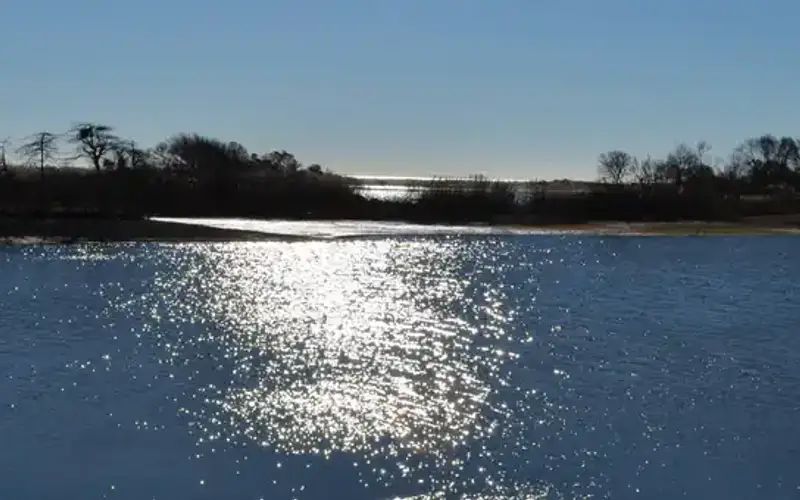 46FOCUSED
Ashley Spratt/USFWS
46FOCUSED
Ashley Spratt/USFWS
National Wildlife Refuge · RI
Trustom Pond National Wildlife Refuge
Trustom Pond stands as Rhode Island's sole undeveloped coastal pond, a distinction that defines its character.
How the Rhode Island order is set
These 6 Rhode Island units are ranked by one number, run identically nationwide: the Experience Score, built only from public records on documented breadth and access. It says nothing about scenery or how busy a place gets. Same formula everywhere, so a Rhode Island park and a desert one are read on the same terms.
Keep the blind spots in mind: scenery, seasonal crowds, trail conditions and program quality are all outside this score. A quiet, single-focus spot can land low and still win the weekend. The ranking is a fair look at what is documented, not a ruling on which Rhode Island park you will love.