589 units scored Refreshed on a schedule Independent, no sponsored rankings
National Wildlife RefugeNM
Bitter Lake National Wildlife Refuge
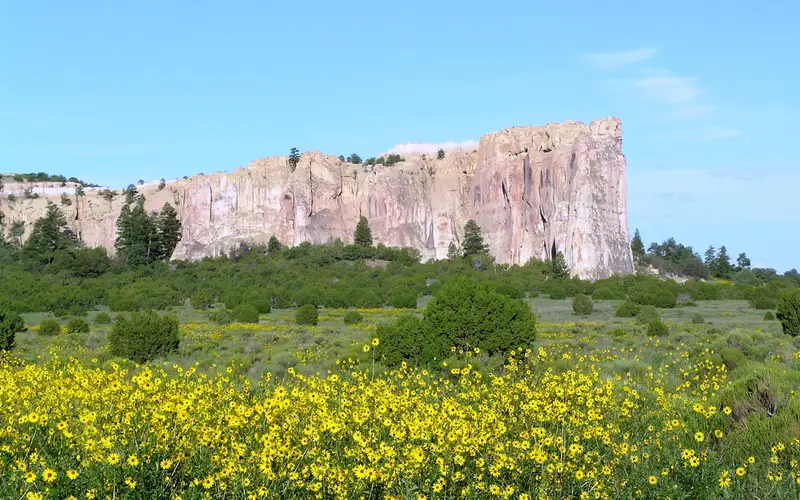
NPS / Robert Laremore, Share the Experience
60/ 100GOOD RANGE
parkverdict Experience ScoreIndependent, not sponsored
60 of 100. Our independent breadth-and-access index. How we score
Our verdict
Should you visit Bitter Lake National Wildlife Refuge?
Bitter Lake National Wildlife Refuge, near Roswell, offers a significant natural experience for those interested in avian life and wetland ecosystems.
This refuge occupies a unique ecological position, where the Chihuahuan Desert transitions into the Southern Plains, nourished by the Pecos River watershed. It is not a destination for grand scenic overlooks. Instead, its value lies in its ecological richness and the accessible wildlife viewing opportunities. An auto tour route allows visitors to observe the diverse bird species and landscapes with ease. The refuge's biological importance is substantial. Allow a dedicated half-day to appreciate what Bitter Lake offers.
Who should go
This unit offers particular appeal for birders, wildlife photographers, and those who appreciate desert ecosystems. Individuals anticipating dramatic vistas or extensive trail systems may find it underwhelming. Seasonal hunting is permitted.
Highlights
Auto touring the refuge loop for close wildlife viewing without leaving your vehicle
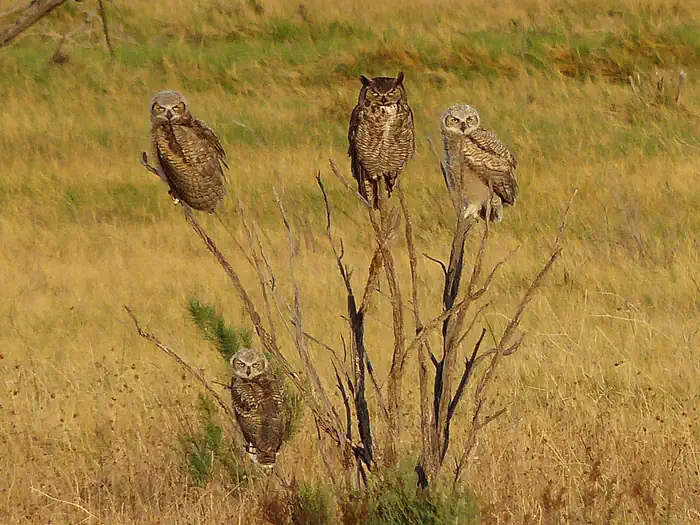
Birding during migration season when the wetlands draw significant migratory waterfowl
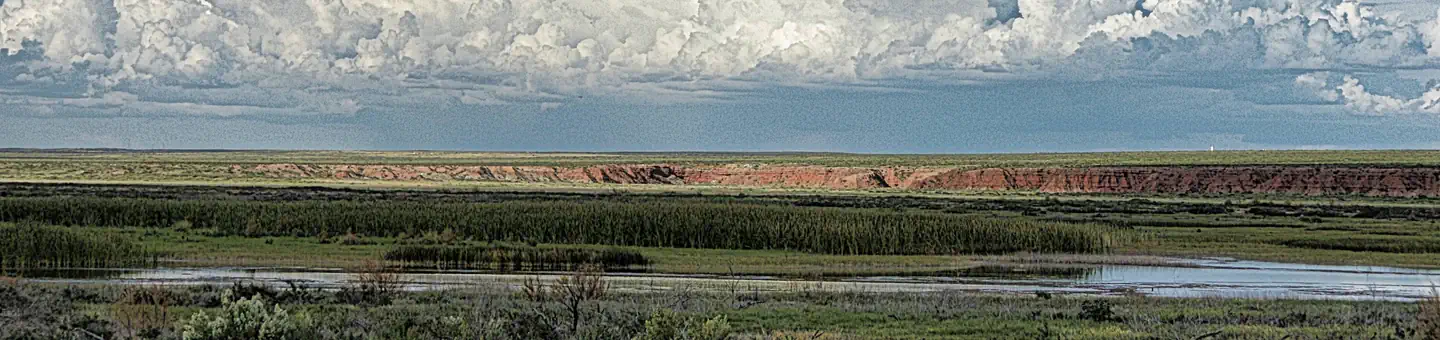
Photography of desert wetland contrasts, sparse scrub meeting open water in flat southeast New Mexico light
Free interpretive programs and a visitor center that give context to the refuge's conservation role
Editor's tipFor visitors targeting peak migratory bird concentrations, the window between October and February is essential. This period is when the refuge truly delivers on its biological promise. Always consult the refuge website prior to arrival. Seasonal changes in water levels and auto tour route conditions necessitate this check.
How we scored it
Why Bitter Lake National Wildlife Refuge scores 60
We keep the math boring on purpose. The same handful of public-data inputs, capped so none of them dominates, decide every score. What they measure is breadth and access, not beauty and not crowd levels. For Bitter Lake National Wildlife Refuge, they shook out like this:
Activity breadth10 documented activities
Topic breadth0 topics
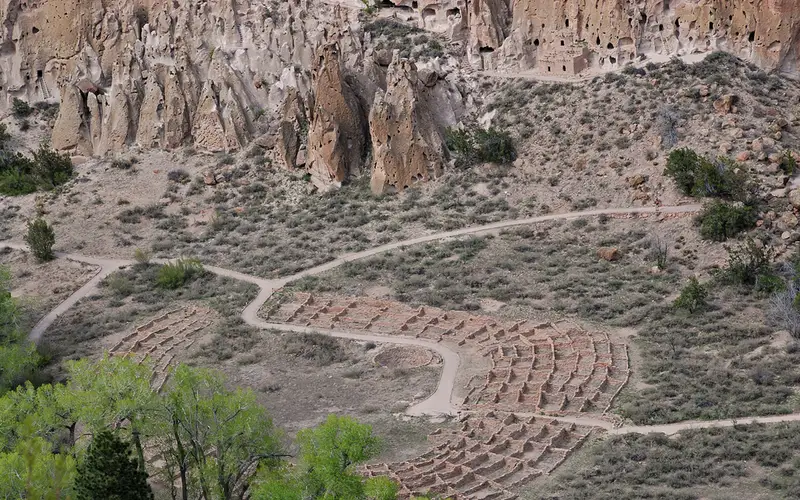
Official imagery2 public-domain images
Camping on sitenone recorded
Entry costfree
No number is hand-adjusted and no unit pays for placement. The full weights, the floor at 18 and a worked example are on how we score.
The honest limits
What the number leaves out
Worth saying plainly: this number only knows what the data shows, which is breadth and access. It has no idea whether the scenery is jaw-dropping, whether the lot is a zoo in July, what shape the trails are in, or how good the guided walks are. So do not read a lower score as a worse day out. A focused little site can beat a big all-rounder for the right person. Compare the numbers for what is on offer, then read the verdict for who each place actually suits.
Background
The short version
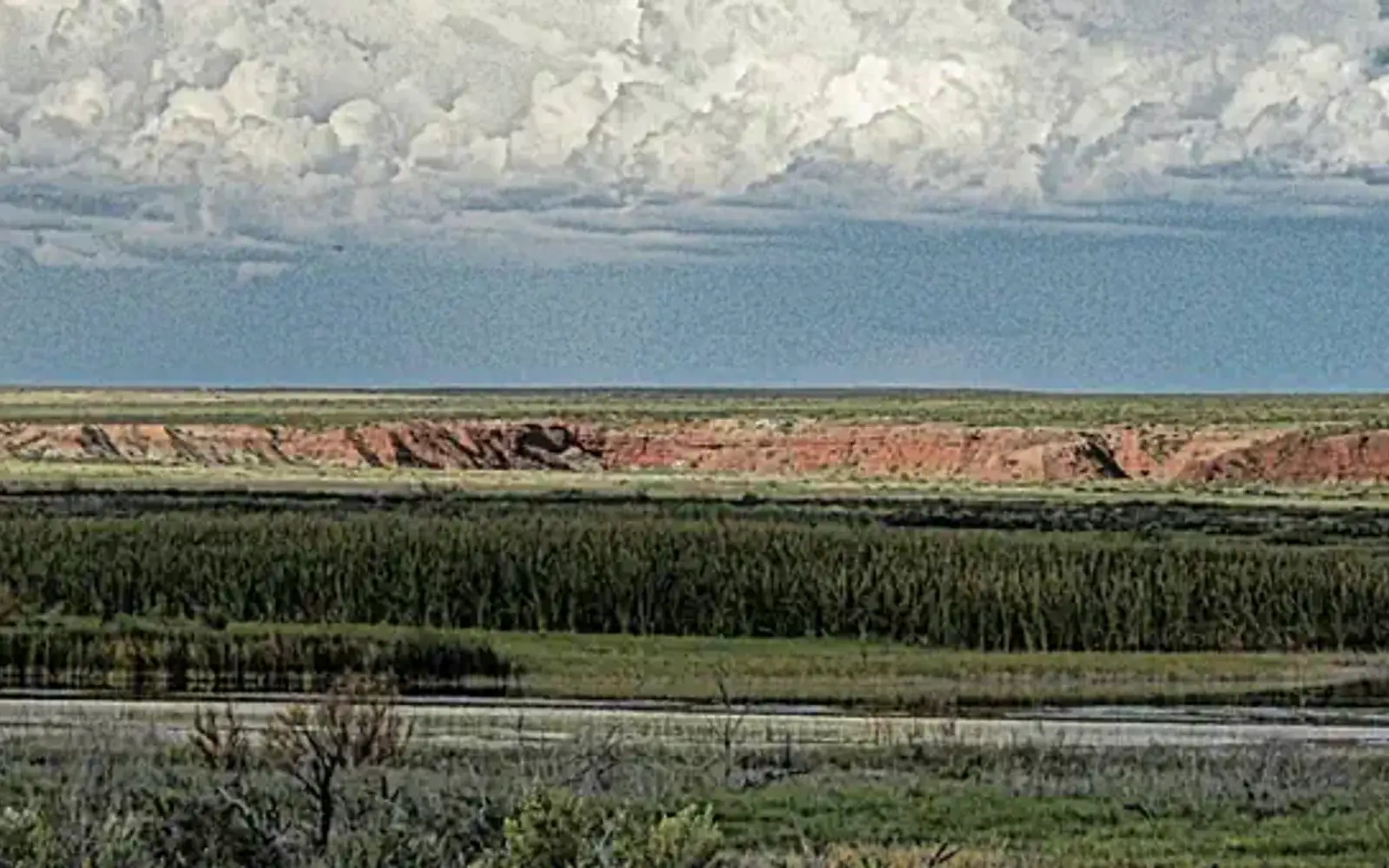
Bitter Lake National Wildlife Refuge began as the Carlsbad Bird Refuge in 1935. At first glance, it looks barren and desolate, with scattered stumps and sparse plants. A closer look reveals unique geology, bubbling springs, and desert wildlife.
This 24,563-acre refuge sits where the Chihuahuan Desert meets the Southern Plains in southeast New Mexico. It is a critical wetland area within the Pecos River watershed. Established in 1937, it provides winter habitat for migratory birds.
The refuge is important for wetland conservation in the southwestern desert. Its namesake, Bitter Lake, is a large playa lake. Early explorers called it "bitter" due to its white, alkaline, salty appearance. The lake and similar waters support diverse creatures, including Bataphora spp., a marine algae usually found in Gulf of Mexico lagoons.
The refuge has approximately 1,200 acres of wetlands. These include over 70 sinkholes, large moist-soil impoundments, riverine habitats, cienegas, and springs ranging from fresh to brackish. During migration, these wetlands attract more than 26,000 sandhill cranes and over 50,000 snow geese and ducks.
On documented breadth and access, Bitter Lake National Wildlife Refuge ranks 17th of 24 park and public-land units we score in New Mexico.
Bitter Lake National Wildlife Refuge: quick answers
Is Bitter Lake National Wildlife Refuge worth visiting?
Bitter Lake National Wildlife Refuge, near Roswell, offers a significant natural experience for those interested in avian life and wetland ecosystems.
Is Bitter Lake National Wildlife Refuge free to visit?
It is free to get in.
What is Bitter Lake National Wildlife Refuge best for?
It leans hardest toward hiking, wildlife watching, biking, scenic drives, going by the 10 activities it actually documents.
How is the Experience Score for Bitter Lake National Wildlife Refuge calculated?
The 60 comes straight from public data on how much the place documents and how easy it is to reach, things like activities, topics, photos, camping and whether entry is free. It says nothing about scenery or how busy it gets.
Reviewed by Irene A. Taranina, founding editor/Checked against official public data/Published /Updated /Independent, no sponsored rankings
parkverdict is an independent digital publication. Not affiliated with the National Park Service.