Is Grand Teton National Park worth it?
Grand Teton earns its perfect Experience Score.
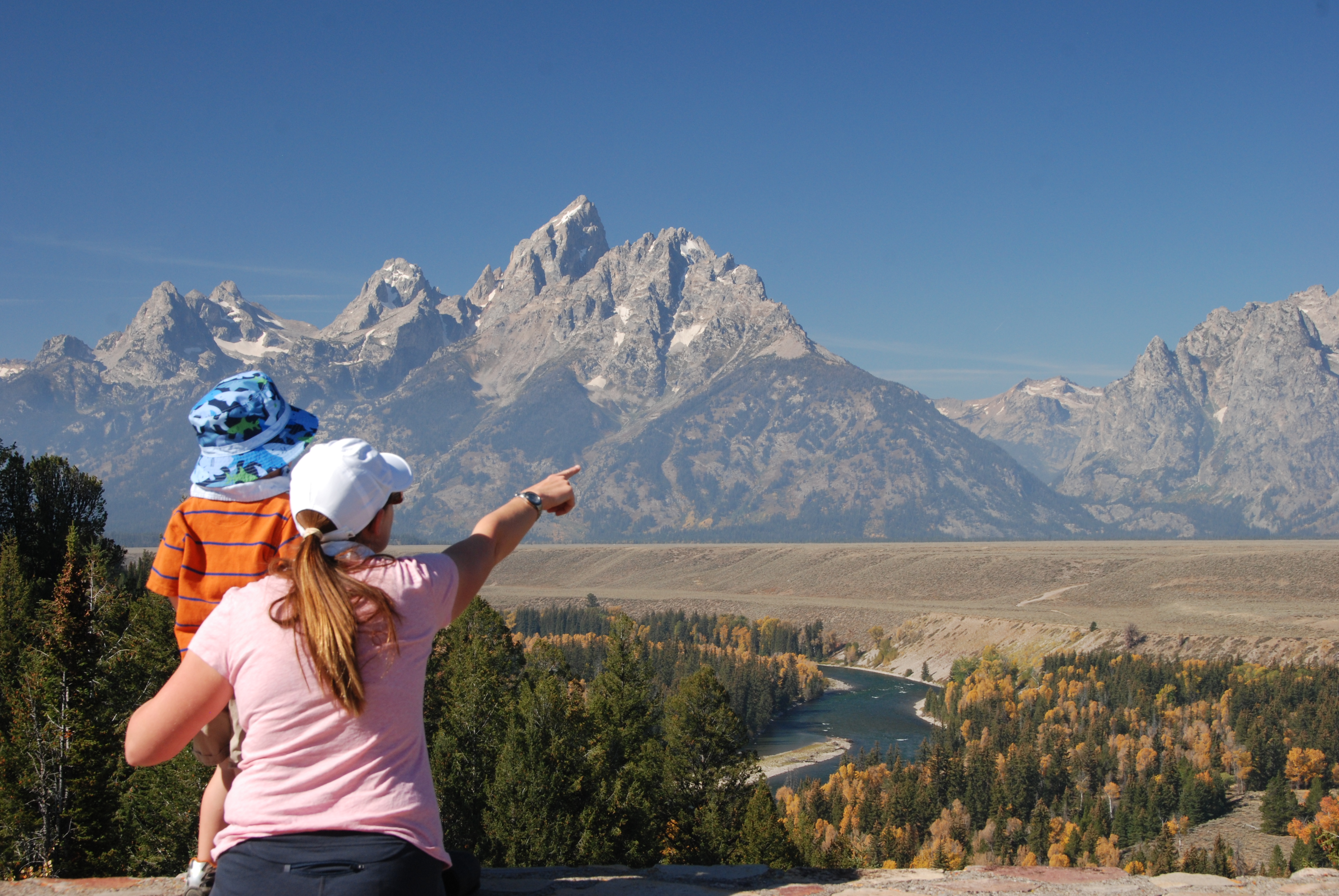
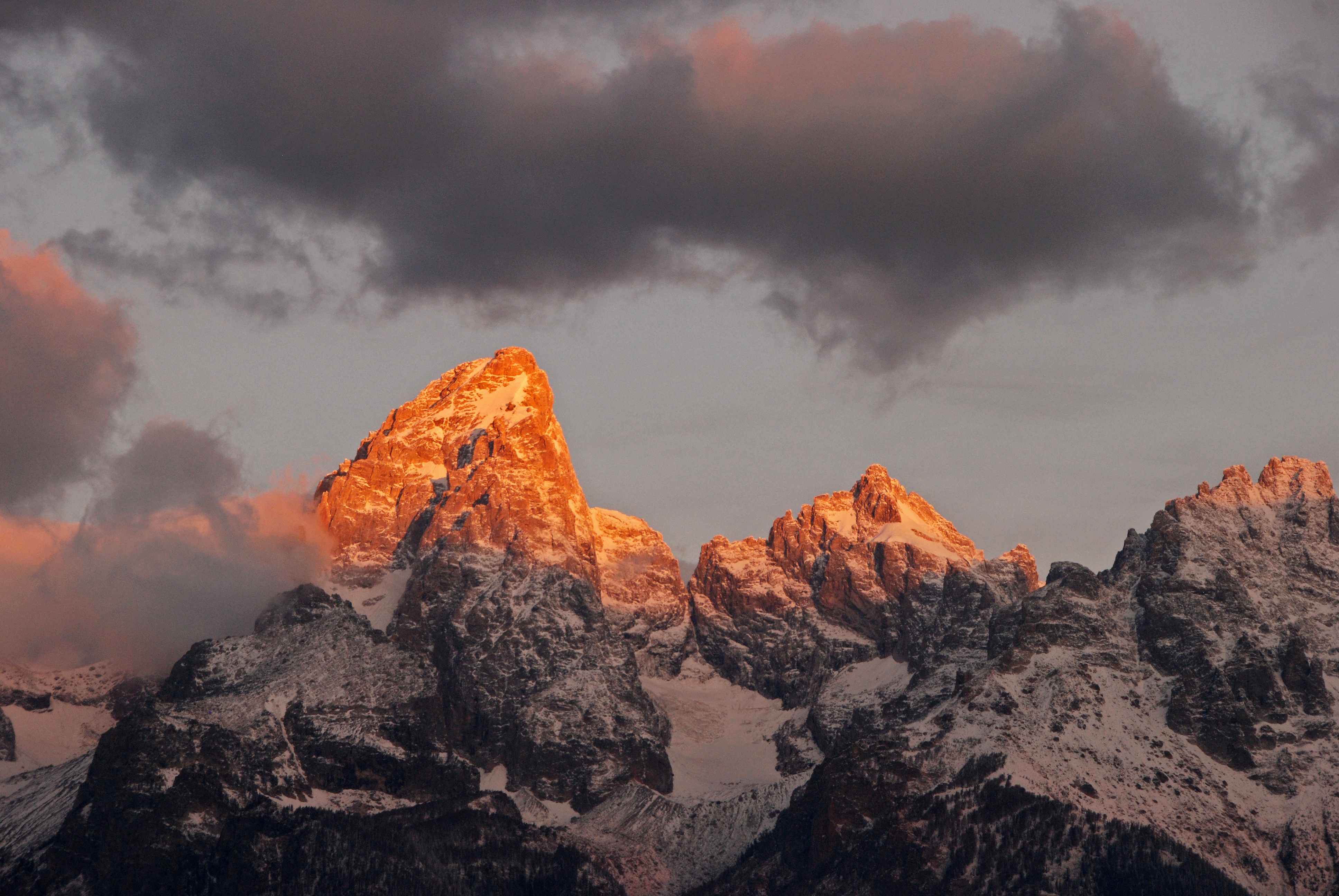
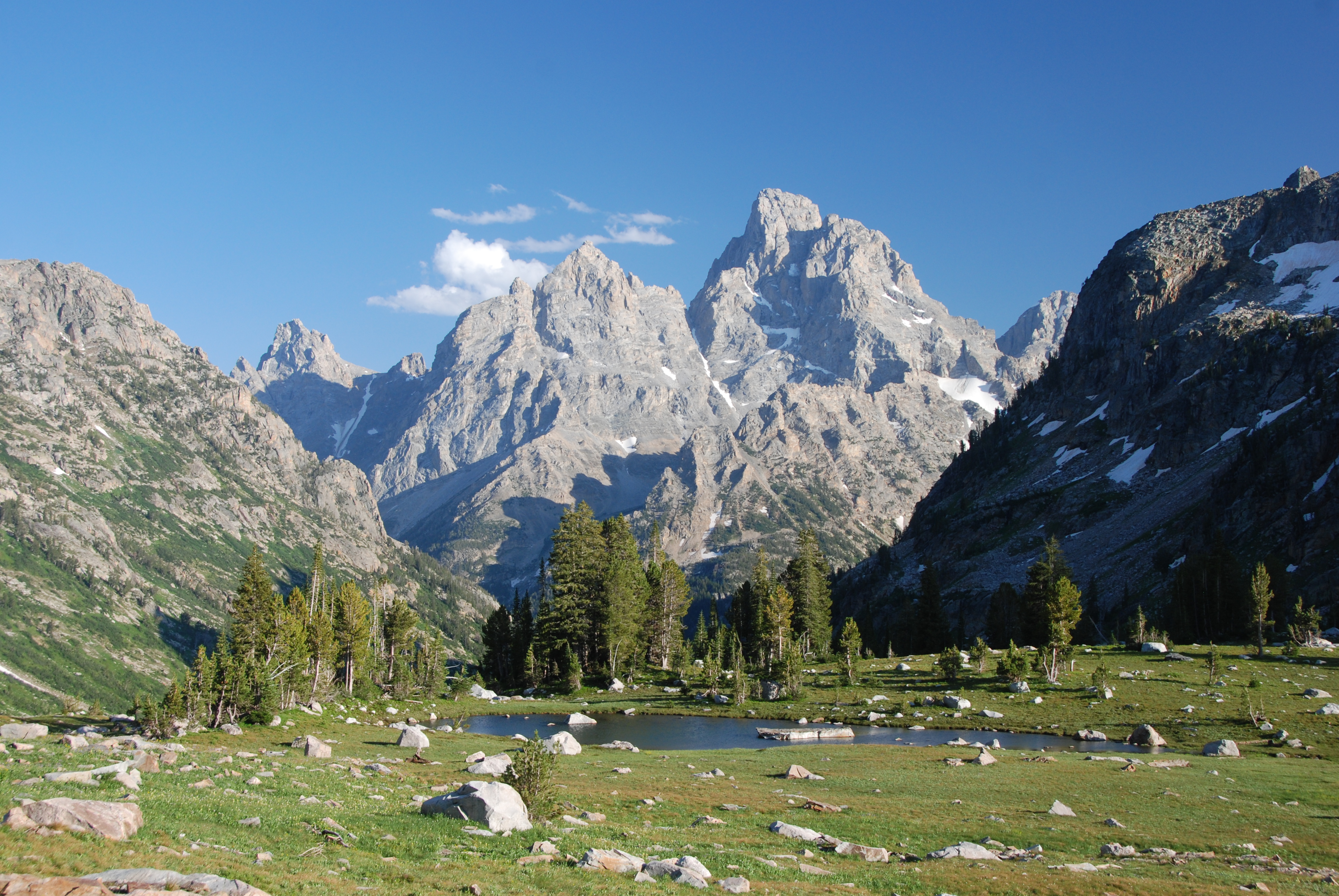
The Teton Range ascends sharply from the Jackson Hole valley, offering immediate, dramatic vertical scenery visible directly from roadways. This accessibility is a defining characteristic, allowing casual visitors impressive views without exertion. However, it also offers extensive engagement for dedicated outdoor enthusiasts. Mountaineers, backcountry hikers, anglers, paddlers, and winter sports participants will find ample opportunities for week-long exploration. This is not a secluded park; July and August see significant visitation. Yet, the documented breadth of activities, spanning ice climbing, stand-up paddleboarding, fly fishing, and cross-country skiing, makes dissatisfaction unlikely given the array of choices.
The case for it
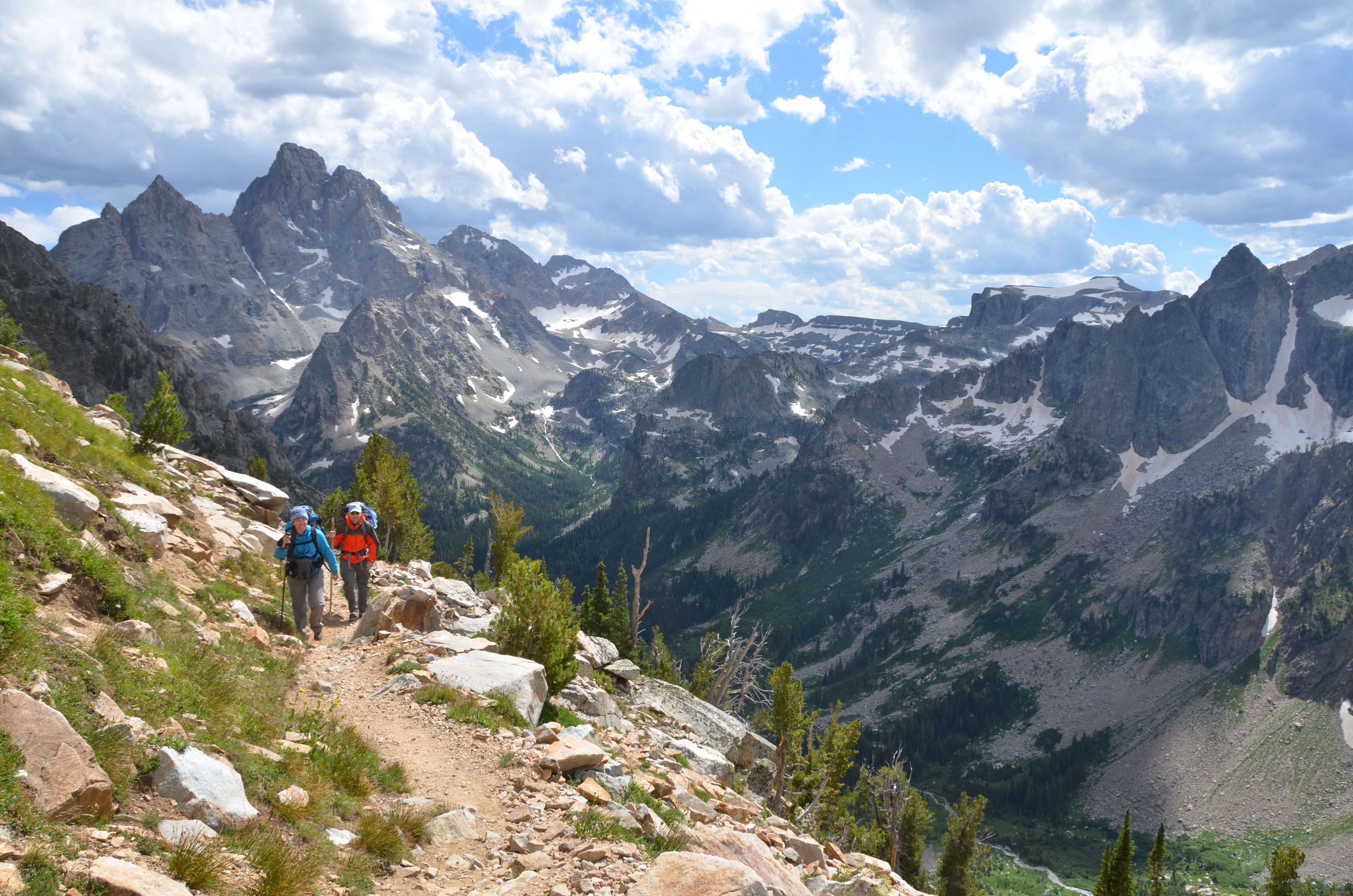
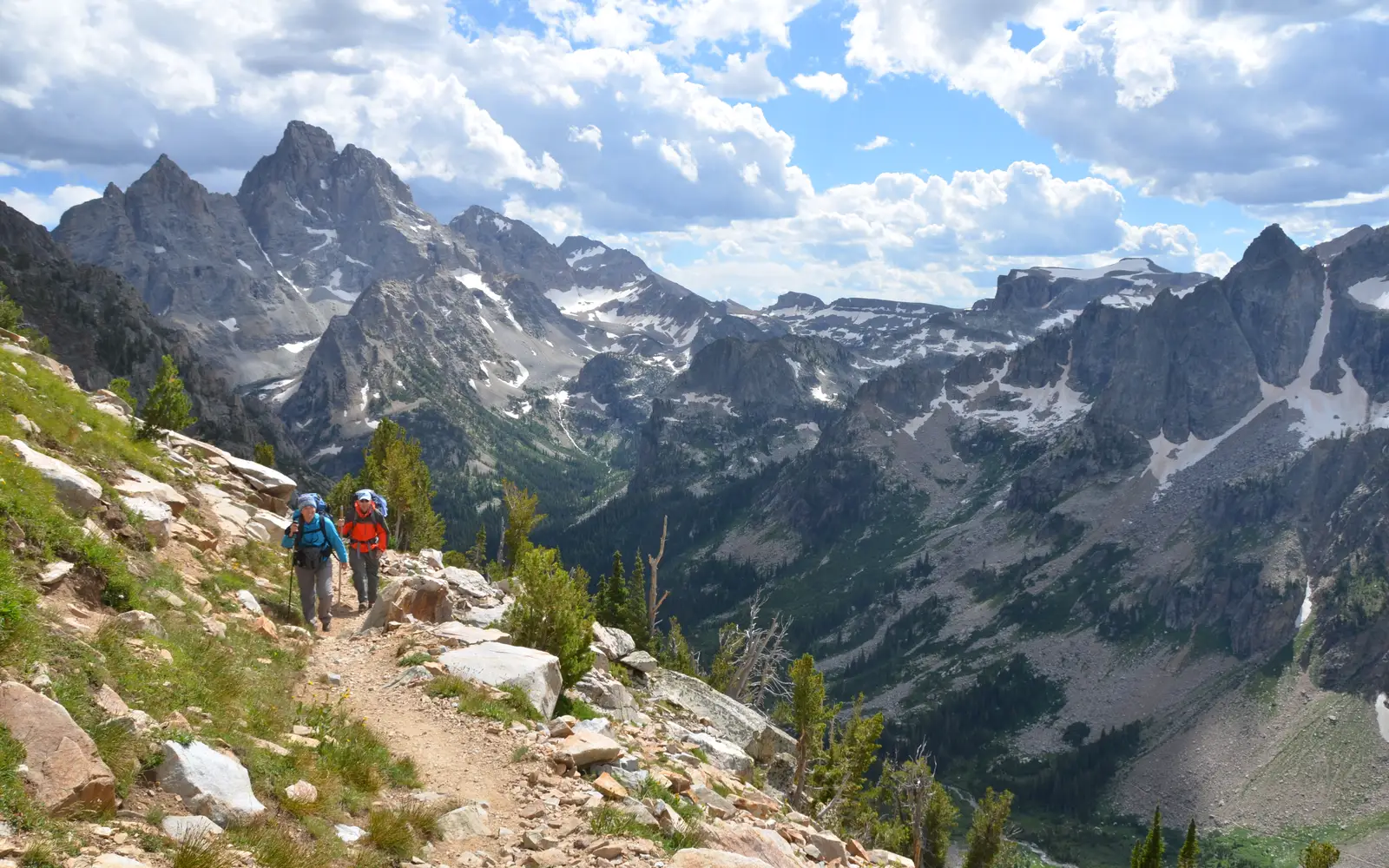
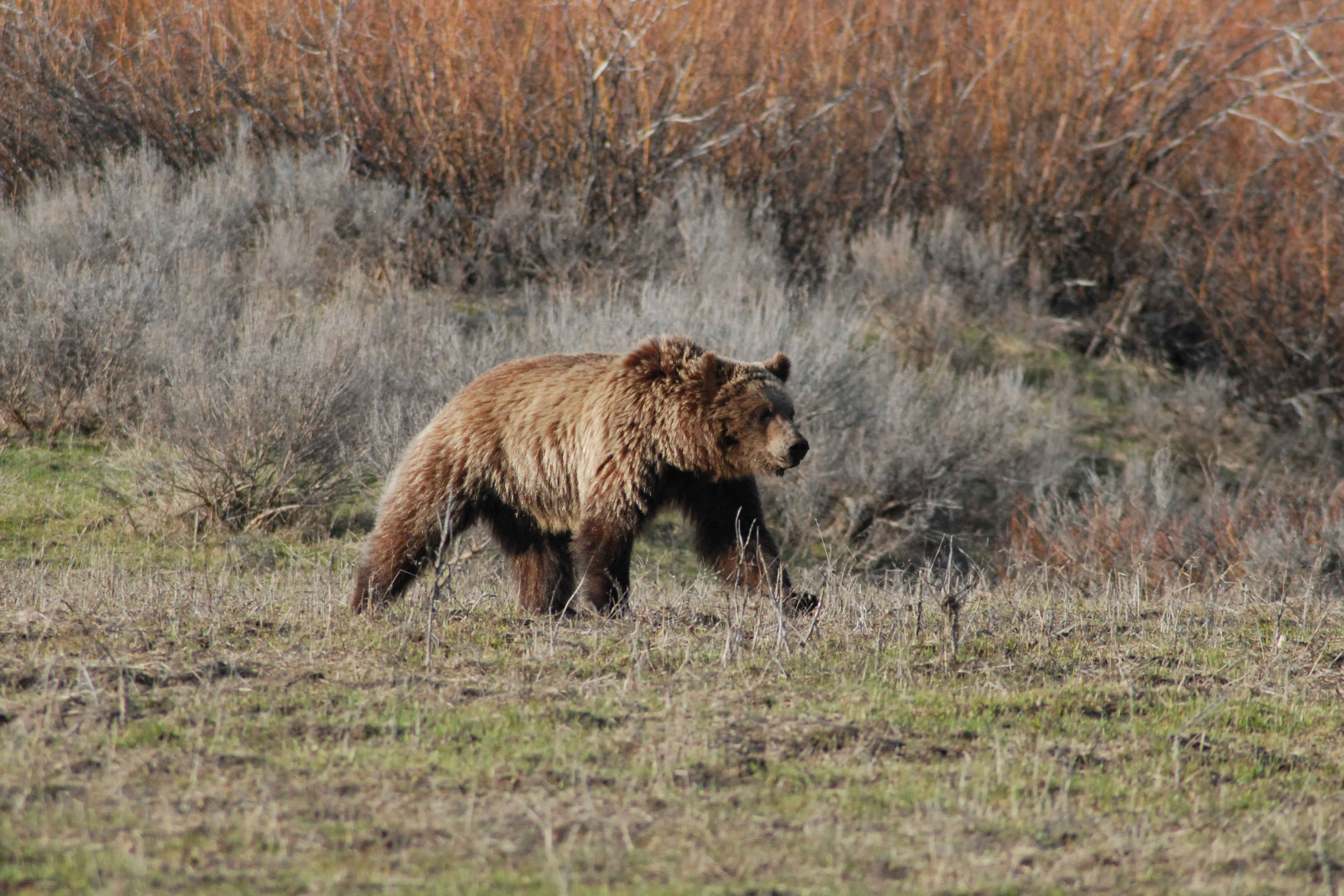
A strong day here could open with wildlife watching at dawn along the valley floor, where moose, bison, and birds of prey are regularly documented, then transition into a front-country hike with direct views of the Cathedral Group peaks. Paddlers can get on Jenny Lake or Jackson Lake by midmorning before afternoon thundershowers roll in. Anglers have access to noted freshwater and fly fishing throughout the park. In winter, the same landscape transforms into a cross-country skiing and snowshoeing destination with snowmobiling also permitted in designated areas. Rock and mountain climbers have some of the most iconic alpine objectives in the Lower 48. The park also supports guided boat tours and ranger-led programs, meaning first-timers without gear or experience can still access its core experiences meaningfully.
Who it is for
Grand Teton National Park offers diverse appeal. Families can engage with the Junior Ranger program. Expert alpinists can attempt technical Teton routes. This park truly excels for paddlers, anglers, and wildlife observers seeking a mountain backdrop. Avoid Grand Teton only if crowds are a significant deterrent and you are unwilling to visit during off-peak hours.
Best time to visit
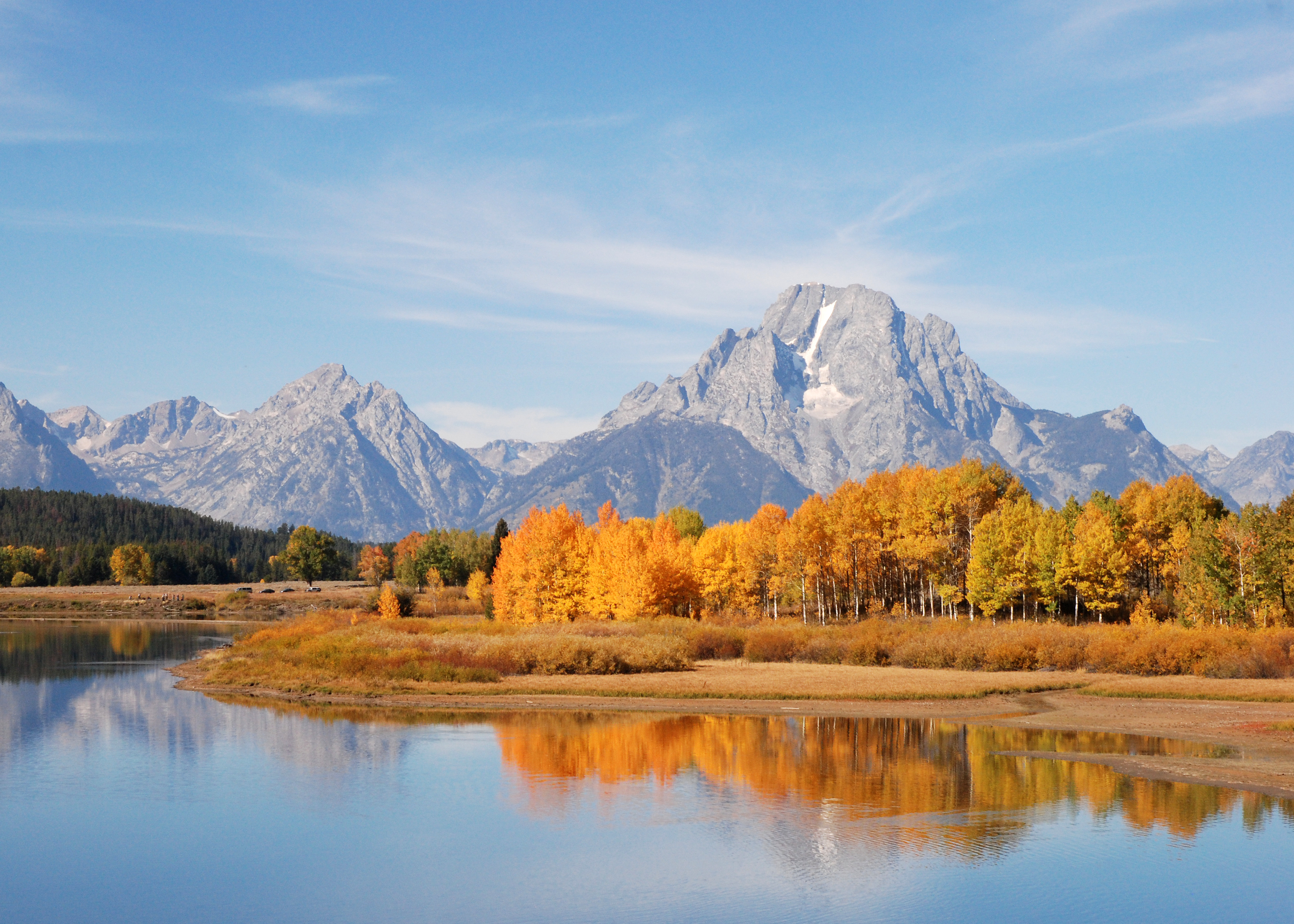
This park's seasonal variations dictate significantly different experiences. Full access for most activities--hiking, climbing, paddling, and camping--obtains in July and August, though visitors should expect peak crowds and daily afternoon thunderstorms. June provides a less crowded experience, but higher elevations will retain snow. September introduces cooler nights, developing fall colors, and reduced visitation. A distinct winter season, from November through March, caters to skiing, snowshoeing, and snowmobiling; however, many park services close during this period. Choose your season carefully.
Worth seeing
- Rock, mountain, and ice climbing on one of the most iconic ranges in North America
- Paddling and motorized boating across large mountain lakes including Jackson Lake
- Fly fishing and freshwater fishing in glacier-fed rivers and lakes
- Scenic driving with unobstructed Teton Range views directly from the road
- Cross-country skiing, snowshoeing, and snowmobiling in a full winter season
- Wildlife watching and birdwatching across a broad valley and riparian corridor
Before you visit
Entrance to this park is free, a notable exception for a unit of its national prominence. This eliminates one common planning variable. Vehicle access and visitor services, however, fluctuate significantly with the seasons. Confirm all road and facility statuses prior to any visit, particularly in spring or late fall. Backcountry camping requires a permit. The park's proximity to Jackson, Wyoming, ensures a full complement of lodging and gear options.
Our tipAfternoon thunderstorms are a daily reality in July and August. Exposed hikes require a summit or turnaround by noon. The afternoons are best reserved for paddling, scenic drives, or wildlife viewing on the valley floor. Post-storm light often creates extraordinary viewing conditions.