589 units scored Refreshed on a schedule Independent, no sponsored rankings
Recreation AreaUT
Bear River Migratory Bird Refuge
NPS / Peter Padesky
60/ 100GOOD RANGE
parkverdict Experience ScoreIndependent, not sponsored
60 of 100. Our independent breadth-and-access index. How we score
Our take
Is Bear River Migratory Bird Refuge worth your trip?
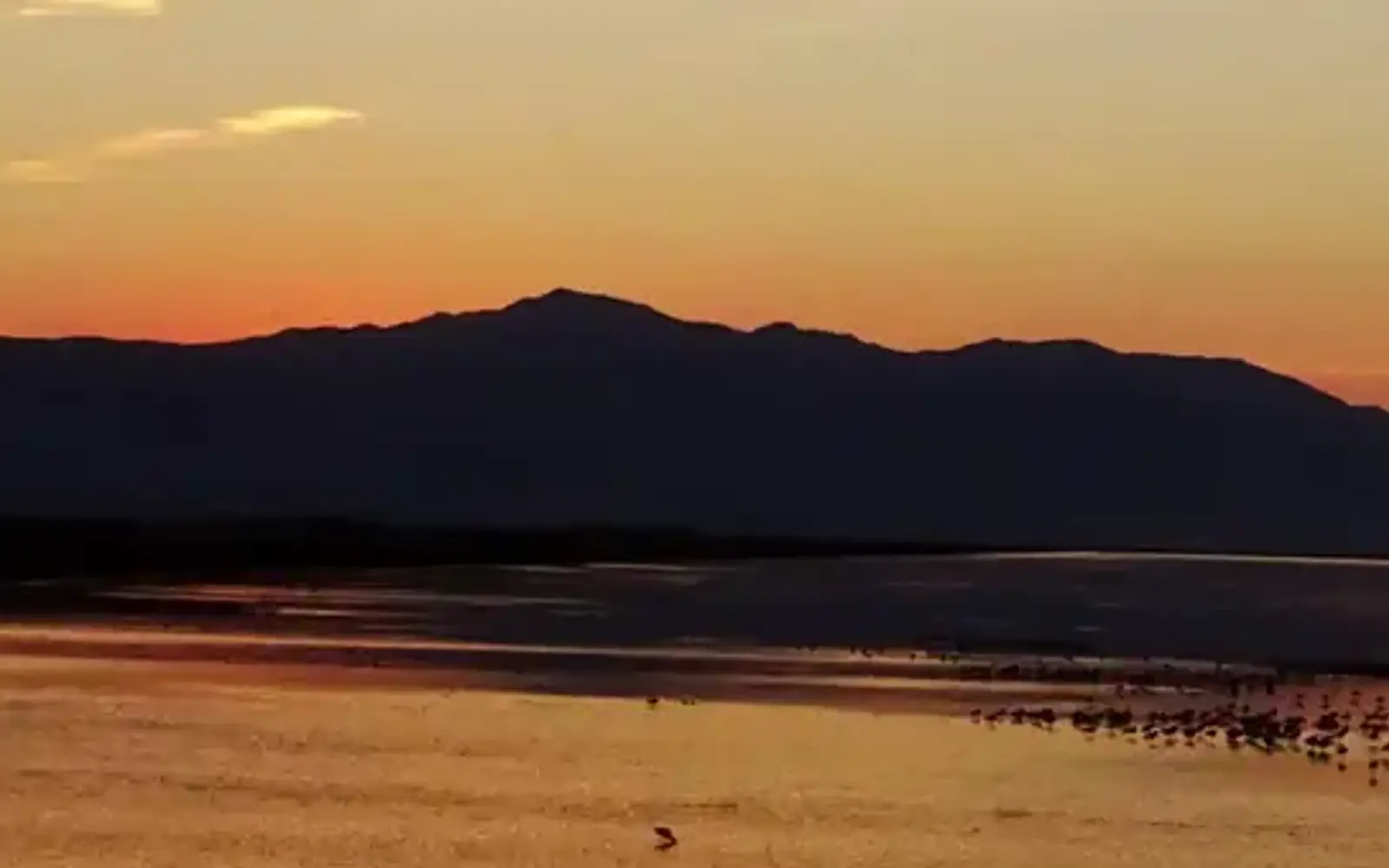
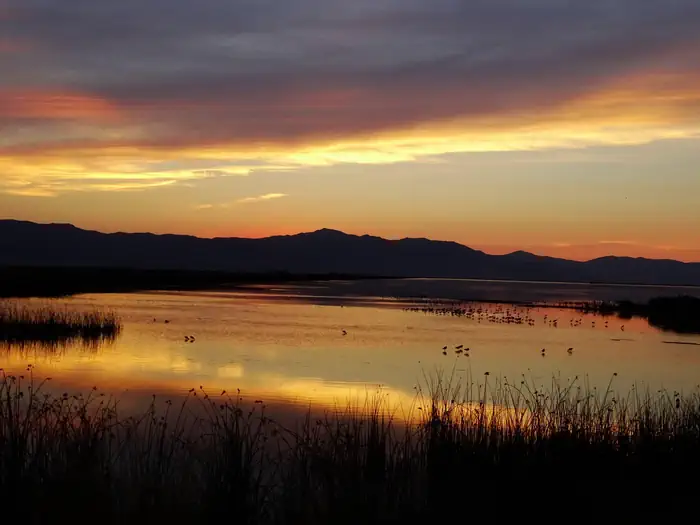
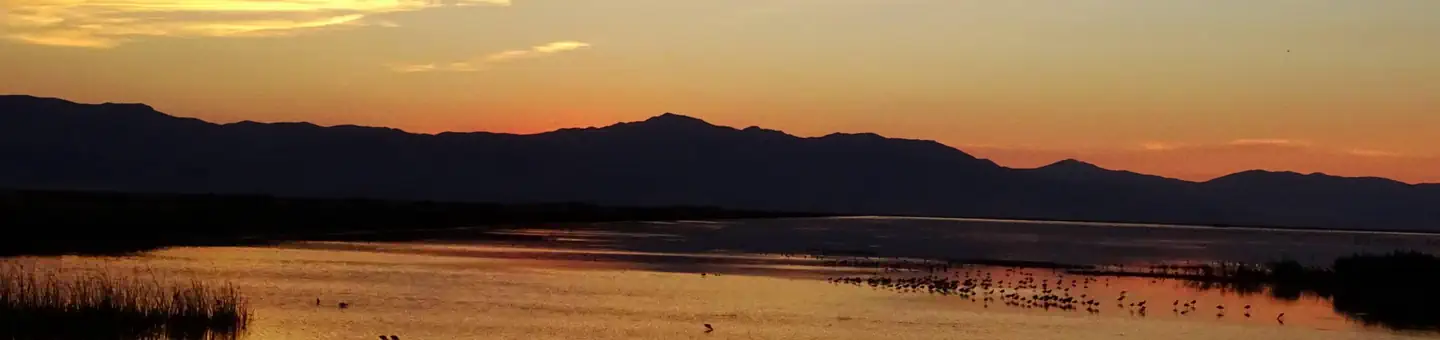
Bear River, a migratory bird refuge, occupies a critical ecological niche at the confluence of the Bear River and the Great Salt Lake.
Its primary draw is ornithological: a free auto tour loop provides access to wetlands that host significant concentrations of waterfowl and shorebirds during migratory periods. For birders, this represents a unique and valuable opportunity. However, the unit's appeal is specialized. Dramatic landscapes are absent. Documented trails are non-existent. The core experience demands patience and relies on optical equipment for engagement. Those with specific interest in birdwatching will find substantial reward. Casual sightseers should calibrate expectations accordingly.
Best for
This refuge caters to a distinct visitor. Serious birders and wildlife photographers will find it a compelling destination during spring and fall migration. Families with young naturalists and cyclists seeking flat, low-traffic routes will also find suitable opportunities. However, hikers seeking challenging terrain and non-birding visitors will find little to hold their attention.
The high points
Auto tour loop through active wetland impoundments, one of the best ways to observe migratory waterfowl from your vehicle
Free admission with interpretive programs and educational resources that give real context to the refuge's conservation history dating to 1928
Flat biking along the tour route, a rare chance to slow down and cover wetland habitat at your own pace
Fishing and hunting opportunities that reflect the refuge's working wildlife management mission, not just passive observation
One more thingPlan visits for the spring (April to May) or fall (August to October) migration windows. These periods see peak bird concentrations. A spotting scope is advisable. Distances across the impoundments often diminish the utility of standard binoculars.
How we scored it
Behind the 60
The number is not a mood. It is a few things we can actually check in public records, added up and capped so no single one runs away with the total. It tracks how much a place has going on and how easy it is to reach, and nothing about scenery or crowds. Here is what added up to 60:
Activity breadth10 documented activities
Topic breadth0 topics
Official imagery2 public-domain images
Camping on sitenone recorded
Entry costfree
No number is hand-adjusted and no unit pays for placement. The full weights, the floor at 18 and a worked example are on how we score.
The honest limits
The honest blind spots
Read the score for what it is. It counts what a place documents and how reachable it is, and stops there. It will not tell you if a sunset floors you, if the crowds thin out by dusk, whether a washout closed your trail, or how a ranger tells the story. Plenty of quiet, focused spots score modestly and still win the weekend. Let the number rank what is on offer; let the verdict speak to the feel.
Things to do
What it offers
Auto TouringInterpretive ProgramsFishingHuntingEducational ProgramsBikingPhotographyBirdingHikingPicnicking
Each unit of the National Wildlife Refuge System has a statutory purpose. This purpose targets the conservation of native species that depend on its lands and waters. All activities on these lands are reviewed for compatibility with this purpose.
Congress established Bear River Migratory Bird Refuge in 1928 with Public Law 304. Initial boundaries were designated by Presidential Proclamation 2011 in 1932. It was one of the first refuges to join what is now a system of over 560 refuges. The U.S. Fish & Wildlife Service manages this network of lands specifically for wildlife.
The Refuge and other wetlands associated with the Great Salt Lake provide critical habitat for migrating birds. Over 250 species, numbering in the millions, move through this area annually to rest and feed. As part of Bear River Bay, the Refuge is designated a Western Hemisphere Shorebird Reserve Network site. This makes it a globally important shorebird area.
The Refuge lies along the eastern edge of the Pacific Flyway. It also lies along the western edge of the Central Flyway. This makes it an important resting, feeding, and nesting area for birds in both flyways. Of more than 250 bird species that use the Refuge, 67 species nest there. American avocets and black-necked stilts nest by the thousands along Refuge dikes and roads. White-faced ibis also nest there.
On documented breadth and access, Bear River Migratory Bird Refuge ranks 25th of 34 park and public-land units we score in Utah.
Is Bear River Migratory Bird Refuge worth visiting?
Bear River, a migratory bird refuge, occupies a critical ecological niche at the confluence of the Bear River and the Great Salt Lake.
Is Bear River Migratory Bird Refuge free to visit?
No charge at the gate.
What is Bear River Migratory Bird Refuge best for?
It leans hardest toward hiking, water activities, wildlife watching, biking, going by the 10 activities it actually documents.
How is the Experience Score for Bear River Migratory Bird Refuge calculated?
The 60 comes straight from public data on how much the place documents and how easy it is to reach, things like activities, topics, photos, camping and whether entry is free. It says nothing about scenery or how busy it gets.
Reviewed by Irene A. Taranina, founding editor/Checked against official public data/Published /Updated /Independent, no sponsored rankings
parkverdict is an independent digital publication. Not affiliated with the National Park Service.