Should you visit Glen Canyon National Recreation Area?
Glen Canyon offers an experience-rich environment, borne out by its documented Experience Score of 100.
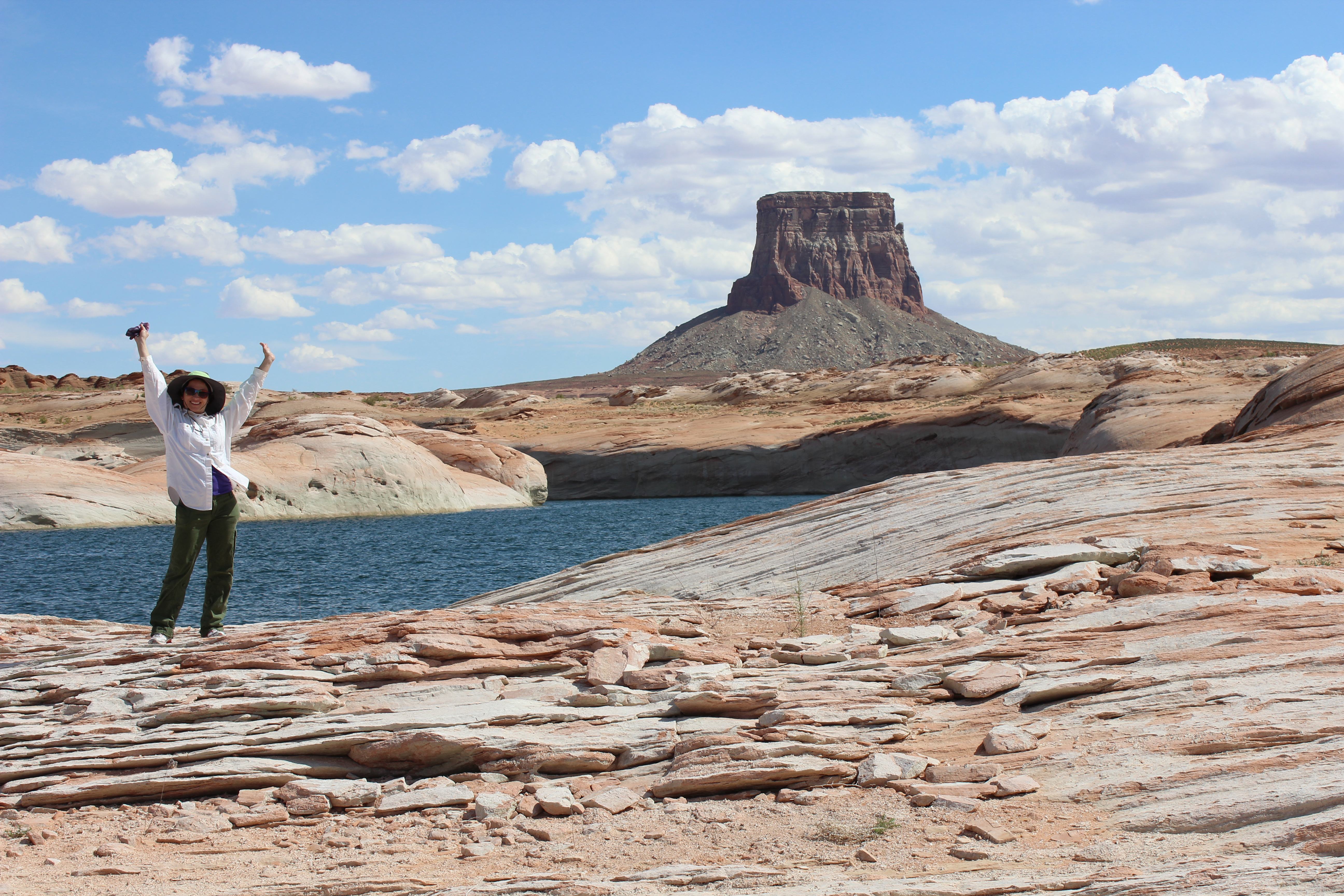
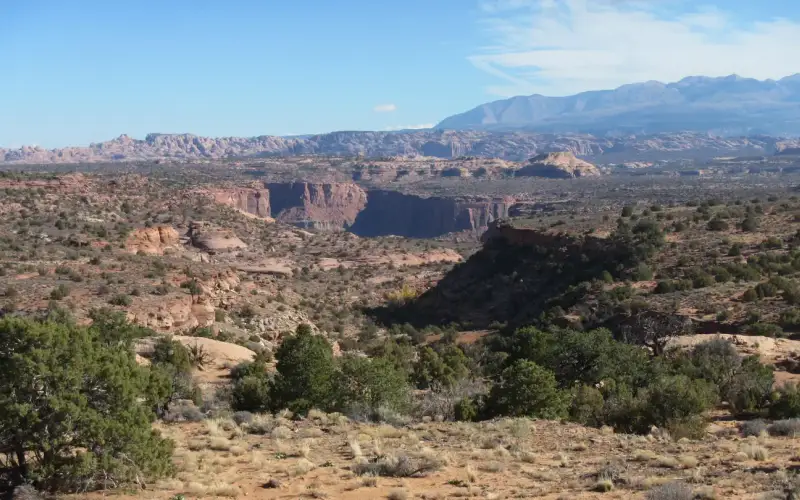
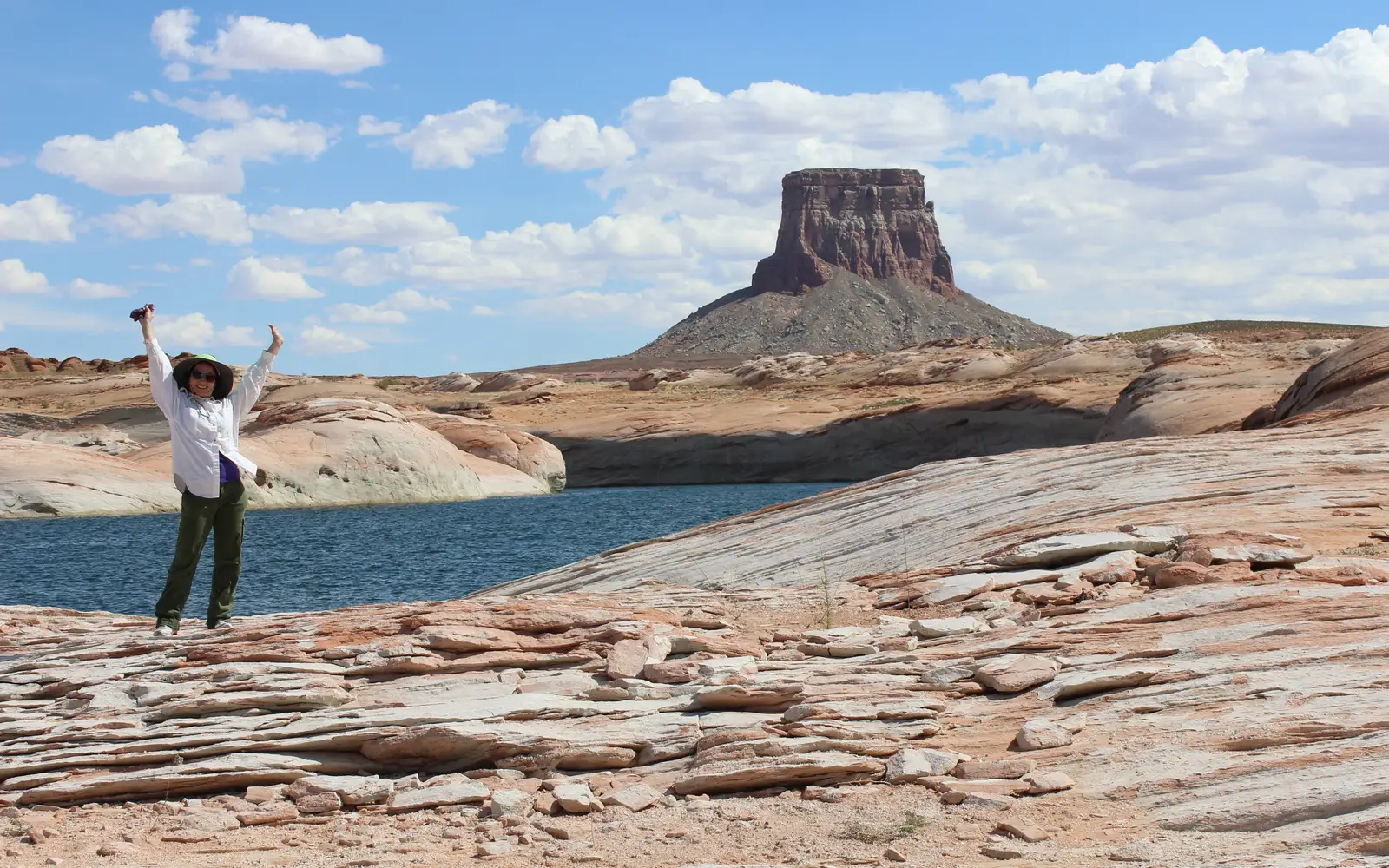
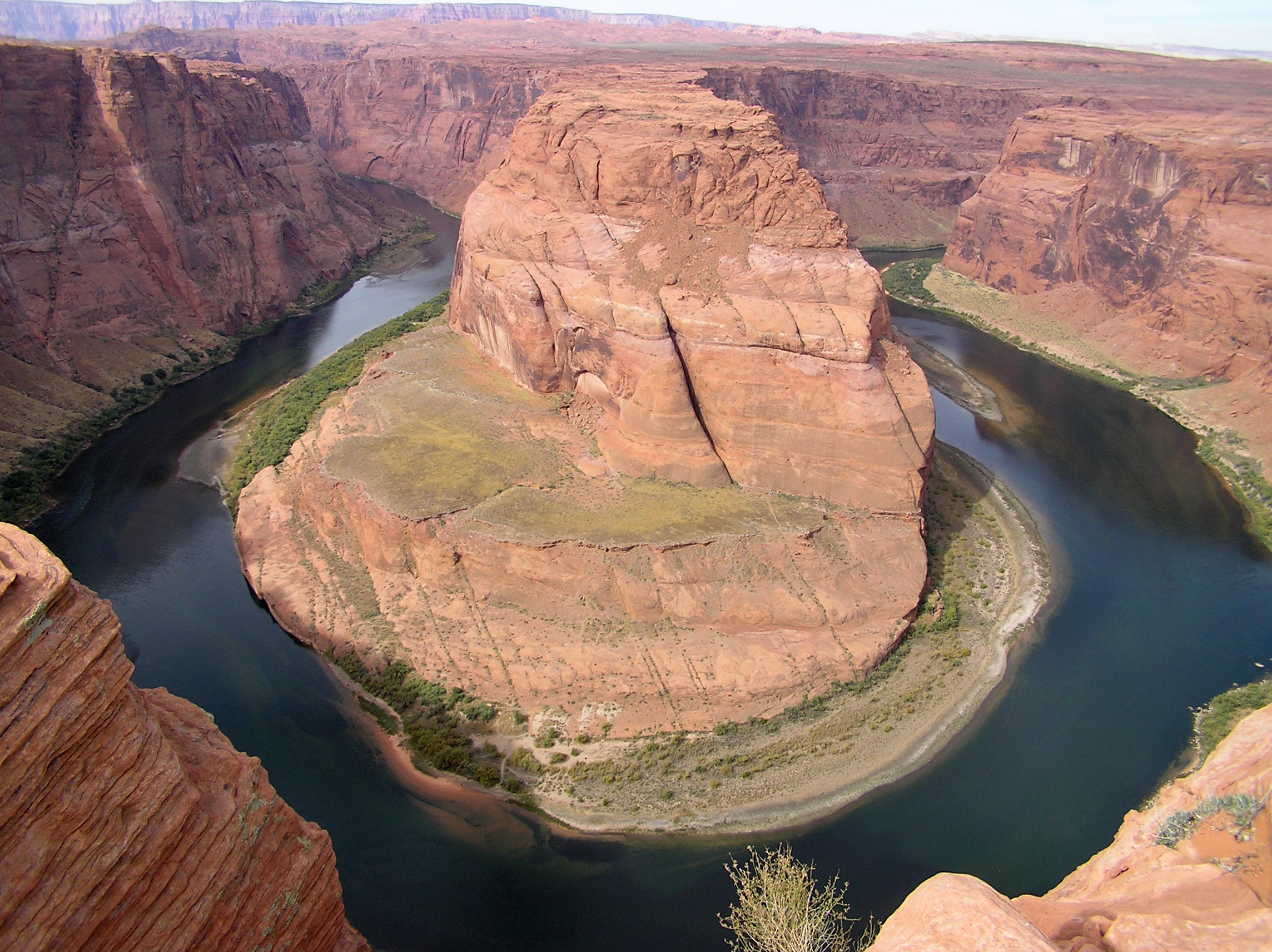
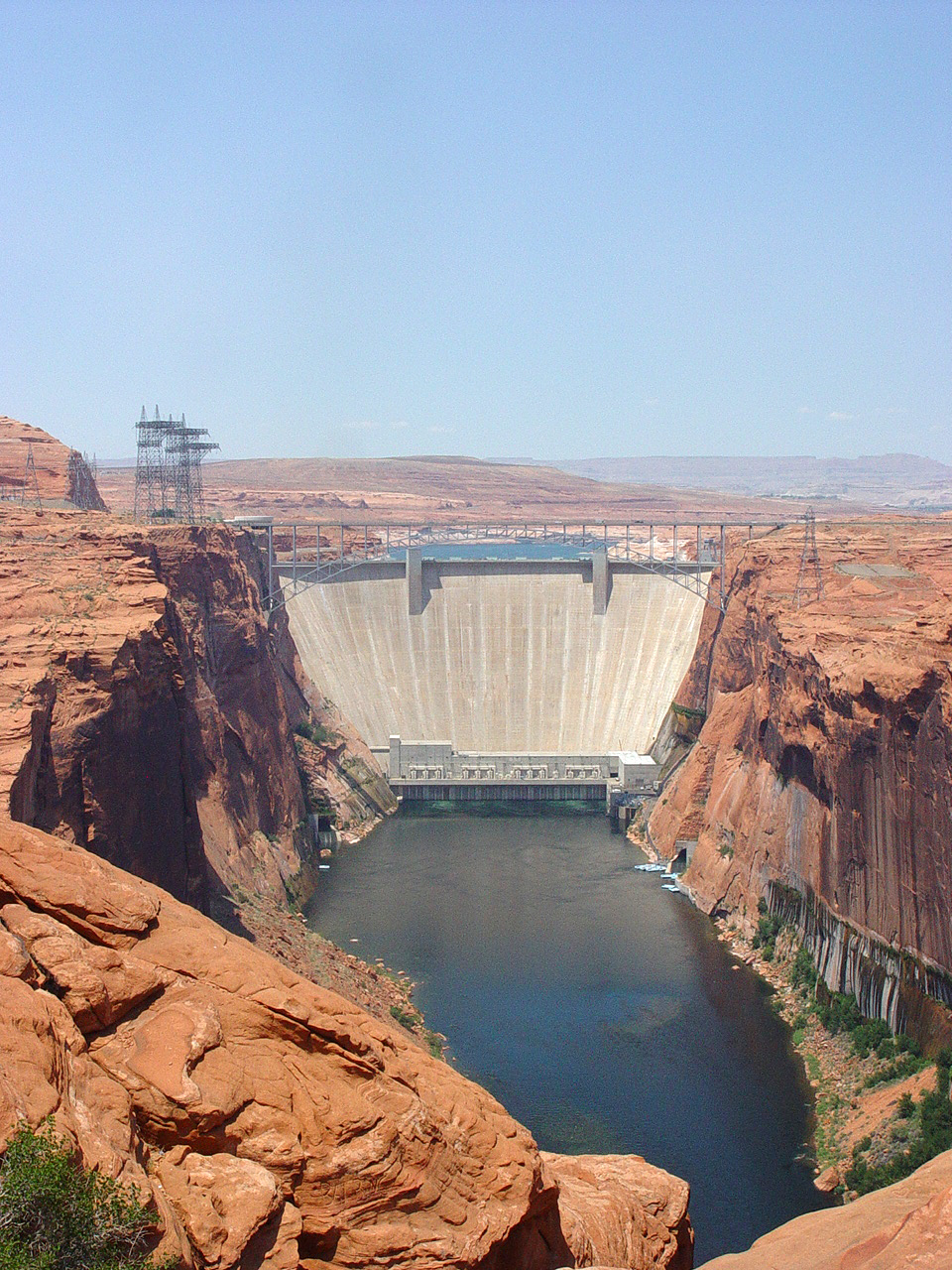
Encompassing over 1.25 million acres, extending from Lees Ferry, Arizona, into southern Utah, this unit is defined by water recreation, primarily Lake Powell, one of the nation's largest reservoirs. The operational breadth allows for motorized water travel, slot canyon hiking, and stargazing in exceptionally dark skies. This is not a unit for quiet contemplation. It presents as loud, expansive, and, in summer, demonstrably hot. Yet for documented activity diversity, it stands nearly unmatched. History, geology, boating, camping, fishing, paddling, and off-road driving all feature at a significant scale.
What makes it worth it
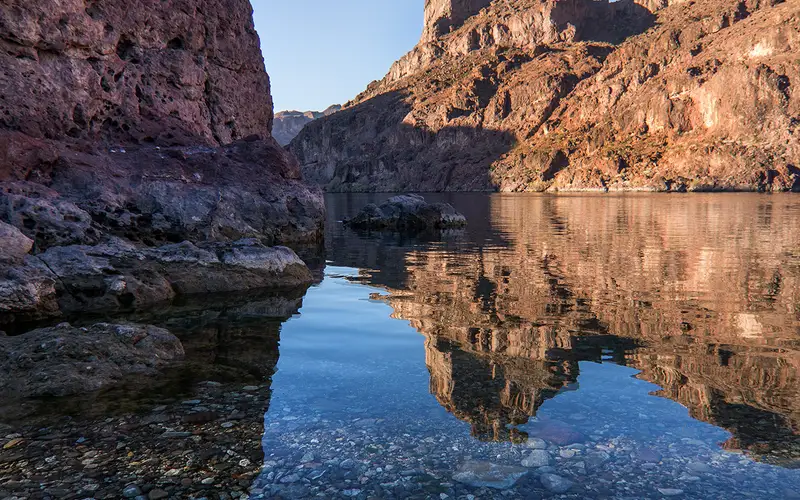
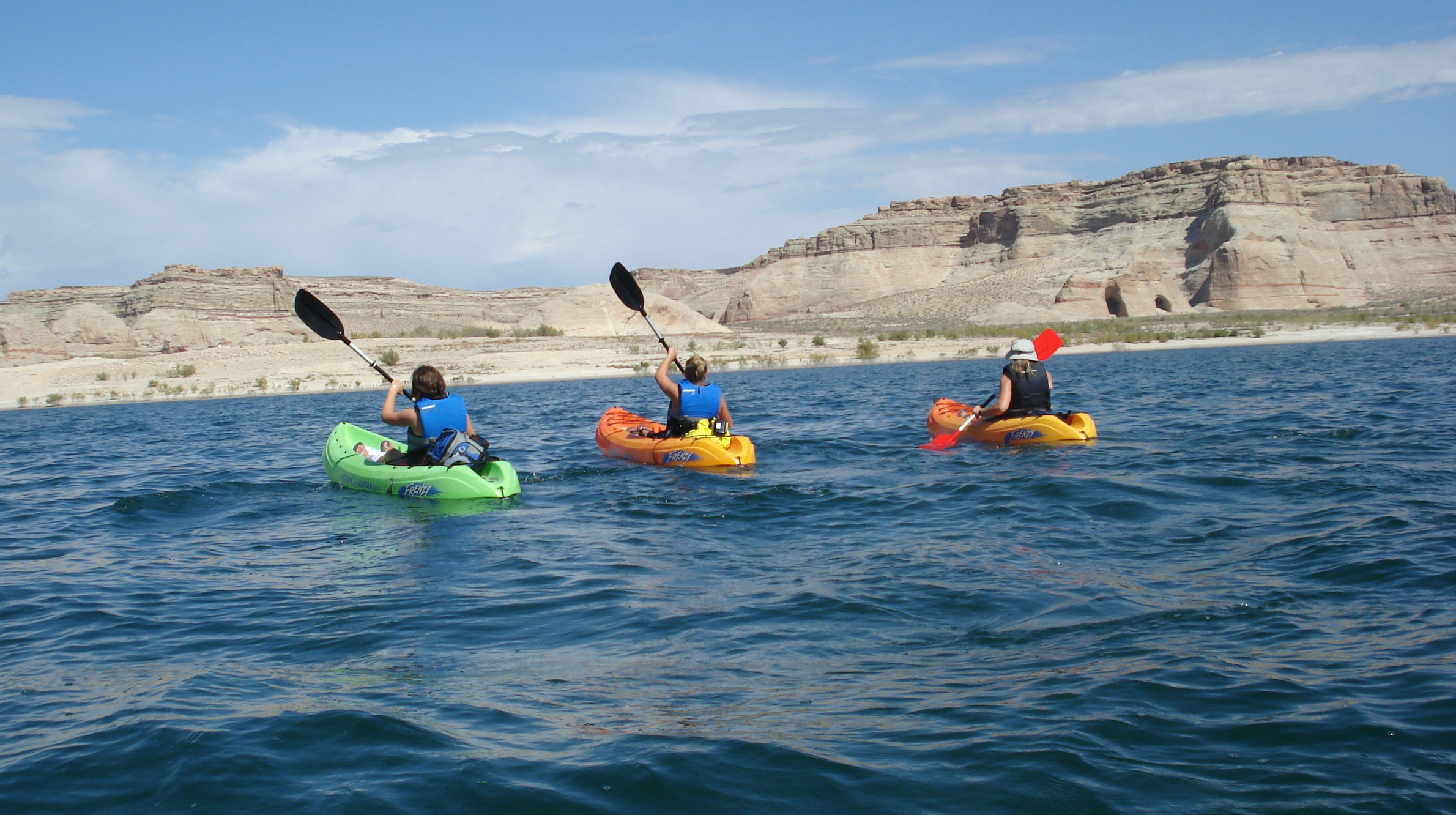
Glen Canyon offers a breadth of aquatic and land-based recreation. Its vastness, spanning two states and hundreds of miles, promises varied experiences across multiple visits. Boating, kayaking, and swimming along the red-rock shoreline are primary activities. Road biking and scenic drives cater to land-based exploration. Fishing is a documented draw. The Junior Ranger Program supports family visits. Entrance is free. For its documented breadth and access, Glen Canyon makes a strong case for repeat visits, offering distinct experiences depending on the chosen access point and activity.
Who should go
This destination caters well to families with watercraft or those with rental budgets, water sports enthusiasts, and campers establishing a base for multi-day lake exploration. Road trippers integrating it with other regional parks will also find it suitable. However, it proves a poor fit for visitors desiring solitude, extensive old-growth landscapes, or primary wildlife viewing. Summer crowds on the water are substantial.
When to go
The season dictates the experience at this park. Summer heat is extreme, with midday presenting genuine danger due to a lack of shade on the water and across canyon terrain. Winter brings freezing nights and reduced facilities. Spring's unpredictable winds often complicate boating. For manageable temperatures, calmer waters, and fewer visitors across both the Arizona and Utah sections, late September through early November stands as the optimal period.
Highlights
- Lake Powell boating and motorized water recreation at massive scale
- Kayaking and paddling into remote canyon coves accessible only by water
- Some of the darkest night skies in the Southwest for stargazing
- Free entrance to a 1.25-million-acre recreation area
- Guided boat tours for first-timers or those without their own watercraft
- Off-road and scenic driving routes through high desert canyon country
Plan ahead
This recreation area operates on a 24-hour, year-round schedule, with free entry. However, boat launch and camping fees are applicable. Primary access points are bifurcated: the Page, Arizona area serves Lake Powell, while Lees Ferry to the south facilitates river access. Cellular service is notably limited across large sections of the area. Visitors should download offline maps and verify launch ramp statuses before any trip, as water levels dictate ramp accessibility.
Editor's tipLake Powell presents a unique challenge for visitors: its dynamic water levels, subject to significant drought-driven fluctuation. This directly impacts the usability of boat ramps and the navigability of its canyon arms. Prospective visitors must consult the Bureau of Reclamation website for current lake elevations before any visit. Ramps listed online may be inaccessible upon arrival. For what it offers, planning ahead is not merely advised; it is essential.