Is Dinosaur National Monument worth it?
Dinosaur National Monument provides a multifaceted experience across the Colorado-Utah border.
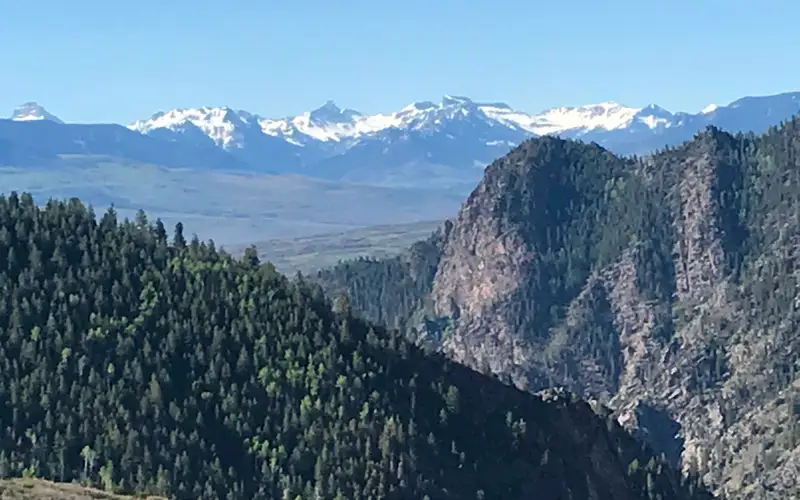
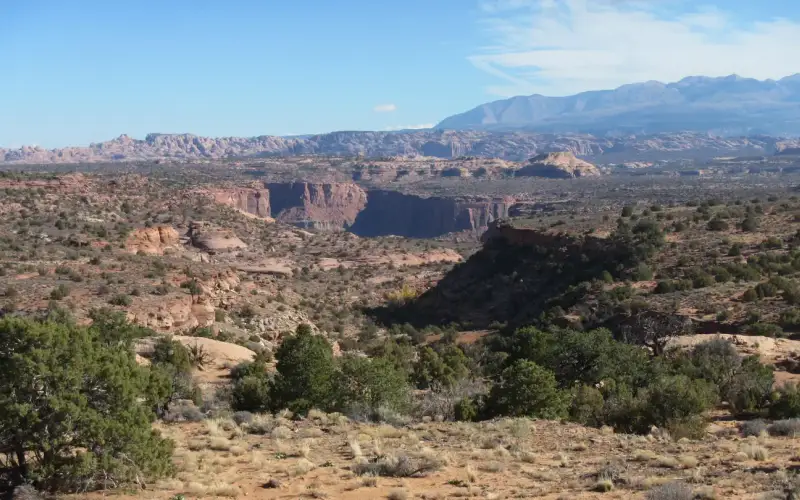
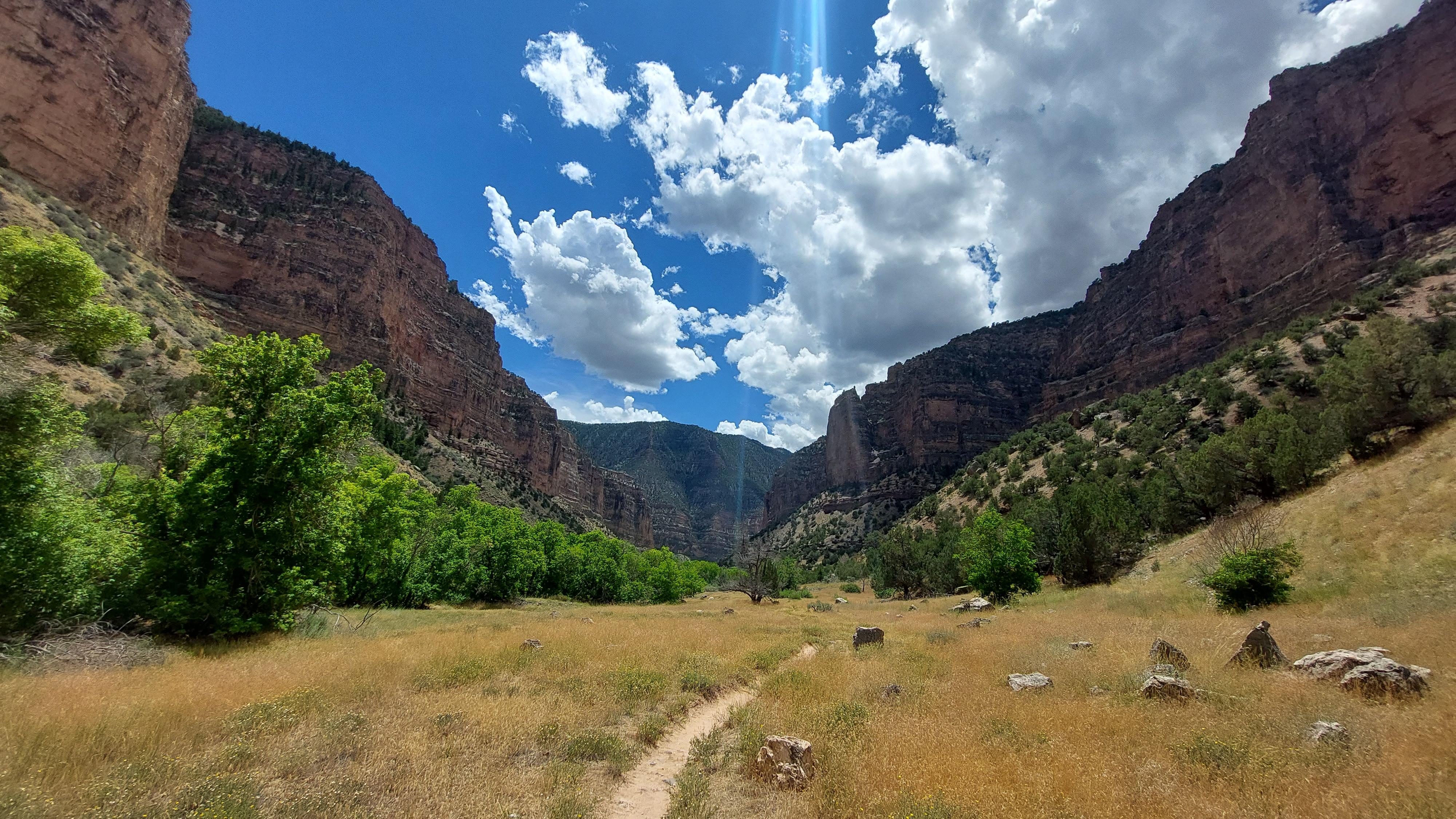
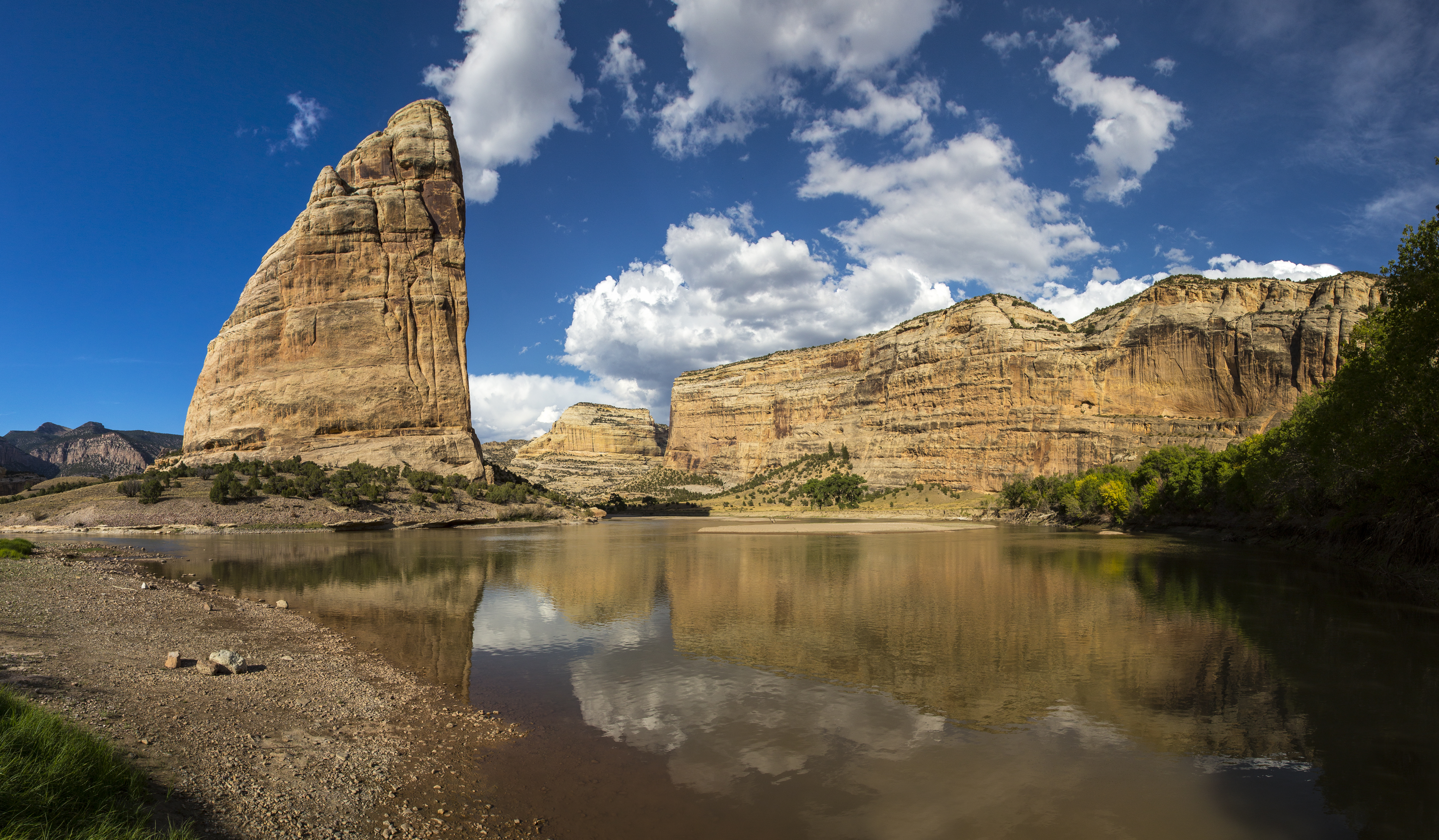
The unit presents three distinct draws: a prominent paleontology exhibit featuring dinosaur fossils in situ, a nationally recognized whitewater river corridor on the Green and Yampa, and an extensive desert and canyon landscape. Its breadth caters to a wide range of outdoor interests. This is not a casual stopover. The monument spans two states. Its scale means a visit of at least one full day, and ideally two or three, is necessary to engage with its offerings. Those who focus solely on the paleontological exhibit will miss the vast majority of its scope.
The case for it
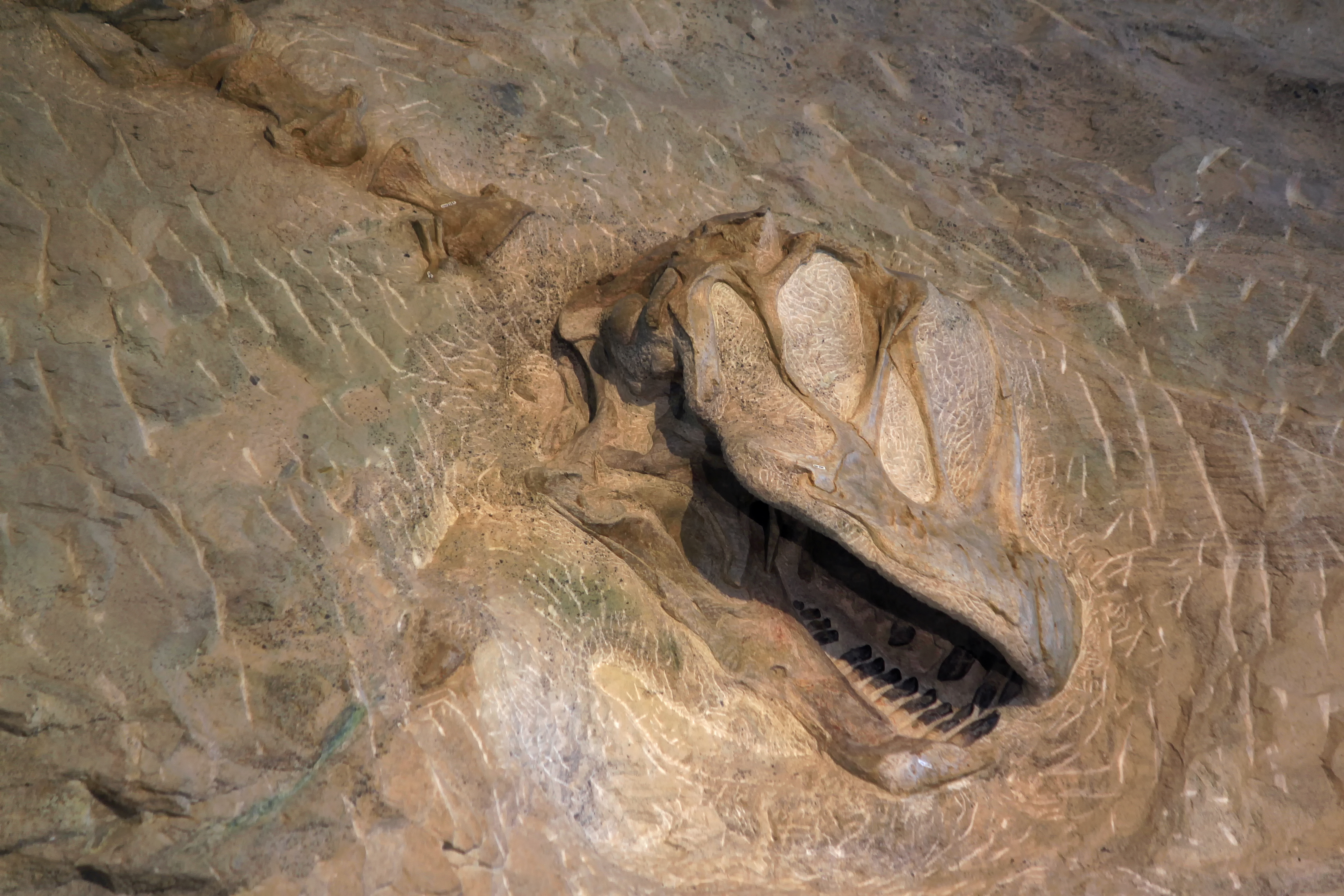
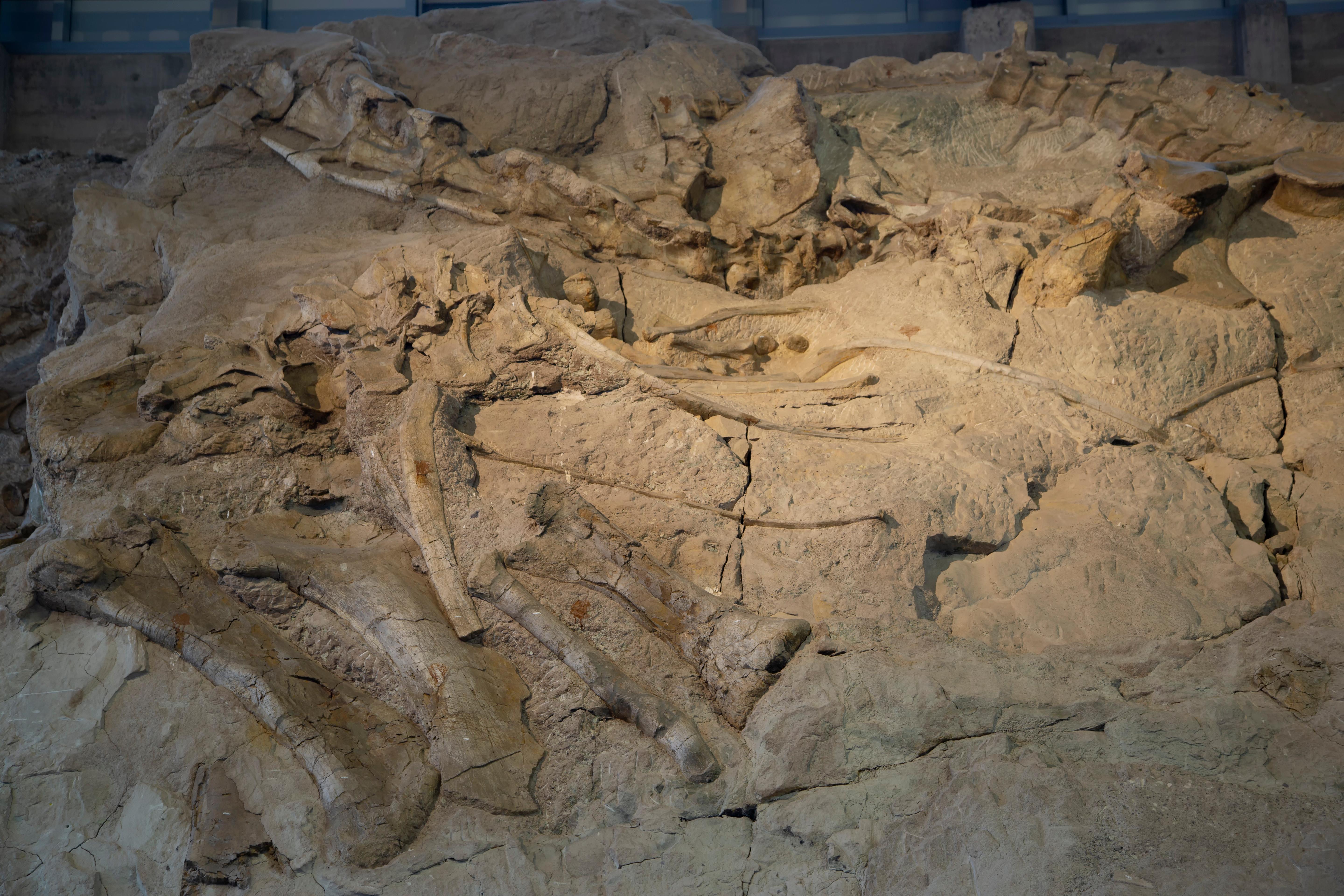
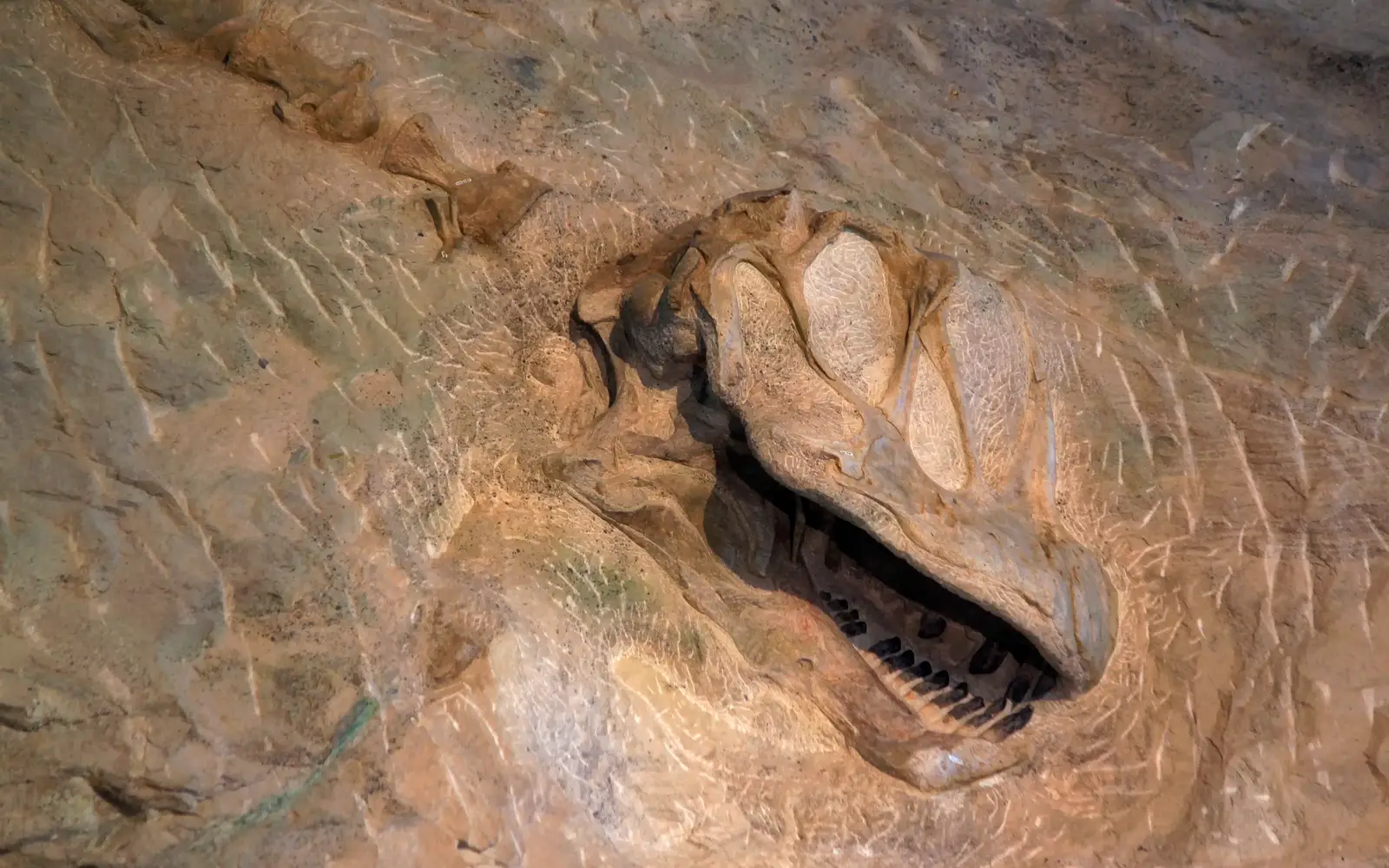
This monument offers a unique paleontological experience. The Quarry Exhibit Hall on the Utah side presents hundreds of fossil bones embedded in a sandstone wall, a notable scientific display. Beyond this, a scenic auto tour traverses the canyon country. Hiking options range from front-country trails to permit-required off-trail backcountry exploration. The monument also provides exceptional stargazing opportunities due to its location within one of the darkest sky corridors in the American West. Multi-day visitors can engage in whitewater rafting on the Green or Yampa rivers, available as guided or self-guided trips. The river benches and riparian zones support productive habitats for anglers, birders, and wildlife watchers. This is a destination for specific interests.
Who it is for
This park excels for families keen on paleontology and outdoor activity, for river runners pursuing multi-day rafting, and for campers or backpackers desiring solitude with minimal entry cost. The scale is the draw here. It is not suited for visitors seeking manicured trails, extensive interpretation, or resort-style amenities. Casual sightseers should look elsewhere. The park does not cater to a compact, drive-through experience.
Best time to visit
Optimal visitation periods vary dramatically with activity. For paddling and spring wildflowers, target late May through early June. Anglers and hikers benefit from cooler fall temperatures. Mid-summer is unsuitable for those sensitive to extreme heat, with canyon temperatures regularly exceeding 110 degrees Fahrenheit. Winter offers cross-country skiing at higher elevations, but prepare for road closures and extreme cold.
Worth seeing
- The Quarry Exhibit Hall: a real cliff face with 1,500-plus dinosaur bones still embedded, not casts
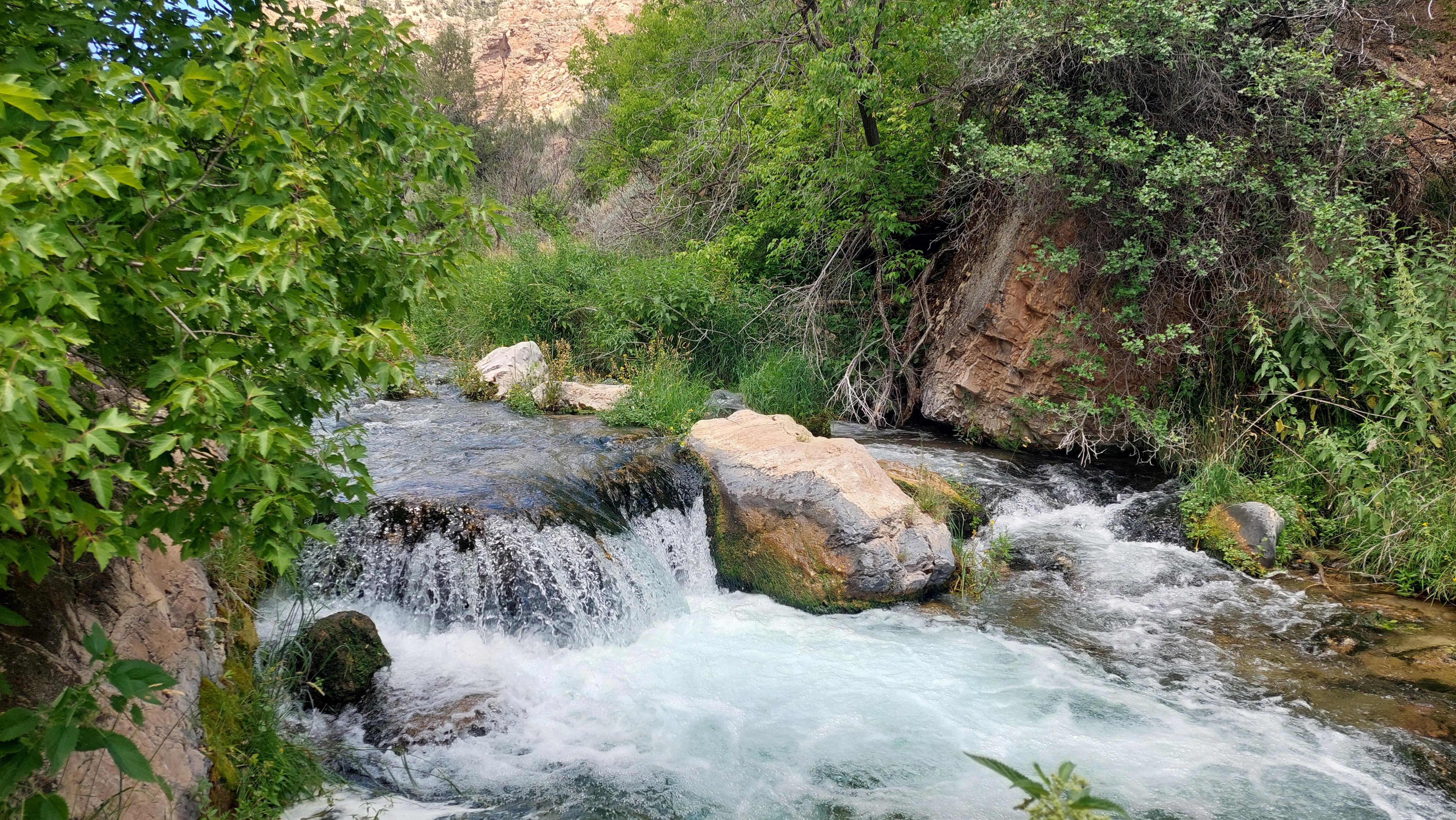
- Whitewater rafting on the Green and Yampa rivers through deep canyon corridors
- Off-trail backcountry hiking and camping in a genuinely remote desert landscape
- Exceptional dark-sky stargazing with the outdoor areas open around the clock
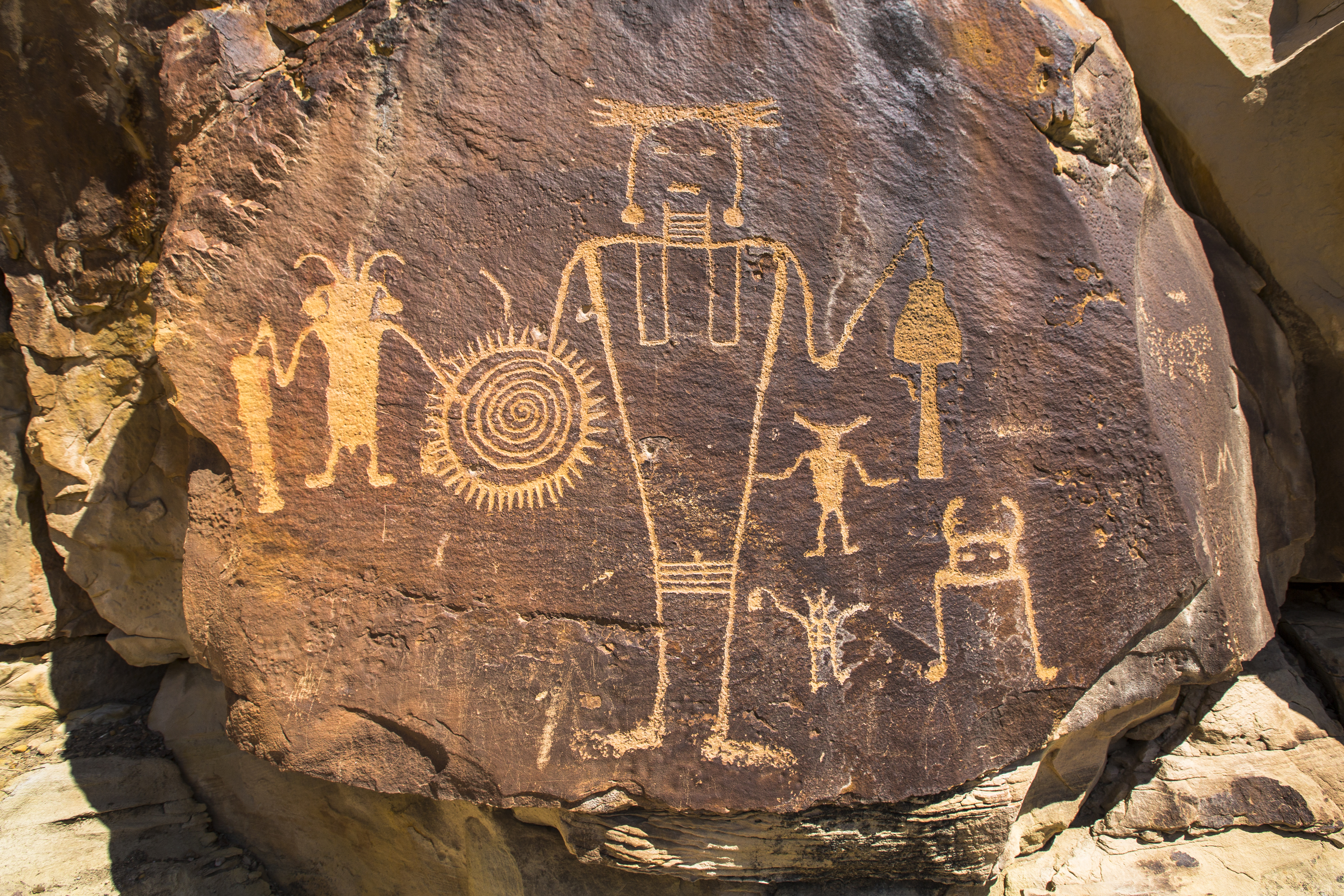
- Petroglyphs documenting thousands of years of Indigenous presence in the canyon country
- Free admission with a full suite of camping options including RV, group, and canoe-camping
Before you visit
This monument presents a complex visit. Spanning two states, its primary visitor facilities are not co-located. Plan driving time carefully. The Quarry Exhibit Hall maintains its own schedule, separate from outdoor areas; verify operating hours in advance. Backcountry river trips, particularly the Yampa corridor, require advance permits. This unit demands planning and preparation.
Our tipThe Yampa River presents a significant draw for river recreationists as the last major free-flowing tributary of the Colorado River. Its permit window fills quickly. Prospective travelers should apply through the NPS lottery well in advance of their intended dates; walk-in availability is exceptionally rare. This destination is for planners.