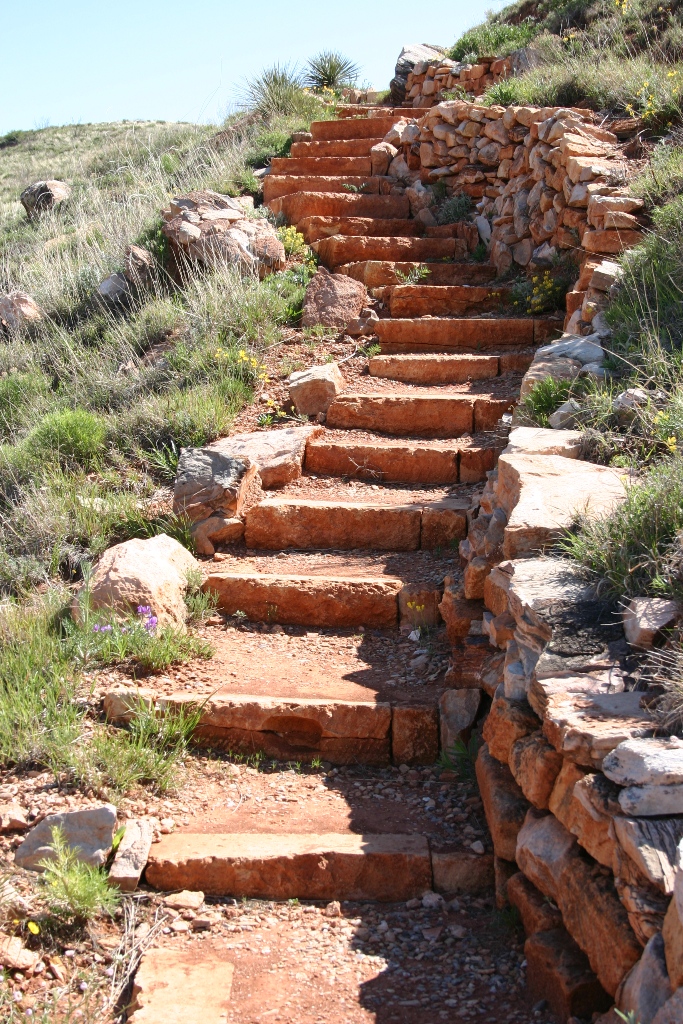
Should you visit Alibates Flint Quarries National Monument?
Alibates Flint Quarries offers an archaeological deep dive into 13,000 years of human tool-making.
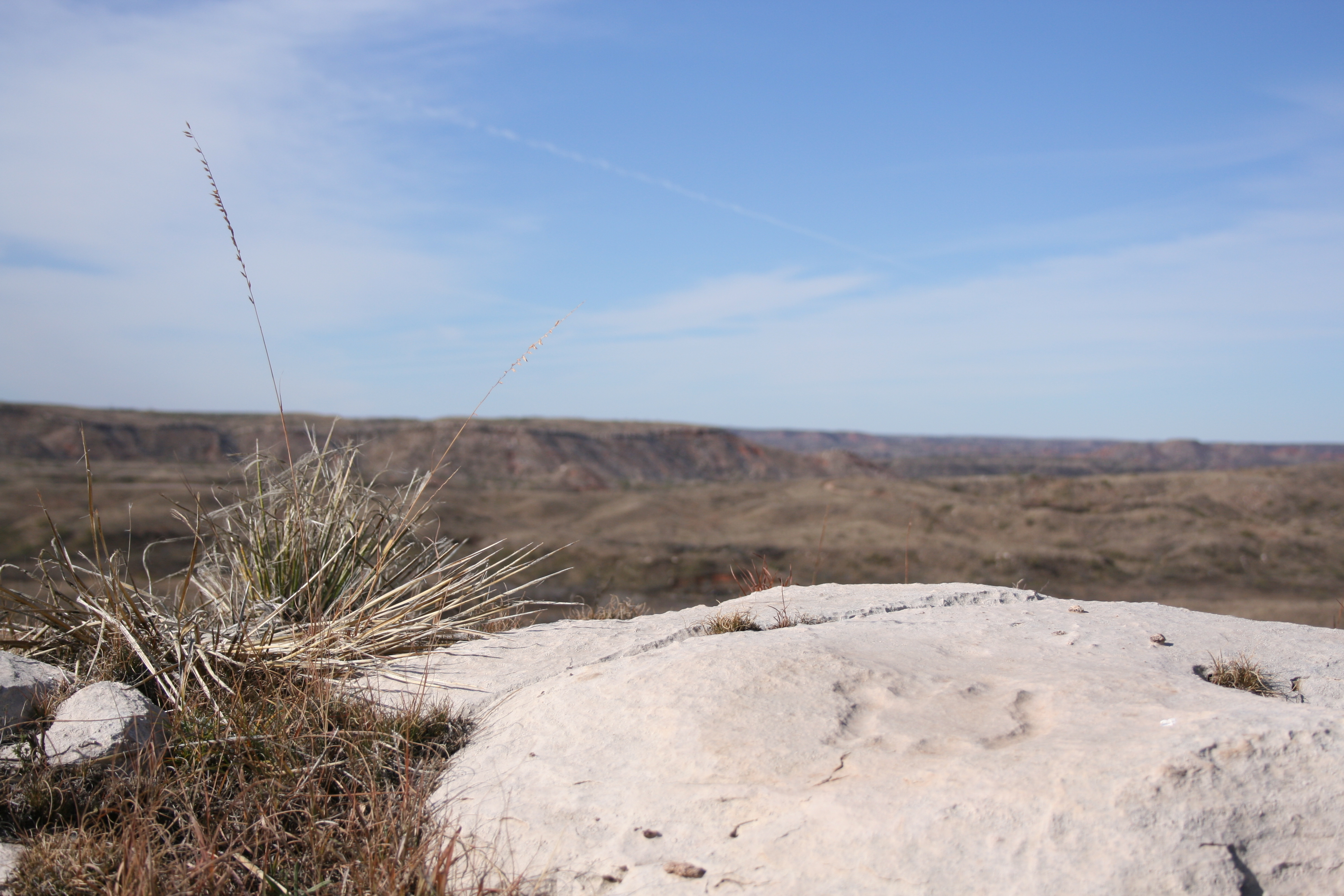
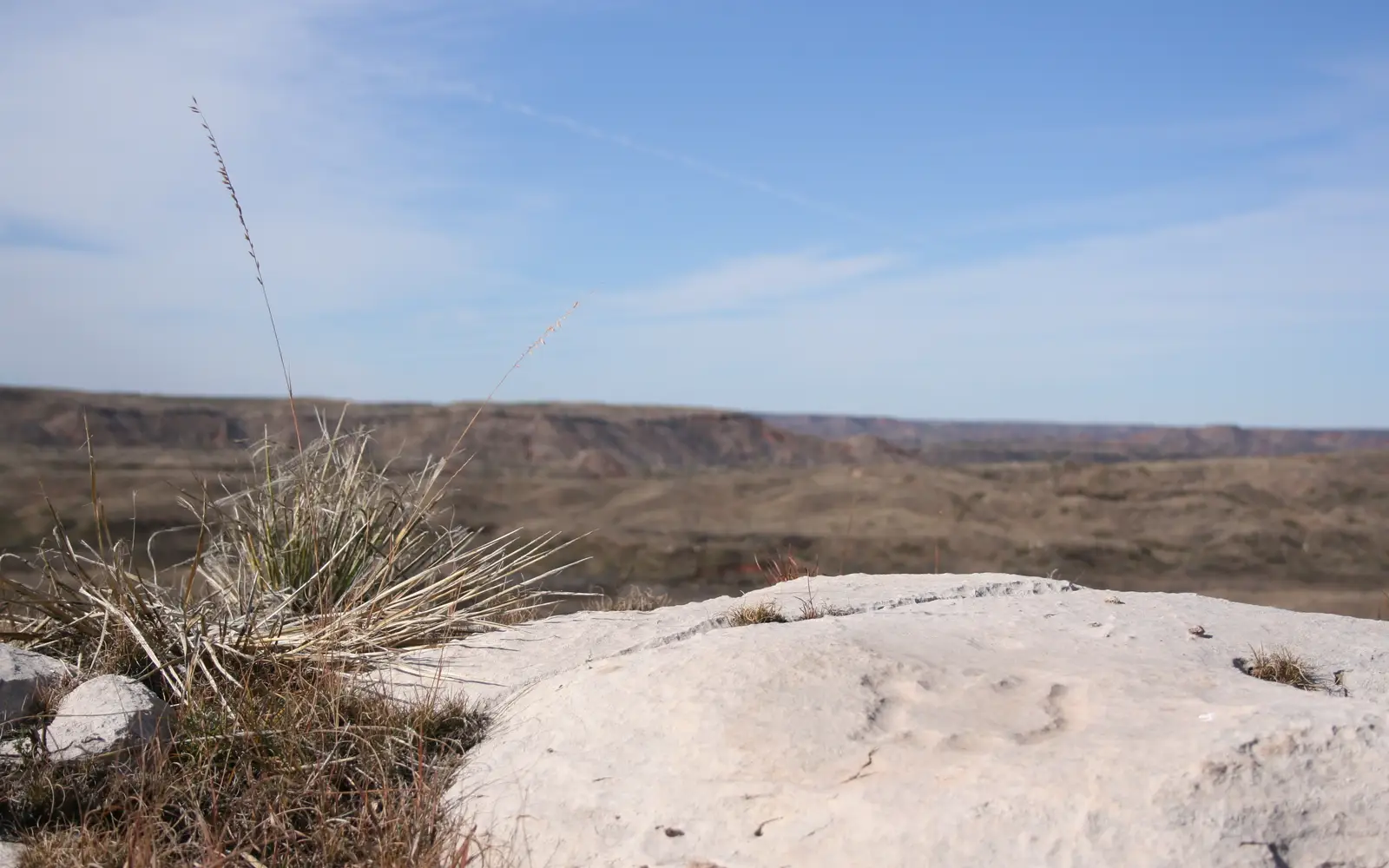
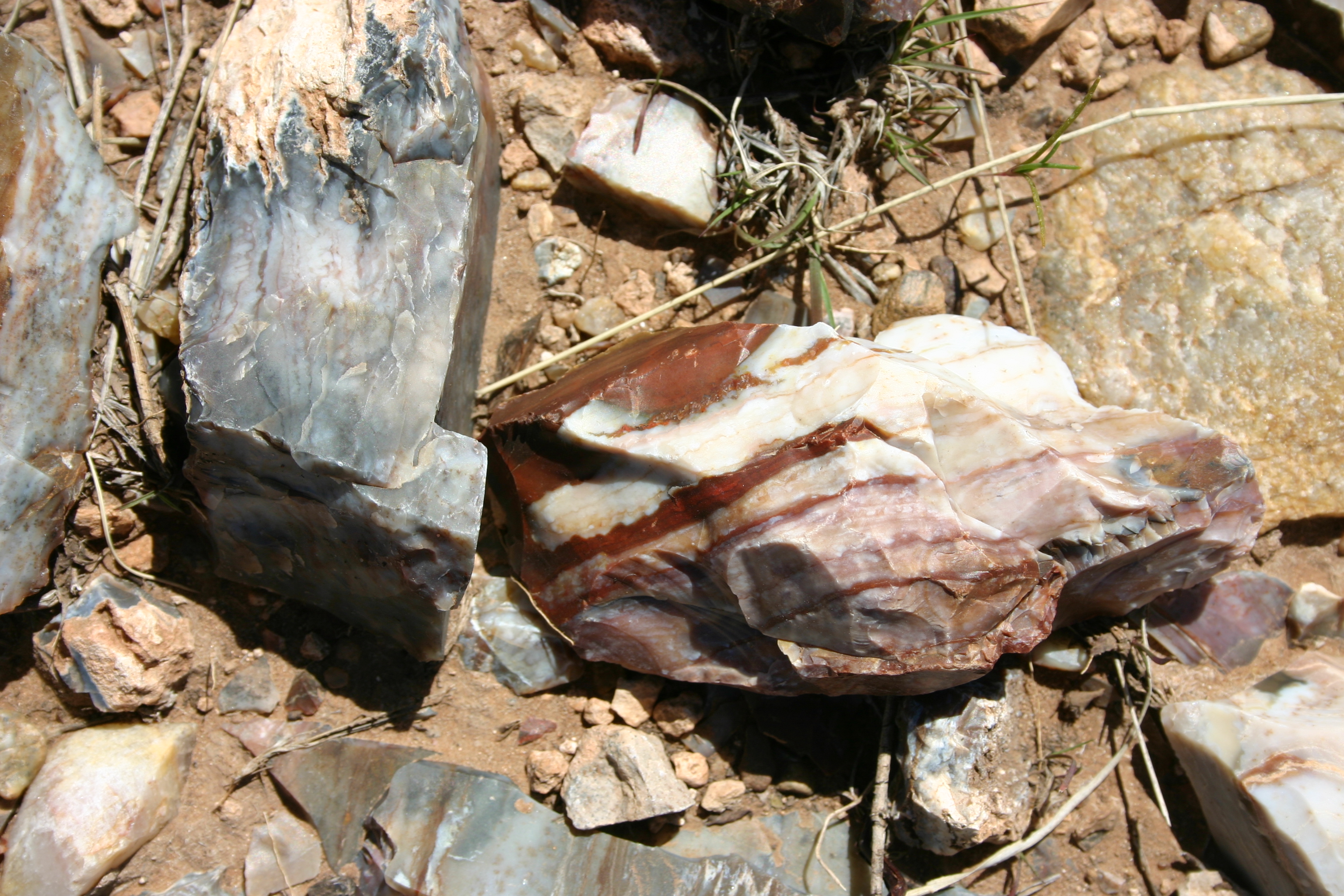
This Texas Panhandle site preserves ancient quarry pits for colorful agatized dolomite. Access is strictly controlled; unguided exploration of the quarries is not permitted. All quarry visits are contingent on a ranger-led tour. The visitor center provides essential context through exhibits and a park film, preparing visitors for the guided experience. This structure prioritizes interpretation over independent exploration. Casual sightseers or those seeking self-directed outdoor adventure may find this format restrictive. However, for visitors interested in deep prehistory and hands-on ranger interpretation, this free-entry site is remarkably rewarding. It functions less as a conventional hiking destination and more as an active archaeological lesson delivered on a windswept mesa.
What makes it worth it
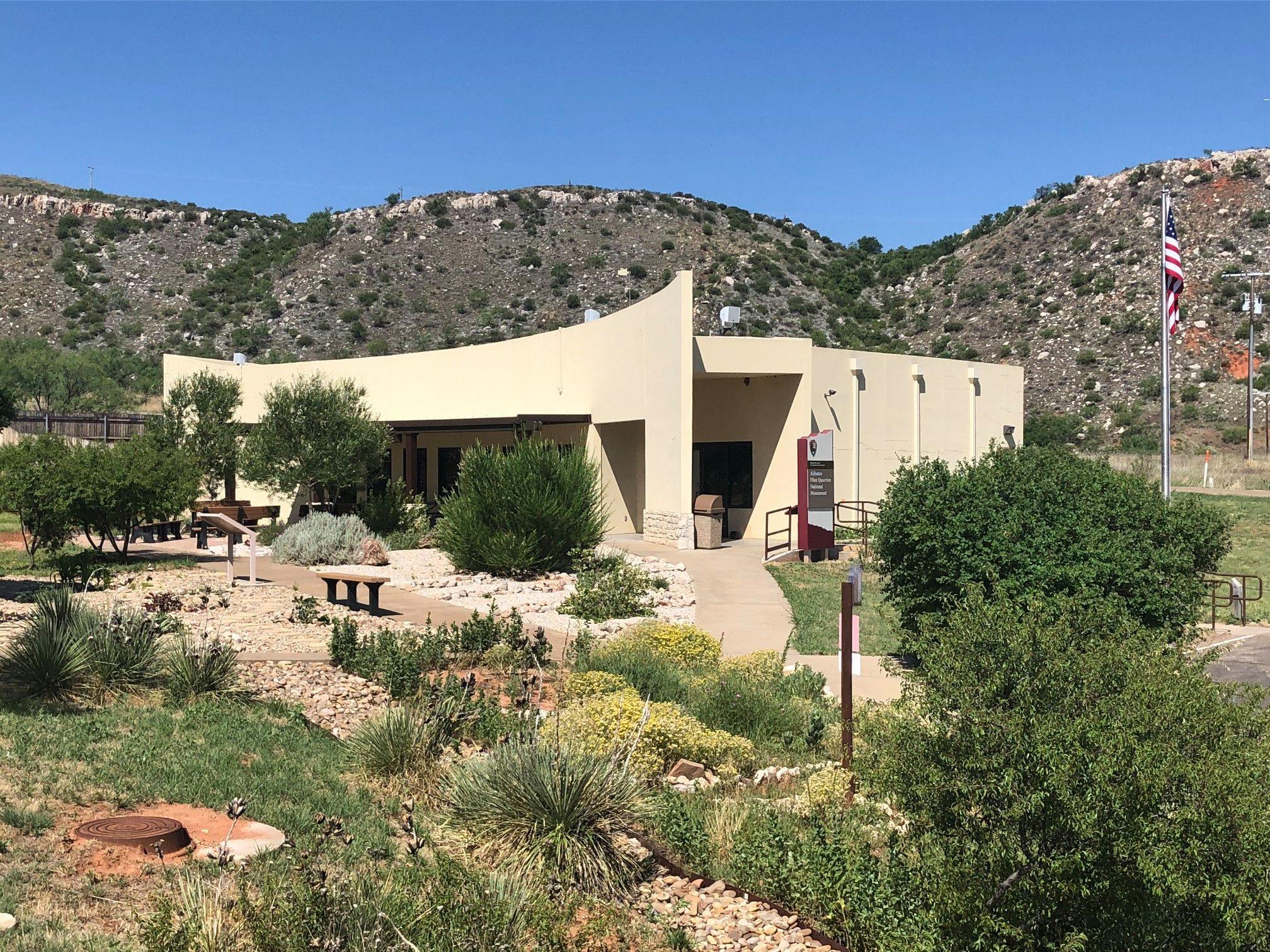
This site delivers a deep dive into ancient human history. The visitor center provides context through museum exhibits and a park film, tracing a timeline from Paleo-Indian mammoth hunters to later Plains cultures. Its central feature, the Alibates flint quarries, are accessible via ranger-led tours, revealing the distinctively colorful stone in situ. Craft demonstrations illustrate the transformation from raw material to finished tools. A Junior Ranger program engages younger visitors with archaeological themes. For naturalists, the native plant garden and Monarch Waystation offer an additional point of interest. Camping options nearby encourage an extended stay. This park is best suited for those seeking a focused historical and archaeological experience, particularly regarding ancient tool-making and trade networks.
Who should go
This monument suits history-minded families and archaeology enthusiasts. It offers substantial interpretive experiences beyond scenery. The Junior Ranger program and guided tours accommodate children well. Travelers seeking independent hiking, wildlife viewing, or diverse outdoor recreation should look elsewhere. This is a focused, interpretive destination.
When to go
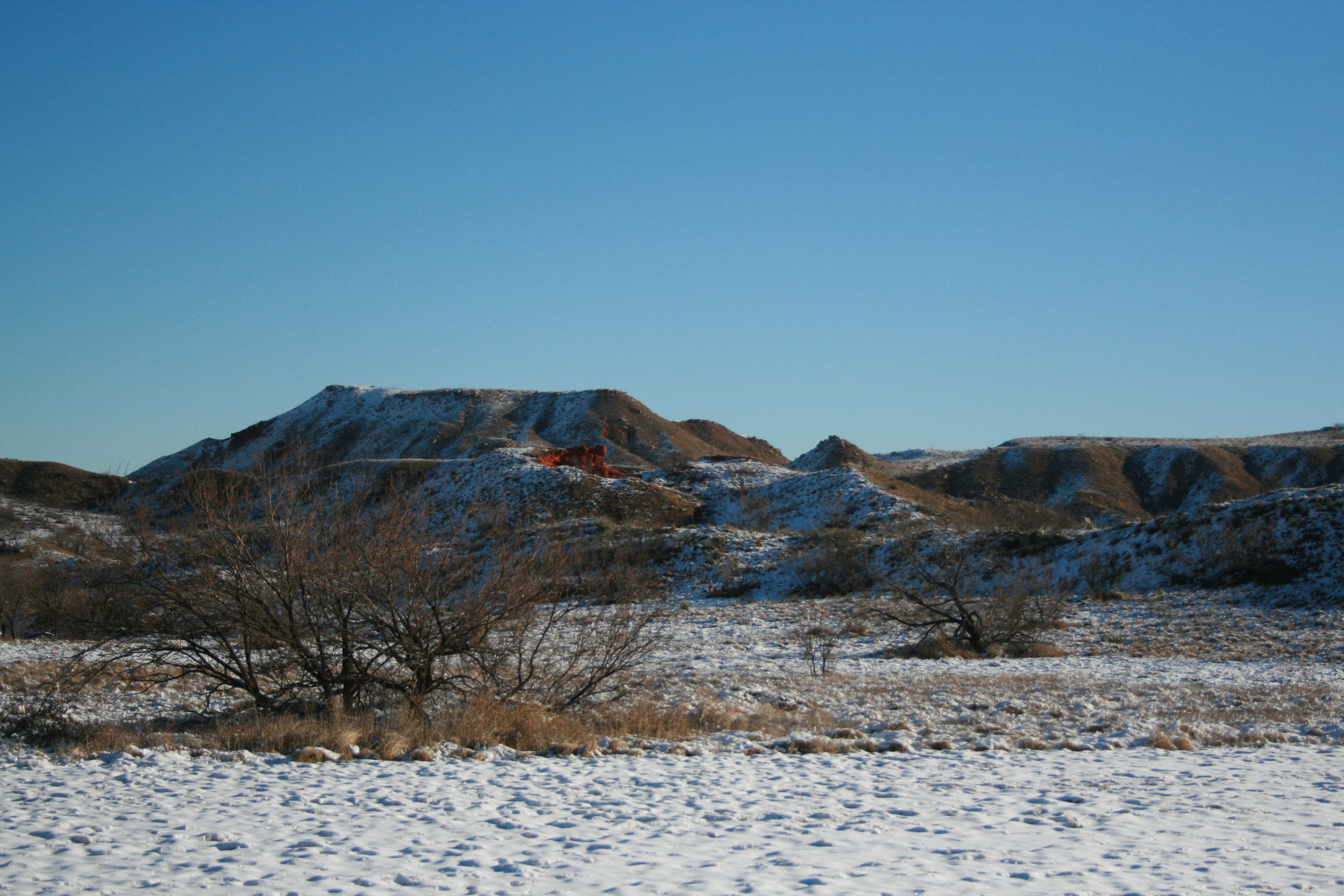
This unit presents a narrow but compelling draw. Conditions on the mesa are reliably challenging, with heat and wind in summer, and cold and wind in winter. Spring and fall offer the most comfortable hiking. Access to the quarries is restricted to guided tours only. Reservations are essential in any season. Casual sightseers should look elsewhere; this destination is for visitors committed to a rugged, structured experience.
Highlights
- Ranger-guided tours to the actual 13,000-year-old quarry pits, the only way to access them
- Craft demonstrations showing how Alibates flint was worked into tools
- Museum exhibits tracing the flint trade across the ancient High Plains
- Park film providing essential archaeological and cultural context before the tour
- Junior Ranger program structured around the site's deep human history
- Native plant garden and Monarch Waystation at the visitor center
Plan ahead
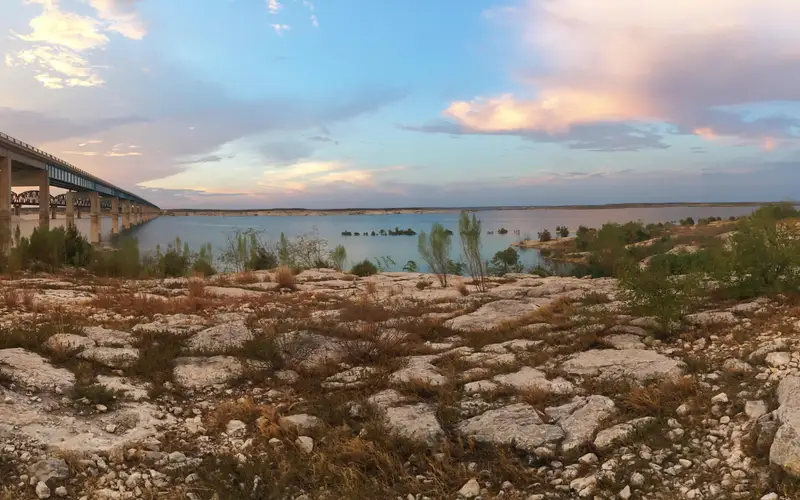
The Lake Meredith National Park unit offers a visitor center with a film, exhibits, and a garden. Entry to the quarries themselves requires advance phone reservations for a guided tour. Independent exploration of the quarry site is prohibited. This is not a drop-in destination. Casual sightseers should look elsewhere.
Editor's tipReservations are essential, particularly during the peak seasons of spring and fall. Ranger-led tours, a primary activity, are often fully booked well in advance. Families should inquire about Junior Ranger activities when booking, ensuring children can actively participate rather than just passively observe.