Zion National Park: our verdict
Zion National Park presents a genuinely broad menu for visitors.
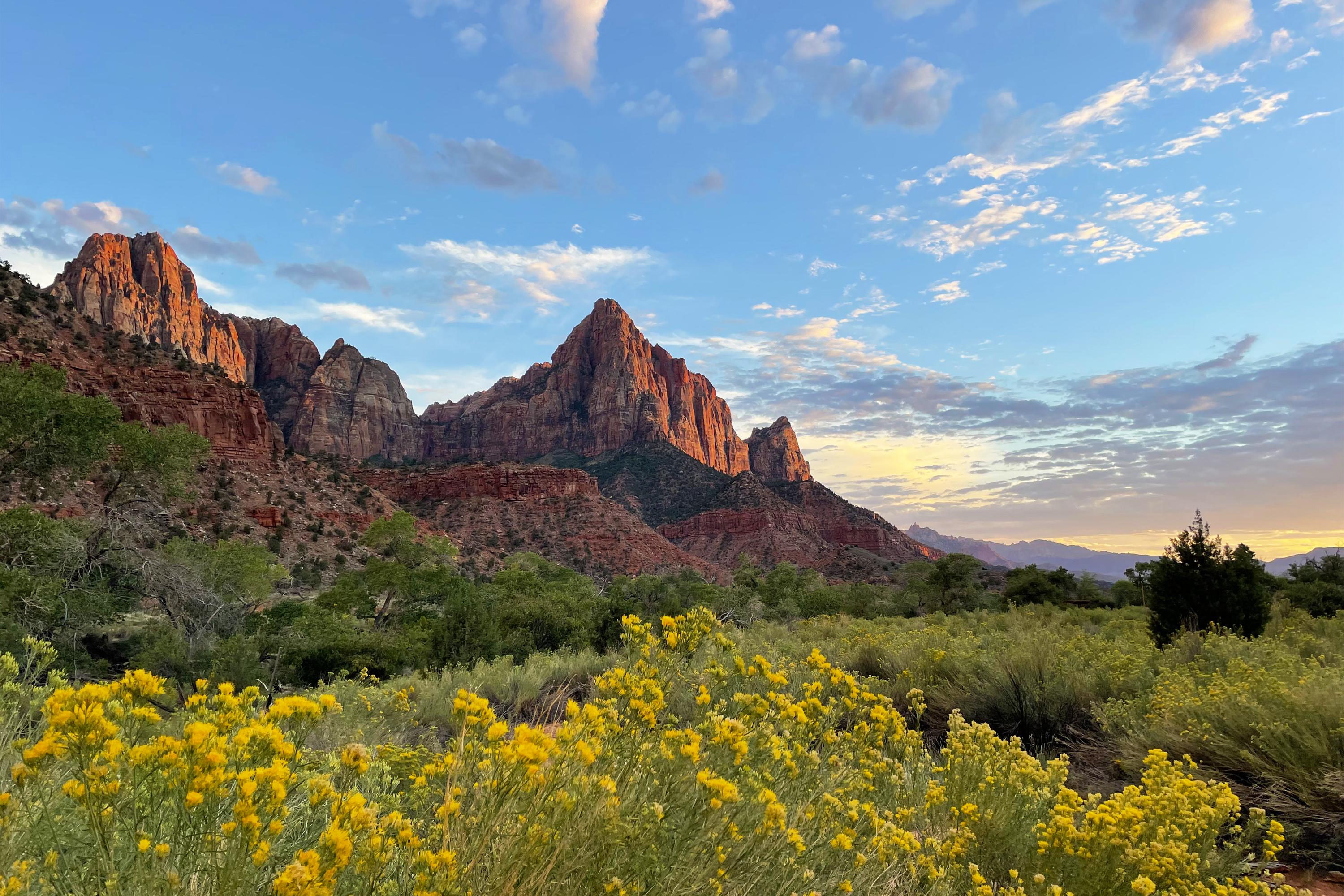
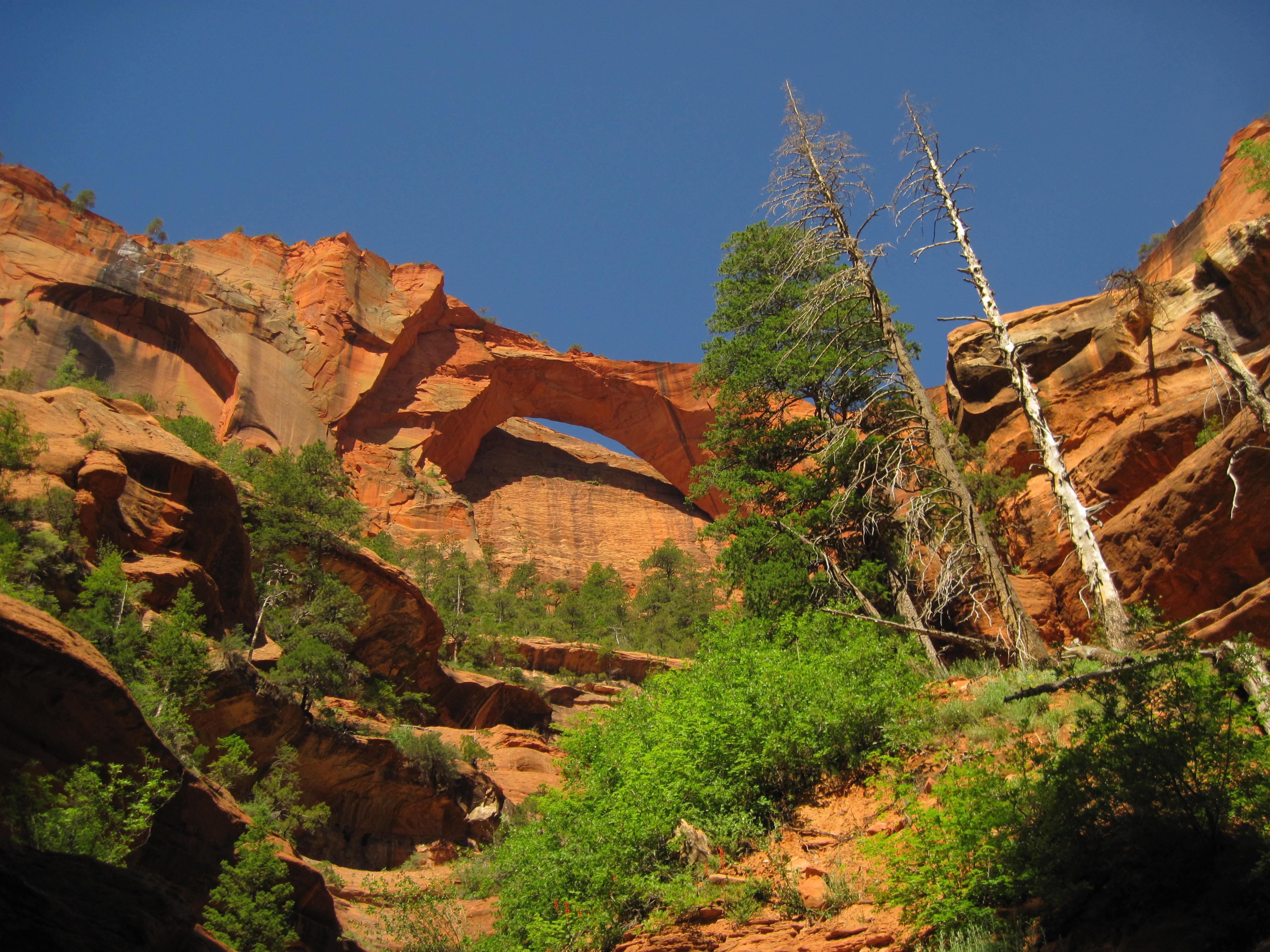
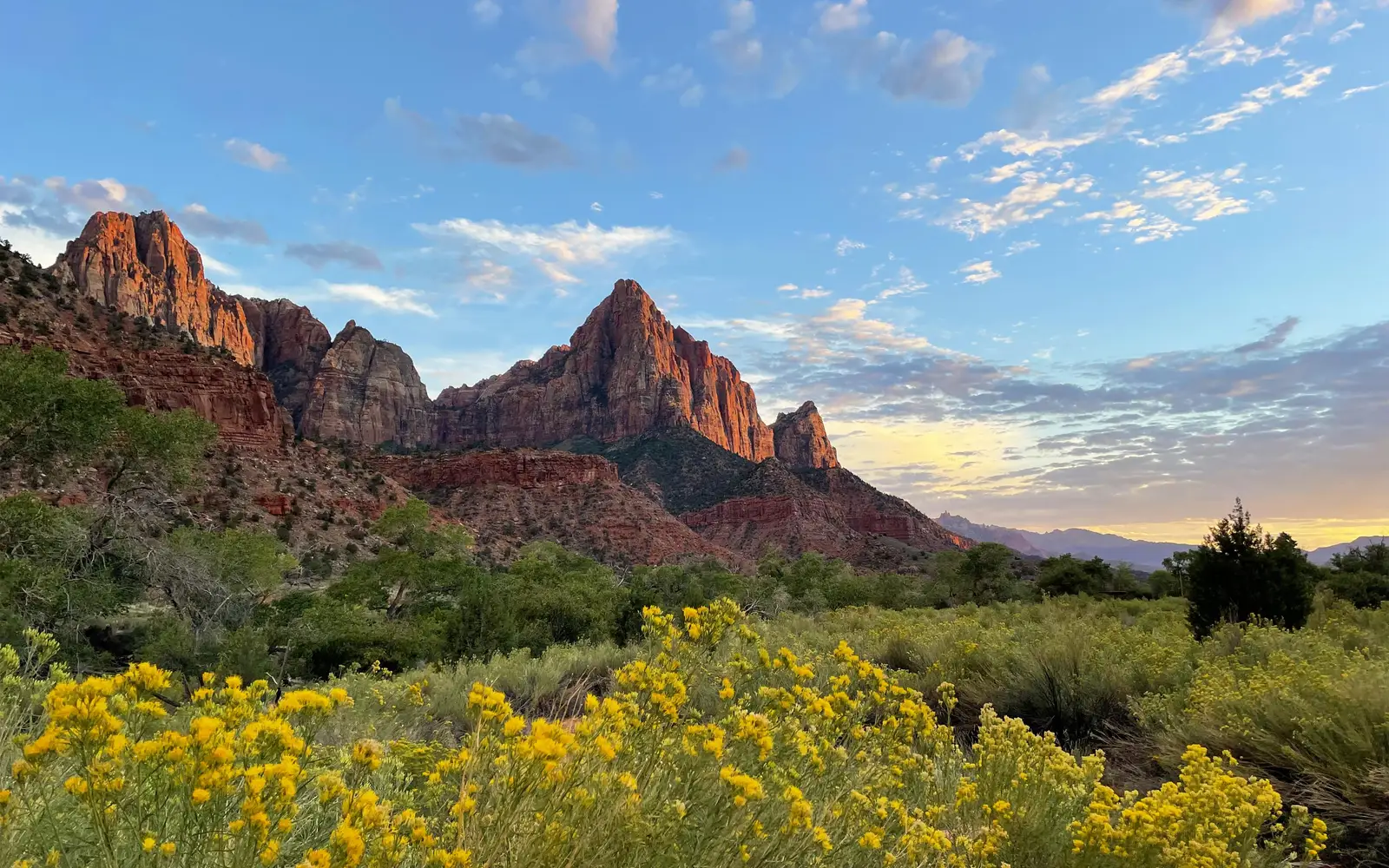
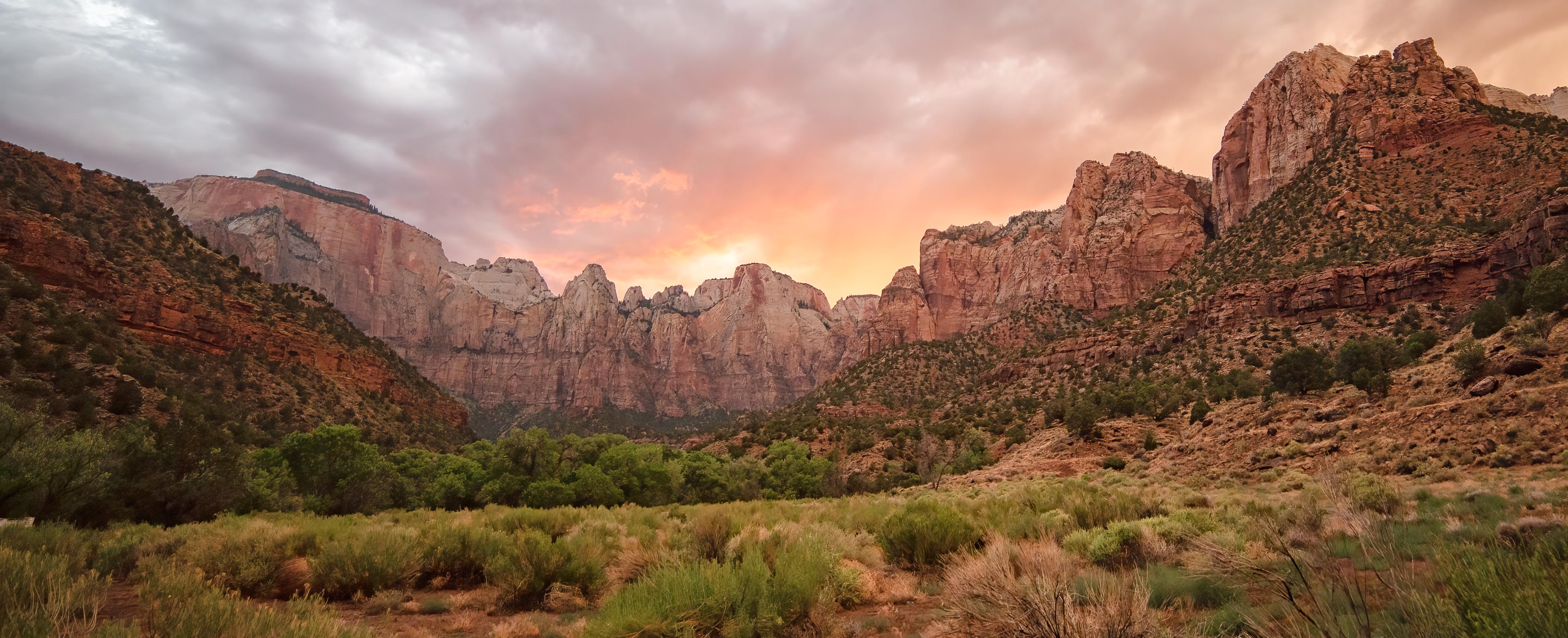
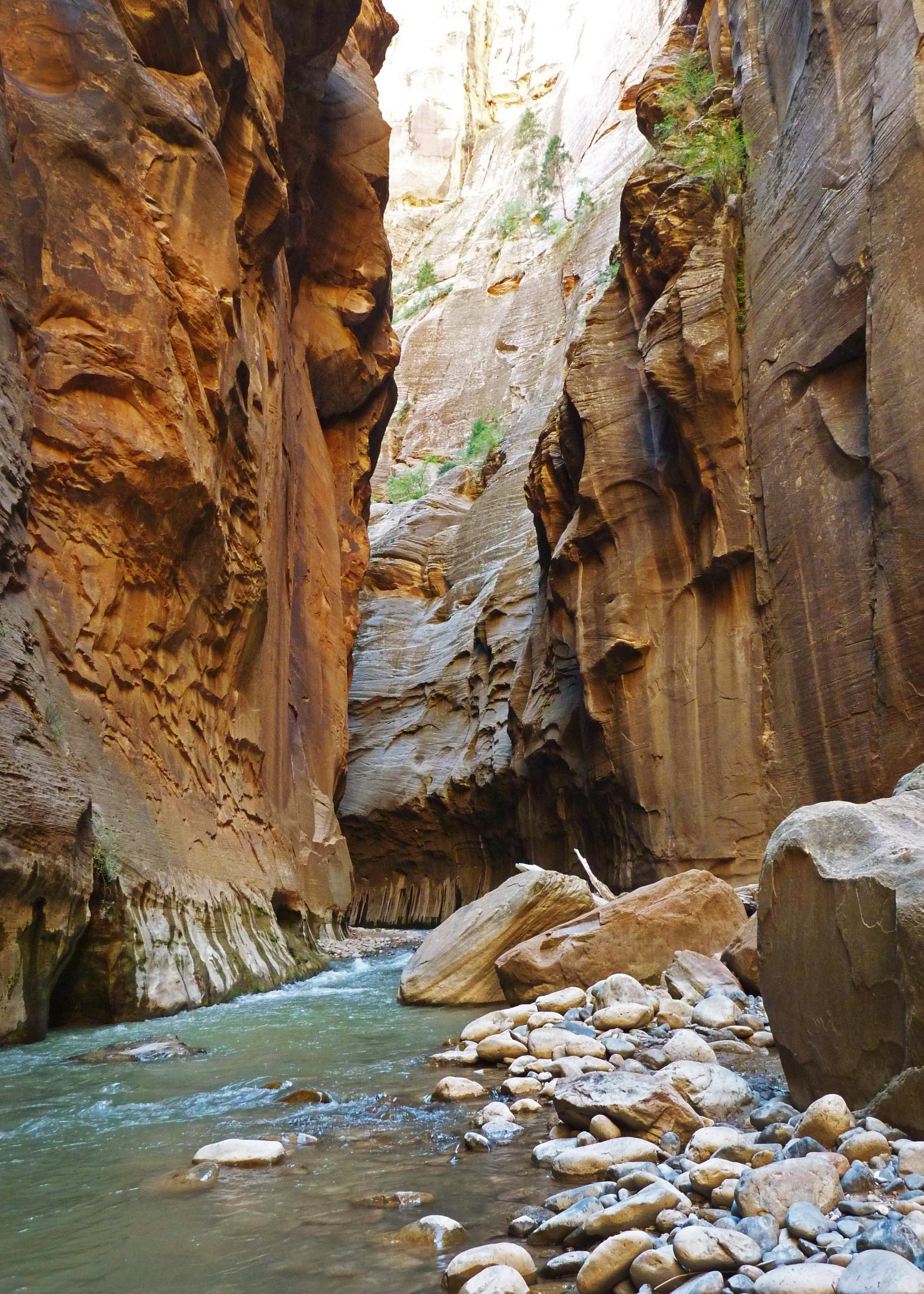
Its experience score of 90 reflects accessible front-country hiking alongside serious canyoneering and technical climbing. The Virgin River carved a deep sandstone canyon here, flanked by sheer walls that top out near 2,000 feet. A shuttle-served scenic drive provides easy access. The crowds are substantial, particularly on the canyon floor in summer. However, the park's vertical geography ensures solitude for those willing to gain elevation or enter the backcountry. At a $20 entry fee, Zion offers exceptional value. This is not a niche park for specialists. It earns its reputation as a bucket-list destination for most outdoor-oriented travelers, though advance planning is essential to avoid logistical frustrations.
Why visit
Zion National Park offers a genuinely layered experience. Its mandatory shuttle system successfully frees the canyon floor from vehicle traffic, allowing visitors to engage with the immense scale of the walls on foot. Front-country hiking opportunities vary widely, from accessible paved riverside paths to challenging, exposed sandstone climbs requiring chain assists. For the more adventurous, technical canyoneering routes through slot canyons demand permits and specialized gear, providing unparalleled experiences. Night skies at Zion are exceptionally dark, supporting significant stargazing. Birdwatchers will find both raptors and diverse riparian species. Cyclists have dedicated road biking options along the main corridor. The breadth of activities concentrated within this compact geography is a distinct and valuable characteristic; Zion rewards those who seek diverse outdoor engagement.
Who it suits
This park caters to adventurers. Hikers, canyoneers, and climbers will find ample challenge, while families can mix accessible sights with serious exploration. Its dark skies attract stargazers. Wildlife viewing is strong. However, its popularity means significant crowds, especially on the main canyon trail. Visitors sensitive to crowds should plan early morning excursions or off-peak visits. The desert environment makes summer brutal for those not acclimated.
Timing your visit
Optimal visiting conditions are found in spring and fall. These seasons offer moderate temperatures, good trail conditions, and fewer crowds. Summer temperatures frequently exceed 100°F on the canyon floor. From mid-July through September, monsoon rains present a flash flood risk, potentially closing slot canyon routes without notice. Winter is cold and quiet. Occasional snow provides dramatic scenic changes.
What stands out
- Slot canyon canyoneering routes requiring technical rappels through sculpted narrows
- Front-country hiking from accessible riverside paths to exposed, chain-assisted cliff routes
- Dark sky stargazing in a canyon environment that blocks horizon light on multiple sides
- Rock climbing on massive sandstone walls with routes for multiple skill levels
- Wildlife and birdwatching along the Virgin River riparian corridor
- Shuttle-accessed scenic canyon drive open every day of the year
Good to know
Entry is $20 per vehicle; the park is open 365 days a year. The mandatory shuttle system inside the main canyon means private vehicles cannot access most trailheads in peak season. Visitors must plan their day around shuttle stops. Canyoneering and certain backcountry routes require separate permits. These are obtained via a lottery system, with applications well in advance of popular dates. This park is for the prepared and persistent. Casual sightseers should look elsewhere.
Insider tipShuttle service starts early. Catching the first departure offers distinct advantages: better light on canyon walls, tolerable summer temperatures, and significantly less crowded trails before 10 AM.