Is Yukon - Charley Rivers National Preserve worth your trip?
Yukon-Charley Rivers offers a genuinely remote wilderness experience.
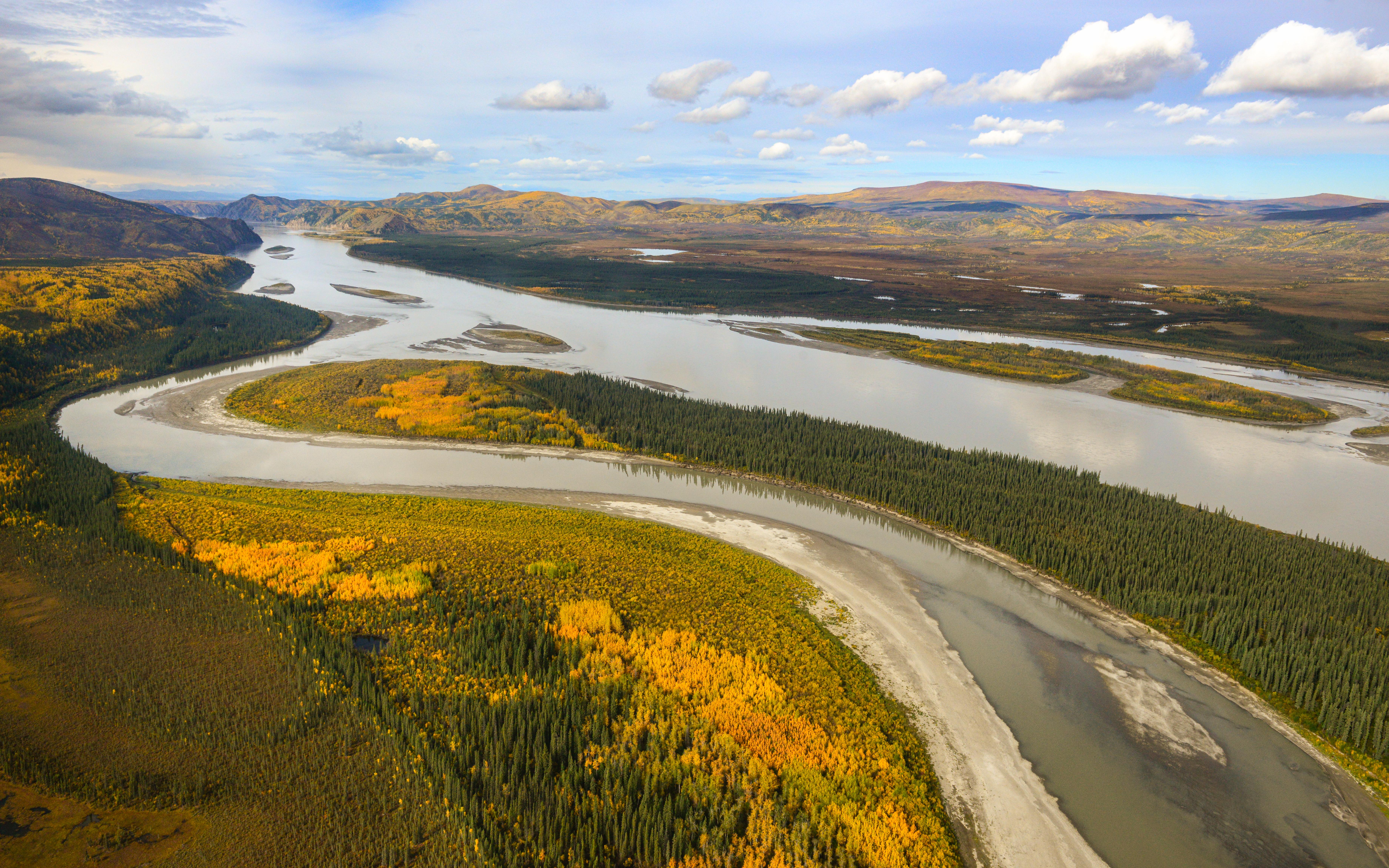
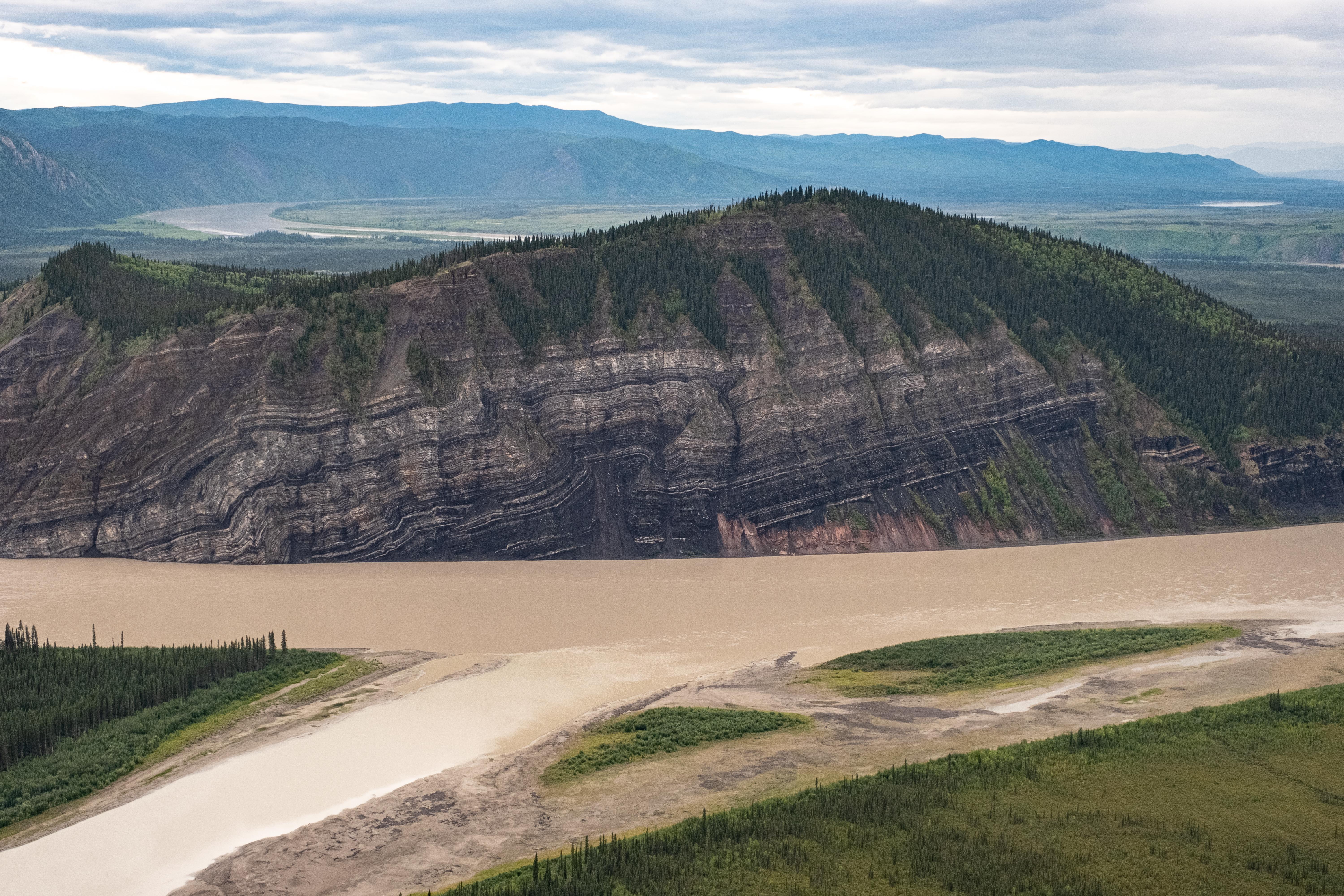
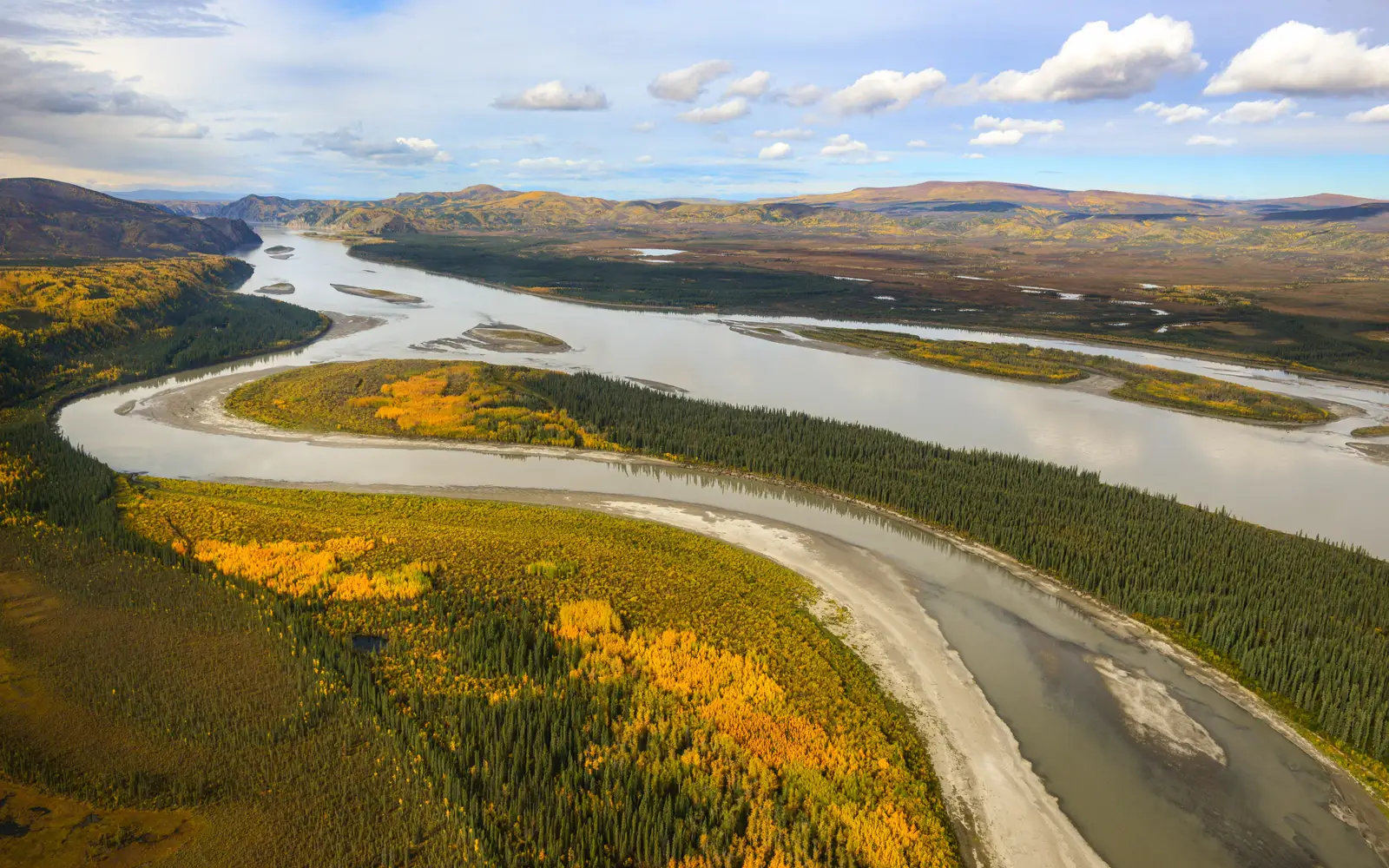
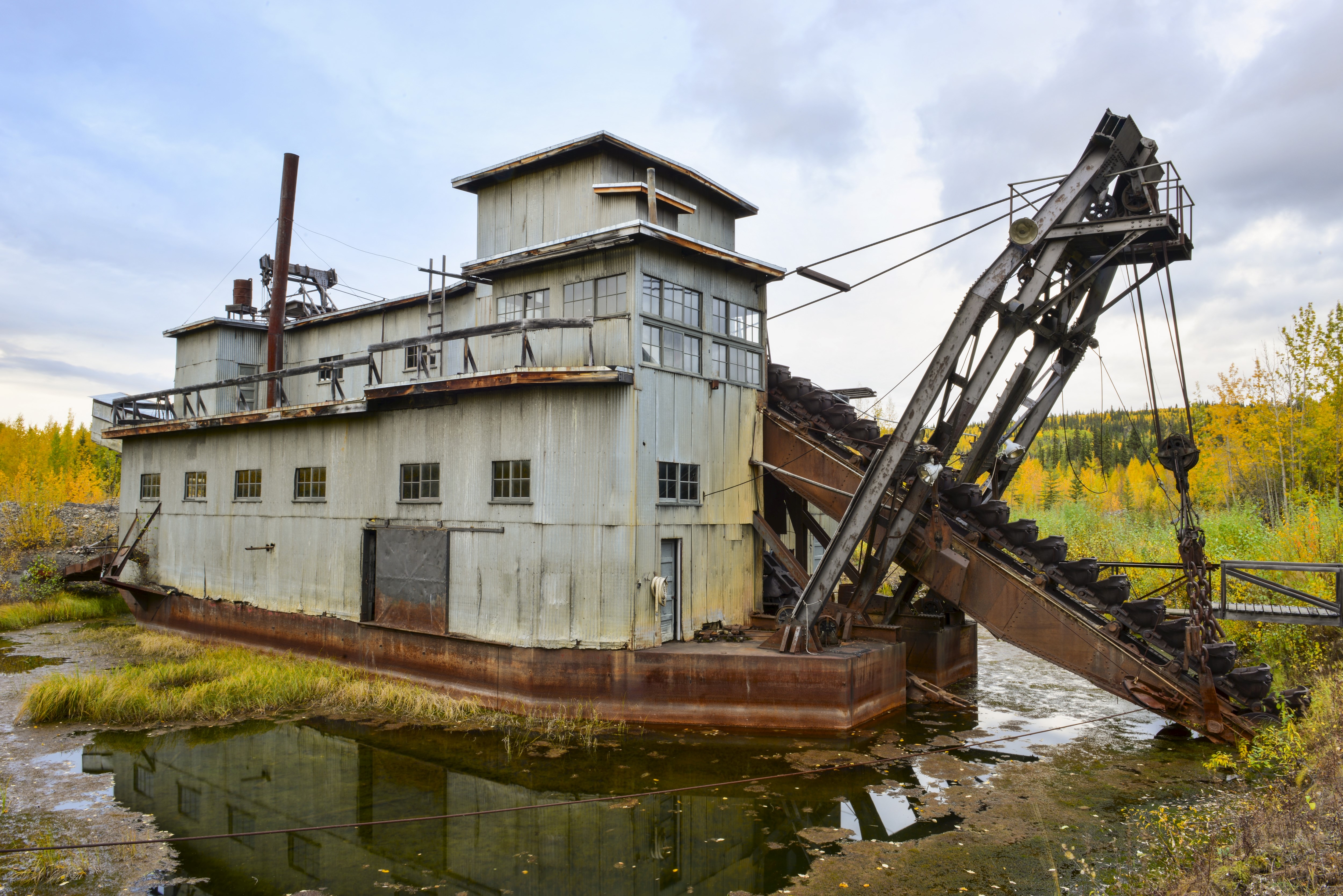
This 2.5-million-acre preserve straddles the Yukon River in Interior Alaska near the Canadian border. It demands expedition planning, not casual day-tripping. The core experience is multi-day river travel. Float the broad Yukon or tackle the more technical Charley River. This is combined with backcountry camping in a landscape that sees few human visitors. Gold rush history, peregrine falcon habitat, and subarctic wildlife define the setting. There are no entrance fees and no paved roads into the interior. Developed visitor infrastructure is absent. This is not a park for casual sightseers. It rewards those who come specifically for paddling, hunting, fishing, dog sledding, or winter travel. For this dedicated audience, it is an irreplaceable destination.
Why go
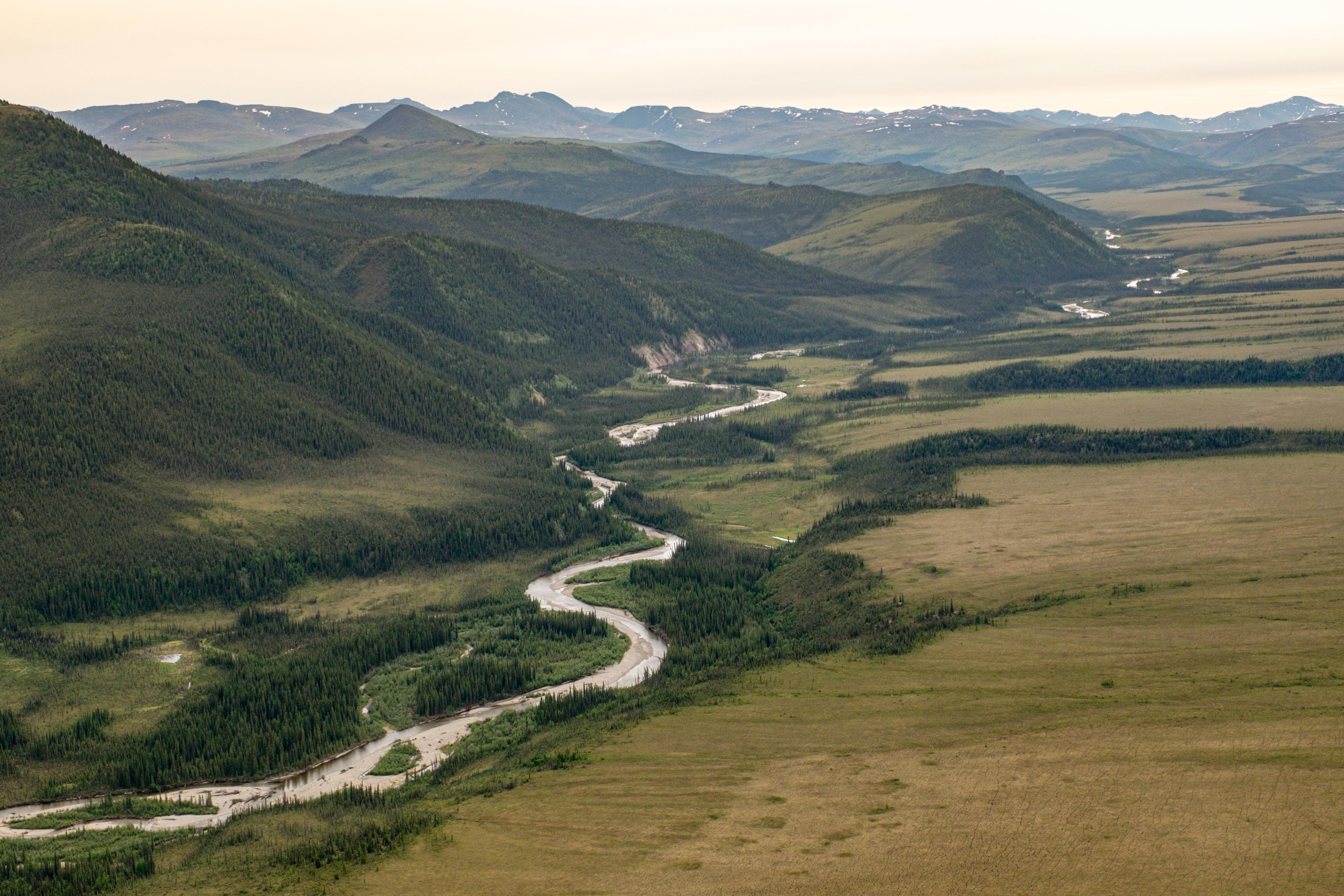
This preserve prioritizes riverine exploration. A float along the Yukon River from Eagle to Circle offers a direct route through subarctic wilderness, replete with gold rush history. The Charley River provides a more rigorous whitewater challenge, best suited for experienced paddlers. Beyond the rivers, backcountry hiking into the uplands allows for wildlife observation. Birdwatching is a notable activity. The preserve uniquely permits fishing and hunting, positioning subsistence and sport use as core activities. Winter months open the landscape to dog sledding, snowmobiling, and cross-country skiing, all under extreme cold conditions. The Junior Ranger Program caters to families with older, prepared children.
Best for
This preserve suits experienced wilderness travelers: serious paddlers, hunters, anglers, and anyone who genuinely seeking solitude over amenities. Winter adventurers drawn to dog sledding or ski touring in subarctic conditions will find few peers in the NPS system. It is a poor fit for casual hikers, families with young children expecting facilities, or anyone without solid backcountry self-sufficiency skills.
Best season
Summer provides the most accessible conditions for this park, with long daylight hours conducive to paddling and hiking. While temperatures are warm relative to Interior Alaska norms, wind and rapid weather shifts remain a constant. Winter travel is feasible via snowmobile, ski, or dog sled for those with advanced cold-weather expertise. This demands significant preparation due to exceptionally low temperatures. Spring and fall are transitional periods offering less predictability for visitors.
The high points
- Multi-day paddling on the Yukon River through roadless subarctic wilderness
- Whitewater canoeing and kayaking on the Charley River
- Legal hunting and fishing within a National Park System unit
- Dog sledding and snowmobiling through a vast winter landscape
- Wildlife and birdwatching in one of Alaska's least-visited preserves
- Gold rush historical remnants accessible along the river corridor
Know before you go
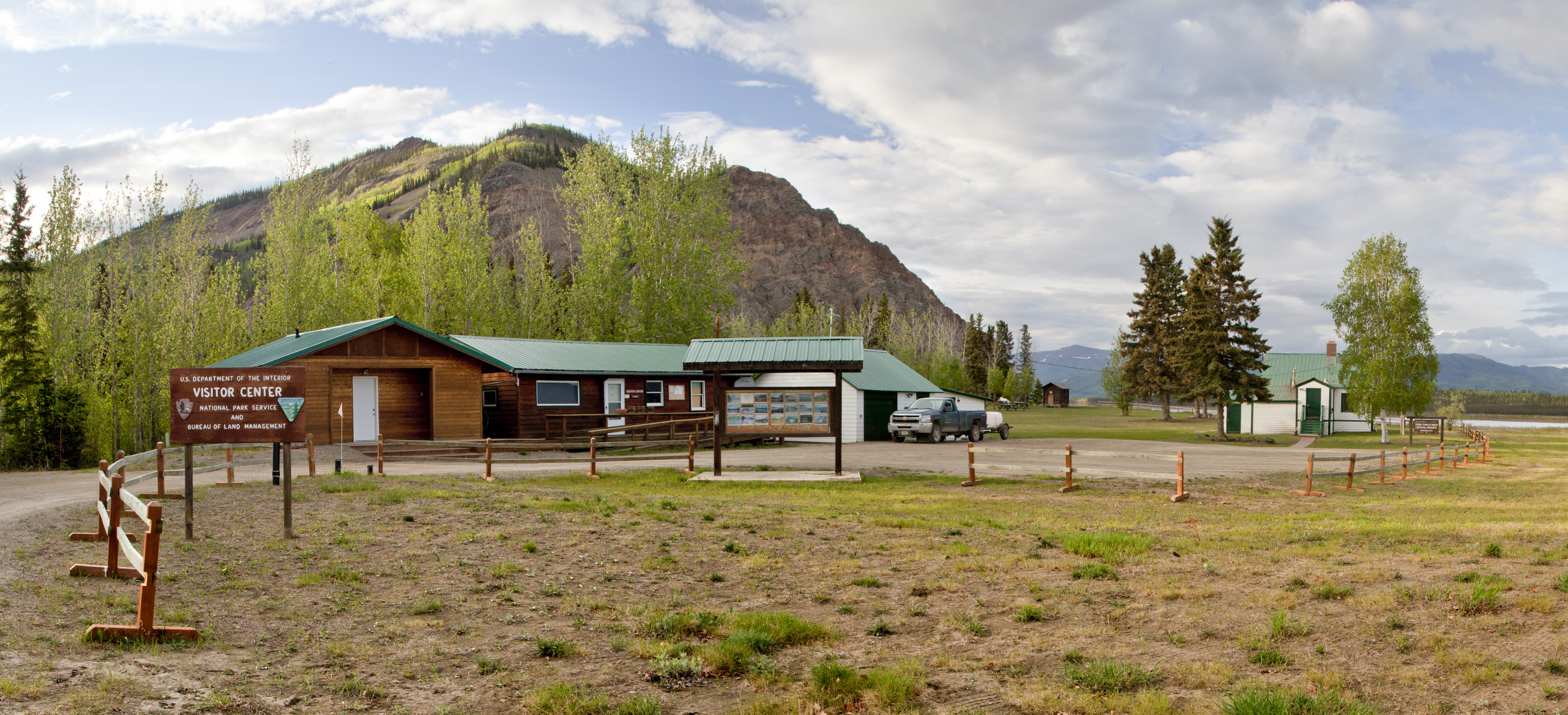
Access to this preserve is notably challenging. While there is no entrance fee, the interior mandates river or small aircraft for entry, with Eagle and Circle offering the only road-accessible starting points. Expect no developed campgrounds or visitor facilities within the preserve's boundaries. Prospective visitors must consult the NPS office in Eagle regarding current river conditions and logistical planning. This destination suits only the thoroughly prepared.
One more thingThe Yukon River float from Eagle to Circle represents the definitive multi-day experience in this region. This traverse, most often undertaken by canoe, typically requires one to two weeks. For those seeking solitude, the corridor sees reduced traffic in early June or late August. These periods still offer ample daylight, enhancing the remote wilderness immersion.