Is Katmai National Park & Preserve worth your trip?
Katmai National Park offers an exceptional wilderness experience for the committed visitor.
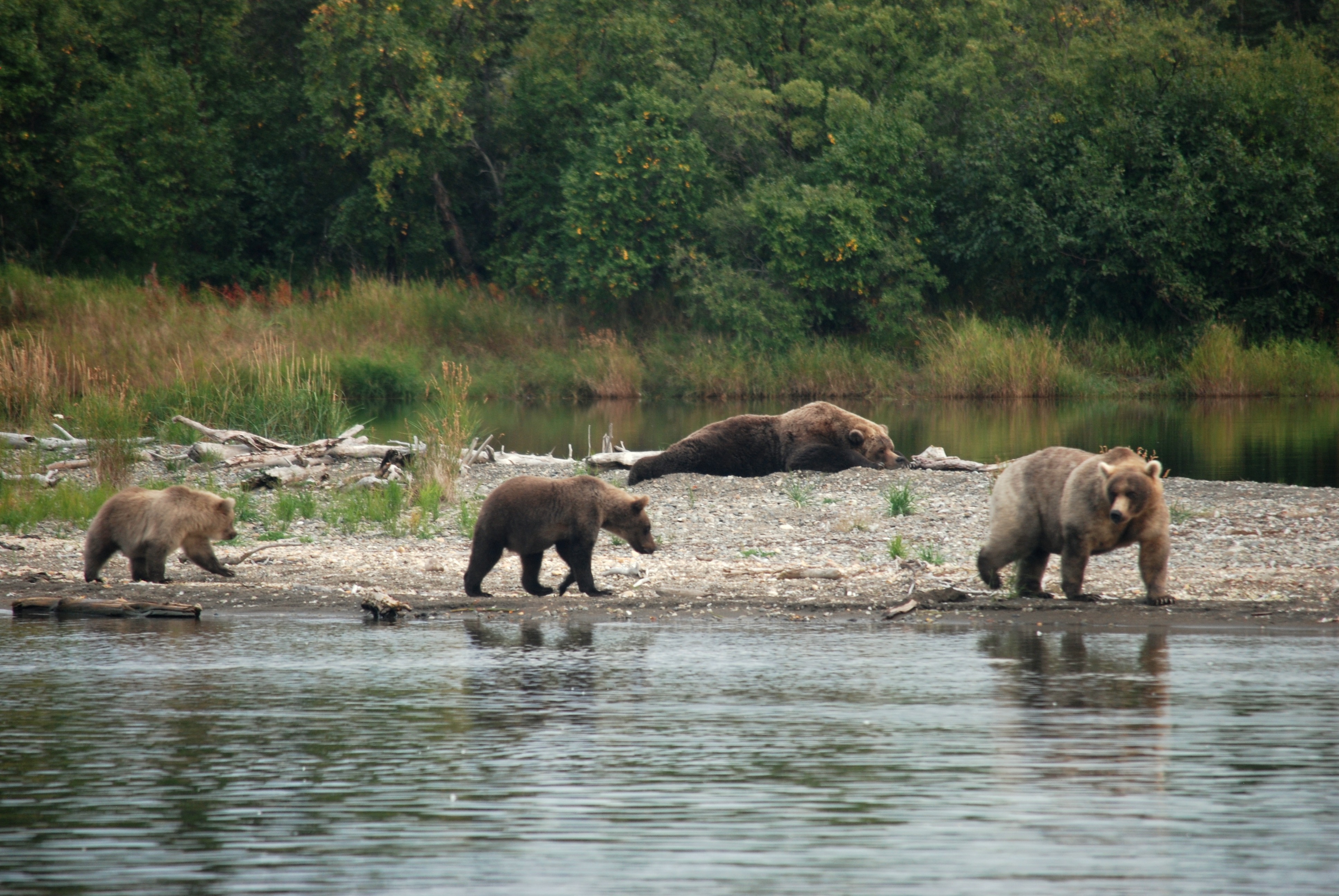
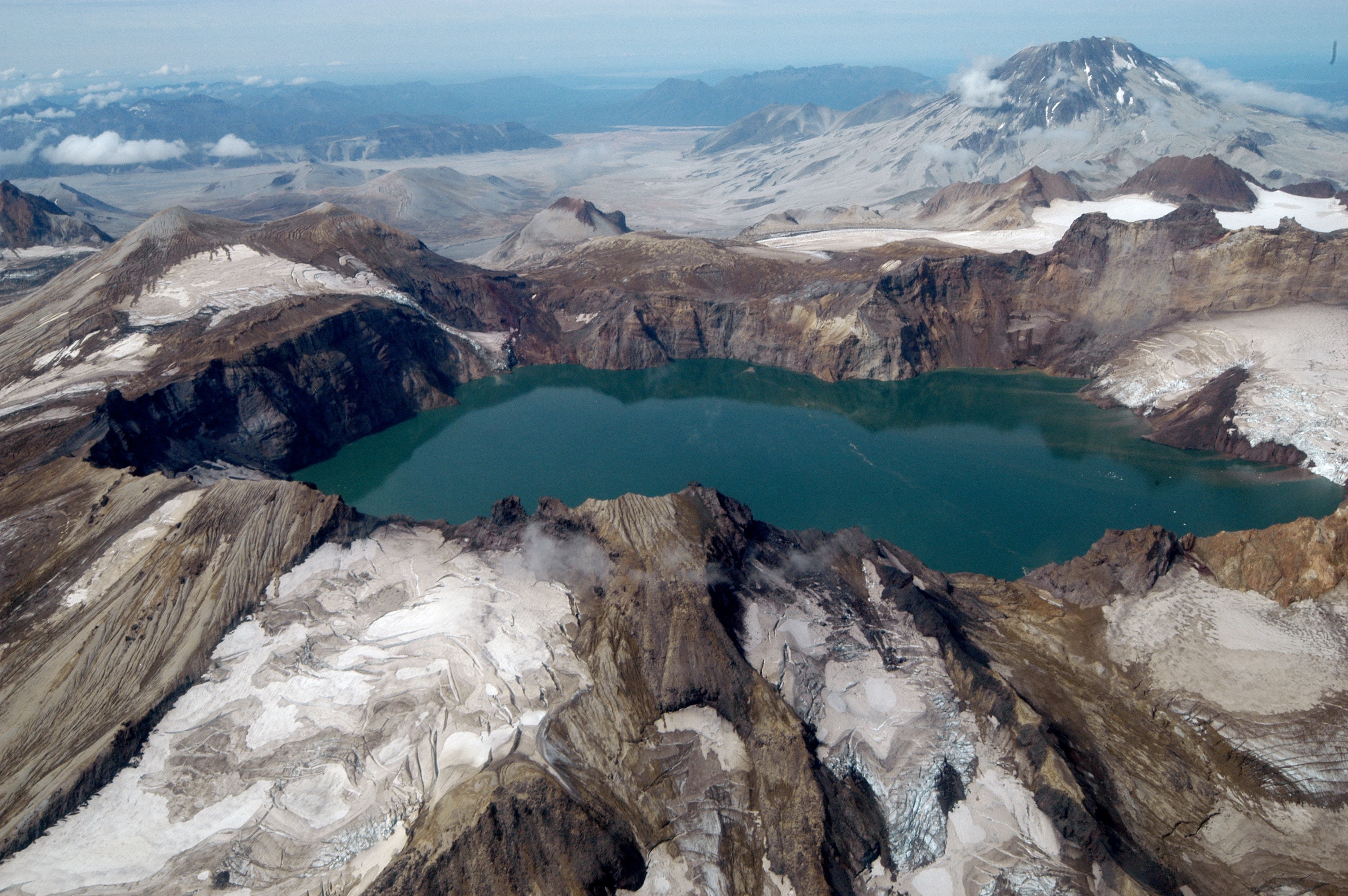
Its location on the Alaska Peninsula dictates access by floatplane or charter from King Salmon; this immediately screens out casual tourism. What remains is a remote landscape featuring dense populations of brown bears, drawn by sockeye salmon runs. The Valley of Ten Thousand Smokes presents a stark, preserved consequence of the 1912 Novarupta eruption. Backcountry paddlers and anglers can find extended solitude here. There is no entrance fee. Floatplane and lodge expenses are substantial. For those prioritizing serious wildlife viewing, wilderness fishing, or unique volcanic topography, Katmai is a premier destination. The park delivers an experience that genuinely surpasses expectations.
Why go
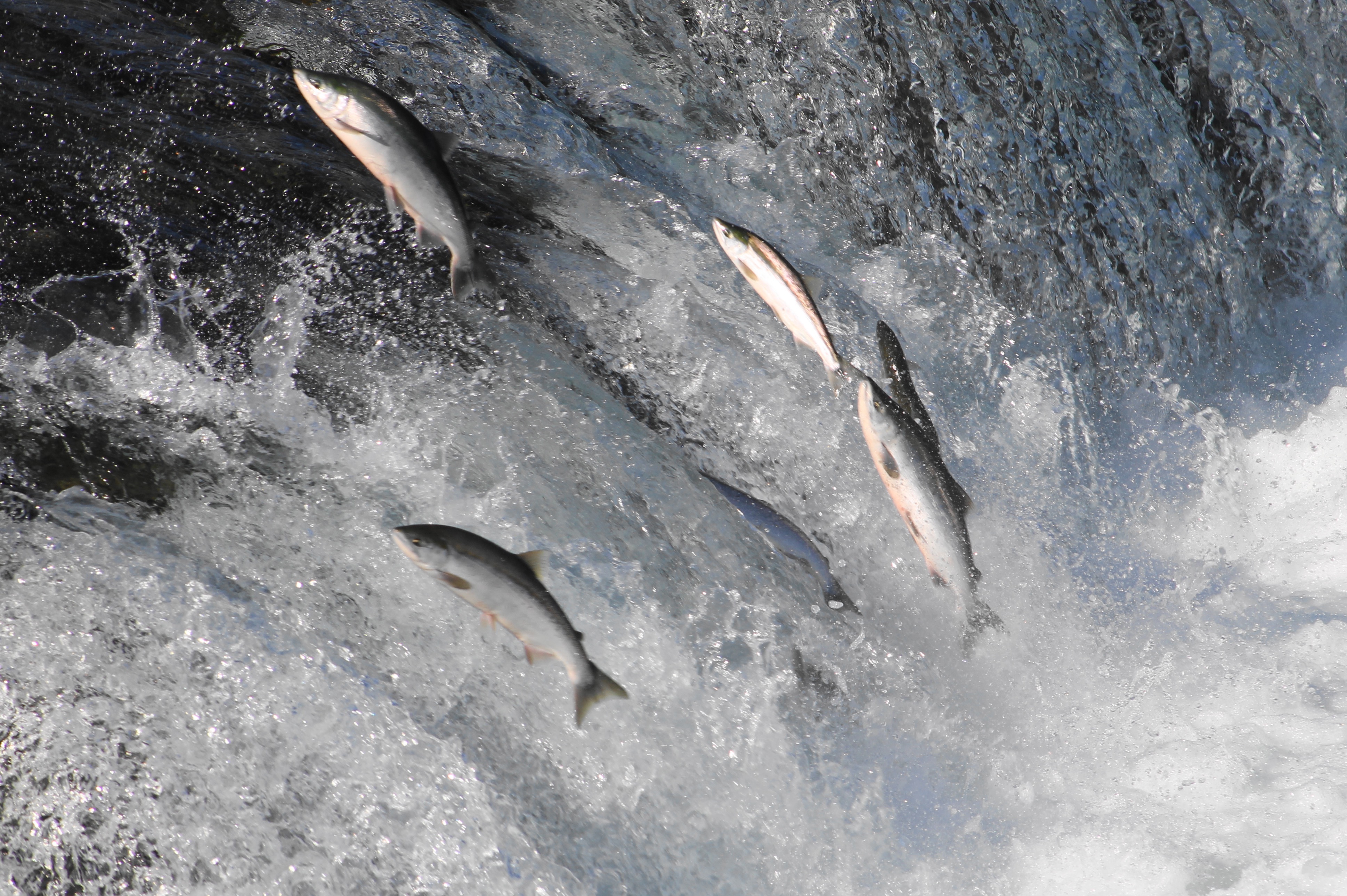
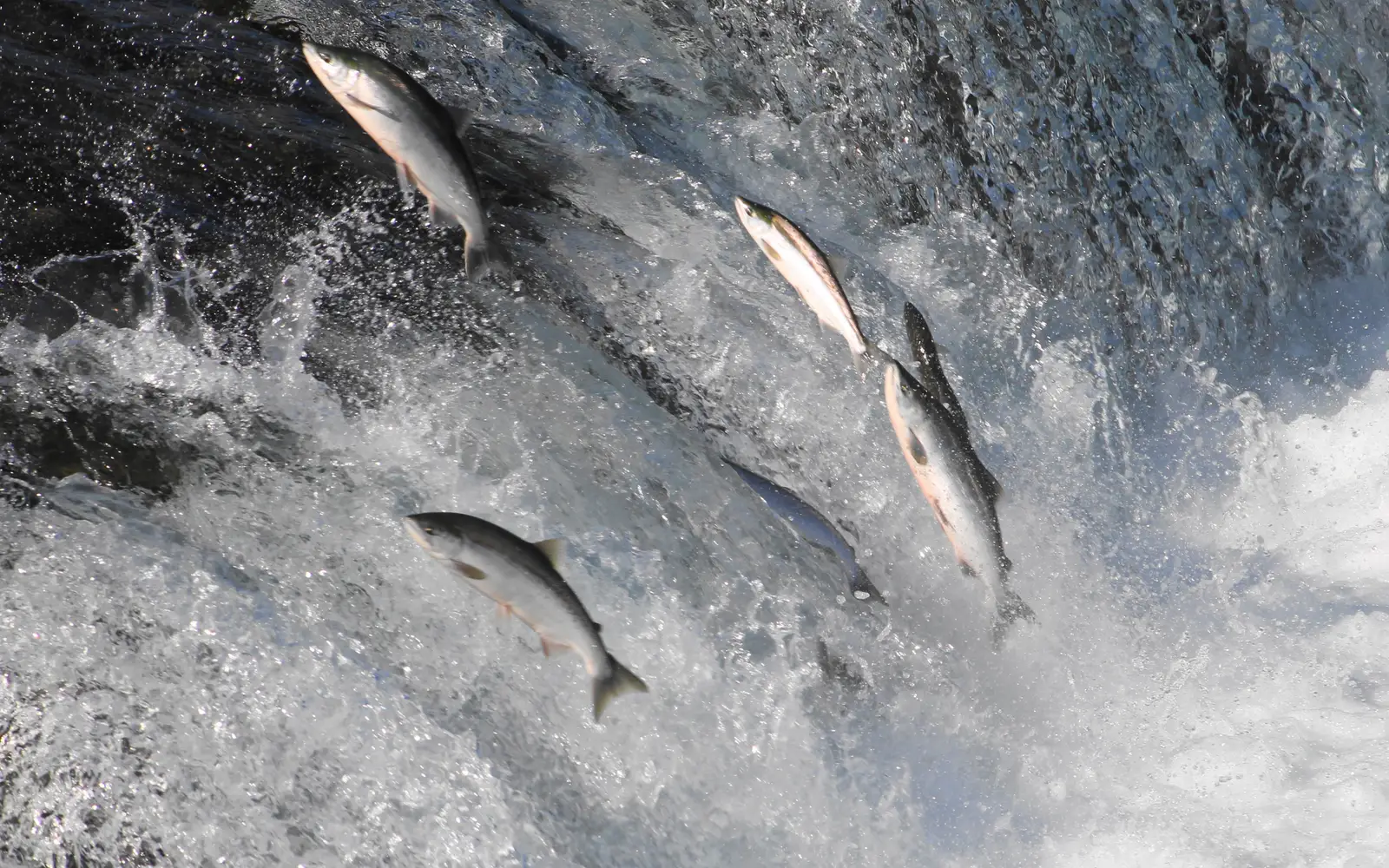
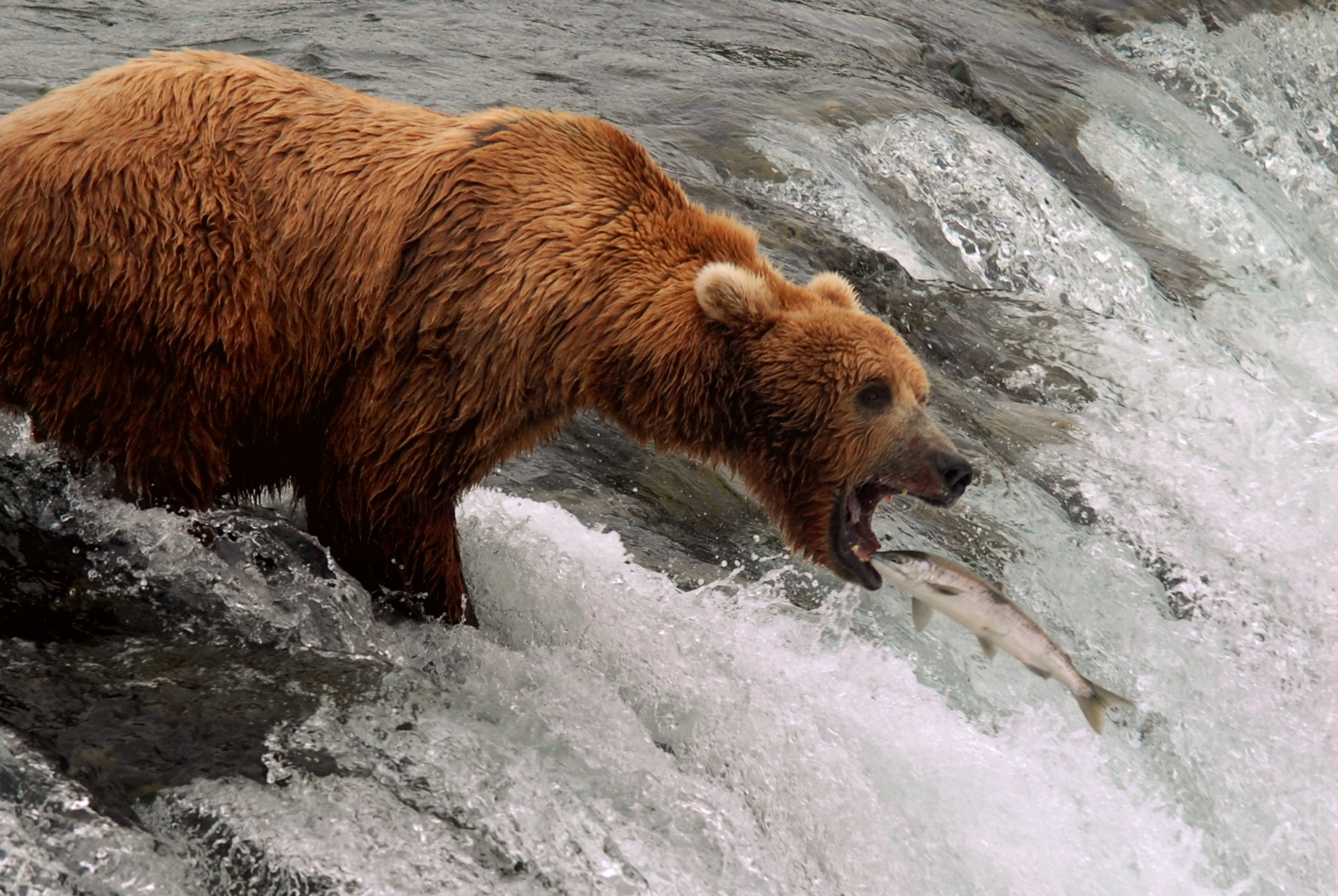
Katmai's core appeal lies squarely with its wildlife. At Brooks Camp, the established viewing platform at Brooks Falls offers guaranteed brown bear sightings during peak sockeye salmon runs. Dozens of bears congregate there. This is a premier wildlife viewing opportunity. Beyond the falls, the park provides access to the Valley of Ten Thousand Smokes, a unique 40-square-mile ashflow deposit, reachable via guided tours. Angling opportunities are exceptional; sockeye, rainbow trout, and Arctic char draw serious fly fishers. For those seeking true isolation, backcountry camping and paddling in coastal regions and lake systems promise total solitude. Families will find the Junior Ranger program at Brooks Camp engaging for children. Katmai clearly caters to visitors prioritizing wildlife encounters and remote wilderness experiences; casual sightseers may find its offerings limited beyond the falls.
Best for
Katmai offers a transformative experience for visitors prioritizing bear viewing, fly fishing, backcountry paddling, or wildlife photography. Brooks Camp suits families with older children adept at floatplane travel and variable weather conditions. Casual sightseers should look elsewhere. This is a serious wilderness trip. Travelers expecting road access, cell service, or budget logistics will not find them here.
Best season
July through early September defines the core season for this park. The Brooks Falls bear and salmon spectacle reaches its zenith in mid-July for sockeye, with a second peak in September for silver salmon. Summer weather remains cool and wet; rain gear is essential. Fall offers reduced crowds and heightened bear activity as animals prepare for winter. Winter access proves extremely limited; conditions are harsh.
The high points
- Brown bear viewing at Brooks Falls during salmon runs, one of the most reliable large-predator wildlife experiences in North America
- Fly fishing for sockeye salmon, rainbow trout, and Arctic char in remote rivers with very low fishing pressure
- Guided bus tours to the Valley of Ten Thousand Smokes, a surreal volcanic landscape formed by the 1912 Novarupta eruption
- Multi-day backcountry paddling and canoe or kayak camping on interconnected lake and river systems
- True wilderness backcountry hiking in a landscape largely unchanged by human infrastructure
- Floatplane access itself, which provides aerial views of the Alaska Peninsula coastline and volcanic terrain
Know before you go
This park presents a significant logistical and financial commitment. There is no road access; most visitors arrive via floatplane to Brooks Camp, typically from King Salmon after a flight from Anchorage. For peak July dates, Brooks Lodge reservations often book more than a year in advance. Backcountry campers must carry bear-resistant food containers. This is a destination for the prepared, offering a deep wilderness experience for those willing to invest in the journey.
One more thingBrooks Lodge remains a primary basecamp, but its limited capacity requires advance planning. The National Park Service reservation system may offer cancellations in spring. For those unable to secure lodging, floatplane day trips from King Salmon provide direct access to the bear viewing platforms. This option bypasses the overnight stay, a distinction without consequence for the wildlife viewing experience.