Is Glacier Bay National Park & Preserve worth it?
Glacier Bay earns a perfect experience score.
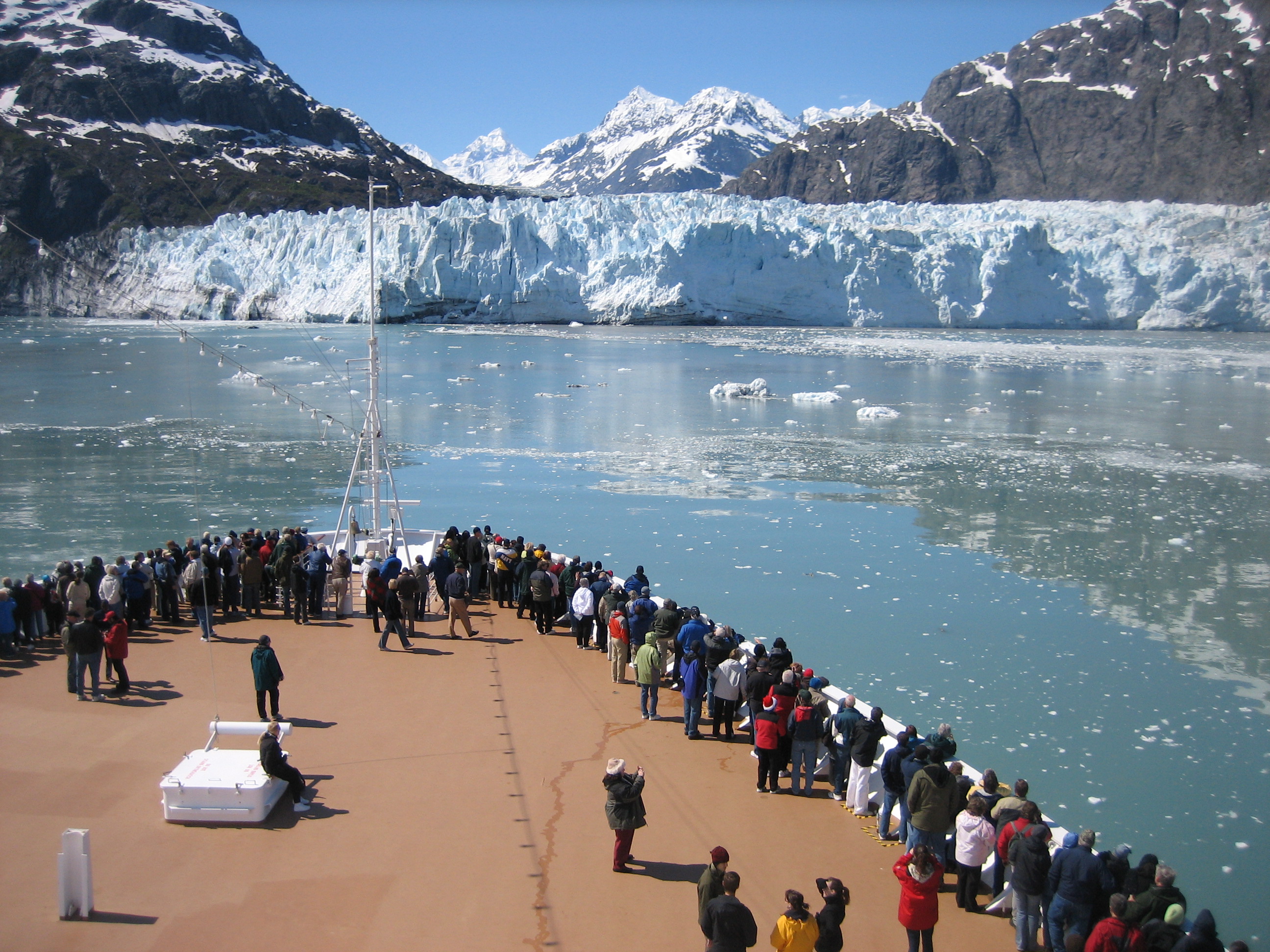
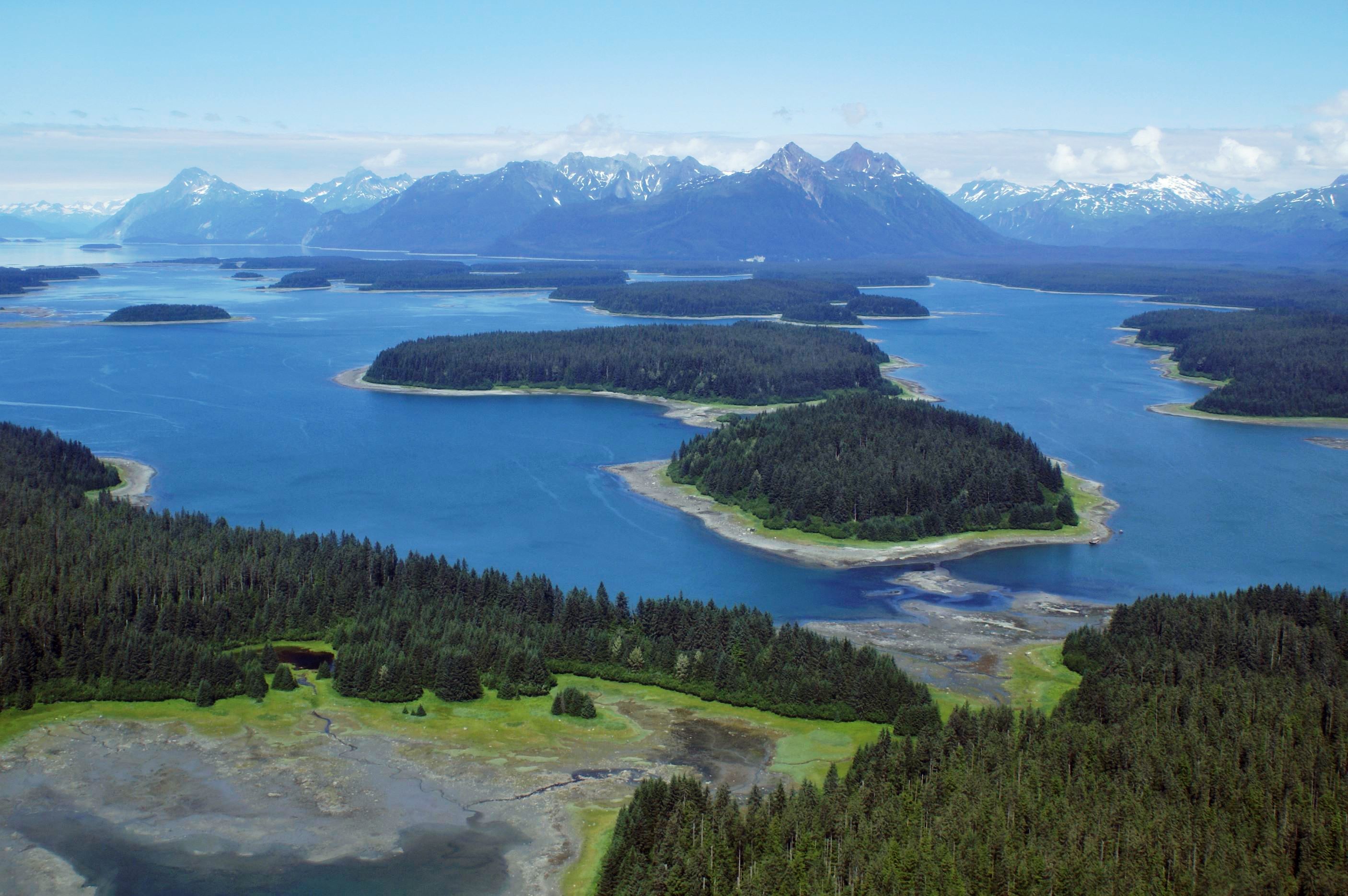
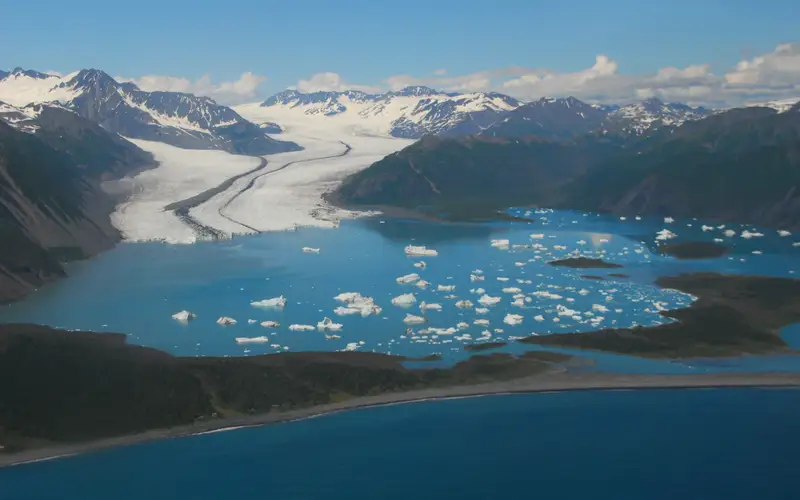
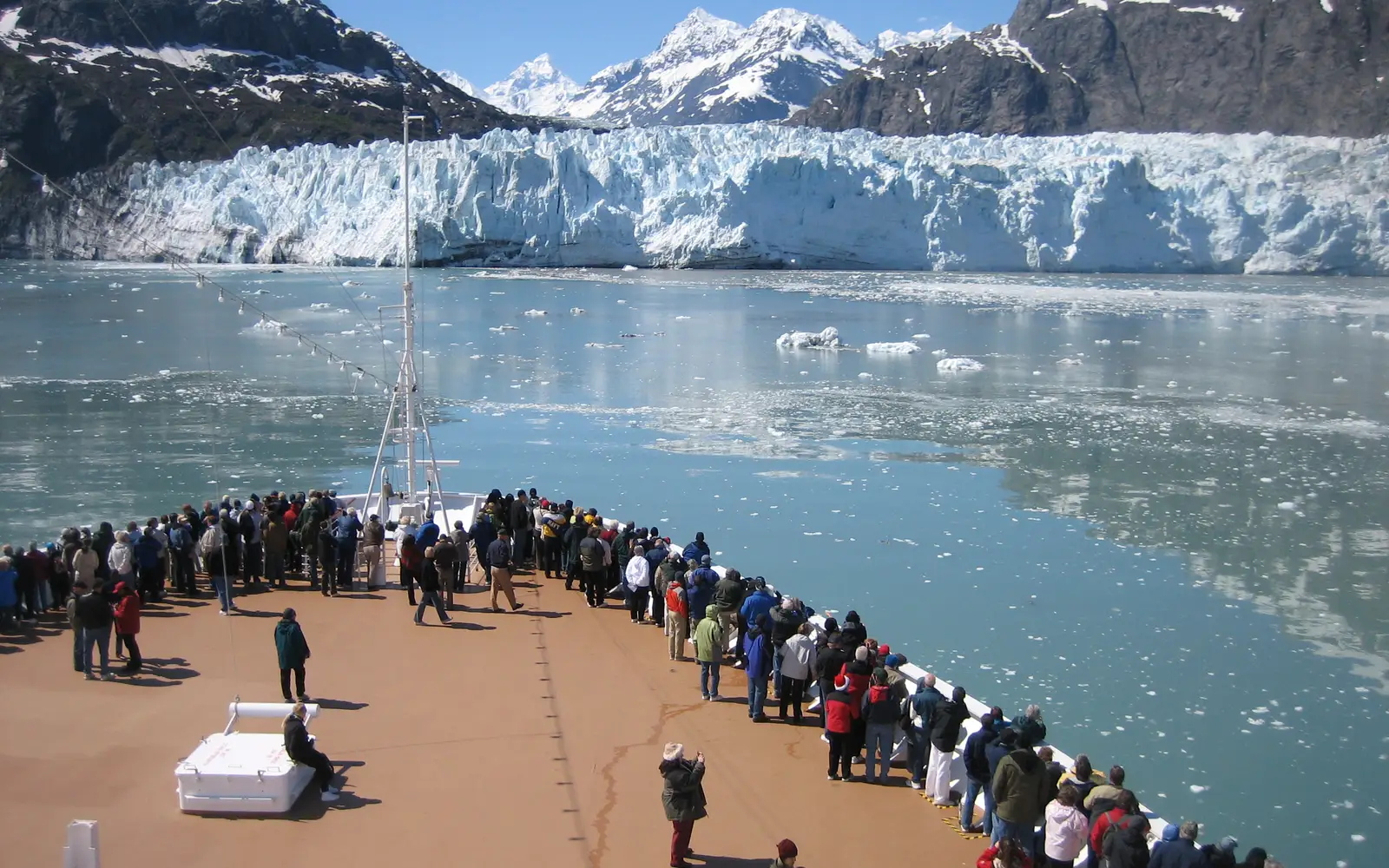
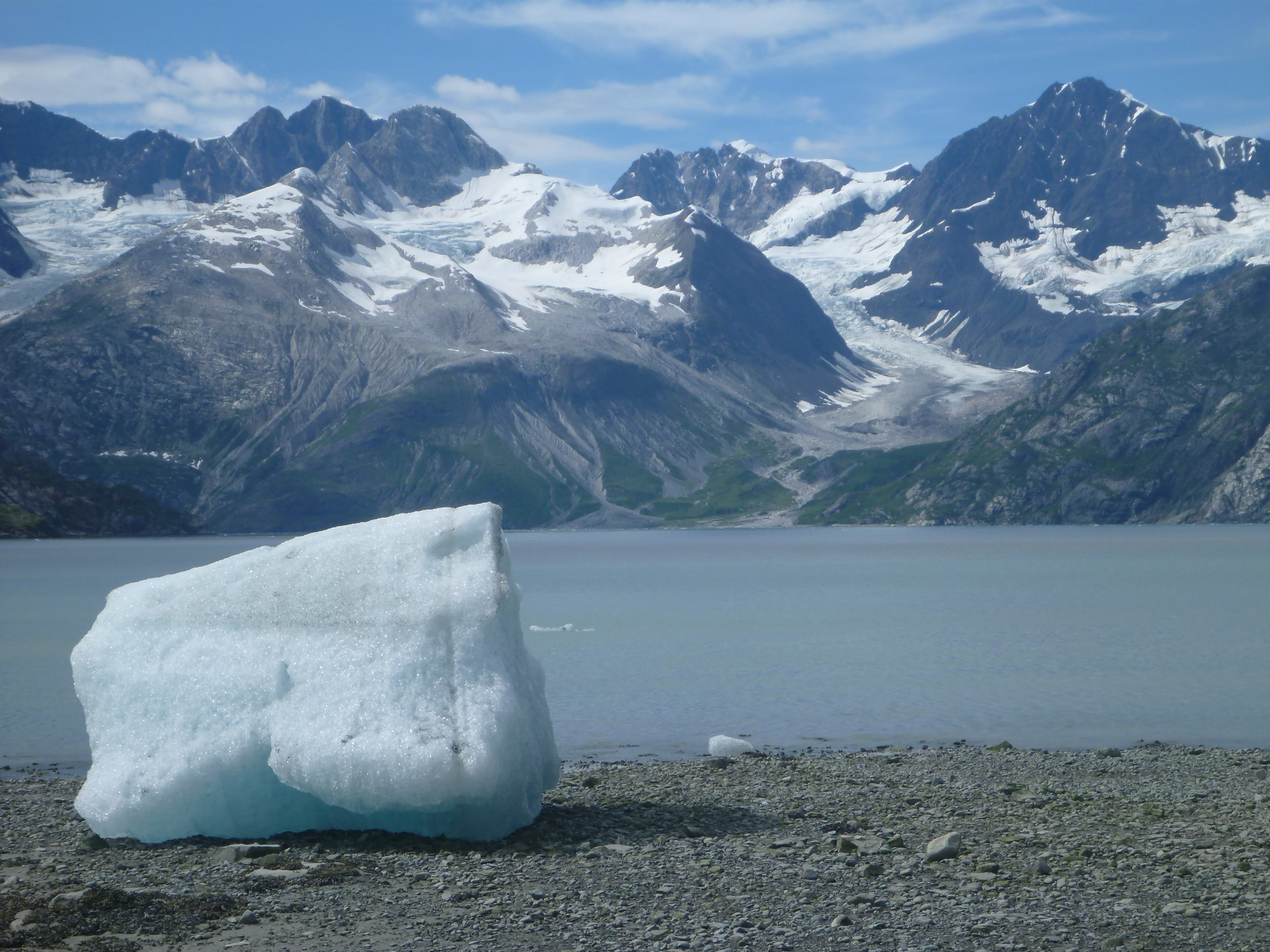
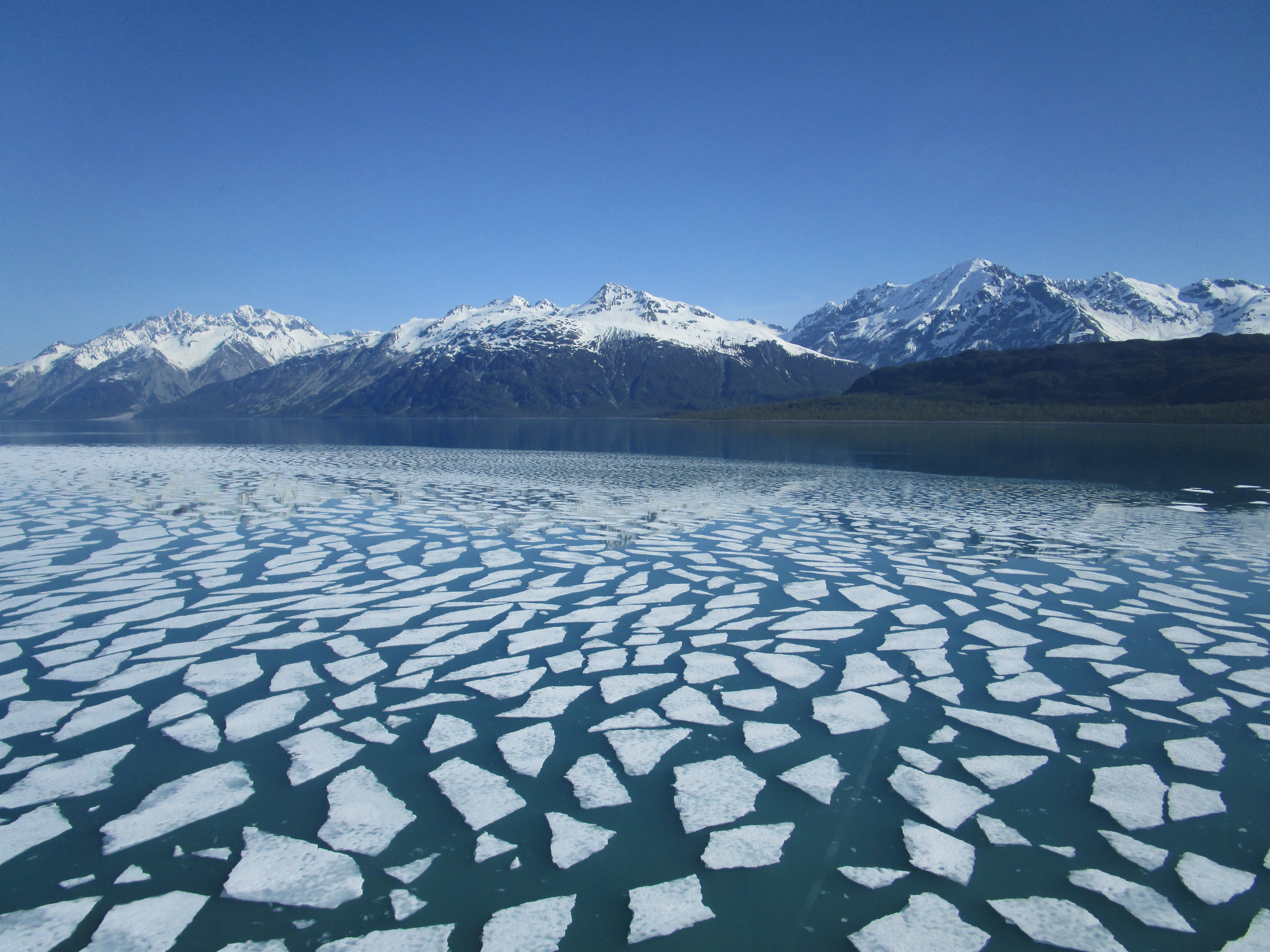
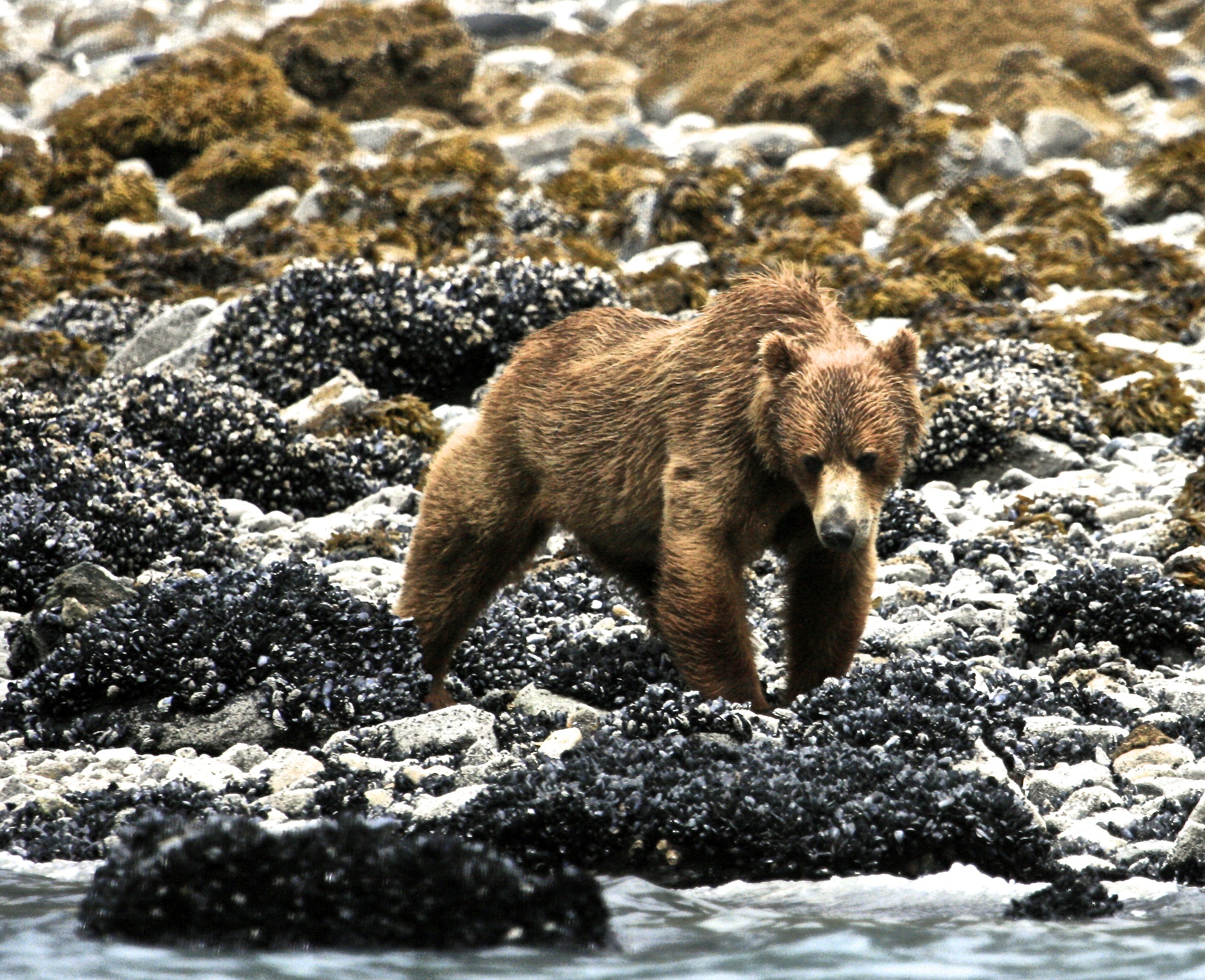
This 3.3 million-acre preserve of glaciers, fjords, rainforest, and coastal wilderness in southeast Alaska offers staggering breadth. The landscape's scale is immense. This is not a park for a casual drive. Access requires intent; the core experience centers on water. Expect boat tours through tidewater glacier country and sea kayaking into fjords. Calving ice is visible from a vessel deck. Wildlife encounters are frequent. Glacier Bay suits serious outdoor travelers and Alaska enthusiasts seeking a wild American landscape. Casual day-trippers seeking paved overlooks should look elsewhere.
The case for it
Glacier Bay rewards the aquatic visitor. The park's concessionaire boat tour offers the most direct access to the upper bay's tidewater glaciers, complete with ranger narration. Sea kayakers can explore remote side inlets and utilize secluded beach campsites. Front-country trails near Bartlett Cove, the park's sole developed zone, provide hiking through dense temperate rainforest. Wildlife viewing is outstanding
Who it is for
This park rewards preparation. It is an ideal destination for wilderness seekers, sea kayakers, and wildlife photographers. Travelers already visiting Alaska's Inside Passage by cruise or small vessel will find it a compelling addition. Families willing to embrace cold and rain will also find it a strong fit. Casual sightseers should look elsewhere. Skip it if dry weather, easy paved access, or numerous drive-up viewpoints are priorities.
Best time to visit
This unit operates seasonally, with peak services, including lodging, ranger programs, and boat tours, available from late May through early September. Optimal wildlife viewing, particularly for whale activity, occurs in July and August, coinciding with the longest daylight hours. Visitors should anticipate consistently cool, wet conditions; average high temperatures remain in the 50s Fahrenheit. Daily rain is probable. Prepare accordingly for an exceptional, if damp, experience.
Worth seeing
- Concessionaire boat tour into the upper bay for close views of active tidewater glaciers
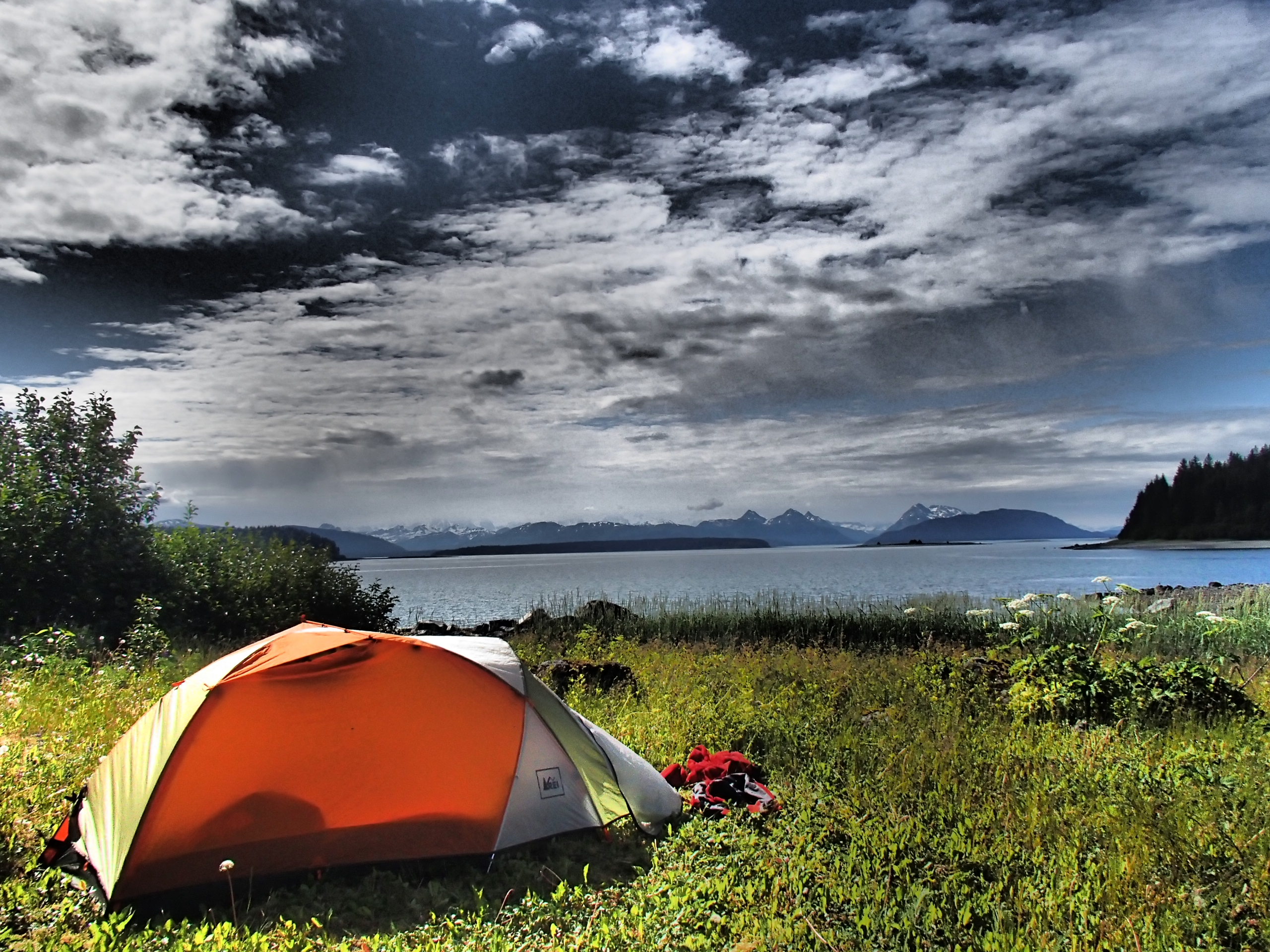
- Sea kayaking and canoe camping in remote fjords and coastal inlets with minimal human presence
- Humpback whale watching directly from the water during summer feeding season
- Huna Yakutat Lingit cultural programming and the Tribal House at Bartlett Cove
- Front-country hiking through old-growth temperate rainforest near park headquarters
- Backcountry camping on wild coastlines accessible only by boat or floatplane
Before you visit
Entry is free, yet access poses challenges. Gustavus, the primary gateway, requires a small plane from Juneau or a ferry; no road connects it to Alaska's highway system. Plan ahead. The park lodge, boat tours, and kayak rentals demand advance booking. Capacity is limited. The season is short.
Our tipThe day boat tour requires serious rain gear and layers. Conditions on the upper bay near the glaciers are noticeably colder and wetter than at Bartlett Cove. The best wildlife and glacier views occur on the exposed deck.