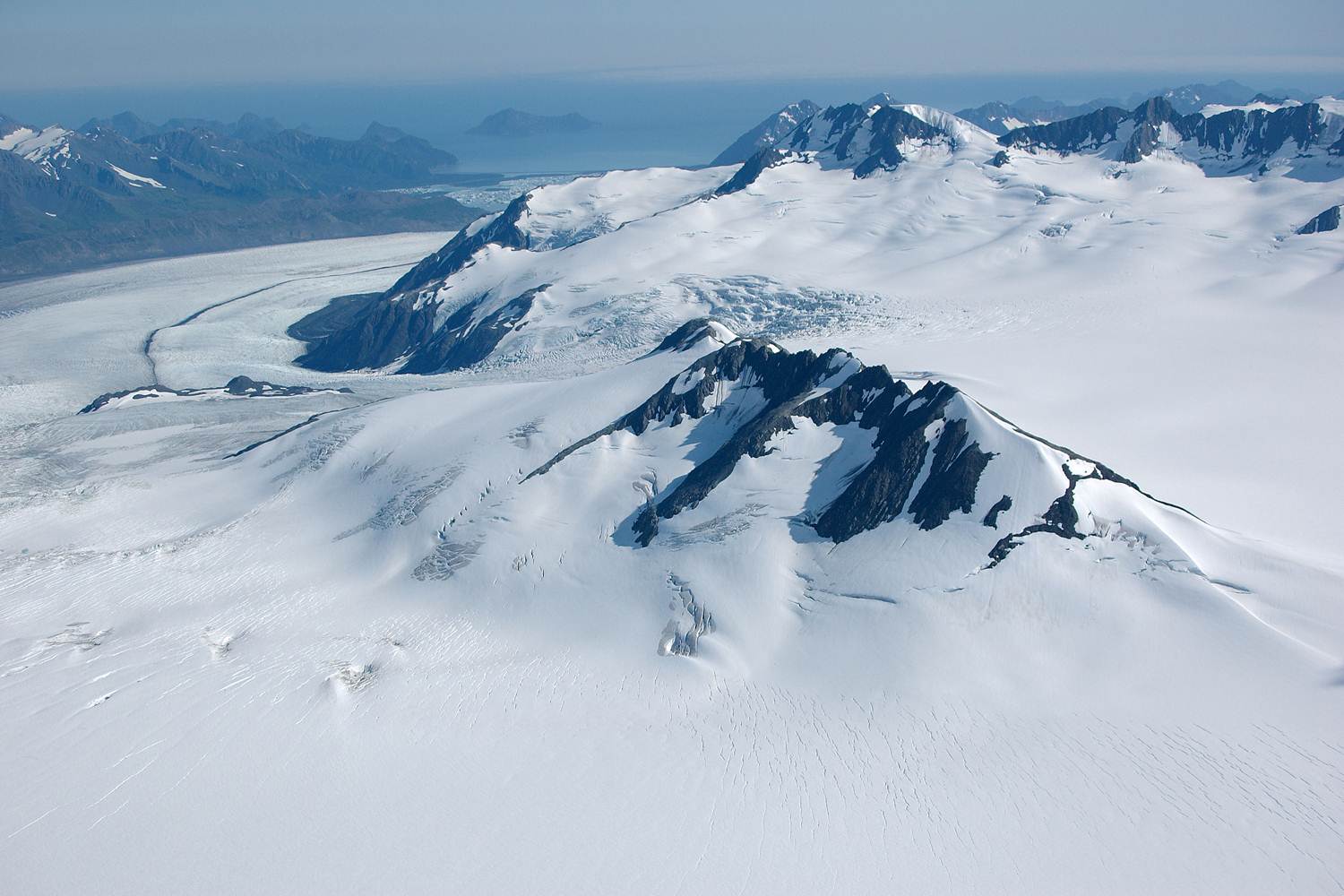
Kenai Fjords National Park: our verdict
Kenai Fjords National Park presents a rare confluence of marine and glacial environments, earning a perfect Experience Score for its sheer breadth of activity.
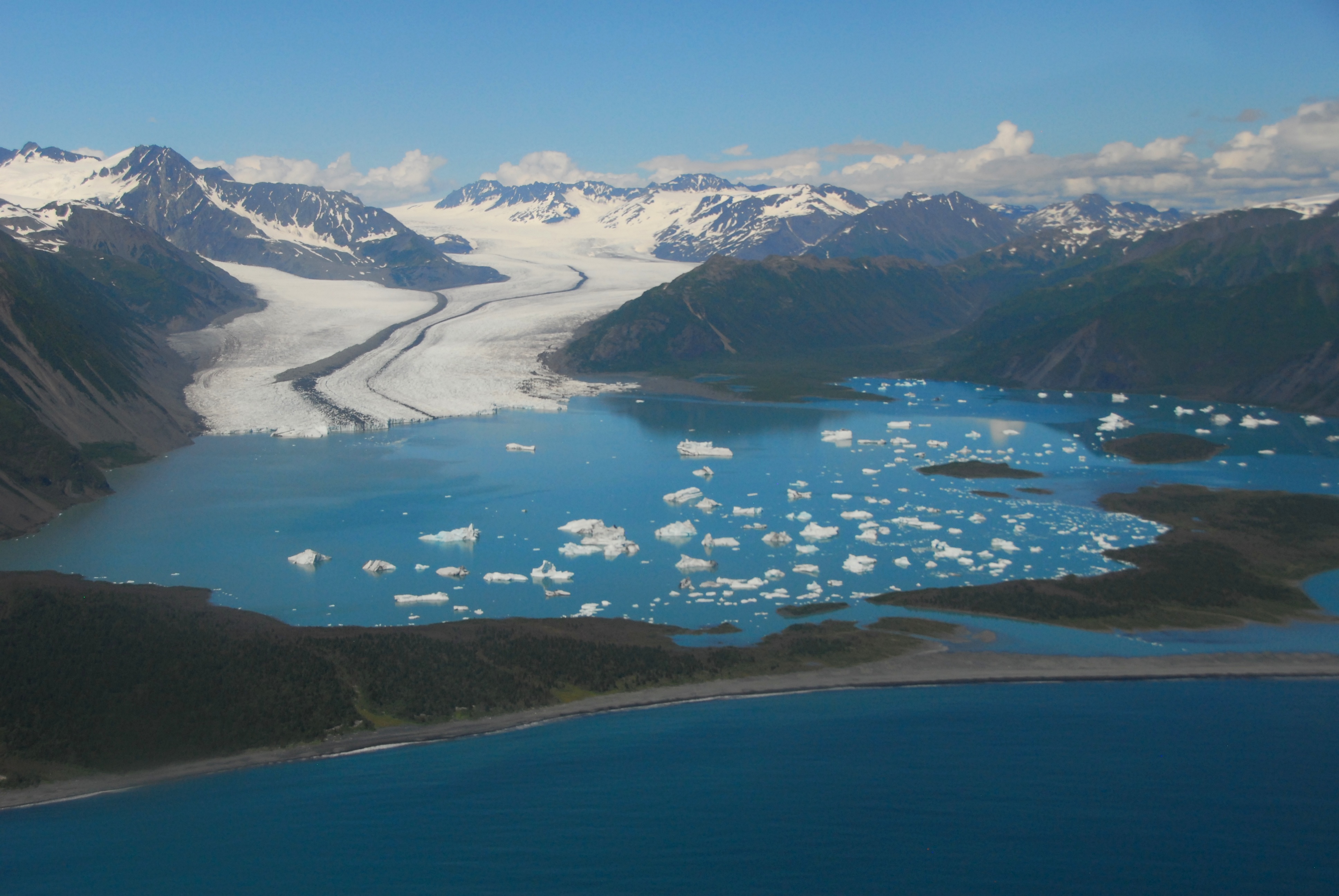
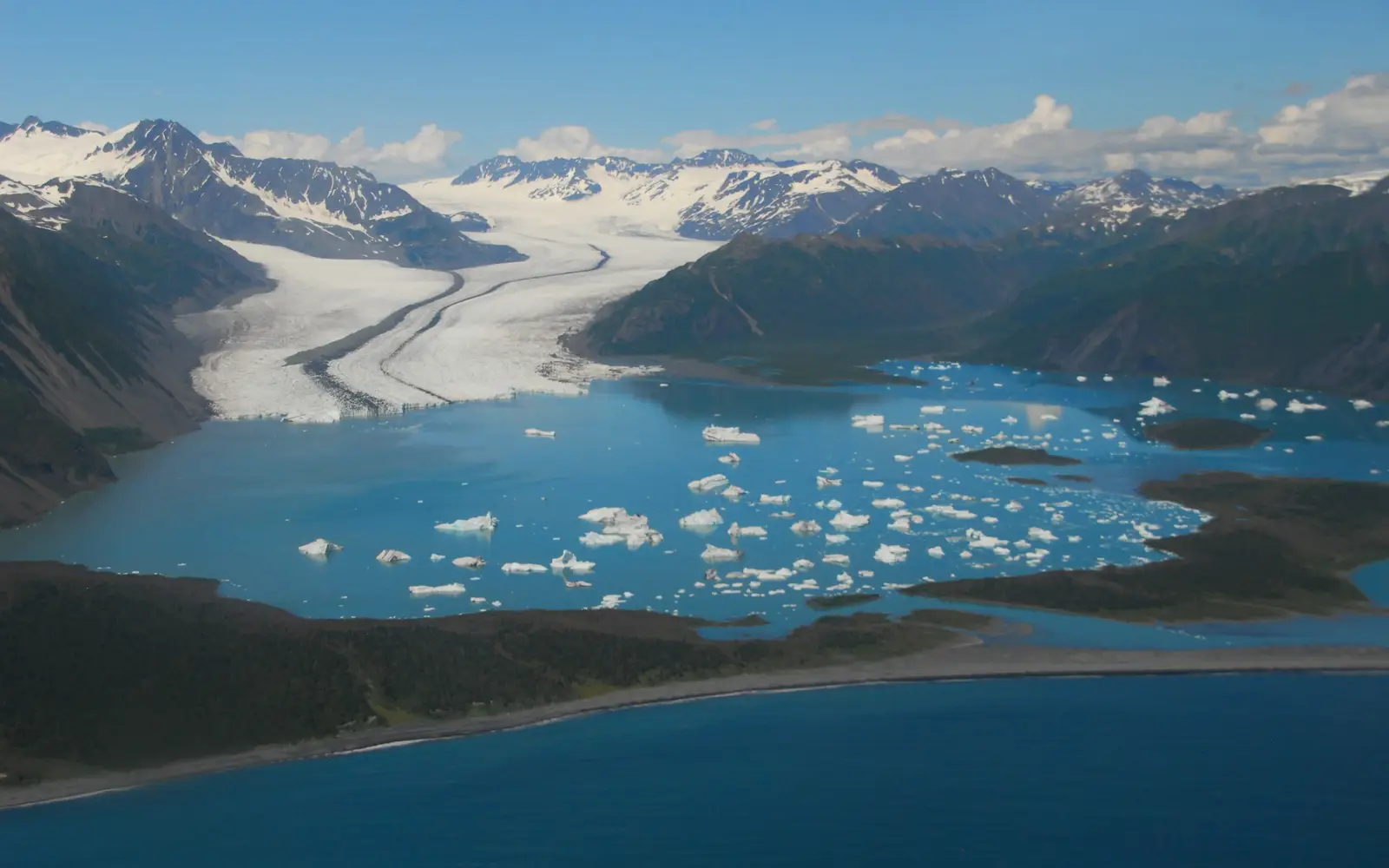
Glaciers carve into the sea. Humpback whales, orcas, sea otters, and puffins inhabit the same waters. The Harding Icefield stands as one of the largest icefields in the United States outside Greenland. Access, however, dictates the experience. The fjords are accessible only by boat or floatplane, an expense beyond the free park entrance. Exit Glacier is the single major feature reachable by road and on foot. For those investing in a full boat tour or a multi-day kayaking expedition, the park offers an experience virtually unmatched in the lower 48 or Alaska. A brief stop at Exit Glacier alone reveals only a fraction of what makes Kenai Fjords truly extraordinary.
Why visit
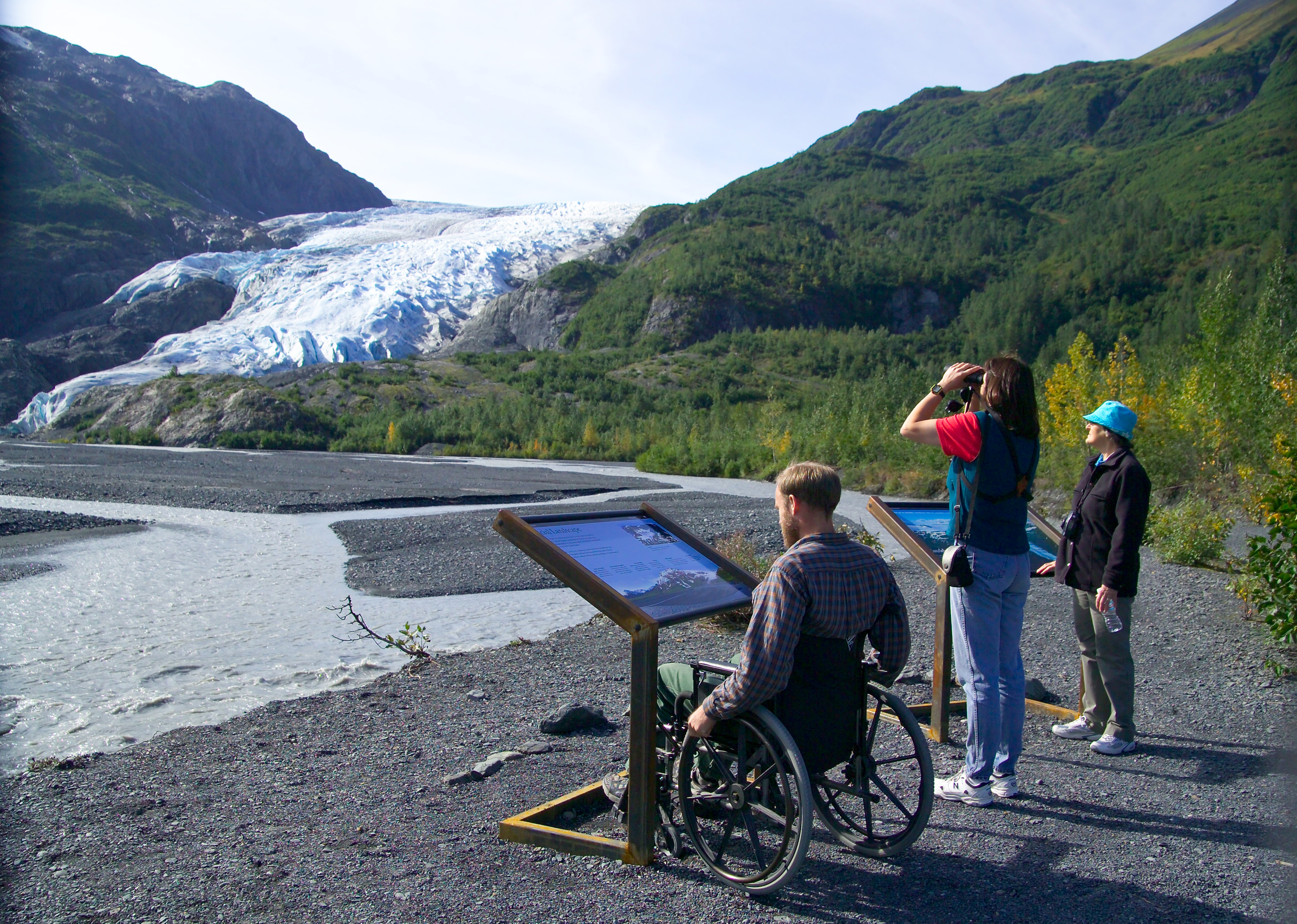
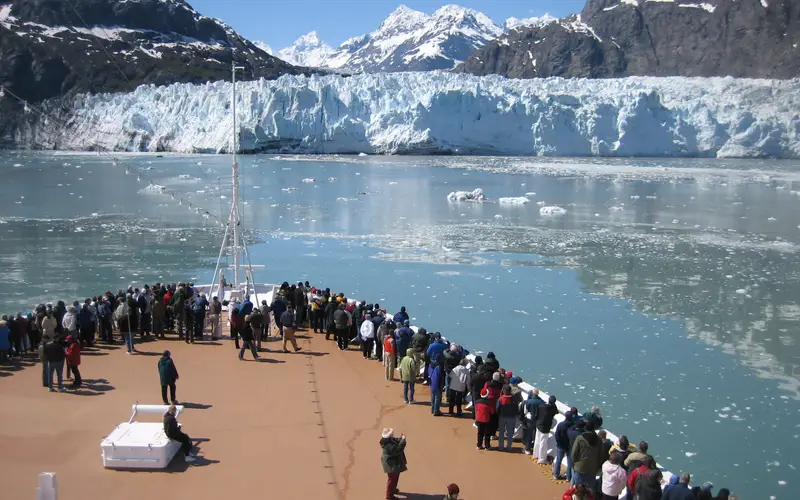
This unit’s appeal spans from marine wildlife to glacial ice. A boat tour from Seward offers tidewater glaciers, Steller sea lions, orcas, and nesting murres and horned puffins. On land, the Exit Glacier trail system provides direct access to the glacier face. Historical markers document the ice's retreat. For the adventurous, guided ice climbing on the glacier or flights onto the Harding Icefield are options. Winter brings snowshoeing and cross-country skiing near Exit Glacier, plus local dog sledding. Its offerings range from saltwater kayak camping to autumn stargazing. This destination offers diverse experiences for different seasons and activity levels.
Who it suits
This park caters directly to outdoor enthusiasts. Its blend of marine wildlife, glacier access, and true wilderness defines the experience. Kayakers and birders will find ample reward. A boat tour is critical for maximizing a visit; without it, much of the park remains inaccessible. Families can utilize the Junior Ranger program and the accessible Exit Glacier trails. Casual sightseers expecting a roadside attraction or budget travelers unwilling to invest in marine excursions will find offerings limited. The documented breadth and access confirm: for what it offers, a boat is essential.
Timing your visit
This park's peak season runs June through August, when boat tours are most frequent, trails are fully accessible, and wildlife activity in the fjords is at its highest. July provides the longest daylight hours. May and September offer reduced services but also fewer visitors. Winter transforms the park entirely, enabling snowshoeing and skiing near Exit Glacier, though the road closes and marine access becomes severely restricted. Prepare for overcast and rainy conditions in any season.
What stands out
- Tidewater glacier viewing and calving ice from a full-day fjords boat tour
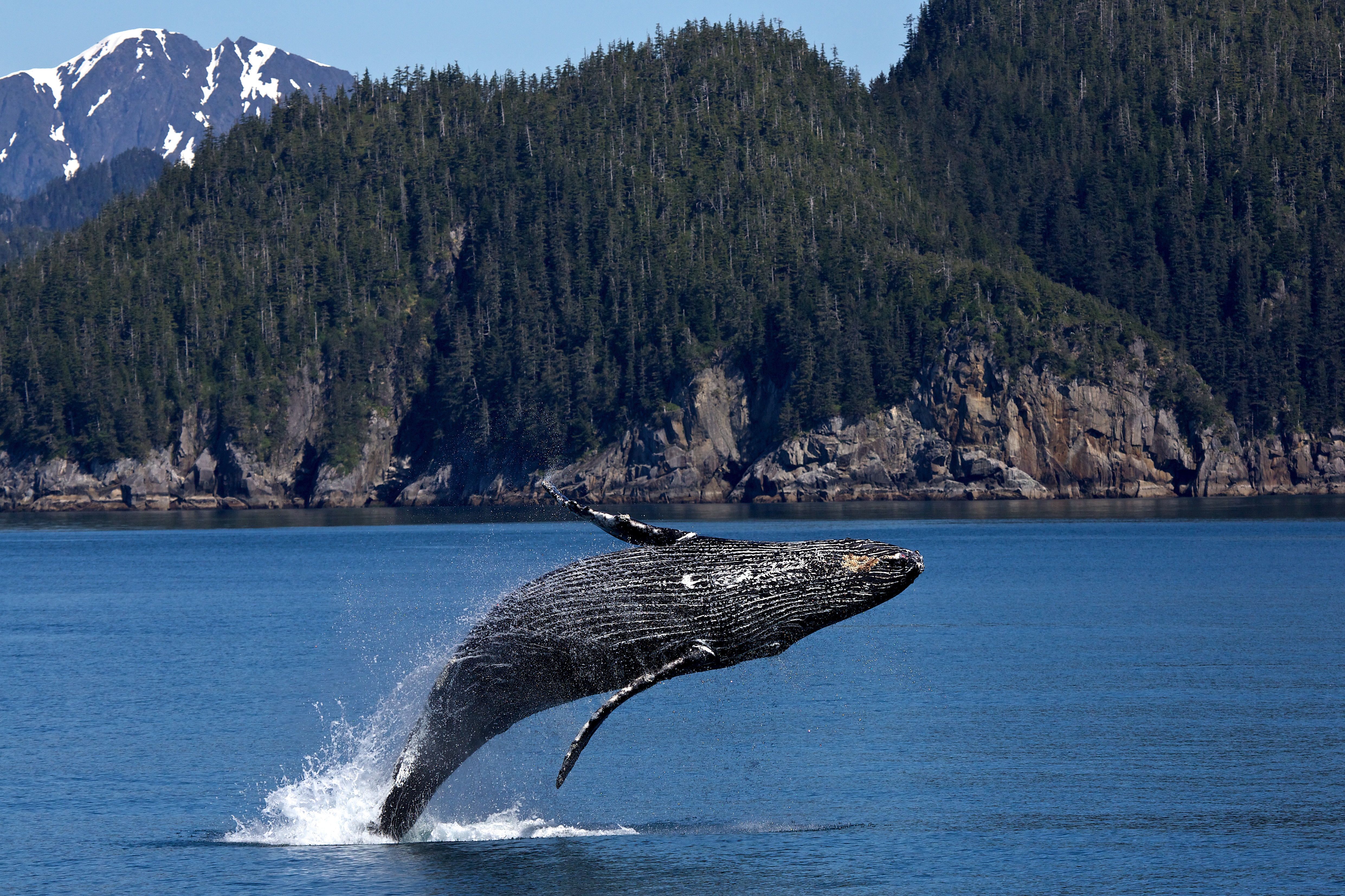
- Marine wildlife including orcas, humpbacks, sea otters, and large seabird colonies
- Exit Glacier walk-up access and the documented retreat markers along the trail
- Ice climbing and mountain climbing opportunities on and around the Harding Icefield
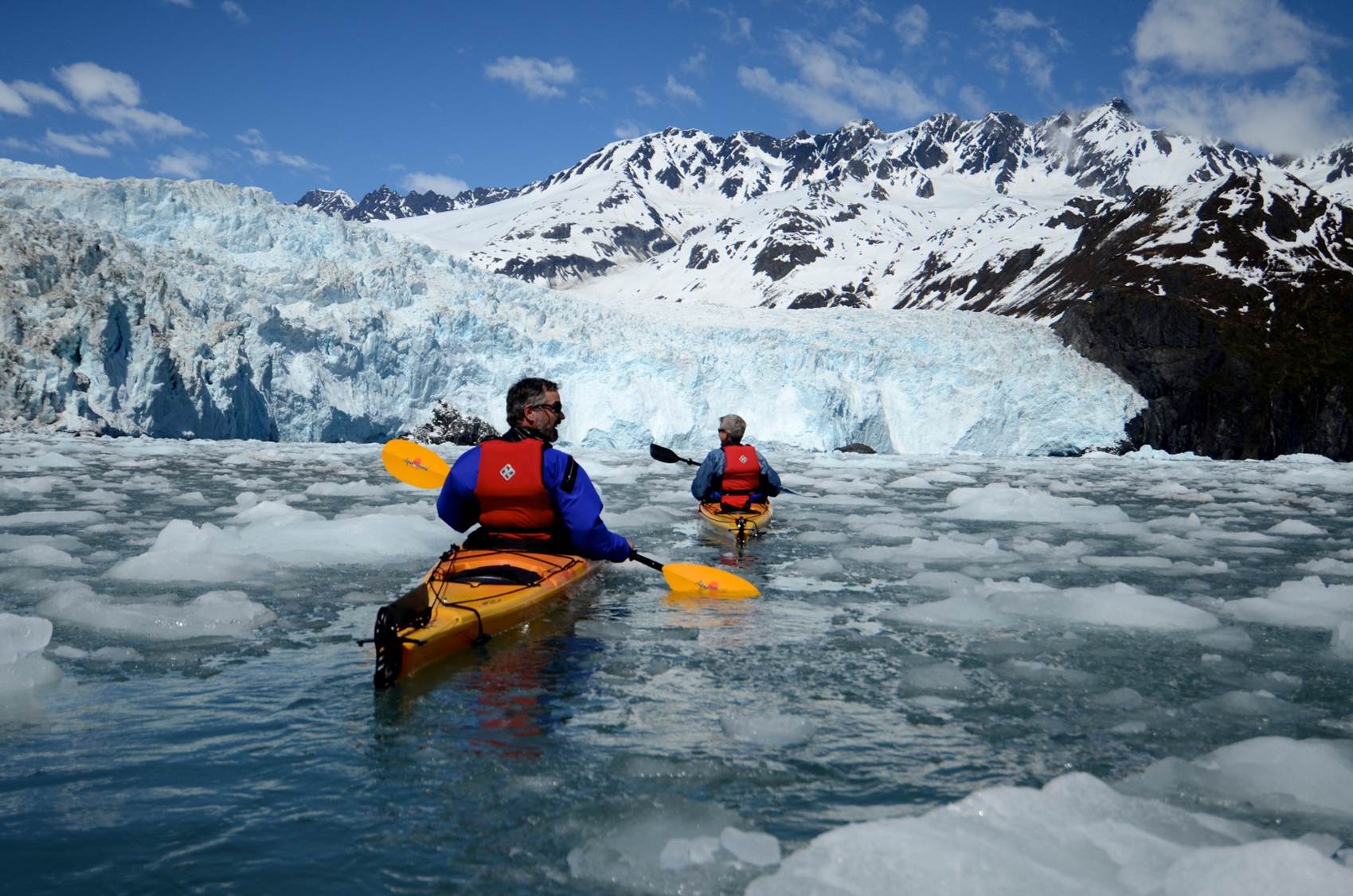
- Multi-day kayak camping in remote fjord coves accessible only by water
- Winter snowshoeing and cross-country skiing in the Exit Glacier area
Good to know
This is not a park for the casual sightseer. Entrance is free, but the necessary boat tour, running $100 to $200 per person, is the true cost of admission. These tours, booked out of Seward, are essential for experiencing the park's breadth. Seward functions as the practical base for all operations. For summer visits, especially in July, advance booking for boat tours is critical. Those planning winter trips should note that the Exit Glacier road is not plowed. This park rewards deliberate planning and a willingness to invest in its unique access requirements.
Insider tipFor visitors considering a boat tour, the full-day option presents a significantly enhanced experience compared to its half-day counterpart. Shorter excursions frequently conclude before reaching the most dynamic tidewater glaciers and the richest wildlife concentrations found deeper within the fjords. The extended duration substantially increases viewing opportunities.