Should you visit Yuba State Park?
Yuba State Park presents a compelling offer for those seeking a warm-water reservoir experience in central Utah.
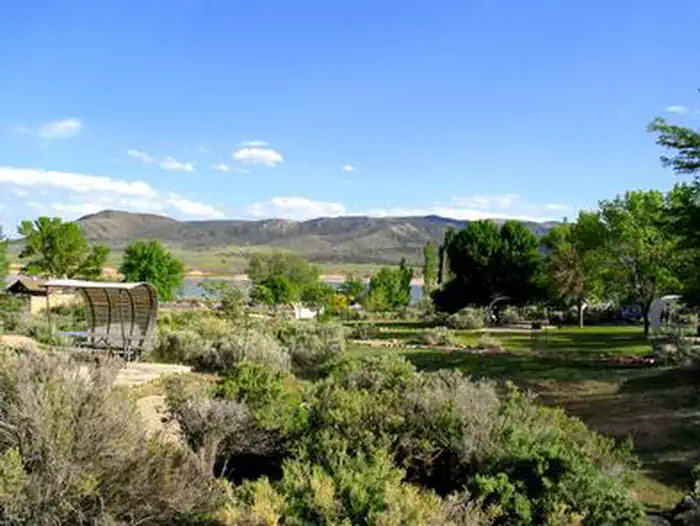
The core appeal lies in Yuba Reservoir itself, boasting sandy beaches, swimmable water, and year-round fishing opportunities for northern pike, walleye, and yellow perch. A multi-day visit is well-supported by camping facilities at Oasis and Painted Rocks campgrounds. However, Yuba transcends the typical swim-and-camp designation. Its true strength emerges as a regional base camp for broader exploration. Maple Canyon climbing, Wasatch Plateau hiking, and the vast expanses of Fishlake and Manti-La Sal national forests are all readily accessible from this location. While its documented breadth earns a score of 69, reflecting genuine recreational variety, the park offers limited in-park backcountry depth. Yuba State Park functions most effectively as a well-rounded outdoor hub, not a singular wilderness destination. It distinctly rewards visitors who leverage it as a strategic launching pad for adventures across the surrounding region.
What makes it worth it
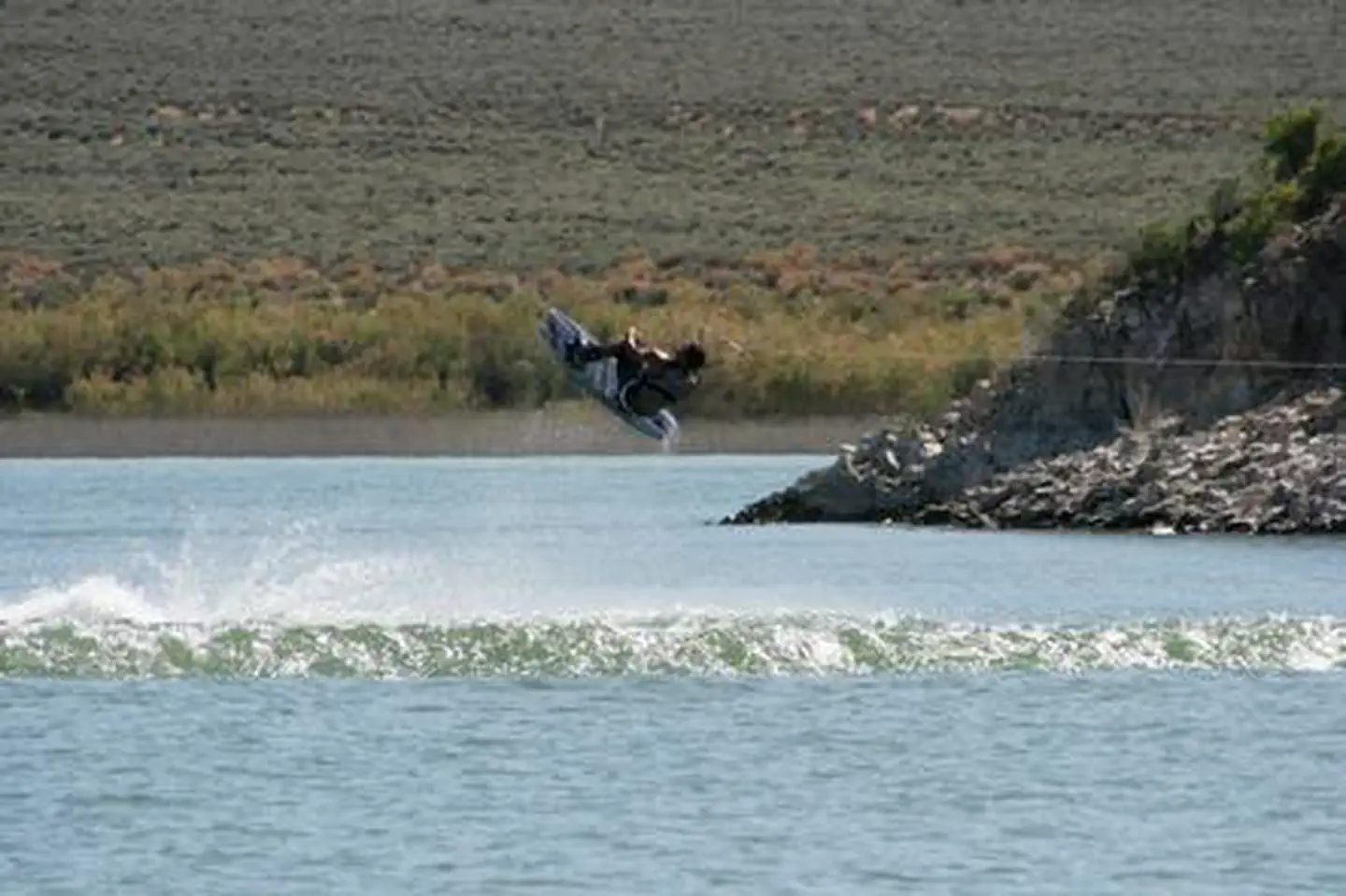
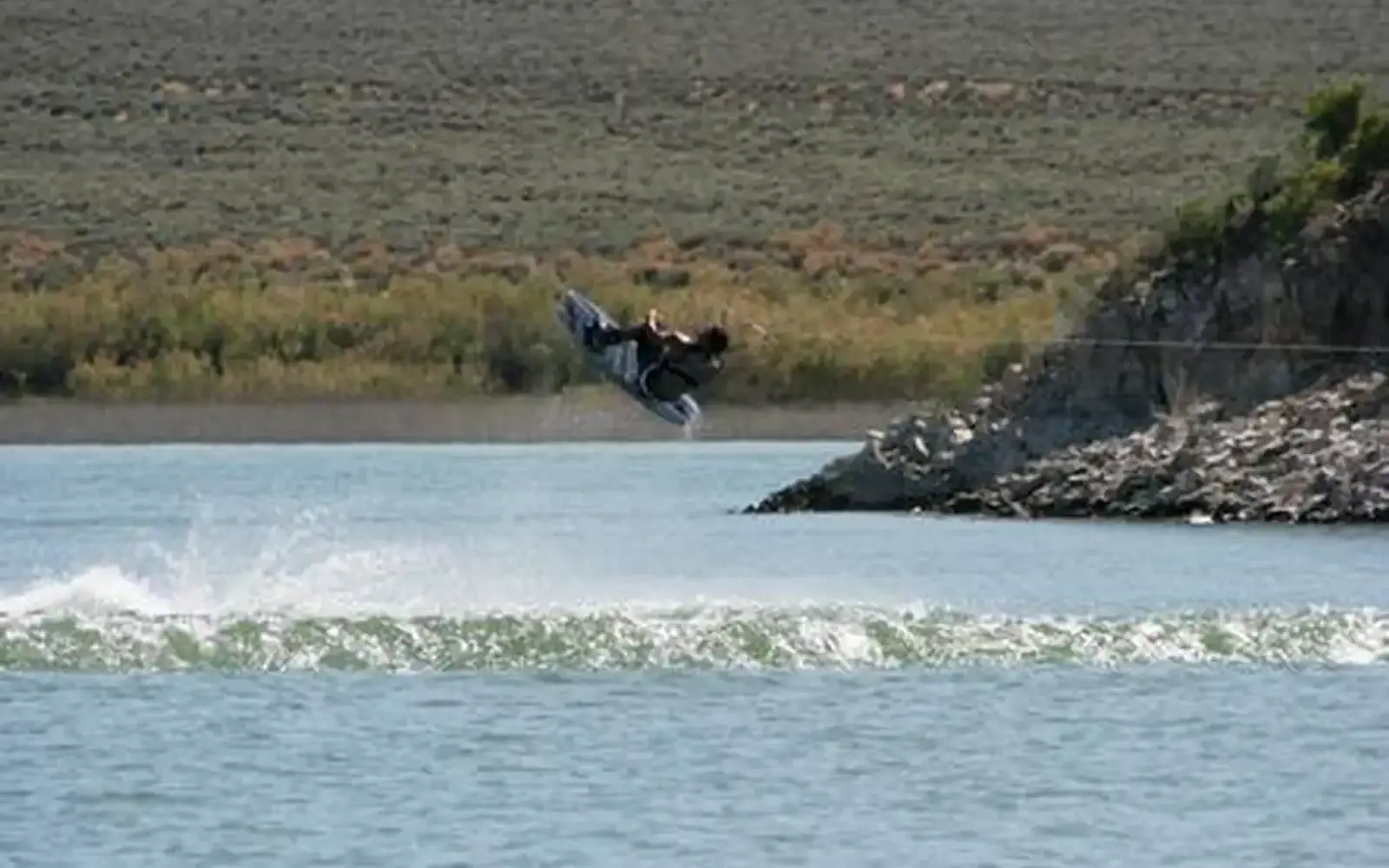
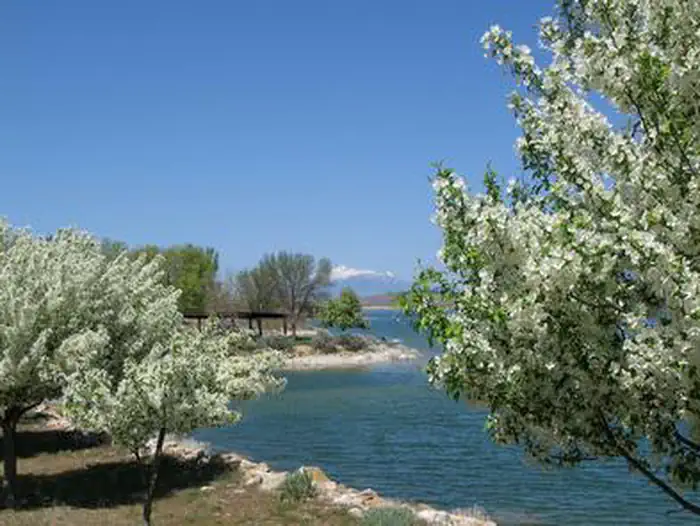
Yuba's core appeal lies in its aquatic recreation. The reservoir supports swimming from sandy beaches, paddling, and watersports, with ample open water. Year-round fishing sets it apart from many seasonal options. Campers at Oasis or Painted Rocks enjoy lakeside access. Beyond the water, Maple Canyon offers sport climbing on conglomerate rock, a regional highlight. The park accommodates winter sports. Zip lines provide a family activity. For a broader experience, visitors can drive historic Highway 89 through the National Mormon Pioneer Heritage Area or visit Spring City for local art.
Who should go
This destination serves well as a basecamp for specific recreational pursuits. Families will find ample opportunity for beach activities and overnight stays. Anglers are particularly well-catered to, with pike and walleye noted as primary targets. For climbers, the location provides a convenient staging point for objectives in Maple Canyon. Those seeking extensive wilderness hiking within the park perimeter itself may find offerings limited. The available data suggests that visitors prioritizing a remote backcountry experience should instead consider Fishlake National Forest.
When to go
The season dictates your experience. Late spring through early fall offers optimal conditions for swimming and water sports as the reservoir warms. Summer weekends bring crowds; plan a midweek visit or secure early reservations. Winter offers a distinct appeal. The park remains accessible for fishing and winter sports, providing a viable shoulder-season destination when many other regional parks shut down.
Highlights
- Year-round fishing for northern pike, walleye, and yellow perch on Yuba Reservoir
- Sandy beaches with swimming and paddling directly from the campgrounds
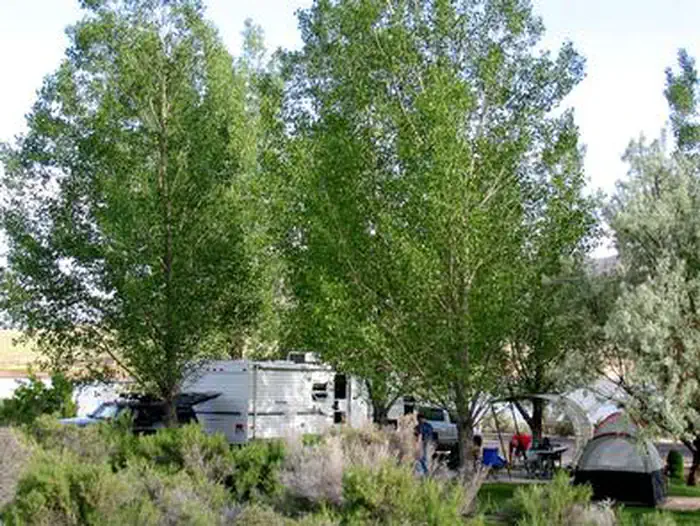
- Developed and primitive camping at Oasis and Painted Rocks campgrounds
- Proximity to Maple Canyon for sport climbing on distinctive conglomerate rock
- Zip lines on-site for a family-activity option beyond the water
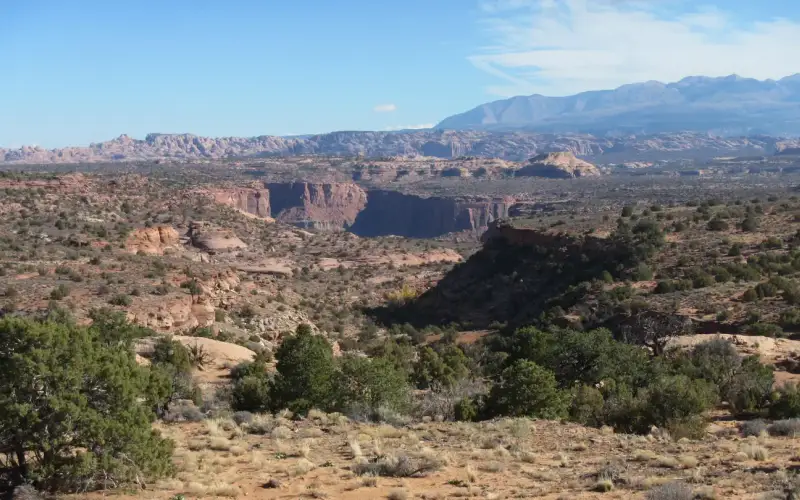
- Access to Fishlake and Manti-La Sal national forests and Wasatch Plateau trails as day trips
Plan ahead
Given its location in central Utah, off I-15, accessibility is reasonable, though visitors should plan to fuel and provision before arrival. Day-use and camping fees are separate, and vary; consult Utah State Parks directly. Campground reservations are handled via the Utah State Parks system and are known to fill rapidly on summer weekends. This park demands preparation.
Editor's tipIf climbing is part of your itinerary, book a campsite at Yuba as a base rather than camping in or near Maple Canyon. The reservoir camp offers more amenities. The drive to the canyon is short enough that you lose nothing in access while gaining a more comfortable overnight setup.