Yosemite National Park: our verdict
Yosemite lives up to its formidable reputation.
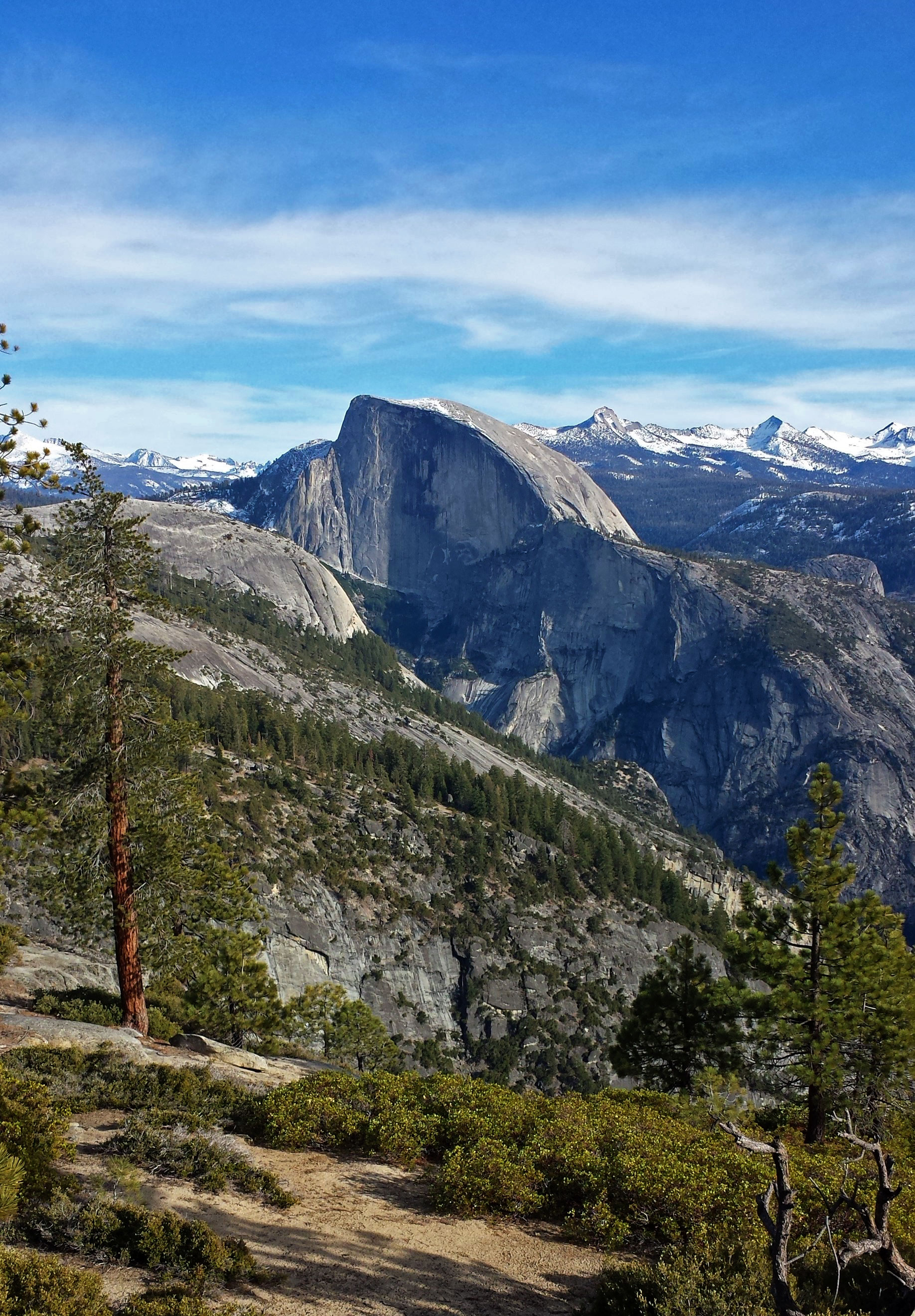
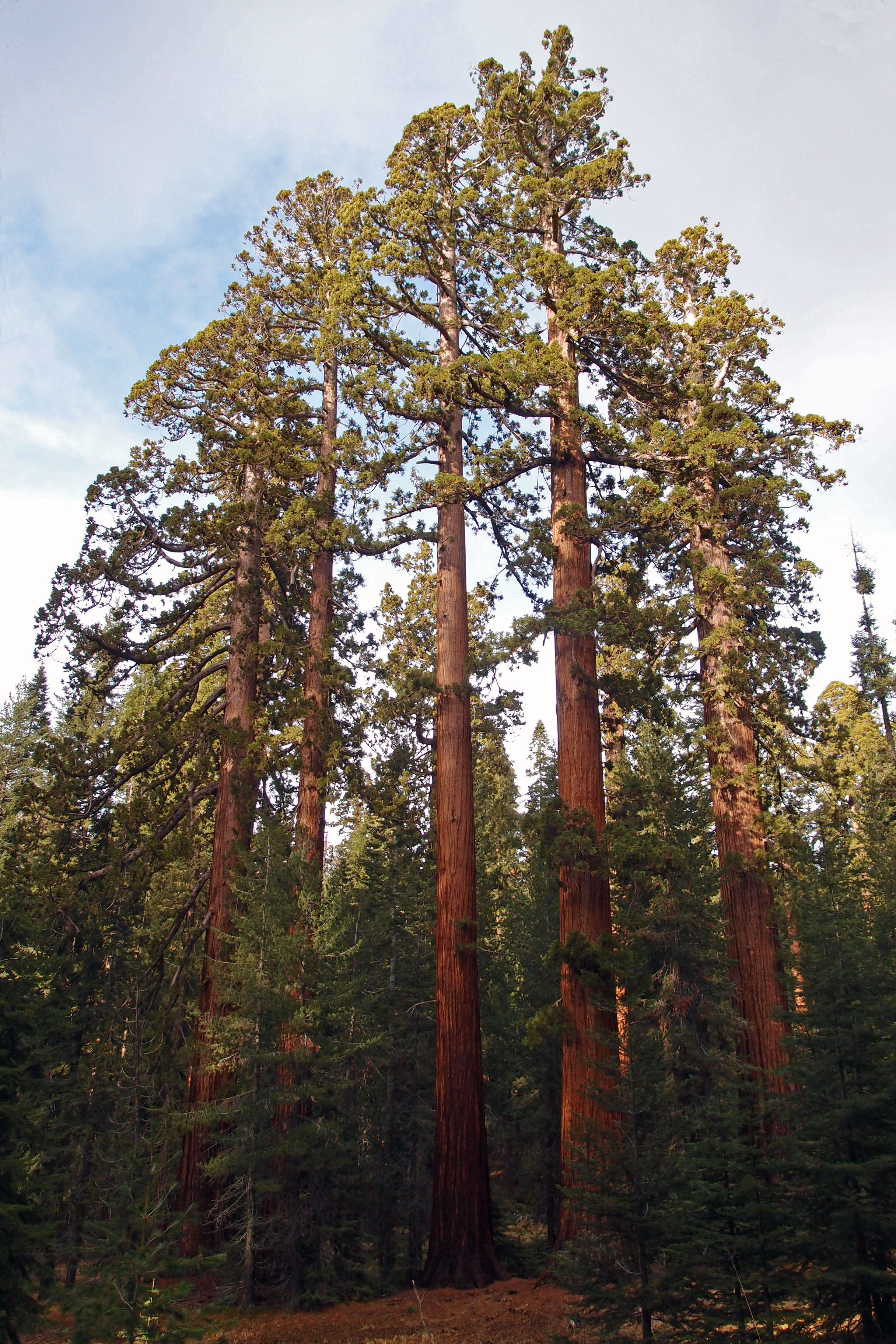
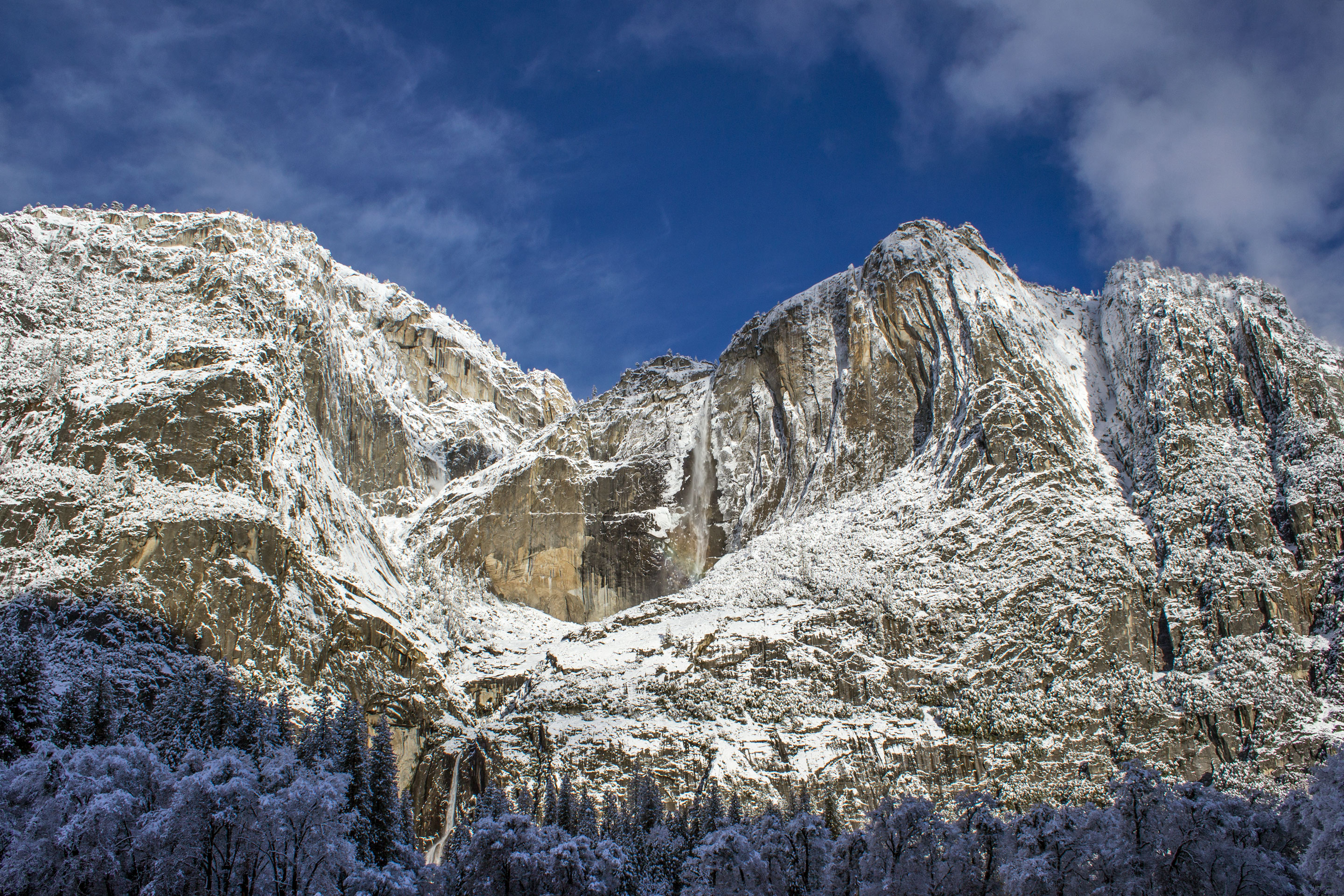
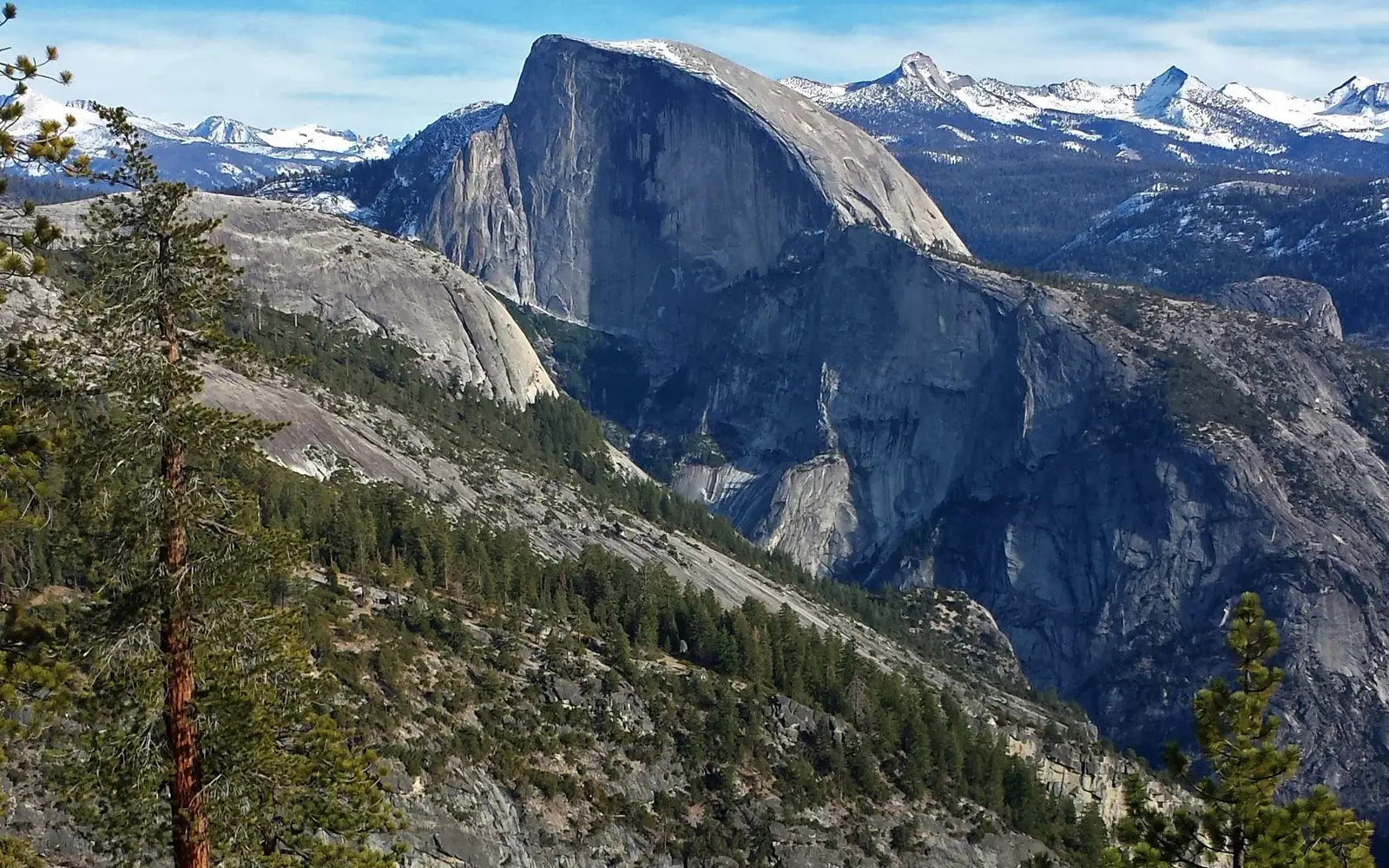
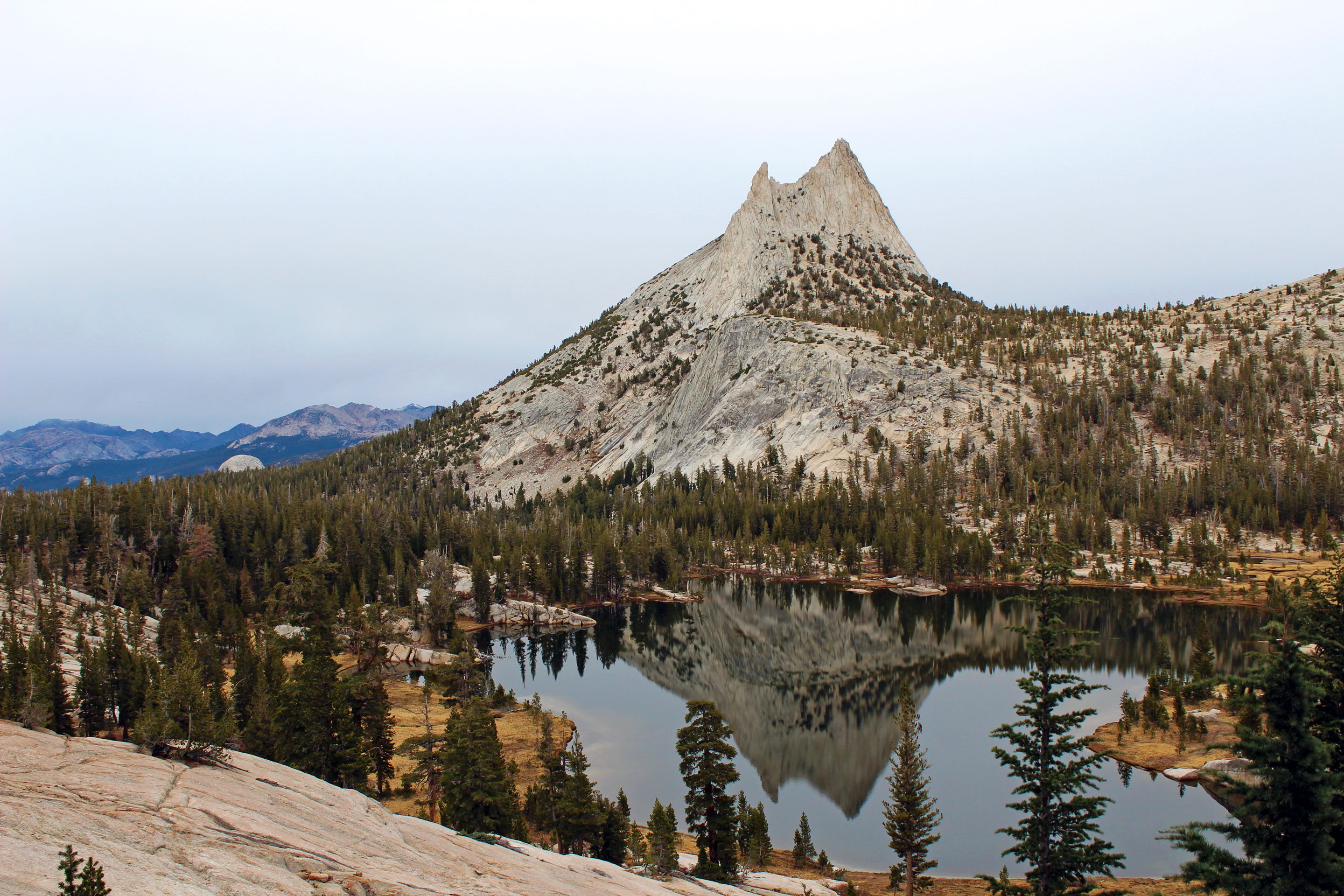
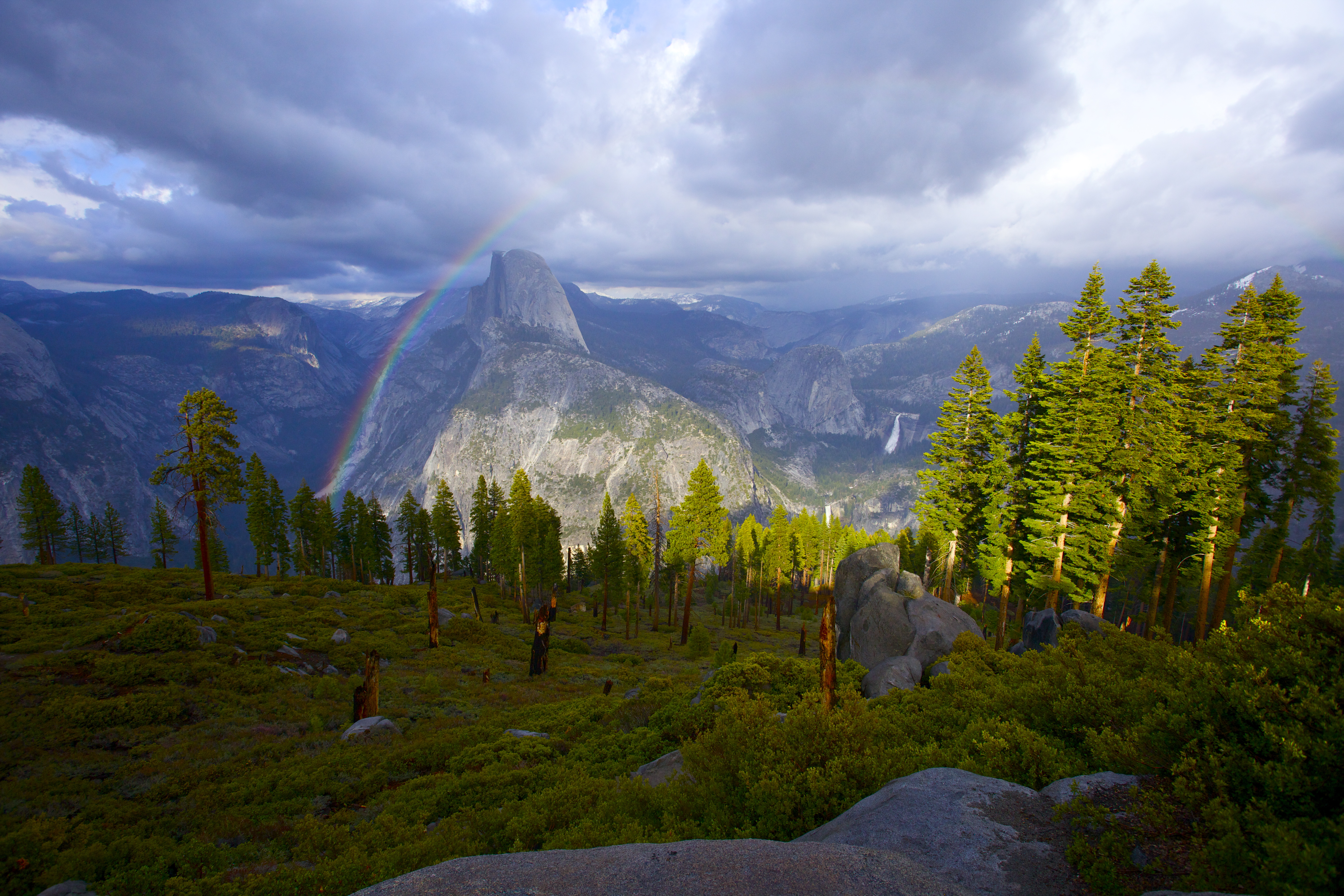
This is not a single experience, but many, across nearly 1,200 square miles of Sierra Nevada terrain. Elevations range from 2,000 to over 13,000 feet. Visitors will find granite-walled valleys, high alpine wilderness, ancient giant sequoias, and snowmelt-fed waterfalls. The documented activity list is extensive: backcountry climbing, horse trekking, ice skating, and snow tubing are all available. The primary caveat is crowd density. Yosemite Valley, the most accessible corridor, sees immense visitation. A quiet weekday in shoulder season differs vastly from a crowded summer weekend. Plan around peak times for an unmatched destination. Arriving on a July Saturday without reservations risks significant traffic delays.
Why visit
Yosemite offers diverse experiences, catering to varied interests depending on the season and chosen area. Yosemite Valley provides scenic drives, wildlife viewing, and accessible viewpoints. Hiking options range from flat valley strolls to challenging backcountry routes. Climbers will find world-class granite walls. Winter transforms the park into a quieter landscape for snowshoeing, skiing, and snow play. Birdwatchers, anglers, and paddlers have documented activities. Stargazing at higher elevations, away from valley lights, can be exceptional. The park also features museum exhibits, guided tours, and a Junior Ranger program. These offerings make multi-day visits productive.
Who it suits
This destination offers broad appeal. It readily accommodates hikers, climbers, and families, providing diverse outdoor activities for a full week. Winter brings opportunities for skiing and snowshoeing amid dramatic scenery. However, summer visits to Yosemite Valley during peak season are ill-advised for those averse to crowds or unable to plan far in advance. Solitude seekers should look to the high country or consider shoulder-season travel.
Timing your visit
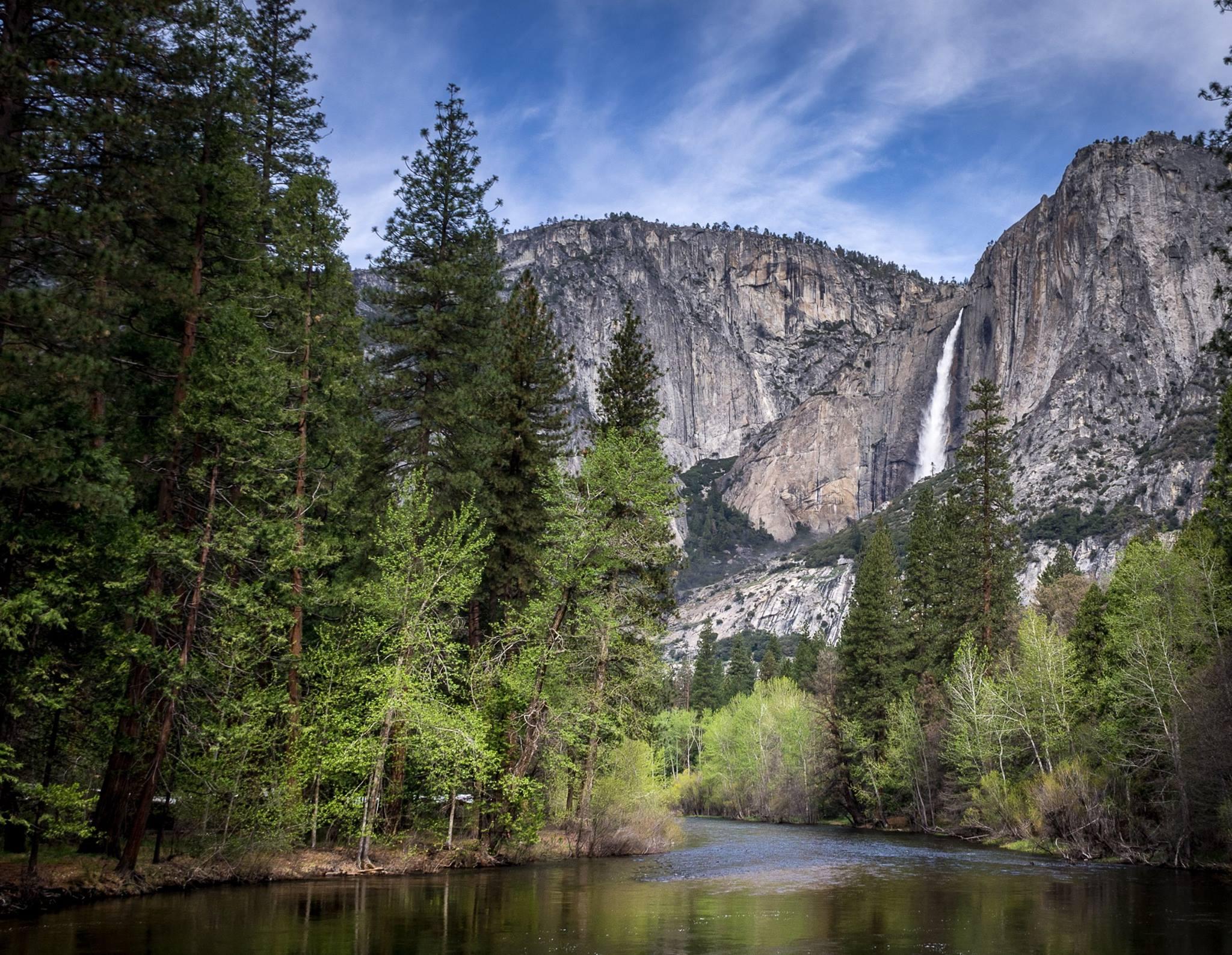
The ideal visit hinges entirely on visitor priorities. Late April through early June presents a compelling case for waterfall enthusiasts, with snowmelt ensuring peak flow and crowds remaining lighter than in midsummer. For those prioritizing high-country access and stable conditions, September through October delivers, offering thinning crowds before winter snows close trails. Winter itself transforms the park into a snow activities destination, though many roads become inaccessible. While summer offers the broadest access, it also guarantees the highest congestion, particularly on weekends.
What stands out
- Backcountry hiking and camping across a vast high-Sierra wilderness above 9,000 feet
- World-class granite climbing on some of the most famous walls in North America
- Winter snow activities including skiing, snowshoeing, snow tubing, and ice skating
- Wildlife watching and birdwatching across diverse elevation zones
- Scenic driving routes through the valley and into the high country when roads are open
- Guided tours, living history programs, museum exhibits, and Junior Ranger activities for families
Good to know
Yosemite National Park offers free entry, but this is complicated by its highly competitive access. Timed-entry reservations are essential for Yosemite Valley during peak season, frequently selling out weeks ahead. Campground reservations are similarly
Insider tipFor those seeking to avoid the peak season throngs, the data indicates strategic timing and alternative entry points are critical. Employing the free valley shuttle and beginning excursions before 8 a.m. or after 4 p.m. can mitigate the congestion. Alternatively, consider lodging outside the main valley. The Hetch Hetchy and Wawona areas offer significantly lighter foot traffic for day trips.