Is Golden Gate National Recreation Area worth it?
Golden Gate National Recreation Area stands as a uniquely accessible and ambitious unit within the NPS system.
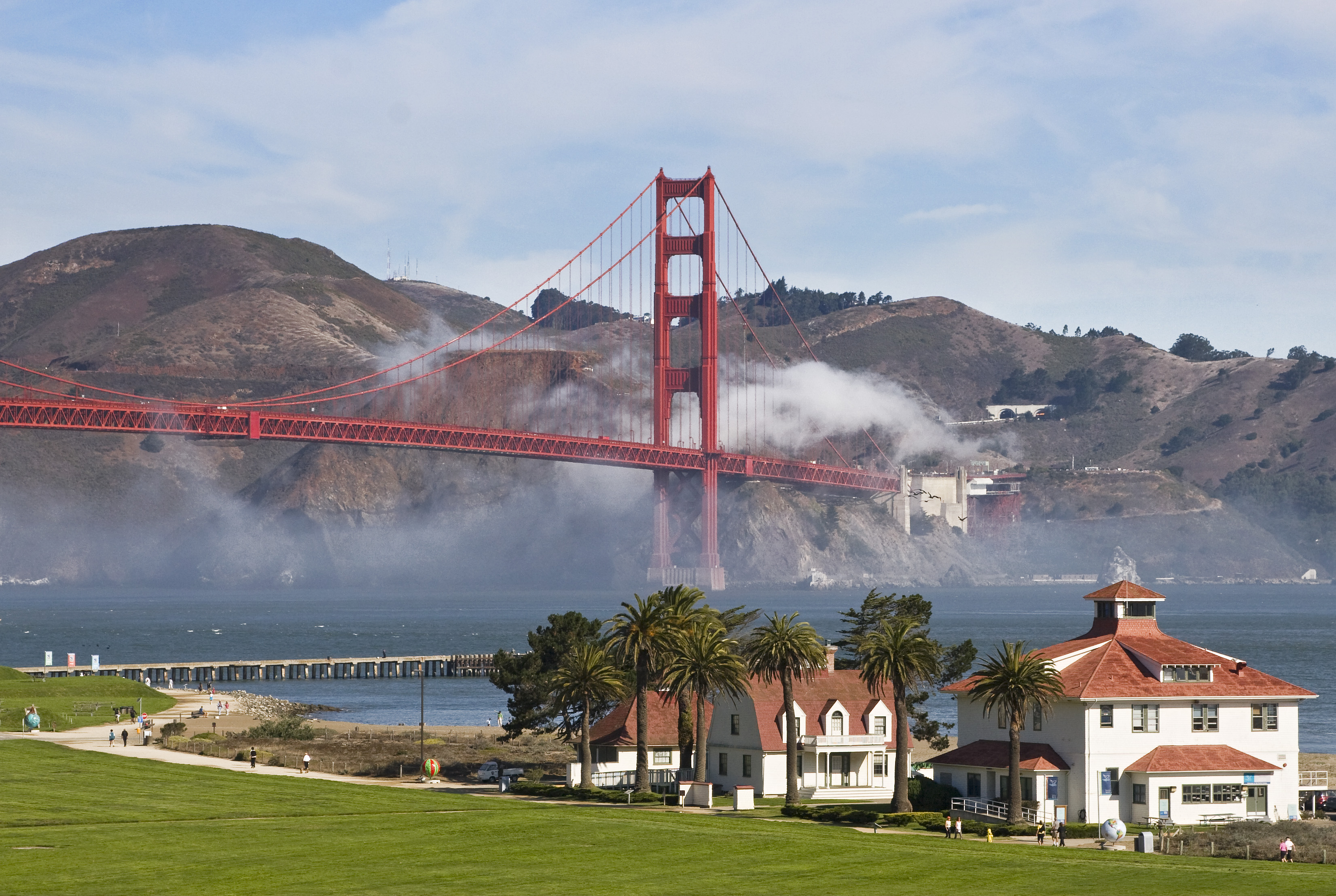
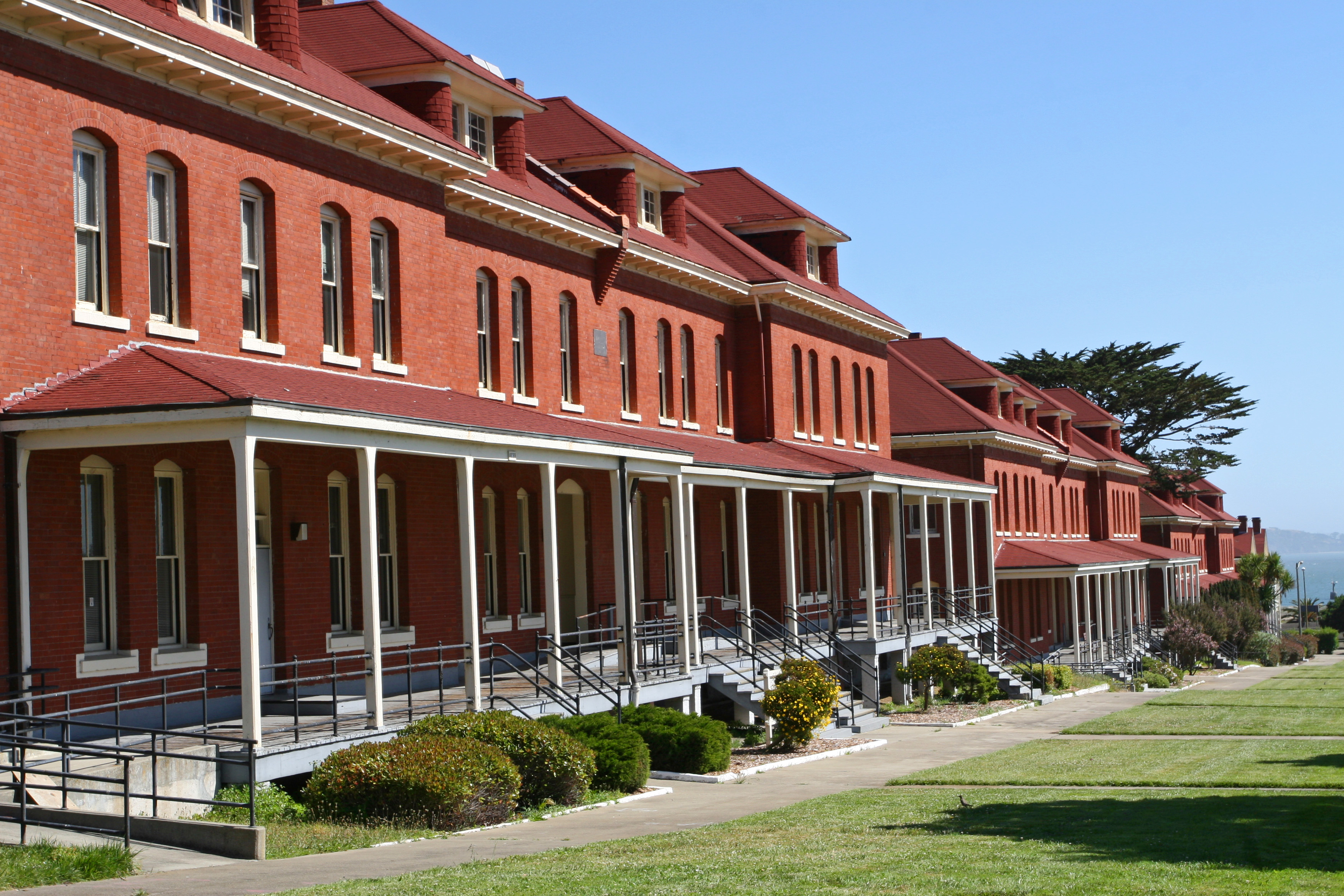
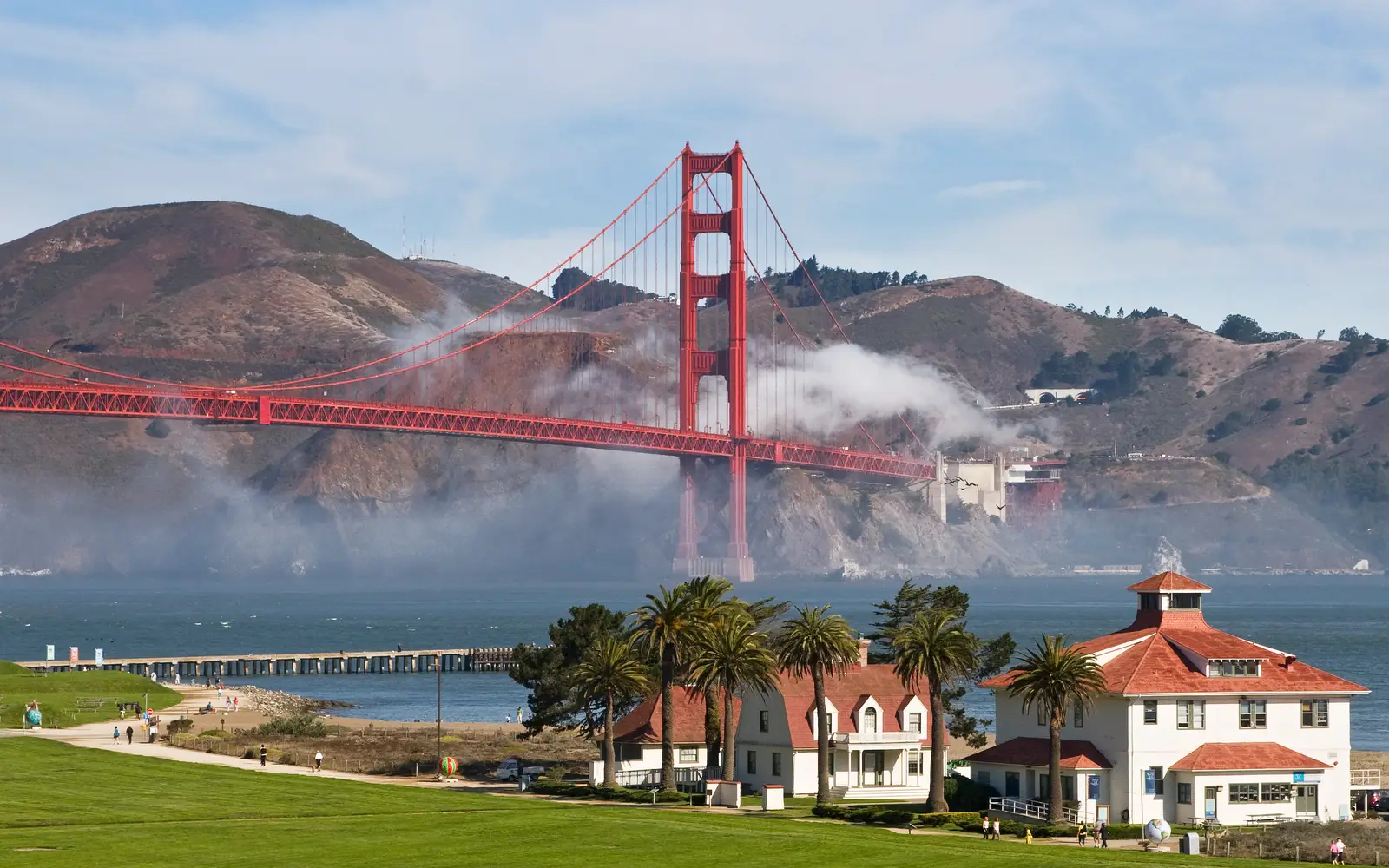
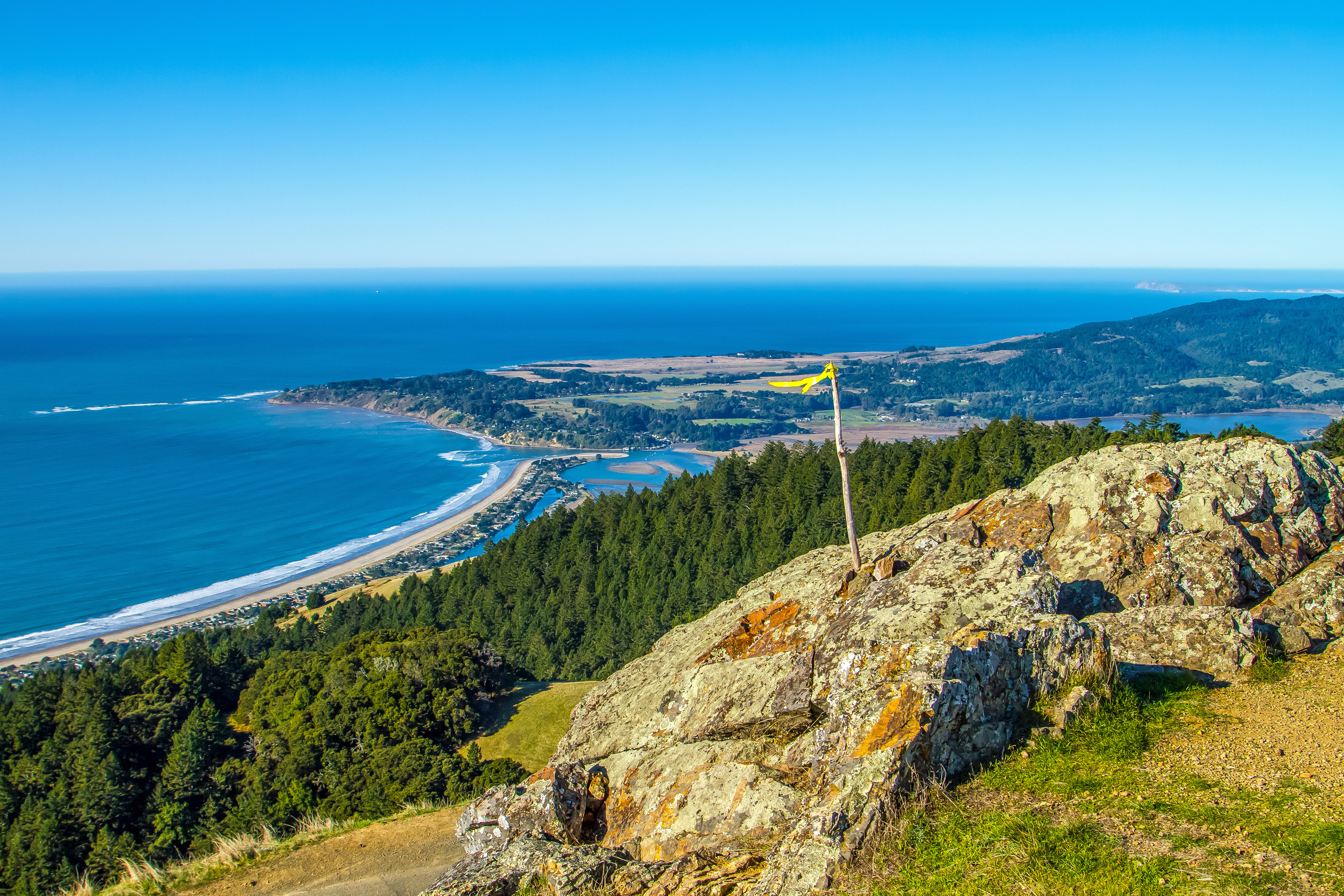
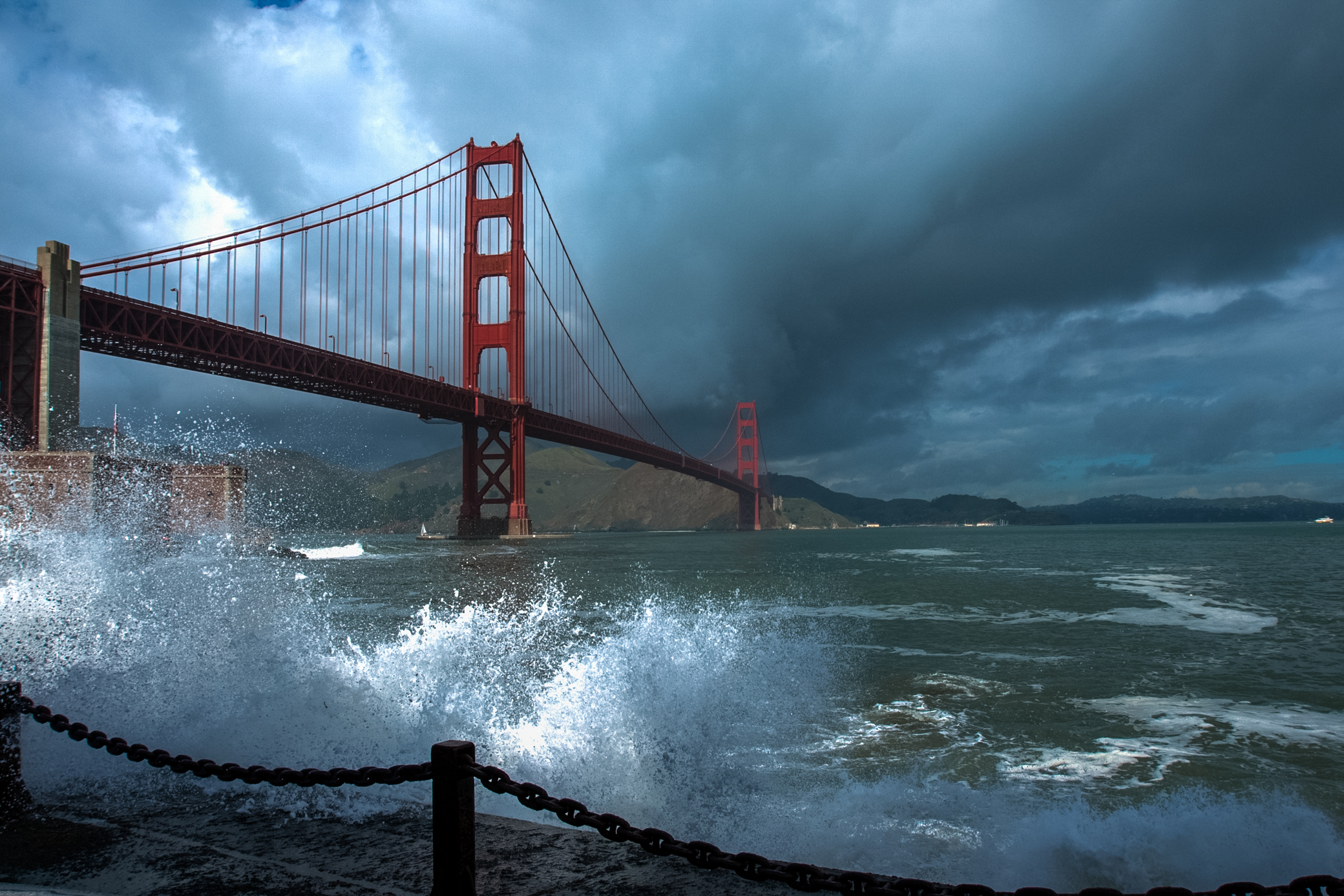
It blends military history, coastal wilderness, urban culture, and outdoor recreation across a sprawling patchwork of land, spanning both sides of the Golden Gate. This is not a singular destination with a defined trail to traverse. It is a collection of distinct places: the Marin Headlands, Alcatraz, Ocean Beach, and Fort Funston each present individual character and appeal. The experience score of 100 reflects documented breadth; nearly every visitor type finds engagement here. History enthusiasts, surfers, mountain bikers, birders, families, and backpackers are all well-served. Free entry eliminates a significant barrier. The sheer scale, however, necessitates planning. Without it, time may be lost to parking logistics.
The case for it
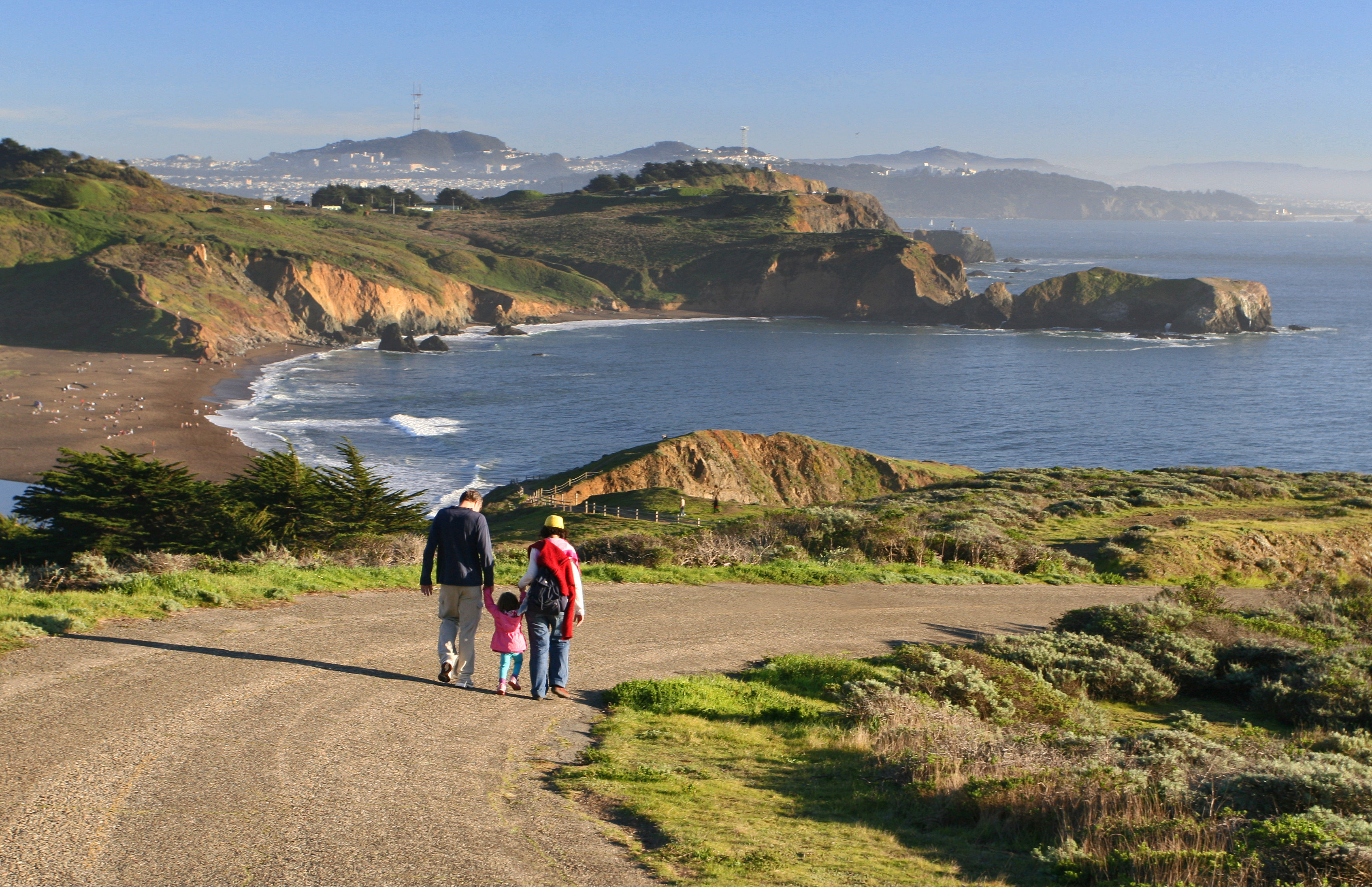
This park offers a spectrum of experiences. Front-country hiking trails provide sweeping coastal views. Picnics are possible at headlands overlooks. A guided tour of a former military installation reveals layers of Spanish, Mexican, and American history. Families can engage children with the Junior Ranger program. Adults may explore museum exhibits or attend living history reenactments. Mountain bikers find dedicated terrain in the Marin Headlands. Anglers can fish saltwater from accessible shorelines. Surfers will find significant waves at Ocean Beach. Birdwatchers have access to a productive migratory corridor on the Pacific Flyway. This breadth, combined with no entrance fee and proximity to San Francisco, makes a compelling case for its value.
Who it is for
This park accommodates a wide spectrum of interests, from urban day-trippers to dedicated hikers and history enthusiasts. Families, cyclists, birders, surfers, and campers will all find suitable activities. However, those seeking remote solitude or a singular, iconic wilderness experience may find its fragmented urban character unfulfilling. Deep backcountry is not the draw here.
Best time to visit
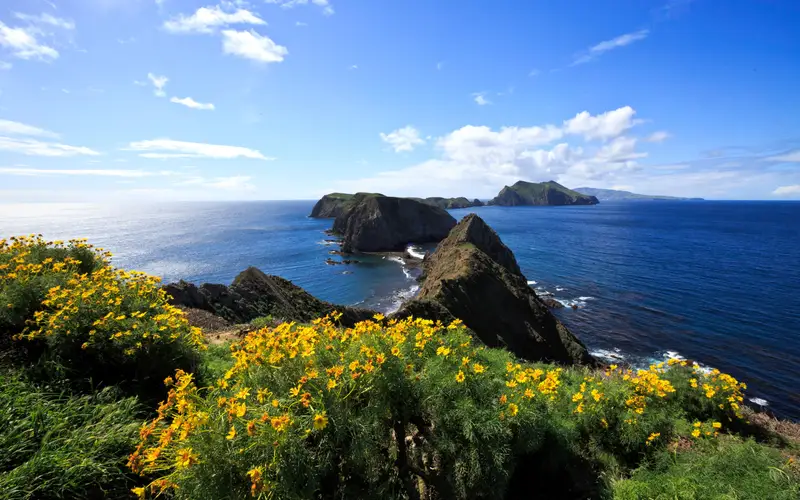
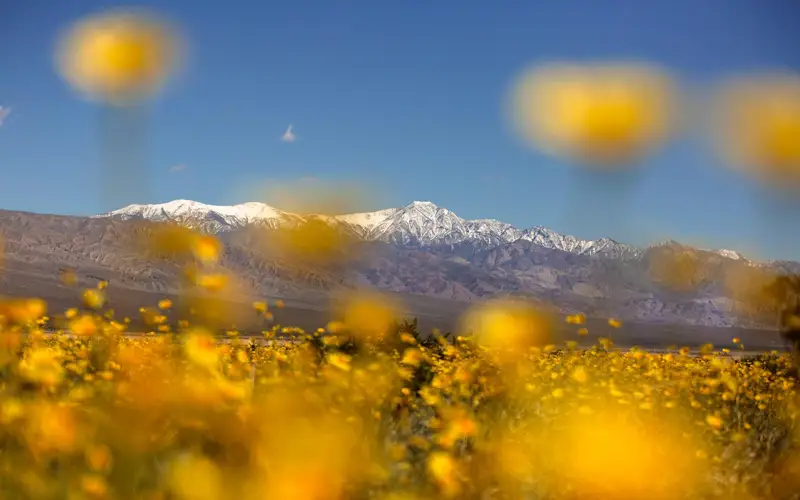
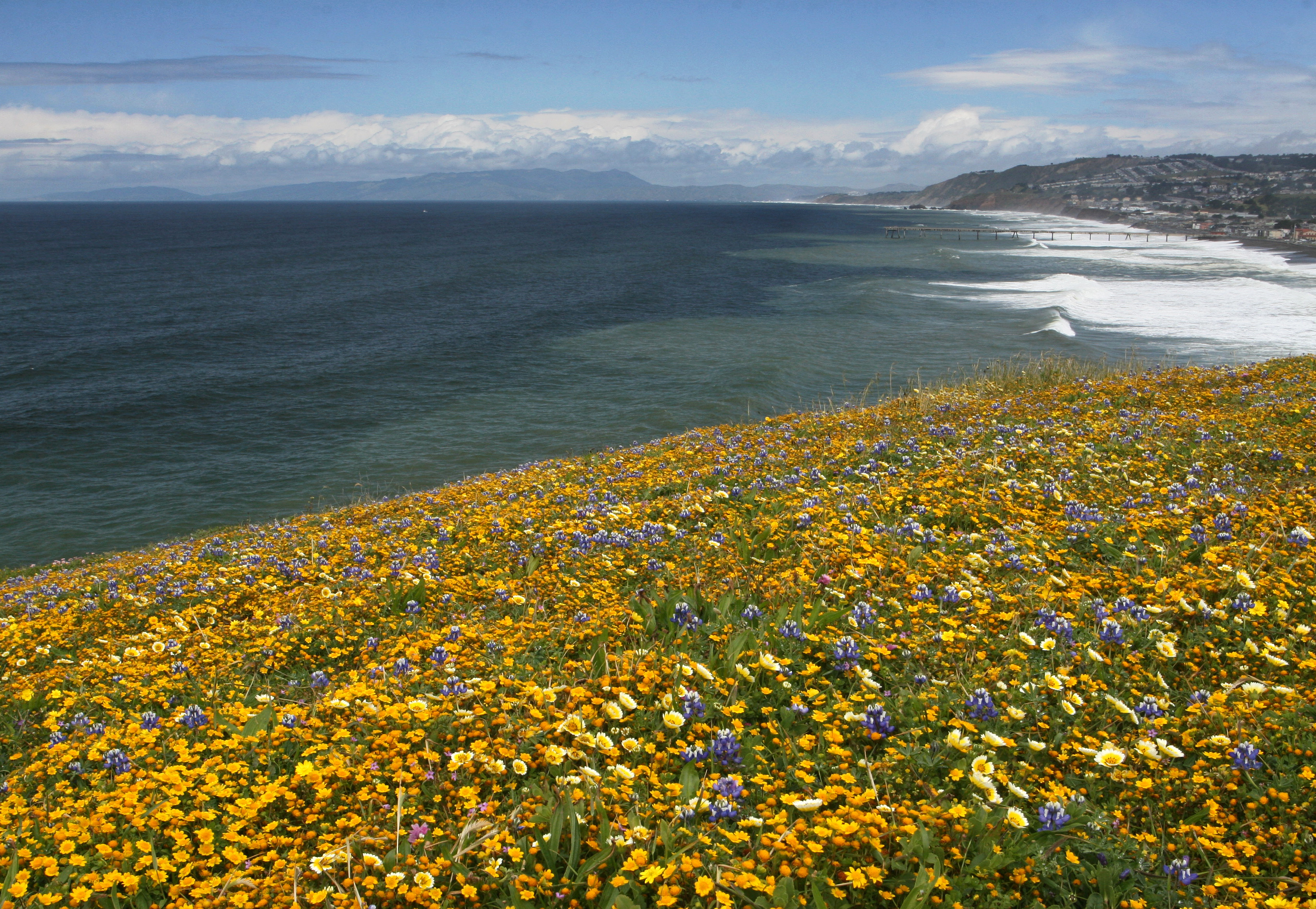
Spring offers ideal conditions: wildflowers bloom, grass greens, and the fog lessens. This season, from late February through May, avoids the heavy summer coastal fog. Fall provides the clearest skies and warmest coastal weather. Winter is quieter, with workable conditions on sunny days.
Worth seeing
- Free saltwater fishing along accessible coastal shorelines
- Mountain biking and front-country hiking with Pacific headlands views
- Living history programs and reenactments at former military sites
- Birdwatching along one of the Pacific Coast's major migratory corridors
- Car-accessible camping and group camping options within reach of San Francisco
- Guided tours connecting layers of indigenous, colonial, and military history
Before you visit
Entry is free at all trailheads and most areas. Parking lots typically operate sunrise to sunset, but many areas are accessible on foot or by bike around the clock. The park is fragmented across multiple sites, so decide in advance which section you are visiting. Alcatraz requires a separate ferry ticket booked through a concessioner and sells out well in advance.
Our tipFor hikers pursuing varied terrain and reliable visibility, the data indicates that driving inland to the Tennessee Valley or Muir Woods corridor offers a strategic advantage. The fog line frequently halts its advance there. This provides access to distinct landscapes and improved lighting conditions, often within a short distance from the coast.