

Should you visit Channel Islands National Park?
Channel Islands National Park offers a genuinely wild experience, one that requires deliberate effort.
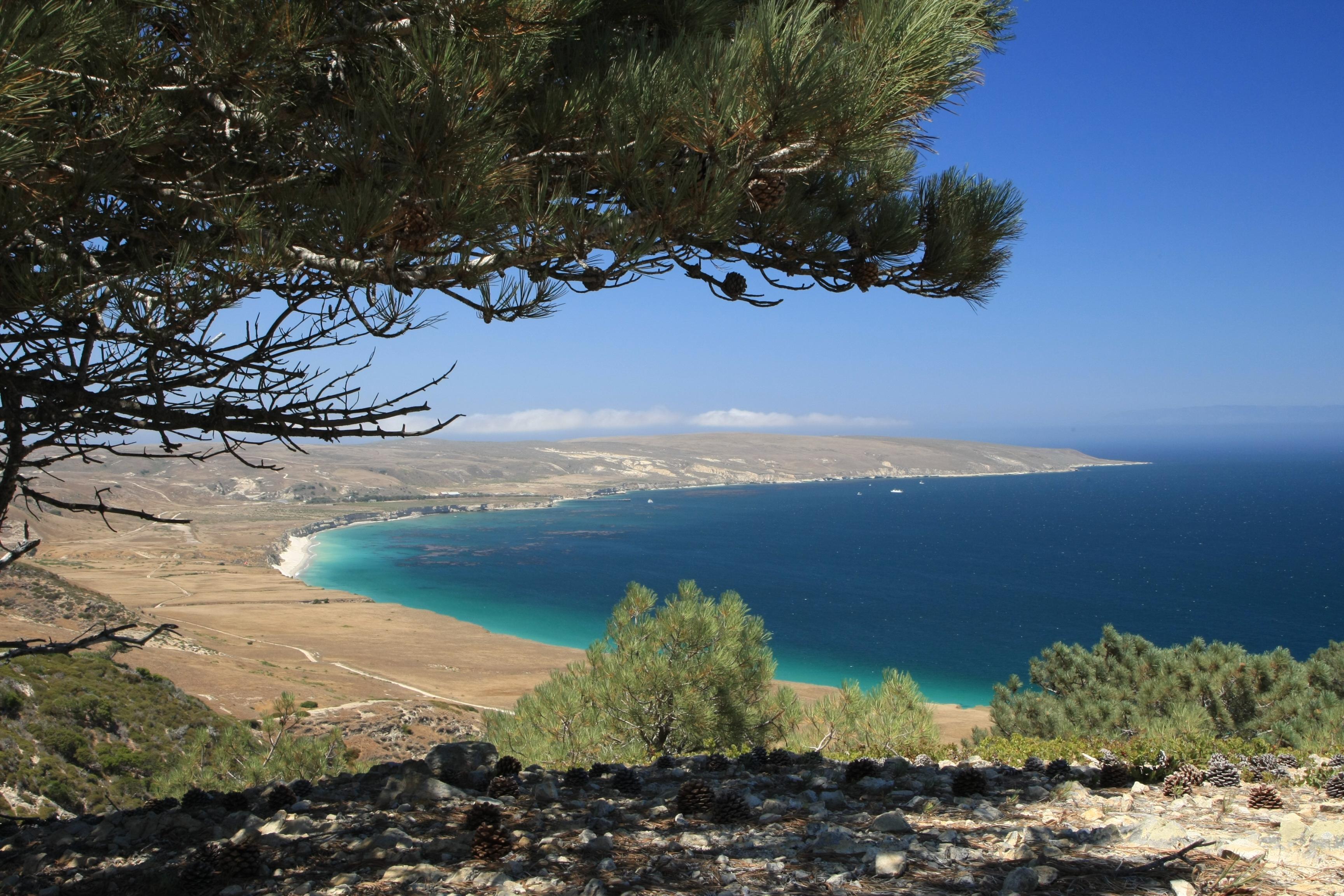
There are no bridges, roads, or drive-up overlooks. Access demands a boat journey from Ventura or Oxnard across the Santa Barbara Channel, depositing visitors into an environment distinctly unlike the Southern California coast. Five islands, each with unique characteristics, harbor endemic species. The park provides kelp forest diving, rated among the best on the West Coast, and sea caves navigable by kayak. Dark skies offer exceptional stargazing. The experience score of 100 attests to the documented breadth of activities available: camping, backcountry hiking, paddling, snorkeling, SCUBA, surfing, stargazing, wildlife watching, and guided tours are all genuinely offered. While park entrance is free, the logistical barrier of access means visitors must plan meticulously. This is not a casual destination.
What makes it worth it
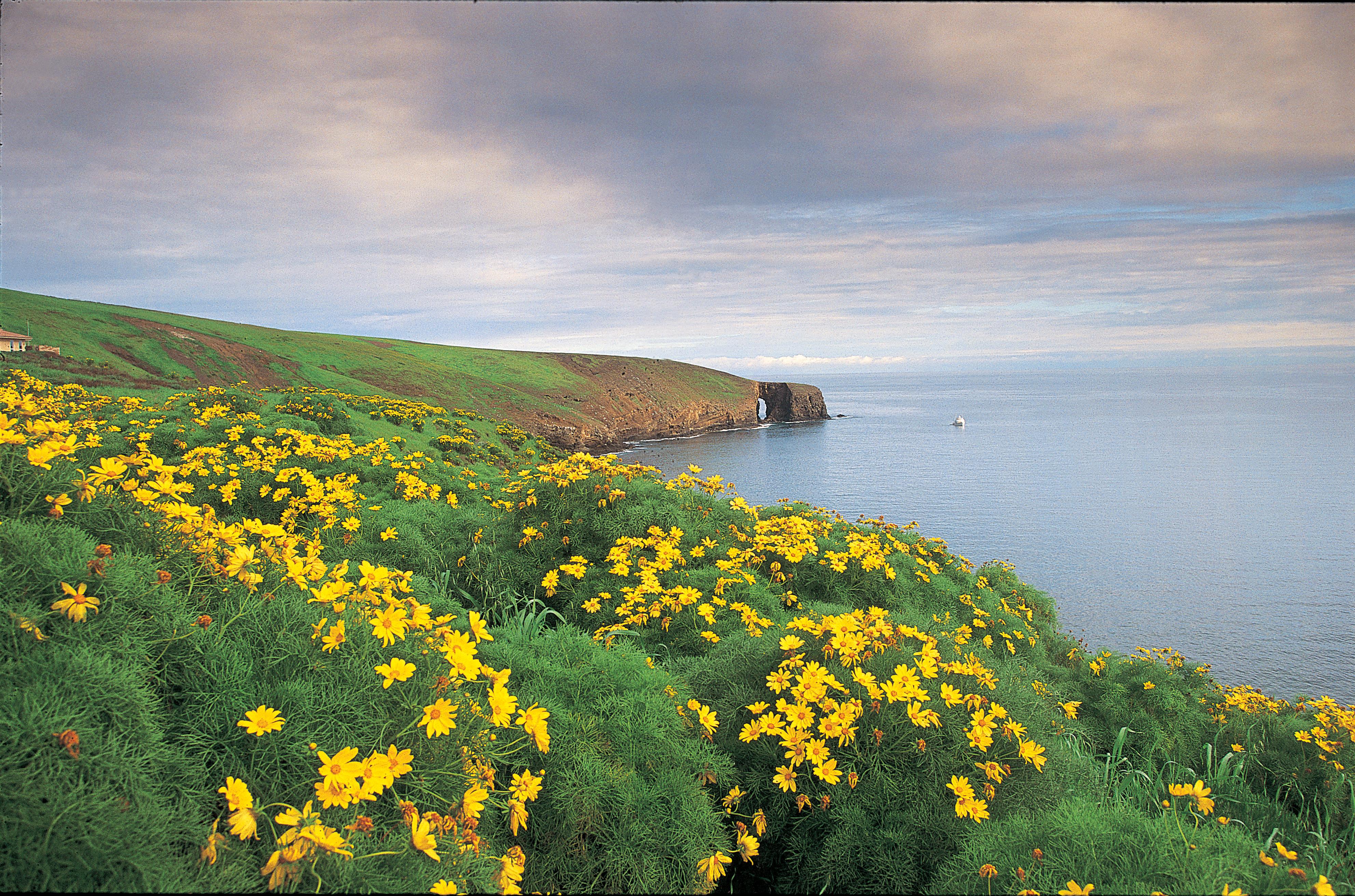
This national park unit offers an experience genuinely unlike anything else in California. A boat tour or concessionaire crossing to the islands is the necessary start. Commit to a hiking trail that delivers coastal bluffs above sea lion rookeries and nesting seabirds. Kayakers can explore sea caves only reachable by water, either independently or with a guided tour. SCUBA divers and snorkelers will find kelp forests with visibility and biodiversity rivaling more remote destinations. For those staying overnight, the marine layer frequently clears, making stargazing exceptional for backcountry campers. The documented combination of hiking, paddling, wildlife watching, and dark-sky astronomy in a single trip is a verifiable draw. Plan accordingly.
Who should go
This destination caters to the self-sufficient. Campers, kayakers, divers, and birders will find ample reward here, as will anyone prioritizing coastal wilderness and solitude. Families with older children, capable of a boat crossing and sustained hiking, will value the Junior Ranger program and the documented wildlife encounters. Casual day-trippers seeking a brief scenic interlude will be disappointed. The channel crossing is a significant consideration for those susceptible to seasickness.
When to go
This park's Mediterranean climate ensures year-round accessibility, with mild temperatures holding in the mid-60s for highs and low-50s for lows. No season is truly off-limits. Spring provides wildflower displays and peak seabird nesting. Summer presents calmer seas, favoring kayaking, but with increased boat traffic. Fall often emerges as the optimal period: calmer crossings prevail, diving visibility improves, and crowds thin. Winter introduces rougher swells, limiting certain activities and access.
Highlights
- Sea cave kayaking accessible only by paddling, with guided options available through park concessionaires
- SCUBA diving and snorkeling in kelp forests recognized as some of the richest on the Pacific Coast
- Wildlife watching for endemic island foxes, seabirds, and marine mammals including sea lions and seals
- Backcountry and front-country camping on islands with no road access, creating genuine isolation
- Dark-sky stargazing far removed from Southern California light pollution
- Off-trail hiking permitted on certain islands, allowing exploration beyond marked routes
Plan ahead
This park offers an exceptional experience for those prepared for true backcountry engagement. Its free entry belies the logistical planning required. The mandatory boat crossing to the islands, managed by an authorized concessionaire, necessitates advance booking. This includes separate campsite reservations, which are particularly competitive for spring and summer weekends. No provisions are available on the islands; all food, water, and gear must be transported by visitors. The park demands self-sufficiency.
Editor's tipThis park unit demands careful planning. With a fixed, limited boat schedule and no alternative return, visitors must book both boat crossing and campsite concurrently, well in advance. Missing the scheduled return poses a significant risk.