Is Yorktown Battlefield Part of Colonial National Historical Park worth your trip?
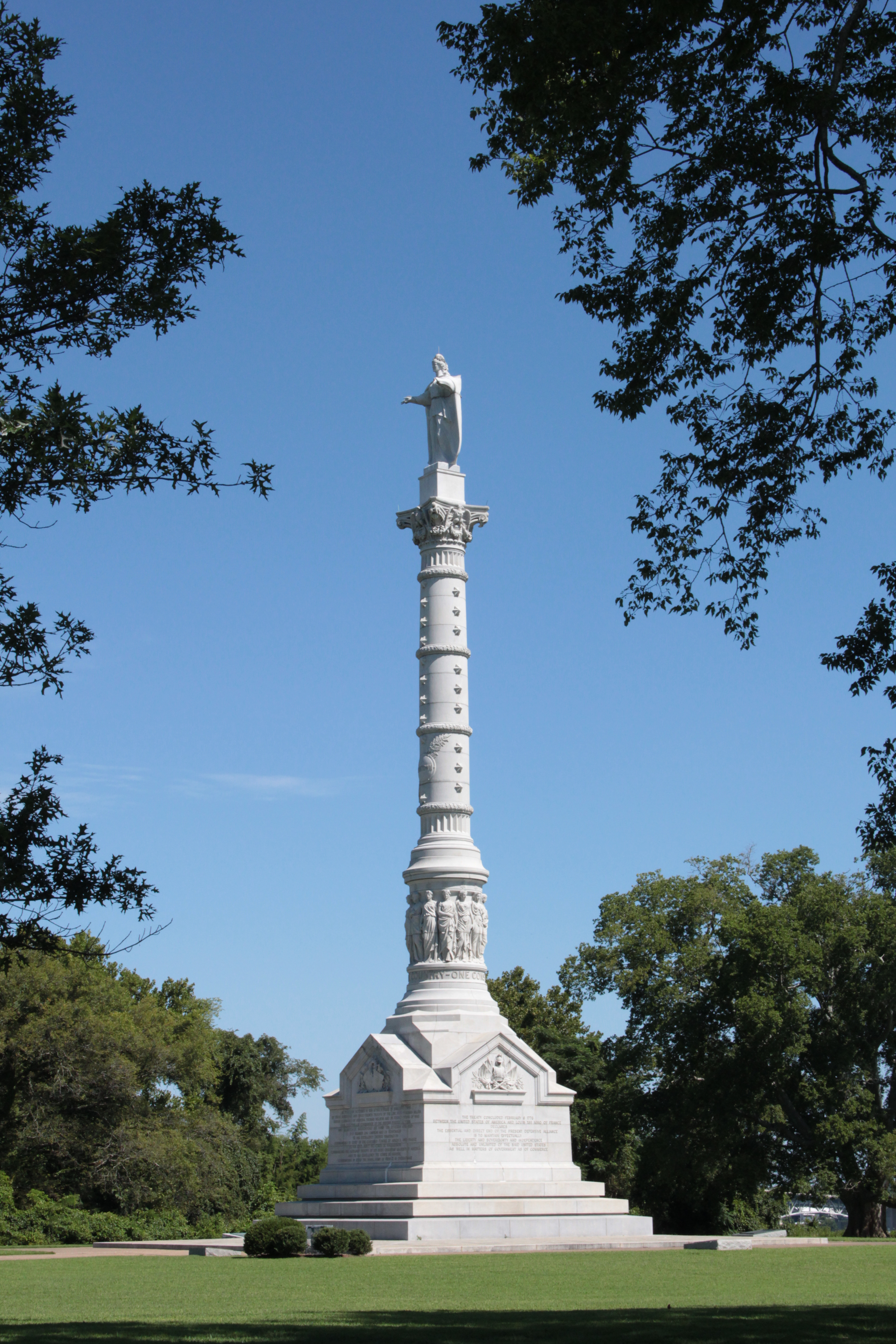
Yorktown Battlefield marks the site where the American Revolution concluded.
The $15 entry fee is appropriate for the experience. A score of 78 places this unit above average in documented breadth and access. The visitor center is well-stocked. Auto and walking tours traverse preserved earthworks and siege lines. Living history programs are also offered. Access to the Nelson House is included. History enthusiasts, families with older children, and cyclists will find ample engagement for a half to full-day visit. The landscape of open fields and quiet earthworks may underwhelm casual tourists without a specific interest in the Revolution. Do not expect dramatic reconstructed fortifications. The scale is the draw here.
Why go
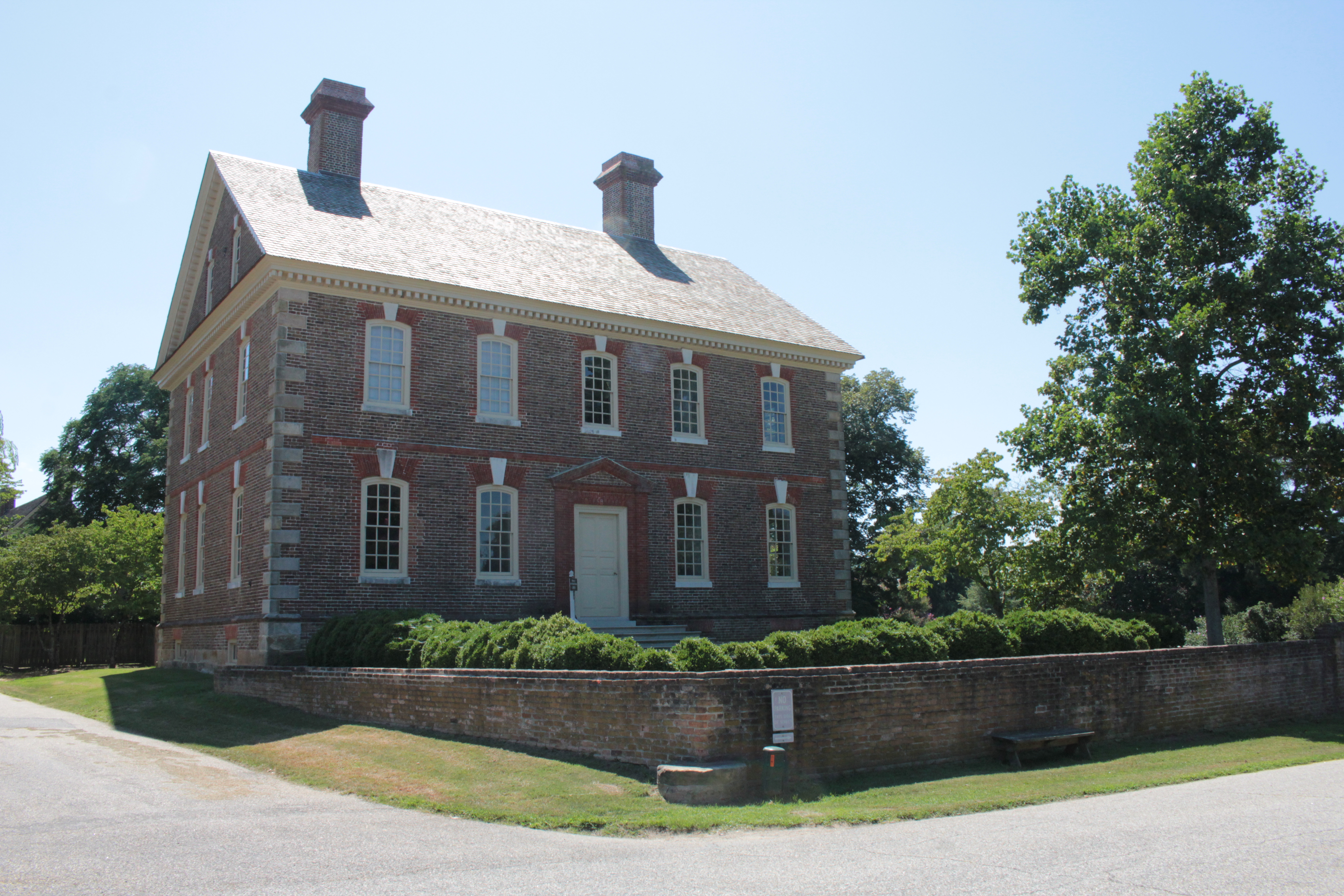
Yorktown offers a focused historical experience. The visitor center, with its film and exhibits, sets the stage for understanding the 1781 siege. An auto tour efficiently connects key battlefield positions. For those seeking deeper engagement, extensive walking and front-country hiking trails are available. Living history events, historic weapons demonstrations, and first-person interpretation enliven the narrative beyond static markers. Cyclists can also tour the grounds by bike. Secondary attractions include birdwatching and wildlife viewing. The open Nelson House presents a tangible link to the battle's principal
Best for
This unit offers a specialized experience, best suited for those with specific interests. Revolutionary War history buffs will find it deeply rewarding. Families with school-age children can benefit from the Junior Ranger Program and living history offerings. For cyclists and hikers, the tour routes provide a chance to combine physical activity with historical context. However, visitors seeking dramatic scenery, extensive backcountry adventures, or merely a quick stop will likely be disappointed. The focus here is squarely on the past.
Best season
The choice of season for visiting this historic site significantly shapes the experience. Spring and fall offer ideal conditions. For those keen on historical resonance, autumn holds particular significance: the 1781 surrender occurred in October, and the mild weather is well-suited for exploring the tour routes by foot or bicycle. Summer temperatures reaching 89 degrees Fahrenheit can render midday excursions across the open battlefield grounds uncomfortable. Winter provides a quiet, cold atmosphere, yet the grounds remain open to visitors.
The high points
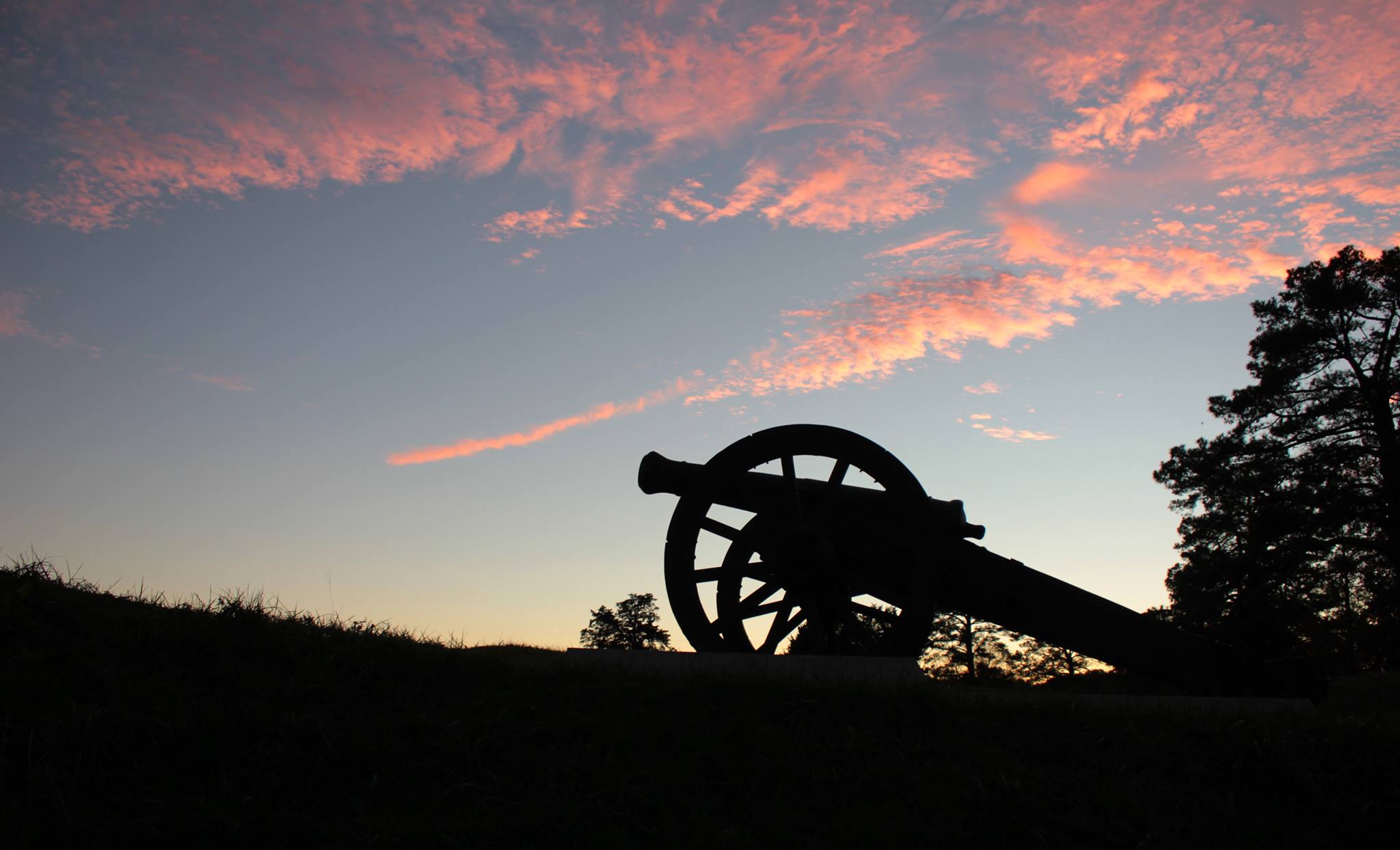
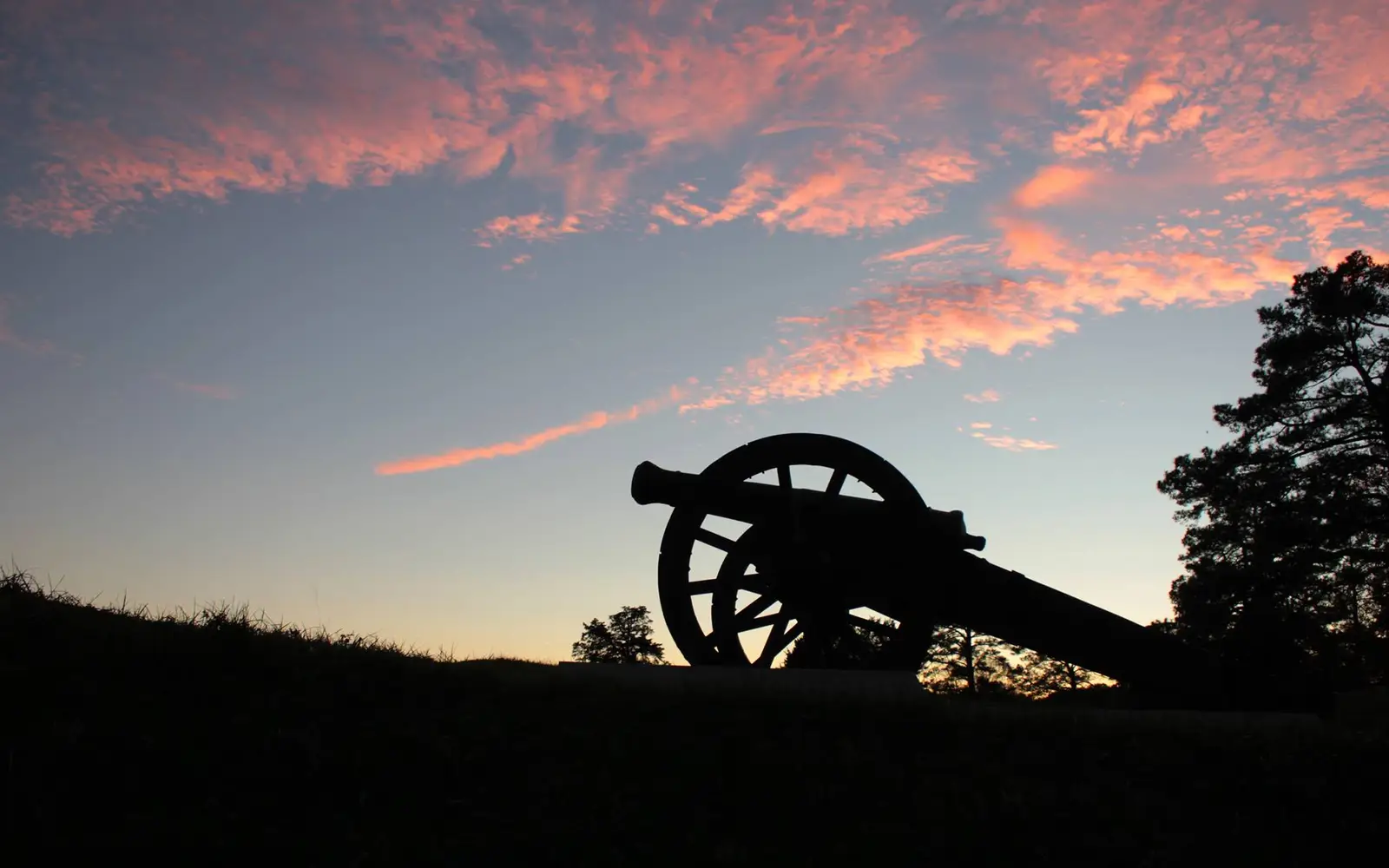
- Standing on the preserved siege lines and earthworks where the final major engagement of the Revolutionary War unfolded
- Auto tour route connecting key battlefield positions, accessible by car or bike
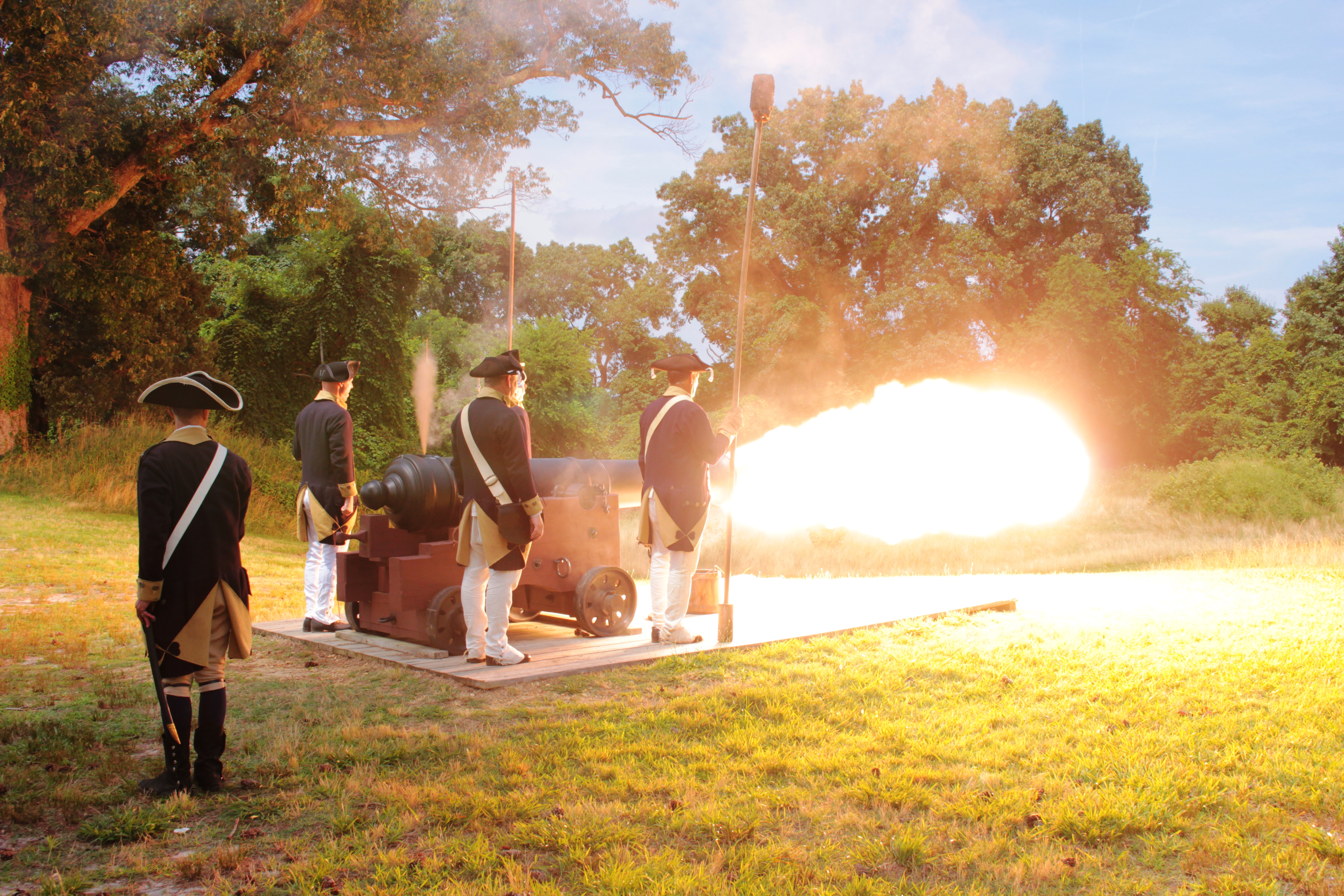
- Living history events, reenactments, and historic weapons demonstrations on select dates
- The Nelson House, open for visitation and directly tied to the 1781 campaign
- Visitor center museum exhibits and park film providing essential context before heading outside
- Junior Ranger Program making the site genuinely engaging for kids
Know before you go
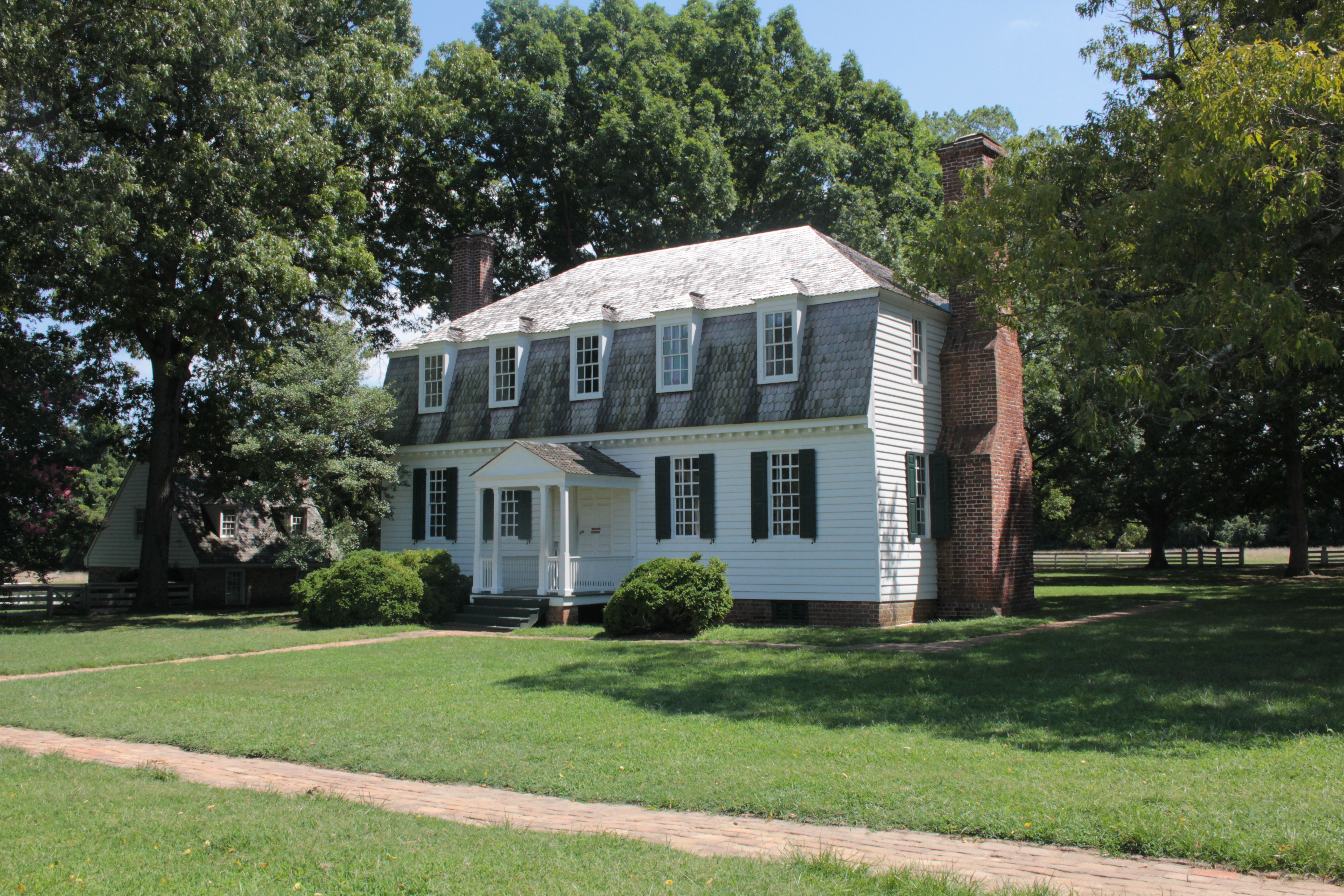
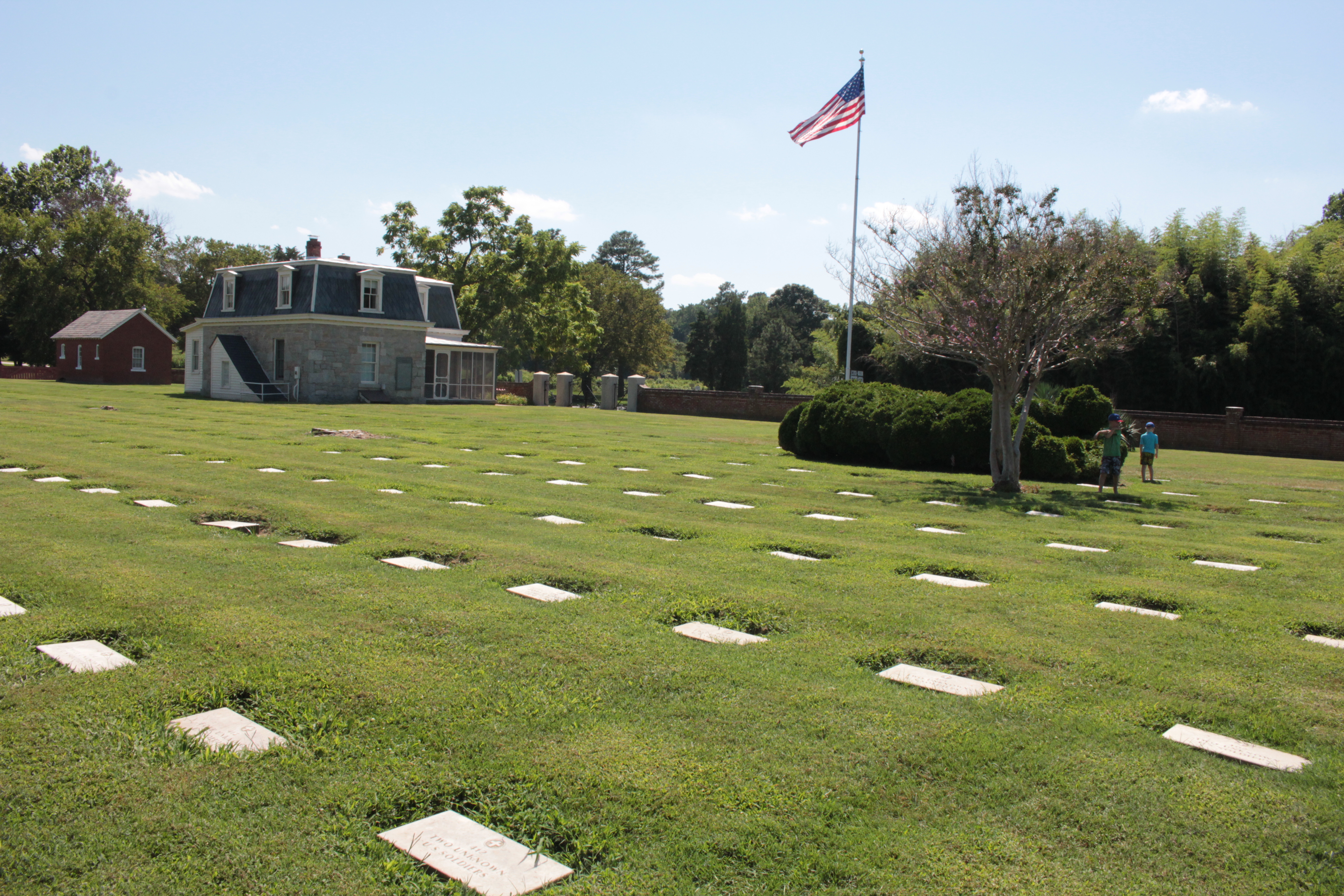
At a $15 per vehicle entrance fee, this park unit offers a focused historical experience. The visitor center, open daily from 9 AM to 5 PM, is an essential first stop, providing maps, a park film, and exhibits. While the Moore House and Cemetery Lodge are currently closed for interior access, their grounds remain open for exploration. Potential visitors should consult the official NPS site for updated schedules regarding living history programs and demonstrations, which fluctuate by season. This destination caters specifically to those interested in its particular historical narrative, offering limited general recreation. Casual sightseers should look elsewhere.
One more thingFor those planning an October visit, particularly around the 19th, consult the NPS calendar for potential anniversary programming. The site prioritizes its most intensive living history and reenactment events during this period. Experiencing the battlefield with active period demonstrations transforms the visit. A quiet weekday walk offers a fundamentally different experience.